
The Legacy of the Edo Period: Transformations in Trade Practices


Welcome to Feudal Japan History, where we invite you to embark on a fascinating journey through the intricate tapestry of Japan’s feudal era. In our featured article, "The Legacy of the Edo Period: Transformations in Trade Practices," we delve deep into the economic currents that shaped a nation. What were the pivotal trade practices that not only transformed local economies but also laid the groundwork for modern Japan?
Join us as we unravel the complexities of the Edo Period, exploring how its rich history and culture influenced trade dynamics. Get ready to uncover insights that will not only enlighten your understanding but also spark your curiosity to explore further!
- Introduction to the Edo Period Trade Practices Analysis
- Historical Context of Edo Period Trade
- Major Trade Practices During the Edo Period
- Transformations in Trade Practices
- Analysis of Trade Practices in Comparison to Previous Eras
- Case Studies of Notable Edo Period Trade Practices
- Conclusion: The Lasting Impact of Edo Period Trade Practices
-
Frequently Asked Questions
- What were the main trade practices during the Edo Period?
- How did the Edo Period influence Japan's economic development?
- What role did the shogunate play in trade during the Edo Period?
- How did cultural aspects affect trade practices in the Edo Period?
- What were the long-term impacts of Edo Period trade practices?
- Final Reflection: The Enduring Impact of Edo Period Trade Practices
- Unlock the Insights of the Edo Period!
Introduction to the Edo Period Trade Practices Analysis
The Edo Period, spanning from 1603 to 1868, marks a significant era in Japan's history characterized by relative peace, political stability, and cultural flourishing under the Tokugawa shogunate. This time also witnessed remarkable transformations in trade practices that laid the groundwork for modern economic structures in Japan. The analysis of Edo Period trade practices reveals not only the economic dynamics of the time but also the intricate social and cultural frameworks that influenced commerce. This comprehensive exploration aims to dissect these trade practices, providing insights into how they evolved and impacted both local and international exchanges.
Overview of the Edo Period
The Edo Period, often referred to as the Tokugawa Period, was a time when Japan experienced a unique isolationist policy known as sakoku, which restricted foreign influence and trade. Despite these limitations, the country developed a sophisticated internal market, characterized by a vibrant merchant class and burgeoning urban centers. Major cities, such as Edo (now Tokyo), Osaka, and Kyoto, became critical hubs for trade, fostering a complex network of commerce that contributed to Japan's economic resilience.
During this period, the Sankin-kōtai system, which required feudal lords (daimyō) to alternate their residence between their domains and the shogun's capital, Edo, further stimulated economic activity. This practice not only reinforced the central authority of the shogunate but also created a demand for goods and services that fueled local economies.
Importance of Trade in Feudal Japan
Trade played a pivotal role in the social and economic landscape of feudal Japan. It facilitated not only the exchange of goods but also cultural interactions among the various regions of Japan. The rise of the merchant class, known as chōnin, marked a significant shift in societal hierarchies, challenging the previously dominant samurai class.
Key commodities traded during the Edo Period included:
- Rice: The staple food and the basis of wealth
- Silk: A luxury item highly valued both domestically and abroad
- Pottery and ceramics: Renowned for their craftsmanship
- Textiles: Including cotton and indigo-dyed fabrics
The development of daimyo and merchant alliances led to increased competition and innovation within trade practices, shaping the economic fabric of Japan.
Purpose and Scope of the Article
This article aims to provide an in-depth analysis of trade practices during the Edo Period, exploring the factors that influenced their evolution and their lasting impact on Japan's economic history. By examining the interplay between trade, culture, and society, we will uncover how these practices not only shaped the Edo Period but also set the stage for Japan's emergence as a modern economic power.
Readers can expect a detailed examination of specific trade practices, key players in the market, and the socio-political context that facilitated these developments. Through this analysis, we seek to enhance understanding of the Edo Period's legacy and its relevance in contemporary discussions about trade and commerce in Japan.
Historical Context of Edo Period Trade

Timeline of the Edo Period (1603-1868)
The Edo Period, spanning from 1603 to 1868, marked a significant era in Japan characterized by relative peace, economic stability, and cultural flourishing. Below is a detailed timeline highlighting key events that shaped trade practices during this period:
- 1603: Establishment of the Tokugawa Shogunate by Tokugawa Ieyasu, which centralized power and initiated policies that would regulate trade.
- 1614: The Tokugawa government issued an edict banning Christianity, impacting foreign trade relations, particularly with European nations.
- 1635: The Sakoku policy (closed country) was formally instituted, restricting foreign trade to specific ports, such as Nagasaki, and limiting contact primarily to the Dutch and Chinese.
- 1700s: The rise of merchant classes (chōnin), leading to the growth of domestic trade, urbanization, and the development of a consumer culture.
- 1787: The Kansei Reforms introduced by Matsudaira Sadanobu aimed to stabilize the economy and regulate trade practices, emphasizing the importance of agriculture over commerce.
- 1853: Commodore Matthew Perry's arrival in Japan prompted the end of isolationist policies, leading to significant changes in trade dynamics.
- 1868: The Meiji Restoration marked the end of the Edo Period, leading to rapid modernization and the integration of Japan into the global economy.
This timeline illustrates the evolution of trade practices during the Edo Period, highlighting how political decisions and international relations influenced economic activities.
Key Historical Events Influencing Trade Practices
Several key historical events during the Edo Period significantly influenced trade practices in Japan, shaping the economic landscape and the interactions between various social classes:
- The Sakoku Policy: Instituted in the early 17th century, this isolationist policy restricted foreign trade to specific nations and limited the number of foreign traders allowed into Japan. This led to a focus on domestic commerce and the development of a unique Japanese market, fostering local industries.
- Urbanization and the Rise of Chōnin: The growth of cities like Edo (modern Tokyo), Osaka, and Kyoto facilitated trade among merchants (chōnin). These urban centers became hubs of commerce, where goods such as textiles, rice, and ceramics were exchanged. The rise of a merchant class contributed to the development of a consumer culture.
- The Introduction of the Fudai and Tozama System: The Tokugawa Shogunate's division of daimyōs (feudal lords) into fudai (loyal vassals) and tozama (outside lords) created a hierarchical structure that affected trade relationships. Fudai daimyōs often had privileged access to trade routes and resources, influencing trade dynamics.
- Kansei Reforms: These reforms aimed to restore economic stability and curb the excesses of the merchant class. The government sought to regulate prices and promote agricultural production, impacting the flow of goods and the overall trade environment.
- Commodore Perry's Expedition: The arrival of American naval forces in 1853 forced Japan to open its ports to international trade, effectively ending the Sakoku policy. This event marked a dramatic shift in trade practices as Japan began to engage with Western economies.
These events collectively transformed trade practices during the Edo Period, highlighting the complex interplay between political power, social structure, and economic activity.
The Role of the Tokugawa Shogunate in Trade Regulation
The Tokugawa Shogunate played a pivotal role in shaping trade practices during the Edo Period through its regulatory policies and economic strategies. Key aspects of this influence include:
- Centralization of Power: The Tokugawa Shogunate centralized authority, which allowed for the establishment of a unified system of trade regulation. This centralized governance facilitated consistent enforcement of trade policies across the nation.
- Control Over Foreign Trade: By implementing the Sakoku policy, the shogunate restricted foreign interactions to a select few trading partners. The Dutch and Chinese were the primary foreign traders allowed in Nagasaki, which enabled the shogunate to control the flow of goods and information entering Japan.
- Regulation of Domestic Trade: The Tokugawa government issued various edicts to regulate domestic trade, including the management of prices and the control of markets. These regulations sought to prevent monopolies and ensure fair competition among merchants.
- Support for Infrastructure Development: The shogunate invested in infrastructure projects such as roads and transportation systems, enhancing the movement of goods across regions. This investment facilitated trade networks and supported economic growth.
- Promotion of Cultural Exchange: While the shogunate enforced strict trade regulations, it also recognized the value of cultural exchange. The limited foreign trade allowed for the introduction of Western knowledge and technology, which gradually influenced Japanese industries and crafts.
The Tokugawa Shogunate's regulatory framework and policies were instrumental in shaping the trade practices of the Edo Period, fostering a unique economic environment that balanced control with limited openness to foreign influences.
Major Trade Practices During the Edo Period
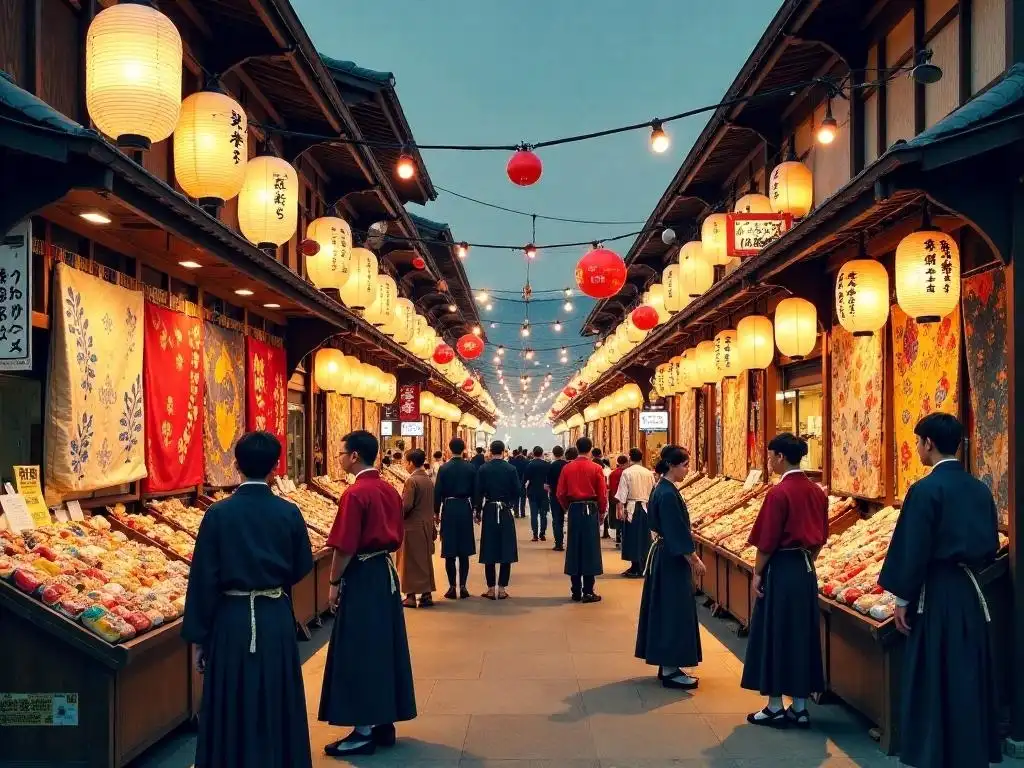
Domestic Trade Practices in Japan
Description of Key Trading Routes
During the Edo Period (1603-1868), Japan witnessed a significant transformation in its domestic trade practices. The establishment of a stable political environment under the Tokugawa shogunate contributed to the flourishing of commerce across the archipelago. Key trading routes emerged, connecting various regions and facilitating the movement of goods.
- Tokaido Route: This was the most important road, linking the capital, Edo (modern-day Tokyo), with Kyoto, the cultural heart of Japan. The Tokaido was not only a vital transportation route but also a bustling thoroughfare for merchants and travelers alike, allowing for the exchange of goods such as textiles, pottery, and rice.
- Nakasendo Route: Running parallel to the Tokaido, the Nakasendo connected Edo and Kyoto through the mountainous regions. This route was essential for transporting goods that required overland travel, including fine crafts and luxury items.
- Kiso Road: A segment of the Nakasendo, the Kiso Road was known for its picturesque scenery and served as a crucial artery for the transport of timber and other natural resources from the mountainous areas to urban centers.
These routes were often accompanied by post stations (shukuba), where travelers could rest and merchants could conduct business, further enhancing the vibrancy of domestic trade.
The Role of Merchant Classes in Trade
The merchant class, known as chōnin, played a pivotal role in the Edo Period's trade practices. Unlike their predecessors in earlier periods, merchants gained considerable influence and wealth during this era. Here are some key aspects of their contributions:
- Economic Power: Chōnin accumulated wealth through trade, particularly in urban areas like Edo, Osaka, and Kyoto. Their economic power allowed them to influence local politics and culture.
- Development of Credit Systems: The merchants established credit systems, including the use of promissory notes (sumi), which facilitated trade by allowing merchants to conduct transactions without the immediate exchange of cash.
- Cultural Influence: The chōnin did not just engage in commerce; they also contributed to the cultural landscape of Japan. They were patrons of the arts and played a significant role in the development of ukiyo-e (woodblock prints) and kabuki theater, thereby intertwining trade and culture.
International Trade Practices in the Edo Period
Key Trade Partners and Commodities
While Japan was largely isolated during the Edo Period, limited international trade did occur, primarily through designated ports such as Nagasaki. The key trade partners and their commodities included:
- Dutch East India Company: The Dutch were Japan's primary European trading partner. They traded goods such as textiles, spices, and advanced Western technology, including navigational instruments.
- China: Trade with China was significant, with silk, ceramics, and tea being major imports. Japanese goods, particularly silver and copper, were exported in exchange.
- Korea and Ryukyu Islands: These regions contributed to the trade network, with Korea supplying ginseng and textiles, while the Ryukyu Islands acted as intermediaries for trade between Japan and Southeast Asia.
The trade dynamics of this period illustrate a selective engagement with the outside world, heavily regulated by the shogunate.
The Impact of Sakoku (Closed Country) Policy on Trade
The Sakoku policy, enacted in the early 17th century, was a pivotal aspect of Japan's international trade landscape. Its implications include:
- Isolation from Foreign Influence: The Sakoku policy restricted foreign contact and prohibited Japanese citizens from traveling abroad. This isolation limited trade partners to specifically designated nations.
- Controlled Trade Environment: The shogunate controlled all foreign trade, allowing only the Dutch and Chinese to conduct business in Nagasaki. This control ensured that the Japanese economy remained stable and protected from foreign domination.
- Cultural Exchange: Despite its restrictive nature, Sakoku allowed for limited cultural and knowledge exchanges, particularly with the Dutch, who introduced Western science and medicine, subtly influencing Japanese society.
The Edo Period's trade practices reflect a complex interplay of domestic and international dynamics, shaped by geographical routes, merchant classes, and a strict isolationist policy. This era laid the foundations for Japan's economic development in the subsequent Meiji Restoration period.
Transformations in Trade Practices
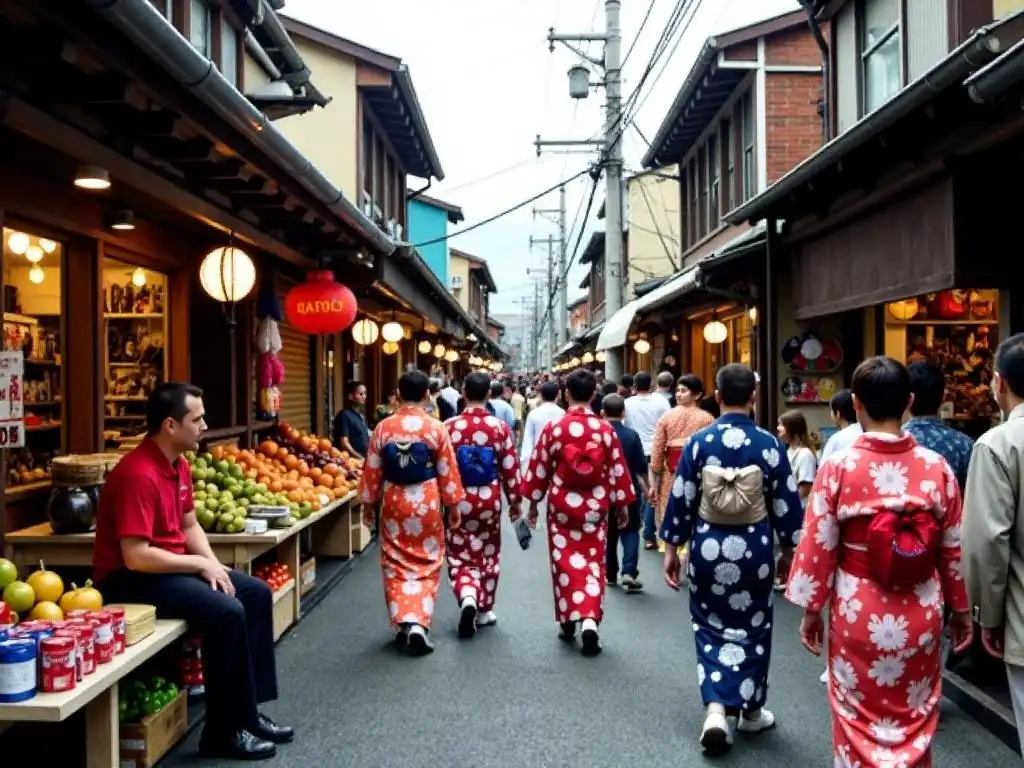
The Edo Period (1603-1868) marked a significant transformation in Japan's trade practices, reshaping the economic landscape and the daily lives of its people. During this time, Japan experienced a long period of peace and stability under the Tokugawa shogunate, which allowed for the flourishing of both domestic and international trade. This section will delve into the economic changes that occurred during this period and how cultural influences shaped trade practices.
Economic Changes in the Edo Period
The Rise of Urban Centers and Marketplaces
The Edo Period saw a remarkable rise in urban centers, with cities like Edo (modern-day Tokyo), Osaka, and Kyoto becoming bustling hubs of commerce. The population of these cities grew dramatically, leading to the establishment of vibrant marketplaces that catered to the increasing demand for goods.
- Key Features of Urban Growth:
- Edo: Grew from a small fishing village to the largest city in the world by the late 18th century, with a population exceeding one million.
- Osaka: Known as the "Kitchen of the Nation," it became a major distribution center for rice and other commodities.
- Kyoto: Maintained cultural significance and served as a center for luxury goods and crafts.
The emergence of these urban centers facilitated the development of a merchant class that played a crucial role in shaping trade practices. Merchants began to form guilds, establishing regulations and standards that helped to stabilize market transactions and foster trust among consumers.
Introduction of Currency and Banking Systems
One of the most notable transformations in Edo Period trade practices was the introduction and standardization of currency. The Tokugawa shogunate implemented a system of coins, including the gold ryo, silver bu, and copper mon, which replaced the barter system and allowed for a more fluid economy.
- Impact of Currency on Trade:
- Standardization: Created a uniform system that simplified transactions and made trade more efficient.
- Banking Systems: The rise of merchant banks, such as the Mitsui, facilitated credit and loans, enabling merchants to expand their businesses.
Cultural Influences on Trade Practices
Cultural factors played a significant role in shaping the trade practices during the Edo Period. The intersection of tradition, religion, and the arts influenced not only the types of goods traded but also the methods and ethics of commerce.
Influence of Zen Buddhism on Commerce
Zen Buddhism, which gained prominence during the Edo Period, had a profound impact on trade practices. The philosophy emphasized simplicity, mindfulness, and the intrinsic value of craftsmanship, which resonated with merchants and consumers alike.
- Key Influences:
- Ethics in Business: Merchants began to adopt ethical practices, focusing on quality and customer satisfaction rather than mere profit.
- Mindfulness in Trade: The principles of Zen encouraged a more thoughtful approach to commerce, leading to an appreciation for craftsmanship and the cultural significance of goods.
The Role of Arts and Crafts in Trade
The Edo Period was also a time of artistic flourishing, with crafts such as ukiyo-e (woodblock prints), ceramics, and textiles becoming highly sought after both domestically and internationally. This artistic boom not only enriched Japanese culture but also significantly influenced trade practices.
- Impact on Trade:
- Luxury Goods: The demand for beautifully crafted items increased, leading to the establishment of specialized markets for arts and crafts.
- Cultural Exchange: The export of Japanese art and crafts to foreign markets helped to establish Japan's presence in global trade networks.
The transformations in trade practices during the Edo Period were marked by significant economic developments and profound cultural influences. The rise of urban centers, the introduction of currency, and the interplay of cultural elements such as Zen Buddhism and the arts all contributed to a sophisticated and dynamic trading environment that laid the groundwork for modern Japan.
Analysis of Trade Practices in Comparison to Previous Eras

The Edo Period (1603-1868) marked a significant departure from the trade practices of previous eras, particularly the Sengoku Period (1467-1603). The stability established during the Edo Period allowed for a flourishing of commerce and a transformation in trade dynamics. This analysis highlights key differences between trade practices in these two pivotal historical contexts, emphasizing the impact of political and social changes on economic activities.
Contrast with the Sengoku Period Trade Practices
During the Sengoku Period, Japan was characterized by constant civil strife and regional conflicts, leading to fragmented political power among the daimyo (feudal lords). This instability had profound implications for trade practices:
- Fragmented Markets: Trade was localized, with individual regions often operating independently. Each daimyo sought to control resources and trade routes within their territories, leading to a patchwork of trade regulations and practices.
- Barter System: The lack of a unified currency made barter the predominant method of trade. Goods exchanged varied widely depending on regional resources and demands, complicating commercial transactions.
- Limited International Trade: Due to the ongoing conflicts and the isolationist policies of certain daimyo, international trade was minimal. Foreign merchants faced restrictions, and the exchange of goods was largely confined to Japanese markets.
In contrast, the Edo Period introduced a centralized governance under the Tokugawa shogunate, which fostered a more cohesive economic environment:
- Unified Currency: The introduction of a standardized currency system facilitated trade across regions, making transactions more efficient and reducing reliance on barter.
- Increased International Trade: Although Japan maintained a policy of sakoku (national isolation), limited trade with the Dutch and Chinese at Nagasaki allowed for the introduction of foreign goods and ideas, enhancing domestic commerce.
- Emergence of Urban Centers: The Edo Period saw the rise of major urban centers, such as Edo (modern Tokyo), where merchants could engage in robust trade activities, leading to the development of a more organized marketplace.
Innovations Introduced During the Edo Period
The Edo Period was a time of great innovation in trade practices, driven by the need to support a growing economy and urban population. Several key advancements include:
- Merchant Class Ascendancy: The emergence of a wealthy merchant class (chōnin) played a crucial role in evolving trade practices. These merchants not only facilitated trade but also influenced cultural and social dynamics through their economic power.
- Development of Trade Routes: The establishment of well-defined trade routes, such as the Five Routes (Gokaidō), improved the flow of goods across the country. This network connected key cities and regions, enhancing trade efficiency.
- Innovative Business Practices: The Edo Period saw the introduction of modern business practices, including credit systems and the use of bills of exchange. These innovations allowed for more complex transactions and greater capital mobility.
- Cultural Exchange: The period also fostered cultural exchanges that influenced trade. The rise of ukiyo-e (woodblock prints) and other art forms reflected and promoted commercial activities, often depicting the lives of merchants and their wares.
Long-term Effects on Modern Japanese Trade Practices
The trade practices established during the Edo Period have had lasting effects on modern Japanese commerce. Key aspects of this legacy include:
- Foundation of Modern Economy: The economic frameworks and practices developed during the Edo Period laid the groundwork for Japan's subsequent industrialization in the Meiji Period and beyond. The merchant practices and urbanization trends fostered a business environment conducive to growth.
- Cultural Influences on Commerce: The emphasis on quality and craftsmanship during the Edo Period continues to influence Japanese trade practices today. The legacy of attention to detail and cultural significance in products remains a hallmark of Japanese commerce.
- Global Trade Relations: While the Edo Period maintained strict controls on international trade, the eventual opening up of Japan in the late 19th century led to a robust global trade presence. The foundations laid during the Edo Period facilitated Japan's integration into the global economy.
- Continuing Innovation: The innovative spirit of the Edo Period persists in modern Japanese business practices, with ongoing advancements in technology and methods that echo the entrepreneurial spirit of that era.
The Edo Period's trade practices marked a transformative era in Japan's economic history, contrasting sharply with the preceding Sengoku Period. The innovations and structures established during this time have had enduring impacts on both domestic and international trade, shaping the modern landscape of Japanese commerce.
Case Studies of Notable Edo Period Trade Practices

The Edo Period (1603-1868) was a transformative era for Japan, particularly regarding trade practices. This section delves into specific case studies that exemplify the evolution and significance of commerce during this time, highlighting key players and commodities that shaped the economic landscape.
The Success of the Mitsui Trading Company
The Mitsui Trading Company, founded in the early 17th century, stands as a prime example of a successful enterprise during the Edo Period. Initially starting as a small family-run oil shop in Edo, the Mitsui family strategically diversified into various sectors, including textiles, banking, and trade. By the mid-18th century, Mitsui had established itself as one of the most powerful trading houses in Japan.
- Innovative Business Practices: The Mitsui family implemented several innovative practices that transformed trade. They used a credit system to facilitate transactions, which was revolutionary at the time. This allowed for more extensive and efficient trade operations, enabling merchants to conduct business without needing immediate cash on hand.
- Expansion of Trade Networks: Mitsui’s expansion was also marked by its ability to establish extensive trade networks, both domestically and internationally. They engaged in trade with Chinese merchants, securing a steady supply of silk and porcelain, which were highly sought after in Japan.
- Cultural Impact: The success of Mitsui contributed to the rise of a merchant class in Japan, altering societal structures. Their influence extended beyond commerce into cultural realms, as they became patrons of the arts and education, further embedding themselves in the fabric of Edo society.
The Role of Osaka as a Trade Hub
Osaka emerged as the epicenter of trade during the Edo Period, often referred to as "the kitchen of the nation" due to its pivotal role in the distribution of rice and other essential commodities.
- Geographical Advantages: Situated at the confluence of major rivers, Osaka benefited from its strategic location, facilitating easy transport of goods from farming regions in the west to the markets in Edo and beyond.
- The Osaka Rice Exchange: The establishment of the Osaka Rice Exchange in 1730 was a landmark event in Edo Period trade practices. This exchange not only regulated rice prices but also standardized trading practices, allowing rice to be traded as a commodity rather than merely a staple food. The exchange became a model for future commodity markets in Japan.
- Merchant Guilds: The presence of powerful merchant guilds in Osaka further solidified its status as a trade hub. These guilds managed trade practices, regulated pricing, and ensured quality control, fostering a competitive yet structured marketplace that benefited both producers and consumers.
Analysis of Specific Commodities (e.g., Silk, Rice)
The trade of specific commodities during the Edo Period reveals insights into the economic practices and societal values of the time. Two of the most significant commodities were silk and rice.
- Silk Trade: The silk trade flourished due to the demand for luxury goods among the growing merchant class. Japan, relying heavily on imports from China, developed intricate trade relationships that allowed for the steady flow of silk into the country. The Nagoya region, known for its sericulture, became crucial for domestic silk production, further enriching trade dynamics.
- Rice as Currency: Rice was not merely a food staple; it functioned as a currency and a measure of wealth. The koku (a unit of measurement for rice) became a standard for assessing a lord's wealth and a basis for taxation. The trade of rice influenced social hierarchies, with landowners and merchants leveraging rice for power and status.
- Cultural Significance: Both silk and rice held cultural significance, with silk often associated with status and beauty, while rice was central to Japanese identity and cuisine. The trade practices surrounding these commodities reflected broader societal values, illustrating the interplay between economic activity and cultural heritage.
Through these case studies, it is evident that Edo Period trade practices not only shaped the economy but also influenced social structures and cultural norms, leaving an indelible mark on Japan's historical narrative.
Conclusion: The Lasting Impact of Edo Period Trade Practices
The Edo Period (1603-1868) was a time of remarkable transformation in Japan's trade practices, leaving a legacy that continues to influence contemporary economic structures. The isolationist policies of the Tokugawa shogunate created a unique environment for local commerce, which thrived despite international restrictions. This conclusion highlights the pivotal aspects of Edo Period trade practices and their enduring impact on Japan's economic history.
Summary of Key Findings in Edo Period Trade Practices Analysis
-
Sakoku Policy and Domestic Trade
The Tokugawa shogunate's sakoku (closed country) policy, which limited foreign influence, paradoxically fostered a robust domestic economy. Key findings include:
- The rise of regional markets: Localized trade networks flourished, enabling the exchange of goods and services within Japan.
- Establishment of post towns: These hubs facilitated the movement of goods and information, enhancing trade efficiency.
-
Growth of Merchants and Urban Centers
The Edo Period saw the emergence of a new merchant class, which significantly influenced trade practices:
- Merchants gained prominence: Wealthy merchants played a crucial role in the economy, often rivaling samurai in influence.
- Urbanization: Cities like Edo (now Tokyo), Osaka, and Kyoto became vital commercial centers, shaping trade dynamics.
-
Standardization and Regulation
The shogunate implemented regulations that standardized trade practices, contributing to a more organized market:
- Weights and measures: The introduction of standardized weights and measures facilitated fair trade.
- Taxation and licensing: Merchants were required to register and pay taxes, ensuring state oversight of commercial activities.
-
Cultural Exchange and Influence
Despite isolation, cultural exchanges occurred through controlled trade, which enriched Japanese society:
- Influence of foreign goods: Limited foreign trade introduced new products, such as textiles and ceramics, influencing local craftsmanship.
- Cultural syncretism: The blending of foreign and domestic elements led to unique Japanese art forms and culinary practices.
Reflection on the Evolution of Trade Practices in Japan
The evolution of trade practices during the Edo Period set the stage for modern economic developments. The shift from a feudal economy to a more market-oriented one reflects broader global trends seen during this era. Key reflections include:
- Transition to Capitalism: The Edo Period laid the groundwork for Japan's eventual transition to capitalism in the Meiji Restoration (1868). The merchant class's rise and the emphasis on trade efficiency contributed to this shift.
- Enduring Trade Networks: Many trade routes established during the Edo Period persisted beyond its conclusion, forming the backbone of Japan's commercial infrastructure.
- Impact on Social Structures: The elevation of merchants in the social hierarchy transformed societal roles and contributed to the decline of the samurai class's dominance.
Future Research Directions in Economic History of Japan
The analysis of Edo Period trade practices opens several avenues for future research in the economic history of Japan:
- Comparative Studies: Investigating trade practices of the Edo Period in relation to other global contexts can provide insights into its uniqueness and commonalities with other economies.
- Impact of Trade on Social Mobility: Further exploration into how trade influenced social mobility among different classes during and after the Edo Period could yield significant findings.
- Integration of Technology: Studying the role of technological innovations in trade practices during the Edo Period and their evolution into modern Japan could enhance understanding of economic transitions.
The Edo Period's trade practices not only transformed Japan's economy but also established a legacy that continues to shape its commercial landscape today. The interplay of regulation, innovation, and cultural exchange during this period remains a rich area for exploration in the field of economic history.
Frequently Asked Questions
What were the main trade practices during the Edo Period?
During the Edo Period, trade practices were characterized by strict regulations and the emergence of a market economy. The government controlled trade routes and city markets, fostering domestic commerce while limiting foreign influence.
How did the Edo Period influence Japan's economic development?
The Edo Period was crucial for Japan's economic development, as it saw the rise of merchant classes and increased urbanization. This era laid the groundwork for a more structured economy, leading to modern economic practices.
What role did the shogunate play in trade during the Edo Period?
The shogunate implemented policies that regulated trade to maintain political control and stability. They established trade restrictions with foreign nations, which ultimately shaped Japan’s insular economy.
How did cultural aspects affect trade practices in the Edo Period?
Cultural elements such as consumerism and the arts flourished during the Edo Period, influencing trade practices. Increased demand for luxury goods and crafts led to a vibrant market, enhancing trade dynamics within the country.
What were the long-term impacts of Edo Period trade practices?
The trade practices of the Edo Period fostered a strong sense of identity and economic independence that influenced Japan's later interactions with the world. They set the stage for the Meiji Restoration and Japan's rapid modernization.
Final Reflection: The Enduring Impact of Edo Period Trade Practices
The Edo Period trade practices analysis reveals a fascinating tapestry of economic transformation that remains strikingly relevant today. As we navigate a globalized world, the lessons from the Edo Period remind us of the intricate balance between tradition and innovation. The era's unique approach to commerce not only shaped Japan's economy but also laid the groundwork for modern trade dynamics, demonstrating that understanding our past is essential for navigating our future.
The influence of Edo Period trade practices continues to resonate in our cultural and social landscapes, highlighting the importance of adaptability and resilience in economic systems. As we witness the ongoing evolution of trade in the face of technological advancements and shifting consumer behaviors, the principles established during the Edo Period serve as a guiding light. The past is not dead; it is not even past.
– William Faulkner. This quote encapsulates the idea that historical practices inform contemporary strategies, urging us to reflect on how we can apply these timeless lessons to our current challenges.
As we conclude this exploration of the Edo Period's legacy, I invite you to reflect on how these historical trade practices can inspire your own approach to commerce and collaboration. Consider how the values of mutual respect, innovation, and adaptability can be integrated into your daily life and professional endeavors. Embrace the wisdom of the past as you forge your path forward, recognizing that the echoes of history can guide us toward a more prosperous and interconnected future.
Unlock the Insights of the Edo Period!
Thank you for exploring the captivating legacy of the Edo Period and its impact on trade practices in Japan. Your passion for history not only enhances your understanding but also contributes to the preservation of this rich cultural heritage. Now, it’s time to take inspiration from your learning and apply it in meaningful ways!
Here are some steps you can take to deepen your exploration and engage with this remarkable era:
- Visit a local exhibit or museum that showcases Edo Period artifacts and trade practices, allowing you to experience history firsthand.
- Join an online community focused on Japanese history, where you can share insights and discuss the lasting influences of the Edo Period on today’s trade practices.
- Consider starting a blog or social media account dedicated to Japanese history to share your thoughts and discoveries—who knows how many others you might inspire along the way?
What aspect of Edo Period trade practices interests you the most, and how might it influence your understanding of contemporary trade?