
The Transformation of Japanese Tactics During the Edo Period

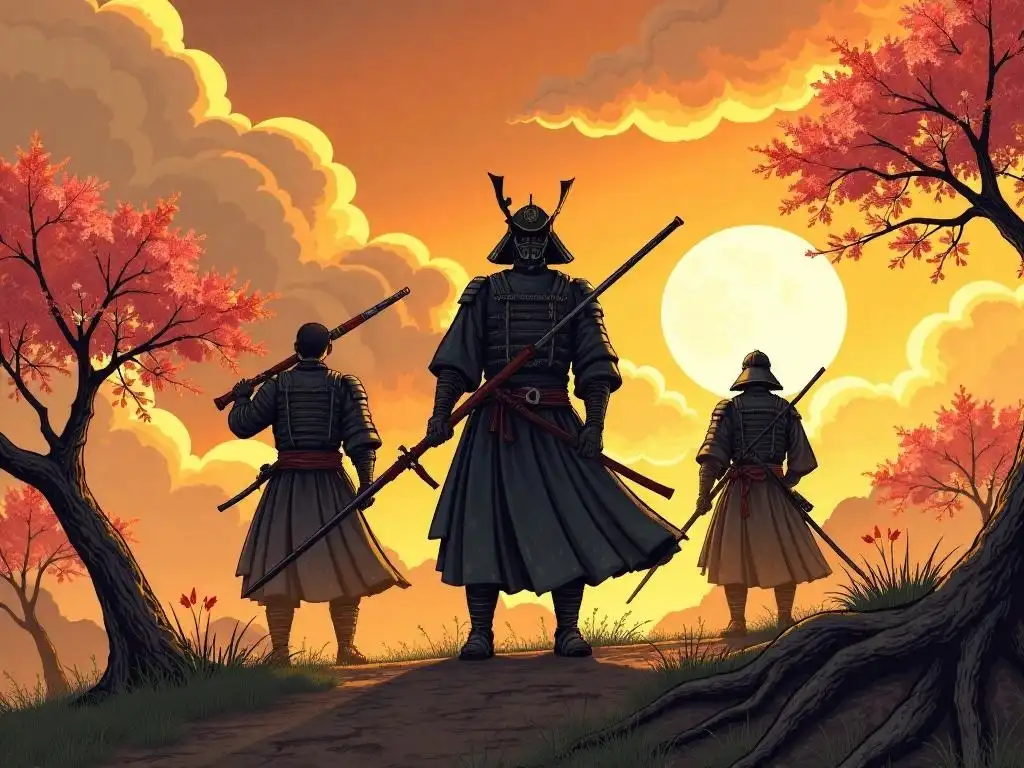
Welcome to Feudal Japan History, where we invite you to embark on a fascinating journey through the intricate tapestry of Japan's feudal era. Our latest article, “The Transformation of Japanese Tactics During the Edo Period,” delves deep into the Edo period military tactics that shaped a nation. Discover how strategic innovations and cultural influences transformed warfare during this pivotal time. Are you ready to uncover the secrets of Japan's military evolution? Dive in and explore the captivating stories that await!
Introduction to the Edo Period Military Tactics
The Edo period, spanning from 1603 to 1868, marked a significant era in Japanese history characterized by relative peace, political stability, and economic growth under the rule of the Tokugawa Shogunate. Despite this period being known for its tranquility, it also witnessed profound transformations in military tactics and strategies that were essential in shaping Japan's sociopolitical landscape.
Edo period military tactics evolved as the nation transitioned from a state of constant warfare to one where diplomacy and strategic governance took precedence. Understanding these military tactics is crucial to grasp the complexities of Japan's feudal past and the development of its unique culture during this era.
Overview of the Edo Period (1603-1868)
The Edo period was initiated when Tokugawa Ieyasu emerged victorious at the Battle of Sekigahara, establishing the Tokugawa shogunate and effectively unifying Japan. This era is often referred to as the "peaceful period" due to the cessation of civil wars and the imposition of a strict social order. Here are a few notable aspects of the Edo period:
- Political Structure: The Tokugawa shogunate centralized power, diminishing the influence of feudal lords (daimyō) and fostering a bureaucratic governance system.
- Economic Growth: Agricultural advancements and trade flourished, leading to increased wealth and the rise of a merchant class.
- Cultural Flourishing: The period saw significant developments in arts, literature, and philosophy, with the emergence of unique Japanese cultural practices.
This backdrop set the stage for a transformation in military tactics, as the focus shifted from large-scale battles to maintaining order and control within the realm.
Importance of Military Tactics in Feudal Japan
Military tactics played a pivotal role in the historical context of feudal Japan, influencing not only battle outcomes but also the political landscape. The following points highlight their significance:
- Strategic Governance: Military tactics were integral to the Tokugawa shogunate's efforts to solidify its power and suppress uprisings.
- Cultural Identity: The evolution of tactics influenced the samurai's identity, intertwining martial prowess with cultural values.
- Legacy of Warfare: Even in a period of peace, the legacy of previous warfare shaped military training, preparedness, and societal expectations of the samurai.
This evolution of tactics during the Edo period reveals how military strategy adapted to changing socio-political conditions, fostering a new era of governance.
Key Features of Edo Period Military Tactics
As Japan transitioned into the Edo period, several key features emerged that defined its military tactics:
Shift from Warfare to Peace
With the establishment of the Tokugawa Shogunate, the emphasis on military engagement drastically shifted. The following points illustrate this transition:
- Reduced Warfare: The frequency of large-scale battles diminished, leading to a focus on internal security and maintaining peace.
- Policing and Control: The samurai transitioned from warriors in battle to enforcers of law and order, playing crucial roles in local governance.
- Diplomatic Engagement: Strategies evolved to prioritize diplomacy and negotiation over conflict, reflecting the new political realities of the time.
This shift not only reduced the need for aggressive military tactics but also redefined the role of the samurai in society.
Influence of the Samurai Code (Bushido)
The samurai code of conduct, known as Bushido, significantly influenced military tactics and the behavior of samurai warriors during the Edo period. Key elements include:
- Honor and Loyalty: Bushido emphasized loyalty to one's lord and the importance of honor, which shaped the samurai's approach to conflict and duty.
- Moral Code: The principles of Bushido encouraged the samurai to act with integrity, fostering a sense of responsibility in maintaining peace rather than seeking conflict.
- Cultural Reflection: The values of Bushido permeated Edo period society, impacting not just military tactics but also the arts, literature, and overall cultural identity.
The adherence to Bushido illustrated how military tactics were intertwined with ethical considerations, governing samurai actions during this time.
The Role of the Tokugawa Shogunate in Military Strategy
The Tokugawa Shogunate played a critical role in shaping military strategy during the Edo period. Its impact is evident in several areas:
- Centralized Authority: The shogunate's control over the samurai class allowed for the implementation of standardized military training and tactics.
- Strategic Alliances: The shogunate often relied on alliances and diplomacy to manage potential threats, minimizing the need for direct military engagement.
- Surveillance and Intelligence: Emphasis was placed on information gathering and intelligence to preemptively address dissent and maintain stability.
Through these strategies, the Tokugawa Shogunate effectively established a military framework that supported its governance while promoting a lasting peace in Japan.
Evolution of Battle Tactics During the Edo Period
The Edo period, lasting from 1603 to 1868, marked a significant transformation in Japanese military tactics, influenced by political stability, social changes, and interactions with foreign powers. The era began with the establishment of the Tokugawa shogunate, which prioritized peace and stability, leading to a shift from frequent warfare to a focus on internal governance and control. This transition allowed for the evolution of battle tactics, as military leaders adapted to a new context where large-scale battles became less common and the emphasis shifted to policing, defense, and maintaining order.
Tactics during this era evolved significantly through three distinct phases: the early, mid, and late Edo periods. Each phase reflected the prevailing military needs and technological advancements, culminating in a complex tapestry of strategies that blended traditional Japanese methods with influences from the West. By examining these phases, we can gain insight into how the military landscape of Japan transformed during this critical period in its history.
Early Edo Period Tactics: Traditional Methods
In the early Edo period, traditional samurai tactics dominated the battlefield. The focus was primarily on close combat, using weapons such as swords, spears, and bows, complemented by mounted cavalry. The samurai class exemplified the Bushido code, emphasizing honor, loyalty, and martial skill. Warfare was characterized by the use of formations, such as the "kisho" (quick assault) and "yoko" (side charge), which allowed for rapid movements and engagements.
The early Edo period also saw the continuation of siege warfare techniques, where fortifications played a vital role. Castles were constructed with intricate designs to withstand prolonged attacks, and defenders utilized archers and gunmen from elevated positions. The reliance on traditional methods persisted as the samurai maintained their status as the elite warrior class, often engaging in skirmishes rather than full-scale battles.
Mid-Edo Period Tactics: Adaptation and Innovation
As the Edo period progressed into its mid-phase, a gradual shift began to take place. The Tokugawa shogunate's stability allowed for the introduction of new weaponry and tactics, particularly the adoption of firearms. The introduction of matchlock guns (tanegashima) revolutionized Japanese warfare, prompting a reevaluation of tactics. Armies began to integrate gunmen into their ranks, employing formations that maximized the effectiveness of firearms while preserving traditional melee combat techniques.
Military drills became more systematic, with a focus on training troops to operate as cohesive units. The influence of European military thought also started to emerge, particularly in the organization and discipline of forces. The use of tactics such as volley fire and coordinated attacks marked a significant departure from previous methods, allowing for more strategic engagements.
Late Edo Period Tactics: Influence of Western Techniques
In the late Edo period, the impact of Western military techniques became increasingly pronounced as Japan faced external pressures from foreign powers. The arrival of Commodore Perry in 1853 underscored the need for modernization in military tactics and technology. Japanese leaders recognized the importance of adopting Western approaches to ensure national defense and sovereignty.
This period saw the establishment of military academies that trained officers in Western tactics, leading to a more organized and modernized military structure. The incorporation of artillery into the battlefield and the development of new fortifications reflected this transformation. Additionally, naval tactics evolved as Japan sought to strengthen its maritime capabilities, leading to a more sophisticated understanding of naval warfare.
Major Battles and Military Engagements
Throughout the Edo period, several significant battles and military engagements shaped the evolution of tactics. While large-scale warfare became less frequent, the conflicts that did occur were instrumental in demonstrating the effectiveness of emerging strategies and innovations. These engagements not only reflected the tactical shifts within Japan but also highlighted the broader implications of military evolution in the face of external threats.
Significant Conflicts and Their Tactical Implications
Key battles such as the Battle of Sekigahara in 1600 set the stage for the Tokugawa shogunate's dominance, showcasing the effectiveness of coordinated troop movements and the importance of alliances. As the Edo period progressed, conflicts like the Boshin War (1868-1869) illustrated the growing disparities between traditional samurai warfare and modern military tactics. These conflicts prompted a reevaluation of strategies, emphasizing the need for adaptability and innovation in an ever-changing military landscape.
The tactical implications of these engagements were profound. The effectiveness of firearms, the importance of fortifications, and the necessity for disciplined formations became evident. Military leaders began to understand the significance of logistics and supply lines, reshaping their approach to warfare in a manner that would lay the groundwork for future conflicts.
Case Study: The Battle of Sekigahara and Its Impact on Tactics
The Battle of Sekigahara is often regarded as a pivotal moment in Japanese history, marking the end of the Sengoku period and the beginning of the Tokugawa shogunate. This battle highlighted several key tactical elements that would influence military engagements throughout the Edo period.
The battle's outcome hinged on the effective use of formations and the coordination of troop movements, demonstrating the importance of strategy over sheer numbers. The Tokugawa forces employed a combination of traditional and innovative tactics, including the use of gunfire to disrupt enemy formations and the strategic placement of units to exploit weaknesses.
The lessons learned from Sekigahara resonated throughout the Edo period, emphasizing the importance of intelligence and information-gathering in military engagements. The ability to adapt to the enemy's tactics while maintaining a cohesive strategy became a hallmark of Japanese warfare during this era.
The Role of Naval Tactics in Edo Period Warfare
While the land battles often dominate discussions of military tactics, naval engagements also played a critical role during the Edo period. The Tokugawa shogunate maintained a strong maritime presence, recognizing the importance of controlling sea routes for trade and defense. Naval tactics evolved alongside land strategies, with an emphasis on the construction of sturdy ships and the use of effective formations during engagements.
The introduction of Western naval techniques prompted Japanese leaders to reassess their maritime strategies, leading to the development of a more modernized navy. The incorporation of artillery on ships and the establishment of naval academies reflected a commitment to enhancing naval capabilities.
Overall, the evolution of naval tactics complemented land strategies, emphasizing the interconnectedness of military operations during the Edo period. The ability to project power both on land and at sea became increasingly important as Japan navigated the challenges posed by foreign powers.
The Cultural Impact on Edo Period Military Tactics
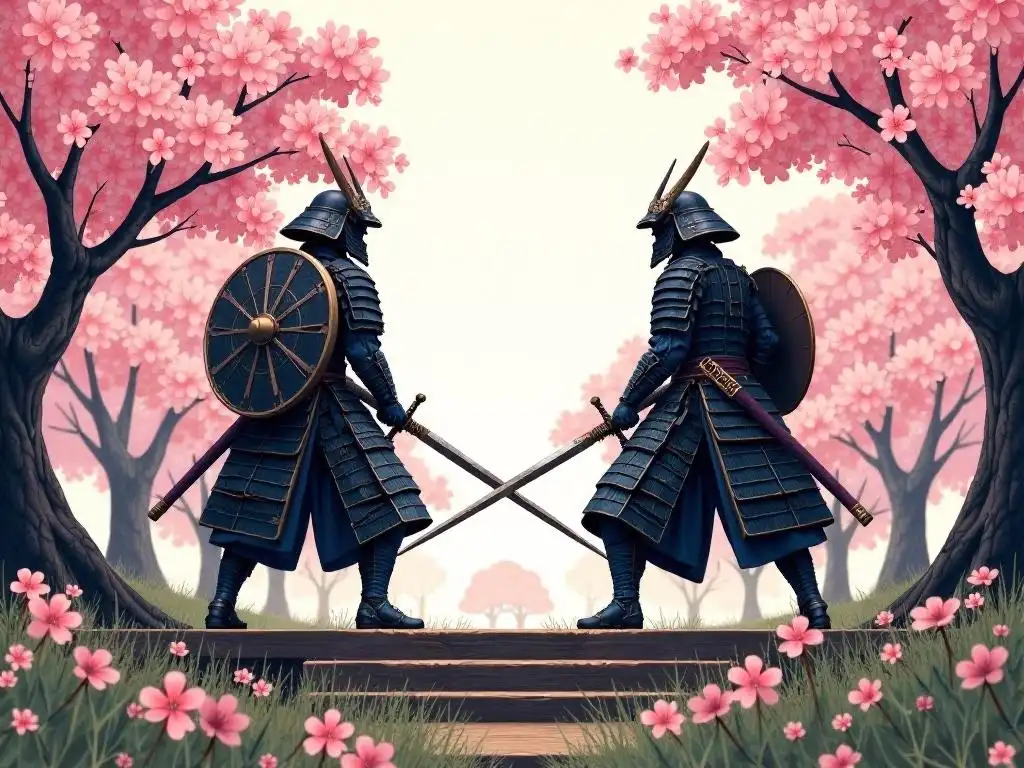
The Edo period (1603-1868) marked a significant transformation in Japan's military tactics, influenced heavily by the prevailing cultural ideologies of the time. As the country entered a long era of peace under the Tokugawa shogunate, the nature of warfare shifted dramatically from frequent battles to a focus on maintaining order and stability.
This transition was not merely a change in the political landscape but also reflected broader cultural movements, including the rise of Zen Buddhism and the flourishing of arts and literature. These cultural elements played a crucial role in redefining military strategies, emphasizing discipline, psychological warfare, and a more philosophical approach to conflict resolution.
The emphasis on harmony and social order during the Edo period led to the development of tactics that prioritized non-confrontational resolutions over outright violence. Samurai, who were once feared as fierce warriors, began to adopt a more administrative role, focusing on governance and community leadership. As such, military tactics became more about deterrence and the display of power rather than aggressive offensives. This cultural shift influenced how wars were fought and how military leaders approached strategy, leading to a unique blend of cultural and martial principles that characterized the Edo period.
Influence of Zen Buddhism on Military Strategy
Zen Buddhism profoundly influenced the mindset and strategies of military leaders during the Edo period. The philosophy of Zen, which emphasizes mindfulness, discipline, and the importance of mental clarity, found its way into the military tactics of the time. Samurai, who often practiced Zen meditation, adopted its principles to enhance their focus and decision-making on the battlefield.
One significant aspect of Zen's influence was the concept of "mushin," or "no mind." This idea encouraged warriors to remain unattached to outcomes and emotions, allowing them to respond to situations with greater clarity and effectiveness. In practice, this translated into a more strategic approach to conflict, where leaders would carefully assess situations and adopt flexible tactics that could adapt to changing circumstances. This strategic fluidity was evident in the reduced reliance on brute force and the increased importance placed on intelligence and psychological warfare.
Additionally, Zen teachings promoted the idea of harmony, which encouraged military leaders to consider the broader implications of conflict, including the impact on civilian populations and the environment. This philosophical approach contributed to a more humane way of conducting warfare, aligning with the Edo period's overall emphasis on peace and stability.
The Role of Arts and Literature in Shaping Tactics
The arts and literature of the Edo period also played a significant role in shaping military tactics. As samurai transitioned from warriors to cultural icons, their portrayal in art and literature influenced popular perceptions of honor, bravery, and warfare. The proliferation of ukiyo-e (woodblock prints) and kabuki theater often depicted battles and heroic acts, romanticizing the samurai ethos and emphasizing strategic intelligence over sheer force.
Literary works, such as The Tale of the Heike and various narratives of the samurai, contributed to a culture that valued cunning over aggression. Military leaders began to recognize the importance of reputation and the psychological impact of their actions, leading to tactics that emphasized intimidation and the demonstration of power rather than direct confrontation.
Moreover, the study of classical texts on military strategy, such as The Art of War by Sun Tzu, became popular during this period. These texts provided valuable insights into the principles of strategy and deception, which were integrated into Edo period tactics. The combination of artistic expression and literature not only shaped the cultural identity of the samurai but also directly influenced the evolution of military strategies during this time.
Comparison of Edo Period Tactics with Previous Eras
The military tactics employed during the Edo period marked a clear departure from those used in previous eras, particularly during the tumultuous Sengoku period (1467-1603). The Sengoku era was characterized by constant warfare, territorial disputes, and a focus on large-scale battles. In contrast, the Edo period's tactics were shaped by the necessity of maintaining peace and stability, leading to a fundamentally different approach to military engagement.
Feudal Japan's Warfare Before the Edo Period
Before the Edo period, Japan was embroiled in a series of conflicts known as the Sengoku jidai, or "Warring States period." This era saw the rise of powerful daimyō (feudal lords) who vied for control over territories through military might. Tactics during this time centered around large armies, direct confrontations, and the use of cavalry and infantry in coordinated assaults.
The emphasis was on decisive battles, with strategies often revolving around the element of surprise, flanking maneuvers, and the exploitation of vulnerabilities in the enemy's formation. The use of firearms, introduced by Portuguese traders in the 16th century, also began to influence warfare, leading to the development of new tactics that incorporated gunmen into traditional formations.
This period was marked by a warrior ethos that glorified valor and personal combat, resulting in a culture where the honor of individual samurai was paramount. The chaotic nature of the Sengoku period fostered a military culture that valued aggressive tactics and the rapid conquest of enemy territory, contrasting sharply with the more subdued and strategic approaches that emerged during the Edo period.
Tactical Innovations Post-Edo Period: A Comparative Analysis
Following the Edo period, Japan underwent significant transformations, particularly with the arrival of Western powers and the subsequent Meiji Restoration in 1868. The military tactics that developed during this time were heavily influenced by Western military doctrines, leading to a renewed focus on modernization and efficiency.
The Meiji era introduced new technologies and tactics that were starkly different from those used during the Edo period. The adoption of conscription and the establishment of a professional army meant that traditional samurai tactics became increasingly obsolete. New strategies emphasized mobility, rapid deployment, and the integration of modern weaponry, such as rifles and artillery.
In comparing tactics, the Edo period's emphasis on psychological warfare, deterrence, and the use of strategy over brute force contrasted with the Meiji period's focus on rapid and decisive military engagement. The shift from a feudal system to a centralized military command fundamentally transformed Japan's approach to warfare, illustrating a dramatic evolution from the culturally influenced tactics of the Edo period to the efficiency-driven strategies of the modern era.
This comparative analysis demonstrates how cultural, technological, and political changes influenced Japanese military tactics across different periods, highlighting the adaptability of Japan's military practices in response to evolving circumstances.
Conclusion on the Transformation of Edo Period Military Tactics
The transformation of military tactics during the Edo period (1603-1868) is a fascinating chapter in Japan’s military history that reflects broader societal changes. The Edo period marked a time of relative peace known as the Pax Tokugawa, which significantly influenced the development and application of military strategies. As warfare became less frequent, the focus shifted from battlefield tactics to maintaining internal order and managing social stability.
This era saw the consolidation of power by the Tokugawa shogunate, leading to changes in how samurai were trained and organized. The evolution of tactics emphasized less on direct confrontation and more on strategic positioning and psychological warfare. The incorporation of Western military techniques and firearms, along with the traditional use of swords and archery, created a unique blend of Eastern and Western methodologies that would shape Japan’s military doctrine.
Consequently, the Edo period established a foundation for Japan’s future military endeavors. The tactics developed during this time not only influenced the samurai class but also left an indelible mark on the national military structure, which would be crucial in the face of modernization in the late 19th century.
Lasting Legacy of Edo Period Tactics in Modern Japan
The legacy of Edo period military tactics is evident in various aspects of modern Japanese society and military organization. The emphasis on strategic thought and discipline cultivated among the samurai has transcended into contemporary Japan, influencing both military and civilian sectors.
- Cultural Influence: The ideals of bushido, or the way of the warrior, which were prominent during the Edo period, continue to resonate in modern Japanese culture. Concepts such as loyalty, honor, and self-discipline are still cherished values that shape personal and professional conduct.
- Military Organization: The hierarchical structure of the samurai class laid the groundwork for Japan's modern military organization. While the Imperial Japanese Army and Navy were established later, the traditions of command and strategic planning can be traced back to the tactical evolutions of the Edo period.
- Martial Arts: The techniques and philosophies developed during this era have also influenced traditional Japanese martial arts. Disciplines such as kendo and iaido, which focus on swordsmanship, continue to incorporate the tactical principles refined during the Edo period, emphasizing precision, strategy, and mental fortitude.
Overall, the tactical innovations of the Edo period have not only shaped military practices but have also left a lasting cultural imprint that continues to be relevant in contemporary Japan.
Future Research Directions in Edo Period Military History
Despite the wealth of knowledge surrounding the Edo period, numerous avenues remain for further research in Edo period military history. Scholars can explore the following areas:
- Comparative Studies: Investigating how Edo period tactics were influenced by or differed from those in other feudal societies globally could yield insightful comparisons. This includes examining the interactions between Japanese and Western military practices during the late Edo period.
- Technological Advancements: A deeper analysis of the introduction and adaptation of firearms and artillery in Japanese warfare during the Edo period could uncover how these technologies transformed military tactics and strategies.
- Social Impacts: Understanding how military tactics influenced social structures and class relationships within the samurai class and the broader population during periods of peace and conflict can provide a richer context of the era.
- Cultural Productions: Examining literature, art, and theater from the Edo period that depicted military actions and samurai life may reveal how military tactics were perceived and romanticized in society.
- Local Tactics: Focusing on regional variations in military tactics among different daimyō (feudal lords) could offer a more nuanced understanding of the diverse military cultures that existed across Japan during the Edo period.
By pursuing these directions, researchers can contribute to a more comprehensive understanding of the complexities of Edo period military tactics and their lasting implications in Japanese history.
- Introduction to the Edo Period Military Tactics
- Key Features of Edo Period Military Tactics
- Evolution of Battle Tactics During the Edo Period
- Major Battles and Military Engagements
- The Cultural Impact on Edo Period Military Tactics
- Comparison of Edo Period Tactics with Previous Eras
- Conclusion on the Transformation of Edo Period Military Tactics
- What were the primary military tactics used during the Edo period?
- How did the social structure influence military tactics in Edo Japan?
- What role did technology play in shaping military tactics during this time?
- How did the Edo period impact the training and organization of samurai?
- What were the long-term effects of Edo period military tactics on Japan?
Frequently Asked Questions
What were the primary military tactics used during the Edo period?
The Edo period saw a shift towards defensive strategies and political maneuvering, as warfare became less common due to peaceful governance under the Tokugawa shogunate.
The rigid social hierarchy of Edo Japan affected military tactics by enforcing a samurai code that prioritized loyalty and honor, limiting the use of aggressive tactics in favor of strategic alliances.
What role did technology play in shaping military tactics during this time?
Advancements in weaponry and fortifications during the Edo period led to more sophisticated military strategies, emphasizing the importance of defensive positions over open battlefield confrontations.
How did the Edo period impact the training and organization of samurai?
The Edo period emphasized discipline and training for samurai, leading to a more organized military structure focused on strategic planning rather than large-scale combat.
What were the long-term effects of Edo period military tactics on Japan?
The military tactics developed during the Edo period laid the groundwork for modern Japanese warfare, influencing future conflicts and the transformation of the samurai's role in society.
Final Reflection: The Enduring Legacy of Edo Period Military Tactics
The transformation of Japanese tactics during the Edo period is not merely a historical curiosity; it is a testament to the adaptability and resilience of a culture in the face of changing circumstances. As we navigate a world that often feels chaotic and unpredictable, the lessons learned from the strategic innovations of the Edo period remain remarkably relevant. The ability to evolve tactics in response to new challenges is a skill that transcends time and geography, reminding us that flexibility and foresight are crucial in any era.
Cultural and social landscapes are continuously shaped by the legacies of the past, and the Edo period is no exception. The military tactics developed during this time not only influenced warfare but also permeated various aspects of Japanese society, from governance to art. The strategic mindset fostered during this period has left an indelible mark on Japan's identity. In the midst of chaos, there is also opportunity.
This quote resonates deeply as we reflect on how the Edo period's military strategies provided a foundation for peace and stability, ultimately allowing for cultural flourishing.
As we conclude this exploration of Edo period military tactics, I invite you to reflect on how adaptability and strategic thinking can be applied in your own life. Consider the challenges you face and how you might approach them with the same innovative spirit that characterized this transformative era. Embrace the lessons of the past, and let them inspire you to navigate your own journey with resilience and creativity. The legacy of the Edo period is not just a chapter in history; it is a guide for future generations seeking to thrive amidst change.
Unveil the Secrets of Edo Tactics – Take Action Today!
Thank you for journeying with us through the fascinating evolution of Japanese tactics during the Edo Period. We hope you've gained insightful knowledge that inspires a deeper exploration into this remarkable era. Now, let’s take the next steps together!
- Dive deeper into the strategies discussed by exploring regional conflicts and their impact on Japanese warfare.
- Share your thoughts with friends or on social media about how these tactics could influence modern strategic thinking.
- Consider visiting a local museum that features exhibits related to feudal Japan to experience history firsthand.
Which tactical lesson from the Edo Period resonates the most with you, and how do you think it applies to the challenges we face in today's world?