
Training the Next Generation: The Life of a Samurai Apprentice

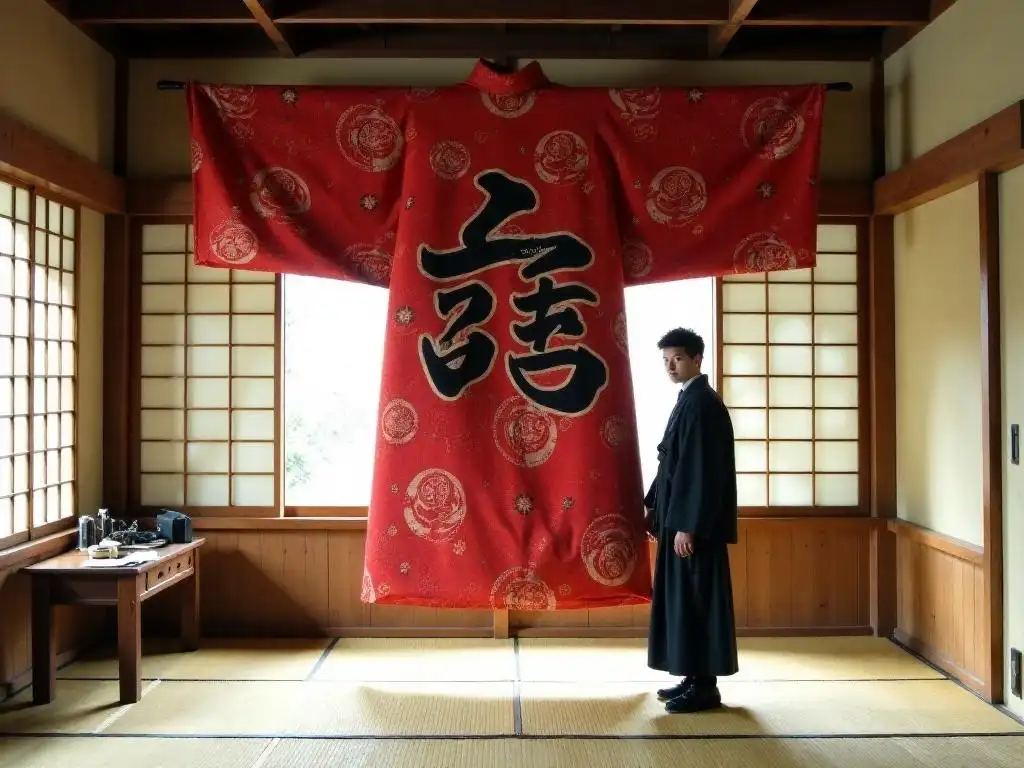
Welcome to Feudal Japan History, where we embark on a captivating journey through the vibrant tapestry of Japan’s feudal era. Here, you will uncover the intricacies of a world steeped in tradition and honor, as we delve into the Samurai apprentice training experience. Imagine the rigorous discipline, the artful techniques, and the profound philosophies that shaped these young warriors.
Join us as we explore the fascinating life of a samurai apprentice and unveil the secrets of their training in our featured article, "Training the Next Generation: The Life of a Samurai Apprentice." Prepare to be immersed in a rich narrative that promises to enlighten and inspire!
- Introduction to Samurai Apprentice Training Experience
- Historical Context of Samurai Apprenticeship
- The Journey of a Samurai Apprentice
- Key Aspects of Samurai Apprentice Training
- Daily Life of a Samurai Apprentice
- Challenges Faced by Samurai Apprentices
- The Impact of Samurai Apprentice Training on Society
- Conclusion: The Legacy of the Samurai Apprentice Training Experience
-
Frequently Asked Questions
- What is the role of a samurai apprentice in feudal Japan?
- How long does the training of a samurai apprentice typically last?
- What skills do samurai apprentices learn during their training experience?
- Are there any rituals associated with becoming a samurai apprentice?
- How did the societal structure influence samurai apprentice training?
- Final Reflection: Embracing the Spirit of the Samurai Apprentice
- Embrace the Samurai Spirit Today!
Introduction to Samurai Apprentice Training Experience
The Samurai apprenticeship represents a pivotal aspect of Japan's feudal history, embodying the rigorous training and cultural values that shaped the elite warrior class. This experience was not merely about mastering martial skills; it encompassed a holistic education that included philosophy, ethics, and the arts.
The life of a samurai apprentice was steeped in discipline, mentorship, and a deep commitment to honor and loyalty. As we delve into the intricacies of this training experience, we will explore the historical context of samurai apprenticeship, the importance of training within samurai culture, and the broader implications of these educational practices on Japanese society as a whole.
Overview of Samurai Apprenticeship in Feudal Japan
In feudal Japan, becoming a samurai was a prestigious goal that required years of dedicated training. The apprenticeship typically began in early childhood, often around the age of five or six. Young boys, called "chūnins," were sent to serve under established samurai families, where they learned the fundamentals of the warrior lifestyle.
The training process was comprehensive and multifaceted, including:
-
Martial Arts Mastery:
Samurai apprentices engaged in rigorous physical training, mastering various forms of combat, including swordsmanship (kenjutsu), archery (kyujutsu), and horseback riding (bajutsu).
-
Philosophical Education:
Understanding the ethical and philosophical underpinnings of bushido, the samurai code of conduct, was essential. Apprentices studied texts like the "Hagakure," which taught loyalty, honor, and self-discipline.
-
Cultural Skills:
Beyond combat, apprentices were educated in arts such as calligraphy, poetry, and tea ceremonies. This cultural training was vital in shaping a well-rounded samurai capable of navigating both battlefield and courtly life.
-
Practical Experience:
Apprentices were often sent on missions or tasked with daily responsibilities, which provided real-world experience in leadership, strategy, and the responsibilities of a samurai.
This structured approach to training ensured that samurai not only excelled in combat but also became esteemed leaders and role models in their communities.
Importance of Training in Samurai Culture
The training of samurai apprentices was not merely a rite of passage; it was a critical component of samurai culture that ensured the continuation of values and practices vital to Japanese society. The importance of this training can be summarized in several key areas:
-
Preservation of Bushido:
The rigorous training ensured that the principles of bushido—loyalty, courage, benevolence, and respect—were instilled in the next generation of warriors. This preservation was crucial for maintaining social order and the samurai's role as protectors.
-
Development of Character:
Training emphasized the moral and ethical development of young samurai. Through mentorship and guidance, apprentices learned the significance of honor and integrity, which were paramount in samurai culture.
-
Social Structure and Hierarchy:
The apprenticeship system reinforced the social hierarchy within feudal Japan. Apprentices often belonged to lower-ranking samurai families, and their training served as a pathway to elevate their status, contributing to the overall stability of the samurai class.
-
Community Leadership:
Well-trained samurai were expected to take on leadership roles within their communities. Their education prepared them to govern effectively, settle disputes, and embody the ideals of justice and fairness.
The samurai apprentice training experience was a fundamental aspect of feudal Japan that shaped not only individual warriors but also the very fabric of Japanese society. Understanding this training allows for a deeper appreciation of the samurai's legacy, which continues to influence Japanese culture today.
Historical Context of Samurai Apprenticeship
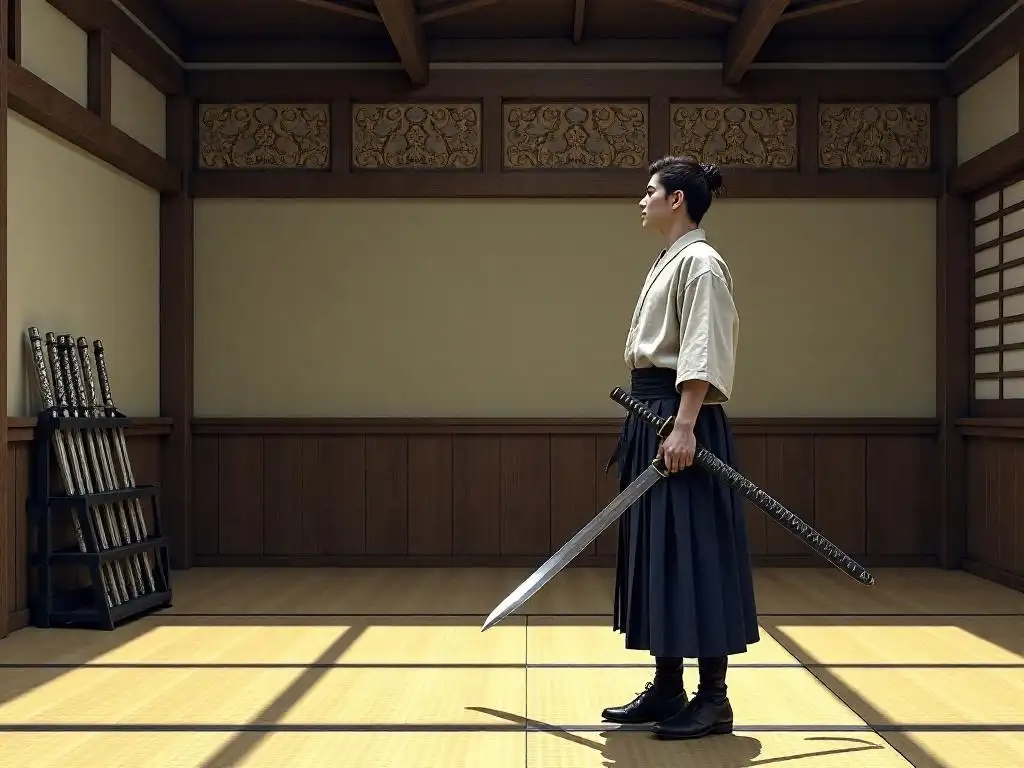
The apprenticeship of samurai in feudal Japan was not merely a means of imparting martial skills; it was a crucial process embedded within the broader societal and historical context of the era. The samurai class emerged during the late Heian period (794-1185) and solidified its power throughout the Kamakura (1185-1333), Muromachi (1336-1573), and Edo (1603-1868) periods. The samurai served as elite warriors, but their role extended far beyond the battlefield; they were also administrators, landholders, and upholders of cultural values.
The Role of Samurai in Feudal Society
Samurai were the military nobility of Japan, tasked with serving their lords (daimyōs) while adhering to a strict code of conduct known as bushidō, which emphasized loyalty, honor, and discipline. The samurai’s responsibilities included:
- Military Duties: Engaging in combat, protecting their lord's domain, and participating in campaigns.
- Administrative Roles: Managing lands, collecting taxes, and overseeing the welfare of the peasantry.
- Cultural Preservation: Serving as patrons of the arts, including poetry, tea ceremony, and calligraphy, which were integral to samurai identity.
The samurai apprentice, or "gakko", underwent rigorous training to embody these roles, beginning from a young age, often around 10 to 15 years old. The apprenticeship was designed not only to develop martial prowess but also to instill the philosophical and ethical frameworks that governed samurai life.
Evolution of Samurai Training Practices
The training of samurai apprentices evolved significantly over the centuries, reflecting changes in warfare, society, and cultural values. Initially, training was informal, often conducted within the family or clan. However, as the samurai class became more institutionalized, formal schools emerged, providing structured training:
- Early Training Methods
- Martial Arts: Apprentices learned various forms of combat, including kenjutsu (swordsmanship), iaijutsu (quick-draw techniques), and other weaponry skills.
- Horseback Riding: Mastery of equestrian skills was essential, as battles were fought on horseback.
- Cultural Education
- Literature and Philosophy: Samurai were encouraged to study classical texts, poetry, and philosophical works, fostering a well-rounded education.
- Calligraphy and Arts: Training also included artistic pursuits, which were believed to refine character and discipline.
- Formalized Institutions
- By the late Muromachi period, specialized training schools, known as "koryu", began to emerge, offering organized curricula and experienced instructors.
- These institutions played a pivotal role in standardizing samurai training, allowing for the preservation and transmission of techniques and ideals.
The samurai apprentice training experience was, thus, a comprehensive journey, merging physical, intellectual, and spiritual education, ultimately shaping the samurai into disciplined warriors and esteemed members of society. This rigorous training was essential for maintaining the samurai's status and fulfilling their responsibilities within the feudal hierarchy of Japan.
The Journey of a Samurai Apprentice

Embarking on the path to becoming a samurai was a journey filled with rigorous training, discipline, and an unwavering commitment to the samurai code, known as Bushido. The samurai apprentice training experience was not merely about mastering martial skills; it encompassed a holistic approach to education that shaped the apprentice's character, intellect, and moral compass. This journey typically began at a young age and was steeped in tradition and cultural significance, reflecting the values of the feudal society in which these warriors lived.
Initial Selection Process for Samurai Apprentices
The selection of samurai apprentices was a meticulous process that ensured only the most suitable candidates would embark on this demanding path. Families of samurai often sought to nurture the next generation of warriors by identifying promising young boys, usually between the ages of 8 and 12.
- Criteria for Selection:
- Noble Lineage: Preference was often given to boys from samurai families to preserve the warrior class.
- Physical Fitness: Candidates were assessed for their physical capabilities, as a strong body was essential for rigorous training.
- Moral Character: The apprentice's character was scrutinized, focusing on traits such as loyalty, bravery, and humility.
Families would present their sons to a master samurai, who would conduct interviews and evaluations. This process ensured that only those who embodied the ideal qualities of a samurai would be chosen for training.
Age and Background of Apprentice Candidates
The age and background of apprentice candidates played a significant role in their training experience. Most apprentices began their journey around the age of 10, a time when they were impressionable and capable of absorbing the teachings of their masters.
- Typical Age Range:
- Start of Training: Generally, apprentices began training between 10 to 15 years old.
- Duration of Apprenticeship: The training could last from several years up to a decade, depending on the apprentice's progress and the master’s discretion.
- Background Considerations:
- Family Status: While many apprentices hailed from samurai families, others came from lower social classes, provided they exhibited exceptional talent or potential.
- Cultural Education: In addition to martial training, apprentices received education in literature, philosophy, and the arts, as samurai were expected to be well-rounded individuals.
This comprehensive training aimed to instill not just combat skills but also a deep understanding of the samurai's role within society.
The Role of the Master Samurai in Training
The master samurai, or sensei, played a pivotal role in shaping the lives of their apprentices. This relationship was built on respect and discipline, as the master not only imparted martial skills but also served as a moral and ethical guide.
- Training Methods:
- Physical Training: Apprentices engaged in rigorous physical exercises, including swordsmanship, archery, and horseback riding. They learned the techniques of combat through repetitive practice and sparring.
- Mental Conditioning: Senseis emphasized the importance of mental fortitude. Meditation, strategy games, and lessons in philosophy were integral to developing a samurai's mind.
- Moral and Ethical Guidance:
- Bushido Code: Masters instilled the principles of Bushido, teaching apprentices about honor, loyalty, and the responsibilities of a samurai.
- Life Lessons: Beyond the battlefield, senseis shared life lessons that prepared apprentices for the complexities of adulthood, shaping not just skilled warriors but also virtuous individuals.
Through the guidance of their masters, samurai apprentices were equipped with the necessary skills and values to uphold the honor of the samurai legacy, ensuring the continuation of their storied tradition.
Key Aspects of Samurai Apprentice Training
The journey of a samurai apprentice, or "gakko", is marked by rigorous training that encompasses physical, mental, and cultural dimensions. This multifaceted approach ensures that apprentices not only develop martial prowess but also embody the ethical and philosophical ideals of the samurai code. Let's explore the key aspects of this training experience in detail.
Physical Training and Martial Arts Mastery
The cornerstone of a samurai apprentice's training is physical conditioning and martial arts mastery. This aspect of training is characterized by various components:
- Weapons Training: Apprentices train extensively in the use of traditional weapons such as the katana, naginata, and yumi (bow). Each weapon requires specific techniques, footwork, and breathing exercises to wield effectively.
- Kata Practice: Kata, or pre-arranged forms, serve as the foundation of martial arts practice. Apprentices engage in repetitive drills to internalize movements, enhance precision, and develop a deeper understanding of combat strategies.
- Endurance and Strength Training: Physical conditioning is paramount. Apprentices participate in rigorous exercises, including running, swimming, and bodyweight training, to build endurance and strength. This also includes training in various terrains to simulate battle conditions.
- Sparring and Combat Simulations: Realistic sparring sessions allow apprentices to apply their skills against peers. These sessions foster quick thinking and adaptability in a combat scenario, crucial traits for any samurai.
The culmination of these physical training elements is not just to create formidable warriors but to instill a sense of discipline and respect for the martial arts.
Mental Discipline and Ethical Education
Mental discipline is as essential as physical prowess in the life of a samurai apprentice. The following elements are critical in shaping the character of these young warriors:
- Meditation and Mindfulness: Apprentices practice meditation to cultivate focus and clarity. This practice is vital for managing stress and maintaining composure in the face of adversity.
- Ethical Training: Central to a samurai’s life is the Bushido code, which emphasizes loyalty, honor, and courage. Apprentices engage in discussions and teachings that explore these principles, often guided by seasoned samurai or scholars.
- Conflict Resolution and Decision-Making: Training includes scenarios that challenge apprentices to think critically and make ethical decisions under pressure. This helps in developing a moral compass that aligns with the samurai's responsibilities.
- Philosophical Studies: Understanding philosophy, particularly Zen and Confucianism, is integral. These teachings influence the samurai's worldview and their approach to life and duty.
The interplay of physical and mental training fosters a well-rounded individual capable of facing the challenges of both the battlefield and society.
Cultural Education: Arts, Literature, and Philosophy
A samurai apprentice's education extends beyond martial training to encompass cultural refinement. This education includes:
- Literary Studies: Apprentices are exposed to classic Japanese literature, poetry, and historical texts. This enriches their understanding of the culture and history of Japan, providing context for their role as samurai.
- Art Appreciation: Training often includes the study of traditional arts such as calligraphy, painting, and tea ceremonies. These arts foster a sense of beauty and aesthetics, integral to the samurai ethos.
- Philosophical Dialogues: Engaging with philosophical texts and discussions encourages apprentices to contemplate their existence and responsibilities. This intellectual engagement sharpens their reasoning and broadens their perspective.
- Etiquette and Social Skills: Understanding proper conduct in various social settings is crucial for samurai. Apprentices learn the nuances of etiquette that govern interactions with peers, superiors, and commoners alike.
Through this cultural education, samurai apprentices emerge as well-rounded individuals, capable of balancing their martial duties with the expectations of society, thereby embodying the true spirit of the samurai.
Daily Life of a Samurai Apprentice
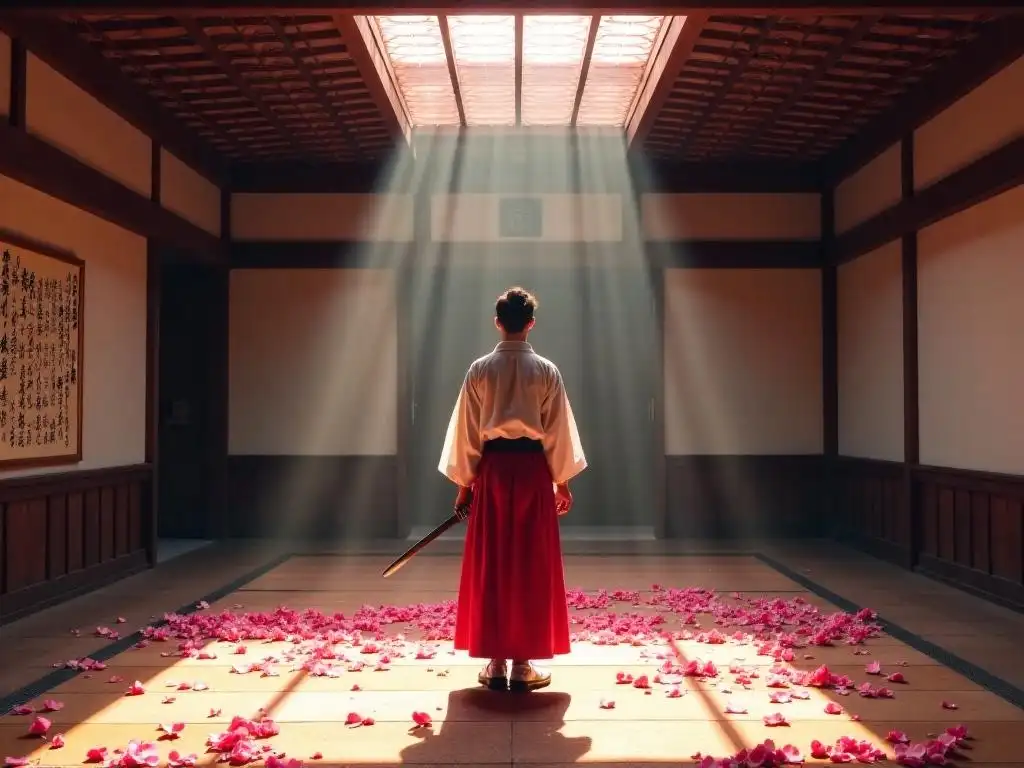
Daily Routines and Responsibilities
The life of a samurai apprentice was characterized by a rigorous schedule designed to cultivate discipline, skill, and loyalty. Each day began early, often before dawn, with physical conditioning and meditation. This period of quiet reflection was crucial for developing mental fortitude and focus, essential qualities for any samurai.
Typical Daily Schedule:
- Dawn (5:00 AM - 6:00 AM)
- Physical Training: This included practice with weapons such as the katana, naginata, and yumi (bow).
- Meditation: A time for introspection and mental preparation for the day ahead.
- Morning (6:00 AM - 9:00 AM)
- Breakfast: A simple meal, often consisting of rice, miso soup, and pickled vegetables.
- Lessons: Apprentices received instruction in strategy, philosophy, and the code of bushido (the way of the warrior).
- Midday (9:00 AM - 12:00 PM)
- Training Drills: Focused on combat techniques, footwork, and sparring with peers.
- Physical Labor: Tasks included maintaining the dojo (training hall), cleaning weapons, and other chores to instill a sense of duty.
- Afternoon (12:00 PM - 3:00 PM)
- Lunch: Another simple meal, similar to breakfast.
- Study: Reading texts on military tactics, history, and the arts, which were integral to a samurai's education.
- Evening (3:00 PM - 6:00 PM)
- Additional Training: More advanced sparring sessions and individual practice focused on refining techniques.
- Dinner: A communal meal with mentors and other apprentices, fostering camaraderie.
- Night (6:00 PM - 10:00 PM)
- Reflection and Planning: Time spent reflecting on the day’s lessons and setting goals for improvement.
- Rest: Ensuring enough sleep to maintain the physical and mental demands of training.
The apprentice's responsibilities extended beyond physical training; they were also expected to learn the etiquette and customs associated with the samurai class, preparing them for future roles as warriors and leaders.
Living Conditions and Environment
Samurai apprentices typically resided in dojos or training halls, which were simple yet functional spaces. These environments were designed to foster discipline and focus, often characterized by minimal distractions.
- Dormitory Style Living: Apprentices shared sleeping quarters with their peers. This communal living arrangement promoted teamwork and mutual respect.
- Basic Amenities: Accommodations were modest, with straw mats for sleeping and limited personal belongings. The simplicity of their environment was intentional, reinforcing the values of humility and self-restraint.
- Training Facilities: The dojo itself was a central hub for training, featuring open spaces for martial arts practice, as well as areas designated for meditation and study. The walls often displayed scrolls of teachings from renowned samurai, serving as inspiration.
- Natural Surroundings: Many dojos were located near forests or mountains, providing apprentices with a peaceful environment conducive to meditation and physical training. The natural world was seen as integral to the samurai ethos, connecting them to the larger philosophical beliefs of harmony and balance.
Relationships with Other Apprentices and Samurai
The relationships formed during the apprenticeship were pivotal in shaping the samurai's character and skills. Bonds between apprentices were often deep and lifelong, grounded in shared experiences and mutual challenges.
- Mentor-Apprentice Dynamics: Each apprentice was typically assigned to a more experienced samurai who served as both a mentor and a role model. This relationship was vital for personal growth and skill development.
- Peer Relationships: Apprentices often trained together, forming a support network. Friendly rivalry encouraged improvement, while collaboration fostered camaraderie. They learned to rely on each other, recognizing that the path of the samurai was not one walked alone.
- Respect for Seniors: Apprentices were taught to respect higher-ranking samurai, absorbing lessons not only from their mentors but from observing the behavior and actions of accomplished warriors. This hierarchy reinforced the importance of honor and respect in samurai culture.
- Community Engagement: Training often extended beyond the dojo, as apprentices participated in various community activities, including festivals and drills. These interactions helped them understand their role within the larger societal structure and the responsibilities of a samurai.
Overall, the relationships developed during this formative period were crucial in shaping a samurai's identity, instilling values that would guide them throughout their lives.
Challenges Faced by Samurai Apprentices
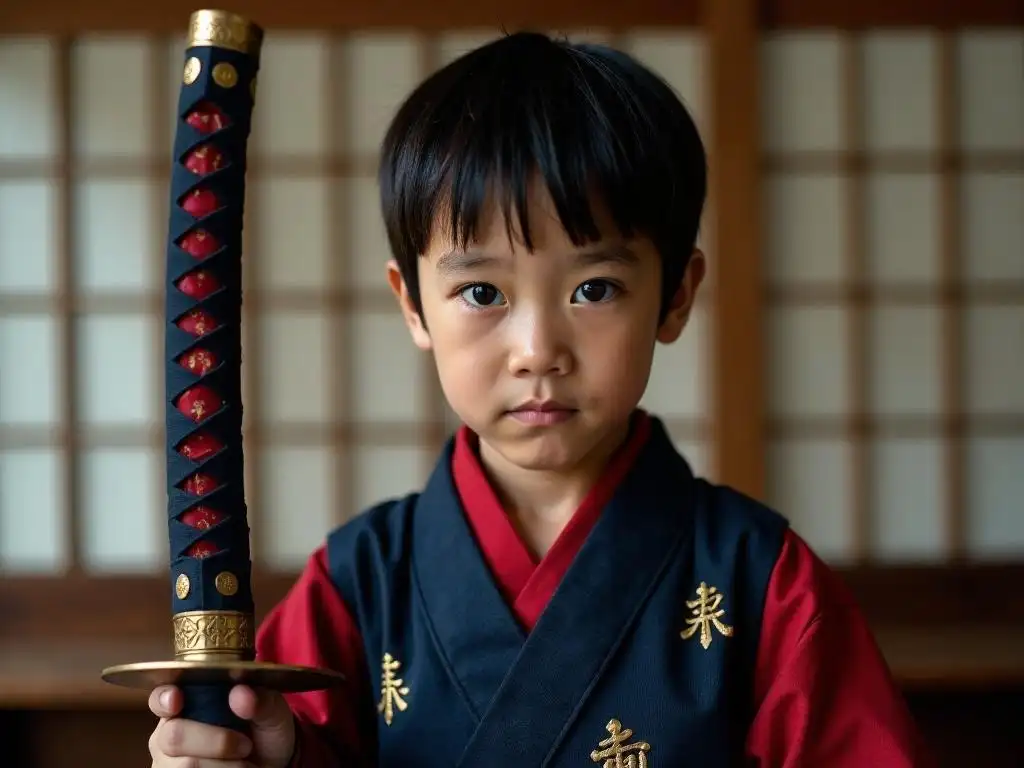
The journey of a samurai apprentice is not merely a path of honor and glory; it is fraught with numerous challenges that test both physical and mental resilience. These challenges shape the character of the apprentice, preparing them for their eventual role as a full-fledged samurai. This section delves into the various obstacles faced by samurai apprentices, focusing on the physical and mental strains, social expectations, and the rigorous path to becoming a samurai.
Physical and Mental Challenges
The training regimen for a samurai apprentice was notoriously rigorous, demanding exceptional physical endurance and mental fortitude.
-
Rigorous Physical Training:
Samurai apprentices were subjected to intense physical training, which included:
- Swordsmanship: Mastery of the katana required not only skill but also significant stamina and strength. Apprentices practiced for hours, often in the sweltering heat or under harsh conditions.
- Martial Arts: Techniques such as jujutsu and naginatajutsu were integral, demanding agility and flexibility. Apprentices frequently engaged in sparring sessions that could lead to injuries.
-
Mental Discipline:
Beyond physical prowess, mental discipline was equally emphasized:
- Meditation and Focus: Apprentices practiced meditation to cultivate a calm mind, essential for making split-second decisions during combat. This practice also helped in managing the stress of their demanding training.
- Strategic Thinking: Learning the strategies of battle and understanding the philosophy of bushido were critical. This intellectual aspect of training required intense concentration and memory retention.
-
Endurance Tests:
Apprentices often faced endurance tests designed to push their limits. These could include:
- Long-distance running: To build stamina.
- Sleep deprivation: To train their bodies to function even in extreme fatigue.
The societal expectations placed on samurai apprentices were immense, creating an environment of constant pressure.
-
Honor and Reputation:
The samurai class held honor in the highest regard. Apprentices were acutely aware that their actions reflected not only on themselves but also on their family and clan.
- Fear of Failure: Any failure in training or combat could lead to disgrace, and apprentices often trained with the looming fear of not living up to the samurai ideal.
-
Peer Competition:
The competitive nature of samurai training added another layer of stress.
- Rivalries: Apprentices trained alongside others vying for the same recognition, leading to a cutthroat atmosphere where each sought to outperform their peers.
- Mentorship Pressure: Apprentices were often evaluated by seasoned samurai, and the pressure to impress these mentors could be overwhelming.
-
Cultural Expectations:
Cultural norms dictated that apprentices must embody the virtues of bushido, which included loyalty, courage, and honor.
- Emotional Resilience: Apprentices had to suppress their emotions, presenting a stoic façade even in the face of adversity to align with societal expectations.
The Path to Becoming a Full Samurai
The transition from apprentice to full samurai was a significant milestone, accompanied by its own set of challenges and rites of passage.
-
Final Trials:
Before being granted the title of samurai, apprentices had to pass rigorous final trials, which often included:
- Combat Tests: Engaging in duels that showcased their mastery of weaponry and strategy.
- Moral Trials: Demonstrating adherence to bushido principles, often through moral dilemmas posed by their mentors.
-
Ceremonial Initiation:
Once they passed the trials, the initiation ceremony marked their official entry into the samurai class. This included:
- Ritualistic Oaths: New samurai would take oaths of loyalty to their lords or clans.
- Receiving Armor and Weapons: The gifting of a katana symbolized their new status and the responsibilities that came with it.
-
Continued Learning:
Even after becoming a samurai, the journey of learning did not end. Full samurai were expected to:
- Mentor New Apprentices: Teaching the next generation was seen as a duty and a privilege.
- Adapt to Changing Times: As Japan evolved, so did the practices and philosophies of the samurai, necessitating ongoing education in tactics and diplomacy.
The challenges faced by samurai apprentices were profound and multifaceted, shaping them into the exemplary warriors revered in feudal Japan. Each obstacle not only fortified their skills but also ingrained the values that defined the samurai ethos.
The Impact of Samurai Apprentice Training on Society
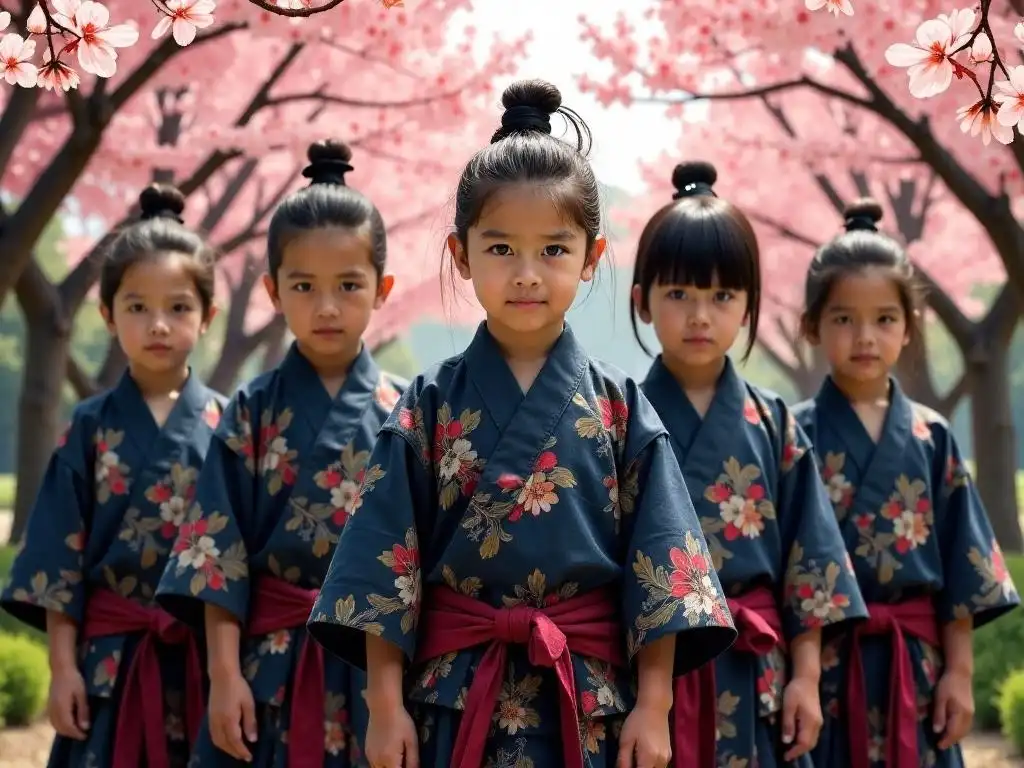
The training of samurai apprentices had a profound impact on the societal structure of feudal Japan. This rigorous education not only shaped the individuals who underwent it but also influenced the broader cultural and social fabric of the country. The samurai class was not merely a military group; they were also key players in governance, ethics, and cultural development.
Contributions of Trained Samurai to Feudal Japan
Trained samurai were instrumental in maintaining order and stability within feudal Japan. Their contributions can be categorized into several key areas:
-
Military Service:
The primary role of samurai was as warriors. After completing their training, apprentices became skilled fighters, contributing to the defense of their lord’s territory. This military prowess was vital during the constant conflicts of the period, such as the Genpei War (1180-1185) and later, the Sengoku period (1467-1603).
-
Governance:
Samurai often held positions of power and were responsible for the administration of their lord’s lands. Their training included not only combat skills but also governance and law, allowing them to manage resources, collect taxes, and enforce laws effectively. This dual role strengthened the feudal system.
-
Cultural Development:
Samurai were patrons of the arts and culture. Their training often included lessons in poetry, calligraphy, and the tea ceremony, which enriched Japanese culture. The samurai's commitment to the arts fostered an environment where cultural practices flourished, influencing literature, philosophy, and aesthetics.
-
Ethical Framework:
The bushido code, which emphasized virtues such as loyalty, honor, and discipline, became a defining feature of samurai culture. The principles taught during apprentice training instilled a strong moral compass that guided not only samurai behavior but also influenced societal norms across Japan.
Long-term Effects on Japanese Culture and History
The legacy of samurai apprentice training extends far beyond the feudal era, leaving an indelible mark on Japanese culture and history.
-
Cultural Identity:
The samurai's ethos has become a symbol of Japanese identity. The values and aesthetics cultivated during their training continue to resonate in contemporary Japanese society. Concepts such as loyalty and honor remain integral to social interactions and are celebrated in modern media.
-
Martial Arts:
The training methods established for samurai have evolved into various forms of traditional Japanese martial arts, such as kendo, judo, and aikido. These disciplines not only preserve the techniques of the samurai but also embody the philosophical teachings that originated during the apprenticeship.
-
Influence on Modern Governance and Military:
The administrative skills honed during samurai training have influenced Japan's modern governance structures. The samurai's understanding of law and order laid the groundwork for Japan's legal system, which still reflects many of the organizational principles established during the feudal era.
-
Literary and Artistic Legacy:
The contributions of samurai to literature and the arts continue to inspire contemporary works. Themes of loyalty, honor, and sacrifice are prevalent in Japanese films, literature, and visual arts, highlighting the enduring influence of samurai culture.
The samurai apprentice training experience not only shaped individual samurai but also had far-reaching effects on the societal, cultural, and historical landscape of Japan. This comprehensive training laid the foundation for a class that would influence the nation for centuries to come.
Conclusion: The Legacy of the Samurai Apprentice Training Experience
The life of a samurai apprentice was not merely a period of intense training; it was a transformative journey that shaped not only the individual apprentice but also the society of feudal Japan. The rigorous discipline, moral education, and martial skills acquired during this formative period laid the groundwork for a legacy that continues to resonate today.
Reflection on the Samurai Apprentice Journey
The samurai apprentice training experience was characterized by a unique blend of physical, mental, and spiritual development. Apprentices, often starting their training at a young age, lived under the strict tutelage of experienced samurai, immersing themselves in the code of bushido, which emphasized loyalty, honor, and self-discipline.
- Daily Routines: The daily life of an apprentice included:
- Martial Arts Training: Practicing techniques such as kenjutsu (swordsmanship) and kyujutsu (archery).
- Physical Conditioning: Engaging in rigorous exercises to build strength, agility, and endurance.
- Mental Preparation: Studying strategy and philosophy, which included reading classical texts and learning from historical battles.
- Cultural Education: Beyond combat skills, apprentices were also educated in traditional arts:
- Calligraphy and Poetry: Developing a refined sense of aesthetics and culture.
- Tea Ceremony: Learning the importance of etiquette and mindfulness.
This holistic approach ensured that samurai were not only skilled warriors but also cultured individuals who contributed to the intellectual and artistic life of their time.
Continuing Influence of Samurai Training in Modern Japan
The samurai apprentice training experience has left an indelible mark on modern Japanese culture, influencing various aspects of society today. While the samurai class was abolished in the late 19th century, the values and principles they embodied continue to be relevant.
- Martial Arts: Traditional Japanese martial arts, such as kendo and iaido, maintain the samurai spirit. These disciplines emphasize respect, discipline, and mental fortitude, reflecting the training of samurai apprentices.
- Education and Discipline: The rigorous training methods of samurai are mirrored in modern educational practices that emphasize discipline and perseverance. Schools that incorporate martial arts often draw upon samurai philosophies to foster character development.
- Cultural Appreciation: The arts cultivated during the apprenticeship, such as calligraphy and tea ceremony, remain integral to Japanese culture, with many practitioners seeking to preserve these traditions in contemporary society.
- Leadership and Ethics: The bushido code continues to influence modern Japanese business and leadership practices, emphasizing loyalty, integrity, and responsibility.
The legacy of the samurai apprentice training experience is a testament to the enduring values of discipline, honor, and cultural appreciation that have shaped Japan's historical narrative and continue to influence its society today. The deep-rooted principles learned during apprenticeship not only prepared individuals for the challenges of their time but also laid the foundation for a cultural identity that resonates through the ages.
Frequently Asked Questions
What is the role of a samurai apprentice in feudal Japan?
A samurai apprentice, also known as a "gakko," trained under a master to learn the art of warfare, bushido, and other essential skills, preparing them for their future as a samurai.
How long does the training of a samurai apprentice typically last?
The training period for a samurai apprentice could last several years, often beginning in childhood and continuing until they reached a level of proficiency recognized by their master.
What skills do samurai apprentices learn during their training experience?
Samurai apprentices focus on various skills, including martial arts, strategy, etiquette, and the philosophy of bushido, which emphasizes honor, loyalty, and discipline.
Are there any rituals associated with becoming a samurai apprentice?
Yes, there are significant rituals such as the initiation ceremony, where an apprentice formally pledges loyalty to their master and begins their journey in samurai training.
How did the societal structure influence samurai apprentice training?
The societal structure of feudal Japan placed a high value on loyalty and hierarchy, shaping the expectations and responsibilities placed upon samurai apprentices as they prepared to serve their lords.
Final Reflection: Embracing the Spirit of the Samurai Apprentice
The journey of a samurai apprentice is not just a historical narrative; it is a profound exploration of discipline, resilience, and personal growth that resonates deeply in today's fast-paced world. In an era where instant gratification often overshadows the value of patience and hard work, the samurai training experience serves as a powerful reminder of the virtues that shape character and forge leaders. The lessons learned through the rigorous training of a samurai apprentice are timeless, urging us to reflect on our own paths and the dedication required to master our crafts.
Culturally, the legacy of the samurai continues to influence modern society, inspiring individuals to pursue excellence in various fields, from martial arts to business leadership. The principles of honor, respect, and unwavering commitment that define a samurai's life are echoed in the values we hold dear today. As the renowned philosopher Miyamoto Musashi once said, The ultimate aim of martial arts is not having to use them.
This sentiment encapsulates the essence of the samurai apprentice experience: it is about cultivating inner strength and wisdom that transcends mere physical prowess, shaping individuals who can navigate the complexities of life with grace and integrity.
As you reflect on the lessons of the samurai apprentice training experience, I invite you to consider how you can embody these principles in your own life. What disciplines can you commit to that will foster your growth? Whether it’s through honing a skill, embracing challenges, or practicing mindfulness, let the spirit of the samurai guide you toward a path of continuous improvement. By embracing the values of dedication and resilience, you can not only enrich your own life but also inspire those around you to pursue their own journeys with the same fervor and commitment.
Embrace the Samurai Spirit Today!
Thank you for diving into the inspiring world of samurai apprentices and their transformative journeys. You’ve uncovered the essence of dedication, discipline, and honor. Now, it’s time to channel that spirit into your own life.
Here are a few powerful steps you can take right now:
- Explore a new skill: Enroll in a class or workshop for a martial art or discipline that captivates you. Much like the training of samurai, this experience will cultivate your focus and perseverance!
- Connect with others: Share your insights from this article in a local community group or an online forum. Engage in meaningful discussions about perseverance and personal growth.
- Immerse yourself in samurai philosophy: Read literature on Bushido or other philosophies inspired by the samurai to enrich your understanding and appreciation of their values.
How can you incorporate the values of discipline and respect into your daily routine? We invite you to share your thoughts below!