
Feudal Japan Uncovered: Language and Terms That Shaped an Era


Welcome to Feudal Japan History, where we embark on a captivating journey through the intricate tapestry of Japan's feudal era. Prepare to delve into the language and terms that shaped an era, revealing the rich cultural and societal nuances that define this fascinating period. As you explore our expert-driven insights, you'll uncover how language not only reflects history but also influences the very fabric of society. Join us as we decode the lexicon of feudal Japan and discover the stories behind the words that still echo today. Your adventure into the past starts now!
Introduction to Feudal Japan Language and Terms
The language of Feudal Japan is a fascinating tapestry that intricately weaves together the threads of history, culture, and social structure. This era, spanning from the late 12th century to the early 17th century, was marked by a complex interplay of power dynamics, class distinctions, and cultural evolution. Understanding the language and terms used during this period is crucial for anyone interested in the nuances of Japanese history, as it not only reflects the societal values of the time but also provides insight into the everyday lives of its people.
In this article, we will explore the essential terms and language features that defined Feudal Japan. From the rise of samurai culture to the influence of Chinese characters, the linguistic landscape was shaped by various factors, including political changes and cultural exchanges. As we delve deeper into this topic, we will uncover the historical background of the Japanese language, key phases in its development, and the significance of specific terms that continue to resonate in modern Japanese discourse.
The Evolution of Language in Feudal Japan
Language in Feudal Japan did not emerge in isolation; it evolved through a series of influential phases that mirrored the changing political and cultural landscapes of the time. Understanding this evolution is crucial for grasping how language shaped social interactions and governance during the era.
Historical Background of Japanese Language
The roots of the Japanese language can be traced back to the early inhabitants of the Japanese archipelago, with influences from both indigenous languages and external sources, particularly Chinese. By the time Feudal Japan began, several dialects of Japanese existed, reflecting the diverse regions of the country.
- Early Influences: The introduction of Chinese characters (kanji) in the 5th century significantly impacted the Japanese writing system. This led to the development of kanbun, a classical style that utilized Chinese grammar and vocabulary.
- Adoption of Kana: To cater to the needs of the Japanese-speaking populace, kana syllabaries (hiragana and katakana) began to emerge around the 9th century. This allowed for greater accessibility in writing and education among the non-elite classes.
Key Phases in Language Development During the Feudal Era
The Feudal Era can be subdivided into distinct phases regarding language development, each marked by unique characteristics and influences:
- Kamakura Period (1185–1333):
- Rise of the samurai class and their unique lexicon.
- Development of bushido, which introduced specific terms related to warrior culture.
- Muromachi Period (1336–1573):
- Increased cultural exchange with the introduction of Zen Buddhism, contributing to philosophical terminology.
- The flourishing of the arts, leading to new terms in literature and theater.
- Azuchi-Momoyama Period (1573–1603):
- The unification of Japan under powerful warlords brought about standardized language use.
- The emergence of terms related to trade and diplomacy as Japan interacted more with foreign entities.
By examining these phases, we can better appreciate how the language of Feudal Japan was not merely a tool for communication but a vital component of the era's identity. The terms and expressions that arose during this time continue to influence modern Japanese language and culture, making them essential for any history enthusiast looking to deepen their understanding of this remarkable period.
Essential Terms of Feudal Japan
Understanding the terminology of feudal Japan is essential for grasping the historical, cultural, and societal intricacies of the era. The language and terms used during this period provide insight into the hierarchical structure, political dynamics, and cultural practices that defined life in feudal Japan. Below, we explore some key political, social, and cultural terms that shaped the language of this fascinating epoch.
Political and Social Terms
- Shogun: The military ruler of Japan, the shogun held the highest power in the feudal hierarchy. Appointed by the emperor, shoguns were responsible for governing the country and leading military campaigns. The shogunate system established a feudal regime that lasted for centuries.
- Daimyo: These were powerful feudal lords who owned vast lands and held significant political influence. The daimyo governed their territories and were often engaged in conflicts with one another, leading to a decentralized form of governance.
- Samurai: The warrior class of feudal Japan, samurai were skilled fighters who served the daimyo. They adhered to a strict code of conduct known as Bushido, emphasizing loyalty, honor, and bravery. Samurai played a crucial role in maintaining order and protecting their lord's interests.
- Ronin: A ronin was a samurai without a master, often due to the death of their lord or the loss of their domain. Ronin faced social stigma and were sometimes forced to become mercenaries or bandits.
- Bushi: This term refers to the warrior class in general and is often used interchangeably with samurai. The bushi were integral to the military and political structure of feudal Japan.
- Kuge: The aristocracy of the imperial court, the kuge held titles and lands but often had less power than the daimyo. They were involved in cultural and ceremonial aspects of governance.
Cultural Terms
- Zen: A school of Buddhism that became prominent during the feudal era, Zen emphasized meditation and direct experience of enlightenment. It influenced Japanese arts, including tea ceremonies, ink painting, and garden design.
- Noh: A traditional form of Japanese drama characterized by its slow movements and poetic dialogue. Noh plays often depicted historical events or moral lessons, reflecting the cultural values of the time.
- Ikebana: The art of flower arrangement, ikebana reflects the aesthetic principles and philosophies of feudal Japan. It emphasizes simplicity, balance, and harmony with nature.
- Calligraphy (Shodō): The artistic practice of writing characters with brush and ink, calligraphy was not only a form of artistic expression but also a way to convey cultural and philosophical ideas.
- Sumi-e: This is a style of ink painting that focuses on capturing the essence of a subject with minimal brush strokes. It embodies the Zen philosophy of simplicity and spontaneity.
Language and Its Role in Feudal Society
Language in feudal Japan was more than just a means of communication; it served as a tool for governance, culture, and social interaction. The evolution of language during this period reflects the complexities of Japanese society and its hierarchical structures.
The Importance of Language in Governance
Language played a critical role in the governance of feudal Japan, particularly in the context of the shogunate and the daimyo's domains. Official documents, decrees, and laws were written in classical Japanese, which was often difficult for the common people to understand. This linguistic barrier reinforced the power dynamics between the ruling class and the peasantry.
- Legal Terminology: Specific terms were used in the legal framework, including kugyō (court nobles) and shizoku (hereditary samurai families). These terms helped define the roles and responsibilities of various societal members.
- Confucian Influence: The introduction of Confucian ideals during the Edo period further shaped the language of governance. Terms related to hierarchy, loyalty, and morality became prevalent, influencing both official documents and everyday language.
Language in Everyday Life
In everyday life, language was a vital aspect of social interaction and cultural expression. The vernacular languages spoken by the common people often differed from the formal language used by the ruling elite, leading to a rich tapestry of dialects and expressions.
- Regional Dialects: Different regions of Japan developed their own dialects, which influenced local culture and identity. This diversity is still present in modern Japan, with various dialects reflecting the historical context of feudal society.
- Proverbs and Sayings: Everyday language was also enriched by proverbs and sayings that conveyed wisdom and cultural values. These expressions often reflected the societal norms and principles of feudal Japan.
- The Role of Literature: Literature, including poetry and storytelling, played a significant role in shaping the language of the time. Works like The Tale of Genji used refined language that has influenced Japanese literature for centuries.
The language and terms used during feudal Japan provide a window into the complexities of its society, reflecting the political, cultural, and social dynamics that shaped the era. Understanding these terms is crucial for anyone interested in delving deeper into Japan's rich historical tapestry.
Key Terms in Feudal Japan Warfare
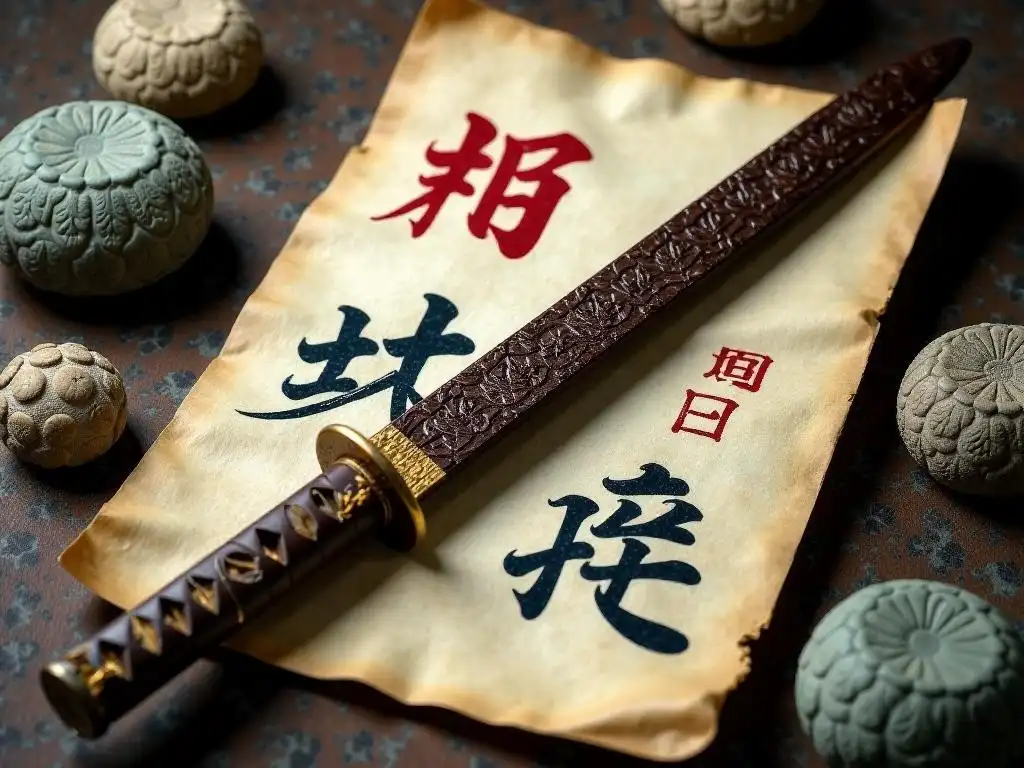
Feudal Japan was marked by a complex and multifaceted approach to warfare, deeply intertwined with the social hierarchy and the martial traditions of the samurai class. Understanding the key terms related to warfare during this era is essential for grasping the historical context and the various strategies employed.
One of the most significant terms is bushi (武士), which refers to the warrior class that emerged during this period. The bushi were not just soldiers; they embodied the values of loyalty, honor, and martial skill. Another crucial term is daimyo (大名), which denotes the powerful feudal lords who commanded large armies and held vast territories. The daimyo were pivotal in the political landscape, often engaging in battles for supremacy.
The concept of kaisen (会戦) refers to a full-scale battle, while shingen (信玄), known as the "battlefield formations," describes the tactical arrays used by samurai in combat. Additionally, the term katana (刀) is indispensable, as it represents the iconic sword of the samurai, symbolizing their status and skill. Understanding these terms provides insight into the martial culture that defined feudal Japan and its governance.
Military Vocabulary
An array of specialized vocabulary exists within the context of feudal warfare that reflects the strategies, formations, and rituals of the time. For example, kubo (窪), meaning "to besiege," is a tactic employed during sieges, while yari (槍), or spear, indicates the diverse weaponry used by samurai.
Ninjutsu (忍術), though often romanticized, refers to the techniques of espionage and guerrilla warfare practiced by the ninja, who played a significant role in information gathering and sabotage. The term sengoku (戦国) translates to “warring states,” a period characterized by constant military conflict among various feudal lords.
Moreover, samu (侍) denotes the samurai class itself, who not only fought but also adhered to a strict code of conduct known as bushido (武士道), or the "way of the warrior." This code emphasized virtues such as bravery, loyalty, and honor, shaping the identity of the warrior class in Japan. Mastery of this military vocabulary is essential for anyone looking to delve deeper into the history and culture of feudal Japan.
Language Learning Resources for Feudal Japan Terms
As enthusiasts of feudal Japan delve into the rich tapestry of its history, understanding the language and terminology becomes crucial. Fortunately, numerous resources are available to aid learners in mastering the vocabulary associated with this era.
Recommended Books and Texts
A great starting point for anyone interested in feudal Japan language and terms is "Hagakure: The Book of the Samurai" by Yamamoto Tsunetomo. This text provides insight into samurai philosophy and includes numerous martial terms. Another essential read is "The Book of Five Rings" by Miyamoto Musashi, which not only delves into martial arts but also introduces various concepts and vocabulary related to strategy and combat.
For a more comprehensive linguistic approach, "Japanese for Busy People" offers a structured guide to the Japanese language, including historical terms. Additionally, "A History of Japan: 1334-1615" by George Sansom, while primarily historical, introduces many relevant terms and phrases in its exploration of feudal Japan.
Online Courses and Language Tools
In the digital age, online courses and language tools have made it easier to learn about feudal Japan's language and terms. Platforms like Duolingo and Rosetta Stone provide foundational Japanese language courses that can help learners become familiar with essential vocabulary, including terms from feudal history.
Additionally, websites like Coursera and edX offer specialized courses focusing on Japanese history and culture that often cover the language aspects crucial for understanding feudal Japan.
For interactive learning, Anki flashcards can be customized to include specific feudal terms, making it a valuable tool for memorization. These resources collectively enhance the learning experience, equipping students and history buffs with the vocabulary needed to explore the fascinating world of feudal Japan.
Conclusion: The Legacy of Feudal Japan Language and Terms
The language and terms that emerged during feudal Japan reflect a complex interplay of culture, governance, and social structure that defined this remarkable era. The lexicon of feudal Japan is not merely a collection of words; it embodies the values, beliefs, and societal norms of a time when samurai warriors, daimyō (feudal lords), and peasants coexisted within a rigid hierarchy.
As scholars and enthusiasts of Japanese history delve into these terms, they uncover layers of meaning that reveal how the society functioned and interacted. Key terms such as bushido (the way of the warrior) and shōgun (military leader) encapsulate the ethos of samurai culture and the political realities of the time. Furthermore, everyday language related to agriculture, trade, and family life provides insight into the daily experiences of the Japanese populace, illustrating a society deeply connected to its land and traditions.
The legacy of these terms continues to influence modern Japanese language and culture. Many words from the feudal era have persisted, evolving in meaning but retaining their historical significance. For example, the concept of honor remains central to Japanese identity, rooted in the samurai's moral code. Understanding the language of feudal Japan allows contemporary society to appreciate the rich tapestry of its history, fostering a deeper connection with the past.
In essence, the language and terms of feudal Japan serve as a bridge to understanding the complexities of its history, culture, and societal structure. As we explore these linguistic treasures, we not only uncover the past but also enrich our understanding of Japan's present and future.
Additional Resources
To further explore the language and terms that shaped feudal Japan, consider these curated resources:
- Books:
- The Samurai: A Military History by Stephen Turnbull – This book provides insights into the samurai culture, including terminology and its significance.
- Japanese History: A Short History by John W. Dower – A concise overview that includes language used during feudal times.
- Online Databases:
- The National Diet Library of Japan – Offers digital archives of historical documents, including texts from the feudal era.
- JSTOR – Access scholarly articles discussing the linguistics and historical significance of terms from feudal Japan.
- Courses:
- Online courses on Japanese history and language available through platforms like Coursera and edX, which include modules on the feudal period.
- Documentaries:
- "Samurai: The Last Warrior" – A documentary that explores samurai culture and its vocabulary within a historical context.
These resources can enhance your understanding of feudal Japan's language and terms, allowing for a deeper appreciation of this fascinating era in history.
- Introduction to Feudal Japan Language and Terms
- The Evolution of Language in Feudal Japan
- Essential Terms of Feudal Japan
- Language and Its Role in Feudal Society
- Key Terms in Feudal Japan Warfare
- Language Learning Resources for Feudal Japan Terms
- Conclusion: The Legacy of Feudal Japan Language and Terms
- Additional Resources
- What is the significance of language and terms in feudal Japan?
- How did the Japanese language evolve during the feudal era?
- What are some important terms associated with feudal Japan?
- How does understanding feudal Japan language help in studying its history?
- Are there any resources for learning about feudal Japan language and terms?
Frequently Asked Questions
What is the significance of language and terms in feudal Japan?
The language and terms used in feudal Japan reflect the cultural and social structures of the era, providing insight into the values and beliefs of society.
How did the Japanese language evolve during the feudal era?
During the feudal era, the Japanese language incorporated many borrowed terms from Chinese, leading to a rich tapestry of vocabulary that influenced various aspects of culture.
What are some important terms associated with feudal Japan?
Key terms include samurai, signifying the warrior class, and daimyo, referring to powerful landowners, both of which played crucial roles in the feudal hierarchy.
How does understanding feudal Japan language help in studying its history?
Studying the language and terms of feudal Japan allows historians to grasp the social dynamics and power structures, enhancing our overall understanding of historical events.
Are there any resources for learning about feudal Japan language and terms?
Yes, there are many books, articles, and online resources dedicated to feudal Japan language and terms, offering comprehensive insights into the linguistic landscape of the era.
Final Reflection: The Enduring Legacy of Feudal Japan's Language and Terms
In exploring the intricate tapestry of feudal Japan's language and terms, we uncover not just a historical narrative but a profound connection to the values, beliefs, and social structures that shaped an entire era. The lexicon of feudal Japan serves as a lens through which we can understand the complexities of its society, revealing how language can both reflect and influence cultural identity. Today, as we navigate a world increasingly defined by globalization and cultural exchange, the significance of these terms resonates more than ever, reminding us of the power embedded in language.
The influence of feudal Japan's language extends far beyond its historical context; it continues to shape our understanding of social hierarchies, honor, and community. By examining these terms, we gain insight into the collective psyche of a civilization that valued loyalty, duty, and respect. As we reflect on the ongoing impact of these concepts, we are reminded of the words of the renowned historian, Edward Seidensticker: Language is the most powerful tool we have for understanding ourselves and others.
This observation underscores the importance of studying feudal Japan's language, as it not only enriches our knowledge of the past but also informs our interactions in the present.
As we conclude this exploration, I invite you to reflect on the lessons gleaned from feudal Japan's language and terms. Consider how the values embedded in these words can inspire us in our daily lives, fostering a deeper appreciation for the cultures that shape our world. Let us carry forward the wisdom of the past, allowing it to guide our actions and interactions, and strive to create a society that honors the principles of respect, loyalty, and understanding that were so vital in feudal Japan.
Unlock the Legacy of Feudal Japan!
Thank you for diving into the fascinating world of Feudal Japan with us! We hope you gained valuable insights into the language and terms that shaped this incredible era. Now, it’s time to take your understanding further and immerse yourself in the rich history that surrounds you.
Here are a few specific actions you can take right now:
- Explore a glossary of key terms and concepts related to Feudal Japan on our website to deepen your knowledge.
- Share this article with friends and fellow history enthusiasts to spark engaging conversations about this unique period.
- Join our community of like-minded individuals by following us on social media for more intriguing posts, discussions, and resources.
What aspect of Feudal Japan do you find most captivating, and how would you like to explore it further?