
The Samurai's Library: Literature and Learning in the Feudal Era

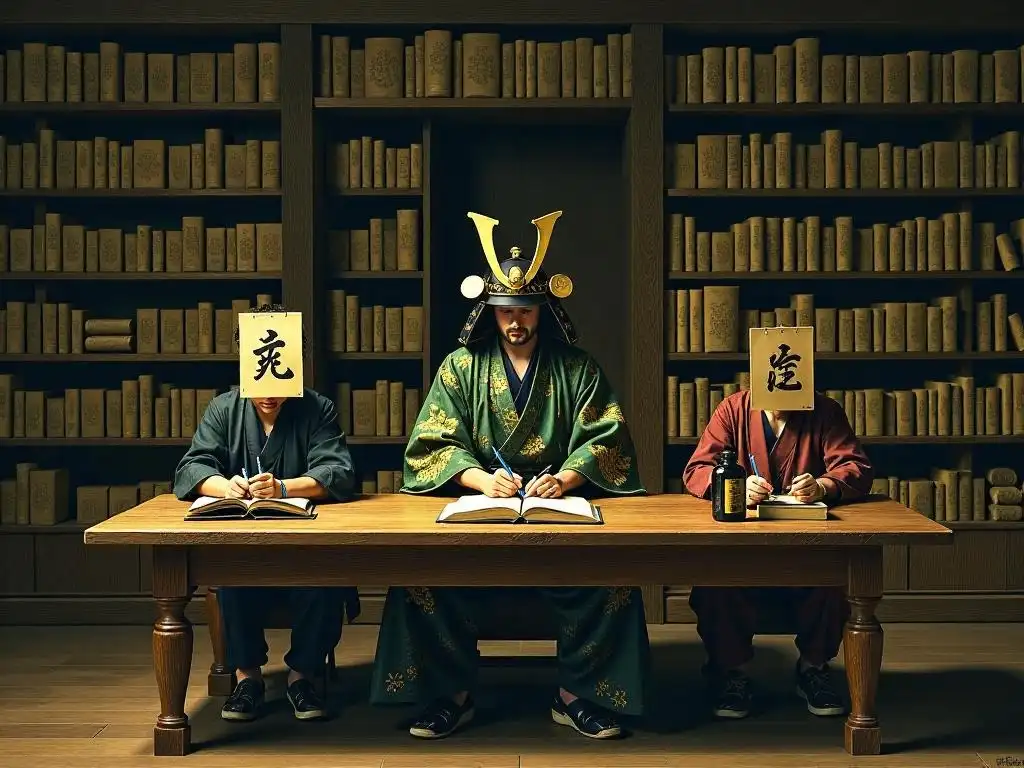
Welcome to Feudal Japan History, where we invite you to delve into the rich tapestry of Japan’s feudal era. Here, history is not just a series of events, but a vibrant narrative filled with cultural treasures and societal insights. In our featured article, “The Samurai's Library: Literature and Learning in the Feudal Era,” we explore the profound impact of samurai literature on the intellectual landscape of feudal Japan.
From the poetic verses that shaped the samurai ethos to the philosophical texts that guided their values, this journey promises to reveal the untold stories of a fascinating era. Read on to uncover how these literary works not only reflected the times but also influenced generations to come.
In the intricate tapestry of feudal Japan, the samurai class stood as both warriors and scholars, embodying a unique cultural duality that greatly enriched the nation's literary heritage. This article delves into the realm of samurai literature, exploring how the written word served as a vital means of education, reflection, and expression during this pivotal period.
From the stoic teachings of bushido to the poetic elegance of haiku, samurai literature provides invaluable insights into the values, philosophies, and societal norms that shaped Japan from the 12th to the 19th centuries. By examining the texts produced during this era, we can uncover the profound connections between literary pursuits and the samurai's quest for honor, wisdom, and self-improvement.
Introduction to Samurai Literature in Feudal Japan
Samurai literature is more than just a collection of texts; it encapsulates the spirit of an entire class dedicated to the ideals of loyalty, honor, and the pursuit of knowledge. For the samurai, literature was not only a source of entertainment but also a crucial aspect of their education and personal development. Works produced during this time often reflected the samurai's internal struggles, philosophical musings, and the societal changes occurring around them.
The Importance of Literature in Samurai Culture
The role of literature in samurai culture cannot be overstated. It served as a means to:
- Educate: Samurai were expected to be well-versed in various subjects, including history, poetry, and philosophy.
- Reflect: Many samurai wrote diaries or letters that provided insights into their thoughts, fears, and aspirations.
- Inspire: Literature often contained moral lessons and ideals that guided samurai behavior and decision-making.
By engaging with literature, samurai cultivated a sense of identity and purpose, which was vital in a society marked by continuous conflict and change.
Overview of the Feudal Era in Japan
The feudal era in Japan, spanning approximately from the 12th to the 19th centuries, was characterized by a strict social hierarchy and the dominance of the samurai class. Key features of this period include:
- The Rise of the Samurai: Initially serving as warriors for noble families, samurai eventually became the ruling elite, wielding significant political power.
- Cultural Flourishing: The era witnessed a blossoming of arts and culture, including theater, poetry, and literature.
- Isolationism: Japan's policy of seclusion during the Edo period (1603-1868) allowed for the development of a unique literary tradition, free from foreign influence.
This historical backdrop set the stage for the emergence of distinct literary forms and themes that resonated with the samurai ethos.
Historical Context of Samurai Literature
To fully appreciate samurai literature, it's essential to understand the historical context in which it was produced. The writings of this era were influenced by a variety of factors, including political changes, cultural exchanges, and philosophical developments.
The Evolution of Literary Forms in Feudal Japan
Over the centuries, samurai literature evolved in response to changing societal needs and artistic trends. Key developments included:
- The Emergence of New Genres: The rise of prose narratives, such as the Nihon Shoki and Taiheiki, which chronicled historical events and legends.
- Poetic Traditions: The refinement of forms like haiku and tanka, which expressed deep emotions and a connection to nature.
- Philosophical Texts: Works that explored the principles of bushido and ethical conduct, reflecting the samurai's inner life and struggles.
This evolution illustrates how literature served as a dynamic reflection of the samurai's experiences and societal roles.
Influences of Religion and Philosophy on Samurai Writings
The writings of samurai were profoundly influenced by various religious and philosophical traditions, including:
- Zen Buddhism: Emphasized mindfulness and the impermanence of life, shaping the reflective quality of samurai poetry.
- Confucianism: Provided ethical frameworks that guided samurai behavior and relationships with others.
- Shinto Beliefs: Fostered a deep appreciation for nature, which often permeated literary expressions.
These influences contributed to a rich literary tradition that not only captured the samurai's martial prowess but also their quest for enlightenment and understanding.
Key Themes in Samurai Literature
Samurai literature is rich with themes that reflect the values, beliefs, and experiences of the samurai class during Japan's feudal era. The literary works from this period often explore complex concepts such as honor, loyalty, and the philosophical underpinnings of bushido, the way of the warrior. These themes are not only central to understanding the samurai's role in society but also provide insights into the cultural fabric of feudal Japan.
In addition to honor and loyalty, nature and aesthetics play significant roles in samurai literature. The samurai, deeply connected to their environment, often find reflections of their inner struggles and ideals in the natural world. This connection imbues their stories with a sense of beauty and transience, adding a layer of complexity to their narratives. Furthermore, the interplay between life and death is a recurring motif, illustrating the samurai's acceptance of mortality and the impermanence of existence.
Honor and Loyalty in Samurai Stories
Honor and loyalty are paramount in samurai literature, serving as guiding principles for the samurai's actions and decisions. Many stories depict the samurai's unwavering commitment to their lords, even to the point of sacrifice. This loyalty is often tested in narratives that revolve around betrayal, conflict, and moral dilemmas, showcasing the samurai's internal struggle between duty and personal desire.
One notable tale that exemplifies this theme is the story of the Forty-seven Ronin, a historical account of samurai who avenged their lord's death. Their actions, driven by a profound sense of loyalty and honor, have been immortalized in various literary forms, including plays and novels. This tale not only highlights the samurai's commitment to their code but also reflects broader societal values regarding loyalty and honor in feudal Japan.
The Concept of Bushido in Literary Works
Bushido, often translated as "the way of the warrior," is a crucial element in samurai literature. This ethical code encompasses various virtues, including bravery, honor, and self-discipline. Literary works often explore the implications of bushido, illustrating how it guides the samurai's conduct in both war and peace.
Notable texts, such as "Hagakure" by Yamamoto Tsunetomo, delve into the philosophical aspects of bushido, offering insights into the mindset and values of the samurai. These writings serve as manuals for conduct, providing guidance on how to navigate the complexities of loyalty, honor, and personal integrity. The exploration of bushido in literature reflects not only the samurai's personal journey but also the societal expectations placed upon them, making it a central theme in the narratives of feudal Japan.
Nature and Aesthetics in Feudal Literature
The relationship between nature and samurai literature is profound and multifaceted. Nature often serves as a backdrop for samurai stories, reflecting the characters' emotions and inner turmoil. The beauty of the natural world is frequently juxtaposed with the harsh realities of samurai life, creating a poignant contrast that enhances the narrative's emotional depth.
Aesthetic appreciation is also evident in the literary forms of the period, such as haiku and linked-verse poetry. These forms not only capture the beauty of nature but also express the fleeting nature of life, a concept central to samurai philosophy. Poets like Matsuo Bashō exemplify this connection in their works, using nature to evoke feelings of melancholy and reflection, thereby enriching the samurai's literary landscape.
Notable Works of Samurai Literature
Samurai literature boasts a variety of notable works that have shaped the cultural landscape of Japan. These texts range from historical accounts and philosophical treatises to poetry and prose, each contributing to the understanding of the samurai's world.
Among the classic texts, the "Tale of the Heike" stands out as a significant historical narrative, chronicling the rise and fall of the Taira and Minamoto clans during the late Heian period. This epic not only serves as a record of historical events but also encapsulates the values and emotions of the samurai, making it a cornerstone of samurai literature.
Several classic texts are integral to the study of samurai literature. These works, written by notable authors, provide insight into the samurai ethos and the cultural context of feudal Japan.
- "Hagakure" by Yamamoto Tsunetomo - A guide to the samurai way of life, emphasizing the importance of bushido.
- "The Book of Five Rings" by Miyamoto Musashi - A treatise on strategy, philosophy, and martial arts.
- "The Tale of the Heike" - An epic recounting the historical conflicts between the Taira and Minamoto clans.
- "The Pillow Book" by Sei Shōnagon - Although not exclusively about samurai, it offers insights into the aesthetics and culture of the era.
These texts not only reflect the samurai's ideals but also serve as important cultural artifacts that continue to influence literature and philosophy in Japan.
Poetry and Prose: Haiku and Beyond
Poetry holds a special place in samurai literature, particularly forms like haiku and linked-verse poetry. These succinct poetic forms allow for the expression of profound emotions and observations, often centered around nature and the human experience.
The haiku, with its 5-7-5 syllable structure, captures moments of beauty and transience, mirroring the samurai's connection to nature. Poets like Matsuo Bashō and Yosa Buson exemplified this tradition, using their verses to evoke deep feelings and reflections on life.
Beyond haiku, prose works also played a significant role in conveying the samurai's thoughts and philosophies. The interplay between poetry and prose in samurai literature enriches the narrative landscape, allowing for a multidimensional exploration of themes such as honor, loyalty, and the human condition. This blending of forms highlights the artistic expression of the samurai and their enduring legacy in Japanese literature.
Education and Training of Samurai in Literature
The education and training of samurai in literature during Japan's feudal era were vital aspects of their development, shaping not only their intellectual capabilities but also their moral and ethical frameworks. Samurai were expected to be well-rounded individuals, proficient in both martial skills and scholarly pursuits. Literature played a crucial role in this holistic education, providing samurai with the necessary insights into philosophy, ethics, and governance, which were essential for their roles as leaders and warriors in society.
The Role of Literature in Samurai Education
Literature served as a foundational element in the education of samurai, influencing their worldview and ethical reasoning. Classical texts like The Tale of the Heike and The Book of Five Rings offered samurai lessons in strategy, honor, and the complexities of human nature. These texts not only instilled a sense of cultural identity but also reinforced the samurai code of conduct, known as Bushido.
- Philosophical Teachings: Works by Confucian scholars emphasized loyalty and filial piety, shaping the samurai's moral compass.
- Historical Narratives: Epics and historical chronicles provided context for the samurai’s role in society, teaching lessons from past conflicts and governance.
- Poetry and Aesthetics: The study of poetry, especially haiku and linked-verse poetry ( renga), encouraged samurai to appreciate beauty and express their emotions, fostering a more profound connection to the arts.
How Samurai Learned Through Texts and Oral Traditions

The transmission of knowledge among samurai was a blend of textual study and oral tradition. Samurai would often engage in group discussions or recite texts aloud, allowing them to internalize the teachings effectively.
- Textual Study: Samurai were taught to read and write classical Chinese and Japanese texts, enabling them to access a broad range of literature.
- Mentorship: Experienced samurai often acted as mentors, guiding younger warriors through the complexities of literary works and instilling the values embedded within them.
- Oral Tradition: Storytelling played a significant role in disseminating knowledge, with tales of valor and morality passed down through generations, enriching the samurai's understanding of their heritage.
The Impact of Samurai Literature on Japanese Society
The influence of samurai literature extended beyond the samurai class, permeating various aspects of Japanese society. The ethical and philosophical ideas presented in samurai texts contributed to the cultural fabric of Japan, shaping societal norms and values.
Samurai Literature's Influence on Later Generations
Samurai literature laid the groundwork for future generations, inspiring not only samurai but also the broader populace. The themes of loyalty, honor, and sacrifice resonated throughout Japanese history, influencing literature, theater, and art.
- Cultural Narratives: Many samurai stories became foundational narratives that shaped the samurai ideal, inspiring later literary and artistic works during the Edo period and beyond.
- Educational Curricula: Samurai literature was integrated into educational curricula, promoting the values of Bushido and instilling a sense of national identity among the populace.
The Legacy of Samurai Texts in Modern Japan
The legacy of samurai literature continues to echo in modern Japan, where the values and teachings of the samurai still hold significance. Contemporary literature, film, and popular culture often draw inspiration from samurai texts, reflecting their enduring impact on Japanese identity.
- Cultural Revival: Modern authors and creators are revisiting samurai literature, reinterpreting its themes for contemporary audiences while keeping the essence of Bushido alive.
- Philosophical Reflections: The ethical dilemmas and existential questions posed in samurai literature remain relevant, inviting modern readers to reflect on their own values and societal issues.
The education and literary pursuits of samurai were not merely academic but deeply intertwined with their identities and societal roles, leaving a lasting impact that continues to shape Japan today.
Conclusion: The Enduring Legacy of Samurai Literature
The legacy of samurai literature transcends its historical context, continuing to influence modern culture and thought. From the poetic verses of The Tale of the Heike to the philosophical musings found in Hagakure, the texts produced during the feudal era embody the values and beliefs of the samurai class. This literature not only served as a reflection of the samurai's warrior ethos but also provided insights into their moral dilemmas, emotional struggles, and profound sense of duty.
As a cornerstone of Japanese cultural heritage, samurai literature has inspired countless adaptations in various art forms, including theater, film, and literature. Its themes of honor, loyalty, and sacrifice resonate with audiences, reminding us of the universal human experiences that connect past and present. The samurai's quest for knowledge, as demonstrated through their engagement with literature, highlights the importance of education and self-cultivation, principles that remain relevant today.
In this way, samurai literature does not simply belong to the past; it continues to shape cultural narratives and identities, serving as a bridge between historical understanding and contemporary values.
Reflections on the Role of Literature in Shaping Samurai Identity
Literature played a pivotal role in shaping the identity of the samurai, as it was a medium through which they could explore their beliefs, values, and responsibilities. The samurai were not solely warriors; they were also scholars and poets who sought to balance their martial prowess with intellectual acumen. Works such as The Book of Five Rings by Miyamoto Musashi and The Unfettered Mind by Takuan Soho illustrate the philosophical underpinnings of samurai culture, emphasizing the importance of mental discipline alongside physical strength.
The samurai's engagement with literature fostered a nuanced identity that encompassed not only martial skills but also a deep appreciation for aesthetics and moral philosophy. The literary works enabled them to reflect on concepts such as bushido—the way of the warrior—encouraging a life governed by honor and ethical conduct. This duality of identity helped establish a sense of purpose and direction, allowing samurai to navigate the complexities of their roles in society.
Moreover, literature served as a means of preserving the samurai's legacy, ensuring that their experiences and ideals would be passed down through generations. By documenting their thoughts and philosophies, samurai literature contributed significantly to the cultural fabric of Japan, ultimately shaping how future generations would understand and interpret the samurai ethos.
The Continuing Relevance of Samurai Literature in Contemporary Culture
Samurai literature remains remarkably relevant in contemporary culture, influencing various artistic expressions and philosophical discourses. The themes of honor, resilience, and the pursuit of knowledge resonate with modern audiences, serving as a source of inspiration in a world often characterized by rapid change and uncertainty.
Numerous films, novels, and anime have drawn from samurai literature, reinterpreting its timeless themes for new generations. Works like Seven Samurai by Akira Kurosawa and Rurouni Kenshin illustrate how the samurai narrative continues to captivate, showcasing the struggles and triumphs of characters who embody the samurai spirit. These adaptations not only entertain but also invite reflection on the values that defined the samurai era.
Furthermore, samurai literature's focus on self-discipline and moral integrity finds echoes in modern self-help and leadership literature, emphasizing the importance of personal growth and ethical behavior. In a contemporary context, the samurai's dedication to lifelong learning and mastery serves as a reminder of the significance of education and continuous improvement.
Samurai literature is not a relic of the past but a living tradition that continues to inform and inspire. Its enduring legacy is a testament to the profound impact of the samurai on Japanese culture and beyond, ensuring that their stories, values, and philosophies remain an integral part of the human experience.
- Introduction to Samurai Literature in Feudal Japan
- Historical Context of Samurai Literature
- Key Themes in Samurai Literature
- Honor and Loyalty in Samurai Stories
- The Concept of Bushido in Literary Works
- Nature and Aesthetics in Feudal Literature
- Notable Works of Samurai Literature
- Classic Texts and Their Authors
- Poetry and Prose: Haiku and Beyond
- Education and Training of Samurai in Literature
- The Role of Literature in Samurai Education
- How Samurai Learned Through Texts and Oral Traditions
- The Impact of Samurai Literature on Japanese Society
- Conclusion: The Enduring Legacy of Samurai Literature
- What is the focus of "The Samurai's Library: Literature and Learning in the Feudal Era"?
- How did samurai literature influence Japanese culture?
- What types of literature were produced during the feudal era in Japan?
- Who were the prominent authors of samurai literature?
- How can one access samurai literature today?
Frequently Asked Questions
What is the focus of "The Samurai's Library: Literature and Learning in the Feudal Era"?
The article explores literature and learning during the feudal era in Japan, highlighting the cultural significance of samurai literature.
How did samurai literature influence Japanese culture?
Samurai literature played a crucial role in shaping Japanese culture by embodying values such as honor, loyalty, and discipline, which were essential to the samurai way of life.
What types of literature were produced during the feudal era in Japan?
During the feudal era, various forms of literature emerged, including poetry, drama, and philosophical texts, often reflecting the samurai's experiences and ethical dilemmas.
Notable authors included Miyamoto Musashi, whose works on strategy and philosophy, and Yamamoto Tsunetomo, known for his Hagakure, greatly influenced the samurai ethos and literary traditions.
How can one access samurai literature today?
Many samurai texts are available through libraries, online databases, and bookstores, allowing modern readers to explore the rich legacy of feudal Japan's literary heritage.
Final Reflection: The Enduring Legacy of Samurai Literature in Feudal Japan
The exploration of samurai literature during the feudal era reveals a profound connection between the written word and the values of honor, discipline, and wisdom that defined the samurai way of life. Today, as we navigate a world increasingly driven by technology and rapid change, the lessons embedded in these ancient texts resonate more than ever. They remind us of the importance of introspection, resilience, and the pursuit of knowledge amidst chaos.
The impact of samurai literature extends beyond its historical context; it continues to shape our cultural and social landscapes. The themes of loyalty, sacrifice, and the quest for personal excellence found in these works inspire modern readers and creators alike. As we reflect on the timeless wisdom of these texts, we can appreciate how they have influenced various art forms, from literature to film, and how they continue to serve as a moral compass in contemporary society. The sword is a symbol of the samurai's spirit; the book is a symbol of the samurai's mind.
As you consider the lessons of samurai literature, I invite you to reflect on your own journey of learning and growth. What values resonate with you from these ancient texts, and how can you incorporate them into your daily life? Embrace the spirit of the samurai by cultivating a lifelong passion for knowledge and self-improvement. Let the wisdom of the past guide you as you forge your own path in the present and future, ensuring that the legacy of samurai literature continues to inspire generations to come.
Embrace the Wisdom of the Samurai!
Thank you for taking the time to explore the rich tapestry of literature and learning from the feudal era! You’ve uncovered valuable insights into the Samurai’s way of life and the literary treasures they cherished. Now, it's time to transform that knowledge into action.
Here are some inspired steps you can take:
- Dive deeper into Samurai literature by selecting a notable book or poem that intrigues you and read it this week. Consider journaling your thoughts and reflections!
- Share your favorite findings from this article with friends or on social media. Spark a conversation about how literature influences our lives today.
- Join an online community focused on Japanese history or literature. Engage with fellow enthusiasts and expand your knowledge through shared resources and discussions!
What Samurai principles or lessons resonated with you the most, and how might they apply to your life today?