
The Martial Arts of the Common People in Feudal Japan

Welcome to Feudal Japan History, where we invite you to embark on a fascinating journey through the intricate tapestry of Japan’s feudal era. In this exploration, we'll delve into the martial arts in feudal Japan, revealing how these ancient practices shaped the lives of the common people. What drove ordinary individuals to master the art of combat, and how did these skills influence their society? Prepare to uncover the stories and secrets behind the martial prowess that defined a pivotal era in Japanese history. Read on to discover the hidden depths of this captivating topic!
- Introduction to Martial Arts in Feudal Japan
- The Origins of Martial Arts in Feudal Japan
- Types of Martial Arts Practiced by Common People
- Societal Impact of Martial Arts on Common People
- Training and Instruction of Martial Arts
- The Role of Martial Arts in Warfare
- The Legacy of Common People's Martial Arts
- Conclusion: The Enduring Influence of Martial Arts in Feudal Japan
-
Frequently Asked Questions
- What role did martial arts play in feudal Japan?
- Were there different styles of martial arts practiced by the common people?
- How did the social structure of feudal Japan affect martial arts training?
- Did martial arts have any cultural significance in feudal Japan?
- How has the perception of martial arts in feudal Japan changed over time?
- Final Reflection: The Enduring Legacy of Martial Arts in Feudal Japan
- Unleash Your Inner Warrior: Dive into the World of Martial Arts!
Introduction to Martial Arts in Feudal Japan
In the intricate tapestry of Japan’s history, the feudal era stands out as a period of profound transformation and cultural richness. One of the most fascinating aspects of this time is the emergence and evolution of martial arts among the common people. While the samurai class often dominated the narrative surrounding martial practices, the skills and techniques developed by the everyday populace played a critical role in shaping the martial arts landscape of feudal Japan.
This article delves into the various forms of martial arts practiced by the common people, exploring their historical significance, cultural impact, and the societal structures that influenced their development. By examining the martial arts in feudal Japan, we gain insight not only into the fighting techniques employed by the masses but also into the broader cultural values and communal bonds that these practices fostered during a tumultuous era.
Overview of Feudal Japan's Historical Context
Feudal Japan, spanning from the late 12th century to the mid-19th century, was characterized by a rigid social hierarchy and a decentralized political structure. The shogunate system placed power in the hands of military leaders, while the emperor remained a symbolic figure. This era was marked by constant strife, with various clans vying for supremacy, leading to the rise of a warrior class known as the samurai.
- Social Structure: The society was stratified, with the samurai at the top, followed by farmers, artisans, and merchants. Each class had its own roles and responsibilities, but martial skills were not exclusive to the samurai.
- Political Turmoil: Frequent wars and conflicts necessitated that even commoners develop some form of martial capability, leading to the creation of self-defense techniques and community-based martial practices.
- Cultural Developments: The period also saw the flourishing of arts, religion, and philosophy, with martial arts emerging as a key component of cultural identity.
Importance of Martial Arts in Japanese Culture
Martial arts in feudal Japan transcended mere combat techniques; they were deeply intertwined with the cultural and spiritual fabric of the society.
- Self-Defense and Community Protection: For the common people, martial arts were essential for self-defense against bandits and rival clans. Techniques were often passed down through generations, emphasizing community solidarity.
- Cultural Identity: Martial arts practices contributed to the formation of a unique cultural identity, embodying the values of discipline, respect, and perseverance. These values resonated through various aspects of Japanese life, influencing art, literature, and social interactions.
- Spiritual Practices: Many martial arts incorporated spiritual and philosophical elements, often linked to Buddhism and Shintoism, fostering a holistic approach to combat that balanced physical prowess with mental clarity and ethical considerations.
Through this exploration, we uncover the rich legacy of martial arts in feudal Japan, highlighting their significance not only as fighting techniques but also as vital expressions of cultural heritage and communal resilience.
The Origins of Martial Arts in Feudal Japan
Early Influences on Japanese Martial Arts
The roots of martial arts in feudal Japan can be traced back to a myriad of influences that shaped the early techniques and philosophies of combat. These influences include indigenous practices, foreign martial traditions, and the socio-political landscape of the period.
- Indigenous Practices: Before the formalization of martial arts, various forms of hand-to-hand combat and weapon usage were practiced by the Japanese people. These included wrestling techniques known as Sumo and weapons training that utilized everyday tools for self-defense.
- Buddhism and Zen Philosophy: The introduction of Buddhism, particularly Zen, played a crucial role in shaping the mindset of martial artists. The Zen philosophy emphasized discipline, focus, and the pursuit of mastery, which resonated with warriors and commoners alike in their martial training.
- Chinese Martial Arts: The influence of Chinese martial arts cannot be overstated. Techniques and philosophies were brought to Japan through trade and cultural exchanges, particularly during the Tang dynasty. Schools of Kung Fu and other martial traditions inspired the development of Japanese styles, introducing concepts such as forms (kata) and fluid movements.
- Military Necessity: As the feudal structure solidified, the need for effective combat training became paramount. The rise of the samurai class demanded that not only the elite but also common people learn martial skills for self-defense and protection of their communities.
Development of Local Techniques and Styles
As martial arts began to evolve within the different regions of Japan, various local techniques and styles emerged, often influenced by geographical and cultural factors.
- Regional Variations: Each region developed its own distinct martial arts styles based on local needs and available resources. For instance, the coastal areas favored techniques that included spear fighting and fishery-based combat, while mountainous regions often emphasized archery and agility.
- Common People and Techniques: The common folk developed martial arts that were practical and accessible. Techniques such as Jujutsu (the art of unarmed combat) and Bojutsu (staff techniques) were designed to be effective even when one was unarmed or outnumbered. These practices were often passed down through families and local communities, allowing martial arts to flourish outside the elite samurai class.
- Integration of Weaponry: As Japan experienced various conflicts, the integration and adaptation of weaponry became crucial. Commoners began to train with katanas, tanto (daggers), and even improvised weapons found in their surroundings. This led to the rise of Kobudo, which focused on the use of traditional Okinawan weapons, further diversifying martial arts practices.
- Codification and Schools: As martial arts gained popularity, it became essential to systematize training. The emergence of schools, or ryuha, allowed for the formal instruction of techniques and the preservation of knowledge. These schools created lineages that contributed to the rich tapestry of martial arts in feudal Japan, ensuring that techniques remained relevant and effective for both commoners and warriors alike.
The origins and development of martial arts in feudal Japan reflect a complex interplay of cultural influences, regional adaptations, and practical needs. As martial arts evolved, they became a vital part of the societal fabric, shaping not only the skills of the common people but also their identities within the feudal structure.
Types of Martial Arts Practiced by Common People
Overview of Popular Martial Arts Forms
In feudal Japan, martial arts were not exclusively the domain of the samurai; common people also engaged in various forms of martial arts for self-defense, physical fitness, and community bonding. The martial arts practiced by the common populace were often pragmatic, focusing on techniques that could be applied in everyday life rather than in the context of organized warfare. Some of the most notable martial arts forms include jujutsu, bojutsu, and kenjutsu. These practices not only provided physical training but also fostered a sense of discipline and community among practitioners.
Jujutsu: The Art of Unarmed Combat
Jujutsu, one of the most prominent martial arts in feudal Japan, translates to "the gentle art." It emphasizes using an opponent's energy against them, making it an effective form of self-defense for individuals who may not possess the strength or size of an adversary.
- Key Techniques:
- Throws: Jujutsu incorporates various throwing techniques, such as the hip throw (uchi mata) and shoulder throw (seoi nage), allowing practitioners to take down opponents efficiently.
- Joint Locks: Techniques aimed at manipulating the joints of an opponent to control or incapacitate them, such as arm locks and wrist locks.
- Striking: While primarily focused on grappling, jujutsu also includes striking techniques using punches and kicks.
Jujutsu was particularly valuable for commoners, as it required no weapons and could be practiced in confined spaces, making it suitable for urban environments where many people lived.
Bojutsu: The Staff Techniques
Bojutsu is a martial art centered around the use of the bo, a wooden staff approximately six feet long. This weapon was accessible to the common people, as it could be fashioned from readily available materials.
- Principles of Bojutsu:
- Reach and Distance: The bo provides an advantage in reach, allowing practitioners to maintain distance from opponents while striking or defending.
- Versatility: Techniques include thrusts, swings, and blocking maneuvers, making the bo a versatile tool for both offense and defense.
- Footwork and Movement: Practitioners emphasize agile footwork to reposition themselves and evade attacks, enabling effective use of the staff in various scenarios.
Bojutsu not only served as a method of self-defense but also became a means of physical conditioning and community engagement for the common folk.
Kenjutsu: The Way of the Sword
Kenjutsu, while primarily associated with the samurai, also saw participation from commoners. It is the traditional Japanese martial art of swordsmanship, focusing on the techniques and philosophy behind the use of the katana.
- Fundamentals of Kenjutsu:
- Stances: Various stances such as chudan (middle guard) and godan (high guard) are essential for effective offense and defense.
- Cutting Techniques: Kenjutsu includes a variety of cutting techniques, with an emphasis on precision and timing.
- Mental Discipline: Training in kenjutsu instills mental discipline and respect for the sword, principles that transcend mere physical combat.
While the common folk may have practiced kenjutsu less frequently than jujutsu or bojutsu, it still played a role in their martial training, particularly in regions where the sword was a common tool for defense.
The martial arts practiced by common people in feudal Japan differed significantly from those of the samurai, primarily due to access to resources, training, and societal expectations.
| Aspect | Common People | Samurai |
|---|---|---|
| Focus | Self-defense and practical techniques | Combat effectiveness and honor |
| Training Resources | Local instructors and informal groups | Formal dojos and structured training |
| Weapons Used | Improvised weapons (bo, unarmed) | Katana and other traditional weapons |
| Philosophical Emphasis | Community and survival | Honor, loyalty, and bushido |
While samurai martial arts were often steeped in tradition and philosophy, the martial arts of the common people were more aligned with practicality and real-world application. This distinction highlights the diverse nature of martial arts in feudal Japan, showcasing how different social classes adapted their practices to meet their unique needs and circumstances.
Societal Impact of Martial Arts on Common People
The martial arts of feudal Japan were not solely the domain of the samurai; they significantly influenced the lives of common people as well. This impact can be observed in various aspects of daily life, social mobility, and cultural identity. Understanding this societal influence is essential to grasp the full picture of martial arts in feudal Japan.
Role of Martial Arts in Everyday Life
Martial arts in feudal Japan served multiple purposes for the common people, integrating physical training and practical self-defense into their daily routines. For many, martial arts were a means of survival in a time marked by social upheaval and constant warfare.
- Self-Defense: With the threat of banditry and local conflicts, martial arts provided commoners with essential skills for protecting themselves and their families. Techniques from various styles, often adapted for practicality, were utilized in self-defense situations.
- Community Cohesion: Martial arts training fostered a sense of community among practitioners. Local dojos became gathering places, where individuals from diverse backgrounds shared knowledge, forged friendships, and built solidarity against outside threats.
- Cultural Expression: Festivals and local competitions often featured martial arts demonstrations, allowing commoners to showcase their skills and cultural heritage. These events were not only a source of entertainment but also reinforced communal pride and identity.
- Physical Fitness: The training involved in martial arts contributed to the physical fitness of practitioners. This was particularly important in an agrarian society, where strength and stamina were necessary for both agricultural work and self-defense.
While the samurai class held a distinct status in feudal Japan, martial arts provided avenues for social mobility among the common people.
- Skill Recognition: Exceptional talent in martial arts could lead to recognition by local samurai or feudal lords. Individuals who demonstrated proficiency might be invited to serve as instructors or bodyguards, elevating their social status.
- Economic Opportunities: Proficient martial artists could also capitalize on their skills by offering lessons to others, thus creating income opportunities. Some even established their own schools, gaining respect and a following that could lead to a more affluent lifestyle.
- Political Influence: In certain instances, martial prowess allowed commoners to gain political favor. Demonstrating martial ability could lead to roles in local governance or military positions, further enhancing their social standing.
- Legacy and Reputation: The legacy of martial artists could continue through their descendants. Families with a history of martial arts might enjoy increased respect within their communities, influencing future generations' opportunities.
The martial arts practiced by the common people of feudal Japan were deeply intertwined with their everyday lives and offered pathways for social advancement. The skills acquired through these disciplines not only served practical needs but also shaped cultural identities and community dynamics, leaving a lasting legacy that resonates through Japan's historical narrative.
Training and Instruction of Martial Arts
In feudal Japan, the training and instruction of martial arts were deeply rooted in the culture and societal structure of the time. Unlike the formalized schools of martial arts that we see today, the methods of instruction were often localized, community-based, and varied significantly depending on the region and the social class of the practitioners. This created a rich tapestry of martial arts practices that were accessible to the common people, allowing them to develop skills for both self-defense and communal solidarity.
Traditional Training Methods in Feudal Japan
Training in martial arts during the feudal era was influenced by various factors, including the availability of resources, the martial traditions of the region, and the needs of the community. Here are some key aspects of traditional training methods:
-
Oral Tradition: Instruction was primarily passed down orally from master to disciple. Experienced practitioners would teach techniques, philosophies, and strategies through direct demonstration, ensuring that the teachings remained grounded in practical experience.
-
Sparring and Drills: Practitioners engaged in sparring sessions and repetitive drills to cultivate their skills. These practices often included:
- Kumite: Free fighting sessions that allowed students to practice techniques in a controlled environment.
- Kata: Pre-arranged forms that served as a means to internalize movements and strategies, fostering muscle memory and precision.
-
Weapons Training: The use of weapons was integral to martial arts training. Common weapons included:
- Bokken (wooden sword)
- Bo (staff)
- Nunchaku (two sticks connected by a chain or rope)
Training with these weapons not only enhanced combat skills but also instilled a sense of discipline and respect for the craft.
-
Physical Conditioning: Strength and endurance were crucial for martial artists. Training regimens often included exercises such as running, jumping, and calisthenics to build physical fitness relevant to combat scenarios.
Instructors, often respected elders or skilled fighters, played a pivotal role in shaping the martial arts community, ensuring that the knowledge and techniques were preserved and adapted to the needs of the common people.
Community-Based Dojos and Their Significance
The emergence of community-based dojos during the feudal period marked a significant evolution in the practice of martial arts in Japan. These dojos served as informal training facilities where individuals from various backgrounds could come together to learn and practice martial arts.
- Social Cohesion: Dojos fostered a sense of belonging and community among practitioners. They were often the center of social interaction, where bonds were formed, and skills were shared. This communal aspect was vital for the common people, who often faced external threats such as banditry or rival clans.
- Inclusivity: Unlike elite martial arts schools that catered primarily to samurai, community dojos were accessible to all social classes. This democratization of martial arts allowed farmers, artisans, and laborers to engage in self-defense training, empowering them and enhancing their resilience against oppression.
- Cultural Exchange: The dojos also facilitated cultural exchange, where different martial styles and philosophies could be shared and integrated. This led to a dynamic evolution of martial arts, with various techniques being adapted to fit the unique needs and circumstances of the practitioners.
- Preservation of Heritage: Through community-based dojos, martial arts traditions were preserved and passed down through generations. The emphasis on local customs and techniques ensured that martial arts reflected the values and realities of the community, creating a rich heritage that continues to influence modern martial arts today.
The training and instruction of martial arts in feudal Japan were characterized by traditional methods and community involvement. These practices not only provided the common people with essential skills for self-defense but also forged strong social ties and preserved cultural heritage. The legacy of these martial arts practices continues to resonate in contemporary martial arts disciplines, illustrating the profound impact of feudal Japan's martial culture.
The Role of Martial Arts in Warfare
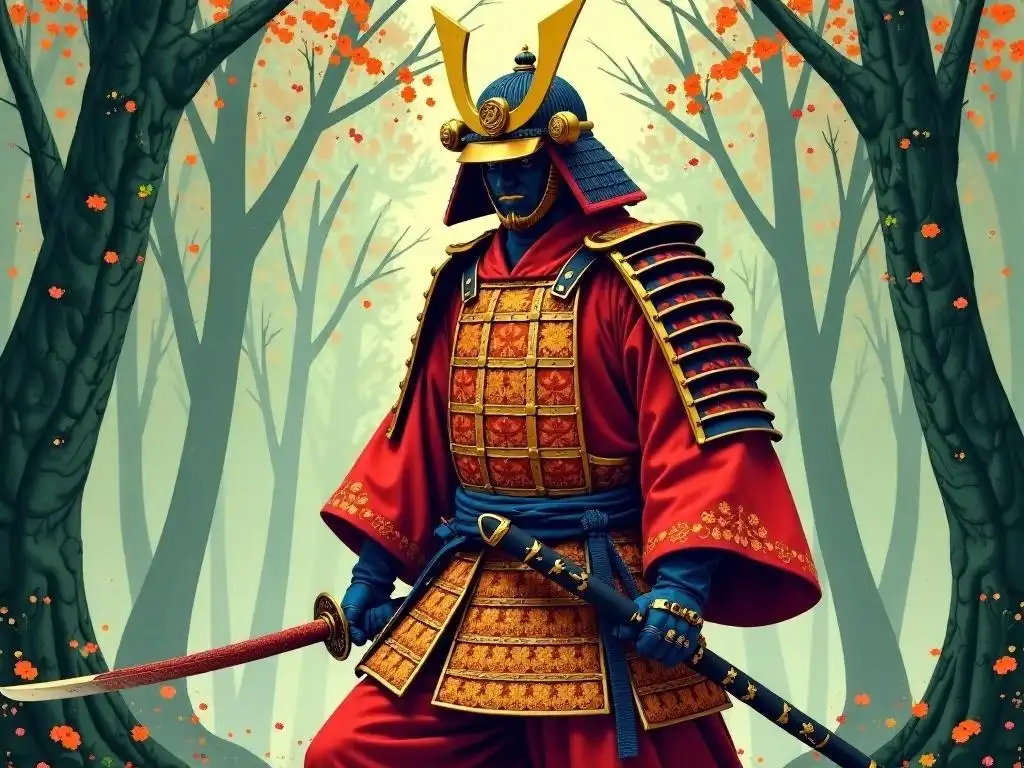
In feudal Japan, martial arts were not merely a means of personal defense or sport; they played a crucial role in the broader context of warfare. The integration of martial arts into military training transformed commoners into skilled warriors, enabling them to contribute effectively to their clans during conflicts. This segment explores how martial arts became a fundamental element of warfare, particularly for the common soldier.
The martial arts practiced by common people often emphasized practicality and efficiency, focusing on skills that could be rapidly acquired and executed under pressure. As wars erupted throughout the feudal era, the demand for effective combatants surged, leading to the proliferation of various martial arts techniques adapted for battlefield scenarios. These techniques were essential not only for individual combat but also for the cohesion and effectiveness of larger military units.
Martial Arts Tactics Utilized by Common Soldiers
Common soldiers in feudal Japan employed a range of martial arts tactics designed to enhance their combat effectiveness. The following key tactics were prevalent among these warriors:
- Bōjutsu (Staff Techniques): The use of long wooden staffs allowed common soldiers to engage enemies from a distance, keeping them at bay while delivering powerful strikes.
- Ninjutsu (Stealth Techniques): While often stereotyped, ninjutsu was practiced by some commoners, focusing on stealth, espionage, and guerrilla warfare tactics that enabled smaller groups to ambush larger forces effectively.
- Iaijutsu (Sword Drawing Techniques): Quick-draw techniques were vital for common soldiers who relied on swords for defense. Mastery of iaijutsu allowed for swift counterattacks against surprise assaults.
- Jujutsu (Unarmed Combat): The art of grappling and throwing techniques provided common soldiers with the skills to defend against armed attackers when disarmed or in close quarters.
These tactics not only improved individual capability but also fostered teamwork among soldiers. Training sessions often simulated battlefield conditions, emphasizing coordination and strategy among groups.
Influence of Martial Arts on Feudal Warfare Strategies
The incorporation of martial arts into the military strategy of feudal Japan significantly influenced the conduct of warfare. The following points highlight the impact of martial arts on feudal warfare strategies:
- Adaptation to Terrain: Martial arts techniques were often adapted to suit the diverse terrains of Japan, from mountainous regions to rice paddies, allowing soldiers to utilize their environment as an advantage.
- Integration of Commoners: The emphasis on martial arts allowed for the inclusion of commoners in military ranks, thus expanding the manpower available to feudal lords. This democratization of martial training altered the structure of military forces, as many commoners became proficient fighters.
- Psychological Warfare: Mastery of martial arts instilled confidence in common soldiers, which was crucial for morale during battles. The presence of skilled martial artists within a unit often served as a deterrent against enemy forces.
- Evolution of Military Formations: As martial arts became more prevalent, traditional military formations evolved. Units began to incorporate martial artists who could perform specialized roles, such as flanking maneuvers or engaging in skirmishes, enhancing the overall effectiveness of military strategies.
Martial arts in feudal Japan were integral to the warfare landscape, empowering commoner soldiers and reshaping military strategies. The legacy of these practices not only influenced the outcomes of battles but also laid the groundwork for future martial arts evolution in Japan.
The Legacy of Common People's Martial Arts
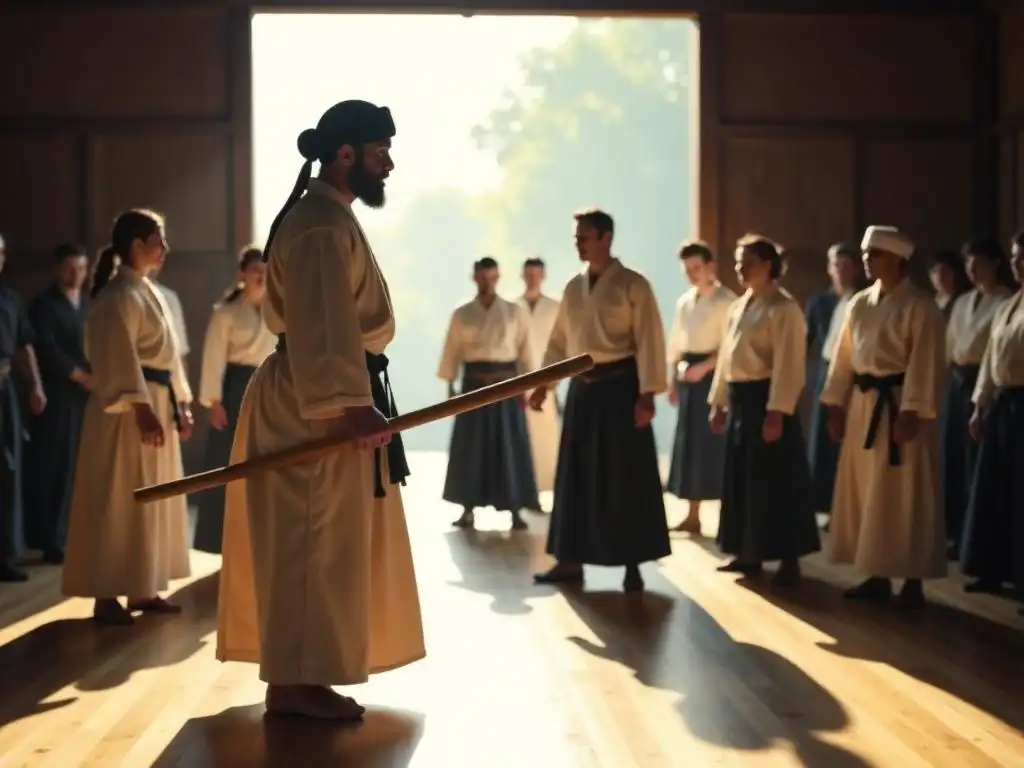
In Feudal Japan, martial arts were not solely the domain of samurai and nobility; they also flourished among the common people, profoundly influencing the cultural and social fabric of the era. The legacy of these martial arts is evident in the various forms and techniques that emerged, often tailored to the needs and circumstances of everyday life.
The common people's martial arts were characterized by their practicality, focusing on self-defense and survival rather than the ceremonial aspects favored by the samurai. Techniques often incorporated elements from various fighting styles, such as grappling, striking, and weapon handling. This adaptability made them accessible and effective for commoners, who might face threats from bandits, rival factions, or oppressive authorities.
How Martial Arts Evolved Post-Feudal Japan
After the fall of the feudal system in the late 19th century, Japan underwent significant cultural and societal changes. The evolution of martial arts during this period reflects a transition from a primarily combative focus to one that encompasses philosophy, sport, and self-improvement.
- Transition to Modernity:
- With the Meiji Restoration in 1868, Japan opened up to Western influences, leading to a re-evaluation of traditional practices.
- Martial arts schools began to formalize their teachings, creating structured curricula and focusing more on discipline, ethics, and character development.
- Establishment of National Organizations:
- The formation of organizations such as the All Japan Kendo Federation in 1952 helped standardize practices and promote martial arts as a national sport.
- These organizations played a crucial role in preserving techniques derived from common people's martial arts, ensuring they were passed down through generations.
- Global Influence:
- As martial arts became popular worldwide, many styles originating from Feudal Japan, such as karate, judo, and aikido, evolved to cater to an international audience.
- The focus shifted towards competition and sport, while the original self-defense aspects remained embedded in the training.
Modern-Day Practices and Their Roots in Feudal Techniques
Today, various martial arts that trace their lineage back to the common people of Feudal Japan continue to thrive. These practices not only celebrate the techniques developed during that era but also embody the spirit and philosophy of the time.
- Kendo:
- Originating from the swordsmanship practiced by the samurai, kendo incorporates principles of discipline and respect, rooted in the same martial ethos found in commoners' techniques.
- Judo:
- Developed by Jigoro Kano, judo emphasizes the use of an opponent's force against them—an idea often found in the grappling techniques of common people's martial arts.
- Aikido:
- Aikido focuses on harmonizing with an opponent's movements, reflecting the self-defense strategies commoners employed to protect themselves without causing undue harm.
- Rugby:
- Interestingly, some modern sports such as rugby have been influenced by the physicality and teamwork often seen in traditional Japanese martial arts, showcasing the adaptation of these techniques into new forms of expression.
The martial arts of the common people in Feudal Japan have left an indelible mark on modern practices. The techniques, philosophies, and cultural significance of these martial arts continue to resonate, reminding us of their profound legacy in the history of Japan.
Conclusion: The Enduring Influence of Martial Arts in Feudal Japan
The martial arts in feudal Japan represent a rich tapestry of cultural significance, social structure, and practical application that has endured through centuries. From the peasant classes to the samurai elite, martial arts practices were not only about combat but also about discipline, philosophy, and community. This intricate relationship between martial arts and daily life reflects the values and beliefs of the society at that time, shaping not only the warriors but also the common people who practiced various forms of self-defense and martial techniques.
Reflection on the Cultural Significance of Martial Arts
Martial arts in feudal Japan transcended mere fighting techniques; they were deeply intertwined with the cultural fabric of the time. The common people, often burdened by the demands of agricultural life and the threat of violence from bandits or rival clans, turned to martial arts as a means of empowerment. Practices like jūjutsu and bōjutsu became essential skills for self-defense, fostering a sense of agency among the populace.
Moreover, martial arts were a vehicle for imparting social values such as respect, honor, and perseverance. These values, often encapsulated in the phrase bushido (the way of the warrior), resonated throughout society and influenced various aspects of daily life. The communal aspect of martial arts training also cultivated a sense of belonging and cooperation among practitioners, reinforcing social bonds that were crucial in the tumultuous environment of feudal Japan.
The significance of martial arts extended beyond the battlefield; they became a vital part of cultural expression. Festivals, ceremonies, and public demonstrations often featured martial arts displays, showcasing the skill and artistry of the practitioners. This visibility helped to elevate the status of martial arts within the community, transforming them into a respected and celebrated aspect of Japanese culture.
Final Thoughts on the Evolution of Martial Arts in Japanese History
The evolution of martial arts in Japan is marked by significant changes influenced by historical events, social structures, and cultural exchanges. While the martial practices of the common people were primarily focused on practical self-defense, the Tokugawa period (1603-1868) saw the codification and formalization of martial arts, leading to the establishment of schools and styles that emphasized discipline and philosophy alongside combat skills.
As Japan transitioned from a feudal society to a modern state in the Meiji Restoration (1868), many traditional martial arts faced challenges due to rapid modernization and Western influences. However, rather than disappearing, these practices adapted and transformed, leading to the establishment of contemporary martial arts styles such as karate, kendo, and aikido.
Today, the legacy of martial arts in feudal Japan continues to inform modern practices and philosophies, serving as a testament to the resilience and adaptability of these traditions. The martial arts of the common people have evolved, but their core values of respect, discipline, and community remain relevant, allowing them to thrive in the modern world and offering insights into Japan's historical and cultural identity. The journey of martial arts from the fields and villages of feudal Japan to global recognition illustrates the profound impact these practices have had on both individual and collective identities.
Frequently Asked Questions
What role did martial arts play in feudal Japan?
Martial arts were essential for both warriors and common people, providing skills for self-defense, community protection, and even as a form of physical culture and discipline.
Were there different styles of martial arts practiced by the common people?
Yes, various styles emerged, often influenced by local traditions and needs, with many focusing on practical combat techniques rather than the philosophical aspects found in samurai training.
The social hierarchy meant that samurai received formal training while the common people often learned through informal means, emphasizing adaptability and practical application over formal techniques.
Did martial arts have any cultural significance in feudal Japan?
Absolutely, martial arts were intertwined with cultural practices, reflecting values such as honor, community, and resilience, while also serving as a medium for artistic expression in forms like dance and theater.
How has the perception of martial arts in feudal Japan changed over time?
Today, there is a growing recognition of the historical importance of common people's martial arts, with modern practitioners often seeking to preserve these traditions and incorporate them into contemporary martial arts practices.
Final Reflection: The Enduring Legacy of Martial Arts in Feudal Japan
The martial arts of feudal Japan were not merely a means of combat; they were a reflection of the resilience and adaptability of the common people. Today, as we navigate a world filled with conflict and uncertainty, the lessons drawn from these ancient practices resonate more than ever. The spirit of perseverance and the pursuit of mastery found in these martial arts continue to inspire individuals seeking strength and discipline in their lives.
Cultural expressions of martial arts have shaped not only the physical but also the social fabric of society. The values instilled through these practices—respect, humility, and dedication—remain relevant in contemporary discussions about personal development and community building. As the renowned martial artist Bruce Lee once said, The successful warrior is the average man, with laser-like focus.
This encapsulates the essence of martial arts in feudal Japan; it was the common people, through their unwavering commitment, who transformed these practices into a powerful cultural legacy.
As we reflect on the significance of martial arts in feudal Japan, I invite you to consider how these lessons can be applied in your own life. Embrace the challenges you face with the same determination and focus that characterized the warriors of the past. Whether you seek personal growth, community engagement, or simply a deeper understanding of your own capabilities, let the spirit of these martial arts guide you. In doing so, you honor not only the legacy of those who came before us but also pave the way for a future enriched by their wisdom.
Unleash Your Inner Warrior: Dive into the World of Martial Arts!
Thank you for exploring the captivating world of martial arts in Feudal Japan! We hope you’ve gained valuable insights into the resilience and ingenuity of these practices. Now, it’s time to take action and connect more deeply with this rich history.
Here are a few steps you can take to further engage:
- Join a local martial arts class to experience the discipline and techniques firsthand, channeling the spirit of the samurai.
- Explore additional resources on the martial arts of Feudal Japan by checking out books or documentaries that delve deeper into this fascinating topic.
- Share your newfound knowledge with friends or on social media to inspire others—start a conversation about the importance of these cultural practices!
What aspect of martial arts in Feudal Japan resonates with you the most, and how do you think it can influence modern practices?