
Land Ownership and Loyalty: The Economic Foundations of Daimyo Rule


Welcome to Feudal Japan History, where we delve deep into the rich tapestry of Japan's feudal era, uncovering the intricate threads of its historical, cultural, and societal fabric. In our featured article, "Land Ownership and Loyalty: The Economic Foundations of Daimyo Rule," we explore the fascinating dynamics of daimyo land ownership and how these powerful lords wielded their economic influence to shape allegiance and governance. As you journey through this captivating exploration, prepare to unravel the mysteries behind the loyalties that forged a nation.
What secrets lie within the lands they controlled? Join us as we embark on this enlightening adventure!
In the intricate tapestry of Japan's feudal era, the dynamics of land ownership played a pivotal role in shaping the socio-political landscape and the relationships between lords and their vassals. At the heart of this system were the daimyo, powerful feudal lords who wielded significant influence over large territories. Their authority was not merely a product of martial prowess; it was fundamentally rooted in the economic foundations established through land ownership. Understanding the Daimyo land ownership dynamics reveals how these lords navigated issues of loyalty, governance, and economic management, thereby ensuring their power and the stability of their domains.
The feudal system in Japan was characterized by a complex hierarchy, where loyalty was often exchanged for land and protection. The daimyo were responsible for managing vast estates, which were not only sources of wealth but also the means through which they maintained their samurai retainers and supported their local economies.
This article will delve into the intricate relationships between land ownership and loyalty, exploring how these dynamics influenced the governance of the daimyo and the overall stability of feudal Japan. By examining historical examples and analyzing the economic implications of land ownership, we will uncover the foundational role these elements played in the broader narrative of Japan's political history.
- Introduction to Daimyo Land Ownership Dynamics
- Historical Context of Daimyo Land Ownership
- The Economic Foundations of Daimyo Rule
- Loyalty and Feudal Relationships
- Case Studies of Prominent Daimyo
- The Impact of Land Ownership on Daimyo Governance
- Changes in Land Ownership Dynamics Over Time
- Conclusion: The Interconnection of Land Ownership and Loyalty
- References and Further Reading
- Frequently Asked Questions
- Final Reflection: The Enduring Legacy of Daimyo Land Ownership Dynamics
- Explore Your Connection to Feudal Japan's Legacy!
Introduction to Daimyo Land Ownership Dynamics

Daimyo land ownership dynamics played a crucial role in shaping the political and economic landscape of feudal Japan. The relationship between the daimyo, their landholdings, and the loyalty of their vassals formed the bedrock of Japan's feudal system. Understanding these dynamics is essential for grasping how power, wealth, and loyalty were interwoven during this turbulent period.
Definition of Daimyo in Feudal Japan
The term daimyo refers to the powerful feudal lords who dominated Japan's political and social structure from the late 12th century until the mid-19th century. These aristocrats were entrusted with vast estates and were pivotal in the governance of their respective domains.
- Characteristics of Daimyo:
- Landholders: Daimyo controlled large territories, which varied significantly in size and wealth.
- Military Leaders: They were responsible for maintaining armies, often composed of samurai, to protect their lands and assert their influence.
- Political Authority: Each daimyo governed their domain with a degree of autonomy, making local laws and collecting taxes.
The daimyo's power was closely tied to their land ownership. The control of resources and agricultural production directly influenced their wealth and ability to maintain loyalty among their retainers. Moreover, the loyalty of vassals was often secured through land grants, which created a system of mutual obligation.
Overview of Land Ownership During the Feudal Era
Land ownership in feudal Japan was complex and heavily stratified, reflecting the hierarchical society of the time. The dynamics of land ownership shaped the interactions between the daimyo, their samurai, and the peasant class.
- Types of Land:
- Rice Fields: The primary form of wealth, as rice was the staple food and a crucial economic commodity.
- Forests and Mountains: Provided resources such as timber and game, which were valuable for both economic and military purposes.
- Agricultural Land: Varied in productivity and was often subject to local conditions, which affected the daimyo's revenues.
- Land Tenure System:
- Shiki and Chō: The land was often divided into smaller units known as shiki (taxable units) and chō (cultivated fields). The daimyo collected taxes from these lands, typically in the form of rice.
- Vassal Relationships: Land tenure was often linked to loyalty; daimyo granted land to samurai in exchange for military service and support. This created a network of loyalties that were essential for maintaining power.
- Economic Impact:
- Taxation: The daimyo relied on taxes from land to finance their armies and support their households. The economic stability of a domain often depended on the productivity of its lands.
- Market Relations: As trade began to flourish, the relationship between land ownership and market dynamics became increasingly significant. Daimyo who could effectively manage their lands often became influential players in regional markets.
The dynamics of daimyo land ownership during this era were characterized by complex relationships between land, loyalty, and power. These elements were foundational to the governance and societal structure of feudal Japan, influencing everything from military campaigns to local economies. Understanding these dynamics is key to comprehending the broader historical narrative of Japan's feudal period.
Historical Context of Daimyo Land Ownership
The dynamics of land ownership during Japan's feudal era were deeply intertwined with the political, social, and cultural fabric of the time. The Daimyo, powerful feudal lords, played a critical role in shaping land ownership, which was not merely a matter of possession but a reflection of loyalty, power, and social hierarchy. Understanding the historical context of Daimyo land ownership dynamics provides essential insight into the governance and societal structures of feudal Japan.
Evolution of Land Ownership in Japan
Land ownership in Japan evolved significantly from the early periods through the Heian and into the feudal era. Initially, land was owned collectively by communities, but as the state centralized power, the concept of private land ownership emerged.
- Asuka and Nara Periods (538-794): During this time, the Taika Reforms introduced a system where land was technically owned by the emperor but distributed among clans and noble families. Land was cultivated by peasants who paid tribute, but the feudal system was not yet fully established.
- Heian Period (794-1185): This era saw the rise of powerful noble families. As political power shifted, so did land ownership. The aristocratic class began to secure land through marriage, military power, and political maneuvering, which set the stage for the later emergence of the Daimyo.
- Kamakura Period (1185-1333): With the establishment of the Kamakura shogunate, land ownership became associated with military service. The shogunate granted land to loyal samurai in exchange for military support, leading to a feudal system where the Daimyo began to gain power.
- Muromachi and Sengoku Periods (1336-1600): The fragmentation of power during the Sengoku period resulted in numerous Daimyo competing for territory. This era marked the peak of land acquisition through warfare and strategic alliances, where the loyalty of samurai was crucial for maintaining control over land.
The evolution of land ownership can be summarized as follows:
| Period | Key Features | Impact on Daimyo |
|---|---|---|
| Asuka and Nara | Collective land ownership by communities | Emergence of clan power |
| Heian | Nobles secured land through political means | Rise of powerful families |
| Kamakura | Military service linked to land grants | Establishment of feudal loyalty |
| Muromachi/Sengoku | Warfare and alliances defined land ownership | Fragmentation and competition among Daimyo |
The Role of the Samurai Class in Land Management
The samurai class served as the backbone of the feudal system, crucial in managing the land owned by the Daimyo. Their roles extended beyond mere warriors; they were also administrators and enforcers of the Daimyo's policies.
- Land Administration: Samurai were often appointed as shugo (military governors) or jito (land stewards), responsible for overseeing agricultural production and collecting taxes. Their effectiveness in these roles significantly influenced the wealth and power of the Daimyo.
- Loyalty and Land Grants: Samurai received land in return for their loyalty. This system created a bond of allegiance between the samurai and the Daimyo, reinforcing the feudal hierarchy. It was common for samurai to be granted fiefs (small parcels of land) based on their rank and contributions, which motivated them to protect and manage these lands diligently.
- Conflict and Control: The samurai's role in land management often led to conflicts, especially during the Sengoku period when rival Daimyo sought to expand their territories. Samurai were not only tasked with defending their lands but also with executing strategies to reclaim or conquer lands from others, creating a dynamic and often violent landscape.
- Cultural Influence: Beyond military and administrative duties, samurai also influenced land management culturally. The cultivation of rice, for instance, was not just an economic activity but also a cultural one, steeped in rituals and traditions that emphasized loyalty to the land and the Daimyo.
The relationship between the Daimyo and the samurai class was foundational to the Daimyo land ownership dynamics of feudal Japan. This intricate system shaped the political and social landscape of the era, underscoring the significance of land as a source of power and loyalty.
The Economic Foundations of Daimyo Rule

The economic foundations of daimyo rule were central to the political structure of feudal Japan. The daimyos, as powerful feudal lords, controlled vast territories and wielded significant influence, primarily through land ownership and agricultural production. Understanding the dynamics of daimyo land ownership is critical to grasping how these feudal lords maintained power and loyalty among their vassals and serfs.
Agricultural Production and Its Impact on Daimyo Power
Agricultural production was the cornerstone of the daimyo's economic power. The majority of the population during the feudal era was engaged in farming, making it essential for the sustenance of both the people and the daimyos.
- Rice as Currency: In feudal Japan, rice was not just a staple food but also served as a form of currency. The amount of rice a daimyo could produce directly correlated with his wealth and military capability. A daimyo's income was typically measured in koku, a unit representing the amount of rice sufficient to feed one person for a year (approximately 180 liters).
- Irrigation and Land Management: Successful daimyos implemented advanced irrigation techniques and crop rotation systems to maximize agricultural yield. For instance, the introduction of wet rice cultivation significantly increased productivity, allowing daimyos to support larger armies and enhance their political power.
- Strategic Alliances: The control over agricultural resources also allowed daimyos to form strategic alliances with neighboring lords and samurai. By ensuring food security, they could foster loyalty and prevent rebellion among their vassals, who depended on these resources for their livelihoods.
Taxation Systems and Economic Control
Taxation was a crucial mechanism through which daimyos exerted economic control over their domains. The taxation systems they established were often complex and multifaceted, shaped by the need to balance the interests of their vassals, farmers, and their own ambitions.
- Types of Taxes: Daimyos typically imposed various forms of taxes, including agricultural taxes, labor taxes, and tribute. The agricultural tax was often a percentage of the rice harvest, while labor taxes required farmers to provide labor for infrastructure projects or military service.
- Centralized Revenue Collection: Many daimyos developed centralized systems for tax collection, employing officials known as "jito" who managed local revenues. This allowed for more efficient management of resources and ensured that the daimyo could maintain a steady income stream to fund their armies and administrative functions.
- Impact on Peasantry: The burden of taxation often fell heavily on the peasantry, leading to periodic unrest. High taxes could lead to crop failures, which in turn resulted in famines and uprisings. Understanding the delicate balance between collecting taxes and maintaining social order is essential to comprehending the dynamics of daimyo rule.
Land Tenure Systems: Ownership vs. Stewardship
Land tenure systems in feudal Japan were complex and varied significantly from one region to another. The distinction between ownership and stewardship was particularly significant in understanding the daimyo's relationship with their lands and vassals.
- Shiki and Koryo Land Rights: The concept of "shiki," or land rights, allowed daimyos to claim ownership over vast territories, while "koryo" referred to stewardship rights granted to vassals and peasants. This system created a hierarchical structure where land was owned by the daimyo but cultivated by the peasants, who were often bound to the land through various obligations.
- Feudal Obligations: Vassals, in return for the land they stewarded, were expected to provide military service, loyalty, and a share of their agricultural production. This feudal obligation established a bond of reciprocity, reinforcing the daimyo's power and ensuring the loyalty of their vassals.
- Land Reforms and Redistribution: Over time, land reforms were implemented to address issues of land distribution and productivity. These reforms, often enacted during times of crisis, could alter existing power dynamics and redistribute land among vassals, impacting the overall structure of daimyo rule.
The economic foundations of daimyo rule were intricately linked to agricultural production, taxation, and land tenure systems. Understanding these dynamics provides insight into how daimyos maintained their power and the loyalty of their vassals throughout Japan's feudal era.
Loyalty and Feudal Relationships
The Concept of Loyalty in Feudal Japan
In the intricate web of feudal Japan, loyalty was not just a moral obligation; it was a fundamental aspect of the socio-political landscape. The relationship between the Daimyo and their vassals, particularly the Samurai, was deeply rooted in a system of mutual dependence. Loyalty stemmed from a combination of personal loyalty to one's lord and the reciprocal obligations that characterized feudal relationships.
Bushido: The Code of the Samurai
The Samurai class adhered to Bushido, a code that emphasized virtues such as loyalty, honor, and bravery. This code played a crucial role in shaping the expectations and behaviors of Samurai towards their Daimyo. Loyalty was not merely an expectation; it was often seen as a matter of personal integrity and social status. Samurai who demonstrated unwavering loyalty were often rewarded with land and titles, further solidifying their commitment to their lord.
Hierarchical Loyalty
The loyalty dynamics in feudal Japan were also hierarchical. A Samurai owed loyalty to their immediate Daimyo, who in turn was loyal to their overlord, creating a cascading loyalty structure. This hierarchy ensured that loyalty was maintained across various levels of governance, reinforcing the stability of the feudal system. The Gokenin, or lower-ranking vassals, were particularly dependent on the loyalty of their higher-ranking lords for protection and resources.
Economic Incentives Behind Daimyo Loyalty
The economic underpinnings of loyalty in feudal Japan were as critical as the social and cultural factors. Daimyo land ownership dynamics played a significant role in ensuring the allegiance of the Samurai and other vassals.
Land as a Source of Wealth
Daimyo controlled vast estates, which were essential for generating wealth through agriculture and tribute. By granting land to loyal Samurai, Daimyo not only secured their loyalty but also created a vested interest in the prosperity of their domains. The more land a Samurai held, the greater their loyalty was likely to be, as their livelihood depended on the success of the Daimyo’s management of the land.
Incentivizing Military Support
The economic benefits of land ownership extended to military obligations. Samurai were often required to provide military service in exchange for the land and protection they received. This economic incentive ensured that Samurai remained loyal, as they had a direct stake in the outcomes of their Daimyo's endeavors, both in warfare and governance. Failure to support their lord could result in the loss of land and status.
The Role of Land in Fostering Loyalty Among Samurai
Land ownership was a cornerstone of loyalty dynamics in feudal Japan, serving as both a reward and a tool for control. The relationship between land and loyalty can be examined through several key aspects.
Land Grants and Retainers
Daimyo would grant land to their Samurai as a means of solidifying loyalty. These land grants, known as shōen, were often accompanied by stipulations that required the Samurai to provide military service or administrative support. This system created a direct link between land ownership and loyalty, as the Samurai were incentivized to protect and serve their Daimyo to maintain their holdings.
The Importance of Rice Production
In feudal Japan, rice was not only a staple food but also a symbol of wealth and power. The production and control of rice fields were paramount to a Daimyo's economic strength. Samurai who managed rice production on their lands were motivated to ensure their Daimyo’s success, as their own fortunes were directly tied to the prosperity of the land they cultivated.
Loyalty Through Economic Dependency
As land became increasingly tied to loyalty, Samurai often found themselves economically dependent on their Daimyo. The loss of land could mean not only a loss of income but also a loss of social status and protection. This dependence created a powerful incentive for Samurai to maintain their loyalty, reinforcing the feudal hierarchy and ensuring the stability of the Daimyo’s rule.
The dynamics of Daimyo land ownership were deeply intertwined with loyalty relationships in feudal Japan. Understanding these dynamics sheds light on the economic foundations that underpinned the feudal system, revealing the complex interplay between land, loyalty, and power in this historical context.
Case Studies of Prominent Daimyo
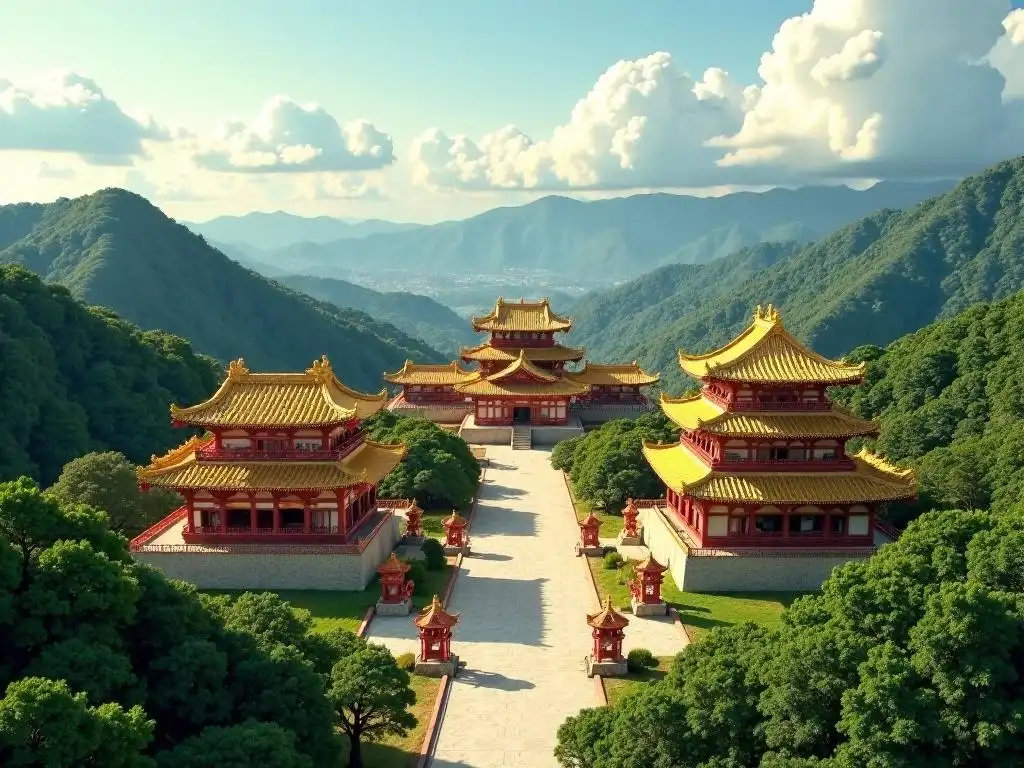
The study of Daimyo land ownership dynamics is enriched through the examination of prominent Daimyo who played pivotal roles in shaping Japan's feudal landscape. By exploring their strategies and management approaches, we can gain insight into the intricate relationships between land ownership, loyalty, and power during the feudal era.
Case Study 1: Takeda Shingen and Their Land Management Strategies
Takeda Shingen, one of the most formidable Daimyo of the Sengoku period, is renowned for his innovative land management strategies that not only enhanced his economic power but also secured the loyalty of his vassals. Shingen's domain, known as Kai Province, was characterized by its diverse agricultural output and strategic mountain fortifications.
-
Land Redistribution:
Shingen implemented a systematic land redistribution policy that aimed to increase agricultural productivity. By assessing the productivity of lands and reallocating them to capable farmers, he ensured that resources were optimally utilized. This approach not only bolstered the economy but also fostered loyalty among his subjects, who benefited from improved agricultural conditions.
-
Infrastructure Development:
Recognizing the importance of transportation and trade, Shingen invested heavily in infrastructure, including roads and irrigation systems. This development facilitated the movement of goods and troops, enhancing both economic stability and military readiness. The improved infrastructure also allowed his vassals to thrive economically, reinforcing their allegiance to Shingen.
-
Taxation Policies:
To maintain a loyal base, Shingen established fair taxation policies that were perceived as just by the peasants and samurai alike. He implemented a sliding scale of taxes based on agricultural output, ensuring that the burden was shared equitably. This policy not only prevented discontent but also motivated landowners to increase production, as they could retain a larger portion of their yields.
-
Military Alliances:
Shingen’s control over his domain was further solidified through strategic military alliances. By granting land and resources to loyal vassals in exchange for military support, he created a network of obligations that reinforced loyalty. These alliances ensured a robust defense against rival clans and facilitated coordinated military campaigns.
Case Study 2: Tokugawa Ieyasu and the Loyalty Dynamics of Their Domain
Tokugawa Ieyasu, the founder of the Tokugawa shogunate, exemplified the complex dynamics of Daimyo land ownership and loyalty. His reign marked the transition from the chaotic Sengoku period to a more stable feudal system, characterized by a well-organized class structure and centralized authority.
-
Centralized Control:
Ieyasu implemented a centralized system of governance that effectively managed the expansive territories under his control. He established a hierarchical structure where Daimyo were required to report directly to him, ensuring that loyalty was maintained through both economic and political means. This system not only curtailed the power of rival clans but also fostered a sense of unity among the Daimyo.
-
Sankin-kōtai System:
One of Ieyasu's most significant policies was the Sankin-kōtai, or alternate attendance system, which required Daimyo to spend every other year in Edo (modern-day Tokyo). This policy was a strategic move to ensure the loyalty of the Daimyo by keeping them away from their home territories and reducing the likelihood of rebellion. The forced attendance also allowed Ieyasu to monitor their activities and promote a culture of loyalty through lavish displays of loyalty and subservience at the shogunate court.
-
Land Grants and Rewards:
Ieyasu's approach to land ownership was characterized by strategic land grants that rewarded loyalty. He distributed lands not just based on merit but also as a means of securing allegiance. Vassals who demonstrated unwavering loyalty were often granted more fertile lands or strategically important territories, thus incentivizing loyalty through tangible benefits.
-
Cultural Patronage:
Ieyasu understood the importance of cultural patronage in reinforcing loyalty among his subjects. By supporting cultural activities, such as Noh theater and tea ceremonies, he fostered a shared identity and loyalty among the samurai class. The promotion of a distinct Tokugawa culture helped solidify his power and create a cohesive society under his rule.
Through these case studies, we can observe how Daimyo land ownership dynamics were intricately linked to strategies of loyalty and governance. The approaches of Takeda Shingen and Tokugawa Ieyasu reveal the multifaceted nature of power during Japan's feudal era, illustrating that effective land management and loyalty cultivation are essential components of successful Daimyo rule.
The Impact of Land Ownership on Daimyo Governance
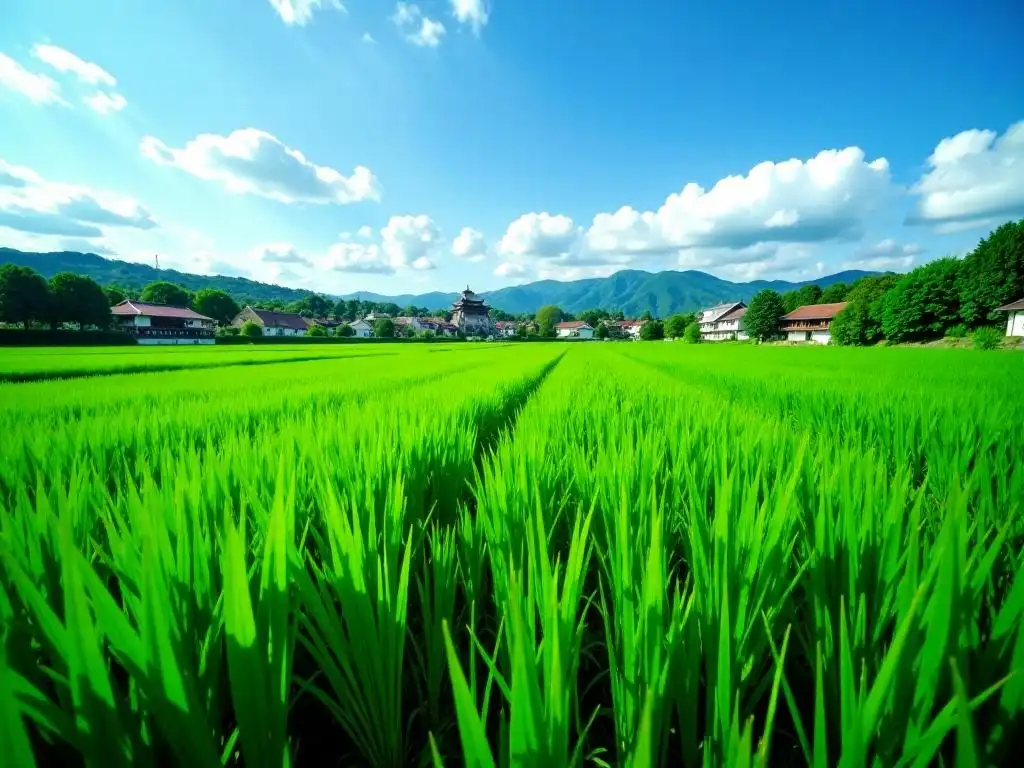
In the feudal system of Japan, land ownership served as the bedrock of power for the daimyo, the feudal lords who wielded significant political authority. The control over land was not merely an economic asset but a fundamental aspect of governance that dictated the social order within their domains. Each daimyo managed vast territories, which were often divided into smaller units called han, allowing for more manageable governance. This hierarchical structure was crucial in maintaining order and enforcing the daimyo's rule.
The political authority of a daimyo was directly linked to the amount of land they controlled. For example, during the Sengoku period, the competition for land led to numerous conflicts, as each daimyo sought to expand their territory to increase their power. The more land a daimyo possessed, the greater their ability to maintain a loyal samurai class, who were dependent on the land for their livelihood. This loyalty was often ensured through a system of fiefs and stipends that rewarded samurai for their service.
Moreover, land ownership allowed daimyo to levy taxes on the peasantry, providing the necessary revenue to support their military and administrative needs. The collection of rice, which was the primary form of taxation, not only reinforced the daimyo’s economic strength but also their political stability. As such, the dynamics of Daimyo land ownership created a complex interplay between land, power, and governance, establishing the daimyo as pivotal figures in Japan’s political landscape.
Land Ownership as a Means of Influence and Power
Daimyo land ownership dynamics extended beyond mere political authority; it was also a significant means of influence and power within the broader societal context. The vast estates owned by the daimyo facilitated the establishment of a patron-client relationship with the samurai and the peasantry. This relationship was crucial for the daimyo in maintaining loyalty and ensuring the stability of their rule.
The land granted to samurai served as a reward for their military service and loyalty, creating an obligation between the two parties. This system of shiki (rights of ownership) meant that samurai had a vested interest in the success of their daimyo. In return, the daimyo provided protection and governance, which fostered a sense of belonging and commitment among the samurai.
Furthermore, land ownership also enhanced the daimyo's ability to project influence beyond their immediate territories. The wealth generated from agricultural production allowed daimyo to invest in culture, arts, and infrastructure, which in turn cultivated a sense of prestige and legitimacy. For instance, many daimyo became patrons of the tea ceremony and Noh theater, using cultural investments to elevate their standing among peers and subjects alike.
The dynamics of land ownership among the daimyo not only shaped their political authority but also established a framework for influence and power that extended throughout the socio-economic landscape of feudal Japan. This intricate relationship between land, loyalty, and governance was central to the stability and complexity of the feudal system, underpinning the very fabric of Japanese society during this era.
Changes in Land Ownership Dynamics Over Time
The land ownership dynamics in feudal Japan underwent significant transformations, particularly influenced by political shifts, economic needs, and social changes. At the heart of this evolution were the daimyo, powerful feudal lords who held extensive territories and wielded considerable influence. Understanding these dynamics is crucial to grasping the broader context of political and social structures during the feudal era.
The Effects of the Meiji Restoration on Daimyo Land Rights
The Meiji Restoration of 1868 marked a pivotal turning point in Japan's history, leading to profound changes in land ownership. Prior to the Restoration, daimyo controlled vast tracts of land, which were not only sources of income but also symbols of their power and status. The feudal system was characterized by a complex network of loyalty and obligation, where land was exchanged for military service and allegiance.
However, the Meiji government sought to modernize Japan and abolish the feudal system. As part of this endeavor, it implemented the Land Tax Reform in 1873, which fundamentally altered the ownership structure:
- Abolition of Feudal Land Rights: The government confiscated land from the daimyo, effectively dissolving their feudal privileges. This move aimed to centralize authority and create a more uniform tax system.
- Introduction of Private Land Ownership: Following the confiscation, land was redistributed and sold to former samurai and commoners, promoting individual ownership. This transition was crucial in establishing modern property rights in Japan.
- Economic Implications: The shift from feudal to private ownership encouraged agricultural productivity and stimulated the economy. Farmers who owned their land were incentivized to improve cultivation techniques, leading to increased food production.
This transformation marked the end of the daimyo's traditional authority and initiated a new era of land ownership dynamics, aligning with the modernization goals of the Meiji government.
Transition from Feudal Land Ownership to Modern Property Rights
The transition from feudal land ownership to modern property rights in Japan was not merely a legal change; it represented a substantial cultural shift. Under the feudal system, land was viewed as a communal resource, tied to the obligations of loyalty and service. In contrast, modern property rights introduced concepts of individualism and economic autonomy.
- Legal Framework: The establishment of the Civil Code in 1896 formalized private property rights, providing legal protections and a framework for ownership that diverged from feudal obligations. This code was influenced by Western legal systems and aimed to create a cohesive legal structure for land transactions.
- Impact on Social Hierarchies: The new property rights diminished the social stratification that characterized the feudal era. As land ownership became accessible to a broader population, the power dynamics shifted, allowing new social classes to emerge and compete economically.
- Challenges and Resistance: While the transition was beneficial for many, it also faced resistance from former daimyo and samurai who struggled to adapt to the loss of their status and income. Many daimyo attempted to re-establish their influence through investments and political engagement, but the traditional hierarchies were irrevocably altered.
The evolution of land ownership dynamics from the feudal to the modern era reflects Japan's broader societal changes during the Meiji Restoration. The transition not only redefined economic relationships but also laid the groundwork for Japan's transformation into a modern state.
Conclusion: The Interconnection of Land Ownership and Loyalty

Summary of Key Points on Daimyo Land Ownership Dynamics
The dynamics of Daimyo land ownership play a crucial role in understanding the political and social structure of feudal Japan. Here are the key points that encapsulate this relationship:
- Land as Power: The possession of land was synonymous with power and status in feudal Japan. Daimyo, as feudal lords, controlled vast estates, which provided the necessary resources to maintain their samurai armies and assert their influence over their territories.
- Economic Foundations: The economic stability of a daimyo's domain was largely dependent on agricultural production, which was intricately linked to the land they owned. The productivity of the land determined not only the wealth of the daimyo but also the loyalty of their vassals.
- Loyalty Systems: The relationship between a daimyo and their samurai was often cemented through land grants and the promise of protection. This system of loyalty was not merely personal; it was institutionalized in the form of land ownership rights that tied samurai to their lords.
- Land Redistribution: Throughout the feudal era, land was often redistributed among daimyo as a means of maintaining political alliances and managing conflicts. This fluidity in land ownership dynamics was crucial for the stability of the shogunate.
- Cultural Significance: The notion of land ownership was steeped in cultural significance, where land was not just a commodity but a symbol of identity, heritage, and the divine right to rule.
Final Thoughts on the Legacy of Daimyo Rule in Japan
The legacy of Daimyo rule in Japan is deeply interwoven with the concepts of land ownership and loyalty. As we examine the historical context, it becomes evident that the power dynamics established by the daimyo have left an indelible mark on Japan's socio-political landscape.
- Historical Resilience: The structures of loyalty and land ownership created by the daimyo contributed to a resilient feudal system that, despite its eventual decline, influenced the evolution of modern Japanese governance and societal organization.
- Cultural Resonance: The values associated with land ownership—such as responsibility, honor, and loyalty—continue to resonate in contemporary Japanese culture, reflecting the deep-rooted traditions that stem from this feudal past.
- Lessons for the Future: Understanding the Daimyo land ownership dynamics provides valuable insights into the importance of land as a foundational element of power and governance, not only in historical contexts but also in modern discussions of resource management, political authority, and social contracts.
The intricate relationship between land ownership and loyalty during the era of the daimyo has shaped not only the course of Japanese history but also the cultural ethos that persists to this day.
References and Further Reading
Recommended Books on Daimyo and Feudal Japan
-
"The Making of Modern Japan" by John Dower
This comprehensive work delves into Japan's transformation, providing context to the feudal era and the role of Daimyo within it. Dower’s analysis offers insights into the socio-political structures that underpinned Daimyo land ownership dynamics.
-
"Daimyo: The Warlords of Japan" by John S. Brown
This book focuses specifically on the lives and governance of the Daimyo, exploring their land ownership and the loyalty systems that developed around them. It provides vivid anecdotes and historical accounts that illustrate the complexities of their rule.
-
"Samurai and the Sacred" by Stephen Turnbull
Turnbull examines the relationship between the Samurai and their Daimyo, discussing how land ownership was not just economic but also tied to spiritual beliefs and practices. This book highlights how land was perceived and its significance in feudal loyalty.
-
"Feudal Japan: A History" by William Scott Wilson
Wilson's work offers a detailed account of the feudal system in Japan, emphasizing the interdependencies between Daimyo, peasants, and the land. His exploration of land ownership dynamics provides a solid foundation for understanding the era.
-
"Warriors of Japan as Portrayed in the War Tales" by William Wayne Farris
This book presents a narrative approach to understanding the warriors' lives and their loyalty to Daimyo. Farris discusses how land ownership dynamics shaped these relationships, revealing the economic foundations of feudal society.
Academic Journals and Articles on Land Ownership Dynamics
-
"The Political Economy of Land in Feudal Japan"
This article examines the economic aspects of land ownership among the Daimyo, discussing how their control over land influenced social hierarchies and political stability in feudal Japan. The analysis provides a deep dive into the intricacies of land tenure and its impact on loyalty dynamics.
-
"Daimyo and the Evolution of Land Management"
Published in the Journal of Asian Studies, this paper explores how different Daimyo implemented land management practices and the resulting effects on their loyalty relationships with Samurai and peasants. The study illustrates the connections between land ownership and political power.
-
"Land Distribution and Social Stratification in Medieval Japan"
This research article discusses the distribution of land during the feudal period and its implications for social stratification. It highlights how land ownership dynamics among the Daimyo set the stage for loyalty and governance.
-
"The Role of Daimyo in Shaping Land Ownership Dynamics"
A comprehensive study featured in the Bulletin of the Institute of Japanese Studies, this article analyzes the influence of Daimyo in the evolution of land ownership laws and practices. It provides empirical data and case studies that illustrate the complexities of their rule.
-
"Feudal Loyalty: A Study of the Samurai-Daimyo Relationship"
This academic paper investigates the loyalty dynamics that emerged from land ownership among Daimyo and their Samurai. It discusses how land was not merely an economic asset but a symbol of power and allegiance during the feudal era.
These resources provide a wealth of information for anyone looking to deepen their understanding of Daimyo land ownership dynamics and the broader socio-political context of feudal Japan.
Frequently Asked Questions
What is the role of the Daimyo in feudal Japan?
The Daimyo were powerful landowners who played a crucial role in the political and military structure of feudal Japan, managing vast territories and overseeing the loyalty of their samurai.
How did land ownership dynamics affect the loyalty of samurai?
The land ownership dynamics created a mutual dependency where samurai owed loyalty to their Daimyo in exchange for land, protection, and a share of the agricultural output, reinforcing their feudal bonds.
What were the economic foundations of Daimyo rule?
Daimyo rule was economically supported by agricultural production and taxation from their lands, which allowed them to maintain armies, build castles, and exert control over their domains.
How did the Daimyo manage their land?
To manage their land effectively, Daimyo employed vassals and administrators to oversee agricultural production, collect taxes, and ensure the loyalty of their samurai and subjects.
What impact did Daimyo land ownership have on Japanese society?
Daimyo land ownership shaped the social hierarchy of feudal Japan, establishing a clear structure where loyalty, land, and power were intertwined, influencing cultural practices and regional politics.
Final Reflection: The Enduring Legacy of Daimyo Land Ownership Dynamics
The intricate relationship between land ownership and loyalty in the context of Daimyo rule remains profoundly relevant today. As we navigate modern economic systems, the historical dynamics of power and property continue to influence contemporary discussions on wealth distribution and social loyalty. The lessons learned from the past remind us that land ownership is not merely a matter of possession but a complex web of relationships that shapes societal structures.
Clearly, the legacy of Daimyo land ownership dynamics has left an indelible mark on our cultural and social landscapes. The way land was controlled and distributed under the Daimyo system has parallels in today's discussions about land rights and economic equity. As we reflect on these historical patterns, we can see how they resonate in modern governance and community relationships. Land is the foundation of wealth, and its control is a reflection of power.
This quote encapsulates the ongoing relevance of land ownership in shaping societal hierarchies and loyalties.
As we conclude this exploration, I invite you to reflect on your own relationship with land and resources. Consider how the dynamics of ownership and loyalty play out in your life and community. Are there ways you can engage with these concepts to foster a more equitable society? By understanding the historical context of land ownership, we can better navigate our present and shape a future that values both economic stability and social loyalty. Let us carry these reflections forward, applying the lessons of the past to create a more just and connected world.
Explore Your Connection to Feudal Japan's Legacy!
Thank you for diving into the fascinating world of land ownership and loyalty in Feudal Japan! You've uncovered the intricate economic foundations that shaped the powerful rule of the daimyo. Now, it’s time to put that knowledge into action!
Here are some ways you can deepen your understanding and connection:
- Dive deeper into the topic: Research a specific daimyo and their land policies. Explore how these practices influenced their legacy and the socio-political structure of the time.
- Share your insights: Join our community by posting your thoughts and learnings on our forum. Engage in discussions with fellow history enthusiasts!
- Visit a local museum: Seek out exhibitions focused on Japanese history or samurai culture. Interacting with artifacts can provide a tangible connection to the past!
What aspect of daimyo rule intrigues you the most, and how can understanding their decisions enhance our perspective on leadership today? We invite you to share your thoughts with us!