
The Impact of Agricultural Innovations on the Peasant Class in Feudal Japan


Welcome to Feudal Japan History, where we delve deep into the fascinating tapestry of Japan's feudal era. Here, you’ll embark on a journey through the intricate social dynamics and rich cultural heritage that shaped a nation. Our featured article, “The Impact of Agricultural Innovations on the Peasant Class in Feudal Japan,” uncovers how groundbreaking advancements transformed the lives of countless individuals, fueling both prosperity and strife.
Are you ready to explore how these innovations redefined the landscape of feudal society? Join us as we peel back the layers of history and reveal the stories that shaped a pivotal chapter in Japan's past!
In exploring the intricate tapestry of Feudal Japan, one cannot overlook the profound impact that agricultural innovations had on the peasant class. The agricultural developments during this era were not merely technical advancements; they were pivotal in reshaping the economic landscape and social structure of Japan.
As the backbone of rural society, the peasant class experienced significant transformations that influenced their daily lives, social standing, and economic roles. This article delves into the various agricultural innovations that emerged during this time, examining their historical context and the resulting effects on the peasant class within the broader framework of Feudal Japan's social history.
Introduction to Agricultural Innovations in Feudal Japan
Agricultural innovations in Feudal Japan primarily encompassed improvements in farming techniques, tools, and crop varieties that enhanced productivity and efficiency. These innovations were crucial in a society where agriculture was the mainstay of the economy, directly affecting the livelihoods of the peasant class. By understanding these advancements, we can gain insight into how they not only boosted agricultural outputs but also transformed social dynamics and economic structures.
Definition of Agricultural Innovations
Agricultural innovations refer to the new methods, practices, and technologies that enhance the efficiency and yield of agricultural production. In Feudal Japan, this included:
- Introduction of New Crops: Such as rice varieties that were more resilient and faster to grow.
- Innovative Farming Techniques: Techniques like crop rotation and the use of fertilizers, which improved soil fertility.
- Advanced Tools and Equipment: Tools such as the improved plow and irrigation systems that facilitated better farming practices.
These innovations were instrumental in increasing food production, which in turn supported population growth and urbanization.
Historical Context of Agriculture in Feudal Japan
During the Feudal period, which spanned from the 12th to the 19th century, agriculture was the cornerstone of Japanese society. Most of the population was engaged in farming, and the agricultural sector was heavily influenced by the socio-political environment. Feudal lords, or daimyo, controlled vast tracts of land, and the peasant class was largely responsible for cultivating these lands.
Key historical developments included:
- The establishment of the Shōen system, which allowed land to be managed by private estates, leading to more efficient agricultural practices.
- The rise of rice cultivation as a staple, forming the basis of both the diet and the economy.
- The influence of Buddhism and Shinto practices on farming methods and seasonal festivals, which integrated spirituality into agricultural cycles.
Overview of the Peasant Class in Feudal Japan
The peasant class played a crucial role in the social and economic fabric of Feudal Japan. Understanding their position is essential to appreciate the full impact of agricultural innovations during this period.
Social Standing of Peasants
Despite being the majority in the population, peasants occupied a low social standing within the rigid class hierarchy of Feudal Japan. They were often viewed as the laboring class, subordinate to the samurai and the ruling elite. However, their importance was acknowledged, particularly as food producers.
- Peasants were often bound to the land they worked on, facing various obligations to their lords.
- The status of farmers was sometimes elevated during times of good harvest, as they contributed significantly to the local economy.
Economic Role of Peasants in Feudal Society
Economically, peasants were vital to the sustenance of Feudal Japan. They not only produced food but also contributed to local economies through trade and labor.
- Taxation: Peasants were subjected to heavy taxation, often giving a significant portion of their harvest to their lords, which reinforced the feudal system.
- Market Participation: Surpluses from agricultural innovations allowed peasants to participate in local markets, trading goods and contributing to the economy beyond mere subsistence.
The innovations in agriculture during Feudal Japan were transformative, enabling the peasant class to adapt and evolve within their societal roles. Understanding these dynamics sheds light on the broader implications of agricultural advancements in shaping the social history of Japan.
Key Agricultural Innovations During the Feudal Era
During the feudal era in Japan, several agricultural innovations significantly transformed the peasant class's way of life. These advancements not only enhanced productivity but also contributed to the overall stability of society. Key innovations included the introduction of new crops and varieties, improvements in farming techniques, and the development of sophisticated irrigation systems. Each of these innovations played a crucial role in shaping the agricultural landscape of Japan and, consequently, the lives of its peasantry.
Introduction of New Crops and Varieties
One of the most notable agricultural innovations during feudal Japan was the introduction of new crops and varieties. The introduction of rice cultivation, particularly the Koshihikari variety, became a staple in the diet of the Japanese people. This short-grain rice thrived in various climatic conditions, leading to improved yields and better resilience against pests and diseases.
Additionally, other crops such as barley, millet, and various legumes were introduced, diversifying the agricultural output. These new crops not only provided essential calories but also enhanced soil fertility through crop rotation practices. The adoption of sweet potatoes and other tubers during the late feudal period further enriched the peasant diet, helping to sustain populations during times of famine.
Advances in Farming Techniques
The period also saw significant advances in farming techniques that optimized land use and crop production. The adoption of the "plow" and improvements in hoe designs allowed farmers to till the land more effectively. The use of iron tools replaced wooden equivalents, increasing durability and efficiency.
Moreover, knowledge about crop rotation became more widespread, allowing peasants to maintain soil fertility and reduce the risk of pest infestations. The introduction of intercropping techniques also enabled farmers to maximize land usage, planting different crops in the same field to enhance biodiversity and reduce fallow periods. These farming innovations significantly improved agricultural productivity and reduced labor intensity.
Development of Irrigation Systems
The development of irrigation systems marked another critical advancement in agricultural practices during feudal Japan. The creation of canals and water management techniques allowed for the efficient distribution of water to rice paddies, which was essential for successful cultivation.
Peasants constructed complex networks of irrigation channels that utilized natural water sources, ensuring that fields received adequate moisture throughout the growing season. This innovation not only facilitated rice cultivation but also enabled the growth of other crops, thus supporting a more diverse agricultural ecosystem. The increased access to water resources led to higher crop yields, which in turn contributed to greater food security for peasant households.
Effects of Agricultural Innovations on Peasant Life
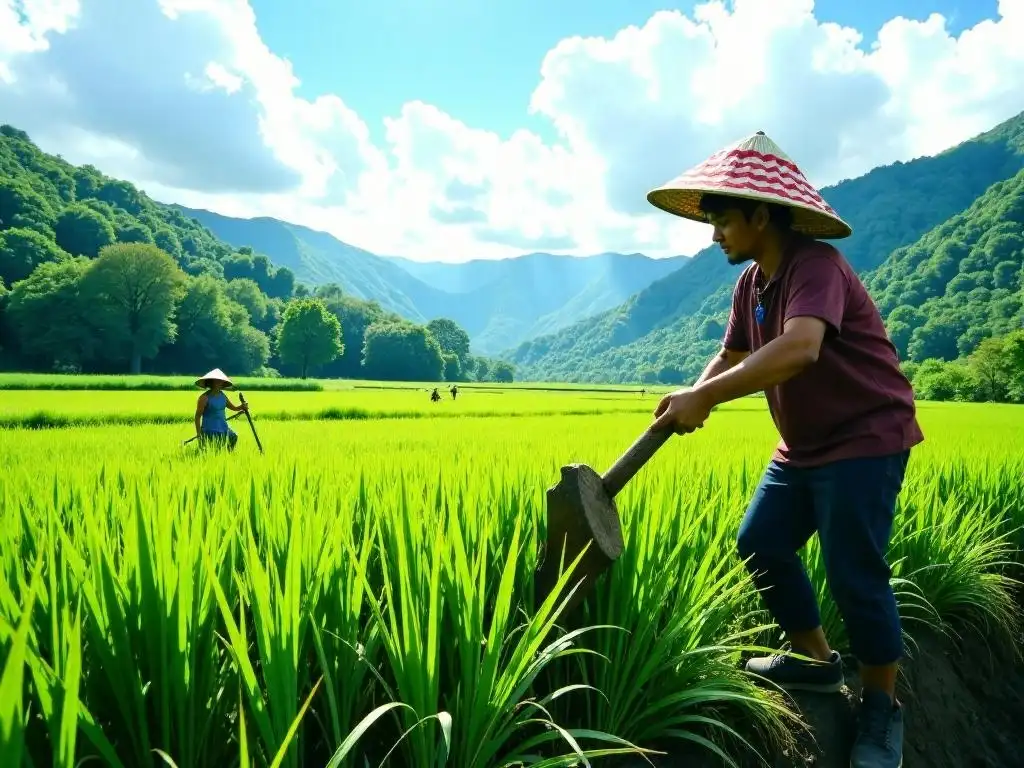
The agricultural innovations of the feudal era had profound effects on the lives of peasants, influencing their economic status, social dynamics, and overall well-being. These changes fostered a more stable agrarian society and laid the groundwork for future developments in Japan's socio-economic landscape.
Improvements in Crop Yields and Food Security
One of the most immediate effects of agricultural innovations was the significant improvement in crop yields. Enhanced farming techniques and the introduction of new crops resulted in larger harvests, which directly contributed to food security for peasant families. A more stable food supply reduced the frequency of famine, which had plagued rural communities prior to these innovations.
As a result of increased food production, surplus crops could be sold or traded, allowing peasants to accumulate wealth and improve their living conditions. This newfound food security fostered population growth, as families could support larger numbers, leading to more laborers to tend to the fields and contribute to the local economy.
Changes in Labor Dynamics
With the rise in agricultural productivity, the labor dynamics within peasant communities began to change. As crop yields increased, the demand for labor shifted. Some peasants could transition from subsistence farming to engaging in specialized agricultural roles or even crafts, allowing for a diversification of income sources.
Moreover, the introduction of innovations often required new skills and knowledge, which prompted peasants to learn and adapt. This shift in labor dynamics contributed to the emergence of more complex social structures within rural communities, as some families began to accumulate wealth and status while others remained in traditional roles.
Impact on Peasant Economy and Wealth Distribution
The agricultural advancements also had a noteworthy impact on the peasant economy and wealth distribution. Increased productivity led to the development of local markets where surplus goods could be exchanged, stimulating economic activity within villages. This market-oriented approach allowed some peasants to become relatively affluent, creating disparities in wealth among the peasant class.
While many benefited from agricultural innovations, the wealth distribution became uneven, as some families could invest in land or tools, while others remained in poverty. This stratification within the peasant class laid the groundwork for future social tensions and conflicts, ultimately influencing Japan's socio-political landscape as feudal lords sought to control these emerging dynamics.
The agricultural innovations of feudal Japan played a transformative role in shaping the peasant class's life, enhancing productivity, and altering social and economic structures. These changes significantly contributed to the overall stability and development of Japanese society during this period.
Societal Changes Triggered by Agricultural Innovations
The agricultural innovations that emerged during the feudal era in Japan had profound effects on the peasant class, leading to significant societal changes. These innovations included the introduction of new farming techniques, tools, and crops, which collectively enhanced agricultural productivity. One notable innovation was the adoption of the three-field system, which allowed for more efficient crop rotation and increased yields. This increased productivity not only supported a growing population but also set the stage for changes in the social fabric of rural Japan.
As agricultural practices improved, the peasant class began to experience shifts in their economic status. With better yields, peasants could produce surplus crops that could be sold or traded, leading to increased wealth within the community. This newfound wealth allowed peasants to invest in their lands and improve their living conditions, contributing to a gradual elevation of their status within the rigid class structure of feudal Japan.
Moreover, the reliance on agriculture became more pronounced, intensifying the connection between the peasant class and the land. As peasants gained more control over their agricultural output, they began to develop a stronger sense of identity and community, often rallying together for mutual support in agricultural pursuits. This enhanced community cohesion was a significant societal change initiated by agricultural innovations.
Shift in Power Dynamics within the Class Structure
The power dynamics within the feudal class structure were notably altered as agricultural innovations took root. Traditionally, the samurai class held significant power over the peasantry, often dictating terms of land use and taxation. However, as peasants became more productive and economically empowered due to innovations, the balance of power began to shift slightly.
Peasants who produced surplus crops could negotiate better terms with local lords, and some even managed to buy their freedom from oppressive feudal obligations. This shift led to a more complex relationship between lords and peasants, as the latter gained leverage through their economic contributions. While samurai still wielded military and political power, the economic influence of a prosperous peasantry began to challenge their authority.
Additionally, the rise of prosperous peasant communities contributed to the emergence of a middle class, composed of wealthy farmers who could engage in trade and commerce. This class began to play a significant role in local governance and the economy, further complicating the feudal hierarchy and leading to a slow erosion of the rigid class distinctions that characterized earlier periods.
Increased Mobility and Opportunities for Peasants
Agricultural innovations also facilitated increased mobility and opportunities for peasants. With enhanced productivity, the potential for trade and commerce expanded, allowing peasant families to engage in activities beyond mere subsistence farming. Surplus production meant that peasants could sell their excess goods in local markets, fostering not only economic growth but also social mobility.
As peasants earned more through trade, they could afford to move to areas with better opportunities or even invest in additional land. This mobility was particularly significant in regions where land was scarce, as it allowed families to pursue better living conditions and improve their overall socio-economic status. In some cases, ambitious peasants even managed to acquire land that had been previously owned by samurai or wealthy merchants.
Furthermore, the rise of agricultural festivals and markets created social spaces where peasants could gather, share knowledge, and forge new connections. This exchange of ideas and goods often led to the development of cooperative farming practices, enhancing the sense of community and collective action among peasants.
Challenges Faced by Peasants Despite Innovations
Despite the positive changes brought about by agricultural innovations, the peasant class faced numerous challenges that continued to impact their lives significantly. These challenges often stemmed from the very structures that had historically oppressed them, leading to a complex interplay of progress and hardship.
Resistance from the Samurai Class
The samurai class, aware of the shifting dynamics due to agricultural productivity, often resisted the changes that empowered the peasantry. Many samurai feared losing their traditional control over land and the economic benefits derived from peasant labor. As a result, they imposed stricter regulations and higher taxes on peasants to reassert their authority and maintain their socioeconomic status.
This resistance manifested in various forms, including violence against prosperous peasants or punitive measures against those who tried to negotiate better terms with their lords. Such actions created a climate of fear and repression, undermining the potential benefits of agricultural innovations for the peasant class and stifling their aspirations for greater autonomy.
Environmental Factors and Natural Disasters
Environmental factors also posed significant challenges to the peasant class despite their agricultural advancements. Natural disasters, such as droughts, floods, and typhoons, could devastate crops and disrupt the delicate balance of rural economies. Such events were particularly brutal in a society that relied heavily on agriculture, as a failed harvest could lead to famine and economic ruin.
Moreover, the impact of these disasters was often exacerbated by the feudal system, as peasants were frequently held responsible for meeting taxation quotas regardless of their crop yields. During times of crisis, the burden of taxes could lead to increased debt and further entrenchment in poverty, counteracting the gains achieved through agricultural innovations.
Economic Exploitation and Taxation
Even with increased productivity, the peasant class frequently faced economic exploitation through heavy taxation imposed by their lords. The feudal system required peasants to pay a portion of their harvests as tax, which could limit the amount of surplus available for their families. This taxation system often failed to account for fluctuations in yield due to environmental factors, placing an additional strain on peasant households.
In many cases, the profits from agricultural innovations were siphoned off by the samurai class, leaving peasants with only a fraction of the wealth they generated. This economic exploitation perpetuated the cycle of poverty for many, hindering the long-term benefits that could be derived from advancements in agricultural practices. The inability to retain a significant portion of their surplus further stifled the socio-economic mobility that might have otherwise emerged from these innovations.
Case Studies of Successful Agricultural Practices
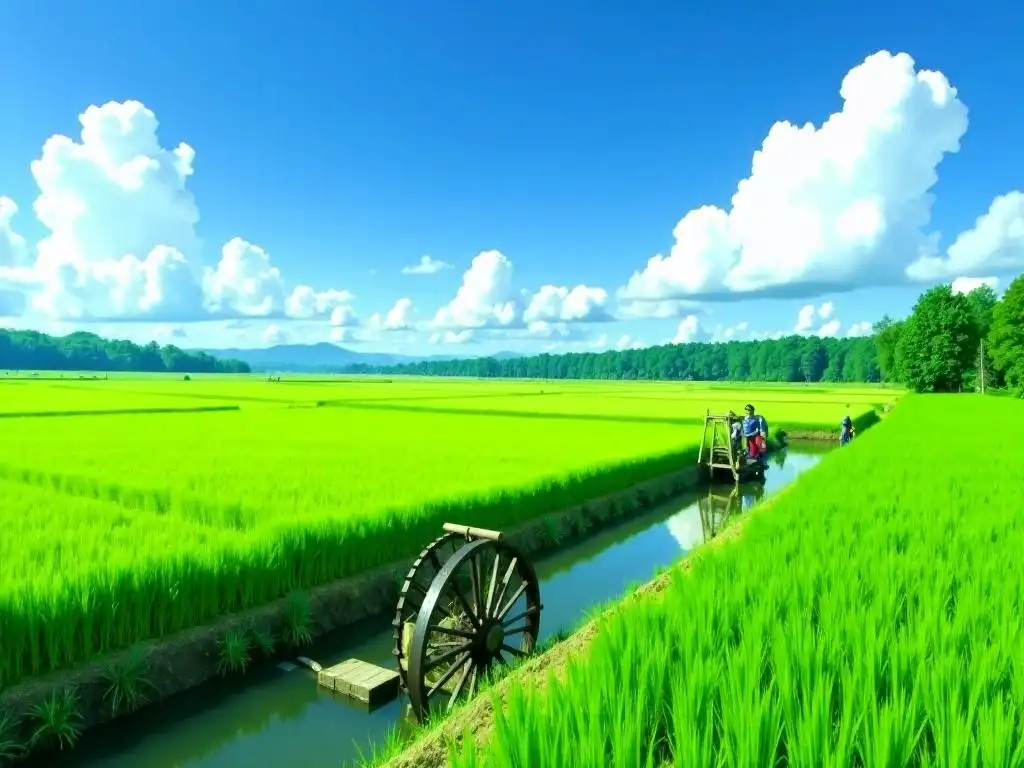
In feudal Japan, various agricultural innovations significantly affected the peasant class, transforming their farming practices and enhancing productivity. By examining specific case studies, we can gain insight into the practical applications of these innovations and their broader implications for society.
Example of Kanto Region's Rice Cultivation
The Kanto region, which includes present-day Tokyo and its surroundings, exemplified the advancements in rice cultivation during the feudal era. The introduction of new irrigation techniques, such as the use of water wheels and levees, allowed farmers to manage water levels more effectively, leading to higher yields. Additionally, the development of high-yield rice varieties improved food security for the peasant class.
Moreover, the Kanto region adopted a community-based approach to agriculture, where farmers collaborated on irrigation projects and shared knowledge about pest control and crop management. This collective effort not only bolstered rice production but also fostered a sense of community among the peasants, enhancing social cohesion in an otherwise stratified society.
Analysis of Crop Rotation Techniques
Crop rotation emerged as a pivotal agricultural innovation that dramatically influenced peasant farming practices. By alternating crops, farmers were able to replenish soil nutrients, combat pests, and reduce the risk of crop failure. A commonly practiced rotation included rice, barley, and legumes, which not only diversified the crops but also improved overall soil health.
The implementation of crop rotation techniques showcased the peasants' adaptability and resilience. For instance, during particularly harsh seasons, the cultivation of legumes provided an alternative source of nutrition, thereby mitigating the impact of crop failures. This adaptability was further supported by the dissemination of knowledge through local agricultural societies, which played an essential role in educating peasants about sustainable farming practices.
Conclusion: Long-term Impact of Agricultural Innovations on Feudal Japanese Society
The agricultural innovations of feudal Japan have left an enduring legacy on the peasant class and society as a whole. By increasing productivity and enhancing food security, these innovations not only improved the quality of life for peasants but also contributed to the overall economic stability of feudal Japan.
Reflection on the Legacy of Agricultural Changes
The legacy of agricultural changes during this era is multifaceted. Enhanced agricultural practices enabled a more stable food supply, which facilitated population growth and urbanization. As peasants became more productive, they could engage in trade, leading to the emergence of vibrant local markets. This economic shift allowed some peasants to accumulate wealth and elevate their social standing, challenging the rigid class structures of the time.
Moreover, agricultural innovations laid the foundation for future developments in Japanese agriculture, influencing practices that would persist well into the modern era. The lessons learned during this time regarding sustainable farming, community collaboration, and resource management continue to resonate in contemporary agricultural practices.
Future Implications for Understanding Feudal Japan
Understanding the impact of agricultural innovations on the peasant class provides crucial insights into the social dynamics of feudal Japan. It highlights the agency of the peasant class in shaping their destinies and the importance of agriculture as a driving force behind social change.
As researchers continue to explore the complexities of feudal Japan, the role of agricultural innovations will remain a key area of focus. By examining these innovations, we can better appreciate the intricate relationship between agriculture, society, and economic development in shaping the historical narrative of feudal Japan.
References and Further Reading on Agricultural Innovations in Feudal Japan
Understanding the agricultural innovations in feudal Japan requires a thorough exploration of various scholarly resources. This section provides a curated list of recommended books, articles, and online resources that delve into the agricultural practices and their profound impact on the peasant class during this era.
Recommended Books and Articles
-
"Agricultural History of Japan" by Tadao Umesao
This book offers a comprehensive overview of Japan's agricultural practices, emphasizing the innovations that transformed farming methods. Umesao's work discusses the role of agronomy in shaping feudal society, making it an essential read.
-
"The Peasant in Japan: Social Structure and Social Change" by Hiroshi Watanabe
Watanabe's analysis focuses on the peasant class, exploring how agricultural innovations impacted their social status and economic conditions. The book provides a detailed examination of how technological advancements influenced daily life.
-
"Feudal Japan: A History" by William Wayne Farris
Farris provides an extensive historical context for the feudal period, including an analysis of agricultural techniques and their implications for the peasant population. This book is valuable for understanding the broader social dynamics at play.
-
"Rice, Society, and the Japanese Economy" by Robert D. Darnton
This article discusses the crucial role of rice cultivation in Japan's economy and its relationship with agricultural innovation. Darnton's insights provide a deeper understanding of the economic implications for the peasant class.
-
"Innovations in Japanese Agriculture" by Kenji Kato
A focused study on the technological advancements in agriculture, Kato analyzes how these innovations affected overall productivity and the life of peasants during the feudal era.
Online Resources for In-depth Exploration
-
National Diet Library of Japan
The National Diet Library offers a wealth of digital resources, including historical documents and research papers on agricultural practices in feudal Japan. This archive is an invaluable resource for researchers and enthusiasts alike.
-
Japan Agricultural Research Quarterly
This journal provides access to various articles related to agricultural research in Japan, including historical perspectives on innovations and their societal impacts.
-
Japan’s Agricultural History: From the Jomon to the Edo Period (E-Book)
Available through various academic platforms, this e-book covers the evolution of agriculture in Japan, focusing on significant innovations and their effects on the peasant class.
-
The Japan Times Archives
The archives of The Japan Times feature several articles that discuss agricultural changes throughout Japanese history, providing contemporary perspectives that trace back to feudal practices.
-
JSTOR
Scholarly articles on agricultural innovations and their effects can be found on JSTOR, where researchers can access a variety of peer-reviewed papers that explore the nuances of feudal Japan's agricultural landscape.
These resources collectively enhance the understanding of how agricultural innovations shaped the lives of the peasant class in feudal Japan, illustrating the intricate connections between farming practices, social structure, and economic conditions.
- Introduction to Agricultural Innovations in Feudal Japan
- Overview of the Peasant Class in Feudal Japan
- Key Agricultural Innovations During the Feudal Era
- Effects of Agricultural Innovations on Peasant Life
- Societal Changes Triggered by Agricultural Innovations
- Challenges Faced by Peasants Despite Innovations
- Case Studies of Successful Agricultural Practices
- Conclusion: Long-term Impact of Agricultural Innovations on Feudal Japanese Society
- References and Further Reading on Agricultural Innovations in Feudal Japan
- What were the main agricultural innovations in feudal Japan?
- How did agricultural innovations affect the peasant class?
- Were there any social implications of these agricultural changes?
- Did agricultural innovations contribute to any cultural changes?
- How did feudal lords respond to agricultural advancements?
Frequently Asked Questions
What were the main agricultural innovations in feudal Japan?
The main agricultural innovations included the introduction of new rice cultivation techniques, the use of irrigation systems, and the development of tools like the sickle and plow. These advancements significantly increased crop yields.
How did agricultural innovations affect the peasant class?
The agricultural innovations led to improved living conditions for the peasant class by increasing food production, which in turn allowed for a more stable food supply and the potential for economic growth within their communities.
Yes, the advancements in agriculture contributed to a more structured society where peasants could accumulate wealth, leading to shifts in social hierarchies and greater independence from feudal lords.
Did agricultural innovations contribute to any cultural changes?
Absolutely! Innovations in agriculture allowed more people to engage in trade and craftsmanship, fostering a rich cultural environment that encouraged the development of arts and literature during the feudal era.
How did feudal lords respond to agricultural advancements?
Feudal lords often took advantage of the increased productivity by implementing taxes on the surplus crops. This created a cycle where lords sought to maximize their profits, often impacting the lives of the peasant class.
Final Reflection: The Lasting Legacy of Agricultural Innovations in Feudal Japan
The agricultural innovations that emerged during feudal Japan not only transformed the landscape of farming but also reshaped the very fabric of society. Today, as we grapple with issues of food security and sustainable practices, the lessons from this historical period resonate profoundly. The advancements in irrigation, crop rotation, and the introduction of new rice varieties were not merely technological feats; they were pivotal in elevating the peasant class and redefining their role in a rigid social hierarchy. The echoes of these innovations remind us that progress often stems from the ingenuity of those who toil in the fields.
Cultural and social dynamics in feudal Japan were irrevocably altered by these agricultural advancements, fostering a sense of community and resilience among the peasant class. The ability to produce surplus food not only improved their livelihoods but also empowered them to demand better rights and recognition within the feudal system. As historian William McNeill aptly stated, The rise of agriculture was the rise of civilization itself.
This sentiment underscores the profound impact that agricultural innovations had on societal structures, illustrating how the seeds of change were sown in the fields of Japan.
As we reflect on the significance of agricultural innovations in feudal Japan, let us consider how these historical lessons can inform our present and future. I invite you to ponder how the innovations of today can similarly uplift communities and transform lives. Whether through supporting local farmers, advocating for sustainable practices, or simply appreciating the origins of our food, we each have a role to play in continuing the legacy of agricultural progress. Embrace the spirit of innovation and community that defined feudal Japan, and let it inspire your actions in the world today.
Unleash Your Curiosity: Dive Deeper into Agricultural Innovations!
Thank you for taking the time to explore the fascinating interplay between agricultural innovations and the peasant class in Feudal Japan. By gaining insights into this pivotal aspect of history, you have equipped yourself to appreciate how these advancements shaped society and transformed livelihoods.
Now, it's time to deepen your understanding and engage further with this incredible topic:
- Visit local history museums or browse online archives to discover more about agricultural practices specific to your region.
- Participate in a community forum dedicated to discussions about Feudal Japan, where you can share your thoughts and insights on agricultural innovations.
- Share your newfound knowledge by distributing this article among friends or on social media to spark intriguing conversations about history.
Which aspect of agricultural innovation do you believe had the most significant impact on the lives of peasants in Feudal Japan, and what makes you think so?