
The Art of Zen Calligraphy: Expressing Spirituality through Brushwork

Welcome to Feudal Japan History, where we embark on an enlightening journey through the intricate tapestry of Japan's feudal era. Here, we delve deep into the historical, cultural, and societal aspects that shaped this fascinating period. In our featured article, "The Art of Zen Calligraphy: Expressing Spirituality through Brushwork," we unravel the profound connection between Zen philosophy and the delicate strokes of calligraphy. What secrets lie within each brushstroke? Join us as we explore the serene beauty and spiritual depth of Zen calligraphy techniques in Japan, inviting you to discover a world where art and enlightenment intertwine.
Zen calligraphy, or shodō, is a profound expression of spirituality and mindfulness that has flourished in Japan throughout its feudal era. This art form transcends mere aesthetics; it embodies the very essence of Zen Buddhism, where the act of writing becomes a meditative practice. Zen calligraphy techniques in Japan are not just about the final product, but about the journey of the artist—each stroke of the brush represents a moment of presence and intention.
In this exploration, we will delve into the historical and cultural nuances of Zen calligraphy, examining how it has evolved over the centuries and its significance in the context of Zen philosophy. From the tools used to the principles guiding the brushwork, we will uncover the layers of meaning embedded in this exquisite art form.
As we navigate through the intricacies of Zen calligraphy, you will discover:
- The historical roots of Zen calligraphy in Japan
- Key techniques and tools used by calligraphers
- The philosophical underpinnings that influence the brushwork
- The impact of Zen calligraphy on Japanese culture and society
Join us as we embark on this enlightening journey, where the brush meets spirituality, revealing the timeless beauty of Zen calligraphy.
- Introduction to Zen Calligraphy in Japan
- The Essence of Zen Calligraphy
- Key Zen Calligraphy Techniques in Japan
- The Process of Creating Zen Calligraphy
- Zen Calligraphy as a Means of Expression
- Notable Zen Calligraphers in Japanese History
- Modern Adaptations of Zen Calligraphy Techniques
- Conclusion: The Lasting Impact of Zen Calligraphy in Japanese Culture
- References and Further Reading on Zen Calligraphy Techniques in Japan
- Frequently Asked Questions
- Final Reflection: Embracing Tranquility through Zen Calligraphy Techniques
- Unleash Your Inner Artist and Embrace Zen Through Brushwork!
Introduction to Zen Calligraphy in Japan
Zen calligraphy, or Shodō (書道), is a profound art form that seamlessly blends the principles of Zen Buddhism with the aesthetics of brushwork. This practice transcends mere writing; it embodies a spiritual journey where each stroke reflects the practitioner's inner state and mindfulness. Zen calligraphy is not only a means of communication but also an expression of one's essence and understanding of the universe.
In the context of Japan, Zen calligraphy flourished during the Kamakura period (1185-1333) and has since evolved, incorporating various techniques and philosophies that emphasize simplicity, spontaneity, and an awareness of the present moment. This art form serves as a bridge connecting the spiritual discipline of Zen with the tangible expression found in brushwork, making it a significant cultural element in Japanese history.
Understanding Zen Buddhism and Its Influence on Calligraphy
Zen Buddhism, characterized by its focus on meditation (zazen) and the direct experience of enlightenment, has significantly shaped the practice of calligraphy in Japan. The core tenets of Zen emphasize:
- Mindfulness: Practitioners are encouraged to be fully present, which enhances the quality of brushwork.
- Simplicity: Zen aesthetics value minimalism, reflected in the elegance of calligraphic strokes.
- Spontaneity: The act of writing becomes an expression of the moment, allowing the artist's emotions and thoughts to flow freely.
The influence of Zen on calligraphy can be traced back to the Muromachi period (1336-1573), when Zen monks began to teach this art as a means of cultivating discipline and inner peace. Notable figures such as Sesshū Tōyō and Kōrin Ogata exemplified the integration of Zen principles into their brushwork, creating pieces that resonated with spiritual depth.
The Historical Context of Zen Calligraphy Techniques in Japan
The historical evolution of Zen calligraphy techniques in Japan is marked by several key developments:
- Introduction of Chinese Influence:
- Zen calligraphy in Japan was heavily influenced by Chinese calligraphy, particularly during the Tang (618-907) and Song (960-1279) dynasties. Japanese monks who traveled to China brought back techniques and philosophies that laid the foundation for Shodō.
- The Kamakura Period:
- This era saw the establishment of Zen as a dominant religious practice among the samurai class. As Zen spread, so did the practice of calligraphy, becoming a vital element in the education of samurai and monks alike.
- The Muromachi Period:
- The Muromachi period is often regarded as the golden age of Zen calligraphy. During this time, the art form became more refined, with the emergence of various styles such as Suibokuga (ink wash painting) that complemented the calligraphic practice.
- Modern Era:
- In contemporary Japan, Zen calligraphy continues to thrive, with both traditional and innovative approaches. Workshops and exhibitions promote the appreciation of this art form, ensuring its relevance in today's cultural landscape.
Zen calligraphy techniques in Japan are characterized by a variety of styles, each with unique brushwork and philosophies, including kaisho (block style), gyosho (semi-cursive), and sosho (cursive). Each style not only reflects different levels of formality but also embodies the principles of Zen, emphasizing fluidity and the impermanence of life.
Zen calligraphy is a rich tapestry of history, spirituality, and artistic expression in Japan, deeply intertwined with the practices of Zen Buddhism. As practitioners continue to explore this art form, they contribute to the ongoing dialogue between spirituality and creativity, making Zen calligraphy a vital aspect of Japan's cultural heritage.
The Essence of Zen Calligraphy
Defining Zen Calligraphy: More than Just Art
Zen calligraphy, or "shodō" in Japanese, transcends mere artistic expression; it embodies a profound spiritual practice intertwined with Zen Buddhism. At its core, Zen calligraphy serves as a medium for practitioners to express their inner thoughts, emotions, and spiritual states through the fluid strokes of the brush. Each character or symbol is not merely a representation of language but a manifestation of the artist’s mind and spirit at that moment.
The techniques employed in Zen calligraphy are deeply rooted in the principles of Zen philosophy. Artists often engage in a meditative state before beginning their work, allowing them to clear their minds and focus their energies. This practice emphasizes the importance of the present moment, where each stroke is executed with intentionality and mindfulness. The act of writing becomes a meditation in itself, where the brush glides across the paper, capturing the essence of the character in a single, fluid motion.
An essential aspect of Zen calligraphy is the emphasis on spontaneity and imperfection. Unlike traditional calligraphy, which often strives for precision and uniformity, Zen calligraphy embraces the beauty of flaws. This acceptance of imperfection reflects the Zen belief that life is transient and ever-changing. As a result, each piece of Zen calligraphy is unique, embodying the artist's personal journey and spiritual insights.
The Spiritual Significance of Brushwork in Zen Philosophy
In Zen philosophy, the brushwork involved in Zen calligraphy is seen as a direct reflection of the practitioner’s inner state. Each stroke carries emotional weight and significance, transforming the act of writing into a spiritual dialogue between the artist and the canvas. The brush, often made from natural materials, becomes an extension of the artist’s self, allowing for a deep connection between mind, body, and spirit.
The principles of "wu wei" (non-action) in Daoism significantly influence Zen calligraphy, encouraging artists to move with the flow of their thoughts rather than forcing their strokes. This philosophy promotes a sense of harmony and balance in the creation process, allowing the artist to be fully present without the constraints of preconceived notions or rigid expectations. This dynamic interplay between intention and spontaneity is what makes Zen calligraphy a unique spiritual practice.
Moreover, the choice of characters written in Zen calligraphy often reflects key concepts in Zen Buddhism, such as "enlightenment" (satori) and "emptiness" (sunyata). By engaging with these profound concepts through brushwork, artists delve deeper into their spiritual journeys, using the canvas as a space for reflection and growth.
Through its emphasis on mindfulness, spontaneity, and spiritual reflection, Zen calligraphy stands as a powerful practice that encapsulates the essence of Zen philosophy. It invites both practitioners and observers to explore the intricate relationship between art and spirituality, ultimately fostering a deeper understanding of the self and the universe.
Key Zen Calligraphy Techniques in Japan
Traditional Tools and Materials Used in Zen Calligraphy
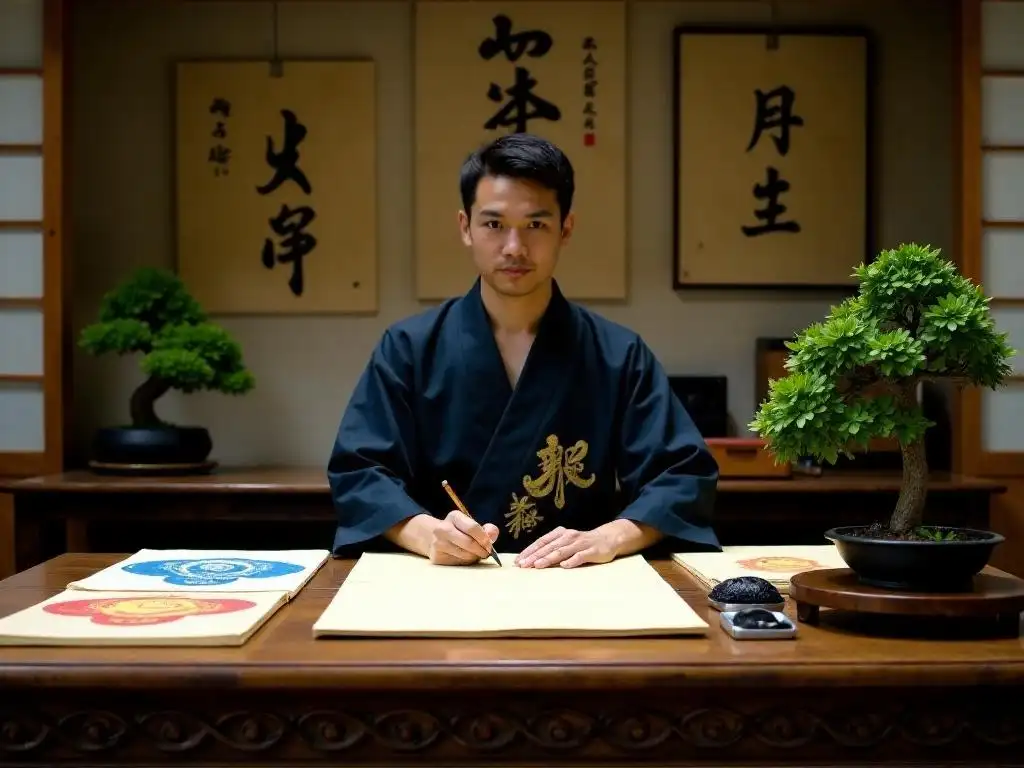
Zen calligraphy, or shodō, relies heavily on traditional tools and materials that not only enhance the practice but also embody the philosophy of Zen itself. The essential components include:
- Brushes (Fude): Typically made from animal hair, brushes come in various sizes and shapes. The choice of brush affects the fluidity and expressiveness of the strokes. For instance:
- Soft brushes are ideal for blending and creating delicate lines.
- Stiff brushes are better suited for bold, dynamic strokes.
- Ink (Sumi): Traditional ink is made from natural materials, often in the form of ink sticks that must be ground against an ink stone (suzuri) with a small amount of water. This process is not only practical but also meditative, encouraging practitioners to focus on the present moment.
- Paper (Washi): The choice of paper is critical, with washi being the preferred medium due to its unique texture and absorbency. It allows for varied ink distribution, producing rich tones and textures in each piece.
- Ink Stone (Suzuri): A flat stone used for grinding ink sticks into liquid ink. The texture of the stone can influence the ink's consistency, affecting the overall outcome of the calligraphy.
- Seal (Hanko): A personal stamp used to authenticate the work. Seals often carry the artist's name or a meaningful symbol, adding a personal touch to each piece.
These tools not only facilitate the creation of art but also serve as a reminder of the Zen principles of simplicity and mindfulness.
Fundamental Brushwork Techniques in Zen Calligraphy
Mastering brushwork is essential for expressing the essence of Zen calligraphy. Several fundamental techniques are employed to create the characteristic fluidity and emotion in the strokes:
- Controlled Strokes: Practitioners focus on the pressure applied to the brush, varying it to create thick and thin lines. This control embodies the balance between strength and delicacy.
- Dynamic Movement: The act of writing is a performance. Movements should be fluid and expressive, reflecting the inner state of the calligrapher. Techniques like:
- Flicking: A quick wrist motion to produce sharp, upward strokes.
- Dragging: A slow, deliberate motion that allows for more substantial ink application.
- Breath Coordination: Synchronizing breath with brush movements enhances concentration and flow. This practice reinforces the Zen connection between mind and body.
- Flow and Spontaneity: Zen calligraphy encourages spontaneity, allowing the calligrapher to express emotions in the moment. This technique emphasizes the beauty of imperfection, a core tenet of Zen philosophy.
- Practice of Repetition: Continuous practice of basic strokes is vital. Through repetition, artists develop muscle memory, which leads to greater fluidity and confidence in their work.
Each brushstroke is seen as a reflection of the artist’s state of mind, making the mastery of these techniques integral to the spiritual practice of Zen calligraphy.
The Role of Meditation in Developing Zen Calligraphy Skills
Meditation is an essential component of Zen calligraphy, influencing both the mindset and skill level of practitioners. The integration of meditation into the practice creates a profound connection between art and spirituality:
- Mindfulness: Practitioners engage in mindfulness meditation before starting their work, allowing them to clear their minds of distractions. This focused state is crucial for achieving the flow necessary in calligraphy.
- Breath Awareness: By concentrating on breath control during meditation, artists learn to regulate their movements when using the brush. This awareness fosters a deeper connection to each stroke, enhancing both precision and expressiveness.
- Cultivation of Patience: Meditation teaches patience and acceptance, allowing artists to embrace mistakes as part of the creative process. This attitude is vital in Zen philosophy, where perfection is less important than the act of creation itself.
- Inner Peace: A calm mind leads to a more profound expression of emotion through brushwork. The tranquility achieved through meditation reflects in the fluidity and balance of the strokes, creating art that resonates with viewers on a spiritual level.
- Integration of Philosophy: Through meditation, practitioners internalize Zen principles, such as simplicity and impermanence, which profoundly influence their artistic expression. Each piece of calligraphy thus becomes a manifestation of their spiritual journey.
Meditation not only enhances technical skills but also deepens the spiritual experience of creating Zen calligraphy, making it a holistic practice that transcends mere artistic expression.
The Process of Creating Zen Calligraphy
Zen calligraphy, or "shodō," is not merely a form of artistic expression but a meditative practice that embodies the principles of Zen Buddhism. The process of creating Zen calligraphy involves a deep connection between the mind, the brush, and the ink. Each stroke is a reflection of the calligrapher’s state of being, emphasizing mindfulness, presence, and the beauty of imperfection. This section outlines the essential steps and techniques one can explore to master Zen calligraphy.
Step-by-Step Guide to Practicing Zen Calligraphy
- Prepare Your Materials:
- Brush: A good quality brush is crucial. Traditional calligraphy brushes are made from animal hair, such as weasel or goat hair, which allows for flexibility and a range of stroke sizes.
- Ink: Use solid ink sticks and an ink stone for traditional methods. Grind the ink stick with a small amount of water to create a rich, black ink.
- Paper: Choose absorbent paper like washi, which enhances the flow of ink and allows for subtle variations in tone.
- Workspace: Find a quiet space that allows for concentration, free from distractions.
- Mindfulness and Preparation:
- Begin with a few minutes of meditation to center your mind. Focus on your breath and let go of any distractions.
- Visualize the character or phrase you intend to write. This mental image will guide your brushwork.
- Warm-Up Strokes:
- Practice basic strokes on scrap paper. These include:
- Horizontal Strokes: For balance and flow.
- Vertical Strokes: To understand tension and release.
- Curved Strokes: To explore fluidity.
- Practice basic strokes on scrap paper. These include:
- Start with Simple Characters:
- Begin with simple kanji characters or phrases. Focus on the essence of the character rather than perfection. Embrace each brushstroke as a moment of expression.
- Embrace Imperfection:
- Zen calligraphy teaches that imperfection is beautiful. Allow your strokes to flow naturally without judgment. Each piece of art is a unique reflection of the moment.
- Final Touches and Reflection:
- After completing your calligraphy, take a moment to reflect on the piece. Consider what it represents and how it captures your state of mind. This reflection is crucial for personal growth in the art.
Tips for Achieving Flow and Balance in Brushwork
- Breath Control: Maintain a steady breath while writing. Inhale deeply before each stroke, and exhale slowly to release tension. This rhythm will help establish a calm and centered approach to your brushwork.
- Posture and Grip: Sit comfortably with a straight back. Hold the brush lightly, allowing for natural movement. Your grip should be firm yet relaxed, enabling fluid strokes.
- Focus on Movement: Rather than fixating on the outcome, concentrate on the movement of the brush. Visualize the path you wish the brush to take on the paper, allowing your hand to follow the mind’s intention.
- Experiment with Pressure: Vary the pressure you apply to the brush. Light strokes can convey delicacy, while heavier pressure can express strength. This variation adds depth and character to your work.
- Regular Practice: Consistency is key in mastering Zen calligraphy techniques in Japan. Dedicate time each day to practice, allowing your skills to develop organically over time.
- Study Masters: Observe and study the works of renowned Zen calligraphers. Analyzing their techniques can provide insights into achieving balance and flow in your own practice.
Incorporating these tips into your Zen calligraphy practice will help you cultivate a deeper connection with the art form, enhancing both your skills and your spiritual journey. Remember, the path of Zen calligraphy is as much about the process as it is about the final piece. Embrace the journey.
Zen Calligraphy as a Means of Expression
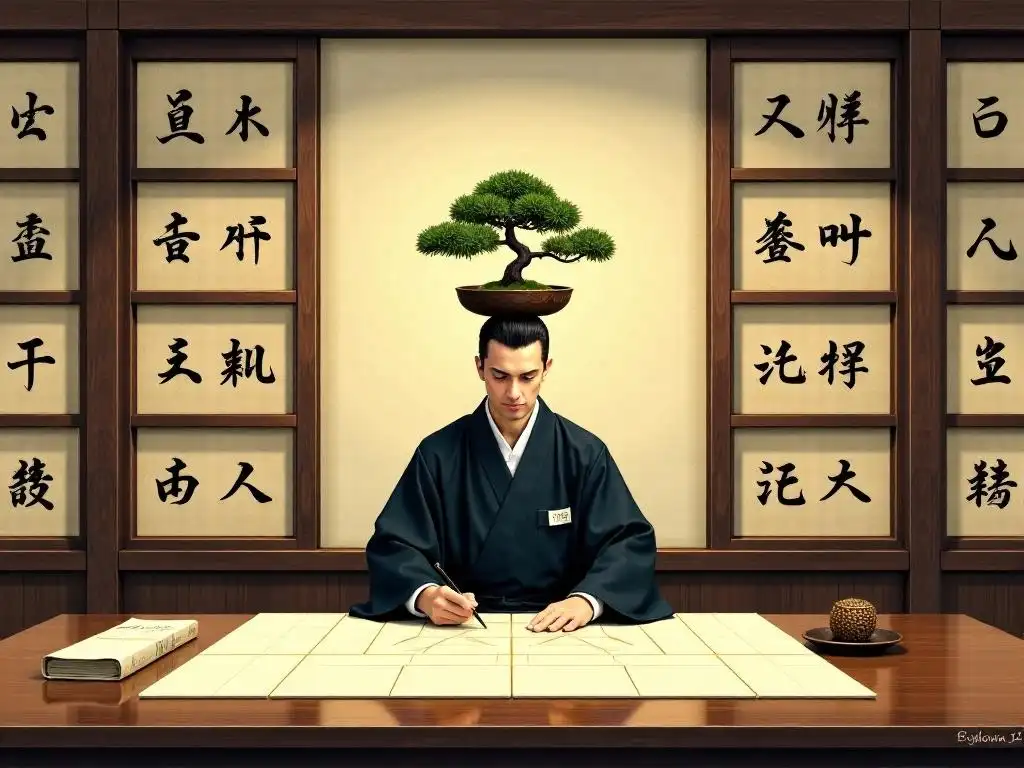
Zen calligraphy, also known as "shodō" in Japanese, represents a profound intersection of art and spirituality. This traditional practice is not just about creating visually appealing characters; it embodies a meditative process that reflects the practitioner's inner state. The act of wielding the brush becomes a form of meditation, allowing the calligrapher to express their emotions, thoughts, and connection to the universe.
Exploring the Relationship Between Mindfulness and Calligraphy
Mindfulness is central to the practice of Zen calligraphy. It requires intense focus and presence in the moment, where each stroke of the brush is a reflection of the calligrapher's current state of mind. This mindful approach is influenced by Zen Buddhism, where the emphasis is placed on being fully aware and engaged in the present moment.
- Preparation: The calligrapher often begins with a calming ritual, such as breathing exercises or a brief meditation session, which helps to center the mind. This preparation sets the stage for a clear and focused expression.
- Materials: The choice of materials—brush, ink, paper—also plays a crucial role in the process. High-quality materials enhance the experience and outcomes, as they require careful handling and attention.
- Stroke Execution: Each brush stroke is executed with intent, embodying the principles of Zen. The flow of ink on paper serves as a dialogue between the artist and the canvas, where mistakes are embraced as part of the learning process. This acceptance fosters a deeper connection to the practice.
Through this mindful approach, calligraphers often find that their work transcends mere words, becoming an embodiment of their spiritual journey. The connection between mindfulness and calligraphy is a dynamic interplay that cultivates both skill and inner awareness.
How Zen Calligraphy Reflects Inner Peace and Spirituality
Zen calligraphy is deeply intertwined with the concepts of inner peace and spirituality, encapsulating the essence of Zen philosophy. The process of creating calligraphy is not solely about the final product; it is a journey toward self-discovery and tranquility.
- Flow State: Practitioners often enter a "flow state" while engaging in calligraphy—an immersive experience where time seems to dissolve. This state is characterized by heightened focus and a sense of unity with the brush, allowing the artist to channel their thoughts and emotions onto the paper.
- Symbolism: The characters created in Zen calligraphy carry profound meanings, often reflecting Buddhist teachings, nature, or philosophical concepts. Each character can symbolize deeper truths and resonate with the viewer on a spiritual level. For example, the character for "peace" (平和) embodies tranquility and harmony, inviting contemplation.
- Emotional Release: The practice serves as an emotional outlet, where practitioners can express feelings that may be difficult to articulate. The brush strokes capture joy, sorrow, or contemplation, creating a visual representation of the calligrapher's internal landscape.
Zen calligraphy techniques in Japan not only showcase artistic skills but also serve as a medium for expressing spirituality and inner peace. The combination of mindfulness, emotional depth, and symbolic meaning elevates this art form, transforming it into a holistic practice that resonates with both the creator and the observer. Through Zen calligraphy, the essence of spirituality is captured in a dance of brushwork, reflecting the beauty of existence itself.
Notable Zen Calligraphers in Japanese History
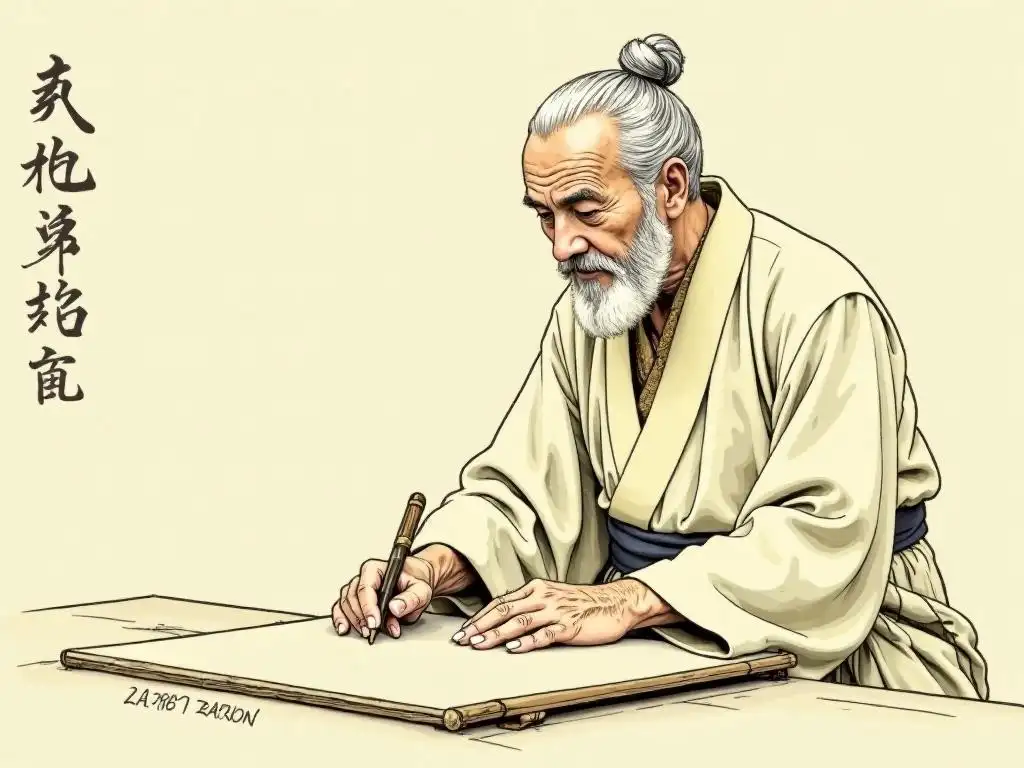
Zen calligraphy, known as shodō in Japanese, has its roots deeply embedded in the spiritual practices of Zen Buddhism. Throughout history, several notable calligraphers have contributed significantly to the evolution of this art form, each bringing their unique techniques and philosophies to the brushwork.
Influential Figures in Zen Calligraphy: Their Techniques and Styles
-
Kōun Kōsō (1579–1658)
Kōun Kōsō is celebrated for his powerful brush strokes and the dynamic energy of his works. His style reflects the essence of Zen principles, emphasizing spontaneity and the moment of creation. Kōun believed in the idea of "iki" (life force), which is evident in his calligraphy where each stroke appears alive and fluid. His use of bold, sweeping lines often conveyed profound spiritual messages, making his pieces both visually striking and deeply meaningful.
-
Hakuin Ekaku (1685–1768)
Hakuin was not only a Zen master but also a prolific calligrapher whose works are characterized by their clarity and strength. His calligraphy often included Zen koans (paradoxical anecdotes) that encapsulated Zen teachings. Hakuin's technique involved a balance of control and freedom, allowing his brush to flow naturally while maintaining precision. His famous phrase "No mind, no problem" (無心無問題) exemplifies his approach, blending philosophy with art.
-
Yamamoto Sōun (1605–1673)
A contemporary of Hakuin, Yamamoto Sōun is known for his integration of calligraphy with poetry. His works often featured a harmonious blend of kanji (Chinese characters) and kana (Japanese phonetic scripts), reflecting a unique fusion of styles. Sōun's technique was marked by a delicate touch and an attention to the rhythm of each stroke. His pieces often conveyed a sense of tranquility, embodying the Zen ethos of simplicity and mindfulness.
-
Tōyō Shōrin (1882–1954)
As a 20th-century Zen calligrapher, Tōyō Shōrin revitalized traditional Zen calligraphy by infusing it with modern sensibilities. His technique emphasized "fudō" (immovable mind), encouraging practitioners to approach calligraphy as a form of meditation. Tōyō's style is characterized by a blend of traditional and contemporary elements, making his works accessible to a broader audience while retaining their spiritual depth.
Case Studies of Renowned Zen Calligraphy Works
-
"The Heart Sutra" by Kōun Kōsō
This piece exemplifies Kōun's mastery in conveying profound spiritual truths through simple yet powerful strokes. The calligraphy captures the essence of the Heart Sutra, a foundational text in Zen Buddhism, emphasizing concepts of emptiness and interdependence. The dynamic brushwork invites viewers to meditate on the meaning behind the words, reflecting the core of Zen philosophy.
-
"Three Mountains" by Hakuin Ekaku
In this famous calligraphy, Hakuin illustrates the concept of the three mountains as a metaphor for the journey of enlightenment. Each mountain is depicted with bold strokes, symbolizing obstacles and achievements along the spiritual path. The composition's balance and flow resonate with the viewer, creating a sense of harmony between the visual and textual elements.
-
"A Drop of Water" by Yamamoto Sōun
This work captures the fleeting nature of existence through the imagery of a single drop of water. Sōun's delicate brushwork evokes the fragility of life, encouraging viewers to reflect on the impermanence of all things. The use of both kanji and kana in this piece demonstrates his innovative approach to integrating different writing systems, enhancing the work's emotional impact.
-
"Stillness" by Tōyō Shōrin
Tōyō's interpretation of stillness is captured in a minimalist composition, where the emptiness of the page speaks as loudly as the ink. This piece invites viewers into a meditative state, emphasizing the Zen practice of quieting the mind. Tōyō's technique, characterized by fluid, gentle strokes, embodies the essence of Zen calmness.
The contributions of these notable Zen calligraphers have shaped the landscape of Zen calligraphy techniques in Japan, each leaving a lasting legacy that continues to inspire contemporary practitioners. Through their unique styles and philosophies, they have transformed brushwork into a profound expression of spirituality and artistic mastery.
Modern Adaptations of Zen Calligraphy Techniques
How Contemporary Artists Are Reviving Traditional Zen Calligraphy
In recent years, there has been a notable revival of traditional Zen calligraphy techniques among contemporary artists in Japan and beyond. These artists are not only preserving the age-old practices but are also infusing them with modern sensibilities and interpretations. This revival is significant for several reasons:
- Cultural Preservation: Many contemporary artists are dedicated to keeping the art of Zen calligraphy alive. By studying under masters and participating in workshops, they ensure that traditional techniques are passed down to future generations. This cultural preservation is vital for maintaining the integrity of Zen calligraphy as an art form.
- Fusion with Other Art Forms: Artists are experimenting with blending Zen calligraphy with other art forms, such as painting, sculpture, and even digital art. This fusion creates a dialogue between traditional practices and contemporary expressions, attracting a broader audience to the spiritual and aesthetic depth of Zen calligraphy.
- Workshops and Community Engagement: Numerous workshops and community projects have emerged, inviting participants from all walks of life to engage with Zen calligraphy. These activities provide a platform for individuals to explore their creativity while gaining insight into the philosophical underpinnings of Zen Buddhism.
- Social Media Influence: The rise of social media platforms has enabled artists to showcase their work to a global audience. This visibility has sparked interest in Zen calligraphy techniques, leading to collaborations and exchanges among artists worldwide. As a result, traditional methods are being reinterpreted, leading to innovative forms that retain the essence of Zen.
The Evolution of Zen Calligraphy in the Digital Age
The advent of the digital age has significantly transformed the landscape of Zen calligraphy. While traditional brushwork remains revered, several modern developments have emerged that reflect the changing dynamics of artistic expression:
- Digital Tools and Techniques: Artists are increasingly utilizing digital tools to create calligraphic works. Software applications that simulate brush strokes allow for experimentation with Zen calligraphy styles without the constraints of physical materials. This has broadened the scope for creativity and accessibility, allowing even those unable to practice traditional techniques to engage with the art form.
- Online Learning Platforms: The rise of online education has made Zen calligraphy techniques more accessible. Artists and instructors can now offer virtual classes, tutorials, and workshops, reaching a global audience. This democratization of knowledge fosters a diverse range of interpretations and practices, contributing to the evolution of Zen calligraphy.
- Integration with Multimedia: Contemporary artists are also exploring the intersection of Zen calligraphy with multimedia art. Incorporating elements such as video, animation, and sound, they create immersive experiences that reflect the spiritual aspects of Zen. This innovation not only enhances the aesthetic appeal but also deepens the viewer's engagement with the philosophy behind the brushwork.
- Environmental Concerns: As awareness of environmental issues grows, some artists are turning to sustainable practices within Zen calligraphy. Using eco-friendly materials and methods, they are making a statement about the importance of respecting nature, which resonates with the core tenets of Zen philosophy. This shift towards sustainability is an essential aspect of modern adaptations, reflecting a conscious evolution of the art form.
The modern adaptations of Zen calligraphy techniques are both a tribute to tradition and a reflection of contemporary influences. Through the efforts of artists, educators, and communities, Zen calligraphy continues to thrive, evolving in ways that honor its spiritual roots while embracing the innovations of the digital age.
Conclusion: The Lasting Impact of Zen Calligraphy in Japanese Culture
Zen calligraphy, or shodō, has left an indelible mark on Japanese culture, influencing not only the realm of art but also the spiritual and philosophical underpinnings of society. This ancient practice, rooted in the principles of Zen Buddhism, emphasizes simplicity, mindfulness, and the pursuit of inner peace through the act of brushwork. The lasting impact of Zen calligraphy can be observed in various aspects of Japanese life, from education to personal expression, and even in contemporary artistic endeavors.
The aesthetics of Zen calligraphy prioritize spontaneity and the reflection of one's inner state, which resonates deeply with the Japanese ethos of harmony and balance. As practitioners engage with the brush, they are not merely creating letters; they are expressing their spiritual journey, making each stroke a moment of meditation. This connection between art and spirituality has fostered an enduring appreciation for Zen calligraphy in Japan, making it a vital component of cultural identity.
The Relevance of Zen Calligraphy Techniques in Today’s Society
In today's fast-paced world, the relevance of Zen calligraphy techniques is increasingly recognized as a pathway to mindfulness and self-exploration. Many people are turning to these traditional practices as a form of stress relief and a means to reconnect with their inner selves. The act of holding a brush and allowing the ink to flow can serve as a meditative exercise, encouraging practitioners to focus their thoughts and find tranquility in the present moment.
The incorporation of Zen calligraphy into workshops, community classes, and art therapy sessions is on the rise. Here are a few significant benefits of practicing Zen calligraphy techniques in contemporary society:
- Mindfulness Enhancement: Engaging in the slow, deliberate movements of brushwork helps individuals cultivate mindfulness, which is crucial for mental well-being.
- Cultural Connection: Practicing Zen calligraphy allows individuals to connect with Japan's rich cultural heritage, fostering a deeper understanding of its traditions and philosophies.
- Creative Expression: The freedom inherent in Zen calligraphy encourages personal expression, allowing artists to convey their emotions and experiences through their work.
- Therapeutic Benefits: Many find that the repetitive, focused nature of calligraphy can serve as a form of therapy, alleviating anxiety and promoting relaxation.
As these techniques gain popularity, they contribute to a broader cultural renaissance that values the intersection of art, spirituality, and mental health.
Encouraging a Deeper Appreciation for Zen Calligraphy Art
Promoting a deeper appreciation for Zen calligraphy art involves various approaches that highlight its significance and beauty. Educational institutions, art galleries, and cultural organizations play a crucial role in this effort. Here are some effective strategies:
- Workshops and Classes: Hosting workshops led by experienced calligraphers can provide hands-on experiences for beginners and enthusiasts alike. Participants can learn the fundamentals of Zen calligraphy while exploring its philosophical foundations.
- Exhibitions: Curating exhibitions that showcase the works of renowned Zen calligraphers alongside contemporary artists can bridge the gap between tradition and modernity. This not only celebrates historical techniques but also inspires new interpretations.
- Public Demonstrations: Organizing public demonstrations allows viewers to witness the beauty of brushwork in action. These events can serve as an introduction to the meditative aspects of Zen calligraphy, engaging a wider audience.
- Online Resources: The digital age offers opportunities to share knowledge through online platforms. Creating instructional videos, articles, and virtual classes can reach those who may not have access to traditional learning environments.
- Collaborations with Mental Health Initiatives: Partnering with mental health organizations can promote the therapeutic benefits of Zen calligraphy, encouraging individuals to explore this art form as a means of healing and self-discovery.
By fostering a deeper appreciation for Zen calligraphy art, we can ensure that its rich legacy continues to inspire future generations, bridging the gap between the past and the present while emphasizing the importance of spirituality in everyday life.
References and Further Reading on Zen Calligraphy Techniques in Japan
Recommended Books and Articles for Aspiring Calligraphers
For those interested in delving deeper into the art of Zen calligraphy, several key texts and articles provide invaluable insights, techniques, and historical context. Here are some recommended readings:
- "Zen Calligraphy: A Guide to Contemporary Practice" by Kazuaki Tanahashi
- This book offers a comprehensive overview of Zen calligraphy, blending traditional techniques with modern interpretations. Tanahashi’s insights on the spiritual aspects of brushwork make it a must-read for both beginners and advanced practitioners.
- "The Art of Japanese Calligraphy" by Yuji Hiratsuka
- This work explores the evolution of calligraphy in Japan, focusing on the interplay between art and spirituality. Hiratsuka provides practical exercises along with historical anecdotes that enrich the reader's understanding of Zen calligraphy.
- "The Zen of Calligraphy: The Art of Brush Writing" by John Stevens
- Stevens discusses the philosophical underpinnings of Zen calligraphy, emphasizing the meditative aspects of brushwork. The book includes step-by-step guides on various techniques, making it an essential resource for aspiring calligraphers.
- "Calligraphy and the Zen Mind" by Shozo Sato
- Sato draws connections between Zen principles and calligraphic practices. His exploration of mindfulness in brushwork is particularly relevant for those seeking to incorporate Zen philosophy into their art.
- Articles in the Journal of Japanese Studies
- Academic articles on Zen calligraphy can be found in various issues of this journal, providing critical analyses and discussions on both historical and contemporary practices.
Online Resources for Learning Zen Calligraphy Techniques
In addition to books, numerous online resources can enhance your understanding and practice of Zen calligraphy. Here are some valuable platforms:
- YouTube Workshops
- Channels like "Zen Brushwork" and "Calligraphy Master" offer video tutorials that demonstrate various Zen calligraphy techniques. These visual aids can be particularly helpful for beginners.
- Online Courses
- Platforms such as Udemy and Skillshare feature courses specifically focused on Zen calligraphy. These courses often include interactive components, allowing learners to receive feedback from instructors.
- Zen Calligraphy Blogs
- Websites like "The Calligraphy Blog" and "Zen Calligraphy Online" provide articles, tutorials, and community forums where practitioners can share tips and experiences.
- Social Media Groups
- Joining Facebook groups or following Instagram accounts dedicated to Zen calligraphy can provide inspiration and connect you with fellow enthusiasts. Look for hashtags like #ZenCalligraphy or #JapaneseCalligraphy for a wealth of content.
- Virtual Workshops
- Many organizations offer virtual workshops led by experienced calligraphers, allowing participants to learn techniques in real-time. Websites like Eventbrite often list upcoming events that cater to various skill levels.
These resources collectively offer a robust foundation for anyone looking to explore Zen calligraphy techniques in Japan, facilitating both practical skill-building and deeper philosophical understanding.
Frequently Asked Questions
What is Zen calligraphy?
Zen calligraphy is a form of artistic expression that combines spirituality and brushwork, emphasizing mindfulness and the moment of creation.
How does Zen calligraphy reflect Japanese culture?
Zen calligraphy embodies Japanese cultural values such as simplicity, harmony, and a deep connection to nature, all while promoting personal spiritual growth.
What materials are used in Zen calligraphy?
The traditional materials include rice paper, ink, and brushes, each chosen for their ability to convey fluidity and grace in the brush strokes.
Can anyone learn Zen calligraphy?
Yes, while it requires practice, anyone interested can learn Zen calligraphy by focusing on technique, patience, and embracing the spiritual aspects of the art form.
What are some key techniques in Zen calligraphy?
Key techniques include line control, breath synchronization, and intention setting, all aimed at achieving a balance between form and spirit in the artwork.
Final Reflection: Embracing Tranquility through Zen Calligraphy Techniques
The art of Zen calligraphy is not merely a practice of brush and ink; it is a profound expression of spirituality that resonates deeply in our fast-paced world. As we navigate the complexities of modern life, the principles of Zen calligraphy remind us of the importance of mindfulness and presence. In a society often characterized by chaos and distraction, the meditative act of creating calligraphy serves as a sanctuary, inviting us to slow down and connect with our inner selves.
Culturally, Zen calligraphy has transcended its origins in Japan, influencing artists and spiritual seekers around the globe. The delicate strokes and intentional movements embody a philosophy that encourages us to embrace imperfection and find beauty in simplicity. As the renowned calligrapher Shozo Sato once said, "> Calligraphy is the art of letting go; it teaches us to accept what is and to express our true selves." This ongoing influence highlights the timeless relevance of Zen calligraphy techniques, as they continue to inspire individuals to explore their own spirituality and creativity.
As you reflect on the lessons of Zen calligraphy, I invite you to consider how you can incorporate mindfulness into your daily life. Take a moment to pause, breathe, and embrace the present. Whether through the practice of calligraphy or other forms of artistic expression, allow yourself to connect with your inner tranquility. Let the art of Zen calligraphy guide you on a journey of self-discovery and serenity, reminding you that each stroke is a step toward a more mindful existence.
Unleash Your Inner Artist and Embrace Zen Through Brushwork!
Thank you for taking the time to delve into the fascinating world of Zen calligraphy. By exploring this art form, you've gained insight not only into its history but also into how it can enhance your spiritual journey. Now, it’s time to turn your thoughts into action!
Here are a few simple steps to start your Zen calligraphy practice:
- Grab your brush and practice! Find a quiet space that inspires you, and allow yourself to create freely. Begin with basic strokes and concentrate on the meditative aspects of the process.
- Join a local or online workshop. Connect with fellow enthusiasts to share techniques, experiences, and inspiration. Engaging with a community can deepen your understanding and passion for this art.
- Share your journey. Showcase your creations on social media or in forums dedicated to Zen calligraphy, and encourage others to embark on their artistic and spiritual paths.
What challenges do you anticipate while starting your Zen calligraphy practice, and what strategies do you plan to implement to address them?