
The Training Regimens of the Samurai: Discipline and Dedication

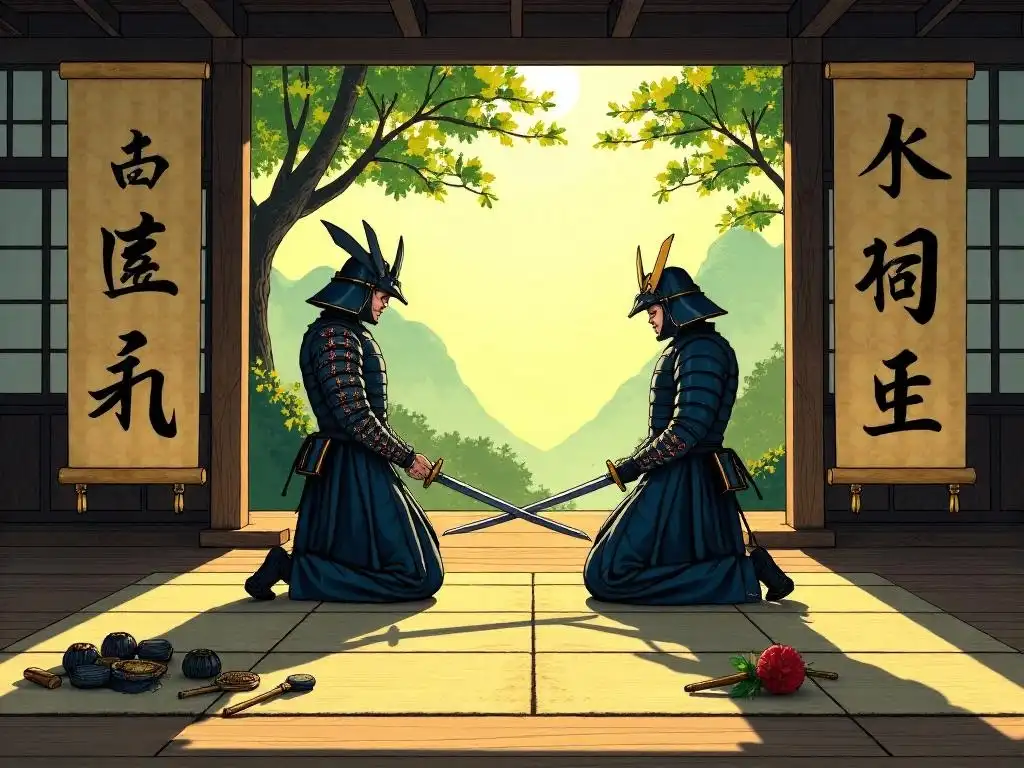
Welcome to Feudal Japan History! Delve into the captivating world of Japan’s feudal era, where honor and discipline shaped the lives of warriors known as samurai. In our featured article, “The Training Regimens of the Samurai: Discipline and Dedication,” we uncover the rigorous practices that forged these legendary figures into paragons of skill and valor.
What secrets lie behind their formidable prowess? Join us on this journey through time, and explore how the samurai's commitment to their craft not only defined their lives but also left an indelible mark on Japanese culture. The path to mastery awaits—read on to discover more!
Introduction to Samurai Training Regimens History
The samurai, a legendary warrior class of feudal Japan, are often romanticized as the epitome of honor, discipline, and martial prowess. Their training regimens were not merely a means to master combat techniques; they were a holistic approach to life that encompassed physical conditioning, mental fortitude, and spiritual development. Understanding the intricacies of samurai training regimens provides profound insights into the broader historical, cultural, and societal contexts of feudal Japan. This article delves into the disciplined practices that shaped the samurai, exploring their evolution and the significant influences that molded their training methods over centuries.
Overview of Samurai Culture and Its Significance
Samurai culture is steeped in rich traditions and values, often characterized by the bushido code, which emphasizes loyalty, honor, and self-discipline. Samurai were not just warriors; they were also scholars, artists, and philosophers, playing crucial roles in the governance and social structure of Japan. Their training was rigorous, reflecting their commitment to excellence and preparedness for battle.
- Key Values of Samurai Culture:
- Loyalty: Fierce allegiance to their daimyo (feudal lord).
- Honor: A deep-rooted sense of personal and familial honor.
- Self-Discipline: A constant pursuit of personal improvement.
The samurai's way of life and their training regimens were instrumental in establishing a society that valued discipline and respect, influencing Japanese culture long after the feudal era.
Importance of Discipline in Samurai Training
Discipline was the cornerstone of samurai training, serving as a crucial element that distinguished them from other warriors. This discipline manifested in various forms, including:
- Physical Training: Rigorous exercises and martial arts practice to enhance strength and agility.
- Mental Conditioning: Meditation and focus techniques to develop concentration and resilience.
- Rituals and Etiquette: Strict adherence to rituals that governed behavior in both combat and daily life.
The discipline ingrained in samurai training not only prepared them for battle but also fostered a mindset that valued perseverance, respect, and harmony.
Historical Context of Samurai Training Regimens
Understanding the historical context of samurai training regimens allows us to appreciate their complexity and adaptability throughout Japan's feudal period.
Evolution of Samurai Training in Feudal Japan
The training methods of the samurai evolved significantly from the 12th to the 19th centuries, responding to the changing nature of warfare and societal expectations. Initially, training was focused on the battlefield skills necessary for combat, which included:
- Kenjutsu: The art of swordsmanship, which was central to samurai identity.
- Bojutsu: Training with the staff and other weapons.
As Japan entered periods of peace, such as the Edo period, the focus shifted towards:
- Cultural Education: Learning arts such as tea ceremony, calligraphy, and poetry.
- Philosophical Studies: Integrating teachings of Confucianism and Zen Buddhism.
This evolution illustrates how samurai adapted their training to suit the needs of society, balancing martial readiness with cultural sophistication.
Influence of Zen Buddhism on Samurai Practices
Zen Buddhism had a profound impact on samurai training regimens, intertwining martial practice with spiritual development. The principles of Zen—such as mindfulness, meditation, and the pursuit of inner peace—found their way into the training routines of samurai, significantly influencing their approach to combat and life.
- Meditative Practices: Samurai often engaged in meditation to cultivate focus and clarity.
- Mindfulness in Combat: Techniques were developed to maintain calmness and awareness in the chaos of battle.
This synthesis of martial skill and spiritual discipline not only enhanced their effectiveness on the battlefield but also contributed to a more profound understanding of themselves and their place in the world.
The training regimens of the samurai were not simply about physical prowess; they represented a comprehensive approach that blended discipline, cultural values, and spiritual insight, shaping the legendary warriors of feudal Japan.
Core Components of Samurai Training
The training regimens of the samurai were rigorous and multifaceted, designed to cultivate not only physical prowess but also mental resilience and strategic thinking. The core components of samurai training can be broadly categorized into three main areas: physical conditioning, mental discipline, and tactical acumen. Each element played a crucial role in shaping a formidable warrior capable of thriving in the chaotic landscape of feudal Japan.
- Physical Conditioning: Samurai were expected to maintain peak physical condition. This involved a combination of strength training, endurance exercises, and martial arts practice. They engaged in various activities, such as running, swimming, and weightlifting with traditional implements, to enhance their physical capabilities.
- Mental Discipline: The samurai code of Bushido emphasized mental fortitude. Training often included meditation and mindfulness practices to foster focus and emotional control. This mental discipline was vital for maintaining composure in battle and making strategic decisions under pressure.
- Tactical Training: Samurai training also encompassed the study of tactics and battlefield strategies. This included lessons in both individual combat techniques and unit formations, ensuring that samurai were not only skilled fighters but also effective leaders on the battlefield.
Physical Conditioning in Samurai Training
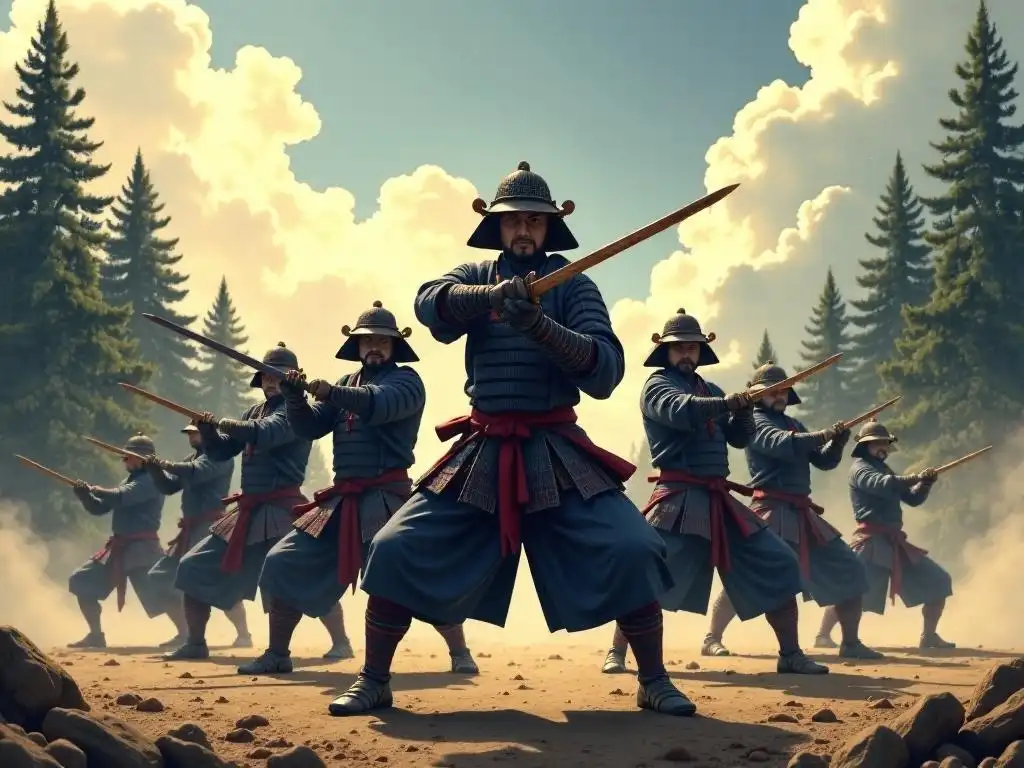
Physical conditioning was a cornerstone of samurai training, reflecting the belief that a strong body supported a strong mind. Samurai engaged in a variety of physical activities designed to build strength, agility, and endurance.
- Martial Arts Practice: Regular practice of various martial arts forms, such as Kenjutsu (swordsmanship), Iaijutsu (the art of drawing the sword), and Sojutsu (spear fighting), was integral. These disciplines required intense physical training to master techniques and improve reflexes.
- Endurance Training: Samurai often undertook long-distance runs and hikes, sometimes while carrying heavy loads. This not only improved cardiovascular fitness but also prepared them for the physical demands of battle.
- Strength Building: Physical training included exercises like weightlifting using traditional tools such as stones and wooden logs. These activities were designed to enhance overall strength and build the muscles necessary for effective combat.
The emphasis on physical conditioning ensured that samurai were always prepared for the demands of warfare, embodying the ideal of the warrior as both a skilled fighter and a disciplined athlete.
Mental Discipline and Focus
Mental discipline was equally essential to the samurai's training regimen. The samurai were trained to cultivate a focused mind, capable of making quick decisions in the heat of battle.
- Meditation Practices: Samurai often practiced Zen meditation to enhance their concentration and clarity of thought. This practice helped them remain calm in the face of danger and improved their ability to focus on their objectives.
- Philosophical Studies: A thorough understanding of Bushido, the way of the warrior, was encouraged. Samurai studied texts that emphasized virtues such as loyalty, honor, and bravery, promoting a mindset aligned with their duties as warriors.
- Visualization Techniques: Visualization exercises were employed to mentally rehearse combat scenarios. This approach not only prepared them for physical encounters but also instilled confidence in their abilities.
The mental discipline and focus cultivated through these practices were vital for samurai to maintain composure during battles, enabling them to execute their training effectively.
The Structure of Samurai Training Regimens
Samurai training regimens were meticulously structured to ensure a comprehensive development of skills and attributes. Each day was regimented, with specific focus areas designed to reinforce both physical and mental capabilities.
Daily Routines of a Samurai Warrior
A typical day for a samurai was highly structured, often beginning before dawn and extending late into the evening.
- Morning Routine: The day usually started with physical conditioning, including calisthenics and martial arts practice. This was followed by a period of meditation to center the mind for the day ahead.
- Training Sessions: After breakfast, samurai would engage in dedicated training sessions, focusing on various martial arts techniques. This often included practicing with weapons and sparring with fellow warriors.
- Study and Reflection: The afternoon might be reserved for studying strategy and the philosophical aspects of warfare. Samurai would reflect on their training, considering their progress and areas for improvement.
- Evening Activities: The day often concluded with lighter physical activities or additional meditation, allowing samurai to unwind and mentally process the day’s lessons.
This structured routine ensured that samurai remained disciplined and focused, maximizing their potential as warriors.
Long-term Training Goals and Milestones
The training of a samurai was not solely about daily routines; it also included long-term goals and milestones that guided their development over time.
- Skill Mastery: A primary goal was the mastery of specific martial arts forms. Samurai would set benchmarks for proficiency in techniques, often aiming to achieve higher ranks or certifications in their respective disciplines.
- Physical Fitness Goals: Long-term fitness objectives were also established, such as achieving specific endurance levels or strength benchmarks. These goals were crucial for maintaining the samurai's physical readiness for battle.
- Philosophical Development: Samurai were encouraged to engage in lifelong learning, with goals related to their understanding of Bushido and other philosophical teachings. This commitment to personal growth was seen as essential to becoming a complete warrior.
Through this systematic approach to training, samurai were not only prepared for combat but were also developed as individuals embodying the virtues of their code. These long-term goals and milestones ensured a continuous journey of improvement, aligning with the samurai's dedication to excellence.
Comparison of Samurai Training Regimens Across Different Clans
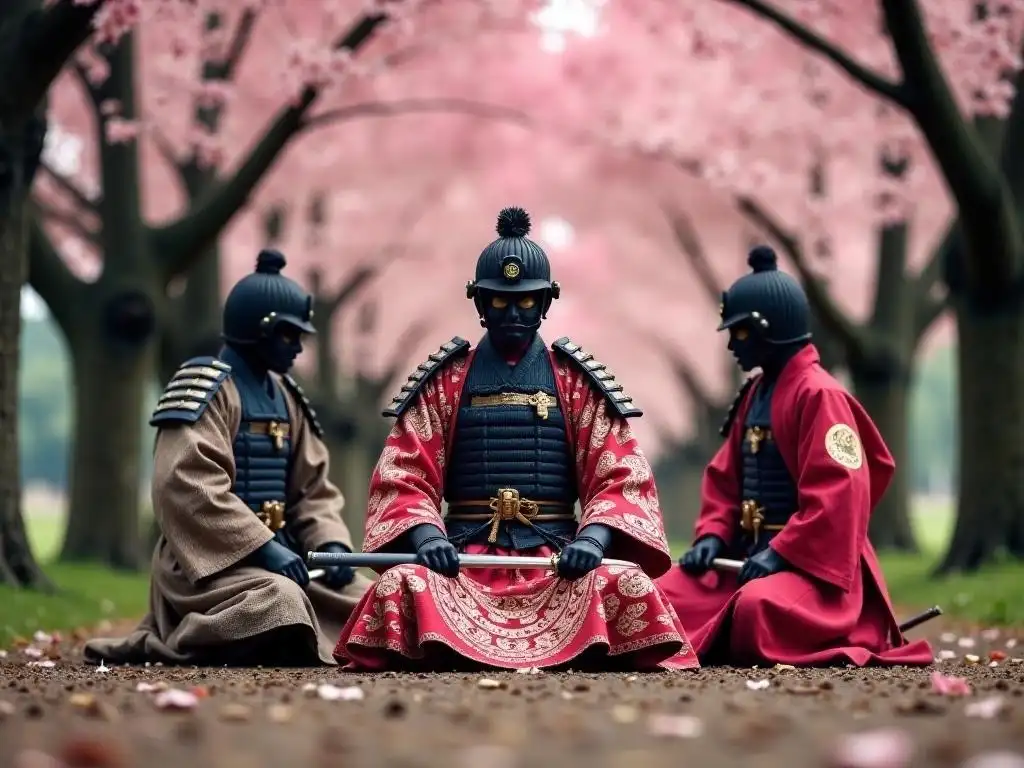
The training regimens of samurai varied significantly across different clans, largely influenced by the specific values, warfare strategies, and resources available to each clan. While the core of samurai training involved martial skills, discipline, and the philosophical teachings of Bushido, the methodologies and areas of focus differed.
For instance, the Takeda clan, known for its cavalry tactics, emphasized horseback riding and archery. Their training regimen included rigorous drills that ensured soldiers could accurately shoot arrows while riding at speed. Conversely, the Uesugi clan focused on infantry tactics and swordsmanship, placing a strong emphasis on kenjutsu (sword techniques) and jujutsu (unarmed combat), adapting their training to the needs of ground warfare.
Training Variations Between Major Samurai Clans
- Takeda Clan:
- Focus: Cavalry tactics, archery.
- Training Techniques:
- Extensive horseback riding practice.
- Archery from horseback, combining speed and accuracy.
- Uesugi Clan:
- Focus: Infantry combat, swordsmanship.
- Training Techniques:
- Intensive kenjutsu and jujutsu training.
- Incorporation of battlefield scenarios in training.
- Miyamoto Musashi’s Style:
- Focus: Dual-wielding techniques.
- Training Techniques:
- Unique approaches in swordplay, emphasizing strategy and adaptability.
- Use of bokken (wooden swords) to practice and refine techniques.
These variations highlight how each clan adapted its training to not only match its combat style but also to instill its values and strategies into the warriors it produced.
Regional Influences on Samurai Training Techniques
Regional influences played a pivotal role in shaping the training techniques of samurai. Geographic features, such as terrain and climate, dictated the types of combat skills necessary for survival and success in battles. For example:
- Mountainous Regions: In clans located in the mountainous areas, such as the Takeda, training often included skills for navigating rugged terrain, emphasizing agility and endurance.
- Coastal Areas: Clans near the sea, like the Wokou, incorporated naval combat training, teaching skills relevant to both sea battles and coastal raids.
- Urban Settings: In more urbanized regions, samurai often trained in close-quarters combat and the use of various weapons, reflecting the need for adaptability in more confined spaces.
The local culture also influenced training; for instance, the integration of Zen practices in training regimens aimed at developing mental discipline and focus was more pronounced in certain regions, particularly in the Muromachi period.
Modern Interpretations of Samurai Training Regimens
As society has evolved, so too have the interpretations of samurai training regimens, particularly in contemporary martial arts. Many modern martial arts schools draw inspiration from historical samurai techniques, adapting them for today’s practitioners.
Influence of Historical Training on Contemporary Martial Arts
The historical training of samurai has had a profound impact on a variety of modern martial arts. Disciplines such as Kendo, Iaido, and Aikido can trace their roots back to samurai training methods. Key influences include:
- Kendo: Evolved from kenjutsu, emphasizing the practice of sword fighting in a more controlled setting.
- Iaido: Focuses on the art of drawing the sword, reflecting the samurai’s need for swift and decisive action.
- Aikido: While founded in the 20th century, it incorporates principles of samurai combat, emphasizing fluid movement and redirecting an opponent's force.
In contemporary practice, these martial arts maintain a connection to the samurai ethos, emphasizing not only physical skills but also mental discipline and respect for tradition.
The Legacy of Samurai Training in Today’s Society
The legacy of samurai training extends beyond martial arts; it influences broader aspects of Japanese culture and societal values today. The principles of Bushido—honor, loyalty, and perseverance—continue to resonate in various fields, including business and education.
- Cultural Practices: Traditional arts such as calligraphy and tea ceremony still embody the meticulousness and discipline akin to samurai training.
- Leadership and Ethics: Concepts derived from samurai values inform modern leadership philosophies, emphasizing the importance of integrity and responsibility.
Moreover, the romanticized image of the samurai continues to inspire films, literature, and popular culture, perpetuating interest in their training regimens and the values they represent. The enduring fascination with samurai culture serves as a testament to the profound impact of their training on both historical and contemporary society.
Conclusion: The Lasting Impact of Samurai Training Regimens
The training regimens of the samurai have left an indelible mark on not only Japanese martial arts but also on contemporary practices worldwide. These rigorous training methods, characterized by discipline, physical fitness, and a deep philosophical understanding of combat, have influenced various martial arts disciplines, including Kendo, Aikido, and Judo. The principles of resilience, honor, and respect that were ingrained in samurai training continue to resonate in modern practices, shaping not just fighters, but well-rounded individuals.
Moreover, the samurai's commitment to lifelong learning and mastery serves as an inspiring model for many modern disciplines, extending beyond martial arts into fields such as business and personal development. The samurai's ethos of continual improvement emphasizes that mastery is a journey, encouraging individuals to pursue excellence in their respective fields relentlessly. As a result, the legacy of samurai training regimens stands as a testament to the enduring power of discipline and dedication in achieving greatness.
Reflection on Discipline and Dedication in Modern Life
In today’s fast-paced world, the virtues of discipline and dedication are more relevant than ever. The samurai's approach to training—marked by unwavering commitment, structured routines, and a mindset focused on improvement—offers valuable lessons that can be applied to various aspects of modern life. From athletes training for peak performance to professionals striving for career advancement, the principles embodied by samurai training can foster a strong work ethic and a sense of purpose.
Practicing discipline in daily life can manifest in numerous ways, such as establishing routines, setting clear goals, and maintaining focus despite distractions. Dedication, akin to the samurai's devotion to their craft, encourages individuals to persevere through challenges and setbacks. This reflection not only promotes personal growth but also nurtures resilience—a quality that is essential in navigating the complexities of contemporary society.
The Cultural Heritage of Samurai Training in Japan Today
The cultural heritage of samurai training remains deeply embedded in Japan’s identity, influencing not only martial arts but also various forms of performance arts, philosophy, and education. Traditional martial arts schools in Japan, known as "dojos," continue to uphold the teachings and methods developed during the feudal era, emphasizing the importance of discipline, respect, and etiquette.
In contemporary Japan, the spirit of the samurai is celebrated through various cultural festivals, exhibitions, and educational programs that aim to impart these values to younger generations. Kendo, for instance, is not simply a sport but a way of life that embodies the samurai's principles. Through practicing Kendo, practitioners learn not only the techniques of swordsmanship but also the ethical implications of their actions, mirroring the samurai's commitment to honor and morality.
Furthermore, the samurai’s legacy is reflected in literature, cinema, and art, where their ideals continue to inspire creativity and philosophical exploration. This cultural heritage serves as a bridge between the past and present, ensuring that the wisdom of samurai training regimens remains alive and relevant in modern Japan.
- Introduction to Samurai Training Regimens History
- Historical Context of Samurai Training Regimens
- Core Components of Samurai Training
- Physical Conditioning in Samurai Training
- Mental Discipline and Focus
- The Structure of Samurai Training Regimens
- Comparison of Samurai Training Regimens Across Different Clans
- Modern Interpretations of Samurai Training Regimens
- Conclusion: The Lasting Impact of Samurai Training Regimens
Frequently Asked Questions
What were the primary training regimens of the samurai?
The samurai engaged in rigorous training that included martial arts, weapon practice, and physical conditioning. This training was essential for developing their combat skills and overall discipline.
How did samurai training evolve over time?
Samurai training evolved from strict military preparation to include philosophical and spiritual elements, reflecting changes in society and the samurai's role. This evolution emphasized not only fighting skills but also personal development.
What role did discipline play in samurai training?
Discipline was a fundamental aspect of samurai training, instilling self-control and dedication. It was considered essential for both mastering martial skills and upholding the bushido code of honor and loyalty.
Were there any specific training techniques used by samurai?
Yes, samurai utilized various training techniques such as kata (forms), sparring, and archery practice. These methods were designed to enhance their reflexes, precision, and strategic thinking in battle.
How did the cultural aspects influence samurai training?
Cultural aspects, including Zen Buddhism and Shinto beliefs, greatly influenced samurai training. These philosophies encouraged a mindfulness that complemented their physical training, fostering a holistic approach to their development as warriors.
Final Reflection: The Enduring Legacy of Samurai Training
The rigorous training regimens of the samurai are not just relics of history; they resonate profoundly in our contemporary world, reminding us that discipline and dedication are timeless virtues. In an age where distractions abound and instant gratification often takes precedence, the samurai's unwavering commitment to their craft serves as a powerful reminder of the strength found in perseverance and focus.
The influence of samurai training regimens extends far beyond the dojo; it permeates various aspects of modern culture, from martial arts to personal development philosophies. The principles of dedication, respect, and continuous improvement that defined the samurai's approach to training continue to inspire individuals seeking mastery in their own lives. As the renowned martial artist Bruce Lee once said, I fear not the man who has practiced 10,000 kicks once, but I fear the man who has practiced one kick 10,000 times.
This quote encapsulates the essence of the samurai's philosophy: mastery is achieved through relentless practice and unwavering dedication.
As we reflect on the lessons imparted by the samurai's training regimens, let us challenge ourselves to cultivate a similar spirit of discipline in our own pursuits. Consider how you can apply the principles of focus, resilience, and dedication to your daily life, whether in your career, hobbies, or personal growth. Embrace the journey of mastery, knowing that every small step taken with intention brings you closer to your goals. In doing so, you honor not only the legacy of the samurai but also your own potential for greatness.
Embrace the Samurai Spirit: Transform Your Training Today!
Thank you for diving into the incredible world of Samurai discipline and dedication! You've uncovered the rigorous training regimens that shaped remarkable warriors, and now it’s time to channel that inspiration into your own life. Are you ready to take action?
Here are a few ways you can embody the Samurai spirit:
- Create Your Training Plan: Design a structured regimen that incorporates **physical fitness**, **mental focus**, and **skill development**, drawing inspiration from the unwavering dedication of the Samurai.
- Join a Martial Arts Class: Engage with your community by exploring local dojos or classes to experience the physical and mental benefits of martial arts firsthand.
- Share Your Journey: Document your progress and share insights with others on social media or personal blogs; inspire and motivate fellow enthusiasts on their path.
What unique training regimen would you implement in your life to embrace the unwavering dedication of the Samurai? Let’s discuss!