
The Journey of a Samurai: Documenting the Educational Pathways

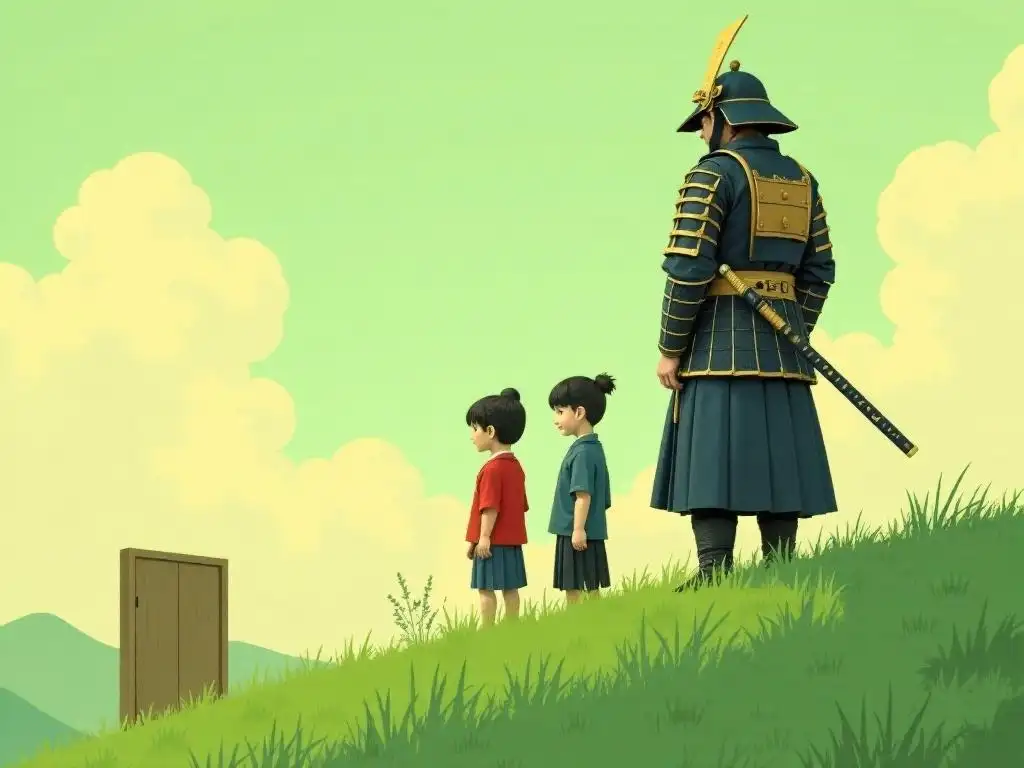
Welcome to Feudal Japan History, where we delve into the rich tapestry of Japan's feudal era, unveiling the intricate narratives that shaped its culture and society. In our featured article, “The Journey of a Samurai: Documenting the Educational Pathways,” we invite you to explore the fascinating world of samurai education and training history. Discover how these noble warriors honed their skills and ethics through rigorous training, shaping not only their destinies but also the very fabric of Japanese society.
Curious about the philosophies and practices that defined their journey? Read on and uncover the secrets of the samurai’s path to mastery!
Introduction to Samurai Education and Training History
The educational pathways of the samurai, the esteemed warrior class of feudal Japan, offer a fascinating glimpse into the intricate web of social, cultural, and historical influences that shaped this iconic group. In a society where honor, loyalty, and martial prowess were paramount, the education of samurai was not merely about mastering the art of combat; it was a holistic approach that encompassed moral, intellectual, and physical training.
This article delves into the samurai education and training history, exploring how these warriors were prepared for their roles as both fighters and leaders in a feudal society marked by strict hierarchies and complex social structures. By examining the foundations of samurai education, we can better understand the values and principles that guided these individuals and, by extension, the broader societal norms of their time.
Overview of the Samurai Role in Feudal Japan
The samurai were more than just skilled fighters; they were a crucial pillar of feudal Japan. As the ruling military class, they served the daimyōs (feudal lords) and upheld the law and order of their domains. Their responsibilities extended beyond the battlefield, encompassing governance, administration, and the maintenance of peace within their territories. This multifaceted role necessitated a comprehensive education that included not only martial skills but also strategic thinking, ethics, and cultural literacy.
The samurai's adherence to the Bushidō code—often translated as "the way of the warrior"—emphasized virtues such as courage, respect, and loyalty. This code shaped their identity and influenced their educational practices, ensuring that samurai were not only warriors but also embodying the moral ideals of their society.
Importance of Education in Samurai Culture
Education held immense significance in samurai culture, serving as a vital tool for personal and social development. It was through rigorous training and scholarly pursuits that samurai cultivated the discipline and wisdom necessary to navigate the complexities of their roles. The educational system for samurai was distinctly hierarchical, mirroring the social structure of feudal Japan, and was tailored to prepare them for their duties as both warriors and leaders.
The emphasis on education within samurai culture is evident in the following aspects:
- Martial Training: Mastery of various weapons and combat techniques.
- Strategic Thinking: The study of tactics and battlefield strategies.
- Cultural Education: Knowledge of literature, philosophy, and the arts, which was essential for a well-rounded samurai.
- Ethical Training: Instruction in the principles of honor and duty as dictated by Bushidō.
The Foundations of Samurai Education
The foundations of samurai education were deeply rooted in the customs and traditions of feudal Japan. From early childhood to adulthood, samurai were exposed to a wide array of educational experiences that shaped their character and capabilities.
Early Childhood and Training
Samurai education often began in early childhood, where boys were introduced to the principles of Bushidō and the basics of martial arts. This formative period was marked by rigorous physical training alongside moral instruction. Young samurai were taught to ride horses, wield weapons, and engage in various forms of combat, all while instilling a sense of discipline and respect for authority.
In addition to martial training, young samurai were also educated in reading, writing, and the arts. This balanced approach aimed to create not only skilled warriors but also cultured individuals who could appreciate the finer aspects of life.
The Influence of Confucianism on Samurai Education
Confucian ideals played a pivotal role in shaping the educational framework for samurai. The emphasis on loyalty, filial piety, and moral integrity found in Confucian teachings resonated deeply with the samurai's own values. This philosophical influence not only guided the ethical training of samurai but also reinforced their commitment to their lords and families.
As a result, samurai education included the study of Confucian texts, which provided moral guidance and promoted the development of virtuous character. The integration of these principles into samurai education reinforced the notion that a true warrior must also be a wise and principled individual.
The Role of the Family in Shaping Samurai Values
Family played an essential role in the education of samurai, serving as the primary institution for instilling values and traditions. Samurai families, often bound by a strong sense of lineage and honor, prioritized the education of their children. Fathers, in particular, took on the responsibility of teaching their sons the skills and values necessary to uphold their family's legacy.
Through stories, rituals, and direct instruction, families cultivated a sense of duty and honor within their children. This familial influence ensured that the principles of Bushidō were passed down through generations, maintaining the integrity of the samurai code and reinforcing the importance of education in shaping a warrior's identity.
Types of Samurai Training
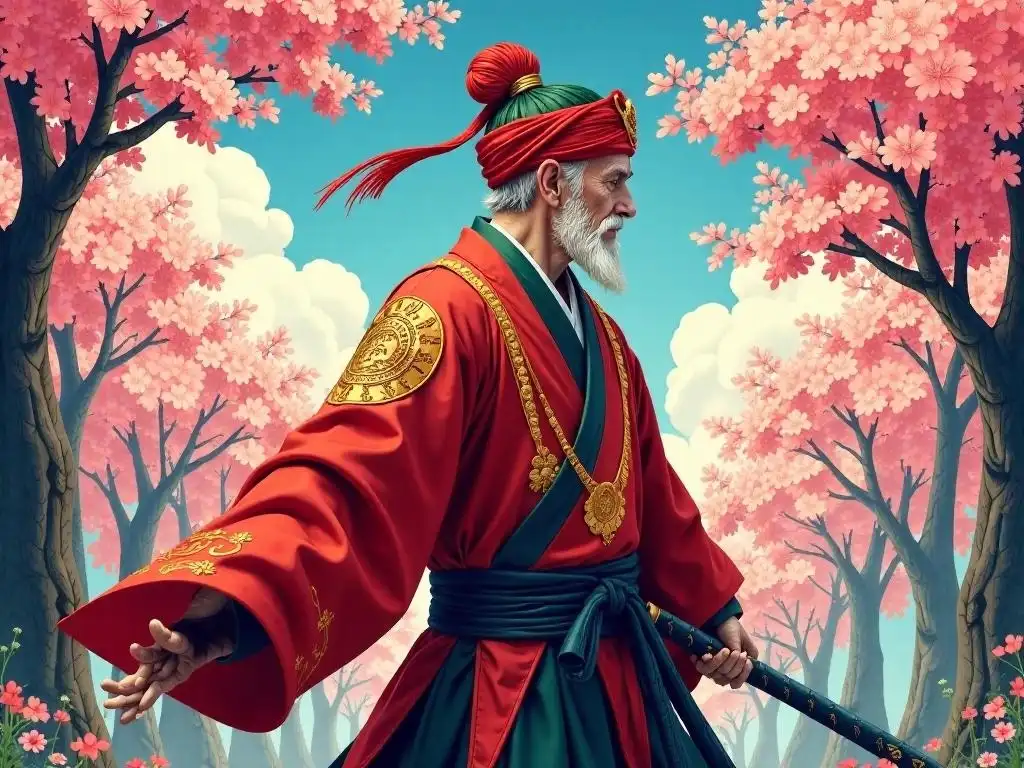
The education and training of samurai were multifaceted and rigorous, aimed at developing not only martial skills but also mental and cultural competencies. Samurai training can be broadly classified into several types, each playing a crucial role in shaping a well-rounded warrior. These training forms included martial arts, literature and philosophy, as well as the arts, all of which contributed to the samurai's identity as a noble warrior and scholar.
Martial Arts Training: The Core Component
At the heart of samurai education was martial arts training, which encompassed various fighting techniques and weaponry skills. This training usually began at a young age, often around six or seven years old, when boys from samurai families would start learning the basics of combat. Key aspects of martial arts training included:
- Kenjutsu: The art of swordsmanship, focusing on techniques with the katana, the samurai's primary weapon.
- Bojutsu: Training with the long staff, teaching distance control and effective striking techniques.
- Naginatajutsu: The use of the naginata, a weapon that combined the features of a polearm and a sword, allowing for versatile combat strategies.
- Iaijutsu: The skill of drawing and cutting with the sword in a single motion, emphasizing speed and precision.
Training was not merely physical; it also involved mental discipline. Samurai were taught to embody virtues such as honor, loyalty, and bravery, which were essential to their role in society. Mastery in martial arts was seen as a reflection of one's character, and samurai were expected to conduct themselves with dignity both in and out of battle.
The Study of Literature and Philosophy
In addition to martial prowess, samurai education included the study of literature and philosophy. This intellectual training was critical in developing a samurai's worldview and ethical framework. Samurai were often educated in classical Chinese texts and Japanese literature, which included poetry, history, and moral texts. Key components of this educational aspect included:
- Confucianism: Emphasizing morality, ethics, and proper conduct in social relationships, which guided samurai in their duties to their lords and society.
- Buddhism: Providing insights into self-discipline, meditation, and the impermanence of life, which helped samurai cope with the realities of warfare and death.
Through literature and philosophy, samurai cultivated a sense of introspection and wisdom, enabling them to reflect on their actions and responsibilities. This blend of martial and intellectual training created a unique warrior class that valued both strength and knowledge.
The Importance of Calligraphy and the Arts
The samurai's education also extended to the arts, with calligraphy being a significant aspect. Mastery of calligraphy was not just an aesthetic pursuit; it was seen as a reflection of one's character and discipline. Samurai believed that the way one wrote could convey their inner strength and virtue. Key points regarding the arts in samurai education include:
- Aesthetic Sensibility: Samurai were expected to appreciate and engage in various art forms, including painting, poetry, and tea ceremonies, which fostered a refined cultural identity.
- Cultural Literacy: Proficiency in the arts allowed samurai to connect with other social classes, enhancing their status and influence within society.
Engagement in the arts provided a balance to the often brutal life of a warrior, helping samurai to express their emotions and thoughts through creative outlets. This holistic approach to education ensured that samurai were not only skilled fighters but also cultured individuals.
Educational Institutions for Samurai
The formal education of samurai took place in specialized institutions known as hankō, or samurai schools. These schools were essential for imparting both martial training and academic knowledge, creating a structured environment for samurai youth to develop their skills.
The Role of Samurai Schools (Hankō)
Samurai schools served as central hubs for education, where young samurai would receive training from experienced instructors. The curriculum typically included martial arts, strategy, literature, and philosophy. The schools were often affiliated with powerful clans or prominent samurai families, providing a sense of prestige and lineage. Key functions of these schools included:
- Training Facilities: Equipped with dojos for martial arts practice and classrooms for academic studies.
- Mentorship: Students learned directly from skilled samurai, fostering a teacher-student relationship that emphasized respect and discipline.
- Community Building: Samurai schools created a network of relationships among students from different regions, promoting camaraderie and shared values.
These institutions played a fundamental role in preserving and transmitting samurai culture and ideology across generations, ensuring that the legacy of the samurai continued.
Notable Samurai Educators and Their Contributions
Throughout history, several samurai educators made significant contributions to the training and development of samurai. These figures were often renowned for their expertise in martial arts and philosophy, shaping the educational landscape for future generations. Some notable educators include:
- Miyamoto Musashi: A legendary swordsman and author of "The Book of Five Rings," Musashi emphasized the importance of strategy and adaptability in combat.
- Yagyu Munenori: A prominent swordsman and instructor to the Tokugawa shogunate, he contributed to the development of the Yagyu Shinkage-ryu school of swordsmanship, focusing on the mental aspects of combat.
- Oda Nobunaga: Though primarily known as a warlord, Nobunaga’s patronage of educational institutions helped elevate the status of samurai education during his reign.
These educators not only imparted martial skills but also instilled ethical values and philosophies that defined the samurai way of life.
Comparison of Samurai Schools Across Different Regions
The structure and curriculum of samurai schools varied significantly across different regions of Japan, influenced by local customs, political dynamics, and the philosophies of the time. Here are some key differences:
- Kanto Region: Schools in this area, such as the Yagyu school, often emphasized swordsmanship and strategy, reflecting the militaristic culture of the region.
- Kansai Region: Institutions like the Shinto Muso-ryu focused more on the integration of martial arts with spiritual and philosophical teachings, highlighting the importance of balance in life.
- Northern Japan: Samurai schools in this region often incorporated survival skills and tactics suitable for the rough terrain, emphasizing adaptation to local conditions.
This regional diversity in samurai education contributed to a rich tapestry of martial traditions and philosophies across Japan, showcasing the adaptability and complexity of the samurai as both warriors and scholars.
The Evolution of Samurai Education Through the Eras
The education and training of samurai have undergone significant transformations throughout Japan's feudal era. Initially, samurai education was heavily focused on martial skills, emphasizing physical prowess and combat techniques necessary for warfare. However, as the societal structure evolved, so too did the educational pathways available to samurai.
During the Heian period (794-1185), samurai began to adopt cultural and intellectual pursuits alongside their martial training. This era saw the integration of Confucian ideals, which emphasized moral integrity and the importance of education. As a result, samurai were encouraged to study literature, philosophy, and ethics, laying the groundwork for a more holistic education.
By the Kamakura period (1185-1333), the educational focus shifted again with the rise of the warrior class. The need for tactical knowledge and strategic planning in warfare became paramount. Samurai schools, known as kenjutsu dojos, were established, where young warriors learned not only swordsmanship but also the principles of leadership and governance.
The Muromachi period (1336-1573) brought further refinement, with the establishment of formalized training methods and curricula. The bushi class began to value scholarly pursuits as much as martial prowess, leading to the emergence of samurai as not just fighters but also as scholars and administrators.
Edo Period: Changes in Samurai Education
The Edo period (1603-1868) marked a significant shift in samurai education due to the relative peace established during the Tokugawa shogunate. With the absence of constant warfare, the focus of samurai education transitioned from combat training to scholarly and administrative skills.
Samurai were encouraged to engage in the study of Confucianism, which became the dominant ideology of the time. This led to the establishment of han schools, which provided education not only to samurai but also to commoners, fostering a new intellectual class. The curriculum included literature, history, and ethics, aiming to cultivate virtuous leaders who could govern effectively.
Moreover, practical skills such as calligraphy, poetry, and tea ceremony became integral components of samurai education. The samurai's ability to engage in cultural pursuits was seen as a reflection of their character and status. This era laid the groundwork for the samurai’s role as cultural custodians, ensuring that the values of loyalty, honor, and duty were preserved and propagated.
The Impact of Western Influence on Samurai Training
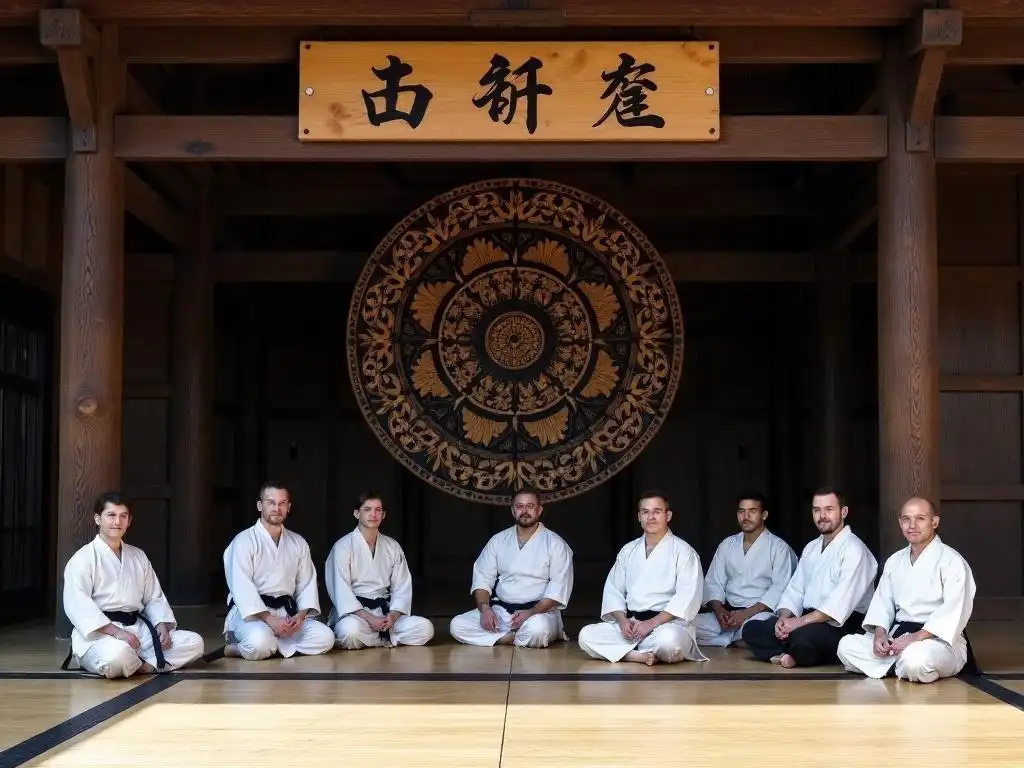
With the arrival of Western powers in the mid-19th century, Japanese society, including samurai education, faced unprecedented changes. The Meiji Restoration (1868) marked a turning point, as Japan sought to modernize and adopt Western practices across various domains, including military training.
Samurai training underwent a transformation as Western military techniques and technologies were introduced. The emphasis shifted from traditional sword fighting to modern warfare strategies, firearms, and military tactics. Samurai were encouraged to study Western sciences, engineering, and military history, fundamentally altering their educational framework.
This period also saw the dismantling of the feudal class system, leading to the decline of the samurai's traditional roles. As Japan transitioned into a modern state, the samurai were absorbed into the new military and educational systems, paving the way for a more egalitarian approach to education that included all social classes.
The Societal Impact of Samurai Education
The education of samurai had profound implications for Japanese society, shaping not only the samurai class but also the broader cultural landscape. As samurai moved beyond mere warriors, they became integral to the administration and governance of Japan, influencing societal norms and values.
The Samurai’s Role as Educators in Society
Samurai often took on roles as educators within their communities, teaching not only martial skills but also Confucian principles and ethics. Through their involvement in local governance and community affairs, they imparted values of loyalty, duty, and honor, which became central to the Japanese ethos. This role as educators reinforced their status and allowed them to maintain influence even as Japan modernized.
Additionally, samurai-established schools and academies contributed to the spread of literacy and philosophical thought among the populace. Their commitment to education fostered a culture that valued knowledge and personal development, which resonated through generations.
How Samurai Education Shaped Japanese Culture
The educational pathways of samurai significantly influenced Japanese culture, embedding principles of discipline, respect, and perseverance in the national consciousness. The emphasis on lifelong learning and mastery of one's craft became a hallmark of Japanese society, transcending the samurai class.
Furthermore, the samurai's engagement with arts such as poetry, tea ceremonies, and martial arts contributed to the rich tapestry of Japanese cultural heritage. These practices were not merely hobbies but were seen as essential to the samurai's identity, promoting a balance between martial prowess and cultural refinement.
The Legacy of Samurai Training in Contemporary Japan
The legacy of samurai education continues to resonate in contemporary Japan, where the values instilled during the feudal era are still visible in modern society. Concepts such as bushido, the way of the warrior, emphasize honor, loyalty, and self-discipline, which are celebrated in various aspects of Japanese life today.
Moreover, the traditional arts and martial disciplines that evolved from samurai training remain popular, serving as a bridge between Japan's past and present. Practices such as kendo, judo, and ikebana are not only sports but also embody the philosophical teachings of the samurai, promoting mental and physical well-being.
In essence, the educational pathways of samurai have left an indelible mark on Japan, shaping its cultural identity and societal values that persist in modern times.
Challenges and Critiques of Samurai Education
While the education and training of samurai were pivotal to their development and success, they were not without challenges and critiques. The samurai education system, deeply intertwined with the rigid social structure of feudal Japan, faced various limitations that hindered the full realization of its potential. Critics often pointed to the narrow focus of samurai education, which prioritized martial skills and Confucian ideals over practical knowledge and broader intellectual pursuits.
This emphasis could lead to a lack of adaptability in a rapidly changing society, contributing to the eventual decline of the samurai class. Moreover, the historical context of this education system reveals significant disparities in access and opportunity among different classes, raising questions about the equity of the educational framework within the samurai society.
The Rigid Class System and Educational Access
The feudal hierarchy of Japan fundamentally shaped the educational landscape for samurai. Education was predominantly reserved for the warrior class, with peasants and lower classes having limited or no access to formal training. This exclusivity meant that while samurai received rigorous training in martial arts, strategy, and philosophy, the majority of the population lacked educational opportunities.
The rigid class system not only perpetuated social inequality but also stifled the potential for a more diverse intellectual exchange. For example, while some samurai were educated in the arts and literature, many were confined to the expectations of their immediate roles as warriors, with little room for personal growth or exploration of broader fields of knowledge.
Feminine Education in the Samurai Class
Feminine education within the samurai class presented its own unique challenges and nuances. Although samurai women were often expected to uphold the household and maintain family honor, their education was typically neglected compared to their male counterparts. However, many samurai families recognized the importance of educating their daughters, particularly in skills such as calligraphy, poetry, and the arts.
Some women were taught martial arts and strategy, especially in families that valued the preservation of their lineage. Despite this, the opportunities for women remained limited, and their education was often overshadowed by societal expectations regarding their roles as wives and mothers. The legacy of these educational disparities continues to spark discussions regarding the roles of women in samurai history.
The Decline of Samurai Education Post-1868
The Meiji Restoration of 1868 marked a significant turning point for samurai education, leading to its decline as the new government sought to modernize Japan and dismantle the feudal system. The abolition of the samurai class and the subsequent reforms in the education system shifted the focus from martial and classical training to more practical and industrial education.
This transformation meant that traditional samurai values and teachings were increasingly marginalized, leading to the loss of many educational practices that had defined the samurai identity for centuries. As Japan embraced Western-style education, the once-prevalent samurai training methods were relegated to history, giving rise to a new era of learning that prioritized science, technology, and civic education.
Conclusion: The Lasting Influence of Samurai Education and Training History
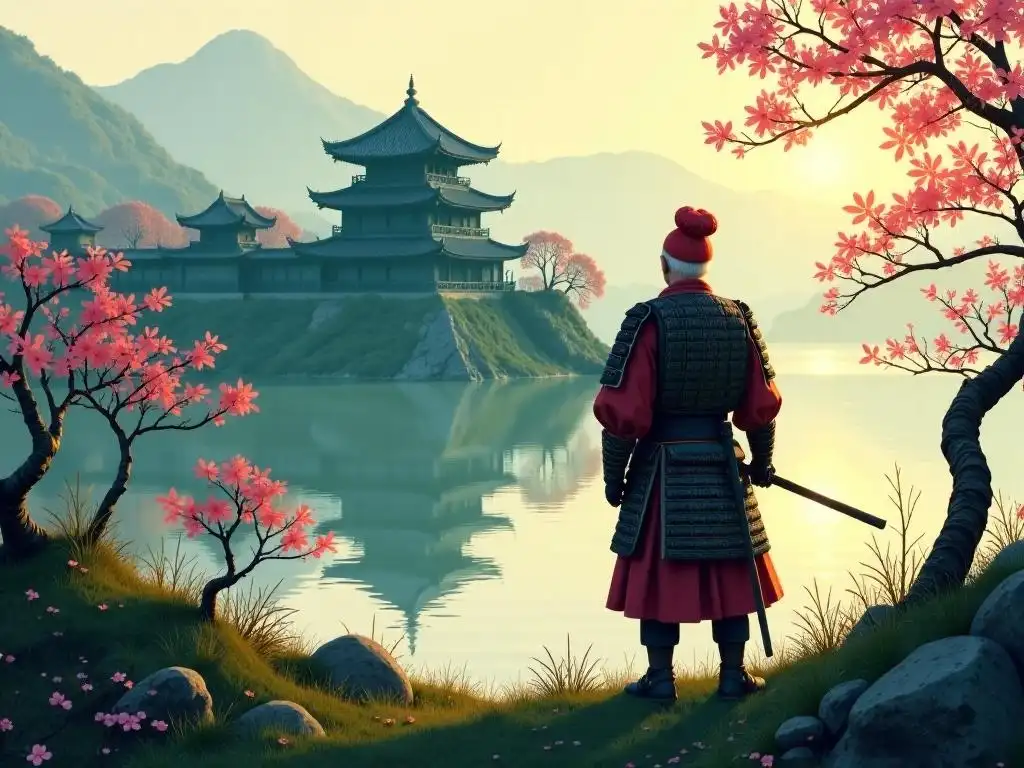
The historical pathways of samurai education and training have left an indelible mark not only on Japan's cultural heritage but also on contemporary educational practices. The samurai's unique blend of martial skill, ethical training, and philosophical study reflects a holistic approach to education that emphasized the cultivation of character alongside knowledge. The rigorous discipline instilled through samurai training can still be observed in modern martial arts and educational philosophies. Understanding the complexities and critiques surrounding samurai education offers valuable insights into the evolution of educational systems and the cultural significance of this warrior class.
Reflection on the Samurai’s Educational Legacy
Reflecting on the educational legacy of the samurai reveals a dual narrative of honor and rigidity. While their training produced exemplary warriors and leaders, it also highlighted the limitations imposed by the class system and gender roles. The integration of martial discipline with philosophical inquiry serves as a reminder of the importance of a well-rounded education. Today, the samurai's legacy can inspire modern educational frameworks to embrace character development and ethical considerations alongside academic achievements, fostering a more holistic approach to learning.
Future Research Directions in Samurai Educational Studies
Future research in samurai educational studies should aim to deepen our understanding of the nuances within samurai education, particularly concerning access and gender disparities. Exploring the intersection of samurai education with broader societal changes during the Edo period and beyond could yield rich insights into the evolution of Japanese culture.
Additionally, examining lesser-known educational practices and regional variations within samurai families may provide a more comprehensive view of this complex subject. Interdisciplinary approaches that incorporate history, sociology, and gender studies could further enrich the discourse on the educational pathways of the samurai, ensuring that this integral aspect of Japan's feudal history continues to be explored and understood.
References and Further Reading
To deepen your understanding of samurai education and training history, a variety of resources are available, ranging from insightful books to scholarly articles. These materials will provide you with a well-rounded perspective on the educational pathways that shaped the lives of samurai during Japan's feudal era.
Suggested Books on Samurai Education and Training
-
"Hagakure: The Book of the Samurai" by Yamamoto Tsunetomo
This classic text offers a glimpse into the samurai mindset, emphasizing the importance of education and moral training in a samurai's life.
-
"Samurai: The Last Warrior" by John Man
This book explores the decline of the samurai and discusses the educational influences that shaped their values and combat techniques.
-
"The Samurai: A Military History" by Stephen Turnbull
A comprehensive overview of samurai military education, tactics, and cultural training that provides context for their societal roles.
-
"The Way of the Samurai: 21st Century Edition" by A. A. Shimizu
This modern reinterpretation discusses traditional samurai education and its relevance in contemporary society.
-
"Bushido: The Soul of Japan" by Inazo Nitobe
An exploration of the ethical and educational foundations of bushido, the way of the samurai, highlighting its historical significance.
Academic Articles on Feudal Japan's Educational Systems
-
"The Role of Education in the Samurai Class"
This article discusses the formal and informal educational practices among samurai, emphasizing the integration of martial skills and moral philosophy.
-
"Confucianism and Samurai Education: An Analysis"
A scholarly examination of how Confucian ideals influenced samurai education and the formation of their ethical frameworks.
-
"Rituals of Learning: The Samurai's Path to Mastery"
This piece explores the various rituals and training methodologies that samurai underwent to achieve mastery in their skills.
-
"Feudal Japan: The Education of the Warrior Class"
This research paper provides an in-depth look at the educational institutions that catered to samurai, including their curricula and pedagogical approaches.
-
"The Samurai and the Shogunate: Education and Loyalty"
An analysis of how education shaped the relationship between samurai and their lords, illustrating the complexities of loyalty and duty.
Call to Action
Encouragement to Explore More Articles on Feudal Japan History
If you found this overview of samurai education and training history intriguing, we encourage you to delve deeper into the fascinating world of feudal Japan. Our website features a wealth of articles that cover various aspects of this rich historical period, from governance to cultural practices.
Invitation to Engage with the Topic Through Comments or Discussions
We invite you to share your thoughts and insights on samurai education and its impact on Japanese society. Join the conversation in the comments section below or participate in discussions with fellow history enthusiasts. Your perspectives are valuable, and engaging with others can enhance your understanding of this captivating topic!
- Introduction to Samurai Education and Training History
- Overview of the Samurai Role in Feudal Japan
- Importance of Education in Samurai Culture
- The Foundations of Samurai Education
- Types of Samurai Training
- Educational Institutions for Samurai
- The Evolution of Samurai Education Through the Eras
- Edo Period: Changes in Samurai Education
- The Impact of Western Influence on Samurai Training
- The Societal Impact of Samurai Education
- Challenges and Critiques of Samurai Education
- Conclusion: The Lasting Influence of Samurai Education and Training History
- References and Further Reading
- Call to Action
Frequently Asked Questions
What were the primary elements of Samurai education?
Samurai education focused on martial arts, strategy, and confucian ethics. This holistic approach aimed to develop both physical and moral strengths.
How did training differ between various classes of Samurai?
While all Samurai underwent rigorous combat training, higher-ranking Samurai often received additional education in literature and philosophy, reflecting their noble status.
What role did mentorship play in Samurai education?
Mentorship was crucial, as experienced Samurai often guided younger warriors through practical training and moral instruction, emphasizing the importance of loyalty and honor.
Were there any formal institutions for Samurai training?
Yes, there were dojo and various schools dedicated to Samurai training, where warriors learned not only combat skills but also cultural and philosophical teachings necessary for their role in society.
How has the perception of Samurai education evolved over time?
Historically viewed as a practical necessity, Samurai education is now seen as a cultural legacy, highlighting the significance of discipline, knowledge, and values in shaping Japanese history.
Final Reflection: Embracing the Legacy of Samurai Education
**The journey of a samurai is not just a tale of warriors; it embodies the essence of education and discipline that resonates profoundly in our modern world. As we explore the intricate pathways of samurai training, we uncover timeless principles that continue to shape our understanding of personal growth, resilience, and the pursuit of excellence. The legacy of samurai education serves as a powerful reminder that the lessons learned in the past are not confined to history but are vital in navigating the complexities of contemporary life.
Culture and society are ever-evolving, yet the foundational values instilled by samurai education—honor, respect, and perseverance—remain relevant today. The influence of these principles can be seen in various aspects of our lives, from martial arts to leadership training, and even in educational philosophies that prioritize character development alongside academic achievement. The ultimate aim of the samurai is not to be a warrior, but to be a person of virtue.
This quote encapsulates the enduring impact of samurai teachings, urging us to reflect on how we can integrate these values into our daily lives and interactions.
As we conclude this exploration of samurai education and training history, I invite you to reflect on your own journey. How can the principles of honor, discipline, and continuous learning inspire your personal and professional growth? Embrace the spirit of the samurai by committing to lifelong education and self-improvement. Let the legacy of these warriors guide you in your quest for knowledge, resilience, and ethical living, ensuring that the lessons of the past illuminate the path to a brighter future.
Embark on Your Own Samurai Journey Today!
Thank you for exploring the fascinating educational pathways of samurai warriors with us! We hope you’ve discovered the richness of their training and the dedication that defined their path. Now, let’s turn inspiration into action!
- Dive deeper into the world of samurai by reading books or watching documentaries about the history of Feudal Japan.
- Share your insights about how samurai education compares to modern learning methods with friends or on social media!
- Consider joining or starting a discussion group that focuses on the cultural practices of Feudal Japan for an even richer understanding.
What aspect of the samurai's educational journey resonates most with you, and how will it influence your own personal development?