
Discover the Allure of Ryokan: A Journey Through Traditional Japanese Inns

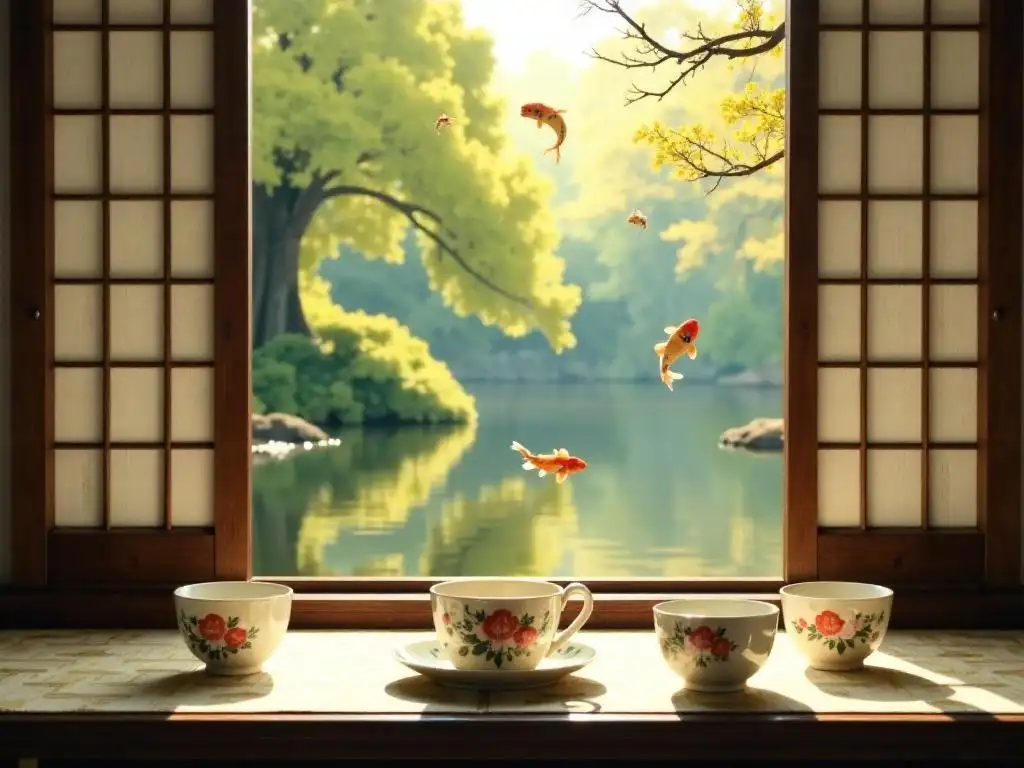
Welcome to Feudal Japan History, where we invite you on a captivating journey through the rich tapestry of Japan's feudal era. Immerse yourself in the enchanting world of traditional Japanese inns as we unveil the allure of ryokan—a unique travel experience that echoes the elegance and hospitality of a bygone time. Our in-depth articles promise to illuminate the historical, cultural, and societal nuances of this remarkable period. Are you ready to uncover the secrets that lie within these serene sanctuaries? Let’s embark on this exploration together!
Introduction to Traditional Japanese Inns Experience
When one thinks of Japan, images of cherry blossoms, serene temples, and bustling cityscapes often come to mind. However, to truly immerse oneself in the rich tapestry of Japanese culture, one must delve into the experience of staying at a traditional Japanese inn, known as a ryokan. This unique lodging offers more than just a place to sleep; it provides a gateway to Japan's history, hospitality, and the art of living in harmony with nature.
The allure of ryokan lies in their ability to blend the past with the present, offering visitors an authentic experience that reflects the traditional values of omotenashi—the Japanese spirit of hospitality. Guests are invited to enjoy the tranquil ambiance, personalized service, and the chance to savor exquisite kaiseki cuisine, all while surrounded by stunning landscapes. Whether nestled in a bustling city or tucked away in a remote mountain village, each ryokan offers a unique glimpse into Japan's feudal era, making it an essential part of any travel itinerary.
This article will explore the enchanting world of traditional Japanese inns, highlighting their unique features, architectural beauty, and the culinary delights that await guests.
The Unique Features of Traditional Japanese Inns
Ryokan are not merely places to rest; they are a celebration of tradition and cultural heritage. Here are some of the defining characteristics that make a stay at a ryokan a truly unique experience:
- Tatami Mat Flooring: The floors are typically covered with tatami mats, made from rice straw and covered with woven rush grass. This natural material not only provides comfort but also enhances the aesthetic appeal of the space.
- Fusuma and Shōji: Sliding doors made of wood and paper, known as fusuma and shōji, offer flexibility in room arrangement and allow natural light to filter through, creating a serene atmosphere.
- Onsen Access: Many ryokan feature onsen (hot springs), providing guests with the opportunity to relax in natural mineral baths, which are integral to Japanese culture and wellness practices.
Architecture and Design of Ryokan
The architecture and design of ryokan are deeply rooted in Japanese aesthetics, reflecting the principles of simplicity and harmony. These inns often showcase:
- Natural Materials: Wood, stone, and paper are commonly used in construction, emphasizing a connection to nature.
- Zen Gardens: Many ryokan incorporate beautifully landscaped gardens that invite tranquility and contemplation, embodying the essence of Zen philosophy.
- Tatami Rooms: The guest rooms are furnished with futons laid directly on tatami mats, offering a traditional sleeping experience that encourages relaxation and a connection to the earth.
Authentic Japanese Cuisine at Ryokan
Dining at a ryokan is an experience unto itself, centered around the art of kaiseki—a multi-course meal that highlights seasonal ingredients and meticulous presentation. Key features of ryokan cuisine include:
- Seasonal Ingredients: Dishes are crafted using fresh, local produce, ensuring that each meal reflects the flavors of the season.
- Beautiful Presentation: Each course is carefully arranged, often served on traditional Japanese tableware, elevating the dining experience to an art form.
- Cultural Significance: Meals are often accompanied by the stories and traditions that inspired them, deepening the connection between food and culture.
A stay at a ryokan offers an unparalleled opportunity to experience the essence of traditional Japanese culture, making it a must-try for any traveler seeking to enrich their journey through Japan's feudal past.
The Cultural Significance of Staying in a Ryokan
Staying in a ryokan is not merely about having a place to rest; it is an immersive experience that connects guests to Japan's rich cultural heritage. These traditional inns are deeply rooted in the history of hospitality in Japan, reflecting the aesthetic values and philosophies of the country. A ryokan stay often includes the opportunity to partake in traditional customs, such as wearing a yukata (a casual kimono), enjoying a kaiseki meal (a multi-course dinner), and participating in tea ceremonies.
The architectural design of ryokan, with their tatami mat flooring, sliding shoji doors, and serene gardens, creates an atmosphere that encourages relaxation and mindfulness. This architectural style is a manifestation of the Japanese concept of wabi-sabi, which appreciates beauty in imperfection and simplicity. As guests experience the tranquility of their surroundings, they also engage with the spiritual and communal aspects of Japanese culture, fostering a deeper understanding of the nation's values.
Moreover, ryokan often serve as custodians of local traditions, offering visitors a glimpse into the regional customs and crafts. Many inns are located near hot springs, known as onsen, which have been cherished for centuries for their therapeutic properties. Thus, staying in a ryokan is an invitation to explore not only the physical comfort of the inn but also the cultural narratives that shape Japan's identity.
Connection to Nature and the Environment
One of the most captivating aspects of ryokan is their harmonious relationship with nature. Many traditional Japanese inns are situated in scenic locations, often surrounded by mountains, forests, or rivers, allowing guests to immerse themselves in the natural beauty of Japan. This connection to the environment is integral to the ryokan experience, as it emphasizes the importance of nature in Japanese culture.
The design of ryokan often incorporates elements of the surrounding landscape, blurring the boundaries between the indoors and outdoors. Large windows, open-air baths, and meticulously maintained gardens invite guests to appreciate the changing seasons and the serene beauty of their surroundings. For instance, during cherry blossom season, guests may enjoy a meal while overlooking blooming sakura trees, creating an unforgettable atmosphere.
Additionally, many ryokan promote eco-friendly practices, such as using locally-sourced ingredients for meals and implementing sustainable operations. This commitment to the environment not only enhances the guest experience but also honors the cultural belief that nature should be respected and preserved.
Hospitality and Service in Ryokan
The hospitality experienced in a ryokan is often referred to as omotenashi, a Japanese term that encapsulates the spirit of selfless service. This philosophy is deeply embedded in the culture of ryokan and is characterized by an attentive, personalized approach to guest care. Staff members are trained to anticipate the needs of their guests, offering seamless service that makes visitors feel welcome and cherished.
From the moment guests arrive, they are greeted with warm smiles and traditional gestures, such as bowing and offering tea. The experience is designed to be intimate, with staff taking the time to explain the various elements of the ryokan, from the layout of the rooms to the intricacies of the kaiseki meal. This level of attention creates a deep sense of connection and comfort, setting ryokan apart from more conventional accommodations.
Moreover, the rituals of hospitality extend to the dining experience, where meals are often served in the privacy of guests' rooms, allowing them to savor the flavors of seasonal, regional cuisine. This dedication to exceptional service and the creation of a nurturing environment makes staying in a ryokan a unique and memorable experience that embodies the essence of Japanese hospitality.
Types of Ryokan: Finding the Perfect Traditional Japanese Inns Experience
Exploring the different types of ryokan can significantly enhance your experience, as each offers unique features and atmospheres. Whether you seek luxury, budget-friendly options, or themed stays, there is a ryokan that can cater to your preferences and help you enjoy the traditional Japanese inns experience to the fullest.
Luxury Ryokan: An Indulgent Stay
For those looking to indulge, luxury ryokan offer an exceptional level of comfort and sophistication. These inns often feature spacious rooms with private onsen baths, gourmet kaiseki dining prepared by skilled chefs, and stunning views of the surrounding landscape. The interiors are typically adorned with fine art and traditional furnishings, creating an opulent yet understated ambiance.
Guests at luxury ryokan can expect personalized services, such as private dining experiences and tailored itineraries that include local tours and cultural activities. Popular luxury ryokan include Gora Kadan in Hakone and Hoshinoya in Karuizawa, both known for their exquisite accommodations and immersive experiences that elevate the traditional ryokan stay.
Budget-Friendly Ryokan: Affordable Traditional Experiences
Travelers on a budget need not miss out on the ryokan experience, as there are many affordable options available. Budget-friendly ryokan provide comfortable accommodations without compromising on the essence of traditional hospitality. These inns often offer shared baths and simple yet delicious meals made from local ingredients.
Staying in a budget ryokan allows guests to interact with fellow travelers, creating a sense of community and shared experience. Notable budget options include K's House in Kyoto and J-Hoppers in Hiroshima, which not only offer great rates but also provide insights into local culture and attractions.
Themed Ryokan: Unique Cultural Experiences
Themed ryokan present a fascinating opportunity to engage with specific aspects of Japanese culture. These inns may center around unique themes such as historical periods, local folklore, or specific regional practices. Guests can expect to find decor, activities, and dining experiences tailored to the theme, enhancing their immersion in Japanese culture.
For example, some ryokan are designed to replicate the atmosphere of the Edo period, complete with period-appropriate furnishings and costumes. Others may focus on local crafts, offering workshops in pottery, calligraphy, or tea ceremony. Noteworthy themed ryokan include Kinosaki Onsen, known for its hot springs and traditional yukata, and Sawanoya Ryokan in Tokyo, which celebrates the charm of old Tokyo with its vintage decor and warm hospitality.
By exploring the variety of ryokan available, travelers can find the perfect match for their preferences, ensuring an enriching and unforgettable traditional Japanese inns experience.
Best Regions to Experience Traditional Japanese Inns

Japan's rich history and culture are encapsulated within its traditional inns, known as ryokan. Each region offers a unique experience that reflects local customs, cuisine, and the environment. Here are some of the best regions to immerse yourself in the traditional Japanese inns experience:
- Kyoto: Renowned for its classical architecture, historic temples, and beautiful gardens, Kyoto is the epitome of traditional culture in Japan. Staying at a ryokan here allows you to experience the charm of old Japan while being close to iconic sites like Kinkaku-ji and the Arashiyama Bamboo Grove.
- Hakone: Famous for its hot springs (onsen) and breathtaking views of Mount Fuji, Hakone is a perfect destination for relaxation. Many ryokan in this area feature private onsen baths, allowing guests to unwind while enjoying the natural beauty surrounding them.
- Takayama: Nestled in the mountainous Hida region, Takayama offers a glimpse into Japan's feudal past. The town is well-preserved, with traditional wooden houses and a vibrant morning market. Staying in a ryokan here provides an authentic experience of rural Japanese life.
Kyoto: The Heart of Traditional Ryokan Culture
Kyoto stands as the heart of traditional ryokan culture, where every corner whispers tales of the past. The ryokan here are characterized by their tatami-matted rooms, sliding shoji doors, and beautiful gardens. Guests are often welcomed with green tea and seasonal kaiseki meals—an exquisite multi-course dining experience showcasing local ingredients.
In Kyoto, ryokan are not merely places to stay; they are cultural experiences. Many establishments offer traditional yukata (summer kimono) for guests to wear during their stay. Additionally, the proximity to famous shrines and temples makes it easy to explore Kyoto’s rich heritage while enjoying the serene atmosphere of the ryokan.
Hakone: Onsen and Scenic Views
Hakone is a haven for those seeking relaxation and rejuvenation through its numerous onsen. The ryokan in this region often feature indoor and outdoor thermal baths, allowing guests to soak in mineral-rich waters while enjoying stunning views of the surrounding mountains and lakes. This combination of natural beauty and wellness creates a tranquil escape from the hustle and bustle of city life.
Moreover, many ryokan in Hakone offer traditional Japanese dining experiences that highlight seasonal ingredients and regional specialties. The focus on harmony with nature extends to the ryokan's architecture, which often incorporates large windows and open spaces to connect guests with the breathtaking landscape.
Takayama: A Glimpse into Feudal Japan
Takayama offers a unique opportunity to step back in time and experience Japan's feudal era. The ryokan here reflect the architectural styles of the Edo period, providing an authentic backdrop for your stay. Guests can explore the well-preserved streets, visit local sake breweries, and participate in traditional crafts.
Dining in a Takayama ryokan is an experience in itself, featuring locally sourced Hida beef and seasonal vegetables prepared with care. The warm hospitality of the ryokan staff enhances the experience, making it feel like a home away from home. For those interested in history, Takayama is a gateway to understanding the societal structures and lifestyles of feudal Japan.
Tips for Booking Your Traditional Japanese Inns Experience
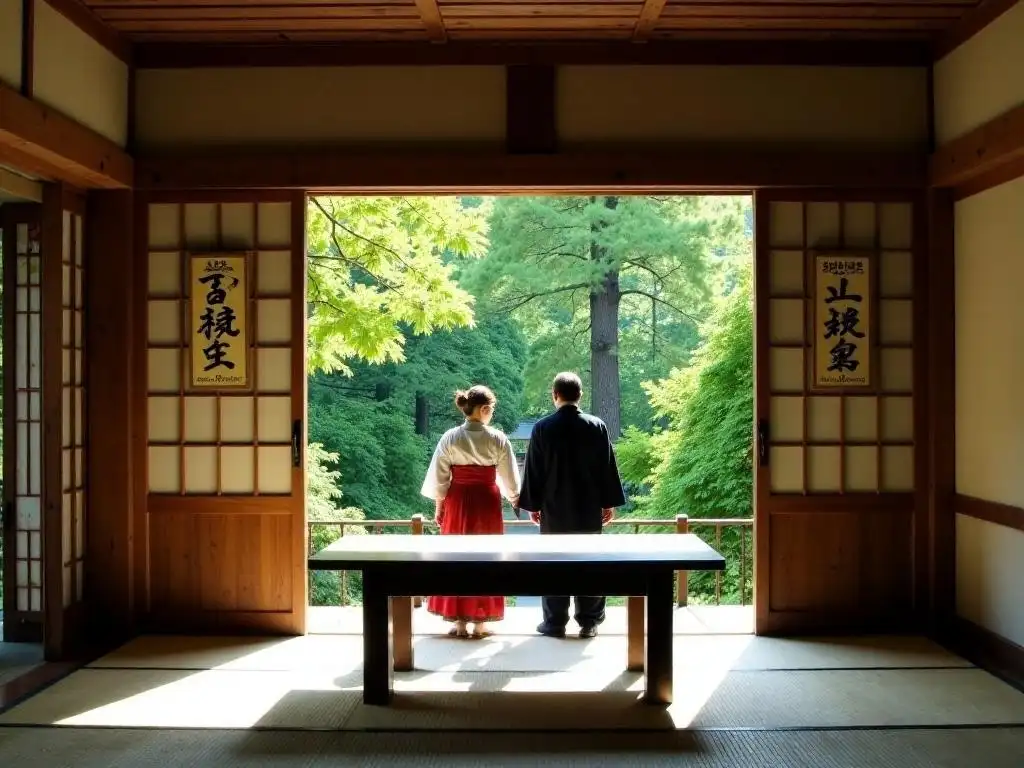
Booking a traditional Japanese inn can be a delightful experience, but there are a few tips to ensure you make the most of it. Consider the following before finalizing your reservation:
When to Visit: Seasonal Considerations
The best time to visit ryokan depends on the experience you seek. Spring (March to May) is ideal for cherry blossoms, offering picturesque views and a festive atmosphere. Autumn (September to November) showcases vibrant foliage, drawing visitors for the stunning colors. Winter (December to February) is perfect for onsen enthusiasts, as soaking in hot springs amid snow-covered landscapes is truly magical. Summer (June to August) can be hot, but it’s also the season for vibrant festivals across Japan.
How to Choose the Right Ryokan
When selecting a ryokan, consider the following factors:
- Location: Do you want a city experience or a rural retreat? Each offers distinct advantages.
- Amenities: Look for onsen facilities, meal options, and room types that suit your preferences.
- Cultural Experiences: Some ryokan offer guided tours, tea ceremonies, or cooking classes, enriching your stay.
- Budget: Ryokan can range from budget-friendly to luxurious. Determine what fits your travel budget while still offering the experience you desire.
By keeping these tips in mind, you can ensure a memorable and enriching experience in a traditional Japanese inn.
Conclusion: Embracing the Allure of Ryokan
The experience of staying in a ryokan is more than just a night’s accommodation; it is an immersion into the rich cultural tapestry of Japan. These traditional Japanese inns offer a unique opportunity to step back in time, embracing the serenity and hospitality that have defined Japanese culture for centuries. From the soothing ambiance of tatami-matted rooms to the tranquil gardens that often surround these establishments, each element of the ryokan is meticulously designed to promote relaxation and reflection.
Staying at a ryokan allows guests to partake in authentic Japanese customs, such as enjoying kaiseki cuisine—an artful multi-course meal that highlights seasonal ingredients and exquisite presentation. The therapeutic onsen baths, typically found in many ryokan, provide a perfect way to unwind after a day of exploration. The harmonious blend of nature, carefully curated interiors, and personalized service creates an unforgettable experience that captures the heart of Japan's feudal past.
As travelers seek meaningful connections in an increasingly fast-paced world, the ryokan experience stands out as an oasis of peace and tradition. Whether you are seeking a romantic getaway, a family vacation, or a solo retreat, embracing the allure of ryokan will lead you to discover the tranquil charm of Japan's heritage.
Additional Resources for Your Journey
To enhance your journey through the world of traditional Japanese inns, consider exploring the following resources. They offer valuable insights, detailed guides, and practical tips to ensure your ryokan experience is enriching and memorable.
Recommended Guides and Books on Ryokan and Japanese Culture
-
"The Book of Ryokan" by John E. Thomas
This comprehensive guide delves into the history and cultural significance of ryokan, offering insights into various styles and practices.
-
"Japanese Inns: Traditional Ryokan and Minpaku" by Kimiko Kato
A beautifully illustrated book that provides an overview of the architecture and interior design of ryokan, along with stories of hospitality.
-
"The Zen of Tea: How to Find Peace and Joy in Every Sip" by David M. Ku
While not exclusively about ryokan, this book explores the traditions of tea in Japan, which are often intertwined with the ryokan experience.
-
"Kaiseki: The Exquisite Cuisine of Japan" by Yoshihiro Murata
This book presents the art of kaiseki dining, providing recipes and cultural context behind this essential aspect of staying at a ryokan.
Online Platforms for Booking Traditional Japanese Inns
-
Booking.com
Offers a wide selection of ryokan across Japan, with user reviews and detailed descriptions to help you choose the perfect stay.
-
Airbnb
Features unique ryokan listings alongside private homes, allowing travelers to find authentic experiences in various locations.
-
Japanican
Specializes in travel accommodations and experiences in Japan, providing various ryokan options for different budgets and preferences.
-
Rakuten Travel
A popular Japanese travel site that offers extensive listings of ryokan, often with exclusive deals and local insights.
-
Hostelworld
Though primarily for budget travelers, some traditional ryokan are listed here, offering a more casual experience of Japanese hospitality.
By utilizing these resources, you can better prepare for your traditional Japanese inns experience, ensuring that your journey through the enchanting world of ryokan is as enriching as it is memorable.
Call to Action: Plan Your Ryokan Experience Today
Embarking on a journey to experience traditional Japanese inns, or ryokan, offers a unique glimpse into Japan's rich cultural heritage. These inns are not merely places to stay; they provide an immersive experience, marrying hospitality with history. The warm tatami mat floors, serene gardens, and exquisite kaiseki meals create an atmosphere that is both calming and rejuvenating.
Why Experience a Ryokan?
Choosing to stay at a ryokan allows you to:
- Connect with Nature: Many ryokan are situated in picturesque locations, surrounded by mountains, rivers, or coastal views, allowing you to appreciate Japan's stunning natural landscapes.
- Experience Authentic Culture: From the moment you arrive, you’ll be greeted with traditional Japanese customs, including the ceremonial tea service and the opportunity to wear yukata, a casual summer kimono.
- Savor Exquisite Cuisine: Ryokan often feature kaiseki dining, a multi-course meal that highlights seasonal ingredients and local flavors, providing a culinary adventure that showcases the artistry of Japanese cooking.
Tips for Planning Your Stay
To ensure a memorable ryokan experience, consider the following tips:
- Research Locations: Some ryokan are famous for their onsen (hot springs), while others may be in bustling city areas or tranquil countryside settings. Decide what kind of atmosphere you prefer.
- Book in Advance: Popular ryokan can fill up quickly, especially during peak seasons. Planning ahead will allow you to secure your desired accommodations.
- Be Open to New Experiences: Embrace the ryokan's customs and practices, such as communal baths or minimalist living spaces. This openness will enhance your experience and connection to Japanese culture.
Start Your Journey
Take the first step towards an unforgettable journey by planning your stay at a traditional Japanese inn. Whether you seek relaxation in a tranquil setting or wish to delve into the rich history of Japan, a ryokan stay promises an experience like no other.
Don't wait! Explore your options, gather your travel companions, and prepare to immerse yourself in the beauty and tranquility of ryokan hospitality. Your adventure into the heart of Japan's feudal past awaits!
- Introduction to Traditional Japanese Inns Experience
- The Unique Features of Traditional Japanese Inns
- The Cultural Significance of Staying in a Ryokan
- Types of Ryokan: Finding the Perfect Traditional Japanese Inns Experience
- Best Regions to Experience Traditional Japanese Inns
- Kyoto: The Heart of Traditional Ryokan Culture
- Hakone: Onsen and Scenic Views
- Takayama: A Glimpse into Feudal Japan
- Tips for Booking Your Traditional Japanese Inns Experience
- Conclusion: Embracing the Allure of Ryokan
- Additional Resources for Your Journey
- Call to Action: Plan Your Ryokan Experience Today
Frequently Asked Questions
What is a Ryokan?
A Ryokan is a traditional Japanese inn that provides guests with an opportunity to experience Japanese hospitality and culture through its unique architecture and services.
What amenities can I expect at a Ryokan?
Most Ryokan feature tatami-matted rooms, onsen (hot springs), and often serve kaiseki meals, offering a complete immersion into traditional Japanese lifestyle.
How does a stay at a Ryokan differ from a regular hotel?
Staying at a Ryokan emphasizes cultural experiences, such as wearing a yukata, enjoying seasonal meals, and relaxing in communal baths, which differ significantly from typical hotel experiences.
Are Ryokan stays suitable for families?
Yes, many Ryokan cater to families, providing family rooms and options for child-friendly meals, making it a great way to introduce children to Japanese culture.
What should I wear during my stay at a Ryokan?
Guests are often encouraged to wear a yukata, a casual kimono-like garment, which is provided by the Ryokan and enhances the overall traditional Japanese experience.
Final Reflection: Embracing the Serenity of Traditional Japanese Inns
The allure of traditional Japanese inns, or ryokan, resonates deeply in our fast-paced modern world, where the quest for tranquility and authenticity is more relevant than ever. As we navigate the complexities of contemporary life, the serene experience offered by ryokan provides a much-needed respite, reminding us of the beauty in simplicity and the importance of connecting with nature and culture. This journey through traditional Japanese inns invites us to slow down, reflect, and appreciate the art of hospitality that has been cherished for centuries.
Cultural experiences like those found in ryokan not only enrich our understanding of Japan's heritage but also foster a sense of mindfulness and appreciation for the present moment. The rituals of a ryokan stay, from the meticulous preparation of kaiseki meals to the calming soak in an onsen, encourage us to engage with our surroundings and ourselves in a more profound way.
As the renowned Japanese author Junichiro Tanizaki once said, “There is beauty in the fleeting nature of things.” > This sentiment captures the essence of the ryokan experience, where every moment is an opportunity to savor the delicate balance of tradition and tranquility.
As you contemplate your own journey, I invite you to consider how the lessons learned from the ryokan experience can be woven into your daily life. Take a moment to pause, reflect, and seek out the beauty in simplicity, whether through a quiet evening at home or a mindful walk in nature.
By embracing the values of hospitality, mindfulness, and appreciation for our surroundings, we can cultivate a life that honors the essence of the ryokan, enriching our own experiences and those of others around us. Let the allure of traditional Japanese inns inspire you to create your own sanctuary of peace and connection in a world that often feels chaotic.
Unveil the Magic of Ryokan: Your Next Steps Await!
Thank you for exploring the enchanting world of Ryokan with us! We hope you found inspiration in the rich traditions and unique experiences they offer. Now, it’s time to dive deeper into this remarkable journey and bring a piece of Japan's heritage into your life.
Here are some exciting actions you can take right now:
- Plan your stay at a Ryokan! Research and book a traditional inn for your next travel adventure to immerse yourself in an authentic Japanese experience.
- Explore local Ryokan in your area and consider a staycation to enjoy the serene atmosphere without traveling far.
- Join an online community focused on Japanese culture to share your experiences and learn from others who have ventured into the world of Ryokan.
Which aspect of Ryokan culture fascinates you the most, and how do you plan to incorporate it into your next journey? We’d love to hear your thoughts!