
From Samurai to Sojourners: The Evolution of Traditional Inns in Japan

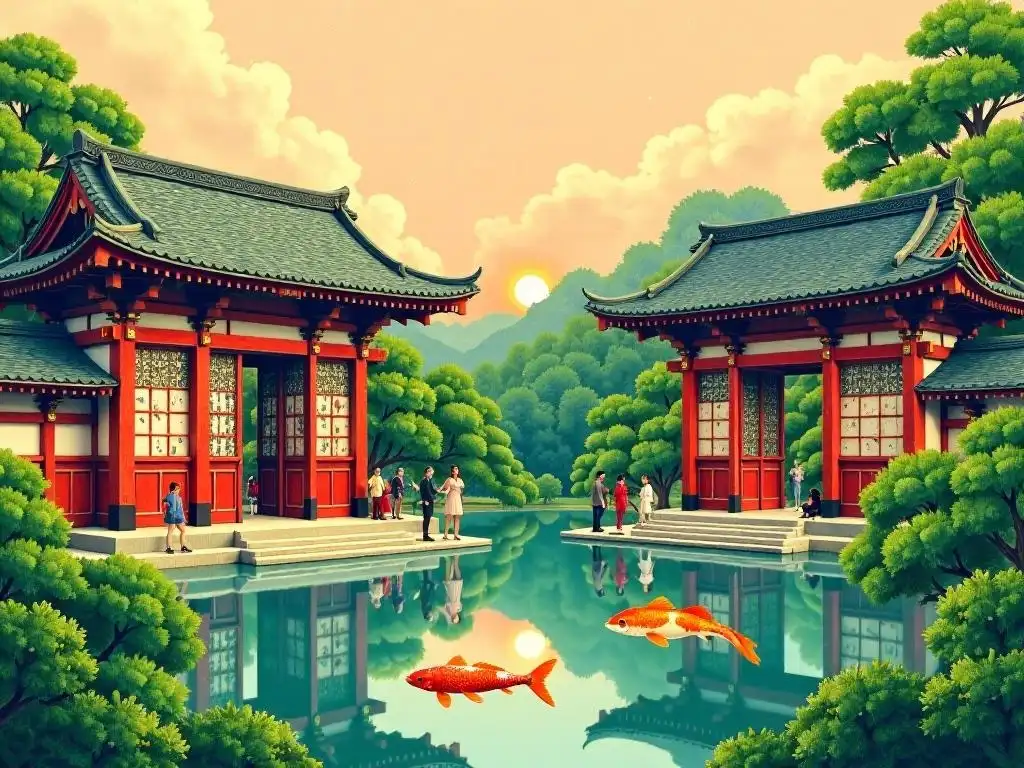
Welcome to Feudal Japan History, where the echoes of a bygone era resonate through every article. Dive into our latest exploration, "From Samurai to Sojourners: The Evolution of Traditional Inns in Japan," and uncover the captivating history of traditional Japanese inns. How did these humble lodgings transform from shelters for wandering samurai to cherished retreats for modern travelers? Join us on this journey through time as we unravel the stories that shaped Japan's travel and tourism landscape. Your adventure awaits—let's embark on this fascinating exploration together!
- Introduction to Traditional Japanese Inns History
- The Origins of Traditional Japanese Inns
- The Evolution of Ryokan through the Ages
- Architectural Features of Traditional Japanese Inns
- Cultural Practices and Traditions Associated with Ryokan
- The Decline and Revival of Traditional Japanese Inns
- The Future of Traditional Japanese Inns
- Conclusion: The Enduring Legacy of Traditional Japanese Inns
- Frequently Asked Questions
- Final Reflection: The Timeless Journey of Traditional Japanese Inns
- Embrace the Journey: Explore Japan’s Inn Culture!
Introduction to Traditional Japanese Inns History
The history of traditional Japanese inns, known as ryokan, is a fascinating journey that intertwines with Japan’s cultural, social, and economic evolution over centuries. These inns are not merely places to stay; they embody the essence of Japanese hospitality, offering an immersive experience into the country's rich traditions and customs. From the serene tatami mat flooring to the lavish kaiseki meals served, ryokan provide a unique glimpse into the heart of Japanese culture.
As we explore the traditional Japanese inns history, we will uncover how these establishments have evolved alongside Japan's societal changes, reflecting the values and lifestyles of different eras. This exploration will illuminate the significant role that ryokan play not only in tourism but also in preserving Japan's historical fabric.
Understanding the Significance of Ryokan in Japan's Cultural Heritage
Ryokan hold a special place in Japan’s cultural heritage, serving as a bridge between the past and present. Traditionally, these inns were favored by travelers seeking rest and respite, particularly during the Edo period (1603-1868). Their architecture and layout are designed to promote harmony with nature, often featuring sliding doors, tatami mat rooms, and communal baths sourced from natural hot springs (onsen).
- Cultural Elements of Ryokan:
- Hospitality: The concept of omotenashi, which means selfless hospitality, is central to the ryokan experience.
- Traditional Cuisine: Guests are often treated to kaiseki, a multi-course meal showcasing seasonal ingredients.
- Aesthetic Spaces: Ryokan are designed to reflect the beauty of nature, with gardens and views that change with the seasons.
The significance of ryokan extends beyond mere accommodation; they are cultural sanctuaries that provide travelers with an authentic experience of Japan’s traditions and lifestyle. Many ryokan maintain long-standing practices, such as the art of tea ceremony and the wearing of yukata, a casual summer kimono, which further enrich the guest experience.
Overview of the Evolution of Traditional Inns in Japan
The evolution of traditional inns in Japan can be traced back to the Nara period (710-794), when the first forms of accommodation began to appear. Initially, these facilities catered to pilgrims and travelers along important routes, such as the Nakasendo and Tokaido, which connected major cities.
- Key Historical Milestones:
- Edo Period (1603-1868): The flourishing of trade and travel led to an increase in the number of ryokan, particularly in hot spring areas.
- Meiji Restoration (1868): Western influences began to reshape the hospitality industry, introducing new styles and services.
- Post-War Era: The rise of modern tourism saw the transformation of ryokan to appeal to a broader audience, blending traditional elements with contemporary amenities.
Throughout these periods, traditional inns have adapted to changing societal needs while maintaining their core values of hospitality and cultural heritage. Today, ryokan continue to thrive, attracting both domestic and international travelers eager to experience the timeless charm of Japan’s past. As the landscape of travel and tourism evolves, these inns remain a testament to the enduring legacy of Japanese traditions.
The Origins of Traditional Japanese Inns
Historical Context: The Birth of Ryokan during the Heian Period
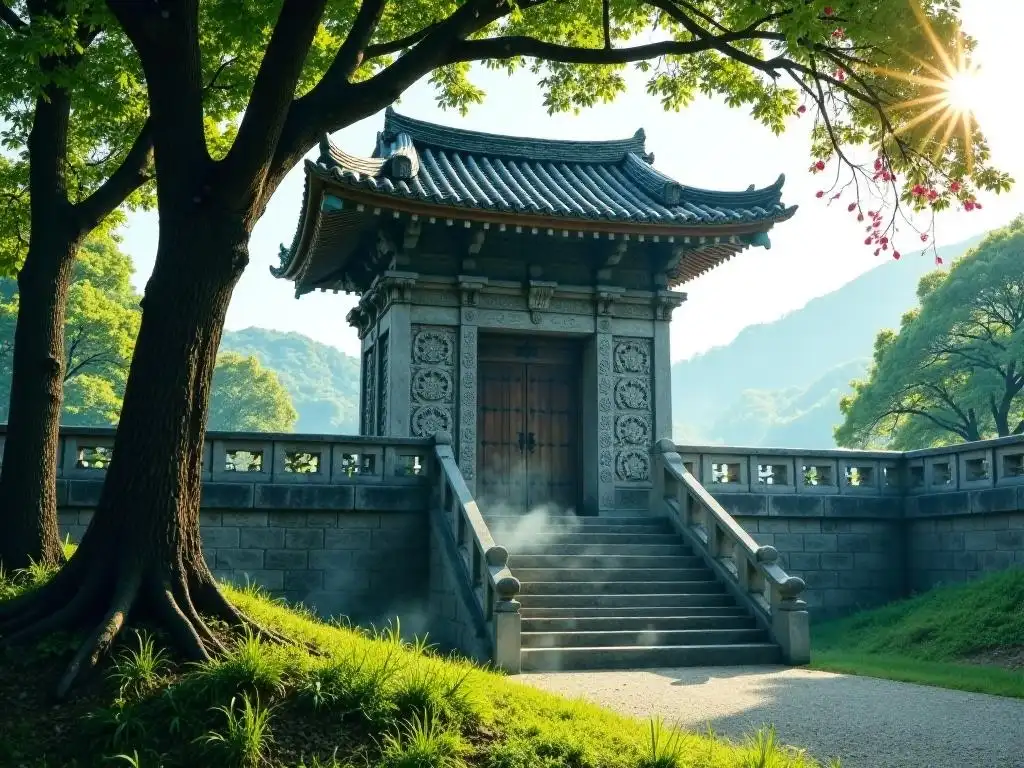
The concept of traditional Japanese inns, known as ryokan, has its roots deeply embedded in the Heian period (794-1185). During this era, as Japan transitioned into a more court-centered society, travel became more prevalent among the aristocracy and nobility. The Heian period is characterized by a flourishing of culture and the arts, which played a significant role in shaping the early forms of ryokan.
Initially, ryokan were simple lodgings that catered mainly to travelers on official business or pilgrimage. These early inns were often located near important temples or shrines, providing a place for weary pilgrims to rest. The architecture of these establishments was influenced by the shinden-zukuri style, featuring wooden structures with tatami mat flooring and sliding screens (fusuma), creating a serene and harmonious environment that was in line with the aesthetic values of the time.
Key Points of the Heian Period Influence:
- Cultural Exchange: Ryokan became sites of cultural exchange, where travelers could share stories and experiences, fostering a sense of community.
- Religious Significance: Many ryokan were affiliated with Buddhist temples, offering not just lodging but also spiritual guidance and practices.
- Early Amenities: Simple meals made from local ingredients were provided, reflecting the seasonal changes and regional specialties.
The Role of Samurai and Nobility in Shaping Inn Culture
As Japan transitioned into the Kamakura (1185-1333) and Muromachi (1336-1573) periods, the role of samurai and nobility in shaping the culture of ryokan became more pronounced. With the rise of the samurai class, travel for military and political purposes increased, leading to the establishment of more sophisticated inns.
Samurai and nobles often required accommodations that not only provided rest but also reflected their status. This demand led to enhancements in the offerings of ryokan, including:
- Refined Cuisine: Ryokan began to offer elaborate kaiseki meals, a multi-course dining experience that showcased seasonal ingredients and intricate presentation.
- Luxury Accommodations: Rooms became larger and more elegantly appointed, often featuring private gardens and views of nature, emphasizing tranquility and beauty.
- Cultural Practices: It was common for guests to engage in traditional activities such as tea ceremonies, poetry readings, and calligraphy, further enriching the cultural atmosphere of these inns.
Early Features of Traditional Japanese Inns
The early features of ryokan were pivotal in defining the essence of traditional Japanese inns. As these establishments evolved, certain characteristics became synonymous with the ryokan experience:
- Tatami Mats: The use of tatami mats for flooring provided a unique aesthetic and comfort, intrinsic to Japanese living spaces.
- Fusuma and Shoji Screens: Sliding doors allowed for flexible room configurations and privacy, essential for both social gatherings and personal reflection.
- Engawa: The incorporation of an engawa, a narrow wooden veranda, provided a seamless transition between indoor and outdoor spaces, allowing guests to enjoy the surrounding nature.
- Onsen: Many ryokan were built near natural hot springs, incorporating onsen (hot spring baths) as a key feature, offering relaxation and therapeutic benefits.
The combination of these elements created a distinctive atmosphere that set ryokan apart from other forms of lodging, establishing a legacy that continues to influence the design and function of traditional inns in modern Japan.
Thus, the evolution of traditional Japanese inns is a fascinating narrative that intertwines with Japan's feudal history, reflecting broader cultural and societal changes while maintaining its unique identity rooted in hospitality and tranquility.
The Evolution of Ryokan through the Ages
The Kamakura and Muromachi Periods: Growth and Development
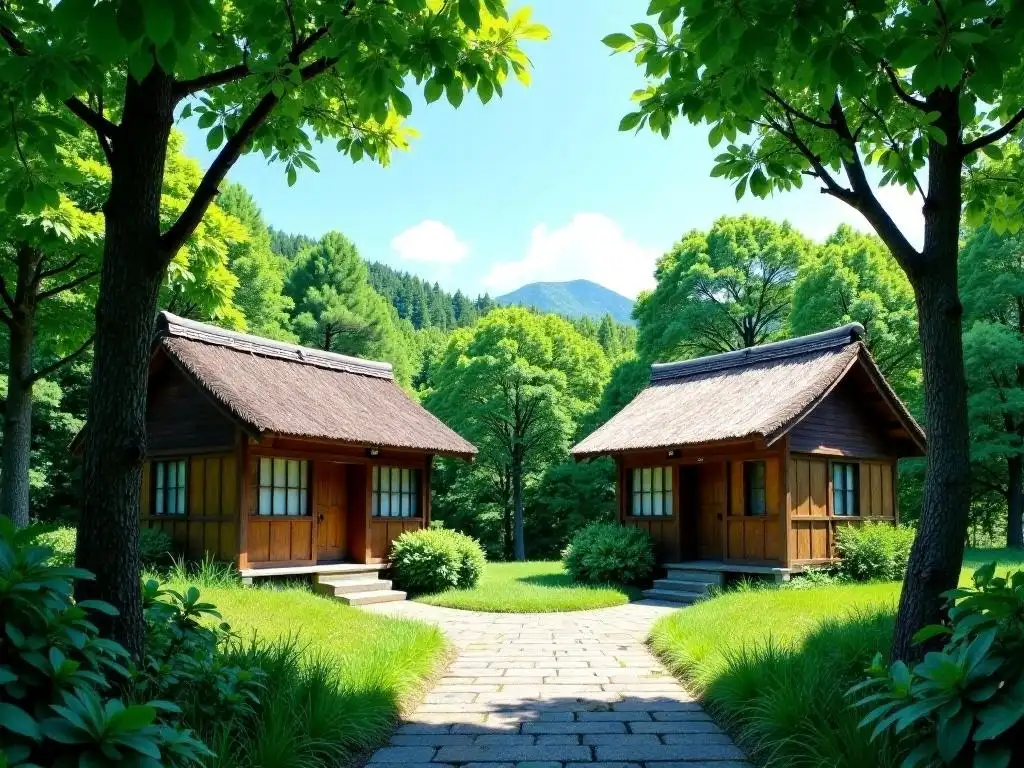
During the Kamakura (1185-1333) and Muromachi (1336-1573) periods, Japan underwent significant transformations that influenced the development of traditional inns, known as ryokan. This era marked the rise of the samurai class and the establishment of the feudal system, which created a need for accommodations catering to warriors and travelers.
-
Feudal System and Travel
The feudal system necessitated travel for samurai and their retainers. As a result, the demand for lodging increased, leading to the emergence of simple inns along trade routes and pilgrimage paths. These inns often provided basic amenities, such as rice and a place to sleep, catering primarily to the needs of weary travelers.
-
Religious Pilgrimages
The influence of Buddhism and Shintoism during this period led to an increase in religious pilgrimages. Many ryokan started to be situated near temples and shrines, offering spiritual travelers a place to rest. These inns became integral to the pilgrimage experience, providing not only a bed but also meals that adhered to the dietary restrictions of religious practices.
-
Architecture and Design
The architecture of ryokan began to reflect the aesthetics of the time, incorporating elements of simplicity and nature. Wooden structures with tatami mats became common, and the concept of a shared communal space emerged, fostering a sense of community among guests. The traditional Japanese garden also began to be integrated into the design, enhancing the serene atmosphere.
The Edo Period: The Rise of Popularity among Travelers
The Edo period (1603-1868) marked a significant turning point in the history of traditional Japanese inns. The relative peace and stability established by the Tokugawa shogunate allowed for increased domestic travel and cultural exchange, resulting in the flourishing of the ryokan industry.
-
Increased Accessibility
The development of roads, such as the famous Tōkaidō route connecting Edo (modern Tokyo) to Kyoto, facilitated travel. The government established post towns (shukuba) where ryokan flourished, providing essential services to travelers. This increased accessibility led to a boom in tourism and hospitality.
-
Cultural Exchange and Entertainment
Ryokan became hubs for cultural exchange, where travelers could share stories, art, and music. Many inns began to host performances, including traditional kabuki theater and folk music. This cultural aspect attracted not just samurai but also merchants, artisans, and commoners, broadening the clientele of ryokan.
-
Refinement of Services
As the popularity of ryokan grew, so did the expectations of guests. Inns began to offer refined services, including elaborate kaiseki meals, which showcased seasonal ingredients and artistic presentation. The concept of hospitality, or omotenashi, took root, emphasizing the importance of guest experience and attention to detail.
Modernization and the Transformation of Traditional Inns in the Meiji Era
The Meiji era (1868-1912) heralded an age of rapid modernization and Western influence, profoundly impacting the landscape of traditional inns in Japan. During this time, ryokan faced both challenges and opportunities as they adapted to the changing societal norms.
-
Western Influence and Adaptation
With the influx of Western culture, many ryokan began to incorporate Western-style amenities, such as bathtubs and Western cuisine, into their offerings. This adaptation allowed them to cater to foreign travelers and a burgeoning middle class, leading to a diversification of the ryokan model.
-
Rise of Modern Hotels
As modern hotels emerged, traditional ryokan faced competition. However, many inns chose to preserve their unique elements, focusing on the authenticity of the Japanese experience. This led to a growing appreciation for the traditional ryokan experience among both domestic and international tourists seeking a glimpse into Japan's cultural heritage.
-
Cultural Preservation
In response to modernization, many ryokan emphasized their historical significance, showcasing traditional architecture and practices. Some inns began to promote their heritage as a unique selling point, offering guests the opportunity to experience Japan's rich history and culture firsthand.
The evolution of traditional Japanese inns reflects the broader historical, cultural, and societal changes that Japan has experienced. From their humble beginnings as simple lodgings to their status as cherished cultural institutions, ryokan continue to play an essential role in Japan's hospitality landscape, showcasing the enduring legacy of traditional Japanese hospitality.
Architectural Features of Traditional Japanese Inns
The design of traditional Japanese inns, or ryokan, reflects the country's unique cultural heritage and architectural wisdom. The interplay of natural materials, space, and light creates an atmosphere that embodies the principles of Japanese aesthetics. Understanding these architectural features is essential to appreciating the history of traditional Japanese inns.
Tatami Mats and Futons: The Essence of Japanese Hospitality
Tatami mats are a quintessential element of ryokan architecture, serving as the primary flooring material. Made from rice straw and covered with woven rush grass, tatami provides a soft, natural surface that contributes to the overall warmth and comfort of the inn.
- Cultural Significance: The use of tatami dates back to the Heian period (794-1185) and has become synonymous with Japanese hospitality. Guests are often greeted with a clean tatami space, symbolizing respect and purity.
- Futons: Traditionally, guests sleep on futons, which are thin mattresses laid directly on tatami mats. This practice not only saves space but also allows for easy storage during the day, making rooms versatile for various uses.
- Maintenance and Care: Tatami mats require regular maintenance to preserve their quality. This includes airing out and occasionally replacing worn mats, which reflects the ryokan's commitment to hospitality.
Aesthetic Elements: Shoji Screens and Engawa
Shoji screens and engawa (verandas) are vital aesthetic elements that define the ryokan's architectural beauty and functionality.
- Shoji Screens: These sliding doors made of wooden frames and translucent paper provide flexibility in room configuration. Shoji allows natural light to filter through while maintaining privacy. Their design embodies simplicity, which is a core value in Japanese aesthetics.
- Engawa: The engawa serves as a transition space between the indoor and outdoor environments. It is typically a narrow wooden platform that runs along the outside of the building. Here, guests can enjoy the serenity of the surrounding gardens and landscapes, blurring the lines between nature and architecture.
- Natural Materials: The emphasis on natural materials, such as wood and paper, reflects the ryokan's intention to harmonize with nature. This choice of materials enhances the aesthetic appeal and creates a calming environment.
The Importance of Onsen in Ryokan Culture
Onsen, or hot springs, hold a special place in the history and culture of traditional Japanese inns. They are not just a luxury but an integral part of the ryokan experience.
- Cultural Roots: The practice of bathing in onsen dates back centuries, rooted in Shinto beliefs regarding purification and health. Many ryokan are strategically located near these natural hot springs, allowing guests to immerse themselves in the therapeutic waters.
- Design Elements: Onsen facilities within ryokan often feature open-air baths (rotenburo) that offer stunning views of the surrounding landscape, providing a truly immersive experience. The design emphasizes connection to nature, enhancing relaxation and tranquility.
- Health Benefits: Beyond relaxation, onsen are believed to have various health benefits. The mineral-rich waters can improve circulation, relieve stress, and alleviate muscle pain, making them a sought-after feature for guests seeking rejuvenation.
The architectural features of traditional Japanese inns, from tatami mats to onsen, encapsulate the essence of Japanese hospitality and aesthetic philosophy. These elements not only enhance the physical experience of guests but also enrich the cultural narrative of ryokan throughout history.
Cultural Practices and Traditions Associated with Ryokan
Kaiseki Cuisine: A Culinary Journey through Time
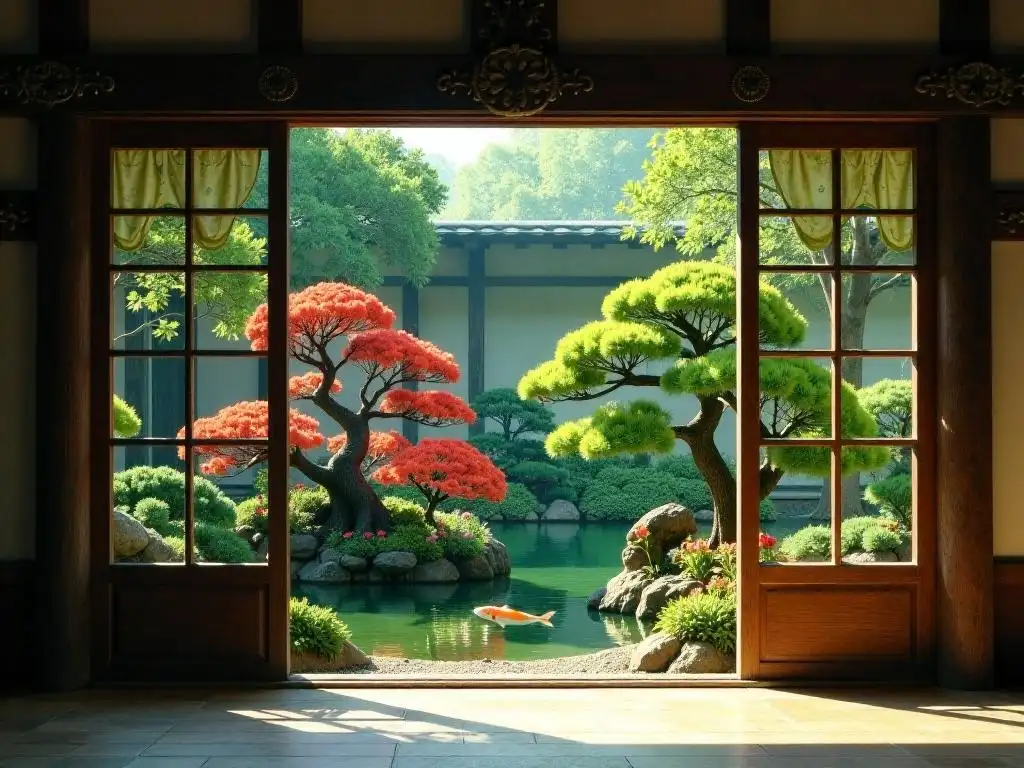
Kaiseki cuisine, a hallmark of the dining experience in traditional Japanese inns (ryokan), embodies the essence of Japanese culinary artistry. Originating from the 16th century, this multi-course meal reflects the philosophy of seasonal ingredients and meticulous presentation. Kaiseki evolved from the simple meals served during tea ceremonies to an elaborate dining experience that emphasizes balance, texture, and aesthetics.
- Seasonality and Freshness:
- Shun: The concept of "shun" refers to using ingredients at their peak freshness. Ryokan chefs carefully select seasonal produce, seafood, and meats, ensuring that each dish showcases the vibrant flavors of the time.
- Local Sourcing: Ingredients are often sourced from local farmers and fishermen, promoting regional specialties and sustainability.
- Presentation and Aesthetics:
- Dishes are arranged on handcrafted ceramics, each plate chosen to enhance the meal's visual appeal. The arrangement reflects a deep appreciation for nature, with garnishes mimicking seasonal landscapes.
- The use of colors is intentional, aiming to evoke the beauty of the changing seasons.
- Course Structure:
- A traditional kaiseki meal typically consists of 7 to 15 courses, each with unique flavors and textures, including:
- Sakizuke: An appetizer.
- Mukozuke: Sashimi, beautifully presented.
- Shokuji: The rice dish, often accompanied by miso soup.
- Tome-wan: A soup to conclude the meal.
- The progression of courses is designed to lead the diner on a sensory journey, stimulating taste buds and evoking emotions.
- A traditional kaiseki meal typically consists of 7 to 15 courses, each with unique flavors and textures, including:
Kaiseki is not merely a meal; it is a reflection of Japan's cultural heritage, philosophy, and the artistry of its chefs. Dining at a ryokan offers not only a taste of exquisite cuisine but also a deeper connection to Japan's historical practices surrounding food.
Omotenashi: The Art of Japanese Hospitality in Traditional Inns
Omotenashi is a core principle of Japanese hospitality that defines the experience at ryokan. This concept goes beyond mere service; it embodies a spirit of selfless hospitality, anticipating the needs of guests without them having to ask.
- Attention to Detail:
- From the moment guests arrive, they are enveloped in a carefully curated atmosphere. Staff members are trained to observe and respond to subtle cues, ensuring that every need is met.
- Elements such as the temperature of the room, the arrangement of futons, and even the selection of tea are meticulously considered.
- Personalized Service:
- Each guest is treated as an individual, with staff often recalling preferences from previous visits. This creates a sense of familiarity and comfort, making the stay truly memorable.
- Special occasions, such as anniversaries or birthdays, are often acknowledged with personalized touches, further enhancing the experience.
- Cultural Rituals:
- Omotenashi is also reflected in various cultural practices, such as the ceremonial serving of tea, which involves intricate rituals that symbolize respect and gratitude.
- Guests may also participate in traditional activities, such as calligraphy or tea ceremonies, facilitated by the ryokan staff, allowing them to immerse themselves in Japanese culture.
This dedication to hospitality not only enhances the guest experience but also fosters a deep respect for the cultural values that underpin Japanese society. The art of omotenashi is a significant reason why ryokan remain a cherished aspect of Japan's travel landscape.
Seasonal Festivals and Events Celebrated at Ryokan
Traditional inns (ryokan) often serve as venues for various seasonal festivals and events, allowing guests to engage closely with Japan’s rich cultural heritage. These celebrations provide an immersive experience that highlights the local customs and traditions associated with each season.
- Cherry Blossom Viewing (Hanami):
- During spring, guests at ryokan may participate in hanami, the centuries-old practice of enjoying the fleeting beauty of cherry blossoms. Many ryokan provide special picnic baskets filled with local delicacies for guests to enjoy under the blooming sakura trees.
- Special Events: Some ryokan host guided tours to nearby parks renowned for their cherry blossoms, enriching the experience with historical insights.
- Summer Festivals (Matsuri):
- Summer brings vibrant matsuri filled with music, dance, and fireworks. Many ryokan collaborate with local festival organizers to offer guests unique experiences, such as traditional yukata rental (summer kimono) for festival participation.
- Culinary Events: Seasonal dishes, such as cold soba noodles or grilled seafood, are often featured in ryokan menus during this time, further connecting guests with local flavors.
- Autumn Harvest Celebrations:
- In autumn, ryokan often celebrate the harvest season with special menus highlighting rice and seasonal vegetables. Guests can partake in rice planting or harvesting activities, deepening their connection to local agricultural practices.
- Cultural Workshops: Many inns offer workshops on traditional crafts, such as making mochi (rice cakes) or creating seasonal decorations, allowing guests to take home a piece of Japanese culture.
- Winter Illuminations:
- During the winter months, some ryokan become destinations for viewing stunning illuminations that light up the surrounding landscapes. Special winter packages may include hot springs (onsen) experiences, perfect for relaxation after a day of exploration.
- New Year Celebrations: For those visiting during the New Year, ryokan often host traditional events, including special meals and rituals to welcome the new year, allowing guests to experience Japan's unique customs firsthand.
These seasonal festivals and events not only enrich the guest experience at ryokan but also foster a deeper understanding of Japan's cultural and societal practices throughout the year. Engaging in these traditions offers a unique window into the historical and contemporary significance of Japanese culture.
The Decline and Revival of Traditional Japanese Inns
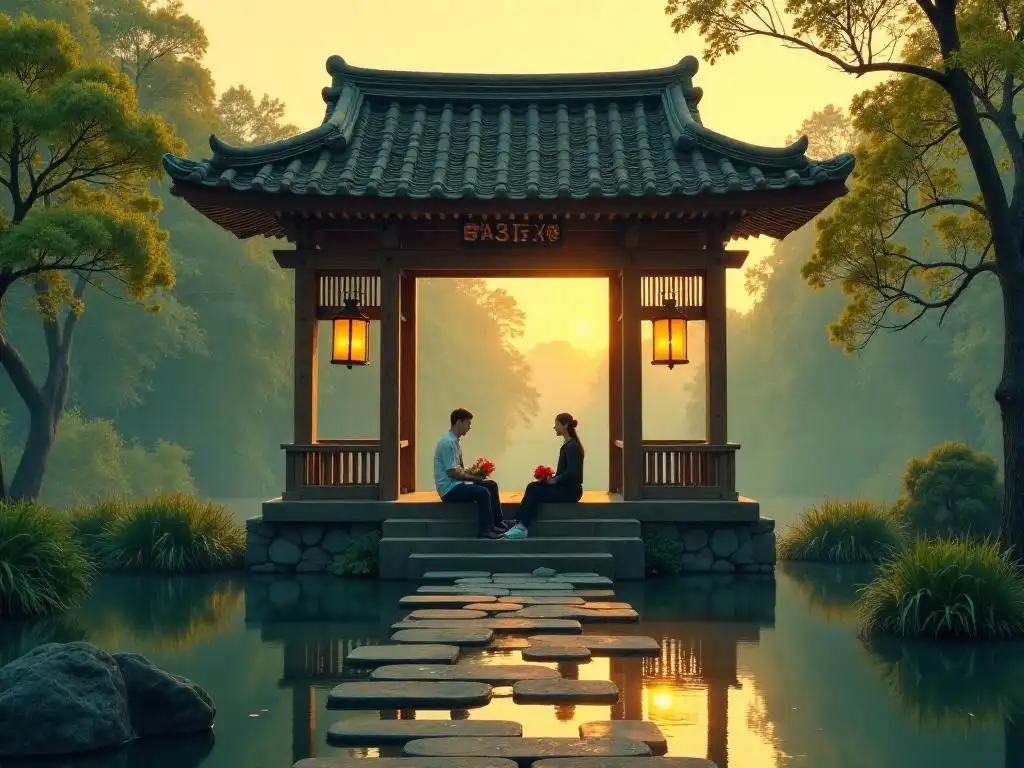
Challenges Faced by Ryokan in the 20th Century
The 20th century marked a tumultuous period for traditional Japanese inns, or ryokan, which faced numerous challenges that contributed to their decline. The aftermath of World War II drastically altered the landscape of Japan's economy and society. As the nation shifted towards modernization and industrialization, many ryokan struggled to maintain their traditional practices amidst increasing competition from Western-style hotels and modern accommodations.
- Economic Shifts: The rapid economic growth during the post-war era led to a rising demand for more efficient and standardized lodging options, often at the expense of the unique, personalized experiences offered by ryokan. The allure of convenience and modern amenities drew travelers away from these traditional establishments.
- Changing Travel Habits: With the advent of affordable air travel and increased mobility, the Japanese populace began to favor destinations that catered to Western tastes. This shift not only impacted ryokan occupancy but also influenced the types of services and experiences that travelers sought.
- Cultural Transformations: The post-war period saw a gradual decline in the traditional customs associated with ryokan stays, such as kaiseki (multi-course meals) and tatami mat accommodations. As younger generations embraced Western lifestyles, the cultural significance of ryokan diminished, resulting in a loss of authentic experiences for guests.
The Impact of Tourism on Ryokan Business Models
As the 20th century progressed, the tourism industry began to evolve, significantly impacting the business models of ryokan. The influx of international tourists brought both challenges and opportunities for traditional inns.
- Increased Competition: With the rise of global tourism, ryokan faced competition not only from local hotels but also from budget hostels and boutique accommodations that appealed to younger travelers. This prompted many ryokan to rethink their marketing strategies and service offerings.
- Diversification of Services: In response to the changing tourism landscape, many ryokan adapted by diversifying their services. This included offering unique experiences such as onsen (hot spring) baths, cultural workshops, and guided tours of local attractions, aiming to attract a broader audience.
- Emphasis on Authenticity: As global travelers began to seek more authentic experiences, some ryokan capitalized on this trend by promoting their historical significance, traditional architecture, and unique culinary offerings. This shift helped some establishments thrive by appealing to the growing interest in cultural tourism.
Contemporary Efforts to Preserve Traditional Inns
In recent years, there has been a concerted effort to preserve the heritage of traditional Japanese inns. These initiatives are crucial for ensuring that the cultural significance and unique experiences offered by ryokan continue to thrive.
- Government Support: The Japanese government has recognized the importance of preserving traditional inns as part of the nation's cultural heritage. Various programs and subsidies have been established to support ryokan in maintaining their architectural integrity and promoting their unique offerings.
- Community Engagement: Many ryokan owners are actively engaging with their local communities to promote cultural events and heritage tourism. This includes hosting festivals, workshops, and educational programs that highlight traditional Japanese customs and practices.
- Sustainable Practices: A growing number of ryokan are adopting sustainable practices to appeal to environmentally conscious travelers. This includes utilizing local ingredients for their meals, implementing eco-friendly operations, and promoting conservation efforts within their regions.
- Embracing Technology: To adapt to the digital age, some ryokan are leveraging technology to enhance guest experiences. This includes online booking systems, virtual tours, and social media marketing strategies to reach a wider audience and showcase their unique offerings.
While traditional Japanese inns faced significant challenges throughout the 20th century, contemporary efforts to revive and preserve these cultural treasures indicate a promising future for ryokan. The evolution of their business models, coupled with a renewed interest in authentic experiences, may pave the way for the enduring legacy of traditional Japanese hospitality.
The Future of Traditional Japanese Inns
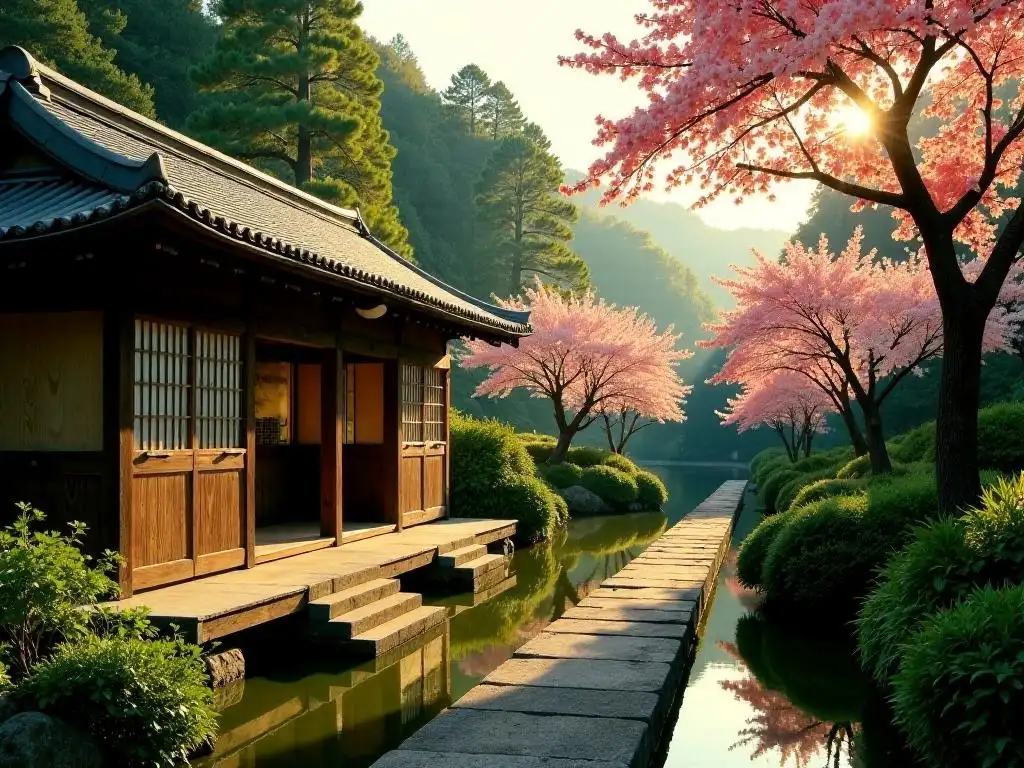
As Japan continues to modernize, traditional Japanese inns, or ryokan, face the challenge of remaining relevant in a rapidly changing tourism landscape. The evolution of these establishments is crucial not only for preserving Japan’s cultural heritage but also for attracting a new generation of travelers. This section explores innovative strategies and sustainable practices that ryokan can adopt to thrive in the future.
Innovative Approaches to Attract Modern Travelers
In an era characterized by globalization and technological advancements, traditional Japanese inns must adapt to the preferences of modern travelers. Here are some innovative approaches that can enhance the appeal of ryokan:
- Integration of Technology:
- Smart Rooms: Incorporating smart technology, such as IoT devices, can create a seamless experience for guests. Features like automated lighting, climate control, and voice-activated assistance can cater to tech-savvy visitors.
- Online Booking Platforms: Enhancing online visibility through user-friendly booking platforms and social media engagement can help ryokan reach a wider audience.
- Culinary Experiences:
- Farm-to-Table Offering: By sourcing ingredients locally and showcasing regional cuisine, inns can provide guests with authentic dining experiences. This not only supports local farmers but also appeals to health-conscious travelers.
- Cooking Classes: Offering cooking classes that teach guests how to prepare traditional Japanese dishes can create memorable experiences and deepen cultural immersion.
- Wellness and Spa Services:
- Onsen Integration: Many ryokan already feature onsen (hot springs). Expanding wellness offerings, such as yoga sessions or traditional Japanese massages, can attract wellness-oriented travelers.
- Nature Retreats: Designing packages that promote relaxation and connection with nature can appeal to visitors seeking respite from urban stressors.
The Role of Traditional Inns in Sustainable Tourism
Sustainability is becoming increasingly important in the travel industry. Traditional Japanese inns can play a pivotal role in promoting sustainable tourism practices through several key initiatives:
- Eco-Friendly Operations:
- Energy Efficiency: Implementing energy-saving technologies, such as solar panels and LED lighting, can significantly reduce the carbon footprint of ryokan.
- Waste Management: Establishing recycling programs and minimizing single-use plastics can help inns operate more sustainably.
- Cultural Preservation:
- Community Engagement: Collaborating with local artisans and cultural groups to offer workshops and experiences can foster a sense of community and promote local culture.
- Environmental Education: Educating guests about local ecosystems and conservation efforts can enhance their experience while promoting awareness and responsibility.
- Support for Local Economies:
- Partnerships with Local Businesses: Forming partnerships with nearby farms, craft shops, and tour operators can create a holistic travel experience and ensure that tourism benefits the local economy.
Case Studies of Successful Ryokan Revitalization Projects
Several ryokan across Japan have successfully revitalized their operations by implementing innovative strategies and embracing sustainability. Here are a few notable examples:
| Ryokan Name | Location | Revitalization Strategy | Outcome |
|---|---|---|---|
| Gion Hatanaka | Kyoto | Integrated modern amenities while preserving traditional aesthetics | Increased guest satisfaction and repeat bookings |
| Tawaraya Ryokan | Kyoto | Focused on local culinary experiences with seasonal menus | Enhanced reputation as a culinary destination |
| Yuyado Oka | Nagano | Developed wellness retreats featuring outdoor activities and yoga | Attracted health-conscious travelers and increased occupancy rates |
These case studies illustrate that by embracing change and innovation, traditional Japanese inns can not only survive but thrive in the future of travel and tourism. The ongoing evolution of ryokan is vital for both preserving Japan’s rich cultural heritage and securing a sustainable future for the tourism industry.
Conclusion: The Enduring Legacy of Traditional Japanese Inns
The legacy of traditional Japanese inns, or ryokan, is a testament to Japan's rich history and cultural evolution. These establishments have served not just as places of accommodation but as custodians of the Japanese way of life, embodying the principles of hospitality, respect for nature, and the importance of community. The intricate designs, from tatami-matted rooms to sliding shoji doors, reflect a deep connection to the natural world, promoting tranquility and reflection.
Moreover, ryokan have adapted throughout the centuries, incorporating modern amenities while retaining their traditional essence. This balance between preservation and innovation is crucial in ensuring that these inns continue to thrive in the contemporary tourism landscape. As travelers increasingly seek authentic experiences, the allure of staying in a ryokan remains strong, offering a unique glimpse into Japan's past.
Reflecting on the Importance of Preserving Ryokan Culture
The preservation of ryokan culture is vital for several reasons:
- Cultural Heritage: Ryokan represent a unique aspect of Japan's cultural heritage. Their architecture, customs, and practices provide insight into historical lifestyles and societal values.
- Economic Contribution: Traditional inns play an essential role in local economies, particularly in rural areas. They attract tourists seeking authentic experiences and contribute to the sustainability of local communities.
- Environmental Sustainability: Many ryokan are designed with sustainability in mind, using natural materials and supporting local agriculture. Preserving these inns supports environmentally friendly practices and promotes awareness of ecological issues.
- Culinary Traditions: Ryokan are renowned for their kaiseki cuisine, which highlights seasonal ingredients and traditional cooking methods. Preserving ryokan culture ensures that these culinary practices are passed down through generations.
In order to sustain the ryokan tradition, it is essential for both operators and guests to engage in practices that honor the history and significance of these establishments. This can include supporting local artisans, participating in cultural events, and promoting eco-friendly initiatives.
Final Thoughts on the Future of Traditional Japanese Inns in Japan
As we look to the future, the traditional Japanese inn faces both challenges and opportunities.
- Adaptation to Modern Tourism: The rise of global tourism and changing traveler expectations necessitate that ryokan adapt while staying true to their roots. This might involve integrating technology for enhanced guest experiences without compromising the traditional atmosphere.
- Cultural Exchange: With increasing international interest in Japanese culture, ryokan can serve as platforms for cultural exchange. This presents an opportunity to educate guests about Japanese customs, art, and history, fostering a greater appreciation for the culture.
- Focus on Wellness and Mindfulness: The global trend towards wellness tourism aligns well with the ryokan ethos. By promoting relaxation, mindfulness, and connection to nature, traditional inns can attract a new generation of travelers seeking restorative experiences.
- Community Engagement: Collaborating with local communities can enhance the ryokan experience. Initiatives such as farm-to-table dining or local craft workshops not only enrich guests' experiences but also strengthen community ties.
The future of traditional Japanese inns is bright, provided they embrace change while honoring their legacy. As stewards of Japan's history, ryokan will continue to play a vital role in preserving the cultural and historical fabric of the nation, welcoming travelers to experience the serenity and beauty of Japan.
Frequently Asked Questions
What are traditional Japanese inns called?
Traditional Japanese inns are known as ryokan. They provide guests with tatami-matted rooms, futons, and often feature communal onsen (hot springs).
How did the role of ryokan evolve in feudal Japan?
Ryokan originally served as resting places for traveling samurai and merchants. Over time, they became popular among tourists, offering a glimpse into Japanese hospitality and culture.
What cultural elements are featured in ryokan?
Ryokan are known for their traditional architecture, seasonal kaiseki meals, and tatami flooring, reflecting the essence of Japanese aesthetics and hospitality.
How do ryokan contribute to Japan's tourism today?
Ryokan play a significant role in promoting cultural tourism in Japan, providing visitors with an authentic experience of Japanese tradition and local customs.
Are there any specific historical events that influenced ryokan development?
The development of ryokan was influenced by the rise of the merchant class during the Edo period, which increased travel and the need for accommodations along trade routes.
Final Reflection: The Timeless Journey of Traditional Japanese Inns
The evolution of traditional Japanese inns, from the noble samurai era to modern sojourners, underscores the profound connection between culture and hospitality. Today, as we navigate a world that often feels disconnected, the history of these inns serves as a reminder of the importance of community, tradition, and the art of welcoming others. The journey of these establishments reflects not only the changing needs of travelers but also the enduring spirit of Japan's rich cultural heritage.
Cultural landscapes are shaped by the stories we tell and the spaces we create. The transformation of traditional inns highlights how hospitality can adapt while retaining its core values. As travelers seek authentic experiences, these inns stand as a testament to the resilience of tradition amidst modernity. Tradition is not the worship of ashes, but the preservation of fire.
This quote encapsulates the essence of how traditional inns have managed to keep the flame of their history alive, even as they evolve to meet contemporary expectations.
As you reflect on the journey of traditional Japanese inns, consider how their rich history can inspire your own experiences with hospitality and community. Embrace the lessons of connection, warmth, and authenticity that these inns embody. Whether you are a traveler seeking a place to rest or a host welcoming guests, let the spirit of these traditional inns guide you in creating meaningful interactions that honor both the past and the future.
Embrace the Journey: Explore Japan’s Inn Culture!
Thank you for taking the time to dive into the captivating evolution of traditional inns in Japan. You’ve learned how these spaces have transformed from humble resting places for samurai to vibrant hubs of culture and hospitality. Now, it's your turn to experience this fascinating journey firsthand!
Here are some ways to immerse yourself in Japan’s rich inn culture:
- Book a Stay at a Traditional Ryokan: Choose a ryokan that resonates with you and let the spirit of Japan's history envelop you amid the soft tatami mats and soothing onsen baths.
- Join a Guided Tour: Discover the stories behind these inns by participating in a local tour that focuses on their historical significance and modern adaptations.
- Share Your Experience: If you’ve had the pleasure of staying at a traditional inn, consider writing about your experience to enlighten others on its significance and beauty.
What aspect of Japan’s inn culture intrigues you the most? Is it the unique architectural designs, the exquisite culinary offerings, or the immersive experiences available? Share your thoughts below!