
The Role of Martial Arts in Edo Culture: More Than Just Combat

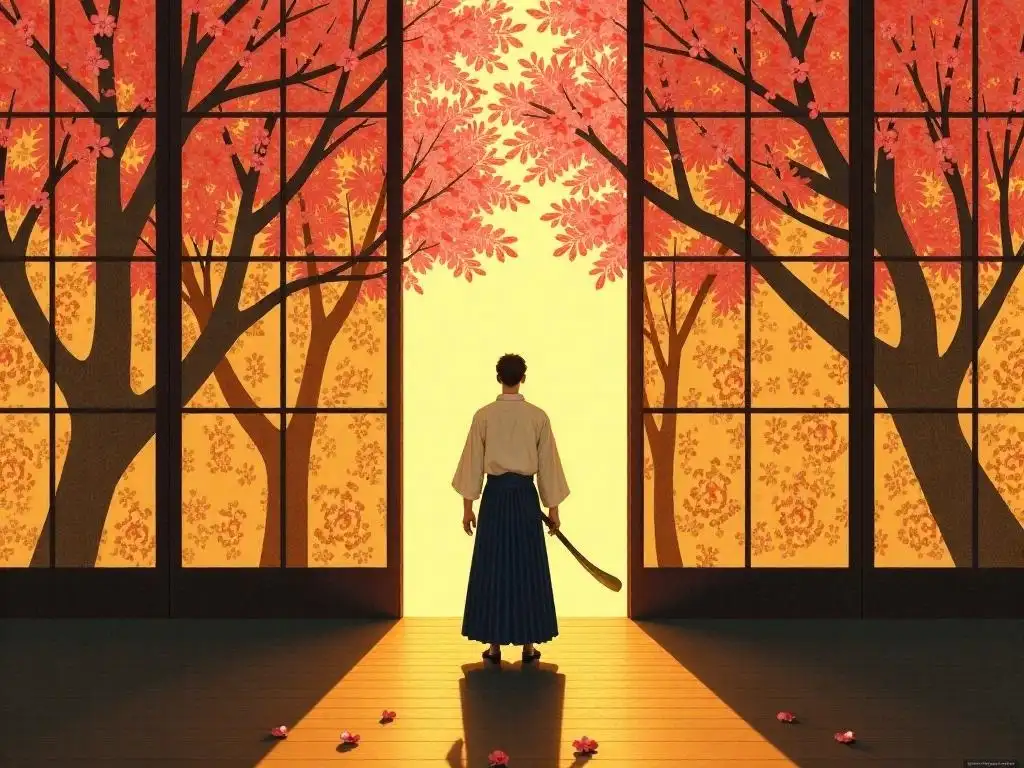
Welcome to Feudal Japan History, where we embark on an intriguing journey through the captivating world of Japan's feudal era. Here, we delve into the rich tapestry of historical, cultural, and societal aspects that shaped this fascinating period. In our featured article, we uncover the profound significance of martial arts during the Edo period, revealing how these ancient practices transcended mere combat to influence the very fabric of Edo culture. Prepare to unlock the secrets of a time where discipline, honor, and artistry converged, and let your curiosity guide you deeper into the heart of feudal Japan!
Introduction to Edo Period Martial Arts Significance
The Edo period (1603-1868) marked a transformative era in Japan's history, characterized by relative peace, stability, and a flourishing culture. During these years, martial arts evolved beyond mere combat techniques into a rich tapestry of philosophical, spiritual, and social significance.
This article delves into the Edo period martial arts significance, exploring how these disciplines shaped not only the lives of samurai but also the broader society, influencing cultural practices, social hierarchies, and community values. By examining the interplay between martial arts and Edo culture, we gain insights into the underlying principles that guided a society in which honor, discipline, and self-improvement were paramount.
Overview of the Edo Period (1603-1868)
The Edo period was characterized by the Tokugawa shogunate's rule, which established a centralized government that brought about an unprecedented era of peace known as the Pax Tokugawa. As warfare diminished, the samurai class transitioned from warriors to bureaucrats and landholders, leading to significant changes in their roles and responsibilities. This shift prompted a re-evaluation of martial arts, as practitioners sought new ways to preserve their skills and heritage in a time of relative tranquility.
- Key Characteristics of the Edo Period:
- Political Stability: Establishment of the Tokugawa shogunate.
- Cultural Flourishing: Growth of arts, literature, and philosophy.
- Social Hierarchy: Reinforcement of the four-class system: samurai, farmers, artisans, and merchants.
The Evolution of Martial Arts during the Edo Era
Martial arts in the Edo period underwent significant transformation. Initially rooted in battlefield combat, these practices gradually adapted to suit the needs of a peacetime society. Schools and styles emerged, focusing on the philosophical aspects of martial arts, emphasizing personal development, discipline, and ethical conduct.
- Major Developments:
- Creation of Dojo: Establishment of training halls dedicated to martial arts practice.
- Emergence of New Styles: Development of various disciplines, including Kenjutsu (swordsmanship), Jujutsu (unarmed combat), and Iaijutsu (quick-draw techniques).
- Philosophical Integration: Incorporation of Zen Buddhism and Confucianism into martial training.
The Cultural Context of Martial Arts in Edo Society
The Influence of Samurai Culture on Martial Arts
Samurai culture played a pivotal role in shaping the martial arts of the Edo period. The samurai were not just warriors; they were also custodians of Japan's cultural heritage. Their code of conduct, known as Bushido, emphasized virtues such as loyalty, honor, and respect, which became integral to martial arts training and practice.
- Key Elements of Samurai Influence:
- Bushido Code: A set of ethical principles guiding samurai behavior.
- Ritual and Ceremony: Incorporation of rituals in training and combat, reflecting a deep respect for tradition.
- Mentorship: The relationship between master and disciple, fostering a culture of knowledge transmission.
The Role of Martial Arts in the Lives of Common People
While martial arts were traditionally associated with the samurai class, they also permeated the lives of common people during the Edo period. As the samurai's focus shifted from warfare to governance, many sought martial arts training for self-defense and personal development.
- Impact on Society:
- Accessibility: Increased availability of training for commoners, leading to widespread martial arts schools.
- Community Engagement: Martial arts became a means of social interaction and community bonding.
- Economic Opportunities: The rise of martial arts instructors and schools as a means of livelihood.
Martial Arts as a Reflection of Edo Period Values
The significance of martial arts during the Edo period extends beyond physical combat; it reflects the values and ideals of a society striving for harmony and balance. Practitioners sought not only to enhance their fighting skills but also to embody principles that resonated deeply within the cultural fabric of Edo Japan.
- Core Values Reflected in Martial Arts:
- Discipline: The importance of perseverance and dedication in training.
- Respect: Emphasis on respect for teachers, peers, and opponents.
- Self-Improvement: Continuous pursuit of personal growth and enlightenment.
Through this comprehensive exploration of the role of martial arts in Edo culture, we uncover a multifaceted significance that transcends mere combat, revealing a profound influence on Japanese identity and values that resonates to this day.
Types of Martial Arts Practiced in the Edo Period
The Edo period (1603-1868) in Japan was marked by a time of relative peace, which had a significant influence on the development and practice of martial arts. Instead of being solely focused on combat for survival, martial arts evolved into a disciplined practice that incorporated philosophy, aesthetics, and self-improvement. Various forms of martial arts emerged during this period, each with its unique characteristics and significance.
Kenjutsu: The Art of the Sword
Kenjutsu, the art of the sword, is perhaps the most renowned martial art from the Edo period. Practiced by the samurai, it emphasized the use of the katana, a weapon that symbolizes the samurai's honor and status. Kenjutsu schools, known as koryū, were established across Japan, each with its techniques, philosophies, and training methods.
Training in kenjutsu involved rigorous drills and kata (pre-arranged forms), which allowed practitioners to develop precision, timing, and mental focus. Beyond mere combat skills, kenjutsu was seen as a way to cultivate one's character and discipline. Famous schools such as the Kashima Shinto-ryu and the Itto-ryu contributed significantly to the evolution of this martial art, influencing not only combat techniques but also the aesthetics of swordsmanship.
Iaijutsu: The Skill of Drawing the Sword
Iaijutsu, which focuses on the techniques of drawing the sword from its scabbard, is another significant martial art that gained prominence during the Edo period. This discipline emphasizes swift and decisive movements, reflecting the samurai's need for efficiency in combat situations. Practitioners of iaijutsu train to execute a draw and cut in one fluid motion, a technique that requires not only physical skill but also mental clarity and awareness.
Iaijutsu is often regarded as a precursor to modern iaido, which emphasizes meditation and the spiritual aspects of swordsmanship. The practice of iaijutsu instilled a sense of mindfulness and readiness, as the samurai had to remain alert to their surroundings at all times. The aesthetic elegance of the draw and cut in iaijutsu further enhanced the cultural significance of martial arts during the Edo period.
Other Notable Martial Arts Forms
In addition to kenjutsu and iaijutsu, various other martial arts forms were practiced in the Edo period, reflecting the diversity of combat techniques and philosophies. Notable among them are:
- Sojutsu: The art of using a spear, which was essential for samurai in battlefield conditions.
- Naginatajutsu: The practice of wielding the naginata, a polearm that combined the reach of a spear with the cutting ability of a sword.
- Jujutsu: A grappling art that focused on joint locks and throws, allowing practitioners to defend themselves against armed opponents without weapons.
- Bojutsu: The art of using the staff, which not only served as a weapon but also as a tool for training and discipline.
These martial arts contributed to a comprehensive understanding of combat, emphasizing adaptability and strategy rather than brute force.
The Philosophical and Spiritual Dimensions of Martial Arts
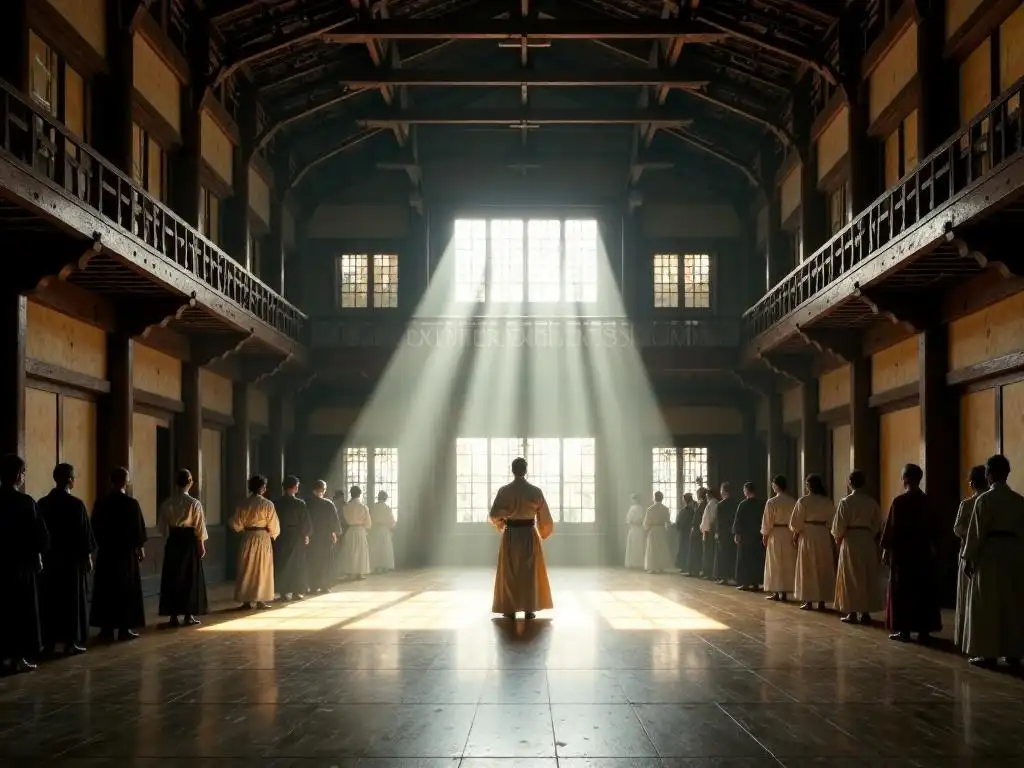
The Edo period saw martial arts transcend their practical combat applications, incorporating deeper philosophical and spiritual dimensions. This transformation was influenced by various schools of thought, particularly Zen Buddhism and the samurai code of conduct known as Bushido.
Martial Arts and Zen Buddhism
Zen Buddhism played a crucial role in shaping the mindset of martial artists during the Edo period. The principles of Zen—mindfulness, meditation, and the pursuit of enlightenment—were integrated into martial arts training.
Practitioners often engaged in meditation to enhance their focus and clarity, allowing them to transcend the physical aspects of combat. This spiritual dimension emphasized the importance of achieving harmony between body and mind, leading to a deeper understanding of one's capabilities and limitations.
Zen teachings encouraged martial artists to approach their practice with a sense of humility and respect, fostering a culture that valued self-improvement over competition. This cultivation of inner peace and awareness became a hallmark of the martial arts practiced during this era.
The Concept of Bushido and Its Impact on Martial Arts
Bushido, the code of conduct for samurai, significantly influenced martial arts during the Edo period. This ethical framework emphasized virtues such as loyalty, honor, courage, and self-discipline, shaping the attitudes and behaviors of martial artists.
The principles of Bushido were not merely about combat prowess; they extended into every aspect of a samurai's life, guiding their interactions with others and their approach to challenges. Martial arts training became a means of embodying these values, leading practitioners to strive for excellence and moral integrity.
The impact of Bushido on martial arts can be seen in the emphasis on etiquette, respect for teachers, and the pursuit of mastery. As martial arts evolved during the Edo period, they became a reflection of the samurai's commitment to uphold the ideals of Bushido, ensuring that their skills were not only used for combat but also for the betterment of oneself and society as a whole.
Edo Period Martial Arts in Daily Life
During the Edo period (1603-1868), martial arts transcended mere combat training, embedding themselves deeply into the fabric of daily life and society. As peace reigned under the Tokugawa shogunate, the need for martial prowess in battle diminished, yet the practice of martial arts flourished in various forms. Techniques were not just taught for self-defense; they became a means of fostering discipline, morality, and physical fitness among practitioners.
Martial arts schools, known as dojo, emerged throughout urban centers and rural areas, providing structured environments where individuals could learn not only the techniques of combat but also the philosophical underpinnings of their practice. This included the development of virtues such as respect, perseverance, and humility. Many people from different walks of life, including samurai, merchants, and common folk, participated in martial arts training, making it an integral part of community identity.
Moreover, martial arts practice was often incorporated into daily routines, with many families encouraging their children to engage in these activities. This early exposure helped cultivate a sense of respect for tradition and the importance of physical health, which was highly valued in Edo society.
Martial Arts Training and Discipline
Martial arts training during the Edo period emphasized not just physical prowess but also mental discipline. Practitioners were taught the importance of rigorous training regimes that included repetitive drills, sparring, and meditation. The focus on discipline was crucial, as it instilled a strong sense of self-control and purpose in individuals.
- Training Regimens: Students would often train for hours, honing their skills in various disciplines such as kenjutsu (swordsmanship), judo, and aikido, among others. This rigorous training was vital for developing reflexes, strength, and agility, which were essential for effective martial practice.
- Philosophical Teachings: Many martial arts schools incorporated teachings from Zen Buddhism, emphasizing mindfulness and the importance of being present. This connection between martial arts and philosophy encouraged practitioners to seek spiritual growth alongside physical development.
- Role of Mentorship: The relationship between instructor and student was paramount in martial arts training. Teachers not only imparted technical knowledge but also served as mentors, guiding students through personal and moral development, reinforcing the idea that martial arts were as much about character building as they were about combat skills.
The Role of Martial Arts in Community and Festivals
Martial arts also played a significant role in community life during the Edo period, often serving as a focal point during local festivals and events. These gatherings provided opportunities for displaying martial skills, fostering community bonds, and celebrating cultural heritage.
- Festivals and Demonstrations: Various festivals, such as Matsuri, featured martial arts demonstrations that showcased the prowess of local schools. These events attracted large crowds and were a source of pride for the community, fostering a sense of unity and shared identity.
- Community Engagement: Martial arts training often involved community participation, with schools hosting open classes and competitions that encouraged involvement from all ages. This inclusivity helped bridge social gaps between different classes in Edo society, promoting a spirit of camaraderie.
- Cultural Exchange: Events such as tournaments allowed for the exchange of techniques and philosophies between different martial arts schools. This cross-pollination enriched the martial arts culture and contributed to the development of unique regional styles.
The Impact of Martial Arts on Edo Period Arts and Entertainment
The influence of martial arts extended beyond the dojo and into the broader realm of Edo period arts and entertainment. This cultural impact was evident in literature, theater, and visual arts, which reflected the significance of martial arts in everyday life.
Martial Arts in Edo Period Literature and Theater
Edo period literature and theater often featured martial arts themes, showcasing the valor and honor associated with practitioners. Works of fiction, historical accounts, and plays frequently depicted samurai and martial artists, highlighting their skills and moral dilemmas.
- Literary Works: Novels and stories from this era, such as those by writers like Eiji Yoshikawa, often romanticized the life of samurai and martial artists. These narratives emphasized the virtues of loyalty, honor, and the warrior's path, making martial arts a central theme in the cultural consciousness.
- Kabuki Theater: The popular Kabuki theater frequently staged performances that depicted martial arts battles, allowing actors to demonstrate their physical skills. This not only entertained audiences but also educated them about martial arts techniques and the philosophies behind them.
- Moral Lessons: Many stories and plays conveyed moral lessons through martial arts, illustrating the consequences of violence, the importance of honor, and the struggles faced by warriors. Through these narratives, martial arts served as a means of teaching ethical values to the public.
The Representation of Martial Arts in Ukiyo-e Prints
Ukiyo-e, the famous woodblock print art of the Edo period, provided another avenue for the expression and popularization of martial arts. Artists captured the dynamic movements and aesthetics of martial arts, immortalizing them in vivid imagery.
- Visual Depictions: Many Ukiyo-e prints depicted martial artists in action, showcasing techniques and stances that reflect the beauty and complexity of their art. This not only celebrated martial arts but also contributed to the public's fascination with the discipline.
- Cultural Significance: The representation of martial arts in Ukiyo-e was significant as it helped elevate the status of martial artists within society. These prints often portrayed figures in heroic poses, reinforcing the ideals of strength and virtue associated with martial arts practitioners.
- Collectability and Legacy: Ukiyo-e prints became highly sought after, preserving the legacy of martial arts for future generations. Collectors and art enthusiasts contributed to the ongoing appreciation of martial arts as an essential aspect of Edo culture, ensuring its place in the historical narrative of Japan.
Martial arts during the Edo period played a multifaceted role in society, influencing daily life, community activities, arts, and entertainment. They served not only as a means of combat but also as a foundation for discipline, moral education, and cultural expression.
The Decline of Traditional Martial Arts in the Meiji Restoration
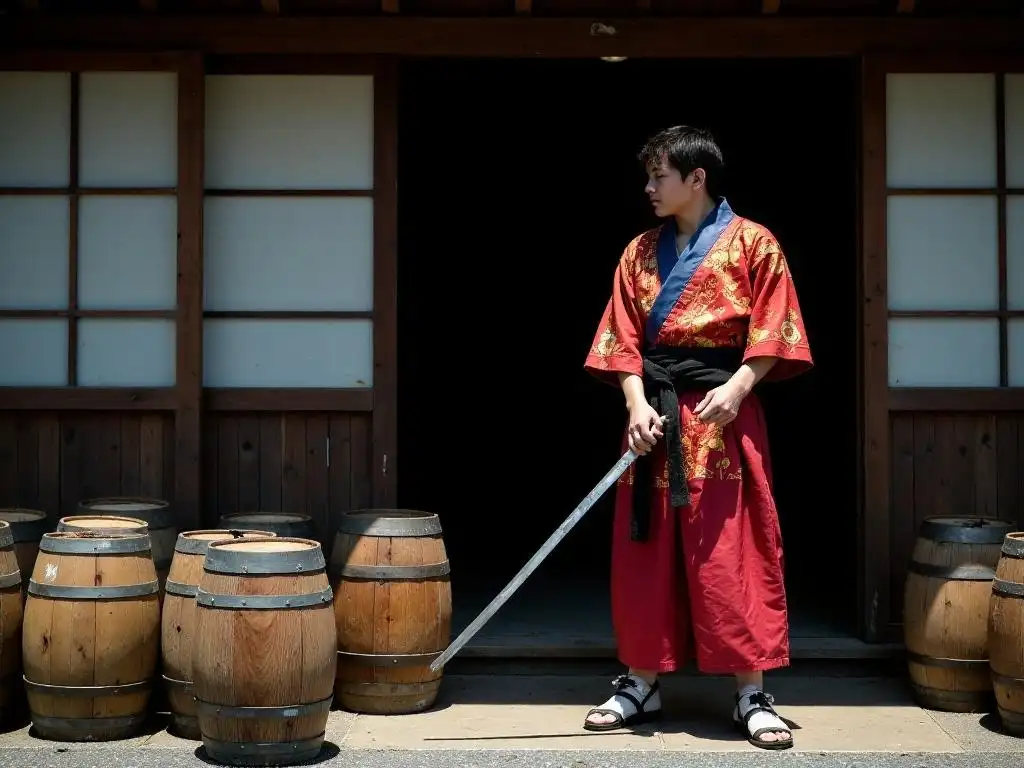
The Meiji Restoration, which began in 1868, marked a pivotal transformation in Japan as the country shifted from a feudal society to a modern state. This era was characterized by drastic political, social, and economic changes, which significantly impacted traditional martial arts practiced during the Edo period. The restoration aimed to consolidate power and modernize Japan in response to Western influences, leading to the decline of many aspects of Edo culture, including martial arts.
During the Edo period, martial arts were not merely techniques for combat; they were deeply embedded in the samurai ethos and societal structure. However, as Japan transitioned to a more centralized government and sought to eliminate the feudal system, the status of the samurai class diminished. The abolishment of the samurai's privileges, including their right to bear arms, reduced the practical need for martial arts training, leading to a decline in traditional practices.
Factors Leading to the Decline of Edo Period Martial Arts
Several key factors contributed to the decline of Edo period martial arts during the Meiji Restoration:
- Political Changes: The end of the samurai class's dominance resulted in a loss of patronage for traditional martial arts schools, which previously flourished under the feudal system.
- Westernization: The influx of Western ideas and military practices prompted Japan to adopt modern military training methods. This shift prioritized firearms and modern weaponry over traditional swordsmanship and hand-to-hand combat, leading to a decrease in the relevance of Edo martial arts.
- Cultural Suppression: The newly established Meiji government aimed to unify the nation and suppress any remnants of the feudal past. As a result, many traditional martial arts were seen as obsolete or even counterproductive to national unity.
- Economic Changes: With the modernization of Japan, many former samurai found themselves in economic hardship. The need for practical skills shifted, and martial arts were often viewed as less valuable compared to vocational training in emerging industries.
The Transition from Edo Martial Arts to Modern Practices
As traditional Edo martial arts faced decline, a transformation began that led to the development of modern martial arts practices. Many martial arts schools adapted to the changing times by modifying their curricula to align with contemporary values and interests.
- Codification and Standardization: In response to the decline of traditional forms, several martial arts began to formalize their techniques and philosophies. This codification helped preserve the essence of Edo martial arts while making them more accessible to the general public.
- Creation of New Styles: The early 20th century saw the birth of new martial arts styles that incorporated elements of traditional practices while integrating modern techniques. For example, Judo, founded by Jigoro Kano, emerged from the principles of traditional jujitsu but was adapted for sport and education.
- Cultural Revival: In the late 20th century, there was a resurgence of interest in traditional martial arts as part of a broader cultural revival in Japan. This revival celebrated the historical significance of Edo period martial arts, leading to a renewed appreciation for their techniques and philosophies.
Conclusion: The Enduring Legacy of Martial Arts in Japanese Culture
The legacy of martial arts from the Edo period continues to resonate in Japanese culture today. While the practical applications of these martial arts may have diminished, their philosophical underpinnings and cultural significance endure. The discipline, respect, and self-control emphasized in Edo martial arts have influenced various aspects of Japanese life, from education to arts and sports.
Reflections on Edo Period Martial Arts Significance Today
Edo period martial arts hold a significant place in contemporary Japanese society. Many practitioners view these arts as a means to connect with their cultural heritage, emphasizing the values of discipline, perseverance, and respect. Events such as demonstrations and competitions often highlight traditional techniques, drawing interest from both practitioners and spectators. The significance of these martial arts transcends mere physical combat; they embody an essential part of Japan's identity and historical narrative.
The Influence of Edo Martial Arts on Modern Martial Arts Practices
Modern martial arts in Japan and worldwide owe much to the foundations laid during the Edo period. Various contemporary practices, such as Kendo, Aikido, and Karate, have roots in the martial traditions of Edo. These arts have incorporated elements of philosophy, strategy, and ethics derived from their historical predecessors, ensuring that the spirit and teachings of Edo martial arts continue to influence new generations. As martial arts evolve, the essence of the Edo period remains an integral part of their identity and practice, reflecting a rich legacy that shapes martial arts culture globally.
Further Reading on Edo Period Culture and Martial Arts
Exploring the significance of martial arts during the Edo period requires a deeper understanding of the historical and cultural context in which these practices evolved. Below are some recommended resources that delve into various aspects of Edo period martial arts, including their philosophies, techniques, and societal implications.
Recommended Books and Articles on Edo Era Martial Arts
- "Secrets of the Samurai: The Martial Arts of Feudal Japan" by Michael C. H. Yamamoto
- This comprehensive book provides an in-depth look at the martial arts practiced during the Edo period. It covers various styles, techniques, and the influential figures who shaped these arts.
- "The Book of Five Rings" by Miyamoto Musashi
- Written by one of Japan's most famous swordsmen, this classic text outlines Musashi's philosophy on martial arts and strategy. It is essential reading for understanding the mindset and techniques prevalent during the Edo period.
- "Edo Culture: Daily Life and Diversions in Urban Japan, 1600-1868" by Edward Seidensticker
- While not exclusively about martial arts, this book offers insights into the daily life and cultural practices of Edo Japan, providing context for the martial arts that were practiced during this era.
- "Martial Arts of the World: An Encyclopedia" by Thomas A. Green and Joseph R. Svinth
- This encyclopedia includes entries on various martial arts styles, including those that flourished in the Edo period. It offers a broader perspective on how these practices fit into global martial traditions.
- "Bujutsu: The Martial Arts of Japan" by David A. Hall
- This book explores the historical development of martial arts in Japan, with specific attention to the Edo period and the transition from battlefield techniques to civilian practices.
Suggested Documentaries and Resources on Japanese Martial Arts
- "The Way of the Samurai" (NHK Documentary)
- This documentary explores the life and philosophy of samurai during the Edo period, highlighting their martial arts practices and the cultural significance behind them.
- "The Last Samurai" (Film)
- Although a dramatized portrayal, this film provides insight into the samurai ethos and the martial arts traditions that were integral to their identity during the late Edo period.
- "Warriors of the Rising Sun" (Documentary Series)
- This series examines the history of Japanese martial arts, including those practiced in the Edo period, showcasing traditional techniques and philosophies.
- Online Platforms and Courses
- Websites like Udemy and Coursera offer various courses on Japanese martial arts, where instructors discuss historical contexts, including the Edo period's influence on modern practices.
- Martial Arts Schools and Dojos
- Many dojos around the world offer classes in traditional Japanese martial arts, often incorporating historical lessons and cultural significance, making them valuable resources for firsthand learning.
By engaging with these resources, readers can gain a richer understanding of the complexities surrounding martial arts in Edo culture, appreciating their significance beyond mere combat.
- Introduction to Edo Period Martial Arts Significance
- The Cultural Context of Martial Arts in Edo Society
- Types of Martial Arts Practiced in the Edo Period
- The Philosophical and Spiritual Dimensions of Martial Arts
- Edo Period Martial Arts in Daily Life
- The Impact of Martial Arts on Edo Period Arts and Entertainment
- The Decline of Traditional Martial Arts in the Meiji Restoration
- Conclusion: The Enduring Legacy of Martial Arts in Japanese Culture
- Further Reading on Edo Period Culture and Martial Arts
Frequently Asked Questions
What was the Edo period in Japan?
The Edo period (1603-1868) was a time of peace and stability in Japan, characterized by the rule of the Tokugawa shogunate, which fostered cultural and economic growth.
How did martial arts evolve during the Edo period?
During the Edo period, martial arts transitioned from battlefield techniques to a focus on self-discipline, philosophy, and cultural expression, becoming integral to samurai training and civilian life.
Why are martial arts significant in Edo culture?
Martial arts in Edo culture served as a means of self-improvement, fostering values such as honor, respect, and perseverance, while also being a popular form of entertainment and art.
What types of martial arts were practiced during the Edo period?
Various forms of martial arts flourished, including Kendo, Jujutsu, and Iaido, each emphasizing different techniques and philosophies, reflecting the diverse needs of society.
How do modern martial arts relate to the Edo period?
Modern martial arts have their roots in the traditions established during the Edo period, incorporating its philosophical foundations and techniques while adapting to contemporary contexts and practices.
Final Reflection: The Enduring Significance of Edo Period Martial Arts
The exploration of Edo period martial arts reveals their profound impact on culture, identity, and societal values that resonate even today. In a world increasingly driven by technology and virtual interactions, the principles of discipline, respect, and self-improvement embodied in martial arts serve as a powerful reminder of our shared human experience. The significance of Edo period martial arts extends beyond mere combat; it encapsulates a holistic approach to personal development and community cohesion that remains relevant in contemporary society.
Cultural practices rooted in the Edo period continue to shape our understanding of martial arts as a way of life rather than just a means of physical defense. The legacy of these practices influences not only martial artists but also individuals seeking balance and purpose in their lives. As the philosopher Miyamoto Musashi once said, The ultimate aim of martial arts is not having to use them.
This sentiment underscores the idea that martial arts cultivate inner strength and wisdom, fostering a deeper connection to oneself and the world around us.
As we reflect on the lessons of Edo period martial arts, let us embrace the opportunity to integrate these teachings into our daily lives. Consider how the values of discipline, respect, and perseverance can enhance your personal journey. Whether through practicing martial arts or simply adopting its philosophies, we can all strive to embody the spirit of the Edo period, fostering resilience and harmony in our communities. The call to action is clear: let us honor this rich heritage by applying its lessons to create a more balanced and respectful society for future generations.
Unleash Your Inner Warrior: Embrace the Spirit of Edo Martial Arts
Thank you for joining us on this journey through the fascinating realm of martial arts in Edo culture. You've gained insight into how these practices shaped both individuals and society during a pivotal time in Japan's history. Now, let's take that knowledge and put it into action!
Here are a few ways you can deepen your understanding and appreciation of this rich legacy:
- Dive deeper into your local dojo: Find a martial arts class in your area and participate in a trial session. Experience firsthand the discipline and philosophy that influenced the warriors of Edo.
- Explore additional resources: Read books or watch documentaries about martial arts from the Edo period. Discover how these practices have evolved over time and their relevance in today's world.
- Share the knowledge: Discuss this article with friends or on social media. Encourage others to learn about the cultural significance of martial arts and its role in shaping Japanese history.
What aspect of Edo martial arts resonates with you the most? Is it the discipline, the rich history, or perhaps the sense of community it fosters? Let's continue the conversation!