
The Art of Tea Ceremony: A Feudal Tradition of Elegance and Spirituality

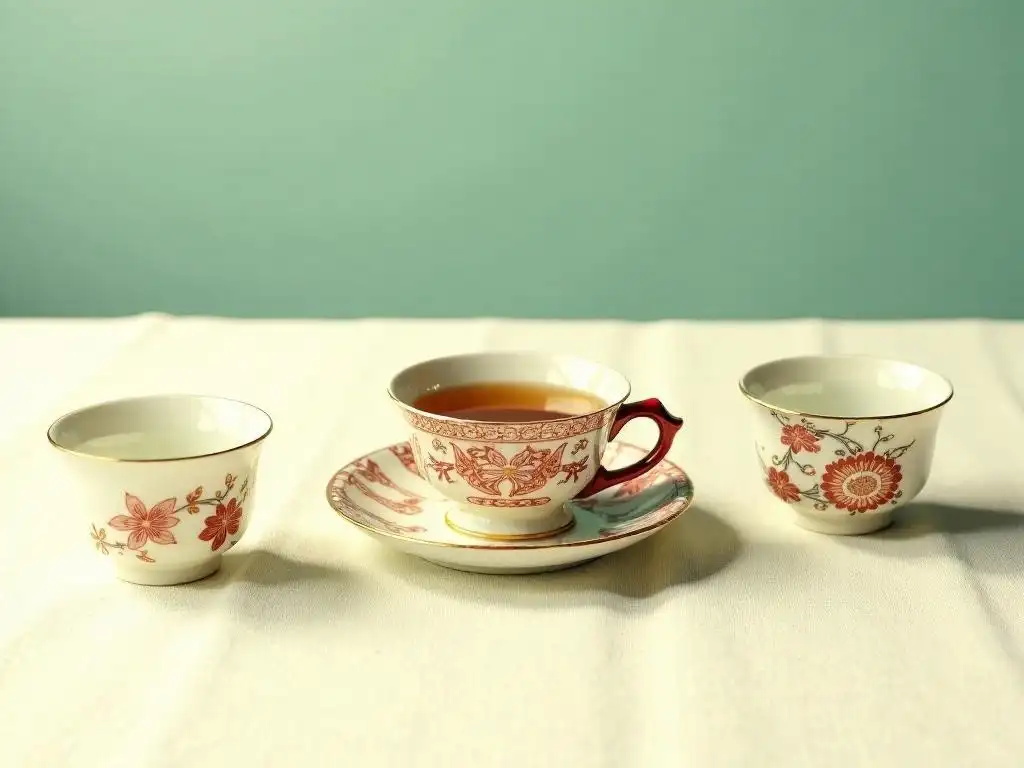
Welcome to Feudal Japan History, where we embark on a captivating journey through the enchanting world of Japan’s feudal era. Dive deep into the intricate tapestry of historical, cultural, and societal narratives that have shaped this fascinating period. In our featured article, "The Art of Tea Ceremony: A Feudal Tradition of Elegance and Spirituality," we unveil the profound history behind the cherished Japan tea ceremony. Prepare to be mesmerized by the elegance and spiritual significance that tea rituals have woven into the fabric of Japanese culture. Ready to discover the secrets of this timeless tradition? Let’s explore together!
Introduction to Japan Tea Ceremony History
The Japan tea ceremony, known as "chanoyu" (茶の湯), is much more than a simple act of serving and drinking tea; it is a profound cultural ritual that encapsulates the essence of Japanese aesthetics, philosophy, and social interaction. Rooted in the principles of harmony, respect, purity, and tranquility, the tea ceremony reflects the spiritual and artistic dimensions of Japan’s feudal era.
This article delves into the rich history of the Japan tea ceremony, exploring its significance in both cultural and societal contexts during a time when tradition and elegance defined social interactions. As we traverse through the intricacies of this esteemed practice, we will uncover its origins, evolution, and the pivotal figures who shaped its legacy.
Overview of the Tea Ceremony in Japanese Culture
The tea ceremony is a meticulous art form that emphasizes the importance of each element involved—from the tea itself to the utensils used and the environment in which the ceremony takes place. It serves as a medium for cultivating mindfulness and appreciating the beauty of simplicity. Here are some key aspects:
- Philosophy: The ceremony embodies Zen principles, promoting a sense of peace and introspection.
- Aesthetics: Every detail, from the tea room's design to the arrangement of flowers, plays a crucial role in creating an atmosphere of beauty and harmony.
- Rituals: Participants engage in a series of choreographed movements, demonstrating respect for the tea and each other.
Importance of the Tea Ceremony in Feudal Japan
During the feudal period, the tea ceremony became a vital social practice among the samurai and aristocracy. It was not merely a means to enjoy tea but a framework for fostering relationships and showcasing cultural refinement. Key points include:
- Social Significance: The ceremony served as a platform for diplomatic discussions, where alliances were strengthened over cups of tea.
- Cultural Identity: It played a crucial role in the expression of Japanese cultural identity, highlighting the values of simplicity and humility.
- Spiritual Connection: The tea ceremony provided a space for spiritual reflection, reinforcing the connection between nature, self, and society.
Historical Background of the Japan Tea Ceremony
Origins of Tea in Japan
The introduction of tea to Japan can be traced back to the early 9th century, when Buddhist monks brought tea seeds from China. The initial purpose was as a medicinal drink, but it soon gained popularity among the elite. Notable points include:
- Early Adoption: Initially embraced by monks and nobility, tea became a symbol of sophistication.
- Cultural Exchange: The exchange of tea culture between Japan and China laid the groundwork for the development of the Japanese tea ceremony.
The Evolution of the Tea Ceremony Through the Feudal Era
As Japan transitioned through various feudal periods, the tea ceremony evolved significantly, influenced by historical events and societal changes. Key phases include:
- Muromachi Period (1336-1573): The tea ceremony began to formalize, with the emergence of distinct styles and practices.
- Azuchi-Momoyama Period (1573-1603): The renowned tea master Sen no Rikyū established the principles that continue to define the ceremony today, emphasizing simplicity and naturalness.
Key Historical Figures in Japan Tea Ceremony History
Several influential figures have played pivotal roles in shaping the Japan tea ceremony, each contributing uniquely to its development:
- Kōbō Daishi (774-835): A monk credited with introducing tea to Japan.
- Sen no Rikyū (1522-1591): The most celebrated tea master, who refined the aesthetics and philosophy of the tea ceremony.
- Miyamoto Musashi (1584-1645): A legendary swordsman who also contributed to the cultural discourse surrounding the tea ceremony.
Through this exploration of the Japan tea ceremony history, we will gain a deeper appreciation of the cultural significance embedded in this elegant tradition, highlighting its role in shaping Japan's feudal society and its lasting impact on contemporary culture.
Elements of the Tea Ceremony
The Japanese tea ceremony, known as "Chanoyu," is a rich tapestry of cultural elements that intertwine to create a unique experience. Central to this practice are the various utensils, types of tea, and the environments in which the ceremonies are held. Each component is meticulously chosen and serves a specific purpose, contributing to the overall harmony and spirituality of the event. This intricate interplay not only reflects the aesthetic values of the period but also embodies the philosophical underpinnings that define the tea ceremony as an art form.
Traditional Utensils Used in the Tea Ceremony
Essential tools of the tea ceremony include the tea bowl (chawan), tea whisk (chasen), tea scoop (chashaku), and tea caddy (natsume). Each utensil is crafted with care, often made from materials such as ceramic, bamboo, or lacquered wood.
- Tea Bowl (Chawan): The vessel in which the tea is prepared and served. Its shape and design can vary significantly, often reflecting the season or the host's personal style.
- Tea Whisk (Chasen): A delicate bamboo tool used to whisk the powdered tea (matcha) into a frothy beverage.
- Tea Scoop (Chashaku): A bamboo scoop that measures the correct amount of tea powder required for preparation.
- Tea Caddy (Natsume): This container holds the tea leaves and is usually lacquered, showcasing the beauty of traditional craftsmanship.
These utensils are not just functional; they are also imbued with cultural significance and are often selected to harmonize with the aesthetics of the tea ceremony.
The Role of Tea Types in the Ceremony
The types of tea used in the ceremony predominantly include matcha, a finely ground powder of specially grown and processed green tea. The choice of tea is crucial as it influences both the flavor and the overall atmosphere of the ceremony.
- Matcha: The primary tea used, known for its vibrant green color and rich, umami flavor. Its preparation involves a unique ritual that emphasizes mindfulness and precision.
- Sencha: Occasionally used in more casual settings, sencha is steeped rather than whisked and offers a different tasting experience, characterized by its refreshing and grassy notes.
The selection of tea not only affects the sensory experience but also serves as a vehicle for philosophical reflection, prompting participants to appreciate the nuances of flavor and the moment.
The Significance of the Tea Room and Garden Design
The tea room, or "chashitsu," is a carefully designed space that embodies simplicity and tranquility. Its layout and decor are essential to creating an atmosphere conducive to reflection and serenity.
- Tea Room Design: Often small and intimate, the tea room features tatami mats, sliding doors (fusuma), and minimalistic decorations. The design promotes a sense of unity and focus among participants.
- Garden Design: The tea garden (roji) serves as a transitional space from the outside world to the tea room. It is typically designed with natural elements, such as stones, plants, and water features, creating a serene environment that prepares guests for the ceremony.
Both the tea room and garden contribute to the overall experience, inviting participants to engage with nature and fostering a sense of mindfulness.
Rituals and Practices of the Japan Tea Ceremony
The rituals and practices of the Japanese tea ceremony are steeped in tradition, each step thoughtfully choreographed to promote harmony and respect among participants. These rituals not only reflect cultural values but also serve as a meditation on the fleeting nature of life, encouraging a deep appreciation for the present moment.
Step-by-Step Guide to Conducting a Tea Ceremony
Conducting a tea ceremony involves precise steps that encompass preparation, serving, and appreciation.
- Preparation: The host cleans the utensils and prepares the tea, ensuring everything is in order.
- Welcoming Guests: Guests are greeted and invited to enter the tea room, often after a moment of reflection in the tea garden.
- Serving the Tea: The host whisk the matcha in the bowl, then serves it to each guest with a bow, demonstrating respect.
- Appreciation: Guests express gratitude for the tea and the host’s efforts, often admiring the bowl and noting its beauty.
Each of these actions is performed with mindfulness and intention, embodying the spirit of "omotenashi," or selfless hospitality.
The Spiritual Aspects of the Tea Ceremony
At its core, the tea ceremony is a spiritual practice that emphasizes mindfulness, respect, and tranquility. It serves as a meditation, allowing participants to connect with themselves and their surroundings.
- Mindfulness: Each action, from preparing the tea to serving it, is a practice in being present. Participants are encouraged to immerse themselves fully in the experience, fostering a sense of peace and calm.
- Connection: The ceremony fosters connections between the host and guests, promoting a shared experience that transcends the ordinary. This relational aspect enhances the spiritual dimension of the ceremony.
The spiritual significance of the tea ceremony extends beyond the act of drinking tea; it embodies a philosophy of living harmoniously with nature and others.
Aesthetic Principles in the Tea Ceremony: Wabi-Sabi
Aesthetic principles, particularly the concept of "wabi-sabi," play a crucial role in the Japanese tea ceremony. This philosophy emphasizes beauty in imperfection and the transient nature of life.
- Wabi: Refers to a rustic, understated elegance found in simplicity and naturalness. It celebrates the beauty of materials that show signs of age and use.
- Sabi: Focuses on the beauty that comes with the passage of time. This principle appreciates how objects change and fade, mirroring the life cycle of all things.
In the context of the tea ceremony, wabi-sabi encourages participants to find beauty in the fleeting and imperfect, fostering a deeper appreciation for every moment spent in the ceremony. This aesthetic not only shapes the visual elements of the experience but also influences the emotional and philosophical aspects of participants’ engagement with the ritual.
Cultural Significance of the Japan Tea Ceremony
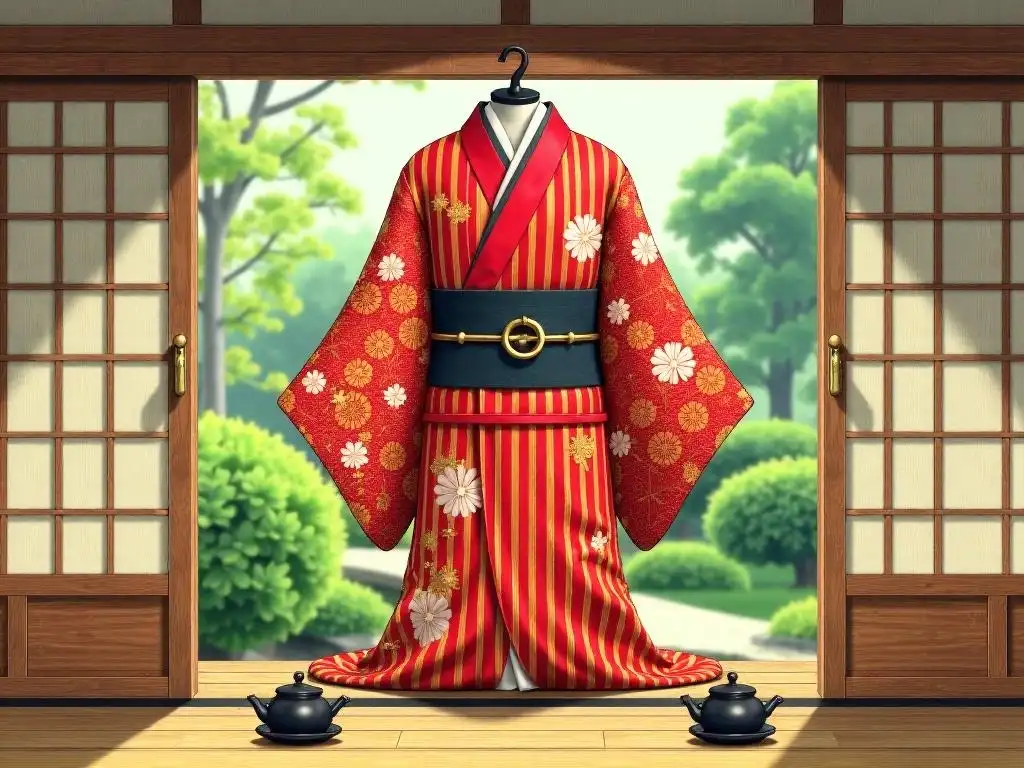
The Japan tea ceremony, known as chanoyu, embodies a rich tapestry of cultural significance that transcends mere beverage preparation. Rooted deeply in the traditions of feudal Japan, the ceremony reflects a profound connection to aesthetics, spirituality, and social interaction. Each aspect of the tea ceremony is meticulously designed to create an environment of peace, harmony, and respect, which mirrors the values of the time. The act of serving and consuming tea becomes a meditative experience, encouraging participants to appreciate the present moment and the beauty of simplicity.
The tea ceremony serves as a historical lens through which one can examine the intricate social and cultural dynamics of feudal Japan. It involves not only the preparation and serving of matcha (powdered green tea) but also incorporates elements such as calligraphy, flower arranging, and the art of conversation, all contributing to a holistic cultural experience. The ritual emphasizes the importance of mindfulness and intentionality, where every gesture and element is infused with meaning.
The Tea Ceremony as a Reflection of Feudal Values
The tea ceremony is steeped in the values that defined the feudal era of Japan, particularly the principles of wa (harmony), kei (respect), sei (purity), and jaku (tranquility). These tenets not only guide the conduct of the ceremony but also reflect the hierarchical nature of feudal society. The respect shown to the host and other guests during the ceremony reinforces the social order, encapsulating relationships governed by loyalty and duty.
Moreover, the simplicity and elegance of the ceremony are emblematic of the samurai class's aesthetic ideals. The emphasis on natural materials, understated beauty, and the fleeting nature of existence resonates with the wabi-sabi philosophy, which appreciates imperfection and transience. Thus, the tea ceremony stands as a microcosm of feudal values, illustrating how cultural practices were intertwined with the social fabric of Japan.
Social Hierarchies and Roles in Tea Ceremonies
In the context of the tea ceremony, social hierarchies are vividly illustrated through the roles participants assume. Traditionally, the host, often of higher status, meticulously prepares the tea, symbolizing authority and hospitality. The guests, depending on their rank, participate with varying degrees of formality, which reinforces the established social order.
During the ceremony, the interactions are governed by a strict code of etiquette, reflecting the intricate relationships between the samurai, merchants, and commoners. The host's ability to create a welcoming and harmonious atmosphere is seen as a reflection of their character and social standing, while guests demonstrate their respect through their behavior and responses. This dynamic interplay highlights the ceremony's role as a space where social hierarchies are both constructed and acknowledged.
The Influence of Zen Buddhism on the Tea Ceremony
Zen Buddhism profoundly influenced the development of the Japan tea ceremony, shaping its aesthetics and philosophy. The principles of Zen—simplicity, mindfulness, and the appreciation of nature—are integral to the ceremony's practice. The act of preparing and serving tea is viewed as a meditative process, allowing both the host and guests to cultivate a sense of presence and awareness.
The incorporation of Zen ideals is evident in the design of the tea room, known as a chashitsu, which is carefully constructed to create a tranquil environment. Natural materials, minimalistic decor, and the absence of distractions serve to enhance the meditative experience. Furthermore, the philosophical underpinnings of Zen encourage participants to seek enlightenment through simplicity, aligning perfectly with the understated elegance of the tea ceremony.
Modern Interpretations of the Japan Tea Ceremony
As Japan has evolved, so too has the tea ceremony, adapting to contemporary cultural contexts while retaining its core principles. Modern interpretations of the tea ceremony reflect changes in societal values, lifestyles, and the influence of globalization.
Contemporary Practices and Adaptations
In today’s Japan, the tea ceremony is often seen as both a traditional art form and a form of cultural heritage. Contemporary practices may include variations that incorporate modern elements, such as themed ceremonies or the use of contemporary tea blends. Additionally, the ceremony is frequently showcased in cultural festivals and educational settings, helping to preserve its significance while making it accessible to a wider audience.
Moreover, the rise of international interest has encouraged adaptations that cater to non-Japanese participants. Workshops and demonstrations often simplify the process, focusing on the experiential aspects of tea drinking rather than the ritualistic elements. This creates a bridge between tradition and modernity, allowing the tea ceremony to flourish in a global context.
The Role of the Tea Ceremony in Modern Japanese Society
In modern Japanese society, the tea ceremony retains its role as a symbol of cultural identity and continuity. While the frequency of traditional ceremonies may have diminished, the values it embodies—harmony, respect, and mindfulness—remain relevant. Many people turn to the tea ceremony as a means of escaping the fast-paced modern life, seeking solace in its rituals.
Educational institutions also play a vital role in preserving the tea ceremony through formal classes and workshops, ensuring that the younger generations appreciate its significance. The tea ceremony is thus not merely a relic of the past but a living tradition that continues to adapt while serving as a reminder of Japan's rich cultural heritage.
Global Influence of the Japan Tea Ceremony: A Cultural Export
The Japan tea ceremony has gained international recognition, becoming a cultural export that transcends geographical boundaries. As global interest in Japanese culture has surged, the tea ceremony has found its way into various contexts worldwide, from cultural festivals to culinary events.
In many countries, tea ceremonies are held to promote cross-cultural understanding, often emphasizing the ceremony's underlying themes of peace and harmony. This global appreciation has led to the establishment of tea schools and organizations dedicated to teaching the art of the tea ceremony, further solidifying its status as an important cultural practice. The tea ceremony, in its many forms, serves as a bridge between cultures, fostering dialogue and connection through the shared experience of tea.
Conclusion: The Enduring Legacy of Japan Tea Ceremony History
The Japan tea ceremony, known as chanoyu, is far more than a mere ritual of serving and consuming tea; it encapsulates a philosophy grounded in simplicity, harmony, and respect. Emerging during the tumultuous Muromachi period, this intricate art form has evolved through centuries of cultural refinement, becoming a significant marker of Japanese identity. The legacy of the tea ceremony is woven deeply into the fabric of Japanese culture, influencing various aspects of life, from aesthetics and architecture to social interactions and spiritual practices.
As society transitions through modernity, the principles of the tea ceremony continue to resonate, presenting an enduring framework for mindfulness and tranquility amidst the chaos of contemporary life. The meticulous attention to detail observed in the ceremony invites participants to appreciate the moment, fostering a sense of connection with oneself and the surrounding environment. This enduring legacy ensures that the tea ceremony remains a vital part of Japan’s cultural heritage, celebrated by enthusiasts and practitioners around the world.
Reflections on the Tea Ceremony’s Impact on Japanese Culture
The impact of the tea ceremony on Japanese culture is profound and multifaceted. Historically, it served as a social lubricant among the samurai class, facilitating diplomacy and social cohesion during the feudal era. The ceremony's structure, emphasizing etiquette and respect, mirrored the hierarchical nature of feudal Japan, reinforcing the values of humility and gratitude.
In addition to its social significance, the tea ceremony has influenced Japanese aesthetics, inspiring art forms such as pottery, flower arrangement ( ikebana), and even traditional architecture. The concept of wabi-sabi, which celebrates the beauty of imperfection and transience, is deeply embedded in the tea ceremony, encouraging participants to find beauty in simplicity and naturalness. This aesthetic philosophy permeates various aspects of Japanese culture, influencing literature, visual arts, and design principles.
Furthermore, the tea ceremony has become a symbol of Japan's cultural diplomacy, showcasing the nation’s rich heritage to the world. Internationally, it has captivated audiences, leading to the establishment of tea schools and cultural exchanges that further propagate its values and practices. Through these interactions, the tea ceremony has fostered a deeper appreciation of Japanese culture globally, promoting a dialogue that transcends geographical boundaries.
The Future of the Tea Ceremony in a Changing World
In an era marked by rapid globalization and technological advancement, the future of the tea ceremony faces both challenges and opportunities. While the traditional aspects of the ceremony may seem at odds with contemporary lifestyles, there is a growing interest in mindfulness practices that align closely with its principles. As individuals seek solace from the fast-paced modern world, the tea ceremony offers a sanctuary for introspection and connection.
Modern practitioners are creatively adapting the tea ceremony to suit contemporary tastes, incorporating new elements while preserving its core values. This evolution has led to the emergence of themed tea events, pop-up ceremonies in urban settings, and collaborations with contemporary artists, making the tradition more accessible to younger generations. Such innovations not only keep the practice alive but also introduce it to a broader audience, fostering a renewed appreciation for its cultural significance.
Moreover, as environmental awareness grows, the tea ceremony's emphasis on nature and sustainability resonates strongly with current global movements. The conscious use of local, seasonal ingredients and eco-friendly practices within the ceremony aligns with the values of many modern consumers. This synergy positions the tea ceremony as not just a historical relic but as a relevant practice that can adapt and thrive in today’s world, ensuring its legacy continues for generations to come.
- Introduction to Japan Tea Ceremony History
- Historical Background of the Japan Tea Ceremony
- Elements of the Tea Ceremony
- Rituals and Practices of the Japan Tea Ceremony
- Cultural Significance of the Japan Tea Ceremony
- Modern Interpretations of the Japan Tea Ceremony
- Conclusion: The Enduring Legacy of Japan Tea Ceremony History
- What is the significance of the tea ceremony in feudal Japan?
- How did the tea ceremony evolve during the feudal era?
- What are the main components of a traditional tea ceremony?
- Who were the key figures in shaping the history of the tea ceremony?
- How does the tea ceremony reflect the societal structure of feudal Japan?
Frequently Asked Questions
What is the significance of the tea ceremony in feudal Japan?
The tea ceremony, or chanoyu, represents not just a ritual of preparing and serving tea, but also embodies elegance and spirituality that reflect the cultural values of feudal Japan.
How did the tea ceremony evolve during the feudal era?
Originally influenced by Zen Buddhism, the tea ceremony evolved over centuries, incorporating elements of aesthetics, philosophy, and social interaction, making it a vital aspect of Japanese culture.
What are the main components of a traditional tea ceremony?
A traditional tea ceremony involves several key components, including the tea utensils, tatami mats, and a carefully choreographed sequence of actions that highlight beauty and mindfulness.
Who were the key figures in shaping the history of the tea ceremony?
Sen no Rikyū, a prominent tea master, significantly influenced the tea ceremony's aesthetics and practices, emphasizing the principles of simplicity and harmony during the feudal period.
How does the tea ceremony reflect the societal structure of feudal Japan?
The tea ceremony was often a reflection of social status and class, serving as a space for nobility to engage, while also fostering community and spiritual connections among participants.
Final Reflection: Embracing the Elegance and Spirituality of the Tea Ceremony
The art of the Japanese tea ceremony is not merely a historical practice; it is a living testament to the values of mindfulness, respect, and harmony that resonate deeply in our contemporary world. As we navigate the complexities of modern life, the principles embodied in this ancient tradition remind us of the importance of slowing down, appreciating the moment, and cultivating connections with others. The tea ceremony serves as a powerful symbol of how cultural practices can transcend time, offering us a pathway to inner peace and communal harmony.
Cultural practices like the tea ceremony continue to shape our social landscape, influencing everything from our daily rituals to our understanding of hospitality and mindfulness. The elegance and spirituality inherent in this tradition invite us to reflect on our own lives and the ways we engage with the world around us. As the renowned tea master Sen no Rikyū once said, Tea is a religion of the art of life.
This sentiment encapsulates the essence of the tea ceremony, urging us to find beauty and meaning in the simplest of actions, fostering a deeper appreciation for the present moment.
As we conclude our exploration of the Japanese tea ceremony, I invite you to reflect on how you can incorporate its lessons into your own life. Consider setting aside time for quiet reflection, creating your own rituals, or simply savoring a cup of tea with intention. By embracing the elegance and spirituality of this tradition, you can cultivate a sense of peace and connection that enriches your daily experiences. Let the art of the tea ceremony inspire you to find beauty in the ordinary and to nurture the relationships that matter most.
Embrace the Serenity of Tea Ceremony Today!
Thank you for exploring the intricate beauty of the tea ceremony with us. You've gained insight into its elegance and spiritual significance, connecting with a timeless tradition. Now, it's time to take this appreciation further and infuse your life with the tranquility of tea. Here’s how you can begin:
- Join a local tea ceremony workshop to experience this art form firsthand and deepen your understanding of its cultural significance.
- Start your own tea ritual at home! Set aside a quiet moment each day to enjoy a cup of your favorite tea, reflecting on the peaceful practices you've learned.
- Share your newfound knowledge with friends or family. Host a small gathering to introduce them to the beauty of the tea ceremony and its principles.
Which aspect of the tea ceremony resonates with you the most, and how will you weave it into your daily routine?