
Temples of Learning: The Role of Buddhist Monasteries in Feudal Education


Welcome to Feudal Japan History, where we invite you to embark on a captivating journey through the intricate tapestry of Japan’s feudal era. In our featured article, "Temples of Learning: The Role of Buddhist Monasteries in Feudal Education," we delve into the profound influence of Buddhist monasteries as centers of knowledge and enlightenment during this transformative period. Discover how these sacred spaces shaped not only education but also the very fabric of society. Are you ready to uncover the secrets of feudal education and its lasting legacy? Let’s explore together!
The feudal era of Japan, spanning from the 12th to the 19th centuries, was marked by a unique blend of political upheaval, cultural development, and societal transformation. Within this intricate tapestry of history, Buddhist monasteries emerged as pivotal centers of learning and education. These sacred spaces were not merely places of worship; they served as crucial institutions where knowledge, philosophy, and cultural practices were preserved and disseminated.
This article delves into the significant role that Buddhist monasteries played in feudal education, highlighting their contributions to society, culture, and the intellectual landscape of Japan during this era. By exploring the educational systems established in these monasteries, we can gain a deeper understanding of how they influenced the development of Japanese thought and the broader implications for feudal society.
The Historical Context of Buddhist Monasteries in Feudal Japan
During the feudal period, Japan was characterized by a decentralized political structure, where power was held by various regional lords (daimyos) and their samurai retainers. Amidst this backdrop, Buddhism flourished, particularly during the Kamakura period (1185-1333) and the Muromachi period (1336-1573). Monasteries became essential hubs for spiritual and intellectual pursuits, attracting not only monks but also scholars, students, and laypeople seeking knowledge.
- Key Historical Developments:
- The rise of sects such as Zen, Pure Land, and Nichiren Buddhism led to the establishment of numerous monasteries.
- These institutions often received patronage from powerful feudal lords, further embedding them into the fabric of feudal society.
The Educational Framework of Buddhist Monasteries
Buddhist monasteries in feudal Japan developed comprehensive educational systems that combined religious training with secular studies. The curriculum was diverse, encompassing various fields of study, including:
- Religious Studies:
- Scriptural Studies: Monks were educated in Buddhist texts, philosophy, and ethics.
- Meditation Practices: Emphasis on Zen meditation techniques to cultivate mindfulness and spiritual awareness.
- Secular Education:
- Literature and Poetry: Study of classical Japanese literature and the creation of poetry as a form of expression.
- Calligraphy and Arts: Development of artistic skills, including calligraphy, which was highly regarded.
- Philosophy and Ethics: Exploration of moral principles and philosophical thought, often influenced by Confucianism.
The Influence of Buddhist Monasteries on Society
The impact of Buddhist monasteries extended beyond their walls, significantly shaping the broader society of feudal Japan. They played a crucial role in:
- Cultural Preservation: Monasteries were key in preserving ancient texts and knowledge, ensuring that cultural heritage was passed down through generations.
- Community Engagement: Many monasteries served as community centers, offering education to the local populace and providing social services.
- Intellectual Exchange: Monasteries fostered an environment of intellectual exchange, where scholars from different regions could share ideas and collaborate on various academic pursuits.
Conclusion
The role of Buddhist monasteries in feudal education cannot be overstated. As centers of learning, they not only contributed to the spiritual development of individuals but also laid the groundwork for the intellectual and cultural advancements of Japan. Understanding this historical context reveals the intricate connections between religion, education, and society during one of Japan's most transformative eras. As we explore the various facets of education within these monasteries, we uncover a rich tapestry of knowledge that continues to influence Japanese culture today.
- The Historical Context of Buddhist Monasteries in Feudal Japan
- The Educational Framework of Buddhist Monasteries
- The Influence of Buddhist Monasteries on Society
- Conclusion
- What was the role of Buddhist monasteries in feudal education in Japan?
- How did Buddhist education influence Japanese society during the feudal era?
- Were there specific subjects taught at these monasteries?
- Did all social classes have access to education in these monasteries?
- How did the decline of Buddhist monasteries affect education in feudal Japan?
Introduction to Buddhist Monasteries in Feudal Japan
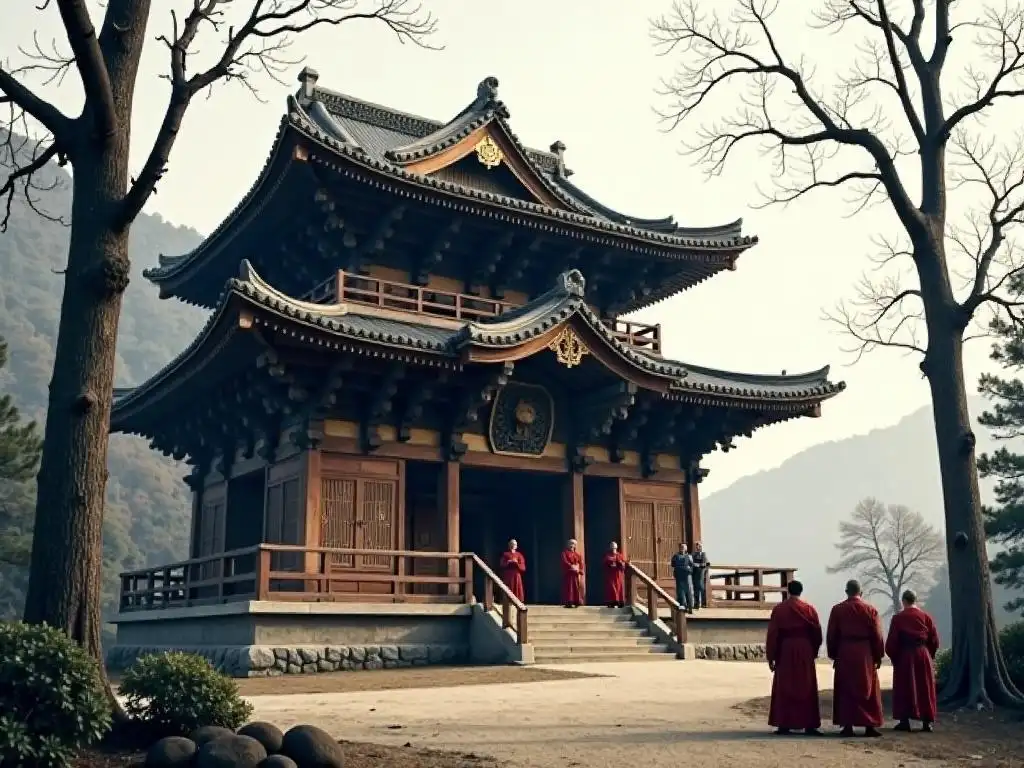
Overview of Feudal Japan and Its Educational Landscape
Feudal Japan, spanning from the late 12th century to the 19th century, was characterized by a complex hierarchy of power, land ownership, and social structure. During this period, education was not universally accessible; rather, it was primarily reserved for the samurai class and the nobility. However, Buddhist monasteries emerged as crucial institutions in the educational landscape, providing both spiritual guidance and academic instruction.
The educational system in feudal Japan was multifaceted, comprising various types of schools and learning environments. While the samurai received education through private tutors or clan schools, the common populace had limited access to formal education. As a result, Buddhist monasteries became vital centers of learning, especially in rural areas where educational opportunities were scarce. These monasteries offered a range of subjects, including:
- Buddhism and Philosophy: Fundamental teachings of Buddhism, ethics, and moral philosophy.
- Literature: Classical texts and poetry, fostering a rich literary culture.
- Calligraphy: The art of writing, which was essential for administrative duties.
- Medicine: Basic medical knowledge, often derived from Chinese texts.
Through these subjects, Buddhist monasteries played a pivotal role in shaping the intellectual and cultural fabric of feudal Japan, creating a bridge between the elite and the common people.
Significance of Buddhist Monasteries in Society
Buddhist monasteries were not only centers of education but also held significant social and political influence in feudal Japan. Their role extended beyond mere instruction; they were instrumental in the dissemination of cultural values, community cohesion, and even governance.
- Cultural Preservation: Monasteries acted as custodians of Japanese culture, preserving ancient texts, rituals, and practices. They maintained libraries, often housing invaluable manuscripts and scrolls that would otherwise have been lost to time.
- Community Centers: Serving as hubs for local communities, these monasteries provided a space for festivals, ceremonies, and communal gatherings. They fostered a sense of belonging and identity among the populace, often becoming the heart of rural life.
- Political Power: Many monasteries wielded considerable political power. Some abbots were influential figures, advising local lords and participating in regional governance. This political involvement allowed them to advocate for the needs of their communities and influence local policies.
- Moral Education and Ethical Conduct: The teachings imparted in these monasteries emphasized moral integrity, compassion, and social responsibility. This ethical education permeated society, guiding behavior and interactions among individuals.
Buddhist monasteries were vital to the educational framework of feudal Japan, shaping not only the minds of individuals but also contributing to the broader societal structure. Their legacy continues to influence education and culture in modern Japan, highlighting the enduring impact of these institutions on Japanese history.
The Historical Context of Buddhist Monasteries

Buddhist monasteries played a pivotal role in shaping the educational landscape of feudal Japan. Established primarily as centers for religious practice, these institutions gradually evolved into hubs of learning, influencing various aspects of Japanese culture and society. The historical context of these monasteries is deeply intertwined with the political and social dynamics of the feudal era, where they served not only as places of worship but also as sanctuaries of knowledge.
The Establishment of Monasteries During the Feudal Era
The establishment of Buddhist monasteries in Japan can be traced back to the introduction of Buddhism from the Korean Peninsula in the 6th century. However, it was during the Heian period (794-1185) that monasteries began to flourish, particularly with the rise of the Tendai and Shingon sects. These sects established significant monasteries such as Enryaku-ji on Mount Hiei and Todai-ji in Nara, which became influential in both religious and educational spheres.
- Political Influence:
- Monasteries were often granted land by powerful feudal lords, allowing them to accumulate wealth and influence. This relationship created a unique power dynamic where monasteries could exert considerable sway over local governance and education.
- For instance, the Tendai sect not only focused on spiritual teachings but also engaged in political affairs, becoming a voice for the common people in regional disputes.
- Educational Functions:
- By the Kamakura period (1185-1333), many monasteries had developed formal educational programs focused on Buddhist texts, philosophy, and arts.
- Monastic schools attracted students from various backgrounds, including samurai, farmers, and merchants, fostering a diverse intellectual community.
- Cultural Preservation:
- Monasteries served as repositories of knowledge, preserving classical texts and engaging in scholarly activities. This was particularly crucial during times of political instability when other educational institutions were threatened or destroyed.
- The libraries within these monasteries contained vast collections of works in literature, philosophy, and science, thus playing a key role in the transmission of knowledge through generations.
Key Figures in the Development of Monastic Education
The growth of Buddhist monastic education in feudal Japan can be attributed to several key figures who were instrumental in establishing educational frameworks and curricula within monasteries.
- Saicho (Dengyo Daishi):
- As the founder of the Tendai school, Saicho emphasized the importance of education in understanding Buddhist doctrine. He established the Enryaku-ji monastery, where he implemented a structured curriculum that included training in Buddhist philosophy and meditation practices.
- Kobo Daishi (Kukai):
- The founder of the Shingon sect, Kukai played a vital role in establishing the Todai-ji monastery. His teachings integrated esoteric practices with educational programs, which attracted many students and scholars to his monastic centers.
- Kukai is also credited with promoting the study of kanji and the development of the Japanese writing system, thus enriching the educational landscape.
- Eison:
- A prominent figure during the Kamakura period, Eison reformed the Nara schools, emphasizing practical education for the laity alongside traditional monastic teachings. His initiatives helped bridge the gap between religious and secular education, fostering a more inclusive approach to learning.
- Shinran:
- The founder of the Jodo Shinshu sect, Shinran’s teachings focused on accessible education for all, regardless of social status. His emphasis on personal understanding of Buddhist teachings led to the establishment of numerous temples that served as educational institutions, further democratizing feudal education.
Through their contributions, these figures not only advanced the spiritual mission of their respective sects but also laid the groundwork for a comprehensive educational system that flourished within the monasteries of feudal Japan. The legacy of Buddhist monasteries as centers of learning continues to resonate in modern educational practices, highlighting their enduring influence on Japanese society.
Structure of Education within Buddhist Monasteries
Buddhist monasteries in feudal Japan served as essential centers for education, shaping the intellectual landscape of the era. The structure of education within these monastic institutions was meticulously organized and focused on cultivating both spiritual and practical knowledge. Monastic schools were often established within the monastery's confines, providing a unique environment where students could immerse themselves in learning amidst a tranquil setting.
The education system in these monasteries was hierarchical and typically segregated by age and ability, allowing for tailored instruction. Young novices, often starting their education around the age of 10, would begin with basic Buddhist teachings before progressing to more advanced studies. The curriculum emphasized not only religious studies but also subjects that fostered critical thinking and practical skills essential for their future roles in society.
Curriculum and Subjects Taught in Monastic Schools
The curriculum in monastic schools was diverse, encompassing a wide range of subjects designed to cultivate both the mind and spirit. Key areas of study included:
- Buddhist Philosophy: Central to education in monasteries, this subject covered the fundamental teachings of Buddhism, including the Four Noble Truths and the Eightfold Path. Students engaged in deep discussions and debates to enhance their understanding.
- Sanskrit and Chinese Literature: As many Buddhist texts were originally written in these languages, mastering Sanskrit and Classical Chinese was crucial. Students learned to read and interpret important scriptures, which also allowed them to connect with broader cultural and intellectual movements.
- Calligraphy and Poetry: Artistic expression was highly valued, and students were trained in calligraphy and the composition of poetry, particularly in the context of Buddhist themes. This not only honed their creative skills but also deepened their appreciation for the beauty of language.
- Ethics and Morality: Monks emphasized the importance of ethical behavior and moral reasoning, ensuring that students understood the implications of their actions within a Buddhist framework. This subject was integrated into all aspects of learning, reinforcing the connection between knowledge and virtue.
- Practical Skills: In addition to academic subjects, practical skills such as agriculture, medicine, and even governance were taught. This helped prepare students for future roles within their communities, especially as many monks served as local leaders.
The combination of these subjects created a comprehensive educational experience that nurtured both the intellectual and moral development of students, preparing them for their roles as scholars, leaders, and practitioners of Buddhism.
The Role of Monks as Educators and Scholars
Monks played a pivotal role in shaping the educational landscape of feudal Japan. As both educators and scholars, they were responsible for imparting knowledge and fostering a culture of learning within the monasteries. Their influence extended beyond the monastery walls, impacting society at large through their teachings and scholarly contributions.
Responsibilities of Monks as Educators
Monks served not only as teachers but also as mentors, guiding students through their spiritual and intellectual journeys. Their responsibilities included:
- Curriculum Development: Monks were instrumental in designing and implementing educational programs tailored to the needs and abilities of their students. This adaptability ensured that learning remained relevant and effective.
- Conducting Lectures and Discussions: Monks frequently held lectures and discussions on various topics, encouraging critical thinking and open dialogue. These sessions helped students articulate their thoughts and engage with complex ideas.
- Individualized Instruction: Monks often provided one-on-one instruction to students, allowing for personalized guidance and support. This approach fostered deeper understanding and mastery of subjects.
Scholarly Contributions
In addition to their roles as educators, many monks were prolific scholars who contributed significantly to Buddhist literature and philosophy:
- Writing and Translations: Monks engaged in writing original texts and translating important Buddhist scriptures, making them accessible to a wider audience. Their efforts helped preserve and disseminate Buddhist teachings throughout Japan.
- Interdisciplinary Studies: Some monks studied and integrated knowledge from various fields, such as medicine and astronomy, into their teachings. This interdisciplinary approach enriched the educational experience and showcased the monks' commitment to holistic learning.
- Cultural Preservation: Monasteries served as repositories of knowledge, where monks meticulously preserved historical texts and artifacts. Their dedication to cultural preservation ensured that vital aspects of Japanese history and Buddhism were safeguarded for future generations.
Through these roles, monks not only facilitated education within their monasteries but also contributed to the broader intellectual and cultural fabric of feudal Japan, ensuring that Buddhist monasteries remained vital centers of learning in society.
The Influence of Buddhist Monasteries on Feudal Education

During Japan's feudal era, Buddhist monasteries became pivotal centers for education, significantly influencing the intellectual and cultural landscape of the time. These monasteries not only served as places of worship but also as institutions of learning, where monks dedicated themselves to the study of various subjects, including philosophy, medicine, and the arts. The role of Buddhist monasteries in feudal education was multifaceted, providing an alternative educational framework that shaped the moral and ethical values of society.
Integration of Buddhist Philosophy in Educational Practices
Buddhist philosophy played a crucial role in shaping the educational practices within monasteries. The teachings of Buddhism emphasized the importance of wisdom, compassion, and ethical conduct, which were integrated into the curriculum. Monks were trained not only in religious texts but also in critical thinking and debate, fostering a culture of intellectual inquiry.
Key aspects of this integration included:
- Textual Studies: Monasteries became repositories of Buddhist scriptures. The study of texts such as the Lotus Sutra and the Heart Sutra was fundamental, promoting deep engagement with philosophical concepts.
- Meditation and Mindfulness: Education was not solely academic; it included practices like Zen meditation, which encouraged self-reflection and mental clarity. This holistic approach aimed to cultivate both the mind and spirit of students.
- Moral Education: The ethical teachings of Buddhism were woven into the educational framework, instilling a sense of responsibility and community among students. Lessons on compassion and non-violence were paramount, influencing the behavior of samurai and commoners alike.
- Cultural Transmission: Buddhist monasteries acted as cultural hubs, preserving and transmitting not only religious teachings but also art, literature, and traditional crafts. This cultural education was vital in maintaining societal cohesion during the feudal period.
Comparison with Secular Education Systems of the Time
In contrast to the Buddhist educational model, secular education during the feudal era primarily revolved around the samurai class and was often limited in scope. While there were secular schools, particularly those established by the warrior class, they generally focused on military training, governance, and Confucian principles rather than on the holistic education found in Buddhist monasteries.
Here are some key differences:
| Aspect | Buddhist Monasteries | Secular Education Systems |
|---|---|---|
| Curriculum Focus | Philosophy, ethics, arts, and medicine | Military strategy, governance, and Confucian texts |
| Access to Education | Open to all, including commoners | Primarily for samurai and elite classes |
| Teaching Methods | Holistic approach with meditation | Rigid, focusing on rote learning |
| Cultural Contributions | Preservation of arts and literature | Limited to pragmatic skills for governance or warfare |
The role of Buddhist monasteries in feudal education represented a significant contrast to secular institutions, providing a more comprehensive and inclusive approach to learning. As a result, they not only educated individuals but also helped to shape the moral and ethical foundations of society during Japan's feudal era.
The Societal Role of Buddhist Monasteries in Education

Monasteries as Centers of Learning and Cultural Preservation
During Japan's feudal era, Buddhist monasteries emerged as pivotal institutions not only for spiritual guidance but also as centers of learning and cultural preservation. These monasteries played a crucial role in educating the populace, particularly among the samurai and the emerging merchant classes.
Buddhist monasteries, such as those belonging to the Tendai, Shingon, and Pure Land sects, became repositories of knowledge. They housed vast collections of texts, manuscripts, and scrolls covering a range of subjects including philosophy, medicine, literature, and the arts. Monastic libraries served as vital resources for scholars, monks, and students alike. Notably, the Higashi Hongan-ji in Kyoto and the Tōdaiji in Nara are exemplary institutions that not only facilitated religious instruction but also promoted secular studies.
The curriculum in these monasteries often combined Buddhist teachings with Confucian and Taoist philosophies, reflecting a syncretic approach to education. Monks were trained in various disciplines and often became teachers themselves, passing on their knowledge to novices and laypeople. For instance, the practice of calligraphy, which was essential for documentation and artistry, was taught extensively within these monasteries.
In addition to formal education, monasteries contributed to cultural preservation by sponsoring artistic endeavors, such as the creation of mandalas and temple architecture. These activities not only enriched the spiritual landscape of Japan but also ensured that cultural practices and historical narratives were documented and transmitted through generations.
Buddhist monasteries significantly influenced social mobility during Japan's feudal period by providing educational opportunities that were otherwise limited. Access to knowledge was not solely reserved for the elite; many monasteries opened their doors to the common people, thus democratizing education to some extent.
The open-door policies of certain monasteries allowed individuals from various social strata to seek education and training. This accessibility was particularly evident in regions where local rulers supported monasteries as a means to foster loyalty and community cohesion. For example, many samurai families sent their sons to these institutions, recognizing the importance of literacy and learning in maintaining their status and influence.
Moreover, the establishment of temple schools within monasteries further broadened educational access. These schools offered instruction in reading, writing, and arithmetic, while also incorporating ethical teachings derived from Buddhist texts. As a result, individuals who might not have been able to afford private tutors or formal schooling were able to gain essential skills that would enhance their social standing.
The influence of Buddhist monasteries on education can also be seen in the way they contributed to the development of a literate society. As more individuals became educated, they could engage in trade, governance, and other professions that required a level of literacy and critical thinking. This shift not only improved personal prospects but also enriched the overall economy and cultural fabric of feudal Japan.
The role of Buddhist monasteries in feudal education was multifaceted. They served as centers of learning and cultural preservation while simultaneously promoting social mobility and expanding access to education. Their influence reached far beyond the confines of their walls, shaping the educational landscape of Japan and leaving a lasting legacy in the annals of history.
Challenges Faced by Buddhist Monasteries in the Educational Sphere
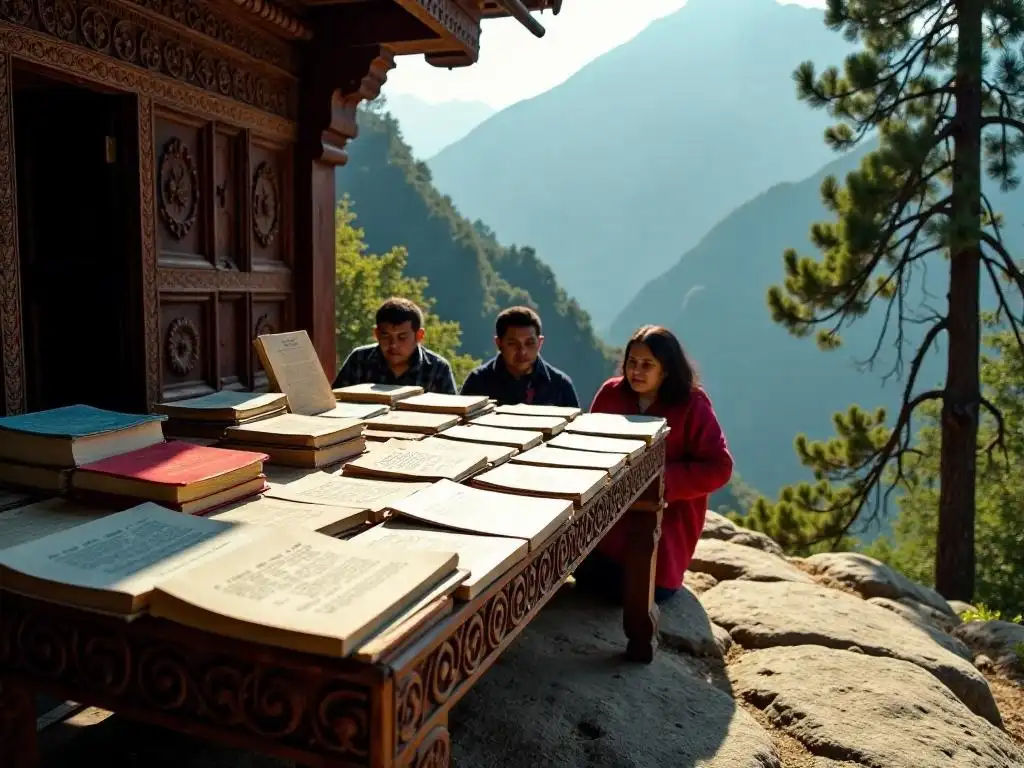
Buddhist monasteries in feudal Japan played a crucial role in shaping the educational landscape, yet they encountered numerous challenges that hindered their effectiveness as centers of learning. Understanding these challenges provides insights into the complexities of Buddhist monasteries' influence on feudal education and the broader societal context.
Political and Religious Conflicts Affecting Education
The political climate during the feudal era was tumultuous, marked by conflicts between various clans and factions. These political struggles often had direct implications for the educational activities of Buddhist monasteries. The following factors illustrate how political and religious conflicts influenced the role of monasteries in education:
- Power Struggles: As clans vied for dominance, monasteries sometimes found themselves aligned with one faction over another. This alignment could lead to favoritism in educational resources and support, while rival factions might suppress or diminish the influence of certain monasteries.
- Religious Authority: The rise of different sects within Buddhism, such as Tendai and Shingon, often led to rivalries that affected educational curricula. Monasteries had to navigate these schisms, which sometimes resulted in conflicts over what should be taught and how.
- State Interventions: The government occasionally intervened in monastic affairs, particularly during periods of unrest. These interventions could disrupt educational programs or redirect resources from scholarly pursuits to more immediate political needs, such as military preparedness.
The dynamic interplay between political ambitions and religious affiliations often hampered the monasteries' capacity to provide a stable educational environment. Monastic leaders had to balance their educational mission with these external pressures, often leading to compromises that diluted the quality and accessibility of education.
The Decline of Monastic Influence in Later Feudal Periods
As Japan progressed into the later feudal periods, particularly during the Muromachi and Edo periods, the influence of Buddhist monasteries in education began to wane. Several factors contributed to this decline:
- Rise of Secular Education: With the emergence of samurai and merchant classes, secular education systems began to take root. Schools such as terakoya (temple schools) and later private academies started to provide alternative forms of education that were more aligned with the needs of these new social classes. This shift lessened the reliance on Buddhist monasteries for learning.
- Suppression of Monastic Power: The Tokugawa shogunate implemented policies that restricted the power of Buddhist institutions. These policies often targeted the economic and political influence of monasteries, thereby diminishing their role as educational centers. By controlling the resources and privileges of monasteries, the shogunate effectively curtailed their educational functions.
- Cultural Shifts: The evolving cultural landscape of Japan began to favor Neo-Confucian ideals, particularly during the Edo period. This philosophical shift redirected attention away from Buddhist teachings and towards Confucian education, which emphasized ethics, governance, and societal roles. As a result, Buddhist educational institutions struggled to maintain their relevance.
The decline of monastic influence in education during the later feudal periods marked a significant transformation in the educational fabric of Japan. While Buddhist monasteries laid the groundwork for learning and scholarship during earlier centuries, their diminished role reflects broader societal changes and the emergence of competing educational paradigms.
The challenges faced by Buddhist monasteries in the educational sphere were multifaceted, shaped by political dynamics and evolving cultural contexts. Their journey through these challenges illustrates the complex interplay between education, religion, and society in feudal Japan.
Conclusion: Lasting Legacy of Buddhist Monasteries in Japanese Education
The influence of Buddhist monasteries on feudal education in Japan has carved a significant path in the nation’s historical narrative. These institutions were not only centers for spiritual growth but also pivotal in shaping the intellectual landscape during the feudal era. The educational frameworks established within these monasteries laid the groundwork for future learning systems, influencing various aspects of Japanese culture and society.
Reflection on the Role of Monastic Education in Modern Japan
The legacy of monastic education continues to resonate in contemporary Japan. Many of the educational philosophies and practices originating from Buddhist monasteries can still be observed today. For instance, the emphasis on discipline, meditation, and moral development found in modern educational settings echoes the teachings of Buddhist monks.
- Integration of Mindfulness: The practice of mindfulness, which has gained popularity in educational institutions, can be traced back to the meditative practices of Buddhist monks. Such techniques promote not only academic success but also emotional well-being among students.
- Ethics and Morality: The ethical teachings of Buddhism, which were integral to monastic education, are increasingly being incorporated into modern curricula. This focus on moral education is vital in shaping responsible citizens who contribute positively to society.
Moreover, Buddhist temples still serve as places of learning, offering various programs that teach traditional arts, philosophy, and meditation. These programs, while modernized, retain the core tenets of the educational practices that flourished during the feudal period.
Final Thoughts on Buddhist Monasteries and Feudal Education
The profound impact of Buddhist monasteries on feudal education in Japan cannot be overstated. As centers of knowledge, they played a crucial role in preserving and disseminating cultural and philosophical teachings during a time of great social and political change.
The educational systems developed within these monasteries contributed significantly to the formation of Japan’s intellectual identity, fostering a sense of unity and continuity amidst the feudal fragmentation. Today, the remnants of this monastic influence are evident in Japan's approach to education, blending traditional values with modern pedagogical techniques.
The relationship between Buddhist monasteries and feudal education is a testament to the enduring power of education as a force for cultural preservation and societal development. As we reflect on this legacy, it becomes clear that the teachings and practices established in these sacred spaces continue to shape the educational landscape of Japan, enriching the lives of individuals and communities alike.
Frequently Asked Questions
What was the role of Buddhist monasteries in feudal education in Japan?
Buddhist monasteries served as centers of learning, providing education in religious texts, philosophy, and arts. They played a crucial role in shaping the intellectual landscape of feudal Japan.
How did Buddhist education influence Japanese society during the feudal era?
The education imparted by Buddhist monasteries contributed to the development of ethical values and cultural practices, influencing both the samurai class and the general populace in their daily lives.
Were there specific subjects taught at these monasteries?
Yes, Buddhist monasteries taught a range of subjects including Buddhism, literature, calligraphy, and history, contributing to a well-rounded education that emphasized both spiritual and intellectual growth.
While education was primarily available to the elite, some monasteries did provide opportunities for commoners, fostering a sense of community learning and spiritual growth among various social classes.
How did the decline of Buddhist monasteries affect education in feudal Japan?
The decline of Buddhist monasteries led to a decrease in formal education and the loss of a crucial cultural institution, which resulted in a more limited intellectual environment and a shift towards other forms of education, such as Confucianism.
Final Reflection: The Enduring Legacy of Buddhist Monasteries in Feudal Education
The role of Buddhist monasteries in feudal education is not just a relic of the past; it remains a vital thread in the fabric of our cultural and educational landscape today. As we navigate an increasingly complex world, the principles of mindfulness, compassion, and community that these institutions embodied continue to resonate deeply, reminding us of the importance of holistic education that nurtures both the mind and spirit.
The lessons learned from these ancient centers of learning are as relevant now as they were centuries ago, urging us to reflect on the values we prioritize in our own educational systems.
The influence of Buddhist monasteries on education has shaped not only individual lives but also entire societies. These sacred spaces fostered an environment where knowledge was revered and shared, creating a legacy that transcends time. As we witness the ongoing evolution of educational practices, it is essential to recognize how these historical institutions laid the groundwork for the integration of ethics and philosophy into learning. Education is the most powerful weapon which you can use to change the world.
- Nelson Mandela. This quote encapsulates the transformative power of education, a principle that Buddhist monasteries championed long before modern educational theories emerged.
As we reflect on the insights gleaned from the study of Buddhist monasteries and their role in feudal education, I invite you to consider how these lessons can be applied in your own life. How can we cultivate spaces of learning that honor both knowledge and character? Embrace the opportunity to foster a culture of compassion and mindfulness in your educational pursuits, whether in formal settings or personal growth. Let us carry forward the legacy of these temples of learning, ensuring that education remains a beacon of hope and transformation for future generations.
Embrace the Wisdom of the Monasteries!
Thank you for taking the time to explore the rich tapestry of education in Feudal Japan through the lens of Buddhist monasteries. Your interest in this vital aspect of history not only enhances your understanding but also honors the legacy of these revered institutions. Now, it's time to take action and deepen your connection to this fascinating subject!
- Visit a local temple or monastery to experience the serene atmosphere and learn more about its teachings.
- Join an online discussion group or forum focused on Feudal Japan to share insights and connect with others who are passionate about this topic.
- Share your newfound knowledge by writing a post on social media or starting a blog to reflect on education in Feudal Japan.
As you embark on your journey of discovery, consider this: How can the teachings of the past influence the education systems of today? Your thoughts could spark meaningful conversations!