
The Role of Oral Tradition in Education: Stories Passed Through Generations

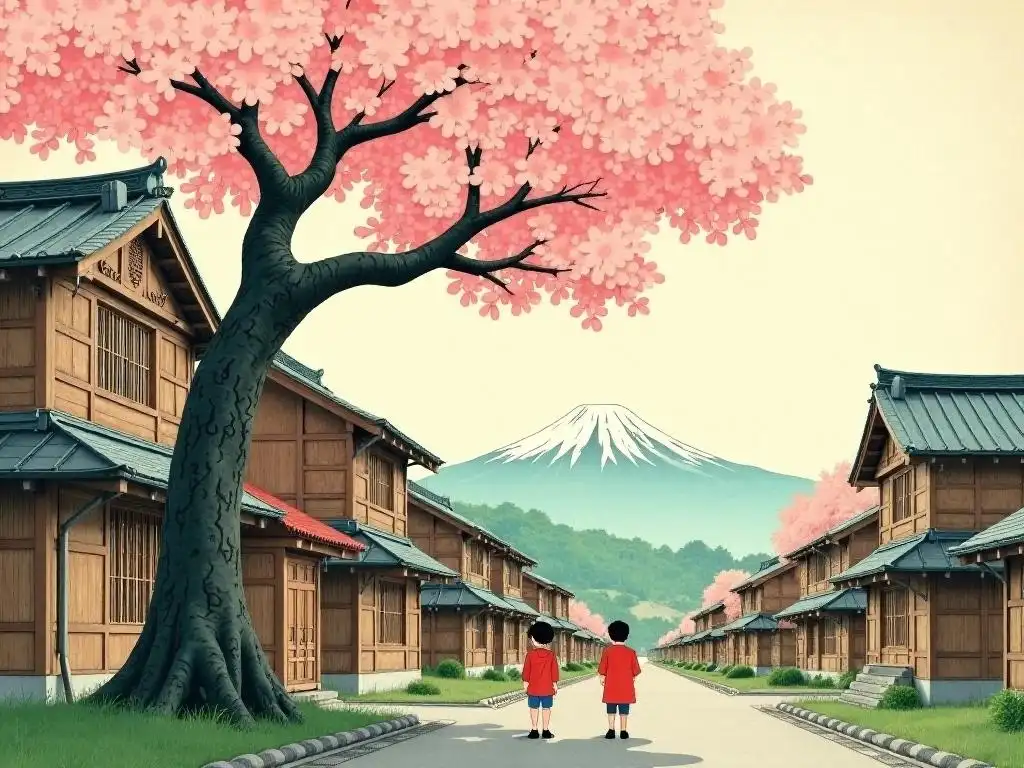
Welcome to Feudal Japan History! Here, we invite you to embark on a fascinating journey into the heart of Japan’s feudal era, where the art of storytelling played a pivotal role in shaping societal values and educational practices. In our featured article, "The Role of Oral Tradition in Education: Stories Passed Through Generations," we delve into the rich tapestry of oral tradition in feudal Japan and uncover how these timeless tales were not just entertainment but essential tools for learning and cultural preservation.
Join us as we explore the captivating narratives that have echoed through time, and discover how they continue to influence Japan's cultural heritage today. Your adventure into the depths of history begins now—will you uncover the stories that shaped a nation?
Introduction to Oral Tradition in Feudal Japan
Oral tradition served as a vital conduit for knowledge, culture, and values throughout the feudal era of Japan. This unique form of storytelling not only entertained but also educated generations by passing down wisdom, history, and societal norms. As the fabric of Japanese society was woven with intricate tales, it became clear that oral tradition played a fundamental role in shaping the identities of communities and individuals alike. Understanding the significance of oral tradition in feudal Japan offers insights into how education was conducted in a time when formal schooling was limited and often reserved for the elite.
Definition of Oral Tradition
Oral tradition refers to the practice of sharing stories, histories, and knowledge verbally from one generation to another. This form of communication is characterized by its reliance on memory and performance, allowing for the flexibility of narratives to adapt over time while maintaining core cultural elements. In feudal Japan, oral tradition encompassed a variety of genres, including myths, legends, folktales, and songs, all of which played a crucial role in education.
Importance of Oral Tradition in Japanese Culture
The significance of oral tradition in Japanese culture cannot be overstated. It served as a repository of collective memory and cultural identity. Through the retelling of stories, values such as honor, loyalty, and respect were instilled in the younger generation. Moreover, oral traditions facilitated social cohesion and a sense of belonging within communities, as shared stories fostered connections among individuals.
Overview of Education Systems in Feudal Japan
Education in feudal Japan was predominantly informal and varied significantly across different classes. The samurai class often received training through oral instruction from their elders, focusing on ethics, martial arts, and literature. In contrast, commoners relied on local storytellers and community elders for knowledge. This decentralized approach to education underscores the importance of oral tradition as a primary means of learning and cultural transmission.
Historical Context of Oral Tradition in Feudal Japan
The Origins of Oral Tradition
The roots of oral tradition in Japan can be traced back to ancient times, long before the feudal era. As a predominantly agrarian society, early Japanese communities relied heavily on storytelling to explain natural phenomena, relay historical events, and share moral lessons. Over time, these narratives evolved into complex forms of oral literature that enriched the cultural landscape of Japan.
Key Historical Figures in Oral Storytelling
Throughout history, several key figures emerged as prominent storytellers and educators. For instance, the biwa hoshi, blind minstrel musicians, played a crucial role in preserving historical narratives through their performances. Their ability to weave tales of heroism and tragedy not only entertained audiences but also educated them about Japan's past, thereby reinforcing the importance of oral tradition in feudal society.
Evolution of Oral Tradition Through the Feudal Era
As Japan transitioned through various feudal periods, oral tradition adapted to reflect societal changes. The emergence of different warrior clans and the influence of Buddhism introduced new themes and narratives into the storytelling repertoire. By examining the evolution of oral tradition during this time, one can gain a deeper understanding of how education and cultural values were shaped in response to the dynamics of feudal Japan.
The Function of Oral Tradition in Education
Oral tradition played a crucial role in the educational landscape of feudal Japan, serving as a primary medium through which knowledge, values, and cultural practices were transmitted across generations. This method of education was particularly significant in an era when literacy rates were low, and written texts were scarce. Through storytelling, elders and community leaders imparted wisdom, preserved history, and instilled moral values in the younger generations.
In feudal Japan, oral tradition was not merely a means of communication; it was a multifaceted educational tool. It facilitated the transmission of cultural identity and social norms, ensuring that essential teachings about ethics, community responsibilities, and the samurai code were embedded in the fabric of society. The reliance on oral narratives fostered a sense of belonging and continuity among individuals, allowing them to connect with their ancestors and cultural heritage.
Moreover, the interactive nature of oral storytelling promoted active engagement from listeners. Young individuals learned to think critically, interpret meanings, and appreciate the nuances of language and expression. This dynamic exchange between storyteller and audience helped to cultivate a strong sense of community and shared understanding, making oral tradition an indispensable aspect of education in feudal Japan.
Educational Methods in Feudal Japan
The educational methods in feudal Japan were predominantly informal and community-based, with oral tradition at their core. Learning occurred in various settings, including family gatherings, village meetings, and during agricultural work. Elders often took on the role of educators, using storytelling to convey essential life lessons and cultural values to youth.
In addition to storytelling, apprenticeships and hands-on experiences were integral to the educational framework. For instance, young samurai learned the art of warfare and the bushido code through direct training under a master. This apprenticeship model complemented oral tradition, as teachings were often reinforced through stories that illustrated the virtues of loyalty, bravery, and honor.
Furthermore, festivals and communal rituals provided opportunities for education through performance arts. Dances, plays, and recitations often included historical narratives and moral tales, enriching the understanding of cultural heritage. Through these methods, educational experiences were deeply intertwined with community life, ensuring that all members of society were educated in a manner that emphasized both personal growth and collective identity.
Storytelling as a Teaching Tool
Storytelling emerged as a powerful teaching tool in feudal Japan, transcending mere entertainment to serve as an effective means of education. The act of storytelling engaged listeners emotionally and intellectually, making the lessons more memorable. By weaving complex themes and moral dilemmas into narratives, storytellers captured the attention of their audience, allowing for deeper reflection and understanding.
Storytellers, often revered figures within the community, employed various techniques to enhance their narratives. Use of vivid imagery, dramatic pauses, and expressive language brought stories to life, helping listeners visualize and internalize the teachings. These performances often sparked discussions among listeners, encouraging them to share their interpretations and insights, further deepening the educational impact.
Additionally, storytelling reinforced communal bonds. As stories were shared, they fostered a collective memory and a shared identity among listeners. The themes presented in these stories often reflected the values and challenges faced by the community, making the educational experience not just personal but also communal. Through storytelling, the wisdom of the past was preserved and adapted to remain relevant for future generations.
Transmission of Knowledge Through Oral Narratives
The transmission of knowledge through oral narratives in feudal Japan was a deliberate and structured process. Elders played a pivotal role as custodians of history and culture, ensuring that their stories were passed down accurately and efficiently. This process involved not only recitation but also adaptation, as storytellers tailored narratives to resonate with contemporary audiences while retaining core messages.
Oral narratives encompassed a vast array of topics, including agricultural practices, martial arts, and social customs. Each narrative served as a vessel for knowledge, embedding practical skills and cultural insights within engaging stories. For instance, tales about seasonal changes and farming techniques helped communities understand the rhythms of nature and the importance of timing in agricultural cycles.
Moreover, oral narratives often incorporated historical events and figures, linking the past with the present. This connection fostered a sense of continuity and identity, allowing individuals to understand their place within the broader tapestry of history. As a result, oral tradition became a vital means of preserving not only knowledge but also the collective memory of the community, ensuring that the lessons and experiences of previous generations informed the lives of the current and future generations.
Types of Stories and Their Educational Value
The types of stories told in feudal Japan varied widely, each serving distinct educational purposes. Folktales, legends, historical accounts, and moral tales all contributed to a rich tapestry of oral tradition, which played a significant role in shaping the values and knowledge of society.
Folktales and Legends
Folktales and legends were among the most popular forms of storytelling in feudal Japan, often filled with fantastical elements and supernatural beings. These stories typically conveyed essential cultural values and moral lessons in an engaging manner. For example, tales of mythical creatures like the kitsune (fox spirit) or the tengu (bird-like creature) often illustrated the importance of cleverness, humility, and respect for nature.
Through these narratives, listeners learned about the consequences of human actions, as well as the virtues that should be cultivated. The imaginative aspects of folktales not only entertained but also sparked curiosity and creativity in the minds of young listeners. This blend of entertainment and education made folktales a valuable tool for instilling cultural heritage and ethical principles within the community.
Historical Accounts and Ancestral Stories
Historical accounts and ancestral stories formed another essential component of oral tradition in feudal Japan. These narratives often chronicled significant events, battles, and the lives of notable figures, providing a sense of identity and continuity for the community. By recounting the achievements and struggles of ancestors, these stories instilled pride and a sense of duty in younger generations.
The educational value of these stories lay in their ability to teach history in a relatable way. Rather than presenting dry facts, storytellers brought history to life, emphasizing the motivations and emotions behind actions. This personal touch allowed listeners to connect with their heritage, fostering a deeper appreciation for their cultural roots and the lessons learned from the past.
Moral Lessons Embedded in Oral Tradition
Moral lessons were a fundamental aspect of oral tradition in feudal Japan. Many stories contained explicit or implicit teachings about ethics, duty, and social responsibilities. By embedding these lessons within engaging narratives, storytellers ensured that the morals were not only memorable but also relatable to daily life.
For example, stories about loyalty often involved samurai characters who faced difficult choices, illustrating the importance of fidelity to one’s lord and comrades. These narratives served as cautionary tales, demonstrating the repercussions of betrayal or dishonor. Through such stories, listeners internalized critical moral values that guided their behavior and decision-making.
The role of oral tradition in education during feudal Japan was profound and multifaceted. It facilitated the transmission of knowledge, cultural values, and moral teachings, ensuring that each generation was equipped with the wisdom of the past to navigate the complexities of their present and future.
The Impact of Oral Tradition on Society and Culture

Oral tradition played a pivotal role in shaping the societal and cultural landscape of feudal Japan. This form of storytelling not only served as a means of entertainment but also as a fundamental educational tool that transmitted values, ethics, and cultural narratives from one generation to the next. The impact of oral tradition is evident in various aspects of daily life, including folklore, rituals, and community identity. Through engaging tales, historical events, and moral lessons, oral tradition fostered a collective memory that defined the cultural identity of different regions and clans within Japan.
Preservation of Cultural Identity
Oral tradition is crucial for preserving the unique cultural identities of various communities in feudal Japan. Each region had its own stories, myths, and legends that reflected the specific characteristics of its people. For instance, the tales of the samurai, their code of honor (bushido), and their legendary battles were passed down orally, creating a sense of pride and belonging among the warrior class. These narratives not only reinforced regional identities but also connected individuals to their ancestral roots, ensuring that the values and traditions of their forebearers continued to thrive.
Influence on Social Norms and Values
The narratives conveyed through oral tradition significantly influenced the social norms and values of feudal Japanese society. Stories often encapsulated moral lessons and ethical dilemmas, shaping the behavior and decision-making processes of individuals. For instance, parables and fables featuring animals or mythical creatures conveyed lessons about loyalty, bravery, and respect for authority. By embedding these lessons within captivating stories, oral tradition became a powerful vehicle for instilling societal values, guiding individuals in their interactions and relationships within the community.
Oral Tradition and Community Cohesion
Oral storytelling served as a vital mechanism for fostering community cohesion in feudal Japan. Public gatherings, festivals, and rituals often included storytelling sessions, which brought people together and strengthened communal bonds. Through shared narratives, individuals were reminded of their common heritage and collective experiences, reinforcing a sense of unity. The communal aspect of oral tradition also allowed for the inclusion of diverse perspectives, as different storytellers could share their interpretations of events, thus enriching the cultural tapestry of the community.
Challenges Faced by Oral Tradition in Education
Despite its significance, oral tradition in education faced numerous challenges throughout the evolution of Japanese society. The transition from predominantly oral storytelling to more formalized methods of education brought about both opportunities and difficulties.
The Decline of Oral Storytelling Practices
As Japan progressed through various historical phases, especially during the Edo period, the decline of oral storytelling practices became evident. Increasing urbanization and the rise of a more literate society led to a shift in how knowledge was transmitted. Many traditional storytellers, known as "rakugo" performers or "benshi," began to find their audiences shrinking, as written literature and print media gained popularity. This transition resulted in a loss of many unique oral traditions, as younger generations gravitated toward written texts rather than engaging in oral storytelling.
Competition with Written Literature
The emergence of written literature posed a significant challenge to oral tradition in education. With the advent of books, pamphlets, and later, printed materials, the allure of storytelling began to wane. Written literature provided a more permanent and accessible means of knowledge dissemination, which many found to be more reliable than memory-based oral narratives. Consequently, the emphasis on reading and writing overshadowed oral storytelling, leading to a gradual erosion of traditional educational methods that relied heavily on oral tradition.
Modernization and its Effects on Traditional Practices
The rapid modernization of Japan, particularly during the Meiji Restoration and beyond, greatly impacted traditional practices, including oral storytelling. As Japan embraced Western education systems and industrialization, the cultural significance of oral tradition diminished. The focus on standardized education and formal curricula often overlooked the rich tapestry of oral narratives that had once been central to cultural education. This shift not only disrupted the transmission of stories but also contributed to a disconnect between younger generations and their cultural heritage, raising concerns about the preservation of these vital narratives in the face of a rapidly changing society.
Reviving Oral Tradition in Contemporary Education
In recent years, there has been a concerted effort to revive oral tradition as a vital educational tool in contemporary educational systems. This revival is rooted in the understanding that oral narratives serve not only as a means of storytelling but also as a powerful method for imparting values, history, and cultural identity. In a world increasingly dominated by digital media, educators are recognizing the importance of bringing back oral traditions to foster engagement, enhance creativity, and develop critical thinking skills among students.
The integration of oral tradition into modern education involves the adaptation of traditional storytelling techniques and communal sharing of knowledge. This approach not only enriches the curriculum but also strengthens the connection between students and their cultural heritage. By incorporating oral traditions, educators can create a dynamic learning environment where students actively participate in the learning process, thus preserving these ancient practices for future generations.
Efforts to Incorporate Oral Tradition in Modern Classrooms
Various initiatives and programs have been implemented globally to reintroduce oral tradition into modern classrooms. One notable effort is the inclusion of storytelling workshops, where teachers and local storytellers collaborate to teach students about the significance of oral narratives. These workshops often focus on traditional tales that reflect cultural values, moral lessons, and historical events, providing students with a deeper understanding of their heritage.
Another approach involves integrating oral history projects into the curriculum, encouraging students to interview elders in their communities. This method not only helps students connect with their cultural roots but also instills a sense of responsibility towards preserving their history. Schools are also adopting multi-generational storytelling events, where students and community members come together to share stories, fostering a sense of belonging and cultural pride.
Benefits of Oral Tradition in Current Educational Frameworks
The incorporation of oral tradition into education offers numerous benefits that align with current educational frameworks. Some key advantages include:
- Enhancing Communication Skills: Oral storytelling requires active listening and clear articulation, helping students develop essential communication skills.
- Fostering Critical Thinking: Students engage with stories by analyzing characters, themes, and moral dilemmas, promoting critical thinking and interpretation skills.
- Promoting Cultural Awareness: Oral traditions provide insights into diverse cultures and histories, fostering respect and understanding among students from different backgrounds.
- Strengthening Community Bonds: Sharing stories within the community creates stronger ties, fostering a sense of identity and belonging among students.
Overall, the benefits of integrating oral tradition in education are profound, contributing to a holistic learning experience that nurtures both individual growth and community cohesion.
Case Studies of Successful Oral Tradition Programs
Several educational institutions have successfully implemented programs centered around oral tradition, showcasing the effectiveness of this approach.
- The Storytelling Project in New York: This initiative encourages students to collect and share stories from their families and communities. By documenting these narratives, students not only learn about their own histories but also develop skills in research and presentation.
- The Indigenous Language Revitalization Program in Canada: This program focuses on teaching Indigenous languages through storytelling. Elders share traditional tales, which helps preserve the language while also imparting cultural values and teachings to younger generations.
- The Oral History Program in Australian Schools: This initiative engages students in interviewing community elders to gather oral histories, which are then shared within the classroom and with the wider community. The program has successfully strengthened intergenerational relationships and cultivated an appreciation for local histories.
Conclusion
Summary of the Role of Oral Tradition in Education
Oral tradition plays a crucial role in education, serving as a bridge between generations and a means of preserving cultural heritage. By integrating storytelling into modern educational frameworks, educators can facilitate a richer learning experience that promotes critical thinking, communication skills, and cultural awareness. The revival of oral traditions not only enriches the curriculum but also empowers students to connect with their roots and understand the narratives that shape their identities.
The Lasting Legacy of Oral Tradition in Feudal Japan
The legacy of oral tradition in feudal Japan is profound, having influenced various aspects of Japanese culture, literature, and social structures. Stories passed down through generations provided guidance, moral lessons, and a sense of identity to the people. The tradition of storytelling, embodied in forms such as Noh theatre and folk tales, has left an indelible mark on Japanese culture, emphasizing the importance of maintaining these narratives as part of the educational experience today.
Encouraging Future Generations to Embrace Oral Tradition
To ensure that oral traditions continue to thrive, it is essential to encourage future generations to embrace and participate in storytelling practices. This can be achieved through community programs, school curricula, and family engagement. By fostering an environment that values oral history and storytelling, we can inspire young people to become custodians of their cultural heritage, ensuring that these vital narratives are preserved for years to come.
- Introduction to Oral Tradition in Feudal Japan
- Historical Context of Oral Tradition in Feudal Japan
- The Function of Oral Tradition in Education
- Types of Stories and Their Educational Value
- The Impact of Oral Tradition on Society and Culture
- Challenges Faced by Oral Tradition in Education
- Reviving Oral Tradition in Contemporary Education
- Conclusion
- What is the significance of oral tradition in feudal Japan?
- How did oral storytelling impact education in feudal Japan?
- Who were the primary storytellers in feudal Japan?
- What types of stories were commonly shared through oral tradition?
- How did oral tradition influence social structure in feudal Japan?
Frequently Asked Questions
What is the significance of oral tradition in feudal Japan?
The oral tradition served as a vital means of preserving and transmitting cultural values and historical narratives, especially in an era with limited written records.
How did oral storytelling impact education in feudal Japan?
Storytelling was an essential educational tool, enabling the transmission of morals, legends, and historical knowledge through engaging tales shared by elders.
Who were the primary storytellers in feudal Japan?
Bards, monks, and village elders often took on the role of storytellers, using their skills to educate audiences and reinforce community bonds.
Common stories included myths, legends, and fables, which often contained moral lessons, cultural insights, and reflections on the samurai code.
Oral tradition reinforced the social hierarchy by emphasizing the roles and expectations of different classes, particularly the samurai, and promoting loyalty and honor.
Final Reflection: The Enduring Legacy of Oral Tradition in Education
The role of oral tradition in education remains profoundly relevant today, as it serves as a bridge connecting generations and preserving cultural identities. In an age dominated by digital communication and rapid information exchange, the timeless practice of storytelling reminds us of our shared humanity and the lessons embedded in our histories. The power of oral tradition, particularly in the context of feudal Japan, illustrates how narratives can shape values, impart wisdom, and foster community cohesion across time.
The influence of oral tradition extends beyond mere storytelling; it has woven itself into the very fabric of our cultural and social landscapes. From the tales of samurai honor to the folklore of rural villages, these narratives have not only educated but also inspired countless individuals. As we reflect on the significance of these stories, we are reminded of the words of the renowned scholar Joseph Campbell: A hero is someone who has given his or her life to something bigger than oneself.
This notion resonates deeply within the context of oral traditions, where each story carries the weight of collective experience and aspirations, shaping the identities of those who hear them.
As we move forward, let us embrace the lessons of oral tradition and recognize their potential to enrich our lives and communities. I invite you to reflect on the stories that have shaped your own understanding of the world and consider how you can share these narratives with others. By doing so, we not only honor our past but also empower future generations to learn, grow, and connect through the timeless art of storytelling.
Embrace the Power of Stories – Ignite Your Learning Journey!
Thank you for diving into the rich tapestry of oral traditions and their critical role in education. You've uncovered the vibrant ways stories shape our history and impart wisdom from generation to generation. Now, it’s your turn to harness this knowledge and transform your learning experience!
Here are some inspiring actions you can take:
- Share a story: Reflect on a tale from your own family or culture and share it with friends or on social media to keep the tradition alive.
- Explore further: Dive into local oral histories or cultural narratives to discover the lessons they hold and how they relate to today's world.
- Join a community: Connect with local storytelling groups or online forums that celebrate oral traditions and exchange stories with fellow enthusiasts.
What personal story could inspire others, and how will you go about sharing it?