
Samurai Armor: More Than Just Protection A Symbol of Status

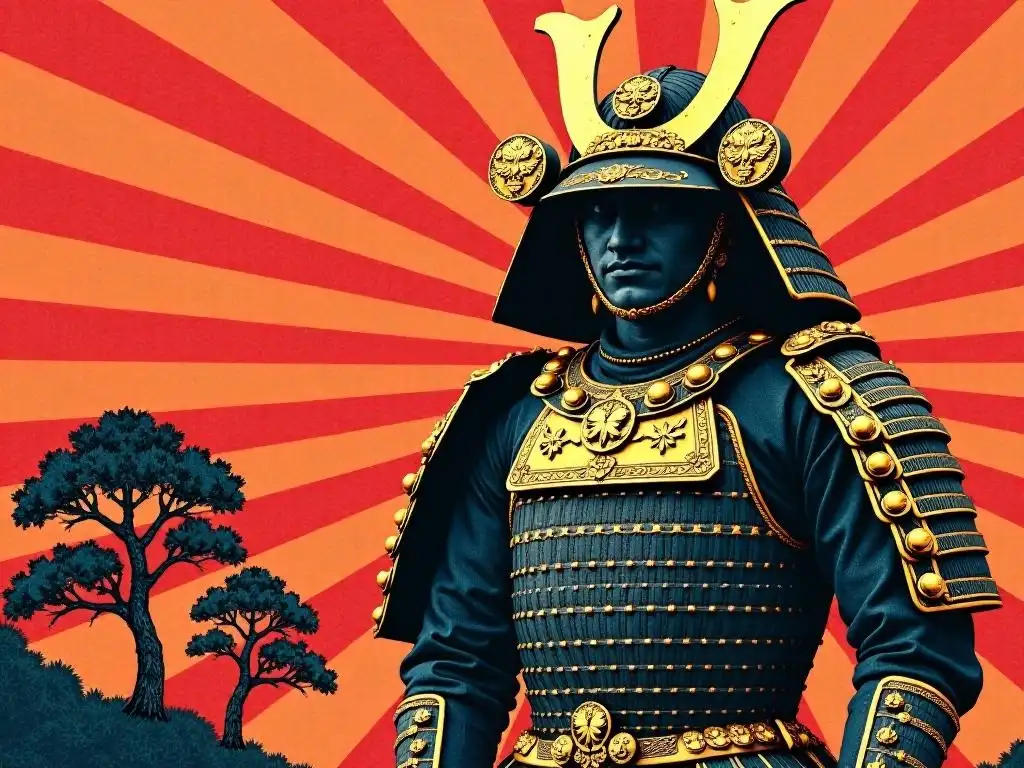
Welcome to Feudal Japan History, where we embark on a captivating journey through the intricate tapestry of Japan’s feudal era. Here, we delve deep into the cultural significance of Samurai armor, exploring how these remarkable pieces were not merely protective gear but powerful symbols of status and identity. As you navigate through our expert-driven insights and compelling narratives, prepare to unearth the layers of meaning behind these iconic artifacts.
Join us in uncovering the stories that shaped a nation, and discover why the legacy of the Samurai continues to resonate today. Your adventure into the heart of feudal Japan starts now!
- Introduction to Samurai Armor and Its Cultural Significance
- The Functional Aspects of Samurai Armor
- Samurai Armor as a Symbol of Status
- The Cultural Significance of Samurai Armor
- The Legacy of Samurai Armor in Modern Japan
- Conclusion: The Enduring Symbolism of Samurai Armor
-
Frequently Asked Questions
- What is the cultural significance of Samurai armor in feudal Japan?
- How did Samurai armor evolve over time?
- What materials were traditionally used in Samurai armor?
- How does Samurai armor reflect social hierarchies in feudal Japan?
- Are there any modern representations of Samurai armor in popular culture?
- Final Reflection: The Cultural Significance of Samurai Armor Beyond Protection
- Unleash Your Inner Warrior: Explore the Legacy of Samurai Armor!
Introduction to Samurai Armor and Its Cultural Significance
Samurai armor, known for its intricate designs and formidable presence, serves as a remarkable symbol of Japan's feudal history. Beyond its primary function of providing protection in battle, samurai armor reflects the values, beliefs, and social hierarchy of the period, making it a significant cultural artifact.
The craftsmanship involved in creating these armors showcases the artistry of Japanese artisans, while the materials used often denote the status of the wearer, intertwining aesthetics with functionality. This article will delve into the historical context and evolution of samurai armor, examining its profound cultural significance and how it continues to influence modern perceptions of Japanese heritage.
The Historical Context of Samurai Armor
The origins of samurai armor can be traced back to the early Heian period (794-1185), when the need for effective battlefield protection became apparent. Initially, armor was rudimentary, typically made from leather and cloth, designed more for mobility than defense. However, as warfare evolved, so did the armor. By the Kamakura period (1185-1333), samurai armor began to adopt more sophisticated designs, incorporating metal plates and elaborate lacing techniques that enhanced both protection and mobility.
The samurai class, emerging as a powerful military elite, played a crucial role in shaping the armor's development. Each piece of armor was tailored to reflect the identity of the samurai, often adorned with family crests and unique motifs that signified loyalty, honor, and status. This personalization made armor not just a protective gear but a representation of the samurai's character and social standing.
The Evolution of Samurai Armor Through the Ages
As Japan transitioned through various historical periods, samurai armor underwent significant changes, adapting to the shifting needs of warfare and the aesthetics of the time.
- Heian Period (794-1185): Early armor was primarily made from leather and used minimal metal, focusing on flexibility.
- Kamakura Period (1185-1333): Introduction of the dō (chest armor) and the use of iron plates, enhancing protection.
- Muromachi Period (1336-1573): Armor became more ornate, with elaborate designs and the introduction of the kabuto (helmet) featuring crest designs.
- Edo Period (1603-1868): With the establishment of peace, armor evolved into a symbol of status rather than a necessity for warfare, leading to more decorative elements.
The samurai armor we recognize today is a culmination of centuries of evolution, reflecting not only advancements in warfare technology but also the cultural significance placed on status, identity, and artistry within the samurai class. Its enduring legacy continues to fascinate historians and enthusiasts alike, highlighting its pivotal role in understanding Japan's feudal past.
The Functional Aspects of Samurai Armor
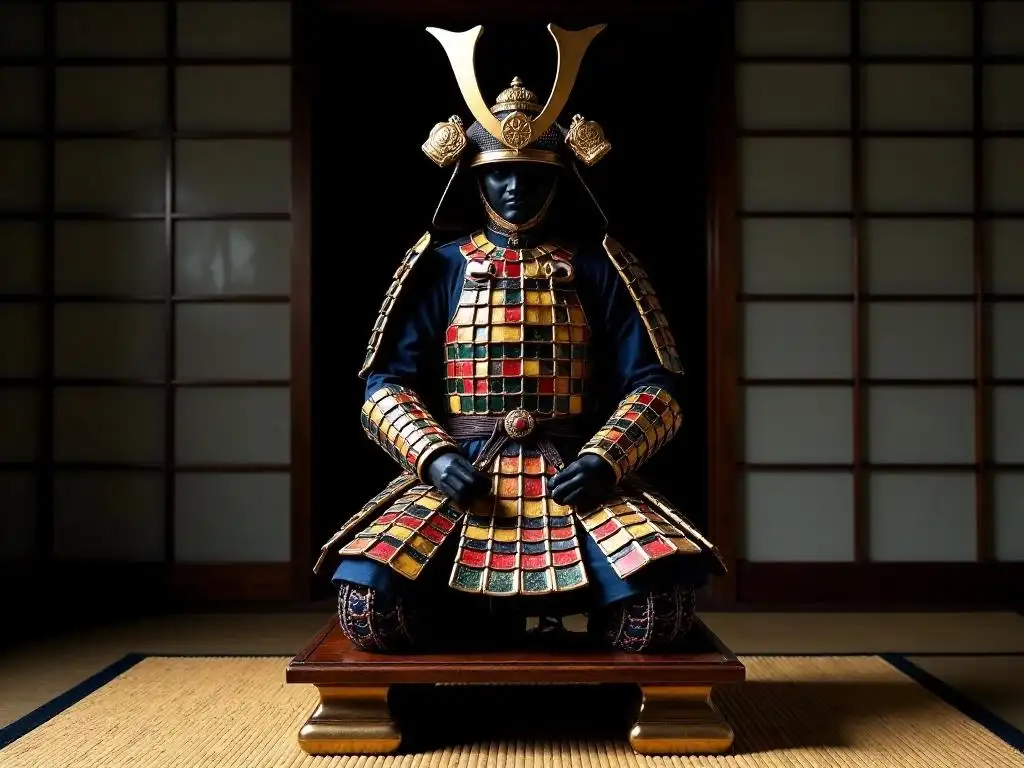
The samurai armor, known as yoroi, was not merely a protective gear but an intricate representation of the samurai's status, culture, and identity. Understanding its functional aspects provides insight into how samurai armor served multifaceted purposes beyond mere combat protection.
Protection: The Primary Purpose of Samurai Armor
The primary function of samurai armor was, of course, to provide protection during battle. Constructed to shield vital areas of the body, armor was designed using a combination of materials that could withstand various forms of weaponry.
- Key Features of Protection:
- Layered Construction: Samurai armor consisted of multiple layers that absorbed and deflected blows, minimizing injuries. The combination of iron, leather, and cloth ensured durability while maintaining mobility.
- Targeted Defense: Specific areas such as the chest (dō), shoulders (sode), and forearms (kote) were reinforced, reflecting a strategic approach to defense.
- Mobility Considerations: Unlike bulky Western armors, samurai armor was designed to allow freedom of movement, enabling the samurai to engage in swift maneuvers during combat.
The effectiveness of samurai armor in battle scenarios illustrates the thoughtful engineering behind its design, emphasizing the importance of both protection and mobility in the warrior's lifestyle.
Materials Used in the Construction of Samurai Armor
The materials used in samurai armor construction were critical to its functionality and cultural significance. Each component was carefully chosen, reflecting both practicality and artistry.
- Common Materials:
- Iron: The backbone of protective elements, iron plates were shaped and lacquered for durability. The iron was often sourced from local forges, creating regional variations in quality and style.
- Leather: Used for flexibility and comfort, leather was crafted into straps and elements that allowed the armor to conform to the body.
- Textiles: Silk and cotton were employed for the inner linings, providing comfort and breathability. These materials also exhibited the samurai’s status through intricate designs and colors.
- Innovative Techniques:
- Lacquer Coating: Armor pieces were often lacquered to enhance water resistance and prevent rusting. This not only preserved the armor but also provided a vibrant aesthetic appeal.
- Layering Techniques: The construction involved layering materials in a way that maximized both protection and lightweight functionality, showcasing the craftsmanship of the armor makers.
The choice of materials in samurai armor not only fulfilled practical needs but also contributed to its cultural significance, as the colors and designs often represented the samurai's clan and personal identity.
Variations in Design: Regional Differences in Armor Styles
The design of samurai armor varied significantly across different regions of Japan, influenced by local warfare tactics, available materials, and cultural preferences.
- Regional Examples:
- Kanto Region: Known for its more flamboyant styles, Kanto armor often featured elaborate crests and vibrant colors, signifying the wealth and status of the samurai.
- Kansai Region: Armor from this region was typically more subdued, emphasizing practicality and sturdiness, reflecting the strategic approaches unique to the local warfare practices.
- Functional Design Variations:
- Type of Armor:
- O-Yoroi: Used primarily by mounted samurai, it was designed to provide extensive coverage while allowing for agility during horseback combat.
- Do-Maru: A lighter form of armor suitable for foot soldiers, emphasizing mobility and ease of movement.
- Type of Armor:
- Aesthetic Influences:
- Armor designs often incorporated elements from the samurai's surroundings, such as motifs from nature or clan symbols, further enhancing their cultural significance.
The variations in armor styles across regions highlight the adaptability of samurai culture to local environments and warfare practices, showcasing the rich tapestry of feudal Japan's history.
Samurai armor served as a critical component of the samurai's identity, blending functionality with cultural expression in a way that resonates through Japan's historical narrative. The intricate details of protection, material composition, and regional designs collectively contribute to an understanding of the cultural significance of samurai armor as more than just protective gear, but a symbol of status and pride.
Samurai Armor as a Symbol of Status
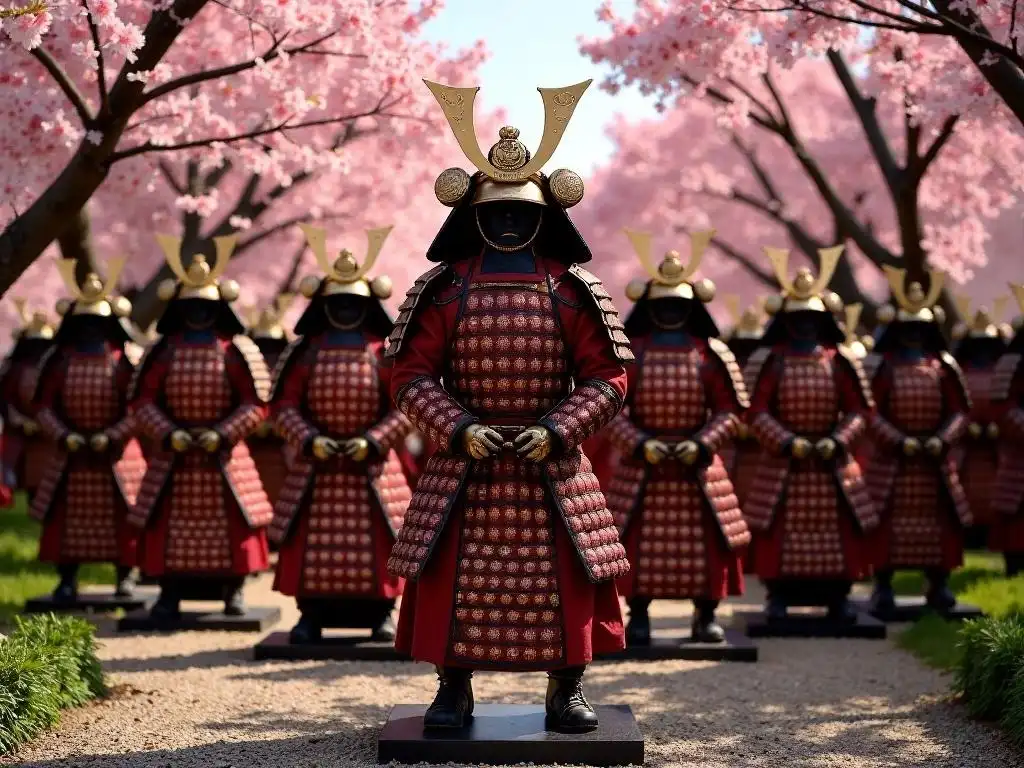
Samurai armor, known as "yoroi," is much more than just a protective gear used in battle; it serves as a powerful emblem of status, identity, and cultural significance within the feudal society of Japan. Throughout the various periods of feudal Japan, the design, materials, and craftsmanship of samurai armor have evolved, reflecting the socio-political landscape and the values of the samurai class. The intricate details and personalized features of armor not only provided physical protection but also conveyed the wearer’s rank, clan, and personal achievements.
The Role of Armor in Defining Samurai Identity
The samurai class was deeply intertwined with notions of honor, loyalty, and duty. Armor played a pivotal role in shaping and expressing a samurai's identity. Each piece of armor was meticulously crafted, often incorporating symbols and motifs that represented the wearer's clan or personal beliefs.
- Honor and Reputation: The appearance of a samurai's armor was a direct reflection of his honor and reputation. It was not uncommon for samurai to engage in duels or battles where the display of their armor was as significant as their martial skills.
- Personalization: Many samurai commissioned custom armor that included individual elements such as family crests (mon) or unique color schemes. This personalization was a way to differentiate themselves from others and to assert their identity in both battle and social contexts.
- Ceremonial Uses: Beyond the battlefield, armor was worn during ceremonial occasions, reinforcing the status of the samurai within their communities. Special armors were designed for festivals or parades, highlighting the samurai's role in society.
The armor itself became an extension of the samurai's identity, embodying their values, social standing, and personal history.
Distinguishing Features of High-Ranking Samurai Armor
High-ranking samurai armor was characterized by its intricate design and superior materials, setting it apart from that of lower-ranking warriors. Here are some of the key features that distinguished the armor of the elite:
- Materials: While lower-ranking samurai might wear armor made from simple leather or iron, high-ranking samurai often donned armor crafted from expensive materials such as lacquered metal, silk, and special leathers. The use of these materials not only provided better protection but also signified wealth and status.
- Design Elements: The design of high-ranking samurai armor was often more elaborate, featuring intricate lacing, elaborate shoulder guards (sode), and beautifully crafted helmets (kabuto). These designs were not just for aesthetics; they served to intimidate opponents and to impress allies.
- Symbolic Motifs: High-ranking samurai armor frequently included symbolic motifs that represented the wearer’s clan and achievements, such as mythical creatures or historical references. This symbolic aspect of armor was crucial for reinforcing social status and lineage.
| Feature | High-Ranking Samurai Armor | Low-Ranking Samurai Armor |
|---|---|---|
| Materials | Lacquered metal, silk, high-quality leather | Simple leather, iron |
| Design Complexity | Elaborate, with intricate lacing and adornments | Basic and functional |
| Symbolism | Clan crests, mythical motifs | Minimal symbolic elements |
The visual distinction between high-ranking and low-ranking samurai armor played a significant role in establishing and maintaining social hierarchies within feudal Japan.
Samurai armor was not merely functional; it was a crucial component of the social hierarchy that defined feudal Japan. The way armor was designed and worn contributed to the stratification within the samurai class and their relationship with other societal groups.
- Status Indicators: The quality and style of armor served as immediate indicators of a samurai’s rank. This visual cue allowed for quick assessments of status during battles, ceremonies, and public appearances.
- Clan Rivalries: Different clans developed their unique armor styles, which contributed to fierce rivalries. The distinctiveness of armor became a point of pride and a means of asserting dominance over rival clans.
- Cultural Legacy: Over time, the cultural significance of samurai armor transcended its practical use. The legacy of samurai armor continues to influence modern Japanese culture, seen in everything from martial arts to contemporary fashion, where elements of traditional armor are celebrated and integrated into new designs.
Samurai armor's cultural significance extends far beyond its role as protective gear; it encapsulates the ideals of status, identity, and societal structure within the rich tapestry of feudal Japan. The legacy of this armor continues to resonate today, reminding us of the complex interplay between culture, power, and identity in history.
The Cultural Significance of Samurai Armor
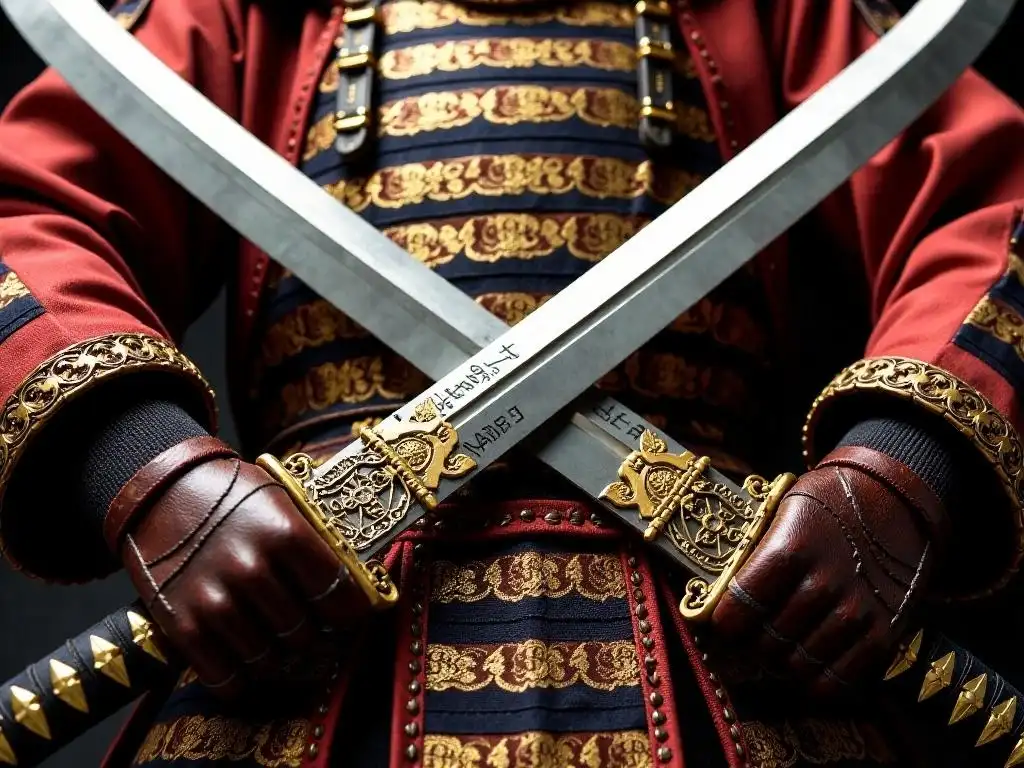
Samurai armor, known as yoroi, transcended its primary purpose of protection on the battlefield to embody deep cultural significance in feudal Japan. This intricate attire represented not only the warrior's status and identity but also conveyed the ethos of the samurai class. The craftsmanship and design of samurai armor were steeped in symbolism, reflecting the values, beliefs, and aesthetics of the time. Understanding the cultural significance of samurai armor offers insight into the social dynamics of feudal Japan and the enduring legacy of the samurai.
Armor in Samurai Rituals and Ceremonies
The role of samurai armor extended into various rituals and ceremonies, where it was a vital element in asserting identity and heritage. During important events such as shinto ceremonies, samurai donned their armor to signify their readiness to serve and protect their clan.
- Rituals of Initiation: Young samurai would wear armor during their coming-of-age ceremonies, symbolizing their transition into adulthood and their acceptance of the responsibilities of a warrior.
- Ceremonial Battles: In certain festivals, mock battles would be held where samurai would wear armor to showcase their prowess and honor their ancestors. These events often featured elaborate displays of skill and strategy, reinforcing the samurai's role as a protector of peace.
- Funerary Rites: Armor was sometimes included in burial practices as a means to honor the deceased samurai, allowing them to carry their status into the afterlife.
The presence of armor in these rituals underscored its importance beyond mere combat readiness; it served as a physical manifestation of the samurai's commitment to their values and traditions.
The Representation of Honor and Valor in Samurai Culture
Samurai armor was emblematic of the core tenets of honor and valor that defined the samurai code, known as bushido. This code emphasized loyalty, courage, and self-discipline, and armor played a pivotal role in embodying these ideals.
- Design and Symbolism: The intricate designs and materials used in armor were often chosen to reflect the samurai’s personal values and clan heritage. For instance, specific colors and motifs would signify different virtues such as bravery or loyalty.
- Public Displays of Armor: Samurai would frequently display their armor during public appearances, reinforcing their social status and commitment to their duties. The grandeur of the armor served to inspire respect and admiration from their peers and subjects alike.
- Battlefield Valor: In battle, the armor not only protected the samurai but also served as a visual representation of their honor. The sight of a well-armored warrior charging into battle epitomized the valor that was revered in samurai culture.
Through these aspects, samurai armor became a profound symbol of the ideals that shaped the samurai identity, demonstrating that their societal role extended far beyond mere combatants.
Artistic Depictions of Samurai Armor in Japanese Art
The cultural significance of samurai armor is further illustrated through its representation in Japanese art, where it has been immortalized in various forms.
- Paintings and Woodblock Prints: Artists like Katsushika Hokusai and Utagawa Kuniyoshi depicted samurai in elaborate armor, capturing not just the aesthetic beauty but also the spirit of the samurai. These artworks often showcased the intricacy of armor design and its importance in samurai identity.
- Literature and Poetry: Samurai armor has been referenced in classical literature and poetry, often symbolizing the virtues of courage and honor. The imagery of armor in these texts highlights its cultural resonance and significance in the samurai ethos.
- Modern Interpretations: Contemporary artists continue to draw inspiration from samurai armor, interpreting its legacy through modern mediums. This ongoing fascination reflects the enduring cultural significance of the samurai and their iconic armor.
The artistic depictions of samurai armor reveal not only its physical characteristics but also its symbolic weight, illustrating the profound impact of samurai culture on Japanese history and identity.
The Legacy of Samurai Armor in Modern Japan
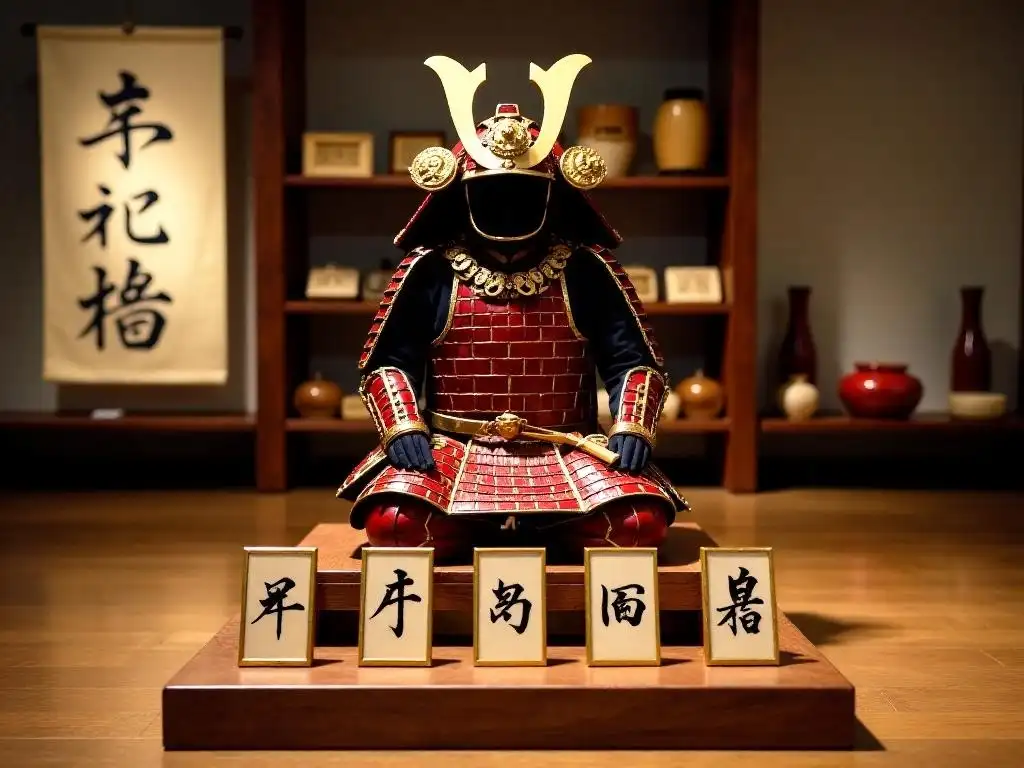
Modern Interpretations and Representations of Samurai Armor
Samurai armor, with its intricate designs and historical importance, continues to inspire modern interpretations in various forms. Today, artisans and designers draw upon the aesthetics and craftsmanship of traditional samurai armor to create contemporary pieces that pay homage to this iconic attire. This fusion of old and new can be seen in:
- Fashion Collections: High-end fashion designers often incorporate elements of samurai armor into their collections. This can manifest in the use of layered fabrics, bold silhouettes, and intricate detailing that echoes the craftsmanship of the samurai era. For instance, designers may integrate armored motifs into garments, celebrating the strength and valor associated with the samurai.
- Art Installations: Contemporary artists frequently explore the themes of identity and heritage through samurai armor. Sculptures and installations may utilize materials reminiscent of armor, such as metal and leather, to create a dialogue between the past and the present. These works often highlight the cultural significance of samurai armor, transcending its historical context.
- Cultural Festivals: Events celebrating Japanese culture often feature displays of traditional samurai armor. Participants may don replicas during parades or reenactments, showcasing the beauty and complexity of this attire. These representations serve to educate audiences about the samurai's role in Japanese history while fostering a sense of pride in cultural heritage.
The Influence of Samurai Armor on Contemporary Fashion
The impact of samurai armor on contemporary fashion is profound, influencing not just designers but also everyday clothing choices. Key aspects include:
- Materials and Techniques: The use of materials such as leather, silk, and metal in modern fashion can be traced back to the crafting of samurai armor. Designers often experiment with these materials to evoke the texture and durability of armor while ensuring comfort and style.
- Streetwear Trends: Elements of samurai armor have found their way into streetwear, with oversized jackets and layered clothing reflecting the protective nature of traditional armor. This trend emphasizes functionality while maintaining a stylish aesthetic, appealing to a younger demographic.
- Accessories: Accessories inspired by samurai armor, such as belts, bags, and jewelry, often incorporate motifs or design elements reminiscent of this historical attire. These pieces serve as a nod to the cultural significance of samurai armor while allowing individuals to express their appreciation for Japanese heritage.
Samurai Armor in Popular Culture and Media
Samurai armor has permeated popular culture and media, serving as a powerful symbol of strength and honor. Its representations include:
- Film and Television: Samurai armor frequently appears in historical dramas and action films, portraying the valor and discipline of the samurai. Iconic films, such as Akira Kurosawa's "Seven Samurai," showcase the intricate details of the armor, emphasizing its role in battles and the personal stories of the characters.
- Video Games: The gaming industry has embraced samurai armor, often featuring it in role-playing games (RPGs) and action-adventure titles. Games like "Ghost of Tsushima" highlight the aesthetic appeal and cultural significance of samurai armor, allowing players to explore this historical context interactively.
- Anime and Manga: In the world of anime and manga, samurai armor is often depicted in fantastical ways, merging traditional designs with imaginative elements. Characters wearing armor serve as visual representations of their strength and honor, reinforcing the cultural importance of the samurai ethos.
The legacy of samurai armor continues to thrive in modern Japan through its reinterpretation in fashion, its influence on contemporary styles, and its prominent presence in popular culture and media. This enduring symbol of status and protection not only reflects a rich historical narrative but also serves as a bridge connecting past and present cultural expressions.
Conclusion: The Enduring Symbolism of Samurai Armor
Samurai armor, or yoroi, transcends its primary function of protection in battle; it embodies a rich tapestry of cultural significance that has woven itself into the very fabric of Japanese identity. The intricate designs, materials, and craftsmanship involved in creating these armors were not merely practical considerations but were deeply infused with symbolism and artistry, reflecting the values, status, and beliefs of the samurai class.
Recap of Samurai Armor’s Cultural Significance
The cultural significance of samurai armor can be summarized through several key aspects:
- Status and Identity: Samurai armor served as a visual representation of a warrior's rank and clan affiliation. The colors, patterns, and insignias on the armor were designed to convey messages about loyalty, honor, and bravery.
- Artistic Expression: The craftsmanship of samurai armor showcased the skills of artisans, who meticulously crafted each piece to combine functionality with aesthetic appeal. The use of materials such as silk, leather, and metal, along with elaborate decorations, highlighted the artistic heritage of Japan.
- Spiritual Beliefs: Many elements of samurai armor were influenced by spiritual beliefs. For instance, certain motifs were believed to provide protection or favor from deities. The presence of symbols like the manji (swastika) or dragons often represented auspiciousness and strength.
- Ritual and Ceremony: Samurai armor played a crucial role in various ceremonies, including the kugutsu (ceremonial armor) worn during important events. This emphasized the armor's role beyond warfare, marking it as an integral part of cultural traditions.
Samurai armor stands as a testament to the complexity of the samurai's identity, encapsulating their values, artistic expressions, and spiritual beliefs, thus solidifying its place as a significant cultural artifact in Japanese history.
The Lasting Impact of Samurai Armor on Japanese Heritage
The legacy of samurai armor extends far beyond the confines of the feudal era. Its influence is visible in various facets of contemporary Japanese culture:
- Cultural Festivals: Many traditional Japanese festivals, such as the Kanto Matsuri, feature parades where participants don replicas of samurai armor, celebrating their heritage and keeping the spirit of the samurai alive.
- Martial Arts: The principles of honor, discipline, and respect, inherent in the samurai ethos and symbolized by their armor, continue to inform modern martial arts practices in Japan and worldwide.
- Pop Culture: Samurai armor has inspired countless representations in literature, anime, and film, showcasing its enduring allure. Iconic characters often sport armor that pays homage to the traditional yoroi, reinforcing its status as a symbol of strength and valor.
- Museums and Exhibitions: Numerous museums across Japan and abroad feature collections dedicated to samurai armor, offering insights into its historical significance and continuing to educate future generations about its importance.
As such, samurai armor is not merely a relic of the past; it is a powerful symbol of Japan's rich cultural heritage and an enduring element of its national identity. Its intricate designs and profound significance continue to resonate, reminding us of the values and traditions that shaped the nation.
Frequently Asked Questions
What is the cultural significance of Samurai armor in feudal Japan?
Samurai armor was not only a form of protection but also a symbol of status and identity. It represented the warrior's rank, clan affiliation, and personal achievements.
How did Samurai armor evolve over time?
The design and materials of Samurai armor changed significantly during the feudal era, reflecting advancements in warfare technology and cultural influences. This evolution showcased the artistry and craftsmanship of the period.
What materials were traditionally used in Samurai armor?
Samurai armor was typically made from a combination of iron, leather, and silk. These materials provided both durability and flexibility, allowing for mobility in battle.
The ornateness and design of Samurai armor indicated the wearer's social status. Higher-ranking warriors wore more elaborate and decorative armor compared to their lower-ranking counterparts.
Are there any modern representations of Samurai armor in popular culture?
Yes, Samurai armor continues to influence modern media, including films, video games, and anime, often portraying the heroic nature and cultural legacy of the Samurai warrior.
Final Reflection: The Cultural Significance of Samurai Armor Beyond Protection
Samurai armor represents more than mere protection; it embodies a rich tapestry of cultural significance that resonates even today. In a world where symbols often lose their meaning, the intricate designs and craftsmanship of samurai armor remind us of the values of honor, loyalty, and status that defined the samurai class. This historical artifact serves as a bridge between the past and the present, urging us to reflect on how cultural symbols shape our identities and societal values.
The influence of samurai armor extends far beyond its physical form, permeating various aspects of modern culture, from fashion to film. The enduring fascination with samurai culture highlights our collective yearning for stories of bravery and nobility. As we admire the beauty and complexity of these armors, we also recognize their role in shaping our understanding of honor and sacrifice. The armor is not just a protective shell; it is a reflection of the spirit of the warrior.
This quote encapsulates the essence of samurai armor as a cultural artifact that continues to inspire and provoke thought about our own values and aspirations.
As we conclude this exploration of samurai armor, I invite you to reflect on the symbols that hold significance in your own life. Consider how these symbols shape your identity and values, and how you can carry forward the lessons of honor and respect that the samurai embodied. Let the legacy of samurai armor inspire you to cultivate a deeper understanding of your own cultural heritage and to recognize the importance of preserving and honoring the symbols that define us.
Unleash Your Inner Warrior: Explore the Legacy of Samurai Armor!
Thank you for taking the time to dive into the fascinating world of Samurai armor—where protection meets status and artistry! We hope you gained a deeper understanding of these magnificent artifacts and their significance in feudal Japan. Now, let's harness that inspiration and take the next step in your journey through history!
Here are a few ways you can engage further:
- Explore a Local Museum: Visit an exhibit that features Samurai armor and immerse yourself in the rich history that shaped Japan.
- Join a Discussion Forum: Connect with fellow history enthusiasts online to share insights and perspectives about Samurai culture and its remarkable craftsmanship.
- Create Your Own Art: Design your own Samurai-inspired piece—whether it be through drawing, painting, or crafting! Use your creativity to reflect on what Samurai armor represents to you.
What aspect of Samurai culture would you most like to explore next, and why? Your thoughts could spark an engaging conversation!