
Fashion Trends in Edo Period: From Kabuki to Kimonos

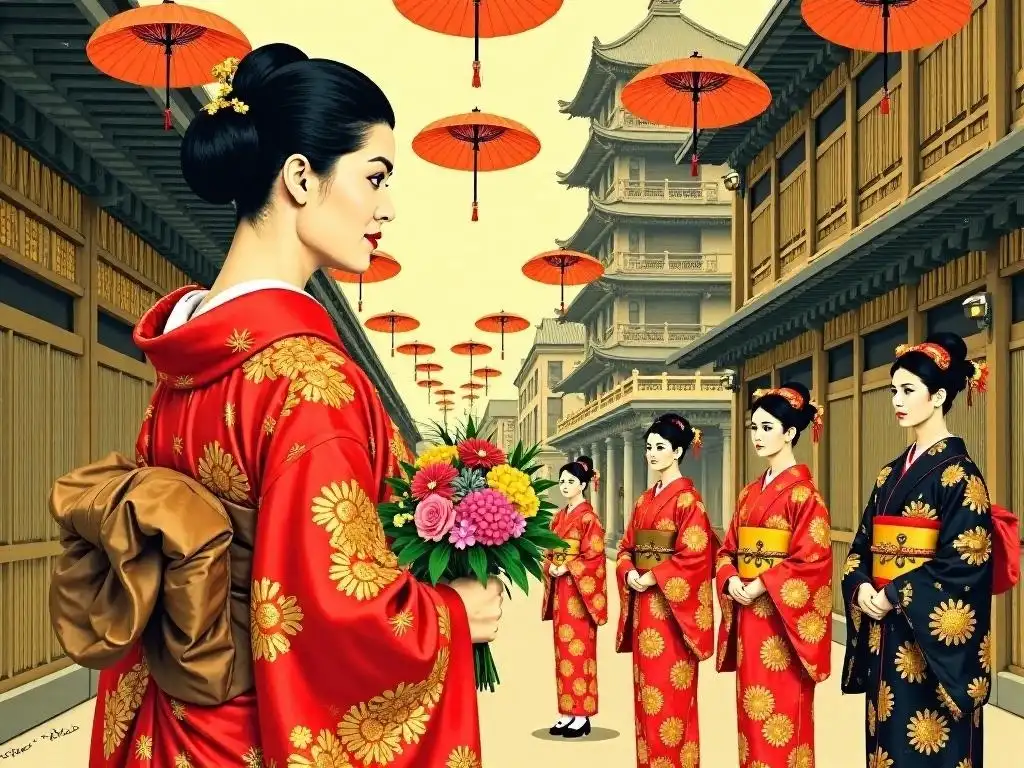
Welcome to Feudal Japan History, where we invite you to journey through the captivating tapestry of Japan's feudal era. Here, you’ll uncover the intricate layers of historical, cultural, and societal evolution that shaped this remarkable time. In our featured article, Fashion Trends in Edo Period: From Kabuki to Kimonos, we delve into the vibrant styles that defined an epoch, revealing how fashion reflected the lives and values of its people.
Prepare to be intrigued by the elegance and artistry of Edo period fashion trends, and find yourself eager to explore the rich stories behind each garment. Your adventure into the past begins now!
- Introduction to Edo Period Fashion Trends
- Kabuki Theatre and Its Influence on Fashion Trends
- Traditional Kimonos: The Cornerstone of Edo Period Fashion
- The Role of Social Class in Edo Period Fashion Trends
- Accessories and Footwear in Edo Period Fashion
- The Impact of Western Influence on Edo Period Fashion
- The Legacy of Edo Period Fashion Trends
- Conclusion: The Enduring Allure of Edo Period Fashion Trends
- Frequently Asked Questions
- Final Reflection: The Enduring Legacy of Edo Period Fashion Trends
- Embrace the Elegance: Transform Your Wardrobe Today!
Introduction to Edo Period Fashion Trends
The Edo period, spanning from 1603 to 1868, marked a time of profound transformation in Japan's societal structures, cultural expressions, and, notably, fashion trends. This era is characterized by a strict social hierarchy, where clothing styles became emblematic of one's social status, profession, and even personality.
The vibrant world of Edo period fashion is not only a reflection of aesthetic preferences but also an intricate tapestry interwoven with historical narratives, cultural practices, and societal norms. As we explore the fashion trends of this fascinating period—ranging from the flamboyant styles of Kabuki actors to the elegant simplicity of Kimonos—we will uncover how these garments encapsulated the essence of Edo society and influenced contemporary Japanese culture.
Overview of the Edo Period (1603-1868)
The Edo period, initiated by the Tokugawa shogunate, was a time of relative peace and stability following centuries of civil strife in Japan. This era saw the emergence of a unique urban culture, particularly in cities like Edo (modern-day Tokyo), where a burgeoning merchant class began to thrive. The population grew significantly, leading to a vibrant marketplace filled with arts, crafts, and, importantly, fashion.
During this time, the rules surrounding clothing became increasingly codified. The class system dictated not only what individuals could wear but also the materials and colors available to them. For instance:
- Samurai: Required to wear formal garments made of luxurious fabrics, often adorned with intricate designs.
- Merchants: Although they gained wealth, they were still restricted in their clothing choices, leading to a distinctive style that often included bold patterns.
- Commoners: Wore simpler garments, but as their social conditions improved, they began to adopt more colorful and varied styles.
The Edo period's fashion was marked by innovation and creativity, reflecting the social dynamics of the time. As trade routes opened and cultural exchanges occurred, new materials and styles began to influence traditional garments.
Significance of Fashion in Edo Society
Fashion in the Edo period served multiple roles beyond mere aesthetics. It was deeply entrenched in the social fabric of the time, functioning as a marker of identity and status. The garments worn by individuals were not just clothing; they were a means of expression that conveyed messages about one's place in society, profession, and even personal aspirations.
Key aspects of the significance of fashion include:
- Symbol of Status: Clothing was a clear indicator of one's rank within the rigid class system. For instance, the use of specific colors and patterns was often reserved for the elite.
- Cultural Expression: Fashion was a canvas for artistic expression, with elaborate designs and motifs that often drew inspiration from nature, folklore, and the arts.
- Influence on Arts: The vibrant clothing styles of the era heavily influenced other aspects of culture, including the performing arts, particularly Kabuki theatre, where costumes played a crucial role in storytelling.
- Social Commentary: The evolution of fashion trends often mirrored shifts in societal attitudes, including the gradual emergence of a more consumer-oriented society.
The study of Edo period fashion trends reveals a complex interplay between clothing, identity, and societal values, serving as a window into the lives of those who lived during this captivating era in Japanese history.
Kabuki Theatre and Its Influence on Fashion Trends
Origins of Kabuki Theatre in the Edo Period
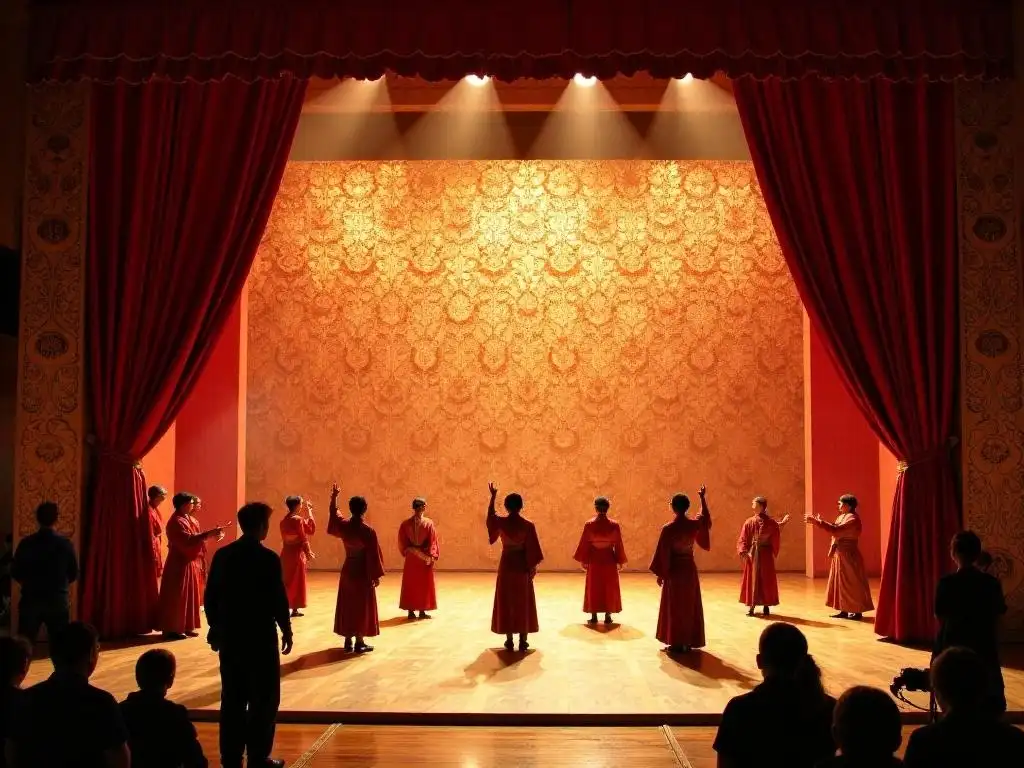
Kabuki theatre emerged in the early 17th century during the Edo period, rooted in the vibrant cultural landscape of Japan. It was initially created by a woman named Okuni, who performed a mix of dance and drama in the dry riverbeds of Kyoto. However, due to the growing popularity and scandalous reputation of female performers, the government banned women from the stage in 1629. This led to the rise of male actors, known as onnagata, who specialized in portraying female roles, further shaping the art form's identity.
The Edo period (1603-1868) was marked by a stable, centralized government under the Tokugawa shogunate, which fostered an environment where arts, including Kabuki, could flourish. The theatre became a reflection of the times, showcasing stories that resonated with the common people, from historical legends to contemporary life. The vibrant costumes worn by the actors were not merely for show; they served to convey character traits, social status, and emotional states, all of which influenced fashion trends across society.
Costume Design and Its Cultural Impact
The costume design in Kabuki theatre is one of its most striking features, characterized by elaborate fabrics, bold colors, and intricate patterns. These costumes were crafted with great attention to detail, often incorporating elements from traditional Japanese clothing, such as kimonos and obi belts, but with exaggerated styles that emphasized the dramatic nature of performance.
The cultural impact of Kabuki costumes extended beyond the theatre itself, permeating everyday fashion. For instance, the use of vibrant colors and patterns inspired the general populace to adopt bolder styles in their own clothing, leading to a shift in the fashion landscape of the Edo period.
- Key Elements of Kabuki Costume Design:
- Fabrics: Luxurious materials such as silk and brocade were common, often featuring intricate motifs.
- Accessories: Props like fans and swords were integrated into costumes, adding layers of meaning.
- Makeup: The dramatic use of makeup, particularly kumadori (stylized makeup for characters), became a fashion statement in its own right.
The influence of Kabuki costume design also extended to seasonal fashion trends, with certain styles becoming synonymous with specific festivals or events. The interplay between theatre and daily wear highlights how Kabuki not only entertained but also shaped societal norms around beauty and expression.
Iconic Kabuki Styles and Their Modern Interpretations
Several iconic styles from Kabuki have made their way into modern fashion, showcasing the timelessness of these designs. From the dramatic silhouettes to the intricate details, the essence of Kabuki continues to inspire contemporary fashion designers.
- Notable Kabuki Styles:
- Yukata: A casual summer kimono that has been reimagined in various fabrics and designs, often featuring bold prints reminiscent of Kabuki costumes.
- Hakama: Traditionally worn by men, this pleated trouser-like garment has found its place in women's fashion, often paired with modern tops for a chic twist.
- Obi Variations: The obi, a wide belt worn with kimonos, has evolved into a fashion accessory that complements various outfits, showcasing styles inspired by Kabuki's richness.
In recent years, fashion shows and events have embraced Kabuki influences, integrating elements such as dramatic staging and theatrical presentations. Designers have drawn inspiration from the bold patterns and colors of Kabuki costumes, leading to collections that celebrate the art form while pushing the boundaries of modern fashion.
The enduring legacy of Edo period fashion trends, particularly through the lens of Kabuki theatre, emphasizes the dynamic relationship between art and attire, where the past continues to resonate in today’s fashion landscape.
Traditional Kimonos: The Cornerstone of Edo Period Fashion
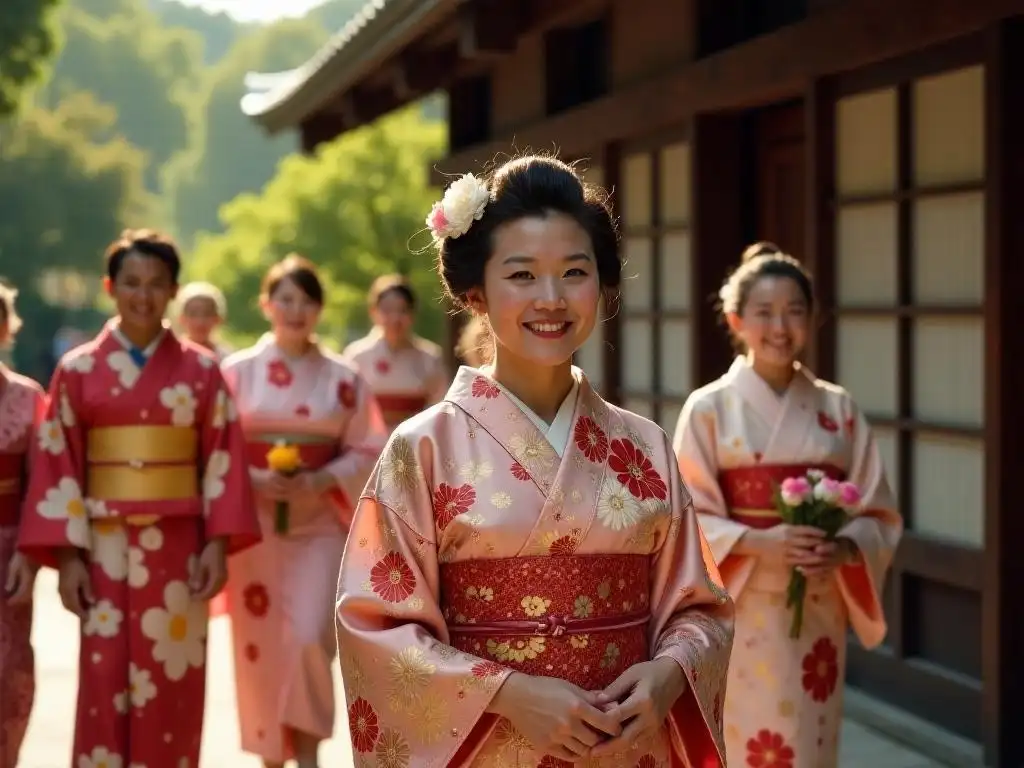
The kimono, a traditional garment, played a pivotal role in defining the fashion trends of the Edo period (1603-1868). This era was characterized by a flourishing of culture and arts, which deeply influenced the styles and designs of kimonos. The kimono’s significance transcended mere clothing; it was an expression of social status, personal identity, and cultural values.
During the Edo period, kimonos became increasingly elaborate. Initially, the garment was primarily utilitarian, but as the period progressed, it evolved into a canvas for artistic expression. The emergence of various layers and accessories transformed the kimono into a more complex attire, reflecting the wearer’s status and occasion.
The kimono was not just a single design but a variety of styles that catered to different demographics, including men, women, and children. The furisode, characterized by its long sleeves, was popular among young, unmarried women, while the tachi-e, a more subdued version, was favored by married women. The diversity in styles allowed for a rich tapestry of fashion that showcased individuality while adhering to societal norms.
Evolution of Kimono Styles Throughout the Edo Period
The Edo period saw significant developments in kimono styles, influenced by social changes, economic conditions, and artistic movements. Initially, kimonos were relatively simple, but as the period advanced, they became more ornate.
-
Early Edo (1603-1650):
In the early years, kimonos featured muted colors and simple designs. The focus was on the quality of fabric rather than elaborate patterns. Cotton and hemp were common materials, reflecting the daily life of the common people.
-
Mid Edo (1650-1750):
This period marked a shift towards vivid colors and intricate patterns. The introduction of new dyeing techniques, such as yuzen (resist dyeing), allowed for more complex designs. The popularity of kabuki theater also influenced fashion, with actors setting trends that were quickly adopted by the public.
-
Late Edo (1750-1868):
The late Edo period saw the peak of kimono fashion, characterized by flamboyant designs and luxurious materials. This era embraced a variety of fabrics, such as silk, which became widely available. The komon style emerged, featuring finely patterned fabrics that became a staple for everyday wear.
The evolution of kimono styles not only reflects the aesthetic preferences of the time but also the socio-economic dynamics at play. As trade expanded and the merchant class grew, so did the demand for fashionable clothing, leading to a vibrant fashion scene.
Fabrics and Patterns: Symbolism in Kimono Design
Fabrics and patterns used in kimonos were not merely decorative; they were imbued with deep symbolism and cultural significance. The choice of fabric, color, and pattern often conveyed messages about the wearer’s status, age, and even the season.
- Fabrics:
- Silk: The most prestigious fabric, often used for formal occasions. Silk kimonos were luxurious and indicated high social status.
- Cotton: Commonly used for everyday wear, especially during the summer months. Cotton was favored for its comfort and breathability.
- Brocade: This lavish fabric was woven with gold or silver threads, often reserved for ceremonial kimonos.
- Patterns:
- Asanoha (hemp leaf): Symbolizes growth and resilience.
- Seigaiha (blue ocean waves): Represents peace and good luck.
- Kikkō (tortoise shell): Associated with longevity and good fortune.
The patterns were not randomly chosen; they were often selected based on the occasion. For instance, certain motifs were reserved for weddings, while others were appropriate for seasonal festivals. This intricate relationship between fabric, pattern, and meaning highlights the sophistication of Edo period fashion trends.
Seasonal Variations in Kimono Fashion Trends
Fashion trends in the Edo period were significantly influenced by the changing seasons, leading to distinct styles associated with each time of year. This seasonal adaptability not only showcased the beauty of kimonos but also reflected the natural world.
-
Spring:
During spring, kimonos featured light colors and floral patterns, symbolizing renewal. Fabrics were chosen for their lightness, often in pastel shades like pink and pale green, mirroring the cherry blossoms in bloom.
-
Summer:
Summer kimonos, or yukata, were typically made from cotton to provide comfort in the heat. Bright colors and bold patterns became popular, often drawing inspiration from nature, such as waves or fireworks.
-
Autumn:
As the leaves changed color, so too did the kimonos. Rich, warm hues like deep reds and golds became prevalent. Patterns often included motifs of falling leaves and harvest, celebrating the season’s bounty.
-
Winter:
Winter kimonos were layered for warmth, with darker colors and heavier fabrics like silk brocade. The patterns often depicted winter scenes, such as snow-covered landscapes, reflecting the serene beauty of the season.
The ability to adapt kimono styles to seasonal changes underscores the profound connection between nature and fashion during the Edo period. This seasonal variation not only enhanced the aesthetic appeal of kimonos but also contributed to a cultural appreciation for the changing environment.
Edo period fashion trends, particularly through the lens of traditional kimonos, reveal a rich tapestry of cultural significance, artistic evolution, and seasonal adaptation, making it a fascinating subject for exploration.
Edo period fashion trends were profoundly influenced by the rigid social hierarchy of feudal Japan. The era, spanning from 1603 to 1868, saw the emergence of distinct fashion styles that were often reflective of one's social status. The samurai, merchants, and commoners each had unique clothing customs that conveyed their position in society. Understanding these distinctions provides insight into not only the aesthetics of the time but also the cultural and societal dynamics at play.
Fashion Among the Samurai Class
The samurai class, as the ruling warrior elite, had a distinct style that emphasized both functionality and status. Their garments were often crafted from high-quality materials such as silk and featured intricate designs.
- Kimono and Hakama: Samurai typically wore a kimono, paired with a hakama (a pleated, skirt-like garment). The colors and patterns of their clothing were often muted, reflecting their dignified status. The use of black, indigo, and dark hues was prevalent, with elaborate family crests (mon) displayed prominently.
- Armor and Accessories: In addition to their everyday attire, samurai had specific clothing for battle, which included armor adorned with intricate designs that denoted their clan. Accessories such as the katana (sword) and tachi (long sword) were not merely functional but also served as symbols of status.
- Symbolism of Fashion: The samurai's clothing often conveyed messages about their honor and loyalty. For instance, the way a kimono was worn—whether tucked or flowing—could indicate a samurai's readiness for combat or peace, showcasing how fashion was directly tied to their societal roles.
The Merchant Class and Their Distinct Style
Contrary to the samurai, the merchant class, though low in the social hierarchy, played a vital role in the economy of the Edo period. Their fashion was a reflection of their wealth and desire to attain social recognition.
- Vibrant Colors and Patterns: Merchants often wore kimonos made from colorful fabrics adorned with bold patterns. The use of vivid colors such as red, blue, and yellow was common, as these were seen as a way to display wealth and status, challenging the more subdued styles of the samurai.
- Innovative Designs: The merchant class also embraced new fashion trends, such as the use of the yukata (a casual summer kimono) and elaborate obi (sashes). These styles allowed them to express individuality, which was not always possible for the samurai due to their strict adherence to tradition.
- Cultural Influence: The merchants' fashion was heavily influenced by Kabuki theater, which popularized flamboyant styles. As the merchant class grew in wealth, their fashion began to reflect an increasing appreciation for artistry and craftsmanship, leading to a more vibrant urban culture.
Women's Fashion: From Geisha to Commoner
Women's fashion during the Edo period was equally diverse and varied based on social class, with notable differences between the styles of geishas and commoners.
- Geisha Attire: Geishas were renowned for their elaborate kimonos, which featured intricate patterns and vibrant colors. Their clothing was often layered, and they wore accessories such as obijime (obi strings) and kanzashi (hair ornaments) that signified their skill and status. The choices in fabric and design were methodically curated to enhance their beauty and artistic persona.
- Commoner Women: In contrast, commoner women wore more practical and modest kimonos. Their clothing was often made from simpler materials and consisted of less elaborate designs. However, color and pattern could still signify a woman's marital status or age, with younger women often wearing brighter colors and more complex patterns.
- Cultural Shifts: As the Edo period progressed, the distinctions in women's fashion began to blur, with commoners adopting styles seen in higher classes, especially as the influence of urban culture spread. This led to a fascinating interplay between tradition and modernity in women's clothing, showcasing the evolving nature of Edo period fashion trends.
The fashion trends of the Edo period were deeply intertwined with social class, reflecting the values, roles, and aspirations of each group within society. From the dignified attire of the samurai to the vibrant styles of merchants and the intricate garments of women, these fashion choices serve as a window into the complexities of daily life and societal structure in feudal Japan.
Accessories and Footwear in Edo Period Fashion
Traditional Accessories: Obi, Obijime, and More
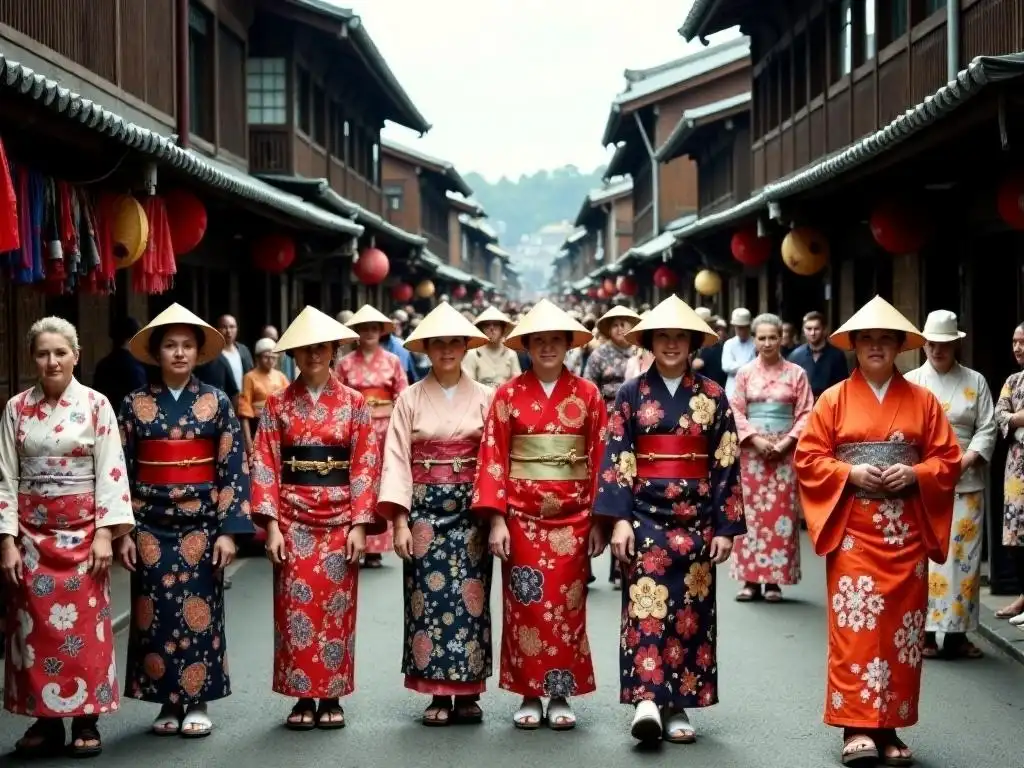
During the Edo period, fashion was not solely defined by the garments worn; accessories played a vital role in enhancing the overall aesthetic and cultural significance of attire. One of the most prominent accessories was the obi, a wide belt that secured kimonos in place. The obi was not merely functional; it was also a canvas for artistic expression. Crafted from luxurious fabrics, such as silk, obis were often adorned with intricate patterns and colors that reflected seasonal themes or personal status.
In addition to the obi, the obijime—a decorative cord that held the obi in place—added another layer of sophistication. Obijime were typically woven with silk and featured elaborate designs, serving both practical and decorative purposes. They were often complemented by obiage, a silk scarf tucked underneath the obi, and obijiki, a cord that hung down from the obi, creating a visually striking silhouette.
Other notable accessories included kanzashi, hair ornaments made from various materials like gold, silver, and lacquered wood. These were intricately crafted to symbolize different seasons or events, enhancing the wearer’s hairstyle and overall appearance. The use of tabi (split-toe socks) and haneri (collars) in contrasting colors further enriched the ensemble, allowing for personalization and creativity in daily wear.
Footwear Styles: Geta and Zori Explained
Footwear in the Edo period was as diverse as the clothing itself, with geta and zori being the two most popular styles. Geta are traditional wooden sandals raised on two wooden blocks, offering elevation that helped to keep the wearer's kimono hem from dragging on the ground. These shoes were often worn during festivals and casual outings, with designs ranging from the simple to the ornate, showcasing vibrant colors and unique carvings.
Conversely, zori were flat sandals made from rice straw, fabric, or leather. They became increasingly popular among the upper classes and were often worn with more formal attire. Zori were available in a range of styles, with the most recognized being the tatami zori, crafted from woven tatami mat material, demonstrating the fusion of practicality and aesthetics in Edo period fashion.
Both types of footwear played a significant role in the overall appearance and societal status of the wearer. The choice between geta and zori could signify one's social standing, occasion, and even regional identity, as different areas of Japan had distinctive styles and preferences.
The Influence of Accessories on Overall Fashion Trends
Accessories in the Edo period not only complemented clothing but also had a profound impact on fashion trends. The careful selection and combination of accessories allowed individuals to convey their social status, personality, and even their mood. For instance, the bold use of colors and patterns in obis could signal a celebratory occasion, while more subdued designs were favored for everyday wear.
The popularity of certain accessories often mirrored broader societal trends. For example, as the merchant class rose in prominence during the Edo period, there was an increased emphasis on ostentation and visual luxury. This shift encouraged the development of more elaborate accessories, such as decorative obijime and kanzashi, which became essential for showcasing wealth.
Moreover, the intricate designs of accessories often reflected the cultural zeitgeist—drawing inspiration from nature, mythology, and contemporary art. The interplay between clothing and accessories created a dynamic fashion narrative that evolved throughout the period, making Edo period fashion trends rich and multifaceted.
Accessories and footwear were integral to the fashion of the Edo period, influencing not only individual style but also broader cultural trends, thereby crafting a distinct fashion identity that resonates throughout Japanese history.
The Impact of Western Influence on Edo Period Fashion
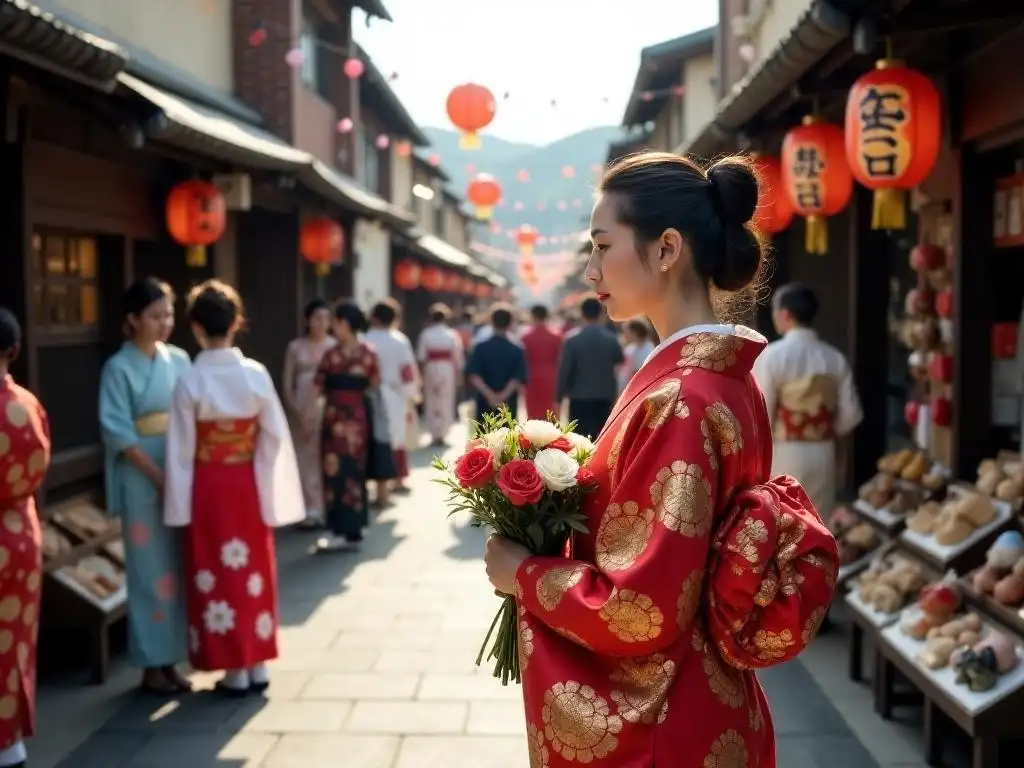
The Edo period (1603-1868) is often celebrated for its rich cultural heritage and distinctive fashion trends, largely characterized by traditional Japanese garments such as kimonos and hakama. However, the latter part of this era witnessed an intriguing transformation as Western influences began to permeate Japanese society. This section delves into the nuances of how these encounters with Western styles reshaped Edo period fashion.
Early Encounters with Western Styles
The initial contact between Japan and Western cultures can be traced back to the 16th century, primarily through Portuguese and Dutch traders. These early exchanges introduced various foreign elements, including textiles, patterns, and even styles of dress.
- Portuguese Influence: The arrival of Portuguese merchants in the mid-1500s brought new fabrics such as silk and velvet, which were not commonly used in Japan at the time. The vibrant colors and intricate patterns fascinated Japanese artisans, leading to the incorporation of these materials into traditional attire.
- Dutch Trade: Following the establishment of the Dutch trading post on Dejima Island in the 17th century, there was a more sustained interaction with Western culture. Dutch traders not only brought goods but also shared knowledge about Western fashion. This included the introduction of Western-style coats and trousers, which began to intrigue the Japanese elite.
The influence was subtle but significant, as the Japanese started adopting certain elements of Western styles while still maintaining the essence of their traditional clothing.
Adaptations and Integrations of Foreign Fashion Trends
As the Edo period progressed, the engagement with Western fashion became more pronounced. Japanese artisans and designers began to creatively adapt Western elements, leading to a unique fusion of styles.
- The Kimono and Western Fabrics: Kimonos began to incorporate Western fabrics, especially during the late Edo period. The use of cotton and patterned textiles inspired by foreign designs became popular, as these materials were both durable and visually appealing.
- Western Silhouettes: The introduction of Western coats, known as "haori," influenced the structure of traditional clothing. The haori became a fashionable overlay for kimonos, reflecting a blend of Western and Japanese aesthetics.
- Accessories and Footwear: The adoption of Western accessories, such as hats and shoes, marked a significant shift in fashion. Footwear evolved with the introduction of boots and dress shoes, replacing traditional geta and zori.
This period showcased a remarkable adaptability within Japanese fashion, where the blending of Western influences did not erase traditional designs but rather enhanced and diversified them.
Lasting Effects of Western Influence on Japanese Fashion
The impact of Western fashion during the Edo period laid the groundwork for future developments in Japanese clothing styles, influencing fashion well beyond the end of this era.
- Modernization Post-Edo: The Meiji Restoration (1868) marked a turning point in Japanese fashion, where the assimilation of Western clothing became widespread. Many elements that originated during the Edo period, such as tailored suits and dresses, became staples in modern Japanese attire.
- Cultural Identity: The integration of Western styles led to a broader dialogue about cultural identity in Japan. While Western fashion was embraced for its modernity, many Japanese continued to value traditional garments like the kimono, creating a duality that persists in contemporary fashion.
- Fashion as Self-Expression: The exposure to Western trends encouraged individual expression through clothing, paving the way for a more diverse fashion landscape. This evolution has influenced contemporary designers who incorporate both traditional and modern elements into their creations.
The Western influence on Edo period fashion was a catalyst for transformation, resulting in a dynamic interplay between tradition and modernity that continues to shape Japanese fashion today. The Edo period's fashion trends not only reflect a historical exchange but also highlight the resilience and adaptability of Japanese culture in the face of global influences.
The Legacy of Edo Period Fashion Trends
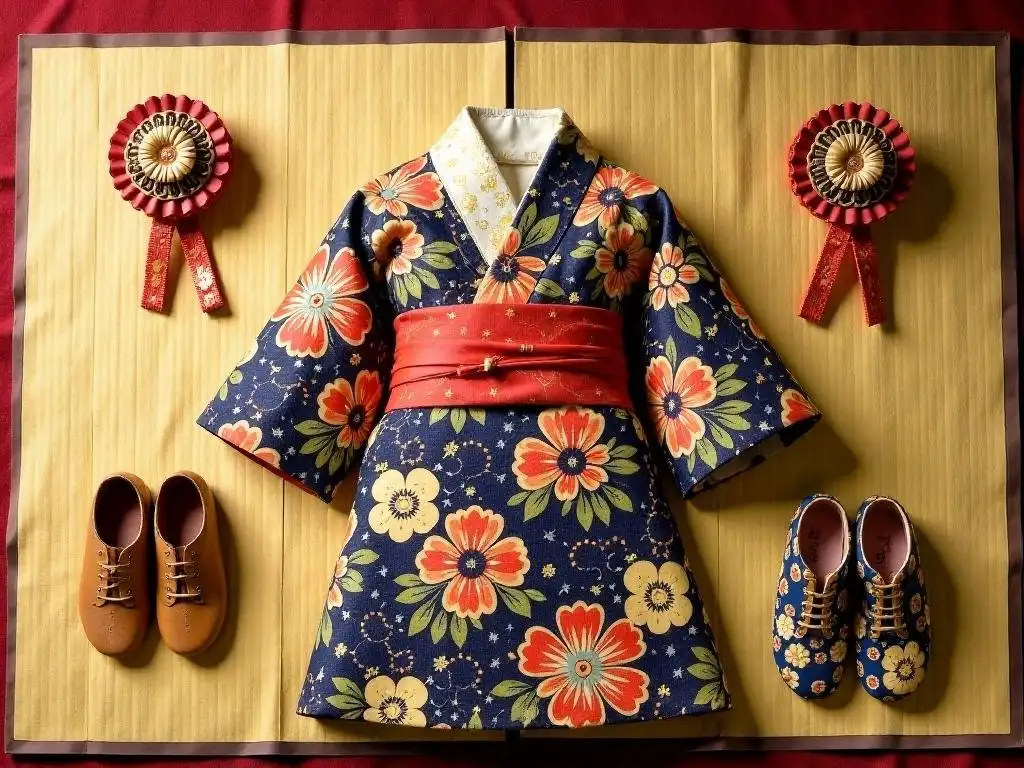
The Edo period, spanning from 1603 to 1868, was a time of remarkable cultural and artistic development in Japan. One of the most significant aspects of this era was its fashion trends, which were not merely about clothing but also reflected the social hierarchies, economic conditions, and aesthetic values of the time.
Edo period fashion is characterized by its vibrant colors, intricate patterns, and the use of various materials, which symbolized wealth and status. The kimono, the quintessential Japanese garment, evolved significantly during this time. Styles such as the furisode (long-sleeved kimono) emerged, symbolizing youth and unmarried women, while the tomesode became popular among married women. These garments were often adorned with seasonal motifs, showcasing the artistry of textile dyeing and weaving.
Additionally, the influence of the Kabuki theater played a pivotal role in shaping fashion trends. Kabuki actors wore elaborate costumes that inspired everyday clothing, introducing bold designs and colors into the fashion lexicon. The interplay between theater and fashion created a dynamic cultural dialogue, leading to the rise of ukiyo-e (pictures of the floating world) prints that further disseminated these styles across society.
The legacy of Edo period fashion trends is evident in the enduring popularity of kimonos and traditional attire in Japan today. The intricate designs and cultural significance of these garments continue to evoke nostalgia and pride among the Japanese people, demonstrating the profound impact of this historical era on contemporary fashion.
How Edo Fashion Influences Modern Japanese Fashion
Edo period fashion has left an indelible mark on modern Japanese fashion, influencing designers and fashion enthusiasts alike. Contemporary clothing often incorporates elements from this era, reflecting a blend of traditional aesthetics with modern sensibilities.
- Kimonos in Everyday Wear: Many Japanese people wear kimonos for special occasions, such as weddings and festivals, showcasing vibrant patterns and colors reminiscent of the Edo period. Designers are increasingly adapting kimono styles for everyday wear, utilizing lightweight materials and contemporary cuts to appeal to younger generations.
- Use of Patterns and Textiles: Modern fashion designers draw inspiration from the intricate patterns and textile techniques established during the Edo period. Fabrics like chirimen (crepe silk) and obijime (decorative cords) have found their way into contemporary designs, blending traditional craftsmanship with modern fashion trends.
- Street Fashion: The influence of Edo aesthetics is also evident in Japan's street fashion, where elements of historical attire are reinterpreted. Styles inspired by Kabuki theater, such as bold colors and layered looks, can be seen in the vibrant and eclectic street styles of districts like Harajuku.
The melding of Edo period influences with modern fashion not only pays homage to Japan's rich heritage but also fosters a renewed appreciation for traditional craftsmanship in a rapidly globalizing fashion industry.
Preservation of Traditional Clothing in Contemporary Culture
The preservation of traditional clothing from the Edo period within contemporary Japanese culture is a testament to the enduring relevance of these garments. Several factors contribute to this preservation:
- Cultural Festivals and Ceremonies: Events such as hanami (flower viewing) and matsuri (festivals) often feature participants dressed in traditional attire, reinforcing the cultural significance of kimonos and other Edo period garments.
- Educational Institutions: Schools and cultural centers offer programs that teach the art of kimono wearing and textile preservation, ensuring that younger generations understand the historical context and techniques behind these traditional garments.
- Fashion Shows and Exhibitions: Events dedicated to showcasing Edo period fashion, such as exhibitions at museums or fashion shows featuring traditional clothing, help to raise awareness and appreciation for these historical styles.
- Sustainable Fashion Movement: The current trend towards sustainability in fashion has led to a renewed interest in traditional clothing. Many designers are now focusing on slow fashion, emphasizing quality and longevity, traits inherent in Edo period garments.
Incorporating Edo period fashion into contemporary culture not only preserves these beautiful garments but also allows for ongoing dialogue about Japan’s historical identity and cultural heritage.
Future Trends Inspired by Edo Period Aesthetics
As we look to the future, the influence of Edo period fashion trends continues to manifest in various ways, suggesting a rich potential for innovative designs and cultural expressions. Some emerging trends include:
- Fusion Fashion: Designers are increasingly blending traditional Edo aesthetics with modern silhouettes, creating garments that honor the past while appealing to contemporary tastes. This fusion can be seen in collections that incorporate kimono-inspired elements into casual wear.
- Sustainable Practices: The emphasis on sustainability in the fashion industry is encouraging a revival of traditional textile techniques, such as kintsugi (the art of repairing pottery with gold), which can be adapted to clothing. This approach not only preserves heritage techniques but also communicates a philosophy of valuing history rather than discarding it.
- Digital Fashion and Virtual Reality: With advances in technology, virtual representations of Edo period fashion are gaining traction. Virtual fashion shows and augmented reality experiences allow audiences to engage with historical styles in novel ways, potentially revitalizing interest in traditional garments.
- Global Influence: As Japanese culture continues to gain prominence worldwide, elements of Edo period fashion are likely to inspire international designers. This cross-cultural exchange may lead to innovative interpretations of traditional Japanese aesthetics in global fashion.
The legacy of Edo period fashion trends is not only preserved in contemporary culture but also serves as a wellspring of inspiration for future fashion developments. By honoring traditional aesthetics while embracing innovation, Japanese fashion will continue to evolve, ensuring that the beauty and significance of Edo period styles remain vibrant for generations to come.
Conclusion: The Enduring Allure of Edo Period Fashion Trends
The Edo period, spanning from 1603 to 1868, was a time of remarkable cultural and artistic development in Japan. Edo period fashion trends not only reflect the aesthetics of the time but also encapsulate the social hierarchies, economic conditions, and cultural shifts that defined everyday life. The intricate garments worn during this era, such as kimonos and the flamboyant costumes of kabuki actors, reveal a rich tapestry of cultural significance that continues to influence contemporary Japanese fashion.
Reflection on the Cultural Significance of Edo Fashion
Edo period fashion trends were steeped in meaning and often served as a reflection of social status and regional identity. The use of color, patterns, and fabric types in clothing was not arbitrary; each element conveyed messages about the wearer’s rank, profession, and even personality. For instance:
- Color Symbolism: Certain colors were reserved for specific classes. For example, the vibrant red was often worn by the elite, while more subdued colors were typical for lower classes.
- Pattern Choices: Patterns such as asanoha (hemp leaves) or seigaiha (blue ocean waves) carried historical and cultural significance, often derived from nature or auspicious symbols.
- Fabric Quality: The choice of fabric, ranging from luxurious silk to more common cotton, indicated the wearer’s wealth and social standing.
The kabuki theatre, a prominent cultural institution of the Edo period, also played a pivotal role in shaping fashion. The extravagant costumes worn by kabuki actors were not merely for performance; they set trends that permeated society. Audiences aspired to emulate the styles and colors they saw on stage, leading to a dynamic exchange between theatrical fashion and everyday wear.
Final Thoughts on the Evolution of Japanese Fashion
The legacy of Edo period fashion trends continues to evolve, influencing both traditional and modern Japanese clothing. The preservation of kimono-wearing practices, coupled with contemporary fashion interpretations, showcases how Edo aesthetics have morphed into current styles. Designers today often draw inspiration from the intricate designs and craftsmanship of the past, reimagining them for modern sensibilities.
Moreover, the global fascination with Japanese culture has led to a resurgence of interest in Edo period fashion, evident in fashion shows, exhibitions, and cultural festivals worldwide. This ongoing appreciation highlights the timeless appeal of Edo period fashion trends, reminding us of the era's profound impact on Japan's cultural identity.
The Edo period was not just a time of historical significance but a pivotal moment that shaped the very fabric of Japanese society and aesthetics. As we reflect on these trends, it becomes clear that the allure of Edo period fashion transcends time, bridging the past with the present in a continuous dialogue of style and identity.
Frequently Asked Questions
What are the main fashion trends during the Edo period?
The Edo period saw a variety of fashion trends, prominently featuring kimonos, haori, and tabi. These garments reflected social status and were often adorned with intricate patterns and colors.
How did Kabuki influence Edo period fashion?
Kabuki theatre significantly impacted Edo period fashion by popularizing distinctive styles. Actors wore vibrant costumes that became fashionable among the general public, influencing everyday kimono designs.
What materials were commonly used in Edo period clothing?
During the Edo period, fabrics such as silk, cotton, and ramie were commonly used. The choice of material often indicated social standing, with silk being reserved for the wealthier classes.
Fashion in the Edo period was a clear indicator of social status. The rich wore elaborate, expensive fabrics, while the lower classes typically wore simpler, more practical garments.
What role did seasonal changes play in Edo period fashion?
Seasonal changes greatly influenced Edo period fashion. People wore different kimonos and accessories according to the season, often using lighter fabrics in summer and heavier materials during winter to ensure comfort and style.
Final Reflection: The Enduring Legacy of Edo Period Fashion Trends
Edo period fashion trends serve as a vibrant testament to the cultural richness and artistic innovation of Japan's history. Today, as we navigate a world increasingly influenced by globalization, the significance of these trends becomes even more pronounced. The intricate designs of kimonos and the theatrical flair of Kabuki costumes remind us that fashion is not merely about clothing; it is a powerful medium of expression that reflects societal values and historical narratives.
Contemplating the lasting impact of Edo period fashion, we see how it has shaped contemporary aesthetics and cultural identity. The elegance of kimonos continues to inspire modern designers, while the theatricality of Kabuki has found its way into various art forms worldwide. As noted by fashion historian Yoko Saito, The beauty of Edo period fashion lies in its ability to transcend time, offering a glimpse into the soul of a society that cherished artistry and craftsmanship.
This observation highlights how the past informs our present, urging us to appreciate the depth and complexity of cultural expressions.
As we reflect on the lessons from Edo period fashion trends, let us embrace the idea that our choices in style can echo our values and heritage. I invite you to explore your own relationship with fashion—consider how your clothing choices can tell a story, express individuality, and honor tradition. By engaging with the rich tapestry of history, we can create a future where fashion remains a meaningful dialogue between the past and the present, inspiring us to celebrate our unique identities.
Embrace the Elegance: Transform Your Wardrobe Today!
Thank you for exploring the fascinating world of Edo period fashion with us! You've discovered how styles like kabuki costumes and kimonos not only shaped an era but also carry timeless beauty. Now it’s time to take inspiration from this rich history and integrate it into your own life.
Here are some actions you can take right now:
- Incorporate a kimono-inspired piece into your wardrobe—whether it's a traditional kimono or a contemporary version like a kimono jacket!
- Share your favorite Edo-period style on social media and tag us! Let’s celebrate these incredible trends together.
- Join a local fashion workshop that focuses on traditional Japanese attire to deepen your appreciation and understanding of this unique fashion heritage.
How will you weave the elegance of the Edo period into your modern style? We would love to hear your thoughts in the comments below!