
The Evolution of Samurai Attire: From Practicality to Prestige

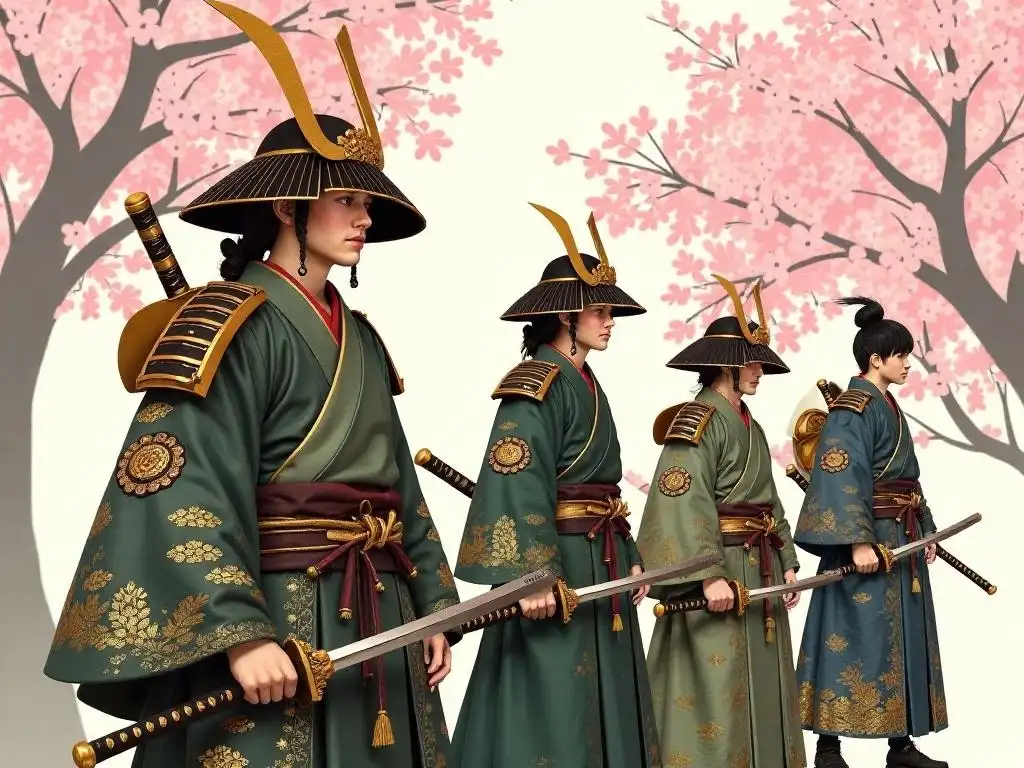
Welcome to Feudal Japan History, where we embark on a captivating journey through the intricate tapestry of Japan's feudal era. Our latest article, "The Evolution of Samurai Attire: From Practicality to Prestige," delves into the fascinating history of samurai clothing, unveiling how these garments transformed from utilitarian wear to symbols of honor and status. What secrets lie within the folds of a samurai's robe? Join us as we explore the rich cultural and societal implications of their attire, igniting your curiosity and inspiring you to delve deeper into the world of feudal Japan.
Introduction to the History of Samurai Clothing
The history of samurai clothing is a fascinating journey that reflects not only the practical needs of warriors but also the evolving cultural and social values of feudal Japan. Emerging during the Heian period (794-1185), samurai attire has undergone significant transformations influenced by various factors, including warfare, status, and regional aesthetics. Initially designed for functionality and ease of movement in battle, these garments gradually evolved into symbols of honor, prestige, and identity as the samurai class solidified its role within Japanese society.
As we delve into this exploration, we will uncover the intricate details of how samurai clothing transitioned from simple, utilitarian designs to elaborate outfits adorned with rich fabrics and intricate patterns. The evolution of these garments not only highlights the craftsmanship of the era but also offers insight into the societal hierarchy, values, and the importance placed on appearances. Through this lens, we can appreciate how the samurai's attire served as a canvas reflecting their status and the cultural milieu of feudal Japan.
The Importance of Clothing in Feudal Japan's Society
Clothing in feudal Japan was far more than a mere necessity; it played a crucial role in defining one's identity, status, and role within the complex societal structure. For the samurai, attire was a reflection of their position, lineage, and achievements. As a result, the choice of fabric, color, and style became significant indicators of a samurai's rank and reputation, often dictating how they were perceived by peers and the broader community.
- Status and Rank:
- The color and quality of fabric were closely tied to a samurai's social standing. For instance, high-ranking samurai often wore garments made from luxurious silk with elaborate patterns, while lower-ranking warriors opted for more modest attire.
- Specific colors were associated with different clans and ranks, creating a visual hierarchy that was immediately recognizable.
- Cultural Significance:
- The samurai's clothing was imbued with cultural symbolism, where certain motifs and designs conveyed specific meanings related to honor, bravery, and loyalty.
- Clothing also played a role in ceremonial occasions, where elaborate outfits were worn to signify important events, such as marriages, funerals, and the promotion of a samurai.
- Functional Aspects:
- While aesthetics were important, the practicality of samurai clothing was paramount during times of conflict. The design often prioritized comfort and mobility, allowing warriors to engage effectively in battle.
- The evolution of armor and protective wear was also reflected in the changes to everyday samurai attire, as innovations sought to blend protection with elegance.
The clothing of samurai served as a multifaceted symbol within feudal Japan, encapsulating the complexities of identity and status in a society where every detail mattered. As we continue our exploration of the evolution of samurai attire, we will uncover specific examples and historical milestones that illustrate these changes and their lasting impact on Japanese culture.
- Introduction to the History of Samurai Clothing
- The Importance of Clothing in Feudal Japan's Society
- What was the primary function of samurai clothing during the feudal era?
- How did samurai clothing evolve over the centuries?
- What materials were commonly used in samurai clothing?
- How did samurai clothing influence modern Japanese fashion?
- Are there specific colors or designs associated with samurai clothing?
The Origins of Samurai Clothing
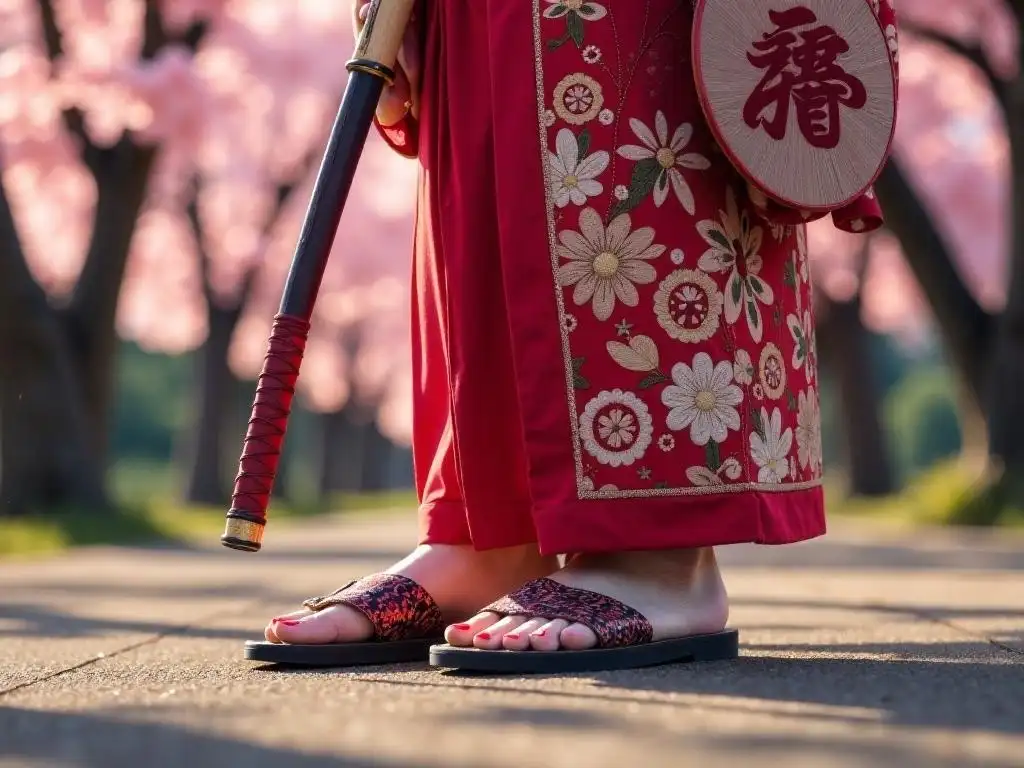
The origins of samurai clothing can be traced back to the Heian period (794-1185), where the early forms of attire were influenced by practical needs and the prevailing cultural aesthetics. Initially, the garments worn by warriors were designed for functionality, reflecting the utilitarian demands of a life dedicated to combat and service. However, as the samurai class evolved, so too did their clothing, transforming from mere protective gear into expressions of status, identity, and artistry.
Early Influences on Samurai Attire
The initial influences on samurai attire came from various sources, including Chinese, Korean, and indigenous Japanese clothing styles. The Chinese influence, particularly during the Tang and Song dynasties, introduced elements such as layered garments and intricate patterns. Samurai adopted these styles but adapted them for their needs. For example, the use of the kimono became prevalent, but samurai would often wear a shorter version to facilitate movement in battle.
The Korean influence can be seen in the use of certain fabrics and weaving techniques, while local Japanese traditions contributed to the unique characteristics of samurai clothing. The fundamental garments included:
- Hakama: a pleated skirt-like garment worn over the kimono, allowing for ease of movement.
- Kataginu: a sleeveless jacket with exaggerated shoulders, which not only provided a distinctive silhouette but also denoted status.
- Obi: a wide belt used to secure the kimono, which varied in design based on the wearer’s rank and occasion.
As the samurai class solidified its power during the Kamakura period (1185-1333), clothing became a vital part of their identity and social hierarchy.
Practicality in the Early Samurai Wardrobe
In the early days of the samurai, practicality was paramount in the design and selection of clothing. Unlike the ornate garments of the court nobility, samurai attire prioritized functionality, allowing for agility and mobility.
Key elements that highlight the practical approach included:
- Fabric Choice: Early samurai often wore clothing made from sturdy materials such as cotton or hemp, which could withstand the rigors of battle and outdoor life.
- Layering: The layering of garments provided versatility. For example, a samurai could wear a thicker kimono in colder weather and reduce layers as temperatures rose, all while maintaining a respectable appearance.
- Armor Integration: Samurai clothing was designed to be worn with armor. The hakama and kimono allowed for the easy fitting of armor pieces, ensuring that warriors could don their protective gear swiftly during times of conflict.
As samurai society evolved, the balance between practicality and prestige began to shift, leading to the intricate and symbolic attire associated with later periods. Understanding this evolution is essential in grasping the broader history of samurai clothing, as it reflects not only the changing needs of warriors but also the cultural and societal transformations of feudal Japan.
The Transition to Formal Samurai Garb
The transition from practical attire to more formal samurai clothing marks a significant evolution in the history of Samurai clothing. Initially, samurai wore garments that prioritized functionality, designed to enhance mobility and efficiency in battle. However, as the samurai class became more established and their role in society evolved, their attire began to reflect their status and identity, transitioning into more formal and ceremonial garments.
This evolution was not merely a matter of aesthetics but also a reflection of the changing social dynamics within feudal Japan. As peace prevailed during the Edo period (1603-1868), the samurai's focus shifted from the battlefield to governance and cultural pursuits, necessitating a wardrobe that symbolized their elevated status. Thus, clothing became a means of expressing not only personal identity but also social hierarchy.
Development of the Kataginu and Hakama
The kataginu and hakama represent two of the most significant garments in the evolution of samurai attire. The kataginu, a sleeveless jacket with a distinctive design, became a prominent symbol of samurai fashion in the late 16th century. Its structure allowed for freedom of movement, making it suitable for both combat and ceremonial occasions. The design often featured a high collar and was typically worn over the kimono, serving as a protective layer.
On the other hand, the hakama, a type of pleated skirt-like bottom, was an essential component of formal attire. Originally designed for practicality, as it provided ease of movement during horseback riding, the hakama evolved into a symbol of status and refinement. By the Edo period, the hakama was commonly worn during formal ceremonies, and its color and pattern could indicate the wearer's rank or status within the samurai hierarchy.
The combination of kataginu and hakama became synonymous with the formal appearance of samurai, marking a clear distinction from their earlier, more utilitarian garments.
| Garment | Description | Function |
|---|---|---|
| Kataginu | Sleeveless jacket, high collar | Combat and ceremonial wear |
| Hakama | Pleated skirt-like bottoms | Formal wear, horseback riding |
Influence of Chinese Fashion on Samurai Clothing
The influence of Chinese fashion on samurai clothing is a fascinating aspect of the history of samurai clothing. During the Heian period (794-1185), cultural exchanges between Japan and China led to the adoption of various elements of Chinese attire. The samurai class began incorporating these influences into their clothing, which included the use of silk fabrics, intricate patterns, and layered garments.
One notable aspect of this influence is the adoption of the kimono, which has its roots in traditional Chinese clothing. As the samurai sought to assert their identity and status, they began to personalize these Chinese-inspired garments, integrating distinctive Japanese elements such as unique patterns and colors that reflected their family crests or clan identity.
As time progressed, the samurai's embrace of Chinese fashion was both a symbol of prestige and a means of aligning themselves with the cultural sophistication associated with China. This blend of influences ultimately contributed to the rich tapestry of samurai attire, showcasing a unique fusion of practicality, tradition, and status.
The evolution of samurai attire—from practical clothing to formal garments like the kataginu and hakama, and the significant influence of Chinese fashion—highlights the dynamic interplay between functionality and prestige in the history of samurai clothing.
The Aesthetic Evolution of Samurai Attire
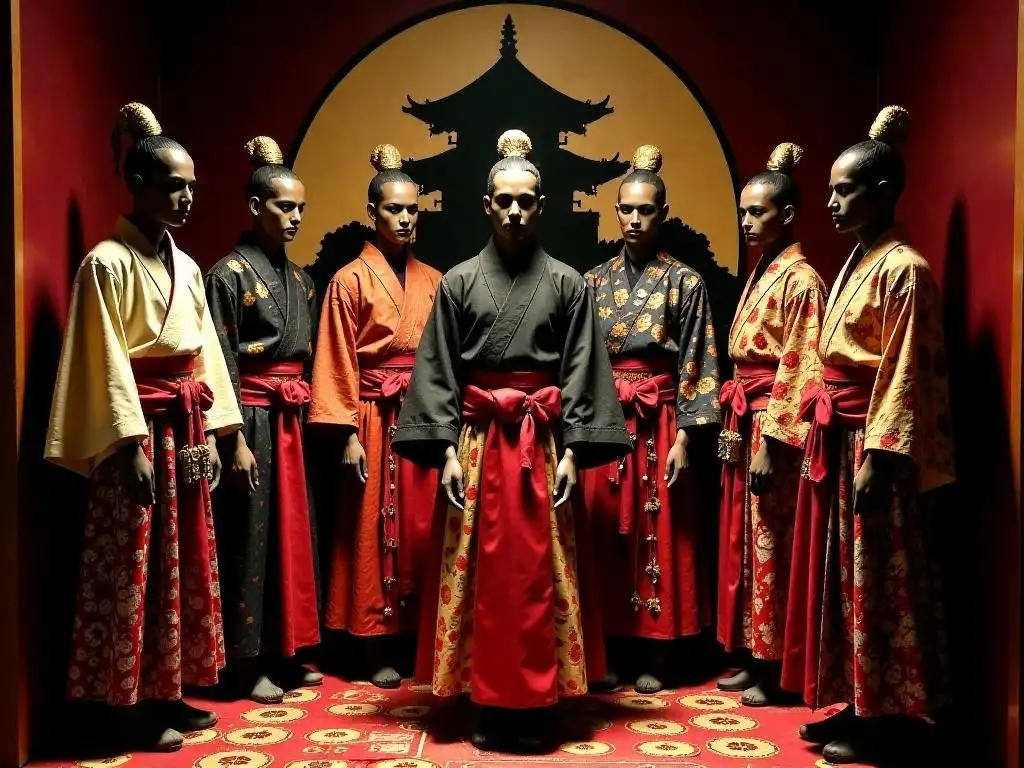
The evolution of samurai attire reflects a fascinating interplay between utility and aesthetic appeal, illustrating how clothing transitioned from purely functional garments to symbols of status and cultural identity. Initially, samurai clothing was designed to meet the practical needs of warriors on the battlefield. Early samurai donned simple garments that allowed for ease of movement and comfort, such as the jiro (a type of loose-fitting robe) and hakama (wide-legged trousers).
As the feudal era progressed, particularly during the Edo period (1603-1868), samurai attire began to take on more elaborate forms. The introduction of intricate designs and luxurious fabrics marked a shift towards a focus on aesthetics. This transformation was influenced by the rise of the merchant class and the establishment of a more stable society, which allowed samurai to express their identity through clothing.
The Role of Status and Prestige in Clothing Choices
The samurai's social standing significantly influenced their clothing choices. The attire became a reflection of their rank and prestige within the hierarchical structure of feudal Japan. For instance, those of higher status would wear garments made from finer materials, such as silk, adorned with elaborate patterns, while lower-ranking samurai opted for simpler, more practical attire.
- Rank and Color:
- High-ranking samurai: Bright colors like crimson and deep blue were often reserved for the elite, symbolizing their status.
- Lower-ranking samurai: More muted tones were typical, reflecting their place in the social hierarchy.
- Ceremonial Attire:
- Special occasions called for ceremonial clothing, which was often more ornate. The kamishimo, a two-piece outfit consisting of a hifu (short jacket) and hakama, became a popular choice for formal events and showcased the wearer’s status.
This correlation between attire and rank not only reinforced social structures but also served as a means of non-verbal communication among the samurai class.
Color Symbolism and Patterns in Samurai Clothing
Color played a pivotal role in samurai clothing, with each hue carrying specific meanings and cultural significance. The use of color and patterns was a sophisticated language that conveyed the wearer's identity, mood, and status.
- Common Colors and Their Meanings:
- Red: Symbolized power and protection, often associated with the warrior spirit.
- Blue: Represented tranquility and stability, commonly worn by samurai seeking to project calmness.
- Black: Signified strength and formality, frequently chosen for formal occasions.
- Patterns:
- The patterns on samurai clothing also held meaning.
- Asanoha (hemp leaf) patterns were believed to bring good luck and were popular among samurai.
- Seigaiha (blue ocean waves) represented peace and good fortune, emphasizing the connection to nature.
- The patterns on samurai clothing also held meaning.
This intricate use of color and patterns not only enhanced the visual appeal of samurai attire but also reinforced cultural values and beliefs, making clothing a crucial aspect of identity during the feudal era. The history of samurai clothing thus serves as a rich tapestry, weaving together the threads of social status, cultural symbolism, and personal expression.
The Materials Used in Samurai Clothing
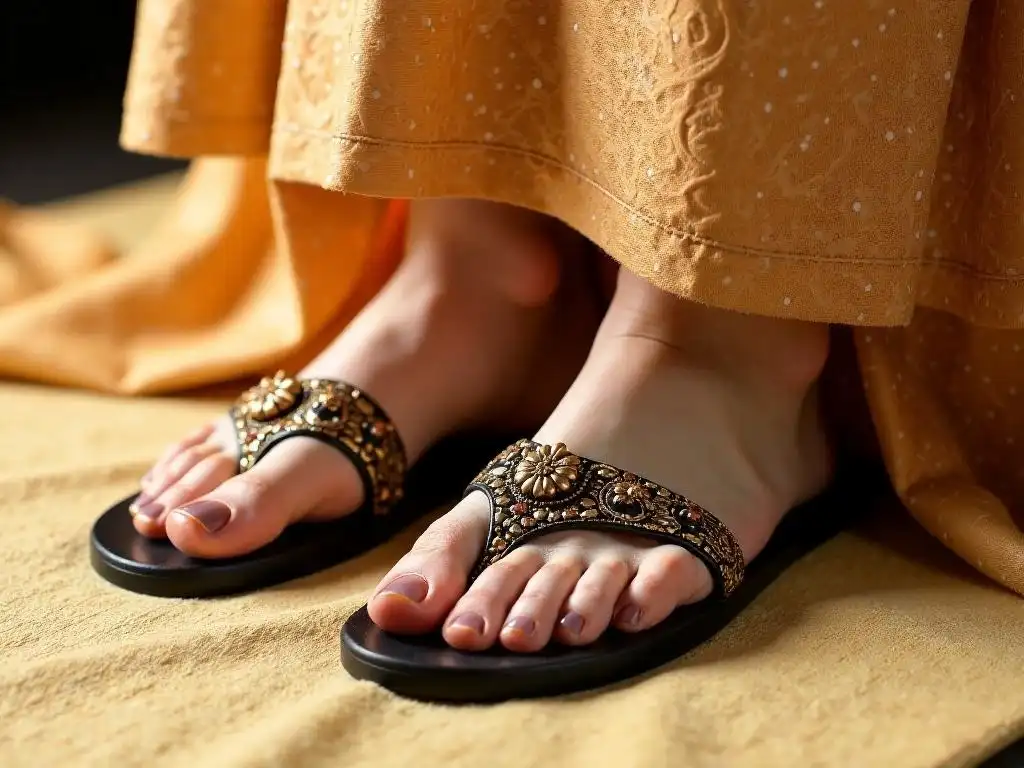
The history of samurai clothing is intricately tied to the materials used in their construction. Samurai attire, evolving through various periods, reflects not only the practical needs of warriors but also the cultural and societal values of feudal Japan. The choice of materials was influenced by the climate, the availability of resources, and the status of the wearer. Below, we explore some of the key materials used in samurai clothing and their significance.
Natural Fabrics and their Significance
Samurai clothing primarily featured natural fabrics, which were not only accessible but also provided comfort and functionality. The most prominent materials included:
- Silk:
- Luxurious and often used for formal occasions and ceremonial attire.
- Signified higher status and was often reserved for high-ranking samurai.
- Cotton:
- Gained popularity during the Edo period as a more affordable option.
- Provided durability and comfort for everyday wear.
- Bamboo Fiber:
- Utilized for its breathability and lightweight properties.
- Often woven into garments for summer wear.
The significance of these materials extends beyond their practical applications. For instance, the use of silk in a samurai's attire was a statement of prestige, showcasing wealth and social standing. In contrast, cotton represented the more practical side of samurai life, as it allowed for ease of movement during battle.
The Art of Dyeing and Weaving in Samurai Fashion
The techniques of dyeing and weaving played a crucial role in enhancing the visual appeal and cultural symbolism of samurai clothing. This craftsmanship not only reflected the skill of artisans but also conveyed messages about the samurai's identity and values.
- Dyeing Techniques:
- Natural Dyes:
- Derived from plants, minerals, and insects, these dyes were used to create rich, vibrant colors.
- Common sources included indigo for blue shades and safflower for red.
- Katazome:
- A traditional stenciling technique that produced intricate patterns on fabric.
- Often employed to create unique designs that distinguished individual samurai.
- Natural Dyes:
- Weaving Techniques:
- Kasuri (ikat):
- A traditional Japanese weaving technique that creates patterns by tying and dyeing the threads before weaving.
- Resulted in complex designs that emphasized the wearer's individuality.
- Tsumugi:
- A fabric made from silk that is lightweight and often used for formal wear.
- Valued for its texture and the elegance it brought to samurai attire.
- Kasuri (ikat):
The combination of these dyeing and weaving techniques not only enhanced the aesthetic quality of samurai clothing but also served as a form of self-expression. The colors and patterns chosen by a samurai often conveyed personal or clan identities, thus intertwining personal history with broader cultural narratives.
The materials used in samurai clothing, along with the artistry of dyeing and weaving, played a pivotal role in shaping the history of samurai clothing. They reflect the complexities of samurai life, their societal roles, and the cultural heritage of feudal Japan. As we continue to explore the evolution of samurai attire, it becomes clear that each element serves as a vital piece of the larger tapestry of Japanese history.
The Cultural Significance of Samurai Uniforms
Samurai uniforms, known as "kamishimo" and "yoroi," are more than mere clothing; they encapsulate a rich tapestry of cultural significance within feudal Japan. The evolution of samurai attire reflects the changing values, beliefs, and societal structures of the time. From their roots in practicality to their later role as symbols of prestige, samurai uniforms were imbued with meaning that transcended their physical form.
The intricate designs, colors, and materials used in samurai clothing often conveyed messages about the wearer's identity, allegiance, and status. For instance, colors like red and black were used prominently in warrior attire as they symbolized power, bravery, and a connection to the divine. Furthermore, specific patterns and motifs held unique meanings, often representing family crests or clan symbols that reinforced loyalty and heritage.
Samurai Clothing in Rituals and Ceremonies
Samurai clothing played a pivotal role in various rituals and ceremonies, highlighting its significance beyond everyday wear. One of the most notable instances is the "Genpuku," a coming-of-age ceremony for young samurai. During this event, boys were dressed in formal samurai attire, often their first set of armor, marking their transition into adulthood and their acceptance of responsibilities as warriors.
The colors and designs selected for such occasions were deliberate; they were often chosen to reflect the family's status or to invoke certain virtues. For example:
- Formal Ceremonies: Samurai would wear ceremonial garments adorned with intricate designs, symbolizing their rank and lineage.
- Funerals: Attire worn at funerals was often white, with specific patterns that represented mourning and respect for the deceased.
- Weddings: Samurai attire during weddings was usually vibrant, showcasing the family's wealth and the union's importance.
The significance of clothing in these rituals cannot be overstated; it was not only about the aesthetic but also about the cultural narratives they conveyed.
The Role of Samurai Attire in Warfare
In warfare, samurai attire underwent a transformation that balanced practicality with the desire for prestige. The "yoroi," or armor, was primarily designed for protection but also served as a means of showcasing the samurai's social standing. Early samurai armor was functional, made from materials like leather and iron, designed to withstand the rigors of battle.
As warfare evolved, so did the armor. The introduction of decorative elements became prevalent. Features such as:
- Lacquered Finishes: Provided both protection and a glossy appearance, elevating the aesthetic appeal.
- Crested Helmets (Kabuto): Often embellished with family emblems, these helmets served both a practical purpose and a symbolic role in asserting identity on the battlefield.
- Sode (Shoulder Guards): These became larger and more ornate, not only to protect but also to project an image of strength and valor.
The dual purpose of samurai attire—functionality in combat and status symbol—illustrates the complex relationship between duty and honor that defined the samurai ethos.
The history of samurai clothing is a compelling narrative that highlights the intricate balance of practicality, cultural significance, and prestige within feudal Japan. The samurai's attire not only protected them in battle but also communicated their identity, values, and social status, reflecting the broader cultural landscape of the era.
Iconic Samurai Attire Through the Ages
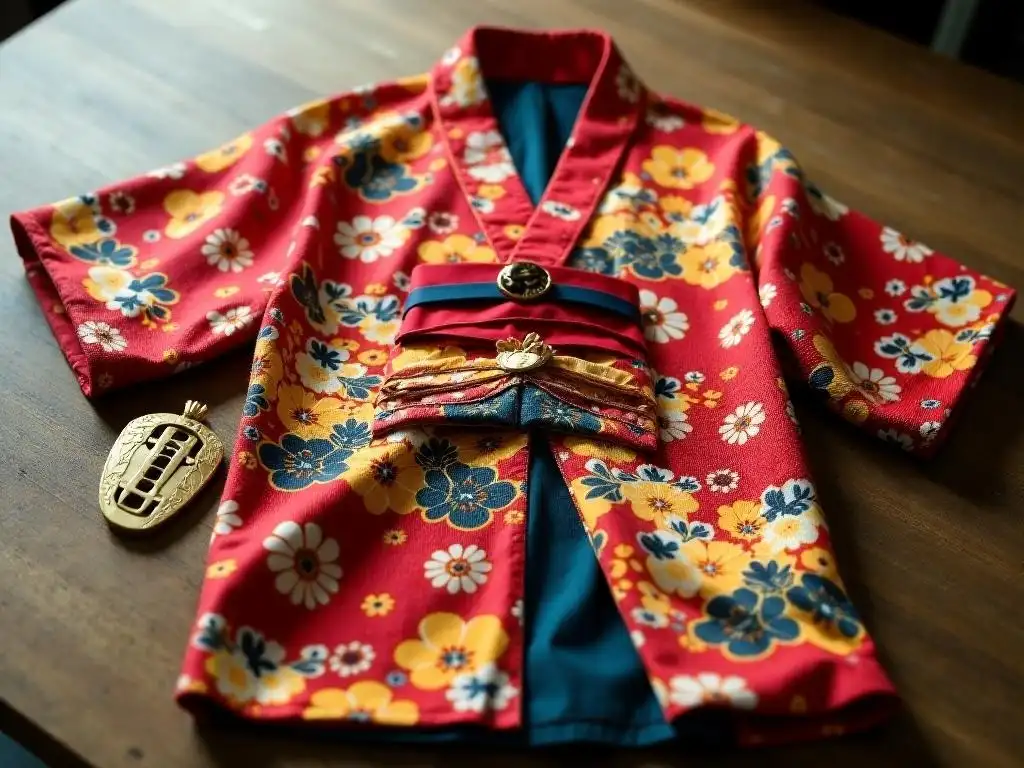
The history of samurai clothing is a fascinating journey that mirrors the evolution of Japanese society, warfare, and culture. From practical armor designed for battle to the elegant kimonos worn during peaceful times, samurai attire has undergone significant changes throughout the centuries. This evolution reflects not only the changing needs of the samurai but also their status and identity within the feudal hierarchy.
Famous Samurai and Their Distinctive Clothing Styles
Throughout history, numerous samurai have left their mark, not only on the battlefield but also through their distinctive styles of clothing. Below are some notable figures and their attire:
- Minamoto no Yoshitsune (1159-1189)
- Known for his agility and strategic brilliance, Yoshitsune often wore a combination of armor and formal clothing. His attire included:
- Kabuto (helmet) adorned with a distinctive crest.
- Do (chest armor) that was elegantly designed yet functional.
- Hakama (pleated trousers) for ease of movement.
- Known for his agility and strategic brilliance, Yoshitsune often wore a combination of armor and formal clothing. His attire included:
- Oda Nobunaga (1534-1582)
- A prominent warlord who played a crucial role in unifying Japan. His clothing often featured:
- Sode (shoulder guards) that showcased intricate family crests.
- Jinbaori, a sleeveless coat worn over armor, symbolizing his status.
- Colorful patterns that reflected his power and wealth.
- A prominent warlord who played a crucial role in unifying Japan. His clothing often featured:
- Tokugawa Ieyasu (1543-1616)
- The founder of the Tokugawa shogunate, Ieyasu’s clothing was characterized by:
- Kimono with elaborate designs, indicating his elevated status.
- Hakama that was wider and more elaborate than those of lower-ranking samurai.
- Obi (sash) that was often richly decorated, highlighting his prestige.
- The founder of the Tokugawa shogunate, Ieyasu’s clothing was characterized by:
These figures exemplified the diverse styles of samurai clothing, showcasing the blend of practicality for battle and the ornate details that symbolized their rank and influence.
The Shift from Armor to Kimono
The transition from armor to kimono in samurai attire signifies a broader cultural shift in Japan during the Edo period (1603-1868). As Japan moved towards a time of relative peace under the Tokugawa shogunate, the samurai's role evolved from warriors to bureaucrats and cultural patrons. This shift had profound implications for their clothing.
-
Functional Armor
In the earlier periods, samurai armor was designed primarily for battle. Armor was heavy and made of materials like iron and leather, consisting of:
- Dō: The torso armor that protected vital organs.
- Sode: Protectors for the shoulders.
- Menpo: Face guards that offered protection while allowing visibility.
-
Transition to Kimono
As peace prevailed, samurai began to adopt the kimono as their primary clothing, reflecting their status in society:
- The kimono became a canvas for personal expression, featuring intricate designs and colors that indicated social status, clan affiliation, and personal taste.
- Layering techniques were developed, such as the use of uchikake, an outer kimono worn during ceremonial occasions, showcasing lavish embroidery.
-
Symbolism and Prestige
The kimono was not just clothing; it represented a samurai's identity and prestige. Specific patterns and colors were associated with different clans, and the way a kimono was worn communicated messages about one's status and role within society.
This evolution from functional armor to elegant kimono illustrates the samurai's adaptation to changing societal roles, emphasizing the importance of clothing in reflecting social identity and cultural values.
The Decline of Samurai Clothing in Modern Japan
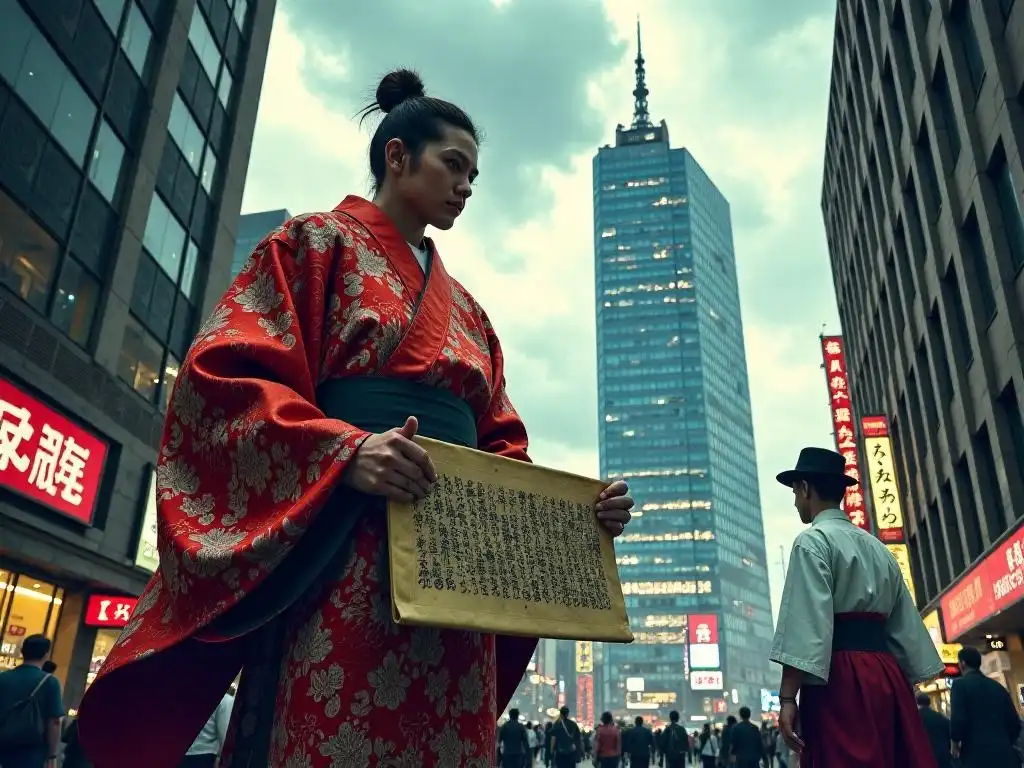
The decline of samurai clothing in modern Japan marks a significant shift in the nation’s cultural landscape. As Japan transitioned from a feudal society to a more modernized state, the once-prevalent attire of the samurai began to fade from everyday life. The influence of Western fashion, along with political and social changes, played a pivotal role in this transformation.
The Impact of the Meiji Restoration on Samurai Fashion
The Meiji Restoration, which began in 1868, was a turning point in Japanese history that sought to modernize and industrialize the nation. This period marked the end of the Tokugawa shogunate and the restoration of imperial rule. One of the most significant impacts of the Meiji Restoration on samurai fashion was the official decree that discouraged the wearing of traditional samurai clothing.
- Western Influence: The government encouraged the adoption of Western attire as a means of modernization. Samurai were encouraged to wear Western suits instead of the kimono and hakama, which were their traditional garments. This shift symbolized a break from the feudal past and an embrace of modernity.
- Legal Restrictions: In 1876, the government implemented the "Sword Abolishment Law," which prohibited samurai from carrying swords in public. This law not only stripped samurai of their weapons but also of the associated clothing that signified their status. The traditional garments became increasingly associated with a bygone era, further contributing to their decline.
- Cultural Reassessment: As Japan opened up to the West, there was a cultural reassessment of what constituted modern Japanese identity. Traditional samurai clothing came to be viewed as outdated, leading many to abandon these garments in favor of Western-style clothing.
Preservation of Samurai Attire in Contemporary Culture
Despite the decline of samurai clothing in daily life, elements of this attire have been preserved and celebrated in contemporary culture. The resurgence of interest in traditional garments can be attributed to several factors:
- Cultural Heritage: Many Japanese individuals and communities work to preserve samurai attire as part of their cultural heritage. Festivals and historical reenactments often feature samurai clothing, allowing people to connect with their history and traditions.
- Fashion Revival: In recent years, there has been a revival of interest in traditional Japanese fashion, including samurai attire. Designers have begun to incorporate elements of samurai clothing into modern fashion, blending traditional aesthetics with contemporary styles. This fusion highlights the timelessness of the samurai's sartorial elegance.
- Cinema and Media: The portrayal of samurai in films, television, and literature has contributed to the romanticization and preservation of their attire. Iconic films such as "Seven Samurai" and "The Last Samurai" have popularized the visual representation of samurai clothing, inspiring new generations to appreciate its beauty and significance.
- Martial Arts and Ceremonies: Practices such as kendo and iaido, which emphasize the samurai way of life, often involve traditional attire. Participants don samurai-inspired clothing, allowing them to experience a connection to the historical warriors they emulate.
While the decline of samurai clothing in modern Japan was significantly influenced by the Meiji Restoration and the advent of Western fashion, contemporary culture shows a remarkable resurgence of interest and appreciation for this iconic attire. The evolution of samurai clothing reflects broader cultural shifts while simultaneously preserving a vital aspect of Japan’s historical identity.
Conclusion: The Legacy of Samurai Clothing in Japanese History
The evolution of samurai clothing is a profound testament to the dynamic interplay between functionality, cultural significance, and social status throughout Japanese history. From the early days of the samurai, where attire was primarily designed for practicality in battle, to the later developments that emphasized aesthetic and ceremonial importance, samurai clothing reflects the broader currents of Japanese society.
The transition from utilitarian designs to garments that conveyed prestige illustrates the complex relationship between the samurai class and their role in feudal Japan. The adoption of intricate fabrics, elaborate patterns, and distinct styles not only marked one's social standing but also symbolized the values and ideals of the samurai ethos, including honor, loyalty, and duty. These garments became a canvas for expression, showcasing craftsmanship and artistry that were highly valued in Japanese culture.
Reflecting on the Journey from Practicality to Prestige
The journey of samurai clothing can be mapped through several key phases, each highlighting a significant shift in purpose and meaning:
- Early Samurai Attire (12th to 14th Century):
- The initial samurai garments were designed for battle, with a focus on mobility and protection. Materials like leather and hemp were commonly used, emphasizing durability over aesthetics.
- Example: The kosode, a simple short-sleeved kimono, served as a foundational garment during this period, offering ease of movement.
- The Muromachi Period (14th to 16th Century):
- As peace became more prevalent, the focus shifted toward fashion. The samurai began to adopt more elaborate clothing, which included decorative elements that showcased wealth and status.
- Example: The hōmongi, a formal kimono, emerged during this time, often featuring intricate designs that reflected the wearer’s rank.
- Edo Period (17th to 19th Century):
- This era solidified the importance of samurai clothing as a symbol of prestige. The use of luxurious fabrics like silk, along with vibrant colors and detailed embroidery, became the standard.
- The kataginu and sode styles introduced distinctive silhouettes that were both functional for daily wear and visually striking for ceremonial purposes.
The transition from practicality to a focus on prestige in samurai clothing embodies the evolving social structures and cultural values of Japan. Samurai attire not only served as functional wear for warriors but also as a reflection of the intricate hierarchy of feudal society.
The Enduring Influence of Samurai Fashion on Modern Attire
The legacy of samurai clothing continues to resonate in contemporary fashion, influencing both traditional and modern styles. Elements of samurai attire can be observed in various aspects of Japanese culture today:
- Kimono Revival: The kimono remains a symbol of Japanese culture, with modern adaptations often drawing inspiration from historical samurai garments. The use of bold colors and patterns can be traced back to the Edo period styles.
- Street Fashion: The influence of samurai aesthetics can be seen in Japan's street fashion, where designers incorporate elements like asymmetrical cuts, layers, and unique textiles reminiscent of traditional samurai attire.
- Cosplay and Cultural Events: The popularity of samurai-inspired clothing in cosplay and cultural festivals highlights the enduring fascination with this historical fashion, allowing new generations to engage with Japan's rich heritage.
The samurai's impact on fashion is not merely historical; it represents a continuing dialogue between past and present, where traditional elements are reinterpreted to create new cultural expressions.
References and Further Reading on the History of Samurai Clothing
For those interested in delving deeper into the fascinating history of samurai clothing, the following resources provide valuable insights:
- Books:
- "Samurai: The Story of a Warrior Tradition" by John M. R. Waterhouse
- "The Culture of the Samurai: The History of the Japanese Warrior Class" by David A. Smith
- Articles:
- "The Evolution of Samurai Armor and Attire" - A detailed exploration of the progression of samurai clothing through the ages.
- "Fashioning the Samurai: Clothing and Identity in Japan" - An academic discourse on the intersection of clothing and identity within the samurai class.
- Websites:
- Japanese Fashion History - An extensive archive of information on the historical context of Japanese clothing styles, including those worn by samurai.
Each of these resources offers a unique perspective on the rich tapestry of samurai attire, contributing to a greater understanding of its significance in Japanese history and culture.
Frequently Asked Questions
What was the primary function of samurai clothing during the feudal era?
Samurai clothing originally served practical purposes, providing protection and mobility in battle. As time progressed, it also became a symbol of status and prestige.
How did samurai clothing evolve over the centuries?
The evolution of samurai attire reflected changes in warfare, social status, and cultural influences, transitioning from basic armor to elaborate garments that showcased wealth and power.
What materials were commonly used in samurai clothing?
Samurai clothing was typically made from high-quality fabrics such as silk and cotton, often adorned with intricate patterns and designs that signified rank and family lineage.
How did samurai clothing influence modern Japanese fashion?
Elements of traditional samurai attire have influenced contemporary Japanese fashion, including the use of layered clothing and unique silhouettes that celebrate Japan's cultural heritage.
Are there specific colors or designs associated with samurai clothing?
Yes, certain colors and designs were indicative of a samurai's clan and status. For example, dark colors often symbolized strength, while specific motifs held significant cultural meanings.
Final Reflection: The Timeless Journey of Samurai Attire
The evolution of samurai attire is not merely a tale of fabric and design; it is a profound narrative that reflects the shifting values and identities of a culture. Today, as we navigate a world increasingly defined by rapid change and globalization, understanding the historical significance of samurai clothing allows us to appreciate the intricate interplay between practicality and prestige. The samurai's attire, once a symbol of martial prowess, now serves as a reminder of a rich heritage that continues to inspire and captivate.
Cultural symbols often transcend their original context, influencing contemporary fashion and identity. The legacy of samurai clothing has permeated various aspects of modern life, from fashion runways to cinematic portrayals, reminding us of the enduring allure of the samurai spirit. As noted by historian John M. Maki, The samurai's attire is a canvas upon which the stories of honor, duty, and artistry are painted.
This observation underscores the ongoing relevance of samurai attire in shaping our understanding of honor and tradition in today's society.
As we reflect on the intricate history of samurai clothing, I invite you to consider how the lessons embedded in this evolution can resonate in your own life. What aspects of your identity can you express through your choices, and how can you honor the traditions that shape who you are? Embrace the opportunity to weave your own narrative, drawing inspiration from the past while forging a path toward a future that celebrates both individuality and heritage.
Unveil the Legacy of Samurai Fashion Today!
Thank you for exploring the fascinating evolution of samurai attire with us! We've journeyed through time, uncovering how these garments transformed from practical necessities to symbols of prestige. Now, it's your turn to delve deeper into this rich history.
Here are some engaging ways you can connect with the world of samurai fashion:
- Visit local museums or online exhibitions showcasing samurai armor and clothing to truly appreciate their intricate craftsmanship.
- Engage in discussions on historical forums or social media platforms to share your insights and learn from fellow history enthusiasts.
- Experience the art of traditional garment making by attending a workshop on Japanese textiles or attempting to create a piece yourself.
What aspect of samurai fashion do you find most intriguing, and how will you incorporate this newfound knowledge into your appreciation of Japanese history?