
The Symbolism of Patterns: Understanding the Motifs in Japanese Fabric Design

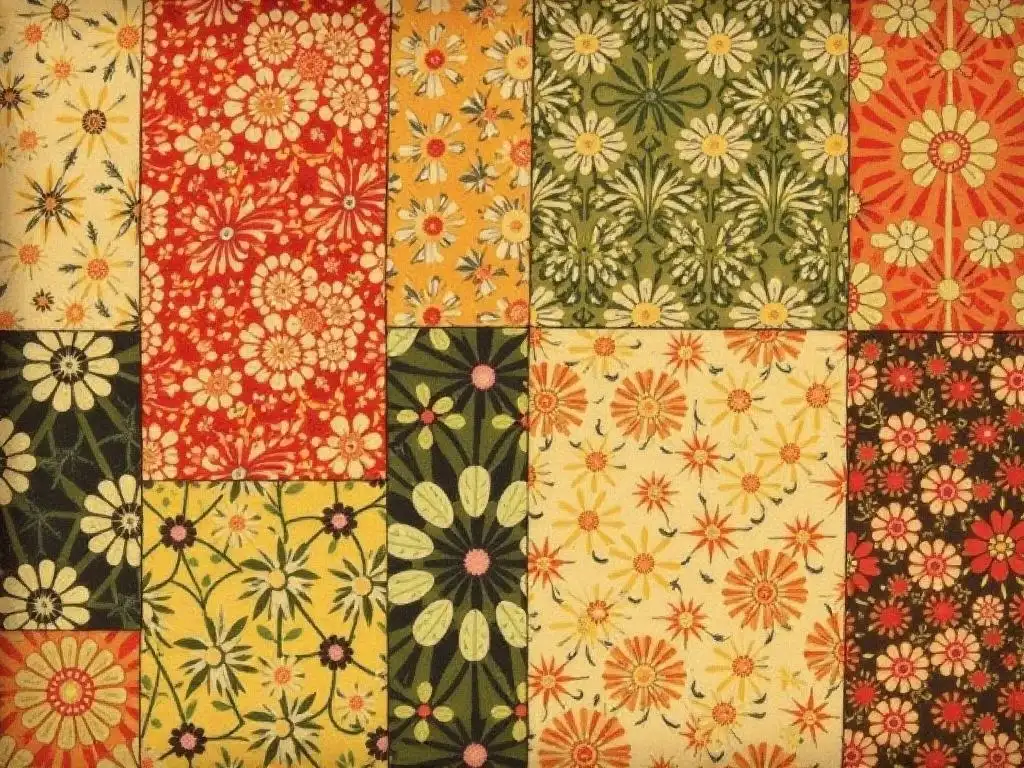
Welcome to Feudal Japan History! Step into the intricate world of Japan’s feudal era, where every thread tells a story. In our featured article, "The Symbolism of Patterns: Understanding the Motifs in Japanese Fabric Design," we invite you to unravel the rich tapestry of Japanese fabric design symbolism. Discover how these exquisite patterns reflect deep cultural meanings and societal values that have shaped daily life in feudal Japan. Curious about what secrets lie within the elegant motifs? Dive deeper with us and explore the fascinating interplay of art and history!
Introduction to Japanese Fabric Design Symbolism
Japanese fabric design is a rich tapestry woven through centuries of history, culture, and artistic expression. The intricate patterns and motifs present in Japanese textiles are not merely decorative; they are imbued with profound symbolism that reflects the values, beliefs, and societal norms of the time.
From the vibrant colors of kimonos to the subtlety of obi sashes, every piece tells a story, offering insights into the cultural heritage of Japan. This article aims to delve into the nuances of Japanese fabric design symbolism, exploring how these motifs convey meaning and significance within the broader context of daily life and society in feudal Japan.
Definition of Fabric Design in Japanese Culture
Fabric design in Japan, known as nuno, encompasses a wide range of techniques, styles, and purposes. Historically, these textiles were crafted using methods such as weaving, dyeing, and embroidery, each contributing to the unique character of the fabric. Notably, traditional Japanese fabric design often employs geometric patterns, floral motifs, and nature-inspired elements, each carefully chosen for its symbolic meaning. For instance, the use of cherry blossoms ( sakura) symbolizes the transient beauty of life, while waves may represent resilience and strength.
Importance of Symbolism in Japanese Textiles
The significance of symbolism in Japanese textiles cannot be overstated. In a culture where aesthetics and meaning are deeply intertwined, the motifs serve as a visual language that communicates emotions, status, and cultural narratives. For example, certain patterns were reserved for nobility or specific occasions, reinforcing social hierarchies and traditions. Understanding these symbols provides invaluable insights into the historical and cultural context of Japan, revealing how fabric design has been a reflection of the society in which it was created.
Historical Context of Japanese Fabric Design
To fully appreciate the symbolism embedded in Japanese fabric design, it is essential to explore its historical development. The evolution of these textile patterns is closely tied to Japan's social, political, and economic changes, particularly during the feudal era.
Evolution of Fabric Patterns in Feudal Japan
During the feudal period, from the late 12th century to the 19th century, Japan experienced significant transformations that influenced its fabric design. The rise of the samurai class and the establishment of powerful clans led to a demand for textiles that conveyed status and sophistication. Patterns evolved from simple, utilitarian designs to elaborate creations that showcased the skills of artisans and the wealth of their patrons. Techniques such as tsutsugaki (freehand dyeing) and yukata (a casual garment) began to emerge, each reflecting the changing tastes and cultural influences of the time.
Influence of Social Status and Class on Fabric Design
The social hierarchy of feudal Japan had a profound impact on fabric design. Different classes utilized distinct patterns and colors to signify their status. For instance, the aristocracy favored luxurious silks adorned with intricate motifs, while the common people often wore simpler fabrics with more subdued designs.
Additionally, specific colors were associated with particular social standings; for example, indigo was popular among farmers for its practicality, while bright hues were reserved for the elite. This stratification not only highlights the significance of symbolism in fabric design but also underscores how textiles served as a means of expressing identity within the complex tapestry of Japanese society.
Common Motifs in Japanese Fabric Design
Japanese fabric design is renowned for its rich symbolism and intricate patterns that reflect the nation's culture, values, and aesthetics. Among the most prominent motifs are those inspired by nature, geometric shapes, and seasonal elements. Each motif carries its own significance, often rooted in historical and cultural narratives, making Japanese fabric design a unique blend of artistry and meaning.
Nature-Inspired Patterns: Flowers, Animals, and Landscapes
Nature plays a pivotal role in Japanese fabric design, with motifs often depicting flowers, animals, and landscapes. These elements are not only appreciated for their beauty but also symbolize deeper meanings:
- Flowers: Cherry blossoms (sakura) represent the transient nature of life, while chrysanthemums symbolize longevity and rejuvenation. Other flowers like plum blossoms and wisteria also carry specific cultural connotations.
- Animals: The crane is a prominent symbol of good fortune and longevity, often featured in textiles to convey wishes for a long life. Similarly, the koi fish represents perseverance and strength, often associated with overcoming adversity.
- Landscapes: Scenic representations of mountains, rivers, and the changing seasons depict the harmony between nature and human life, reflecting the deep connection the Japanese have with their environment.
These nature-inspired patterns are frequently used in kimono fabrics and home textiles, enhancing their aesthetic appeal while imparting meaningful narratives.
Geometric Patterns: Shapes and Their Meanings
Geometric patterns in Japanese fabric design are characterized by their precision and symmetry, each shape carrying its own significance. Common geometric motifs include:
- Asanoha (hemp leaf): Symbolizing growth and resilience, this pattern is often used in children’s clothing to wish for a healthy life.
- Seigaiha (blue ocean waves): Representing peace and good fortune, the wave motif is a popular choice for textiles and is often associated with prosperity.
- Kikkō (tortoise shell): Reflecting longevity and protection, this pattern is frequently seen in fabrics for formal occasions.
These geometric designs not only serve aesthetic purposes but also communicate aspirations and beliefs, making them an integral part of Japanese textile art.
Seasonal Patterns: Reflecting Japan’s Four Seasons
Japan's four distinct seasons profoundly influence its fabric design, with seasonal motifs embodying the beauty and transience of nature.
- Spring: Patterns featuring cherry blossoms and plum blossoms signify renewal and the ephemeral nature of life.
- Summer: Bright motifs like waves and hydrangeas evoke the vibrancy of summer and the joy of the season.
- Autumn: Leaves turning colors, especially the vibrant hues of maples, are common in autumn fabrics, symbolizing change and maturity.
- Winter: Snowflakes and pine trees reflect the stillness and purity of winter, often used to convey a sense of peace and introspection.
These seasonal patterns not only celebrate the natural world but also align with traditional Japanese festivals and customs, enhancing their cultural relevance.
Cultural Significance of Patterns in Japanese Fabrics
The patterns found in Japanese fabrics are steeped in cultural significance, serving as a reflection of societal values, beliefs, and identity. They embody a sense of history and collective memory, making them a vital aspect of Japan's artistic heritage.
Spiritual and Religious Symbolism in Textile Motifs
Many patterns in Japanese fabric design carry spiritual and religious meanings. For instance, motifs like the lotus flower symbolize purity and enlightenment in Buddhist culture. The use of specific symbols during ceremonial occasions often reflects the spiritual beliefs held by communities and individuals. Fabrics featuring sacred motifs are commonly used in religious garments and ceremonial clothing, imbuing the textiles with deeper significance and purpose.
Patterns as Expressions of Identity and Status
In feudal Japan, the choice of fabric patterns often served as an expression of one's identity and social status. Different classes and professions had specific motifs associated with them. For example, samurai families might wear fabrics adorned with family crests (mon), while merchants might choose more vibrant and elaborate patterns to showcase their wealth. Thus, the motifs on clothing not only reflected personal taste but also indicated the wearer's social standing and affiliations within society.
The Role of Patterns in Traditional Ceremonies and Festivals
Patterns in Japanese fabric design hold a significant role during traditional ceremonies and festivals. Textiles adorned with specific motifs are often used in celebrations such as weddings, tea ceremonies, and New Year festivities. For instance, during weddings, fabrics may feature designs that symbolize happiness and fertility, while New Year celebrations might incorporate auspicious patterns to invite good fortune for the coming year. These textiles not only enhance the ceremonial atmosphere but also reinforce the cultural narratives and values that define Japanese society.
The rich tapestry of Japanese fabric design symbolizes a profound connection to nature, culture, and identity, making it a fascinating subject of study within the broader context of feudal Japan's history and its societal dynamics.
Techniques and Materials in Japanese Fabric Design
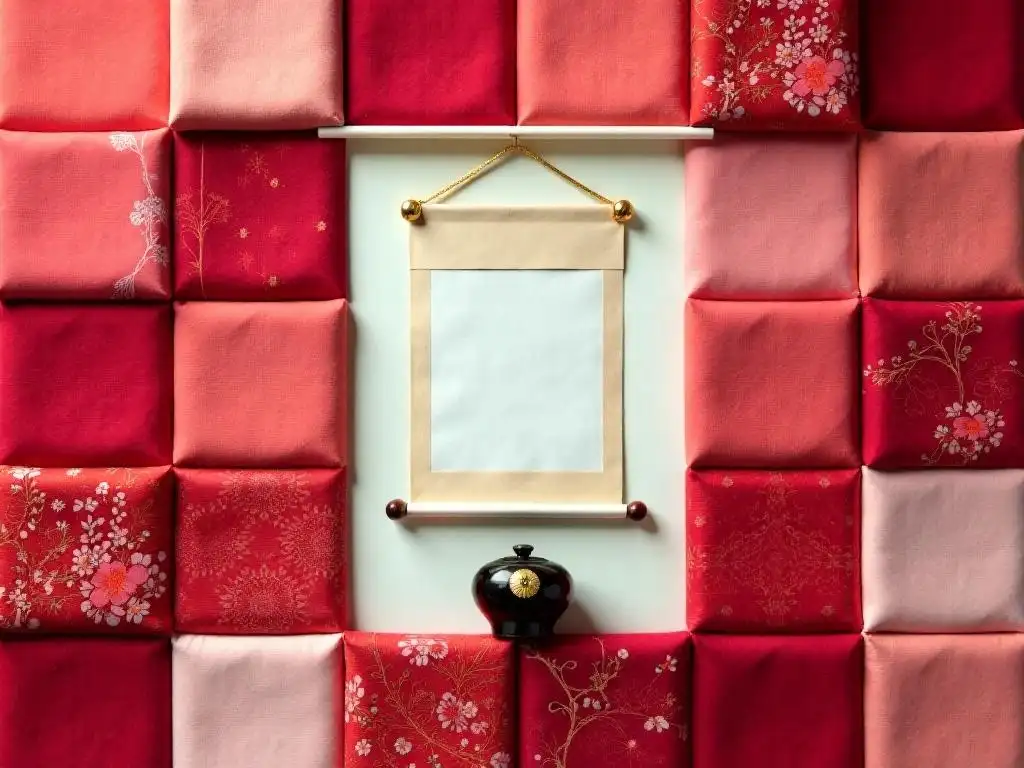
Japanese fabric design is renowned not just for its aesthetic beauty but also for the intricate techniques and high-quality materials that have been perfected over centuries. Understanding these elements provides deeper insight into the symbolism embedded in the patterns. The interplay of traditional methods and materials contributes significantly to the cultural significance of the textiles, allowing for a rich tapestry of history, meaning, and artistry.
Traditional Techniques: Weaving, Dyeing, and Printing
In the realm of Japanese fabric design, traditional techniques play a crucial role in creating the unique motifs that adorn textiles.
- Weaving: This age-old craft involves interlacing threads to create fabric. Techniques such as Nishijin weaving from Kyoto are particularly famous for their complexity and use of gold and silver threads, often resulting in stunning visual textures. The patterns created through weaving can embody stories and symbols, drawing from nature, mythology, and historical events.
- Dyeing: Techniques like shibori (tie-dye) and kyo-yaki (Kyoto-style dyeing) showcase an exquisite level of detail. Shibori involves folding, twisting, and binding fabric before dyeing, resulting in intricate designs. Similarly, the use of indigo dyeing (ai-zome) has historical significance, often representing purity and elegance in its deep blue hues.
- Printing: Woodblock printing, particularly ukiyo-e, has influenced fabric design significantly. This technique allows for the reproduction of detailed images and patterns, often depicting scenes from nature, folklore, and daily life. The motifs can carry various meanings, from good fortune to protection against evil, depending on their cultural context.
Materials Used: Silk, Cotton, and Beyond
The choice of materials in Japanese fabric design is as significant as the techniques employed. Each material has its own characteristics and cultural associations:
- Silk: Renowned for its luxurious texture and sheen, silk is often used in high-end garments like kimonos. The elegance of silk fabric enhances the visual impact of motifs, making it an ideal canvas for intricate designs. Symbolically, silk represents nobility and refinement, often reserved for special occasions.
- Cotton: More commonly used in everyday wear, cotton fabrics, like those used for yukata, are lightweight and breathable, making them ideal for summer. The patterns on cotton can be vibrant and playful, symbolizing the joy of seasonal festivals and social gatherings.
- Other Materials: Beyond silk and cotton, various other fibers are employed, including ramie, linen, and wool. Each material contributes to the functionality and aesthetics of the fabric, allowing for a range of symbolic meanings based on their usage and context.
Case Studies: Iconic Japanese Fabrics and Their Symbolism
The exploration of specific fabrics in Japanese culture reveals how deeply intertwined textiles are with symbolism and societal values. Each fabric type tells its own story, reflecting historical contexts and cultural beliefs.
Kimono Fabrics: A Deep Dive into Their Meaning
Kimono fabrics are a quintessential element of Japanese culture, often adorned with motifs that convey deep symbolic meanings.
- Patterns and Themes: Common motifs found on kimono fabrics include cranes (symbolizing longevity), cherry blossoms (representing the transient beauty of life), and waves (denoting resilience and strength). Each design is carefully chosen to reflect the wearer's status, occasion, and personal sentiments.
- Seasonal Significance: The choice of fabric and its pattern often change with the seasons. For example, spring kimonos may feature floral designs, while winter kimonos might incorporate more subdued colors and patterns that evoke warmth and comfort. This seasonal adaptability adds layers of meaning to the fabrics.
- Cultural Heritage: The art of kimono fabric design is not merely about aesthetics; it is a representation of Japan's cultural heritage, where each pattern is steeped in history and tradition, preserving the stories of generations.
Yukata Patterns: Summer Attire and Symbolic Significance
Yukata, a casual summer garment, showcases a different yet equally rich tapestry of symbolism through its patterns.
- Vibrant Colors and Designs: Yukata fabrics often feature bright, cheerful designs, including motifs like fireworks and goldfish, which evoke the festive spirit of summer festivals in Japan. These motifs are not only visually appealing but also carry connotations of celebration and joy.
- Symbolism of Lightness: The lightweight nature of yukata fabric reflects the carefree spirit of summer. The designs often symbolize the fleeting moments of summer joy, encapsulating the essence of mono no aware (the beauty of transience) in Japanese aesthetics.
- Social Connections: Wearing yukata at festivals creates a sense of community and connection among people. The patterns often reflect regional styles, fostering a sense of pride in local traditions and craftsmanship, thereby reinforcing social bonds during communal celebrations.
The intricate techniques, diverse materials, and rich symbolism inherent in Japanese fabric design reflect a profound narrative that transcends mere aesthetics, offering a glimpse into Japan's cultural heart.
Conclusion: The Enduring Legacy of Japanese Fabric Design Symbolism
Japanese fabric design is a tapestry woven with history, culture, and symbolism. The motifs used in traditional textiles are not merely decorative; they convey rich meanings and stories that have been passed down through generations.
From the intricate patterns of kimono fabrics to the bold designs of contemporary fashion, each piece reflects an identity deeply rooted in the values and aesthetic sensibilities of Japanese society. As we navigate through the modern world, the enduring legacy of these symbols continues to influence both artisans and designers alike, merging the old with the new and ensuring that the cultural significance of Japanese fabric design remains alive.
The Influence of Historical Patterns on Modern Fabric Design
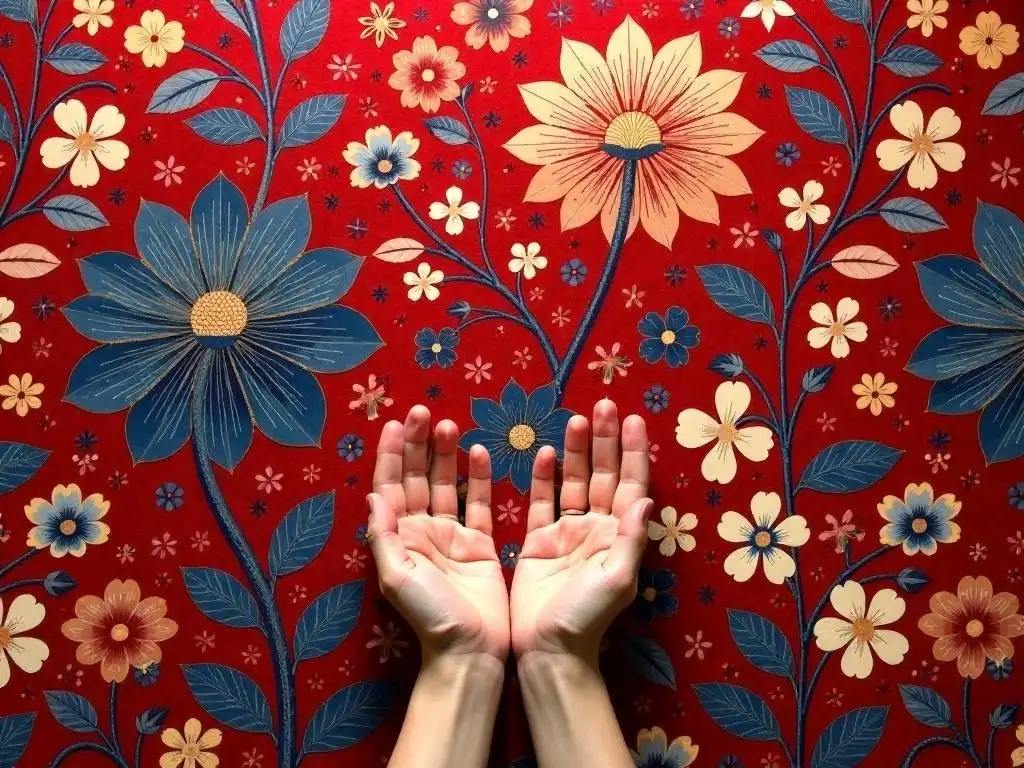
The historical patterns found in traditional Japanese fabrics, such as asanoha (hemp leaf) and seigaiha (blue ocean waves), have significantly influenced modern fabric design. Designers today often draw inspiration from these motifs, reinterpreting them in innovative ways that resonate with contemporary aesthetics while honoring their origins. This blend of old and new allows for a rich dialogue between past and present, reflecting how the cultural significance of these patterns continues to evolve.
For example, fashion labels like Issey Miyake and Yohji Yamamoto frequently incorporate historical patterns into their collections. They utilize bold colors and modern silhouettes to breathe new life into traditional designs, making them accessible and relevant to a global audience. This fusion not only preserves the heritage of Japanese fabric design but also showcases its adaptability in the ever-changing landscape of fashion.
Preserving the Symbolism in Contemporary Japanese Fashion
As contemporary Japanese fashion continues to gain traction on the global stage, preserving the symbolism inherent in traditional designs becomes increasingly important. Many designers and artisans are committed to maintaining the integrity of these motifs, ensuring that they are not diluted or misrepresented in modern interpretations.
Efforts to educate both consumers and creators about the significance of these patterns are crucial. Workshops, online courses, and community events are being organized to inform the public about the meanings behind various designs, fostering a deeper appreciation for the cultural context of Japanese fabric. Additionally, collaborations between traditional artisans and contemporary designers are emerging, creating a platform for dialogue that honors the past while embracing innovation.
Further Exploration on Japanese Fabric Design Symbolism
To truly appreciate the depth and beauty of Japanese fabric design symbolism, further exploration is essential. Engaging with literature, attending exhibitions, and participating in workshops can expand one's understanding of how patterns reflect the values, beliefs, and narratives of Japanese culture. Whether you are a fashion enthusiast, a textile artist, or simply curious about the history, there is a wealth of resources available to deepen your knowledge.
Recommended Resources for Learning More
- Books: Titles such as "Japanese Textiles: 1850 to the Present" and "Kimono: A Modern History" offer insightful explorations into the art and symbolism of Japanese fabrics.
- Documentaries: Films focusing on traditional crafts, such as "The Silk Road: Past and Present", provide a visual journey into the world of Japanese textiles.
- Online Courses: Platforms like Coursera and MasterClass often feature courses on textile design, including modules specifically focused on Japanese fabric symbolism.
Upcoming Exhibitions and Events Related to Japanese Textiles
- Tokyo National Museum: An exhibition titled "Threads of Time: The Art of Japanese Fabric" is set to open in the spring, showcasing historical textiles and their modern interpretations.
- International Textile Fair: An annual event held in Kyoto, this fair features a variety of workshops and presentations focused on Japanese fabric design, offering participants firsthand experience with artisans.
- Local Craft Festivals: Many regions in Japan host seasonal festivals celebrating traditional crafts, including fabric dyeing and weaving demonstrations, providing insights into the craftsmanship and symbolism behind the designs.
These avenues for exploration not only enhance understanding but also foster appreciation for the intricate world of Japanese fabric design symbolism, ensuring its place in both historical and modern contexts.
- Introduction to Japanese Fabric Design Symbolism
- Historical Context of Japanese Fabric Design
- Common Motifs in Japanese Fabric Design
- Cultural Significance of Patterns in Japanese Fabrics
- Techniques and Materials in Japanese Fabric Design
- Case Studies: Iconic Japanese Fabrics and Their Symbolism
- Conclusion: The Enduring Legacy of Japanese Fabric Design Symbolism
- The Influence of Historical Patterns on Modern Fabric Design
- Preserving the Symbolism in Contemporary Japanese Fashion
- Further Exploration on Japanese Fabric Design Symbolism
- What are the key motifs in Japanese fabric design?
- How does symbolism play a role in Japanese textiles?
- What is the historical significance of fabric design in Japan?
- How are traditional techniques preserved in modern Japanese fabric design?
- Where can I learn more about Japanese fabric design symbolism?
Frequently Asked Questions
What are the key motifs in Japanese fabric design?
Japanese fabric design features key motifs like flowers, animals, and geometric shapes, each holding deep cultural significance and symbolism.
How does symbolism play a role in Japanese textiles?
Symbolism in Japanese textiles conveys messages of luck, prosperity, and protection. Each pattern is meticulously chosen to represent specific ideals or sentiments.
What is the historical significance of fabric design in Japan?
Historically, fabric design reflects social status and regional identity. Different patterns and techniques were employed to signify cultural heritage and artistic expression.
How are traditional techniques preserved in modern Japanese fabric design?
Modern designers often use traditional techniques such as dying, weaving, and stitching while incorporating contemporary themes, ensuring that heritage is respected and maintained.
Where can I learn more about Japanese fabric design symbolism?
To explore Japanese fabric design symbolism further, consider reading expert-driven articles or visiting museums showcasing textile art and its cultural narratives.
Final Reflection: The Enduring Significance of Japanese Fabric Design Symbolism
The intricate motifs found in Japanese fabric design are not merely decorative; they are a profound language of culture and identity. In today's globalized world, where cultural boundaries often blur, understanding the symbolism behind these patterns becomes increasingly relevant. The rich tapestry of Japanese fabric design serves as a reminder of the deep-rooted traditions and values that shape a society, highlighting the importance of preserving cultural heritage in the face of modernization.
Cultural symbols have the power to connect us across time and space, weaving a narrative that transcends generations. The motifs in Japanese fabric design, from the delicate cherry blossoms to the bold waves of Seigaiha, tell stories of nature, seasons, and human experiences. These designs are not just aesthetic choices; they are reflections of the Japanese worldview and a testament to the artistry that has evolved over centuries. As noted by textile historian John Marshall, Every pattern tells a story, and in every story, there is a piece of history waiting to be uncovered.
As we move forward, I invite you to explore the world of Japanese fabric design and the symbolism it embodies. Take a moment to reflect on the patterns that resonate with you, and consider how they might inspire your own creative expressions. Whether you are an artist, a designer, or simply an admirer of beauty, let the stories woven into these fabrics encourage you to appreciate the depth of cultural narratives and to celebrate the artistry that connects us all. Embrace the lessons of the past and allow them to guide your journey into the future.
Unveil the Beauty of Japanese Fabric Design!
Thank you for exploring the rich tapestry of Japanese fabric symbolism with us! We hope you’ve gained a deeper appreciation for the intricate motifs that tell stories of culture and history. Now, it’s time to take your newfound knowledge and apply it.
Here’s how you can dive deeper into this captivating world:
- Visit a local craft store or marketplace to discover traditional and modern Japanese fabrics — experience the textures and admire the patterns firsthand!
- Share your favorite motif from this exploration on social media, and tag friends who might appreciate this beautiful art form.
- Participate in a fabric design workshop or join an online community to expand your skills in creating with patterns — it’s a wonderful opportunity to connect with others who share your passion!
Which fabric pattern resonates with you the most, and how do you believe it reflects cultural values in today’s society?