
The Role of Fashion in Political Alliances and Marriages

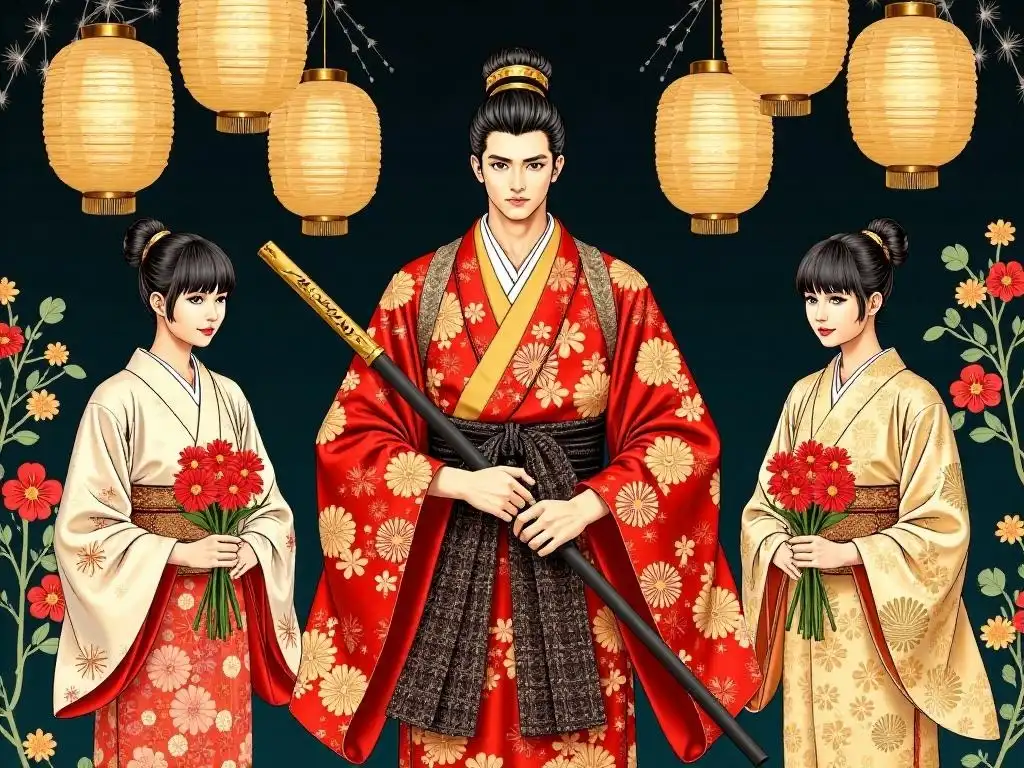
Welcome to Feudal Japan History, where we invite you to embark on an intriguing journey through the captivating tapestry of Japan's feudal era. In our latest article, "The Role of Fashion in Political Alliances and Marriages," we delve into the fascinating interplay between fashion and power, revealing how clothing choices influenced political landscapes and shaped societal relationships. Discover the hidden stories behind the garments worn by influential figures and how these sartorial decisions forged alliances that transformed history. Curiosity awaits—join us as we unravel the threads that connect fashion to the very fabric of feudal Japan.
-
The Role of Fashion in Political Alliances and Marriages in Feudal Japan
- Introduction to Japan's Feudal Fashion
- Historical Context of Political Alliances in Feudal Japan
- The Influence of Fashion on Political Alliances
- Case Studies: Notable Political Alliances and Their Fashion Choices
- Women's Fashion and Its Impact on Political Marriages
- Men's Fashion and Political Power
- Fashion Trends and Their Reflective Role in Political Relations
- The Legacy of Feudal Fashion in Modern Political Alliances
- Conclusion: The Interwoven Nature of Fashion and Politics in Feudal Japan
- References
-
Frequently Asked Questions
- What was the significance of fashion in feudal Japan?
- How did marriages influence political alliances in feudal Japan?
- What types of clothing were associated with the samurai class?
- How did fashion reflect the hierarchy in feudal Japan?
- Were there specific colors or styles that indicated political allegiance?
- Final Reflection: The Interwoven Threads of Fashion and Political Alliances
- Unveil the Impact of Fashion on Political Connections!
The Role of Fashion in Political Alliances and Marriages in Feudal Japan
Introduction to Japan's Feudal Fashion
Fashion in feudal Japan was not merely a reflection of personal style; it played a pivotal role in the intricate web of political alliances and marriages that defined the era. The clothing choices of samurai, nobles, and even the common folk were imbued with deep cultural significance, serving as visual indicators of status, allegiance, and power.
As Japan transitioned through its feudal period, from the Kamakura to the Edo era, the garments worn by individuals were often laden with meaning, influencing relationships and political landscapes. Understanding the nuances of these fashion choices offers a unique lens through which to view the sociopolitical dynamics of feudal Japan.
Overview of Feudal Japan and Its Cultural Significance
Feudal Japan, spanning from the late 12th century to the mid-19th century, was characterized by a hierarchical system where power was concentrated in the hands of the samurai and the ruling shogunate. This period was marked by significant cultural developments, including art, literature, and fashion. Clothing styles evolved to reflect not only the aesthetic preferences of the time but also the rigid social structures that governed life. The garments worn by individuals were often adorned with symbols and colors that conveyed their social standing and political affiliations.
In this context, fashion became a powerful tool in the hands of the elite, who utilized it to project authority and establish alliances. The intricate designs and materials used in clothing were not just matters of personal choice; they were strategic decisions aimed at reinforcing social hierarchies and solidifying political relationships.
Defining Fashion in the Context of Political Alliances
Fashion in feudal Japan can be defined as a complex interplay of aesthetics, culture, and politics. The garments chosen for public appearances, ceremonies, and diplomatic events were laden with significance. Colors, patterns, and even the choice of fabric could symbolize loyalty, power, and political allegiance. For instance:
- Colors: Certain colors were reserved for nobility or specific clans, while others might signify loyalty to a particular shogun or daimyo.
- Patterns: Traditional motifs often reflected a family’s heritage, and their use in clothing could be a subtle reminder of one’s lineage and alliances.
- Materials: The quality of fabric, from luxurious silks to more modest cottons, played a crucial role in conveying wealth and status.
In this way, fashion became a silent yet potent language of political expression, often influencing the outcomes of alliances and marriages.
Historical Context of Political Alliances in Feudal Japan
The political landscape of feudal Japan was heavily influenced by marriages and alliances, with fashion serving as a critical element in these arrangements. Understanding this historical context sheds light on how clothing choices were intertwined with political strategy and familial ties.
The Importance of Marriages in Japanese Politics
Marriages during the feudal era were often arranged to strengthen political alliances between powerful clans. These unions were seen as opportunities to consolidate power, forge new relationships, and secure peace between rival factions. The bride and groom's attire during such ceremonies was meticulously chosen to reflect the significance of the occasion.
- Strategic Marriages: Many prominent samurai families engaged in marriages that extended their influence and territory.
- Symbolic Attire: The clothing worn during these ceremonies often showcased family crests and colors that represented the joining of two powerful lineages.
Through these unions, families could enhance their political clout, and the fashion choices made during these events were crucial in signaling their intentions to allies and adversaries alike.
Key Figures and Their Political Marriages
Throughout feudal Japan, several key figures exemplified the intersection of fashion and political alliances through their marriages. For example:
- Oda Nobunaga: His strategic marriages helped to unify Japan during the Sengoku period, with clothing choices that underscored his status as a powerful daimyo.
- Toyotomi Hideyoshi: Known for his elaborate garments, Hideyoshi’s marriages were not just personal unions but strategic moves to secure his power and influence.
These figures demonstrated how fashion was employed as a political tool, reinforcing their status and alliances in a tumultuous period of Japanese history.
The role of fashion in political alliances and marriages during feudal Japan was a complex and multifaceted phenomenon that merits further exploration. Understanding these dynamics provides valuable insights into the cultural and political fabric of this fascinating era.
The Influence of Fashion on Political Alliances
In feudal Japan, fashion was not merely a matter of aesthetics; it played a crucial role in the intricate web of political alliances and marriages. Clothing served as a visual representation of power, status, and loyalty, influencing the perceptions and relationships among the samurai class, nobility, and commoners. The way individuals dressed could signify their allegiance to a particular clan or family, thereby shaping political dynamics.
Fashion choices were often deliberate and strategic, reflecting the wearer’s social position and political aspirations. For instance, a samurai might don specific garments to align themselves with a powerful lord or to signal their loyalty to a political cause. Furthermore, during formal events, clothing could serve as a diplomatic tool, showcasing wealth and influence while reinforcing social hierarchies.
The interplay between fashion and politics was particularly evident during marriage negotiations. Families would choose attire that communicated their prestige and intentions, further solidifying alliances through visual means. Thus, the influence of fashion on political alliances in feudal Japan was profound, intertwining aesthetics with the essential fabric of societal governance.
Symbolism of Clothing in Feudal Japan
In feudal Japan, clothing was imbued with deep symbolism, reflecting cultural values, social status, and political affiliations. Each garment, from the simple kimono to the elaborate court robes, conveyed specific messages about the wearer’s identity and position within society.
For example, the kimono, a staple of Japanese attire, was not only a garment but also a representation of the wearer’s family and lineage. Patterns and designs were often unique to specific clans, serving to identify loyalties at a glance. Similarly, the choice of fabric was significant; silk was a symbol of wealth and nobility, while cotton indicated a lower social standing.
Moreover, the use of particular colors also held symbolic meaning. For instance, the color red was often associated with power and protection, while white was linked to purity and mourning. As such, the clothing choices made by individuals during political alliances and marriages were carefully curated to reflect intentions and aspirations, thereby influencing perceptions and relationships within feudal society.
Colors and Fabrics: What They Represented in Alliances
Colors and fabrics played a pivotal role in conveying messages during political alliances in feudal Japan. Each hue and material carried specific cultural connotations that could either strengthen or undermine a political relationship.
- Colors:
- Red: Symbolized power, protection, and celebration. Frequently worn during weddings and significant political events.
- White: Represented purity and mourning, often used in funerals or to signify a fresh start in political relations.
- Black: Denoted formality and authority, commonly worn by samurai and high-ranking officials during ceremonies.
- Fabrics:
- Silk: A luxury fabric that signified wealth and high status, often used in garments intended to impress or convey authority.
- Brocade: Embellished silk that reflected opulence, frequently associated with court fashion and significant political events.
- Cotton: A more common fabric, indicating practicality and lower social status, but also used strategically to showcase humility in certain contexts.
These elements combined to create a powerful language of fashion that played a crucial role in diplomatic relations through visual representation. The careful selection of colors and fabrics during alliances and marriages could thus communicate deeper intentions, reinforcing the intricate ties that bound feudal Japan’s political landscape.
Case Studies: Notable Political Alliances and Their Fashion Choices
Throughout feudal Japan, several notable political alliances were marked by distinctive fashion choices that symbolized the unity or power dynamics between clans. These case studies reveal how clothing was employed not just as personal adornment but as a strategic tool in the political arena.
The Marriage of Ashikaga Yoshimitsu and the Imperial Family: Fashion as a Political Tool
The marriage between Ashikaga Yoshimitsu, the third shogun of the Ashikaga shogunate, and a member of the Imperial family exemplifies how fashion was used as a political tool. This union was aimed at consolidating power and reinforcing the legitimacy of the shogunate.
During the wedding, elaborate garments were worn that showcased the wealth and status of both families. Yoshimitsu donned a ceremonial kimono made of luxurious silk adorned with intricate patterns that symbolized his shogunal authority. The imperial bride, in turn, wore a traditional heirloom garment that linked her to the revered lineage of the emperors, thus reinforcing the alliance's significance.
The visual spectacle of their attire was not lost on observers; it communicated the political gravity of their union and the intent to solidify relationships between martial and imperial powers in Japan.
The Role of Court Fashion in Strengthening Alliances
Court fashion in feudal Japan was an essential element in strengthening political alliances. The attire worn during formal court ceremonies served to reinforce the status and loyalty of various clans to the ruling powers.
Elaborate robes and accessories, often seen at the Imperial court, were designed not only for aesthetics but also to project authority and prestige. The various layers and styles of clothing indicated social standing and rank, creating a hierarchy that was visually apparent.
For instance, during the New Year celebrations or significant political gatherings, the choice of opulent fabrics and vibrant colors among the nobility served as a display of loyalty to the emperor and the shogunate. Such gatherings allowed different clans to showcase their allegiances through their attire, reinforcing the bonds of loyalty and mutual support essential for maintaining peace and stability in feudal Japan.
The role of fashion in political alliances and marriages during feudal Japan was a complex interplay of symbolism, strategy, and social dynamics. The choices made by individuals not only reflected personal identity but also shaped the political landscape of the time.
Women's Fashion and Its Impact on Political Marriages
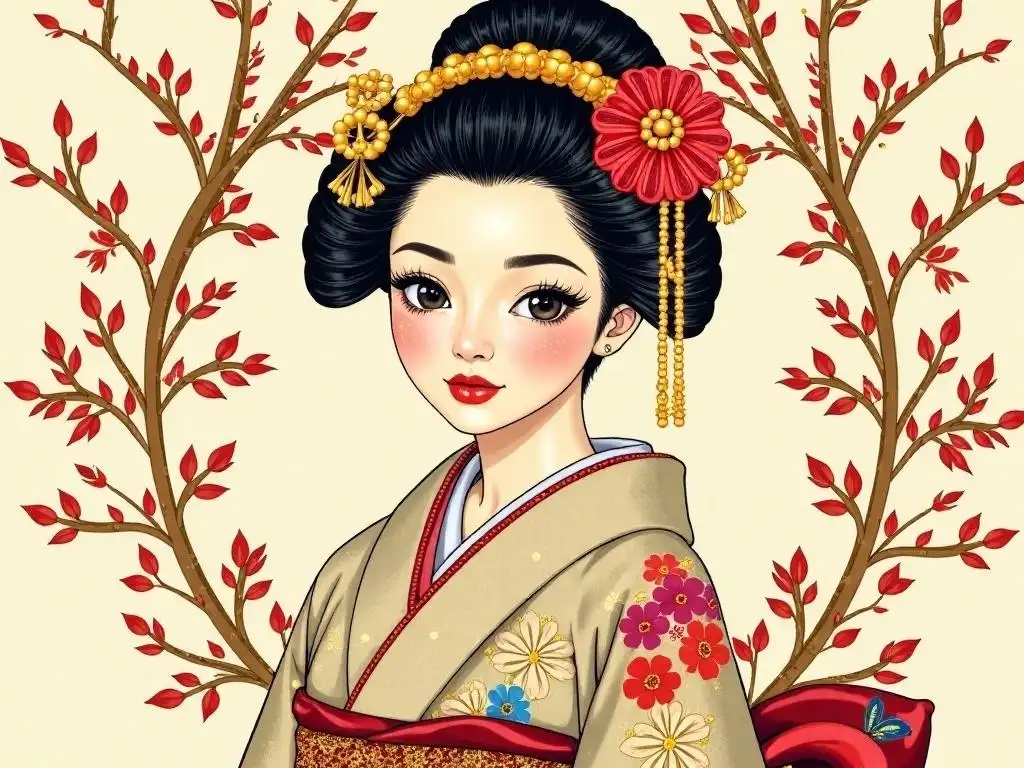
In feudal Japan, women's fashion played a pivotal role in shaping political alliances and marriages. The garments worn by women were not merely personal choices but rather strategic tools in the complex web of political maneuvering. By carefully selecting their clothing, women could communicate their status, lineage, and the alliances their families sought to forge.
The kimono, the quintessential garment of Japanese women, was often adorned with intricate designs and colors that symbolized various attributes relevant to the political climate. For instance, certain colors were associated with specific clans or regions, which could enhance a woman's desirability as a bride and strengthen the bonds between families. In this way, women's fashion became a key element in the negotiation of marriages that would secure political power and stability.
Traditional Attire: Significance of Kimonos in Alliances
The kimono, with its rich history and cultural significance, was more than just clothing; it was a reflection of a woman's social status and familial connections. Different styles and fabrics of kimonos denoted various levels of hierarchy and privilege. For example, the use of silk versus cotton could indicate wealth, while the colors and patterns chosen were often deeply symbolic.
During political marriages, brides would wear kimonos that represented their family's crest or clan colors, signifying loyalty and allegiance. The specific combination of colors and patterns was often chosen to invoke favorable omens or to indicate the bride's virtues, such as purity or fertility. This careful selection underscored the importance of fashion in political negotiations, as it could either strengthen a family's position or tarnish their reputation in the eyes of potential allies.
Accessories and Their Symbolic Meanings in Politics
Accessories were another crucial aspect of women's fashion in feudal Japan, often carrying significant political weight. Items such as obi (sashes), obidome (obi ornaments), and kanzashi (hair ornaments) served not only aesthetic purposes but also conveyed messages about the wearer’s status and the political alliances at play.
For instance, an elaborate obi could signal a high-ranking family, while specific motifs on the obi or kanzashi might be associated with certain clans or historical events. The choice of accessories allowed women to express their political affiliations subtly, as well as their family's aspirations. Thus, accessories became essential elements in the broader dialogue of fashion and power, influencing perceptions and decisions during political marriages.
Men's Fashion and Political Power
Men's fashion in feudal Japan was equally significant in the context of political power and alliances. The attire of samurai, in particular, reflected not just personal style but also the complex hierarchy of the time. Clothing choices were dictated by rank, clan, and the political landscape, making fashion a vital aspect of a samurai's identity.
The rigorous codes of dress among the samurai class illustrated the importance of fashion in establishing authority and loyalty. The garments worn during ceremonial occasions often depicted a samurai's allegiances, with carefully chosen colors and designs that conveyed messages of power and honor. As such, men's fashion played a crucial role in the formation of political alliances through marriage and familial ties.
Armor and Clothing: The Impact of Samurai Fashion on Alliances
The duality of armor and clothing in samurai culture exemplifies how fashion influenced alliances in feudal Japan. While armor was designed for protection in battle, it also served as a status symbol, reflecting the wearer's rank and lineage. The intricacies of armor design often included clan emblems, which made it instantly recognizable and a source of pride.
During peacetime, samurai would don formal attire that also carried political significance. The choice of fabric, color, and embellishments in their clothing could symbolize their readiness for battle and loyalty to their lord. In marriage negotiations, a samurai's attire could serve as a testament to the strength and influence of his family, thereby enhancing his prospects for securing advantageous alliances through marriage.
The Evolution of Men's Attire in Political Contexts
Over time, men's fashion in feudal Japan underwent significant changes, reflecting shifts in political power and societal norms. The introduction of Western influences in the late Edo period began to alter traditional samurai attire, leading to a blend of styles that symbolized modernization and adaptation.
This evolution mirrored the changing landscape of political alliances, as new forms of governance emerged and the samurai class began to lose its exclusive hold on power. The adaptation of Western clothing styles by samurai and other political figures illustrated their attempts to maintain relevance in a rapidly changing world. As men's attire evolved, so too did its implications for political alliances, with fashion continuing to serve as a reflection of shifting power dynamics and cultural exchanges in feudal Japan.
Fashion Trends and Their Reflective Role in Political Relations
In feudal Japan, fashion was not merely a matter of personal choice or aesthetics; it served as a critical reflection of political relations and alliances. Clothing styles, fabrics, and even colors carried profound meanings that conveyed social status, loyalty, and power dynamics among the samurai class and nobility. For instance, elaborate garments adorned with family crests (mon) were often used to signify allegiance to a particular clan. The choice of textiles—silks, brocades, and cotton—also indicated wealth and influence, playing a significant role in establishing and maintaining political relationships.
Fashion trends could shift rapidly in response to political changes. For example, during periods of consolidation of power, such as the rise of the Tokugawa shogunate, a more uniform style emerged, promoting a sense of unity and stability among the warring factions. Conversely, during tumultuous times, such as the Sengoku period, the varied styles reflected the fractious nature of alliances, with each clan striving to assert its individual identity.
Changes in Fashion During Times of War and Peace
The correlation between fashion and the political climate in feudal Japan is particularly evident when examining the changes in attire during times of war and peace. During warfare, practicality took precedence; garments were designed for mobility and protection. Armor, for instance, was not only functional but also visually communicated loyalty to a specific lord. The use of colors and emblems on battle attire would signify the allegiance of warriors, reinforcing bonds among allies.
In contrast, during periods of peace, fashion became a tool for showcasing wealth, refinement, and diplomatic relations. The elite adorned themselves with intricate kimonos and accessories that highlighted their status. The introduction of specific colors and patterns could symbolize peace treaties and alliances. For example, the use of auspicious colors like red and gold in wedding attire would indicate harmony and auspicious beginnings, often sealing political marriages that united powerful clans.
How Fashion Choices Influenced Political Perceptions
Fashion choices in feudal Japan significantly influenced political perceptions, shaping how individuals and clans were viewed by their peers and rivals. The visual presentation of a clan's leaders was crucial in establishing authority and legitimacy. For instance, a daimyo dressed in lavish garments and adorned with elaborate ornaments projected an image of strength and prosperity, which could intimidate rivals and attract potential allies.
Moreover, the choice to adopt or reject certain fashion elements often served as a political statement. For example, a clan that chose to wear more subdued colors and simpler designs might be perceived as humble or aligned with the common people, thus gaining favor in times of social upheaval. Conversely, ostentatious displays of wealth could backfire, leading to resentment among the lower classes and rival factions. Therefore, understanding these fashion dynamics was essential for navigating the complex political landscape of feudal Japan.
The Legacy of Feudal Fashion in Modern Political Alliances
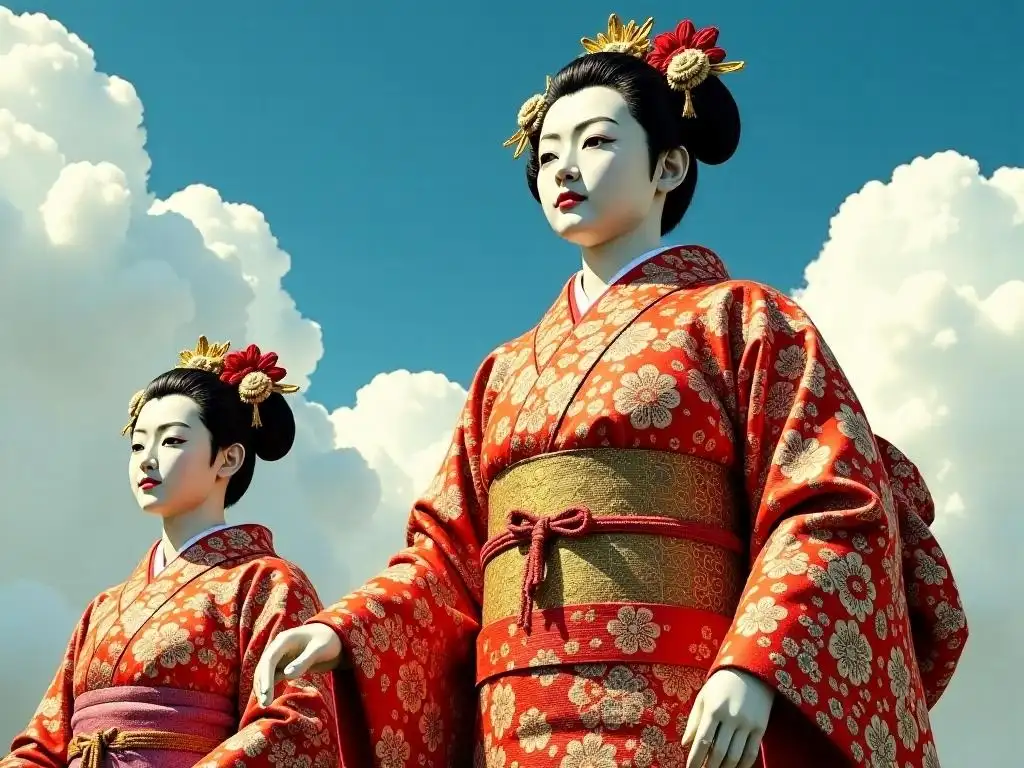
The influence of feudal fashion on contemporary political alliances remains palpable in modern Japan. While styles and materials have evolved, the underlying significance of clothing as a symbol of power and alliance endures. Political leaders continue to use fashion strategically to convey messages about their authority, cultural identity, and allegiance to specific values or groups.
Continuity and Change: Lessons from Feudal Japan
The lessons from feudal Japan’s approach to fashion and political alliances can offer valuable insights for modern political landscapes. The emphasis on clothing as a means of communication about authority and identity persists today. Political figures often choose attire that resonates with their constituents, reflecting cultural heritage or signaling solidarity with particular social movements. Furthermore, the interplay between traditional and contemporary fashion choices highlights the ongoing dialogue between past and present, where leaders draw upon historical motifs to craft their political narratives.
The Representation of Historical Fashion in Contemporary Politics
Today, the representation of historical fashion in contemporary politics is evident in various ways, from ceremonial attire to everyday wear employed by politicians. Events such as state visits, where officials don traditional garments like the kimono, serve to evoke a sense of heritage and continuity, reinforcing national identity. Additionally, political campaigns may utilize elements reminiscent of feudal fashion to connect with voters on cultural grounds, evoking nostalgia and unity.
Moreover, fashion in the modern political arena often reflects broader societal values, such as sustainability and ethical practices. Just as in feudal Japan, where clothing choices mirrored political alliances and societal norms, today’s fashion decisions continue to signal political ideologies and partnerships, demonstrating that the legacy of feudal fashion still plays a vital role in shaping contemporary political discourse.
Conclusion: The Interwoven Nature of Fashion and Politics in Feudal Japan
Fashion in feudal Japan was far more than a matter of personal taste; it was intricately woven into the fabric of political alliances and marriages. The garments worn by the samurai, nobility, and commoners were loaded with meaning, reflecting not only individual status and wealth but also the broader socio-political landscape. Through colors, fabrics, and styles, clothing served as a visual language of power dynamics, loyalty, and familial ties. This rich interplay between attire and alliances shaped the very essence of political maneuvering during this period.
The strategic use of fashion in marriages and alliances was crucial for cementing relationships between clans. For example, the choice of wedding garments often indicated the political weight of the union, with elaborate kimonos and accessories symbolizing prestige and strength. As such, fashion became an essential tool in diplomacy, aiding in the establishment and maintenance of power structures. The aesthetic choices made in feudal Japan were not merely superficial but were instrumental in defining the relationships that governed the era.
Recap of Key Points on Japan's Feudal Fashion and Political Alliances
- Symbolism of Colors and Fabrics: Specific colors and textiles were reserved for certain classes and occasions, conveying messages about rank and allegiance.
- Marriage as a Political Tool: Marriages were often arranged with careful consideration of fashion, utilizing garments to symbolize unity and power.
- Influence of the Samurai Class: Samurai fashion played a pivotal role in expressing loyalty and identity, impacting both social standing and political alliances.
- Cultural Significance: Fashion was a reflection of cultural values during feudal Japan, embodying the principles of honor, loyalty, and societal structure.
These points illustrate how fashion was not an isolated aspect of life in feudal Japan but rather a critical component of the political landscape, affecting alliances and marriages throughout the era.
Final Thoughts on the Importance of Fashion in Historical Contexts
Understanding the role of fashion in historical contexts, particularly in feudal Japan, reveals the complexities of societal interactions and power dynamics. Fashion acted as a medium through which individuals communicated their status, beliefs, and allegiances. It is essential to recognize that the garments worn were a reflection of cultural identity, tradition, and, importantly, political strategy.
The implications of fashion extend beyond mere aesthetics; they offer insights into the past, highlighting how clothing choices influenced the course of history. By examining these connections, we gain a deeper appreciation for the multifaceted nature of life in feudal Japan and the intricate relationships that defined its society.
References
Suggested Readings on Feudal Fashion and Political Alliances in Japan
- The World of the Shining Prince: Court Life in Ancient Japan by Ivan Morris – A comprehensive examination of the Heian court that touches on fashion and its societal implications.
- Samurai: The World of the Warrior by Stephen Turnbull – This book provides insights into the samurai class, including discussions of their evolving fashion and its political significance.
- Japanese Costume and Textiles by H. Paul Varley – An in-depth look at the styles and materials that characterized Japanese clothing throughout different historical periods.
Academic Sources and Historical Documents for Further Exploration
- The Tale of Genji – An essential literary work that offers vivid descriptions of courtly life and fashion during the Heian period.
- Various historical archives documenting samurai clans, including clothing inventories and records of marriages that reflect political alliances.
- Scholarly articles in journals such as Japanese Studies and East Asian History, which often explore the intersections of fashion and politics in feudal Japan.
These resources provide a foundation for further investigation into the complex relationship between fashion and political alliances in Japan's feudal era.
Frequently Asked Questions
What was the significance of fashion in feudal Japan?
Fashion in feudal Japan played a crucial role in establishing social status and political alliances. Clothing styles often reflected regional affiliations and were used to signify power dynamics among the ruling classes.
How did marriages influence political alliances in feudal Japan?
Marriages were often strategic, serving as a means to forge political alliances between clans. The choice of bride or groom, along with their attire, was a reflection of the political power each family wielded.
What types of clothing were associated with the samurai class?
The samurai class wore distinctive garments such as the kimono and hakama, which symbolized their warrior status and adherence to the bushido code. Their fashion choices were also crucial in demonstrating loyalty and alliances.
How did fashion reflect the hierarchy in feudal Japan?
Fashion was a clear indicator of social hierarchy; the richness of fabrics, colors, and styles varied significantly by rank. Nobles wore elaborate attire, while commoners had strict limitations on their clothing choices, emphasizing class divisions.
Were there specific colors or styles that indicated political allegiance?
Yes, certain colors and patterns were often associated with specific clans or factions. Wearing these could signify loyalty and political allegiance, making fashion a powerful tool in the manipulation of alliances during feudal Japan.
Final Reflection: The Interwoven Threads of Fashion and Political Alliances
Fashion has always served as a powerful tool for communication and influence, particularly in the context of political alliances and marriages. In the feudal era of Japan, clothing was not merely a matter of personal style; it was a visual language that conveyed status, allegiance, and power dynamics. Today, as we navigate a world where appearances still hold significant weight, the lessons from Japan's feudal fashion remind us that what we wear can shape perceptions and forge connections in profound ways.
The influence of fashion on political and social landscapes is undeniable, as it continues to evolve and adapt to contemporary contexts. In examining the intricate relationships between clothing, power, and identity, we see that these themes resonate deeply in our current society. The way we dress can still signal our affiliations, beliefs, and aspirations. As the philosopher Roland Barthes once said, "> Fashion is a language that creates itself in clothes to interpret reality." This notion underscores the ongoing relevance of fashion as a means of expressing and negotiating power, whether in historical contexts or modern-day scenarios.
As you reflect on the insights shared in this article, consider how the lessons from Japan's feudal fashion can inspire your own choices and interactions. What stories do your clothing and style tell about you? Embrace the opportunity to use fashion as a means of expressing your values and forging connections with others. Let us honor the legacy of those who came before us by recognizing the power of our attire in shaping not only our identities but also the alliances we build in our personal and professional lives.
Unveil the Impact of Fashion on Political Connections!
Thank you for diving into the fascinating interplay of fashion and political alliances in feudal Japan! You've explored how clothing not only reflects status but also weaves together the fabric of powerful marriages and alliances. Now, it’s time to take that knowledge and apply it in creative ways.
Here are a few steps you can take to deepen your understanding and connection to this intriguing topic:
- Grab a journal and jot down your thoughts on how modern fashion communicates values and affiliations in today’s world. Consider whether there are parallels to historical contexts.
- Share your insights with friends or on social media. Start a discussion about the role of fashion in relation to contemporary cultural and political movements.
- Join a local historical society or an online community focused on cultural studies to continue exploring how clothing shapes societal narratives.
What surprising connections between fashion and politics have you noticed in your own community?