
Textiles and Trade: The Influence of Silk on Feudal Japanese Clothing

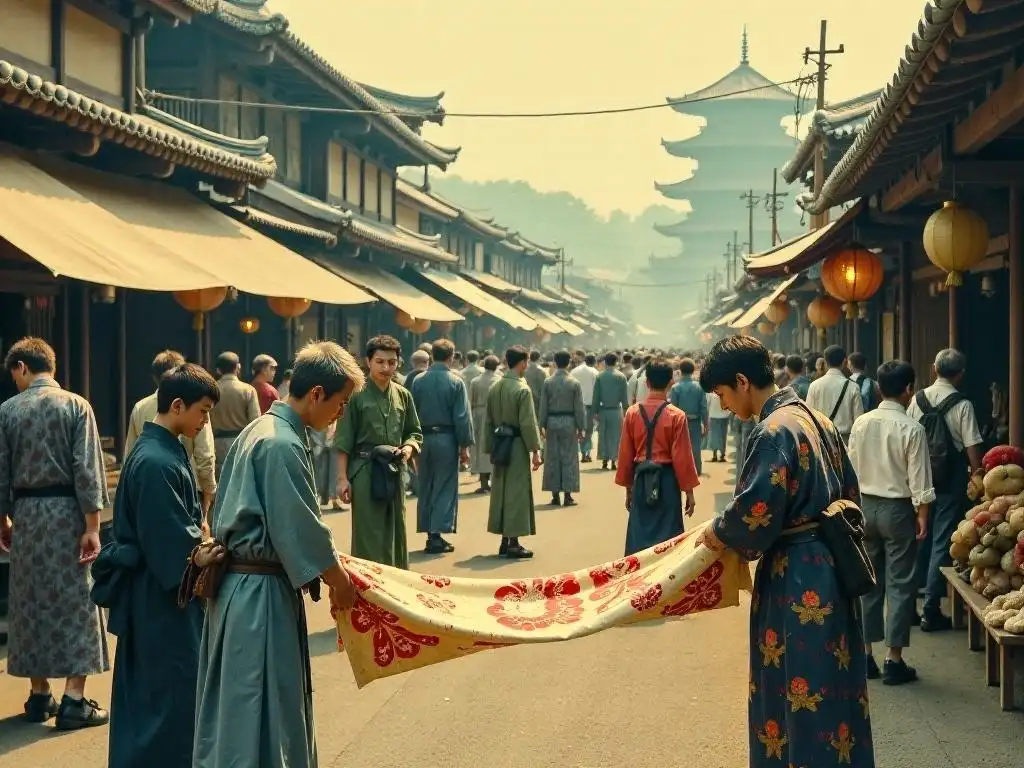
Welcome to Feudal Japan History, where we invite you to embark on an intriguing journey through the rich tapestry of Japan's feudal era. In our latest article, "Textiles and Trade: The Influence of Silk on Feudal Japanese Clothing," we delve deep into the fascinating world of the silk trade and its profound impact on daily life and societal norms. Discover how this luxurious fabric shaped not just clothing, but also the very culture and economy of feudal Japan.
What secrets does the silk trade hold? Join us as we unravel the threads of history and explore the vibrant connections between textiles and the people who wore them. Your adventure through the past starts here!
- Introduction to Silk Trade in Feudal Japan
- The Origins of Silk Trade
- The Impact of Silk on Japanese Clothing
- The Economic Influence of Silk Trade
- Cultural Significance of Silk in Feudal Society
- The Silk Trade's Influence on Art and Craftsmanship
- Challenges Faced by the Silk Trade
- Conclusion: The Lasting Legacy of Silk Trade in Feudal Japan
- Frequently Asked Questions
- Final Reflection: The Enduring Legacy of Silk in Feudal Japan
- Unveil the Rich Tapestry of Japan's Silk Heritage!
Introduction to Silk Trade in Feudal Japan
The silk trade in feudal Japan played a pivotal role in shaping not only the economy but also the cultural and social fabric of the era. As Japan transitioned through various periods of feudalism, the demand for luxurious textiles like silk surged, influencing trade routes, artisan practices, and even societal status.
This article delves into the intricate relationship between silk and clothing in feudal Japan, exploring how the silk trade served as a catalyst for economic growth and cultural exchange. By examining the significance of textiles in Japanese society, we can better understand the broader implications of this trade, which not only catered to the elite but also affected the daily lives of common people.
Overview of Feudal Japan's Economic Landscape
Feudal Japan, spanning from the late 12th century to the 19th century, was characterized by a decentralized political system where local lords, known as daimyōs, held power over their territories. The economy during this era was primarily agrarian, but trade—both domestic and international—played a crucial role in its development.
- Agriculture and Trade:
- Rice was the staple crop and the primary currency of exchange.
- Local markets flourished, facilitating the trade of goods, including textiles.
- Silk as a Valuable Commodity:
- Silk became a symbol of wealth and sophistication, sought after by the samurai class and nobility.
- The demand for silk led to increased agricultural production, particularly of mulberry trees, which are essential for silkworm cultivation.
- Trade Routes and Foreign Relations:
- Japan's silk trade was significantly influenced by relationships with neighboring countries, especially China and Korea.
- The Nanban trade, established during the 16th century, introduced new foreign influences and expanded Japan's trade networks.
Significance of Textiles in Japanese Culture
Textiles in feudal Japan were much more than mere fabric; they were woven with social meaning and cultural significance. The importance of textiles, particularly silk, can be seen in various aspects of Japanese life:
- Status and Identity:
- Clothing was an indicator of social status, with silk garments reserved for the elite.
- Specific patterns and colors were associated with different classes, reinforcing societal hierarchies.
- Artisan Skills and Techniques:
- The production of silk textiles involved intricate techniques, showcasing the skill of artisans.
- Techniques such as dyeing, weaving, and embroidery were highly valued and often passed down through generations.
- Cultural Ceremonies and Traditions:
- Textiles played a crucial role in various Japanese ceremonies, such as weddings and festivals.
- The aesthetic appeal of silk garments contributed to the overall experience of these cultural events, enhancing their significance.
The silk trade in feudal Japan not only influenced the economy but also left a lasting impact on cultural identity and societal structures. As we explore the nuances of silk textiles and their trade, we gain insights into the daily lives of those in feudal Japan, revealing a complex tapestry of history, artistry, and social dynamics.
The Origins of Silk Trade

Silk trade in feudal Japan has deep roots that intertwine with both cultural and economic developments throughout the region. The origins of silk production can be traced back to ancient China, where sericulture, the cultivation of silkworms for silk production, began as early as 3000 BCE. The allure of silk, with its luxurious texture and vibrant colors, made it a highly coveted commodity that transcended borders.
Historical Background of Silk Production
In Japan, silk production began around the 3rd century CE, primarily influenced by techniques brought over from the Korean Peninsula. The Japanese government recognized the importance of silk not only as a textile but also as a symbol of status and wealth. During the Asuka period (538–710 CE), the Japanese court encouraged the development of sericulture through the establishment of dedicated farms and the importation of skilled artisans from China.
By the Heian period (794–1185 CE), silk had become an integral part of the aristocratic wardrobe, with clothing made from silk denoting social status and refinement. The production process was labor-intensive; it involved raising silkworms, harvesting silk, and weaving it into fabric. This meticulous craft led to the creation of intricate designs and patterns, which were often inspired by nature and seasonal motifs.
The demand for silk surged during the Kamakura period (1185–1333 CE) and beyond, as samurai culture emerged and with it, a new class of warriors who sought to distinguish themselves through their attire. The quality and craftsmanship of silk garments became a mark of prestige, further solidifying silk's role in feudal Japanese society.
Key Trade Routes and Partners
The silk trade in feudal Japan was not an isolated phenomenon; it was intricately connected to broader international trade networks. The most significant trade routes included the Silk Road, which connected East Asia with Europe through Central Asia, and maritime routes that facilitated trade with neighboring regions.
- Main Trade Partners:
- China: The primary source of raw silk and weaving techniques. Silk from regions like Suzhou and Hangzhou became highly sought after in Japan.
- Korea: As an intermediary, Korea played a crucial role in introducing and exporting silk production techniques to Japan.
- Southeast Asia: Trade with countries such as Vietnam added diversity to the types of silk available and introduced new patterns and weaving styles.
The exchange of goods was not limited to silk alone. Japan exported items such as ceramics, swords, and other artisanal crafts in exchange for silk, creating a dynamic trade relationship. The introduction of the Nanban trade during the late 16th century further expanded Japan’s access to silk and other textiles from Europe and the Americas, highlighting the global nature of silk trade.
As trade routes evolved, so too did the styles and uses of silk in Japanese clothing. From the elegant kimono to ceremonial garments, the influence of silk not only shaped fashion but also reflected the changing tides of Japanese society throughout the feudal era.
The origins of silk trade in feudal Japan are marked by a blend of historical influences, cultural significance, and intricate trade networks that shaped the nation’s clothing and societal structure.
The Impact of Silk on Japanese Clothing
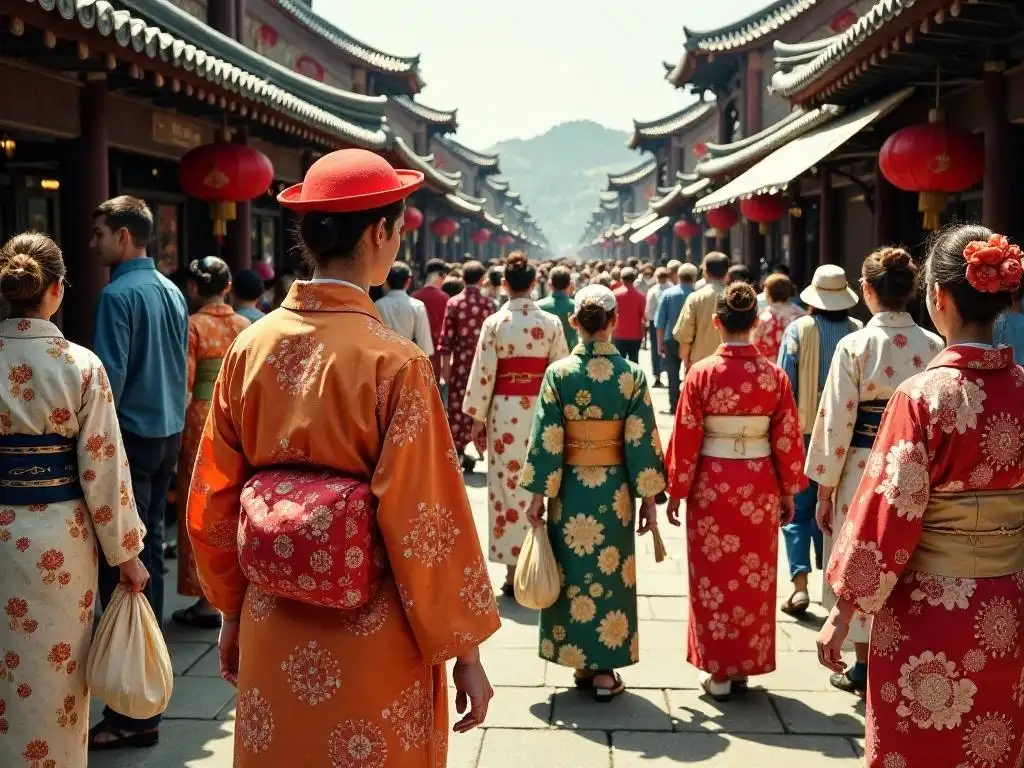
The influence of silk on clothing during feudal Japan was profound, shaping not only the aesthetics of garments but also their cultural significance. The introduction of silk, primarily through trade routes, transformed the textile landscape of Japan, leading to innovations in techniques, styles, and even societal structures. This section explores how silk became a cornerstone of Japanese fashion, reflecting both the evolution of clothing styles and the stratification of social classes.
Evolution of Clothing Styles with Silk
The arrival of silk in Japan dates back to the Asuka period (538–710), but it was during the Heian period (794–1185) that its influence truly blossomed. The use of silk fabrics allowed for a dramatic evolution in clothing styles, characterized by vibrant colors, intricate patterns, and luxurious textures.
- Early Adoption: Initially, silk was reserved for the elite, leading to the creation of garments such as the jūnihitoe, a multi-layered ceremonial robe worn by noblewomen. This style exemplified the complexity of layering, allowing for a display of wealth and status.
- Technological Innovations: The production of silk spurred advancements in dyeing and weaving techniques. The kyo-yaki (Kyoto pottery) and tsuzure-ori (tapestry weaving) methods were developed, enhancing the richness and intricacy of silk textiles.
- Regional Variations: Different regions in Japan began to create their unique styles using silk. For instance, the Bunko style from the Edo period (1603–1868) featured bold, geometric patterns, reflecting the artistic movements of the time.
- Impact of Trade: The silk trade routes, particularly those connecting Japan with China and later with Europe, facilitated the exchange of not only materials but also ideas and styles. This cross-cultural interaction led to hybrid styles emerging in Japan, incorporating foreign elements while maintaining traditional aesthetics.
The evolution of clothing with silk is a testament to the dynamic nature of Japanese fashion, influenced by both domestic innovations and international trade.
Silk clothing in feudal Japan was not just a matter of fashion; it was intricately linked to social status and identity. The types of silk garments one wore often indicated their rank, profession, and even personality traits within the rigid caste system of the time.
- Status Symbol: The use of silk was primarily associated with the upper classes, including nobility and samurai. The more elaborate the silk garment, the higher the status of the wearer. For example, the kamishimo, worn by samurai, was made from high-quality silk and featured distinctive patterns that signified rank and allegiance.
- Cultural Identity: Different classes adopted specific styles of silk clothing that reflected their cultural identity. Merchants, who gained wealth during the Edo period, began to wear silk as a way to elevate their social standing, leading to a cultural shift in how silk was perceived.
- Ceremonial Use: Silk garments were often reserved for special occasions and ceremonies. The formal shinto attire, made of silk, played a crucial role in religious and cultural practices, further solidifying its importance in expressing identity.
- Representation of Values: The colors and patterns of silk garments were often imbued with symbolic meanings. For instance, the use of red in silk clothing was believed to ward off evil spirits, while certain motifs represented prosperity and happiness, reflecting the values held by the wearer.
Silk was more than just a textile; it was a powerful medium for expressing social hierarchy and personal identity in feudal Japan. The intricate relationship between silk, clothing, and status underscores the significance of textiles in shaping the cultural landscape of the era.
The Economic Influence of Silk Trade
Silk as a Major Commodity in Feudal Japan
Silk played a pivotal role in the economy of feudal Japan, emerging as one of the most sought-after commodities from the late Heian period through the Edo period. The demand for silk was driven by its association with status and luxury, as well as its practical use in clothing. The production and trade of silk were not only lucrative but also integral to the cultural identity of the time.
During the Heian period (794-1185), Japan began to develop its silk industry, primarily through the cultivation of silkworms and weaving techniques that were influenced by Chinese practices. The introduction of sericulture, or silk farming, allowed Japanese artisans to produce their own silk, reducing reliance on imports. However, despite local production, the demand for high-quality silk from China remained strong. Consequently, silk became a significant commodity in Japan's trade networks, both domestically and internationally.
By the Edo period (1603-1868), silk had become synonymous with wealth and refinement. The Kimonos adorned with intricate silk fabrics were symbols of social status, and as such, the silk trade flourished, with merchants and artisans striving to create exquisite garments. Items like Obi (sashes) and Obijime (decorative cords) made from silk became essential components of traditional Japanese attire. The silks were often dyed using techniques such as Yuzen, which added to their desirability and economic value.
The Relationship Between Silk Trade and Local Economies
The silk trade significantly impacted local economies throughout feudal Japan. Regions specializing in silk production, such as Kanto, Kōfu, and Nagano, became economic hubs due to the flourishing silk industry. The relationship between silk trade and local economies can be examined through several key aspects:
- Job Creation: The silk industry required a large workforce, from silkworm farmers to weavers and dyers. This led to the establishment of numerous small businesses and artisan workshops, providing employment and stimulating local economies.
- Trade Networks: Silk trade fostered a complex network of commerce. Local producers would engage in barter or sell their silk to merchants, who would then distribute it to urban centers such as Edo (modern-day Tokyo) and Kyoto. This interconnectedness promoted economic growth and regional specialization.
- Cultural Exchange: The silk trade facilitated the exchange of ideas and techniques between Japan and its trading partners, particularly China. Innovations in dyeing and weaving were adopted and adapted by Japanese artisans, enhancing the quality and variety of silk products.
- Export Potential: While silk was primarily consumed domestically, there were also opportunities for export, especially during periods when Japan opened its ports to foreign trade. This allowed for the introduction of foreign silk styles and techniques, further enriching Japan’s own textile traditions.
The silk trade in feudal Japan was thus a catalyst for economic development, influencing not only local economies but also the broader social and cultural landscape. As the desire for silk grew, it shaped the very fabric of daily life, intertwining economic prosperity with Japan's rich tradition of clothing and fashion.
Cultural Significance of Silk in Feudal Society
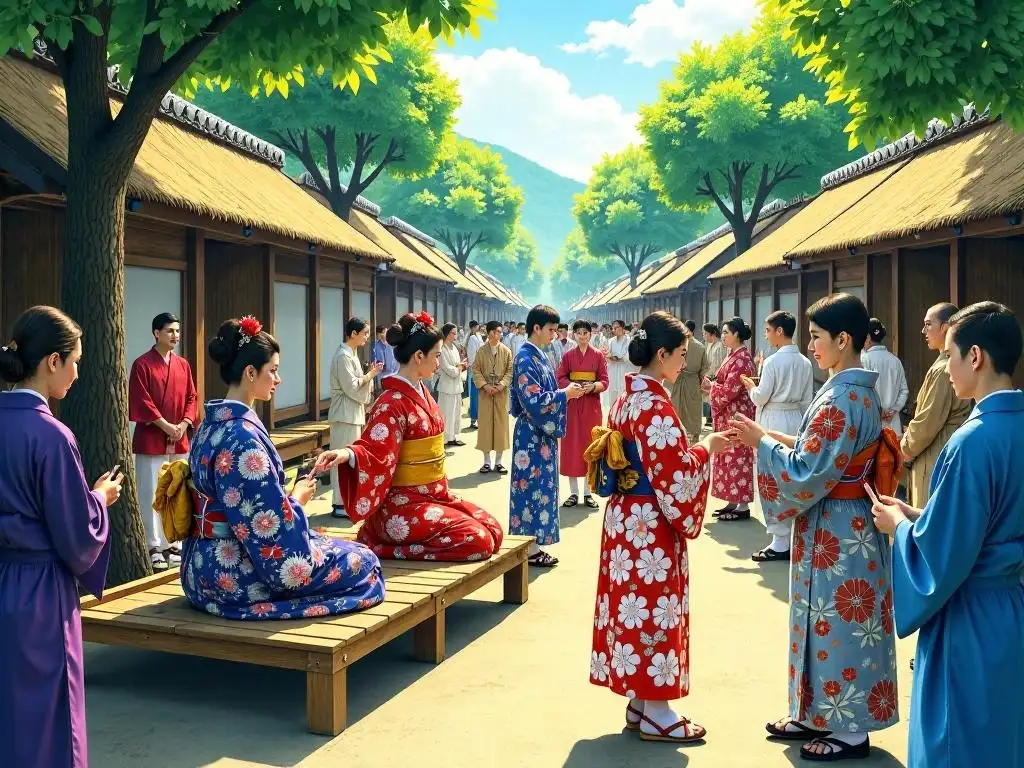
Silk played a crucial role in the cultural fabric of feudal Japan, influencing not only the clothing styles but also the social hierarchy and rituals of the time. As a luxurious material, silk was often associated with status and power, making it a significant element in both ceremonial and everyday contexts.
Silk in Ceremonial and Everyday Wear
In feudal Japan, silk was predominantly used in ceremonial garments, indicating the wearer's social standing and role within the community. Nobles and samurai donned elaborate silk kimonos during important events, such as weddings, festivals, and religious ceremonies. The intricate designs and vibrant colors of these garments reflected not only personal taste but also the cultural values of the era.
- Ceremonial Attire:
- Shinto Rituals: High-ranking priests wore silk garments adorned with symbols representing the kami (gods) during rituals, signifying purity and reverence.
- Court Ceremonies: The imperial court's clothing was heavily influenced by silk, with layers of silk robes showcasing the artistry of the time.
- Everyday Wear:
- While silk was primarily reserved for the elite, certain commoners also had access to silk garments, albeit in simpler forms. This practice allowed for a broader appreciation of silk's texture and appearance across different societal levels.
The significance of silk extended beyond mere aesthetics; it was a marker of social stratification. The quality and style of silk garments served as a visual cue for one's rank, with stricter regulations often governing what colors and patterns were permissible for different classes.
The Aesthetic Value of Silk in Japanese Fashion
Silk's inherent beauty and versatility contributed to its popularity in feudal Japanese fashion, shaping trends and influencing textile craftsmanship. The sheen and drape of silk allowed for elegant silhouettes and dynamic movement, enhancing the overall appeal of garments.
- Artistry and Design:
- Dyeing Techniques: Techniques such as yuzen and shibori brought vibrant colors and intricate patterns to silk fabrics, making them highly sought after. These methods not only highlighted the skill of artisans but also allowed for personal expression through clothing.
- Embellishments: The use of embroidery and appliqué on silk garments added layers of visual interest, with motifs often drawn from nature, mythology, and seasonal changes.
- Fashion Trends:
- As trade routes expanded, the influence of Chinese silk entered the Japanese market, leading to a fusion of styles and ideas. This interplay of cultural aesthetics enriched the local fashion scene and encouraged innovation in textile creation.
The aesthetic value of silk in feudal Japan went beyond mere appearances; it was an embodiment of the era's cultural and artistic advancements. Silk garments became a canvas for expressing identity, spirituality, and social allegiance, cementing their significance in the daily lives of those who wore them.
Through its multifaceted role, silk not only shaped the clothing of feudal Japan but also intertwined with the very essence of its society, influencing customs, trade practices, and artistic expressions that resonate to this day.
The Silk Trade's Influence on Art and Craftsmanship
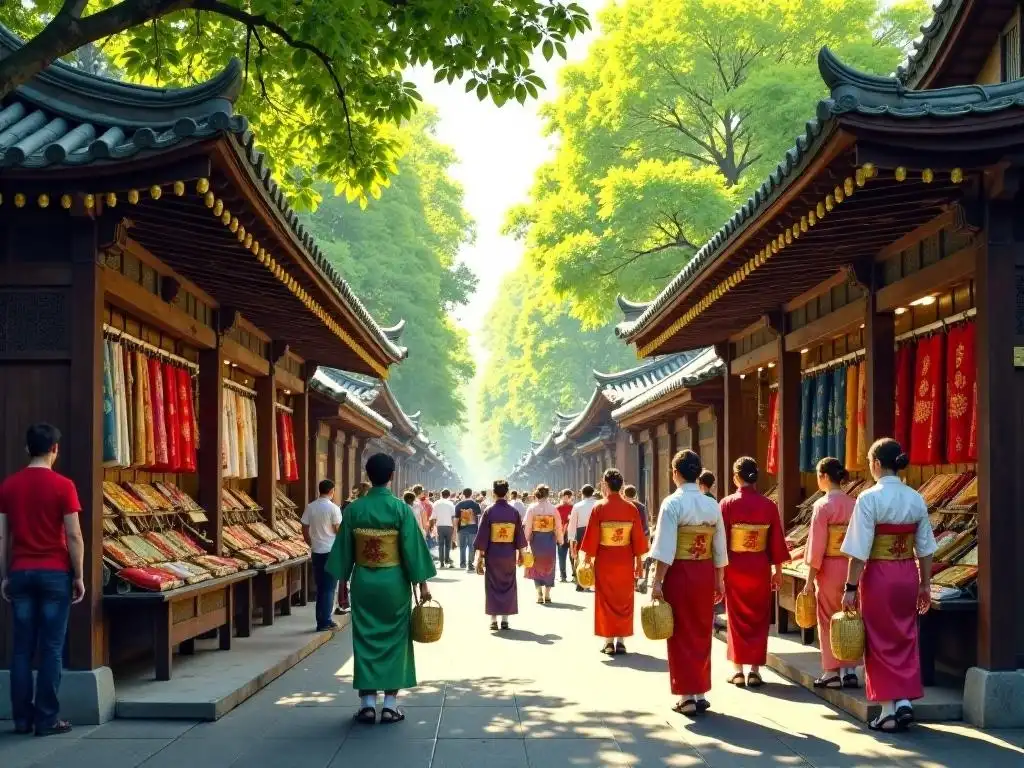
The silk trade in feudal Japan significantly influenced not only clothing but also the broader artistic and craft landscape of the period. As silk became a coveted material, it catalyzed advancements in textile artistry and the refinement of craftsmanship techniques. The introduction of silk from China, alongside domestic production, led to a unique fusion of styles and methods that enriched Japanese art and design.
Textile Techniques and Innovations
Silk's introduction prompted the evolution of several textile techniques in feudal Japan. Among the most notable was the art of kōgei, or craft, where artisans began to develop specific skills tailored to silk production. Innovations stemmed from the need to enhance the quality and aesthetic of silk garments, leading to the emergence of various dyeing and weaving techniques, such as:
- Brocade Weaving: This technique involved weaving intricate patterns directly into the fabric using gold or silver threads, creating a luxurious finish. Brocade became synonymous with high-status garments, often worn by the nobility.
- Tie-Dye (Shibori): A method that gained popularity as artisans experimented with ways to manipulate silk through folding, tying, and dyeing, leading to unique and artistic patterns that added depth and character to clothing.
- Natural Dyeing: The use of natural materials to dye silk, using plants and minerals, allowed for a vibrant color palette that was highly sought after. This technique not only showcased the artisans' skills but also emphasized the connection between nature and clothing.
The development of these techniques had a lasting impact on the aesthetic values of Japanese textiles, as they became a canvas for both artistic expression and cultural identity.
The Role of Artisans in Silk Production
Artisans played a crucial role in the silk trade during feudal Japan, acting as intermediaries between raw silk production and the finished garments worn by the elite. Their expertise was essential in every stage of silk processing, from sericulture to the final garment creation. The artisan class included various specialists, each contributing unique skills:
- Silk Farmers: These were individuals who cultivated mulberry trees (the primary food source for silkworms) and reared the silkworms, ensuring high-quality silk production.
- Weavers: Skilled weavers created intricate patterns and textures in silk fabrics, often working within guilds that maintained high standards of craftsmanship.
- Dyers: Master dyers developed complex recipes for dyeing silk, ensuring colors were vibrant and long-lasting. Their knowledge of natural materials allowed them to produce a wide range of colors that were integral to the beauty of the textiles.
- Tailors and Designers: Once the fabric was completed, tailors and designers transformed it into garments, considering both functionality and aesthetics. They played a pivotal role in fashion trends, often innovating designs that reflected the cultural zeitgeist of feudal Japan.
The collaboration among these artisans not only enhanced the quality of silk garments but also contributed to the economy of feudal Japan, as silk became a valuable commodity in both domestic and international markets. This intricate network of artisanship ensured that silk remained a symbol of status and sophistication throughout the era.
The silk trade in feudal Japan not only shaped clothing styles but also fostered a rich tapestry of artistic innovation and skilled craftsmanship, leaving a lasting legacy in the realm of textiles and fashion.
Challenges Faced by the Silk Trade
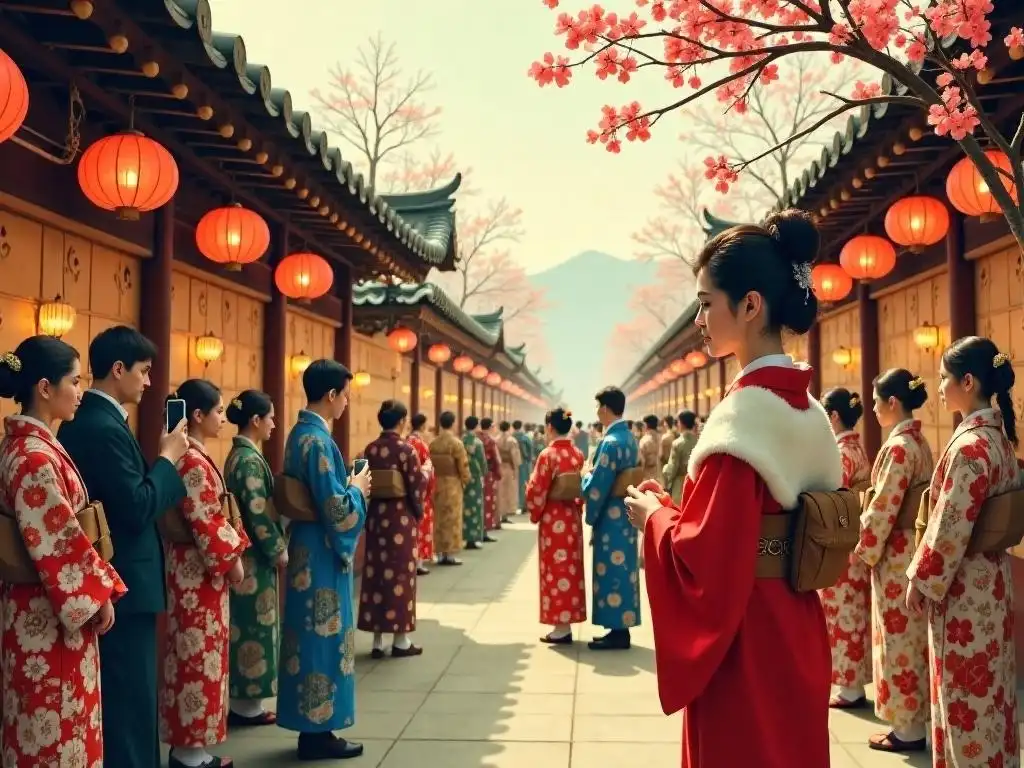
The silk trade in feudal Japan was not only a lucrative enterprise but also one fraught with various challenges that affected its stability and growth. These challenges stemmed from a combination of economic, political, and environmental factors that shaped the landscape of silk production and trade during this era. Understanding these obstacles provides insight into how silk became an integral part of Japanese clothing and culture, despite the impediments faced.
Economic and Political Factors Affecting Trade
The silk trade was heavily influenced by the economic and political climate of feudal Japan. Key factors included:
- Market Regulation: The shogunate implemented strict regulations on trade, including taxes and tariffs that affected the profitability of silk merchants. This often led to inflated prices for consumers and limited market access for producers.
- Control by Daimyos: Powerful feudal lords (daimyos) had significant control over trade routes. They would often demand tributes from merchants, which could increase costs and disrupt trade flows. This created a disparity in wealth, favoring those in power while stifling smaller traders.
- Competition with Local Goods: Imported silk faced competition from locally produced textiles, such as hemp and cotton. The preference for these materials among certain classes and regions created a complex market dynamic, where silk was both coveted and challenged.
- International Relations: Japan’s isolationist policies during certain periods limited interaction with foreign silk producers. The trade was often restricted to select countries, mainly China, which controlled the quality and availability of silk. This reliance made the Japanese silk market vulnerable to geopolitical tensions.
The Impact of Natural Disasters on Silk Production
Natural disasters posed significant threats to the silk trade, affecting both production and trade routes. Some key impacts included:
- Typhoons and Flooding: Japan’s geographical location made it prone to typhoons and heavy rainfall, which could devastate mulberry fields—the primary food source for silkworms. Flooding could wash away crops, leading to a dramatic decrease in silk production.
- Earthquakes: The frequent seismic activity in Japan often resulted in destruction of infrastructure, including the silkworm rearing facilities. This disruption could halt production and delay shipments, causing financial strain on merchants and reducing silk availability in markets.
- Pest Infestations: Natural disasters often weakened the resilience of crops, making them more susceptible to pests. Infestations could wipe out entire harvests of mulberry leaves, further diminishing the silk supply and forcing prices to rise due to scarcity.
- Economic Recovery: In the aftermath of disasters, the recovery process was slow. Resources that could have been allocated to silk production were often diverted to rebuilding efforts. This shift in focus led to long-term impacts on the silk trade, as it struggled to regain its previous levels of output and profitability.
While the silk trade in feudal Japan was a vital aspect of its economy and culture, it faced numerous challenges that influenced its development. Understanding these factors provides a comprehensive view of the complexities surrounding silk as a cornerstone of Japanese clothing and trade.
Conclusion: The Lasting Legacy of Silk Trade in Feudal Japan
Summary of Silk's Influence on Clothing and Society
The silk trade in feudal Japan played a pivotal role in shaping the clothing styles and societal norms of the era. Silk, being a luxurious and highly sought-after fabric, was not merely a material; it was a symbol of status and wealth. The introduction of silk significantly transformed the traditional Japanese garment, kimono, elevating it from simple cotton or hemp to elaborate silk creations adorned with intricate patterns and colors.
- Economic Impact
- The demand for silk led to the establishment of trade routes, connecting Japan with regions such as China and Korea.
- This trade not only stimulated local economies but also fostered cultural exchanges, influencing Japanese aesthetics and craftsmanship.
- Cultural Significance
- Silk garments often represented social hierarchy; the quality and complexity of the fabric indicated the wearer's status.
- Special occasions such as weddings and festivals saw the use of silk, reinforcing its cultural importance in ceremonies and rituals.
- Artistic Developments
- The silk trade catalyzed innovations in dyeing and weaving techniques.
- Artisans developed unique patterns, such as yūzen dyeing, which became synonymous with high-quality silk clothing.
Through these aspects, silk became a fundamental element of clothing in feudal Japan, intertwining with the very fabric of society.
Reflection on the Importance of Silk in Japanese Heritage
The importance of silk in Japanese heritage extends beyond its material value; it encompasses the very identity of Japanese culture. The use of silk in clothing reflects the historical journey of the nation, showcasing its adaptation to global influences while maintaining a distinct cultural essence.
- Symbol of Identity
- Silk garments are often seen as emblematic of Japanese identity, particularly during the Edo period when the kimono style was refined.
- The rich colors and designs often tell stories of nature, seasons, or mythology, embedding cultural narratives within the fabric.
- Artisan Craftsmanship
- The legacy of silk trade has led to a thriving artisan community that values traditional methods of silk production, weaving, and dyeing.
- Techniques that have been passed down through generations continue to be celebrated in modern Japanese fashion, blending tradition with contemporary styles.
- Modern Relevance
- Today, silk remains a luxury item in Japan, reflecting its historical significance and the ongoing appreciation for quality craftsmanship.
- The revival of interest in traditional textiles has sparked a renewed focus on preserving the techniques and knowledge associated with silk production.
The silk trade in feudal Japan not only influenced clothing styles but also shaped the cultural and social landscape of the time. Its lasting legacy is evident in contemporary Japanese society, highlighting the enduring significance of silk as a marker of heritage, artistry, and identity.
Frequently Asked Questions
What role did silk play in feudal Japanese clothing?
Silk was a luxurious fabric that significantly influenced clothing styles in feudal Japan, often reserved for the elite and used in ceremonial garments.
How did the silk trade impact Japan's economy during the feudal era?
The silk trade was crucial for Japan's economy, as it facilitated exports and imports, enhancing trade relationships with other countries, particularly China.
What were the main sources of silk during feudal Japan?
During this period, the primary sources of silk were local sericulture (silk farming) and imports from China, which provided high-quality silk that was highly valued in Japan.
Silk clothing was a status symbol that differentiated the upper class from the lower classes, as the quality and type of silk indicated one's wealth and social standing.
Were there any specific silk trade routes used in feudal Japan?
Yes, the silk trade routes included maritime and overland paths that connected Japan to China and Korea, facilitating the exchange of silk and other goods during the feudal era.
Final Reflection: The Enduring Legacy of Silk in Feudal Japan
The intricate relationship between textiles and trade, particularly the silk trade in feudal Japan, continues to resonate in today's global economy. As we explore the historical significance of silk, we uncover not only the luxurious garments that adorned the elite but also the profound cultural exchanges that shaped Japanese society. The silk trade was not merely a transaction of fabric; it was a conduit for ideas, art, and identity, illustrating how interconnected our world has always been.
Cultural heritage is often woven into the very fabric of our societies, and the influence of silk on feudal Japanese clothing exemplifies this beautifully. The elegance of silk garments transcended mere aesthetics, becoming symbols of status and cultural pride. As we reflect on this, we are reminded of the words of the renowned Japanese poet Matsuo Bashō: Every day is a journey, and the journey itself is home.
This quote encapsulates the essence of how the silk trade was not just about material wealth but also about the journey of cultural evolution and the shared human experience.
As we look to the future, let us take a moment to reflect on our own journeys and the threads that connect us to the past. Consider how the lessons from the silk trade can inspire us to appreciate the richness of our cultural exchanges today. Embrace the diversity around you and recognize the stories woven into the fabric of our lives. By doing so, we honor the legacy of silk and ensure that its influence continues to inspire future generations.
Unveil the Rich Tapestry of Japan's Silk Heritage!
Thank you for diving into the fascinating world of textiles and trade in feudal Japan! You've gained insight into how silk transformed clothing and culture during this dynamic period. Now, it's time to take your curiosity a step further. Here’s how you can deepen your understanding and appreciation of this rich topic:
- Explore local museums to see historical silk garments and artifacts firsthand—experience history like never before!
- Join an online community focused on Japanese history to share your thoughts and learn from others who are just as passionate.
- Send a postcard to a friend featuring images of silk garments—spark a conversation about feudal Japan and share what you've learned!
As you reflect on the incredible influence of silk, we invite you to ponder: How do you think the availability of silk reshaped societal roles and relationships in feudal Japan?