
The Art of Kimono: Unraveling the Layers of Feudal Japanese Fashion

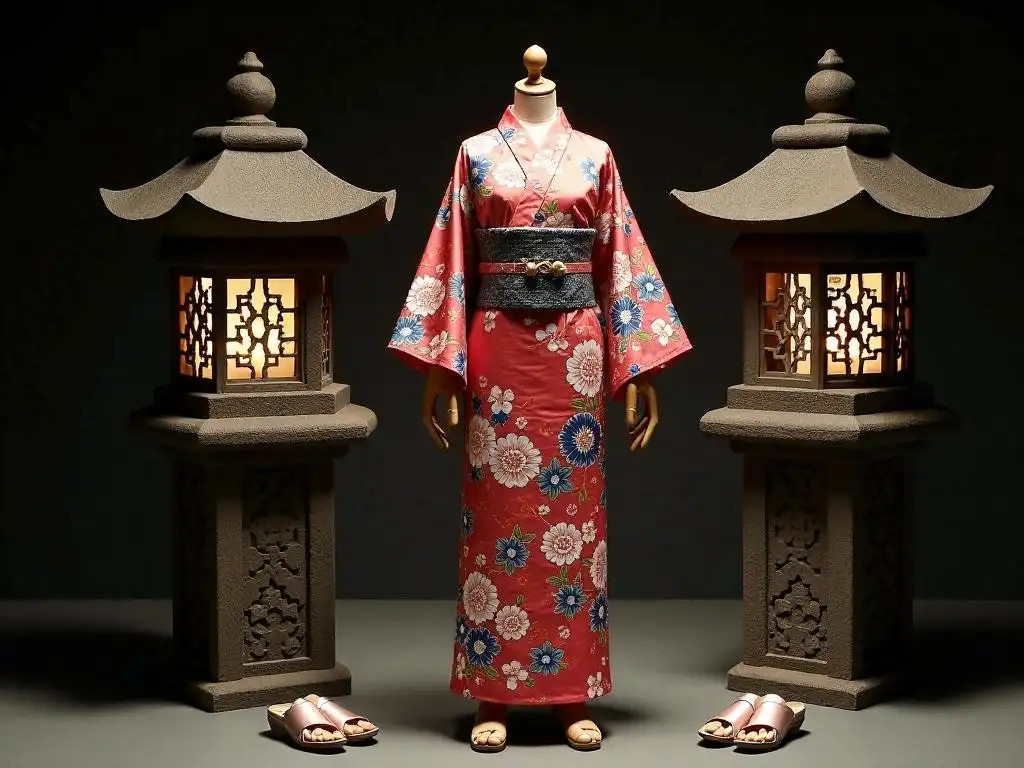
Welcome to Feudal Japan History, where we invite you to embark on an intriguing journey through the rich tapestry of Japan’s feudal era. Here, we delve deep into the historical, cultural, and societal nuances that shaped this fascinating period. In our featured article, "The Art of Kimono: Unraveling the Layers of Feudal Japanese Fashion," prepare to uncover the intricate stories woven into the fabric of feudal Japanese fashion history.
What secrets lie beneath the layers of silk and dye? Join us as we explore the elegance and significance of clothing in daily life and society during this remarkable time. Your adventure into the past starts now!
Introduction to Feudal Japanese Fashion History
Feudal Japan, spanning from the 12th to the 19th century, was a period marked by significant political, social, and cultural transformations. Among these, the evolution of clothing, particularly the kimono, stands out as a reflection of the intricate tapestry of Japanese society.
This article delves into the rich feudal Japanese fashion history, examining how garments were not merely functional items but also powerful symbols of status, identity, and artistry. As we unravel the layers of kimono fashion, we will explore the historical context, cultural significance, and the evolution of this iconic attire, providing insights into how fashion interwove with the daily lives of people in feudal Japan.
Overview of Feudal Japan and Its Cultural Significance
Feudal Japan was characterized by a distinct hierarchical structure, where samurai warriors, farmers, artisans, and merchants each held specific roles within society. This social stratification was not only mirrored in the various occupations but also in the fashion choices available to each class. The cultural significance of clothing during this era cannot be overstated; garments were often indicative of one's social status, profession, and regional identity.
- Samurai Class: Wore elaborate kimonos that reflected their honor and status.
- Farmers and Artisans: Typically donned more practical and less ornate clothing, suitable for daily labor.
- Merchants: Often used fashion to display wealth, leading to vibrant styles and patterns.
The interplay between fashion and societal norms highlights the importance of attire as a means of communication within this complex social fabric.
Importance of Kimono in Japanese Society
The kimono, a traditional garment characterized by its distinctive shape and rich symbolism, has played a pivotal role in Japanese culture. It serves not only as clothing but also as a canvas for artistic expression and cultural identity. Each kimono is often adorned with intricate designs that represent various themes, such as nature, seasons, or auspicious symbols, making it a significant aspect of Japanese aesthetics.
- Symbol of Identity: Kimonos are often associated with specific occasions, such as weddings, festivals, and tea ceremonies, each requiring distinct styles and colors.
- Artistic Expression: The craftsmanship involved in kimono-making, from dyeing to weaving, showcases the high level of artistry prevalent in Japanese culture.
The significance of the kimono extends beyond mere fashion; it encapsulates the values, traditions, and beliefs of a society deeply rooted in history.
The Evolution of Kimono in Feudal Japanese Fashion
Historical Timeline of Kimono Development
The development of the kimono can be traced through several key historical phases, each marked by unique styles and materials.
| Period | Key Features |
|---|---|
| Heian Period (794-1185) | Many-layered styles, bright colors, and elaborate patterns. |
| Kamakura Period (1185-1333) | Simplification of form due to the samurai influence. |
| Muromachi Period (1336-1573) | Emergence of new dyeing techniques and designs. |
| Edo Period (1603-1868) | Flourishing of kimono styles, including elaborate patterns and fabrics. |
This timeline illustrates how the kimono evolved in response to changing societal norms and artistic trends, reflecting the dynamic nature of Japanese culture.
Influences on Kimono Styles Throughout the Eras
Throughout the feudal era, various factors influenced the style and design of kimonos:
- Political Changes: The rise and fall of different ruling classes impacted who could wear specific styles.
- Cultural Exchanges: Trade with other nations introduced new materials and techniques.
- Art Movements: Influences from other art forms, such as painting and theater, contributed to evolving fashion trends.
These influences shaped the aesthetics of the kimono, making it an evolving representation of Japan's cultural identity.
Regional Variations of Kimono in Feudal Japan
The diversity of Japan's geography and culture fostered a variety of regional kimono styles:
- Kanto Region: Known for vibrant colors and bold patterns.
- Kansai Region: Famous for more subdued tones and intricate embroidery.
- Okinawa: Developed unique styles influenced by its tropical climate and indigenous culture.
These regional variations highlight how local customs and resources influenced the design and use of kimonos, further enriching the fabric of feudal Japanese fashion history.
The Structure and Design of Kimono
The kimono, a quintessential symbol of Japanese culture, boasts a structure and design that reflect the intricate craftsmanship and aesthetic principles of feudal Japan. Traditionally, the kimono is a T-shaped, wrapped garment that is characterized by long sleeves and a wide belt known as an obi. This classic style has evolved over centuries, but its fundamental elements remain a testament to Japan's rich textile heritage.
In feudal Japan, the crafting of kimonos was an elaborate process that involved various artisans, from dyers to tailors. The fabric used for kimonos was often silk, adorned with intricate patterns and colors that conveyed the wearer's social status and seasonal appropriateness. The attention to detail in the stitching and embellishments, such as embroidery and dyeing techniques, showcases the artistic flair prevalent during the feudal era.
The kimono is not merely a garment but a canvas for cultural expression, with each design choice reflecting the values and aesthetics of its time. The structure of the kimono, with its flowing lines and elegant draping, symbolizes harmony and balance, which are core principles in Japanese art and design.
Elements of Kimono Construction
The construction of a kimono involves several key elements that contribute to its unique identity. These include:
- Fabric Selection: Traditionally, kimonos are made from high-quality silk, but cotton and synthetic fibers have also gained popularity. The choice of fabric often reflects the season, occasion, and social status of the wearer.
- Pattern and Dyeing Techniques: Patterns are an essential aspect of kimono design, ranging from floral motifs to geometric shapes. Techniques such as tsujigahana (a resist dyeing method) and yuzen (a hand-painting technique) were widely used to create intricate designs.
- Cut and Sewing: The kimono is cut in a way that allows for a graceful silhouette. The pieces are sewn together with precision, ensuring that the garment drapes beautifully on the body. The technique of "shita-eri," or under-collar, is particularly significant, as it offers a glimpse into the wearer's social status through its color and design.
- Obi and Accessories: The obi, a wide belt that secures the kimono, is often regarded as a work of art in itself. It comes in various styles and can be intricately tied in numerous ways, adding to the overall aesthetic of the outfit. Accessories such as obijime (cords) and obiage (obi scarves) also play a role in enhancing the kimono's beauty.
Layers and Types of Kimono
Kimonos are worn in layers, with various types designed for different occasions and seasons. The main layers typically include:
- Hifu: The outermost layer that provides warmth and elegance.
- Kimono: The main garment, often layered over a juban (a lighter undergarment).
- Obi: Securing the garment, the obi can be styled in numerous ways to reflect the wearer's personality and creativity.
There are several types of kimonos, categorized by occasion, season, and formality. Some notable types include:
- Furisode: A formal kimono with long sleeves, typically worn by young unmarried women.
- Tomesode: A formal kimono with shorter sleeves, often worn by married women at special occasions like weddings.
- Yukata: A casual summer kimono made from lightweight cotton, commonly worn at festivals.
The layering of kimonos not only serves a practical purpose but also enriches the visual impact, allowing for a dynamic interplay of colors and patterns that reflect the seasons and cultural significance.
Cultural Significance of Kimono in Feudal Society
The kimono held profound cultural significance in feudal Japanese society, operating as a symbol of identity, status, and tradition. It was not merely an item of clothing but a reflection of the wearer’s lineage, profession, and social class, deeply woven into the fabric of daily life.
Kimono as a Symbol of Status and Identity
In feudal Japan, the style and color of a kimono often indicated a person's social standing. Nobility and samurai wore richly adorned kimonos made from luxurious fabrics and intricate designs, while commoners opted for more subdued colors and simpler patterns. Specific colors were reserved for particular classes; for instance, the color purple was associated with the imperial family and high-ranking officials.
The way a kimono was worn also communicated status. The manner of tying the obi, the choice of accessories, and the overall presentation could signify wealth, taste, and adherence to societal norms. This visual language of clothing played a crucial role in the hierarchical structure of feudal society, where appearance often dictated one's position.
Rituals and Ceremonies Involving Kimono
Kimonos were integral to various rituals and ceremonies, marking significant life events such as weddings, coming-of-age celebrations, and seasonal festivals. Each occasion had specific kimono requirements:
- Weddings: Brides often wore elaborate kimonos embellished with symbols of prosperity, while grooms donned formal attire that reflected their family's status.
- Coming-of-Age Ceremonies: Young individuals would wear their first furisode, symbolizing their transition into adulthood and societal responsibilities.
- Seasonal Festivals: Events such as Tanabata and Obon saw participants dressed in colorful yukata, celebrating the changing seasons and honoring ancestral spirits.
These rituals not only highlighted the aesthetic beauty of kimonos but also reinforced cultural values, traditions, and community bonds.
Gender Differences in Kimono Design and Use
The design and use of kimonos varied significantly between genders, showcasing societal norms and roles during the feudal period. Men's kimonos were generally simpler in design, featuring darker colors and less elaborate patterns. They often had straight lines and were paired with hakama (pleated trousers) for formal occasions.
Conversely, women's kimonos were characterized by vibrant colors, intricate patterns, and a variety of styles. The length of sleeves, choice of fabric, and layering reflected not only personal preference but also social expectations. Women’s kimonos were often more elaborate due to cultural beliefs that emphasized femininity, grace, and beauty.
These gender differences in kimono design and use illustrate the broader societal roles and perceptions of men and women in feudal Japan, revealing the intricate relationship between clothing, identity, and culture during this fascinating era.
The Art of Kimono Wearing
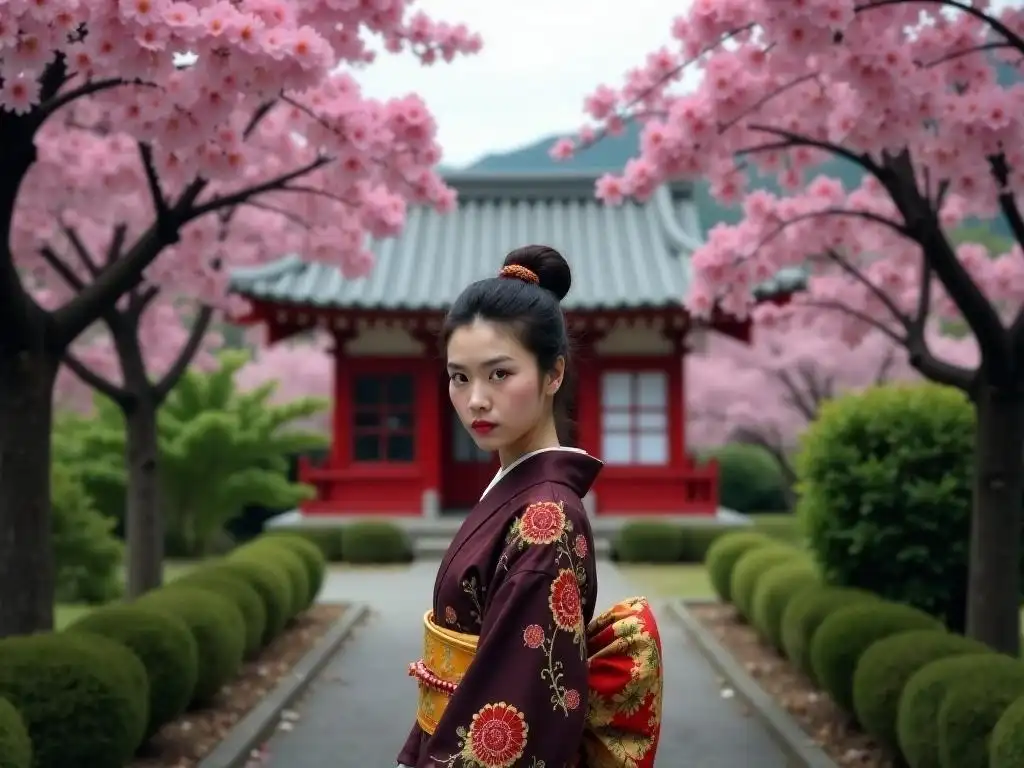
The kimono is not merely a garment; it is a profound expression of Japanese culture, history, and identity. Wearing a kimono involves a deep understanding of its various components, cultural significance, and the artistry behind its styling. The process of putting on a kimono is an art form in itself, intricately tied to traditional practices that have evolved over centuries. Each layer, fold, and accessory plays a crucial role in conveying the wearer’s social status, age, and even the occasion for which the kimono is worn.
The significance of the kimono extends beyond its visual appeal. Traditionally, the choice of fabric, color, and pattern reflects seasonal changes, festivals, and personal circumstances. As such, each kimono tells a story, making the art of wearing one a revered practice in Japanese society.
Traditional Techniques for Donning a Kimono
Putting on a kimono requires a series of meticulous steps that are often handed down through generations. The process begins with the selection of the kimono, which varies based on occasion, season, and the wearer's age.
- Preparation: This initial step includes preparing the undergarments, known as "juban," which are worn beneath the kimono. The juban is crucial for protecting the main garment and providing comfort.
- Draping the Kimono: The kimono is wrapped around the body in a specific manner, with the left side over the right, a practice that symbolizes life. The fabric is then properly adjusted to ensure a flattering silhouette.
- Securing the Kimono: After draping, the kimono is secured with a sash called an "obi." The obi can be quite elaborate, showcasing beautiful knots and styles that vary with the occasion.
- Folding and Tucking: The sleeves and hem are folded and tucked in a precise manner, reflecting traditional aesthetics.
- Final Adjustments: Accessories such as obijime (a cord) and obidome (decorative elements) are added to complete the look.
This process, often learned through experience and observation, emphasizes the importance of precision and respect for tradition in the art of kimono wearing.
Accessories and Complements to Kimono Fashion
Accessories play a vital role in enhancing the overall appearance of a kimono and expressing personal style. Some key accessories include:
- Obi: The most essential accessory, the obi is a wide belt that can be styled in various ways. Its design often reflects the season or occasion.
- Obijime: This decorative cord is tied around the obi and can vary in color and material, adding a personalized touch.
- Obidome: Small ornaments attached to the obijime, often made from precious materials, serving both decorative and symbolic purposes.
- Tabi: Traditional split-toe socks worn with sandals known as "geta" or "zori," completing the look.
- Haneri: A decorative collar worn over the juban, often featuring contrasting patterns to add visual interest.
These accessories are not just for decoration; they also convey social status and adherence to cultural norms, making them integral to the kimono ensemble.
Etiquette and Social Norms Related to Kimono Wearing
Wearing a kimono comes with a set of etiquette and social norms that are deeply embedded in Japanese culture. Understanding these norms is essential for anyone looking to wear a kimono respectfully:
- Occasion Appropriateness: Kimonos are worn for various occasions, from weddings to tea ceremonies. Each event has specific styles and colors deemed appropriate.
- Behavioral Norms: Kimono wearers are expected to carry themselves gracefully. This includes maintaining proper posture and movements that reflect the elegance associated with kimono attire.
- Receiving and Giving Items: When offering or receiving gifts or money while in a kimono, it is customary to use both hands, signifying respect.
- Weather Considerations: Seasonal variations influence the choice of kimono fabric and color. Lighter fabrics are preferred in summer, while heavier, richer materials are reserved for winter.
Adhering to these etiquette guidelines is crucial for honoring the cultural heritage associated with kimono wearing.
The Decline of Kimono in Modern Japan
Despite its rich history, the traditional kimono has seen a decline in everyday use in modern Japan. Various factors contribute to this shift, reflecting broader social changes and evolving fashion trends.
Factors Leading to the Decrease of Traditional Kimono Use
Several key factors have contributed to the decline of kimono as everyday attire:
- Western Influences: The post-Meiji Restoration era saw an influx of Western fashion, leading to the adoption of more practical clothing styles that are easier to wear in daily life.
- Lifestyle Changes: As urbanization increased, lifestyles became more fast-paced, making the elaborate process of wearing a kimono less feasible for the average person.
- Cost and Accessibility: The financial burden associated with purchasing and maintaining kimonos can deter individuals from wearing them regularly. The cost of high-quality fabric and craftsmanship is significant.
- Cultural Shifts: Younger generations may perceive the kimono as outdated or formal, leading to a preference for contemporary styles in everyday life.
These factors have collectively diminished the presence of kimonos in daily attire, relegating them primarily to special occasions and cultural events.
Modern Interpretations and Revivals of Kimono Fashion
Despite the decline in everyday use, there has been a resurgence of interest in kimono fashion in recent years, particularly among younger generations. This revival manifests in various ways:
- Fusion Fashion: Designers are experimenting with kimono fabrics and styles, integrating them into modern clothing to create unique, wearable art that appeals to contemporary sensibilities.
- Kimono Rentals: The rise of kimono rental services allows people to experience wearing a kimono for special events without the commitment of purchasing one, making it more accessible for celebrations and photographs.
- Cultural Events and Festivals: Events celebrating traditional Japanese culture encourage the wearing of kimonos, fostering appreciation and interest in this heritage.
- Social Media Influence: Platforms like Instagram have played a significant role in popularizing kimono fashion, with influencers showcasing creative and modern ways to wear kimonos.
These modern interpretations and revival efforts highlight the kimono's enduring appeal and its ability to adapt to contemporary fashion trends while celebrating its historical roots.
Conclusion: The Legacy of Kimono in Feudal Japanese Fashion History
The kimono stands as a symbol of Japan's rich cultural heritage, embodying the aesthetics and values of its feudal society. This traditional garment transcended mere functionality, representing social status, regional identity, and even philosophical beliefs. The intricate designs and color schemes were not just fashion choices; they conveyed messages about the wearer's age, gender, and social standing. As such, the kimono has left an indelible mark on the fabric of Japanese history, influencing contemporary fashion and cultural practices.
The legacy of kimono in feudal Japanese fashion history is reflected in its evolution over centuries. From the elegant layers of the Heian period to the more subdued styles of the Edo period, each era introduced unique variations that encapsulated the social dynamics and artistic expressions of the time. The meticulous craftsmanship involved in creating kimonos—often involving elaborate dyeing and weaving techniques—has been preserved and is celebrated even today. Thus, the kimono not only serves as a reminder of Japan's feudal past but also continues to inspire modern interpretations of Japanese aesthetics.
Lasting Impact of Kimono on Contemporary Japanese Culture
The influence of kimono in contemporary Japanese culture is profound. Even today, kimonos are worn during significant events such as weddings, tea ceremonies, and festivals, preserving the garment's historical significance. Modern designers often draw inspiration from traditional kimono styles, incorporating elements such as fabric patterns and silhouettes into contemporary fashion. This fusion showcases a respect for heritage while embracing innovation, allowing the kimono to evolve alongside modern trends.
Additionally, the resurgence of interest in traditional garments has sparked a movement towards sustainability in fashion. Many contemporary designers emphasize eco-friendly practices, much like the artisans of the past who utilized natural dyes and locally sourced materials. The kimono's enduring appeal highlights a collective desire to reconnect with cultural roots and redefine personal identity through fashion.
Future of Kimono in Modern Fashion Trends
As globalization shapes the fashion landscape, the future of kimono in modern fashion trends appears promising yet complex. The rise of multiculturalism in fashion has led to a broader appreciation for diverse garment styles, including the kimono. Designers around the world are experimenting with kimono-inspired silhouettes, integrating them into streetwear and high fashion.
However, the challenge lies in balancing authenticity with innovation. While the contemporary adoption of kimono elements can promote cultural appreciation, it also raises concerns about appropriation and the dilution of traditional significance. Moving forward, it will be crucial for designers to honor the kimono's origins, ensuring that its cultural narrative remains intact while allowing for creative expression in modern contexts.
References
Suggested Readings on Feudal Japanese Fashion History
- "Kimono: Fashioning Culture": by Laura B. J. F. McCaffrey
- "The Book of Kimono: A Complete Guide to the Traditional Japanese Garment": by Yoko Wada
- "Clothing the Japanese: The Cultural Politics of Fashion": by Yoko Takagi
Additional Resources for Exploring Kimono Culture
- The Kyoto Costume Institute: Offers extensive collections and exhibitions on traditional Japanese clothing.
- The National Museum of Japanese History: Provides resources and artifacts related to feudal Japanese fashion history.
- Online Courses on Kimono Wearing: Various platforms offer classes that delve into the techniques of wearing and styling kimonos, enriching understanding of this timeless garment.
- Introduction to Feudal Japanese Fashion History
- The Evolution of Kimono in Feudal Japanese Fashion
- The Structure and Design of Kimono
- Cultural Significance of Kimono in Feudal Society
- The Art of Kimono Wearing
- The Decline of Kimono in Modern Japan
- Conclusion: The Legacy of Kimono in Feudal Japanese Fashion History
- References
- What is the significance of the kimono in Feudal Japanese fashion history?
- How did social hierarchy influence clothing styles in feudal Japan?
- What materials were commonly used in feudal Japanese fashion?
- How did cultural exchanges affect feudal Japanese fashion?
- What role did ceremonial occasions play in feudal Japanese fashion?
Frequently Asked Questions
What is the significance of the kimono in Feudal Japanese fashion history?
The kimono is a symbolic garment that reflects the cultural identity and aesthetic values of Japan during the feudal era. Its design, fabric, and patterns convey social status and regional identity.
In feudal Japan, clothing styles were strictly dictated by social hierarchy. Samurai wore elaborate garments to signify their status, while peasants had more practical and simple attire, emphasizing the class distinctions of the time.
What materials were commonly used in feudal Japanese fashion?
Silk was the most prized material for the kimono, often embellished with intricate designs. Other materials included cotton and ramie, which were used for less formal occasions and by the lower classes.
How did cultural exchanges affect feudal Japanese fashion?
Cultural exchanges during the feudal era led to the incorporation of foreign influences in Japanese fashion. This resulted in the blending of styles and techniques, enriching the art of kimono-making and overall fashion diversity.
What role did ceremonial occasions play in feudal Japanese fashion?
Ceremonial occasions were pivotal in showcasing the art of kimono. Specific styles and colors were reserved for important events, emphasizing the cultural significance of clothing in rituals and celebrations throughout feudal Japan.
Final Reflection: Embracing the Timeless Elegance of Feudal Japanese Fashion
The intricate beauty of feudal Japanese fashion, particularly the kimono, remains profoundly relevant today as we navigate a world increasingly enamored with cultural heritage and authenticity. The layers of history woven into each garment tell stories of social status, artistry, and identity that resonate with contemporary discussions about fashion's role in self-expression and cultural appreciation. As we explore these historical narratives, we uncover not just the aesthetic appeal of the kimono but also its enduring significance in a globalized society.
Cultural appreciation and understanding are vital in a world where fashion often blurs the lines between inspiration and appropriation. The kimono serves as a powerful symbol of Japan's rich history and artistry, influencing modern fashion while inviting us to reflect on our own cultural narratives. As the renowned designer Issey Miyake once said, Fashion is not something that exists in dresses only. Fashion is in the sky, in the street, fashion has to do with ideas, the way we live, what is happening.
This perspective encourages us to see the kimono not merely as a garment but as a living testament to the evolution of cultural identity and artistic expression.
As you contemplate the layers of feudal Japanese fashion history, I invite you to reflect on your own relationship with cultural garments and the stories they tell. Consider how you can honor and engage with the traditions that inspire you, whether through your personal style or by supporting artisans who carry these legacies forward. Let the elegance of the kimono inspire you to explore the depths of your own cultural heritage and to appreciate the artistry that surrounds us, fostering a deeper connection to the world of fashion and its historical roots.
Unveil the Timeless Beauty of Kimono Today!
Thank you for diving into the exquisite world of Kimono with us! You've uncovered the intricacies of Feudal Japanese fashion and the profound meanings woven into each layer. Now it's time to take the next step and embrace this rich heritage.
Here’s how you can explore the artistry of Kimono further:
- Experience a Kimono Workshop: Join a local class to learn the art of wearing or creating your own Kimono.
- Share Your Knowledge: Discuss what you've learned with friends or on social media to raise awareness about its cultural significance.
- Discover More: Visit museums or exhibitions showcasing Kimono collections to appreciate these masterpieces up close.
How will you incorporate the elegance of Kimono into your daily life or community?