
The Connection Between Clothing and Nature in Feudal Japanese Culture

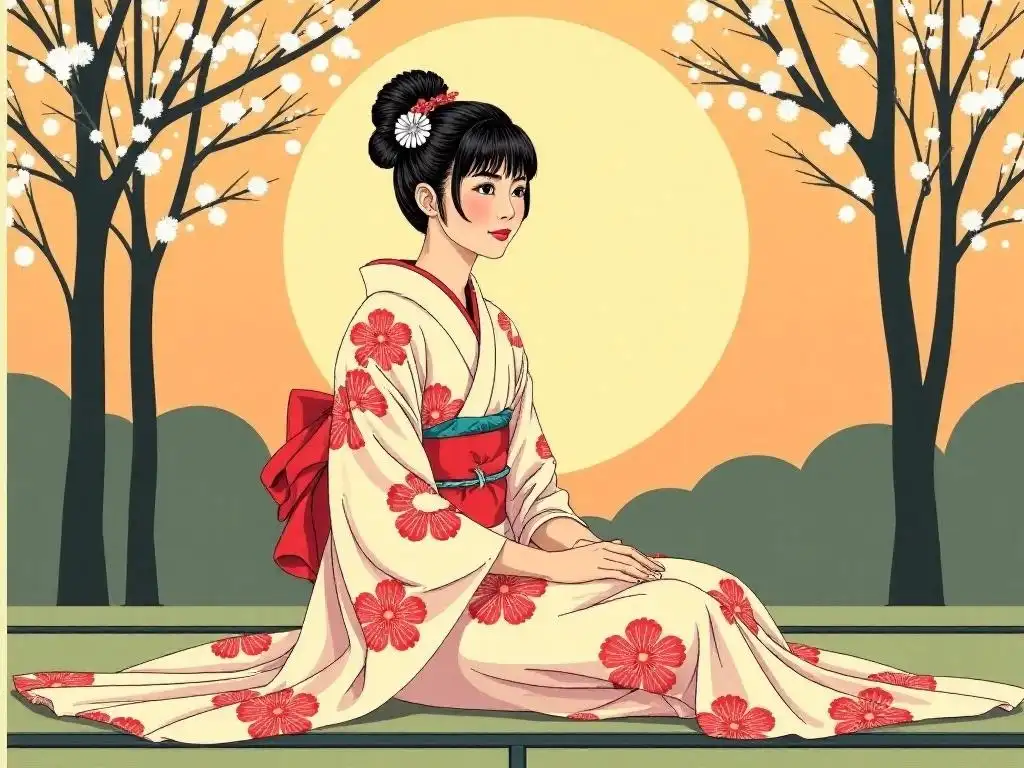
Welcome to Feudal Japan History, where we embark on a journey through the captivating tapestry of Japan's feudal era. In our featured article, “The Connection Between Clothing and Nature in Feudal Japanese Culture,” we delve into the intricate relationship between traditional attire and the natural world that shaped the daily lives and societal norms of this remarkable period. Prepare to uncover how the fabrics worn reflected not only personal identity but also the deep-seated reverence for nature that permeated every aspect of life. Dive in and discover the stories woven into the very threads of feudal Japan!
Exploring the intricate relationship between clothing and nature in Feudal Japan reveals a profound understanding of how environmental elements influenced daily life and societal norms. The clothing worn during this era was not merely a matter of fashion but a reflection of the natural world around them.
Aesthetics, functionality, and cultural significance were deeply intertwined with the changing seasons and the surrounding landscape, making the study of Feudal Japan's clothing a fascinating journey through history, culture, and ecology. This article delves into how these connections shaped the identity and customs of the time, providing a comprehensive examination of the significance of clothing in relation to nature.
Introduction to Feudal Japan Clothing and Nature
Overview of Feudal Japan’s Historical Context
Feudal Japan, spanning from the late 12th century to the mid-19th century, was characterized by a hierarchical society dominated by samurai warriors, landowners, and peasants. This era witnessed the rise of the samurai class, the establishment of shogunates, and a unique cultural evolution influenced by various social, political, and environmental factors. Clothing during this time reflected not only status and occupation but also an appreciation for the natural world.
The materials used in clothing, the designs, and even the colors were often derived from nature, showcasing a deep connection between the people and their environment. For instance, the use of indigo dye, harvested from local plants, became a staple in many garments, symbolizing the bond between the fabric and the natural resources available to the Japanese people.
Importance of Nature in Japanese Culture
Nature held a sacred place in Japanese culture, often revered as a source of beauty, inspiration, and spiritual significance. Concepts such as wabi-sabi, which emphasizes the beauty of imperfection and transience, are evident in traditional Japanese art and design, including clothing. The changing seasons were celebrated through festivals, rituals, and the clothing worn during these occasions, highlighting the importance of nature’s cycles in everyday life.
Additionally, the philosophy of Shinto, Japan's indigenous spirituality, emphasizes harmony with nature, encouraging respect for the environment. This reverence is reflected in the clothing styles of the time, where garments were often designed to align with seasonal changes, incorporating colors and patterns that resonated with the natural landscape.
The Role of Nature in Feudal Japan Clothing
Natural Materials Used in Traditional Clothing
The fabrics and materials used in Feudal Japan clothing were primarily sourced from nature, including silk, cotton, hemp, and wool. Each of these materials had its own properties and significance. For instance:
- Silk: Often reserved for the elite, silk garments were lightweight and luxurious, symbolizing status and wealth.
- Cotton: Gained popularity among commoners due to its affordability and comfort, particularly during the Edo period.
- Hemp: Known for its durability, hemp was used for everyday clothing and work attire.
- Wool: Less common but used in colder regions, providing warmth during harsh winters.
These natural materials not only served practical purposes but also connected the wearer to the earth and its resources, underlining the significance of sustainability in traditional Japanese practices.
The Influence of Seasonal Changes on Clothing Styles
The seasons had a profound impact on clothing styles in Feudal Japan, influencing fabric choice, color palettes, and designs. Each season brought specific festivals and customs, which were often reflected in the garments worn during these occasions.
- Spring: Bright colors and floral patterns were prevalent, celebrating the blooming cherry blossoms. Fabrics were light and airy to accommodate the warming weather.
- Summer: Lightweight cotton garments, such as yukata, became common, allowing for breathability and comfort during hot months.
- Autumn: Rich hues of red, orange, and gold mirrored the changing leaves, with layered clothing that provided warmth as temperatures dropped.
- Winter: Heavier fabrics like wool were utilized, often layered to retain heat, with designs that incorporated motifs of snow and winter landscapes.
Through these seasonal adaptations, the clothing of Feudal Japan illustrated a harmonious relationship with nature, showcasing the cultural significance of the environment in shaping personal and communal identity.
Symbolism of Nature in Japanese Clothing Designs
In feudal Japan, clothing was not merely a practical necessity; it was an intricate canvas that reflected the deep-seated relationship between nature and culture. The symbolism of nature in Japanese clothing designs is profound, representing not only the aesthetic values of the time but also the spiritual beliefs that permeated daily life. Traditional garments such as kimono and yukata often featured motifs that celebrated the natural world, embodying concepts of beauty, transience, and respect for the environment.
Natural elements served as a source of inspiration, where patterns and colors conveyed messages and emotions. For instance, the depiction of cherry blossoms (sakura) symbolized the ephemeral nature of life, embodying the transient beauty that is central to Japanese aesthetics. Similarly, the use of seasonal motifs in clothing designs allowed wearers to express a connection to the passage of time and the changing cycles of nature, which was vital in a culture that revered seasonal changes and their impact on life.
Patterns Inspired by Flora and Fauna
Patterns derived from flora and fauna were not only decorative but also carried cultural significance. Common motifs included:
- Cherry Blossoms (Sakura): Signifying renewal and the fleeting nature of life.
- Pine Trees (Matsu): Representing longevity and resilience, often associated with noble families.
- Crane (Tsuru): Symbolizing good fortune and longevity, frequently featured in wedding garments.
- Wisteria (Fuji): Representing grace and elegance, often used in women’s clothing.
These patterns were intricately woven or dyed into fabrics, reflecting the season and the occasion. The aesthetic principles of wabi-sabi, which emphasize the beauty in imperfection and transience, influenced the way these patterns were embraced in daily wear as well as formal attire. Thus, the clothing not only served as a representation of artistic expression but also as a medium for storytelling, connecting the wearer to their cultural heritage.
Color Significance and Natural Inspirations
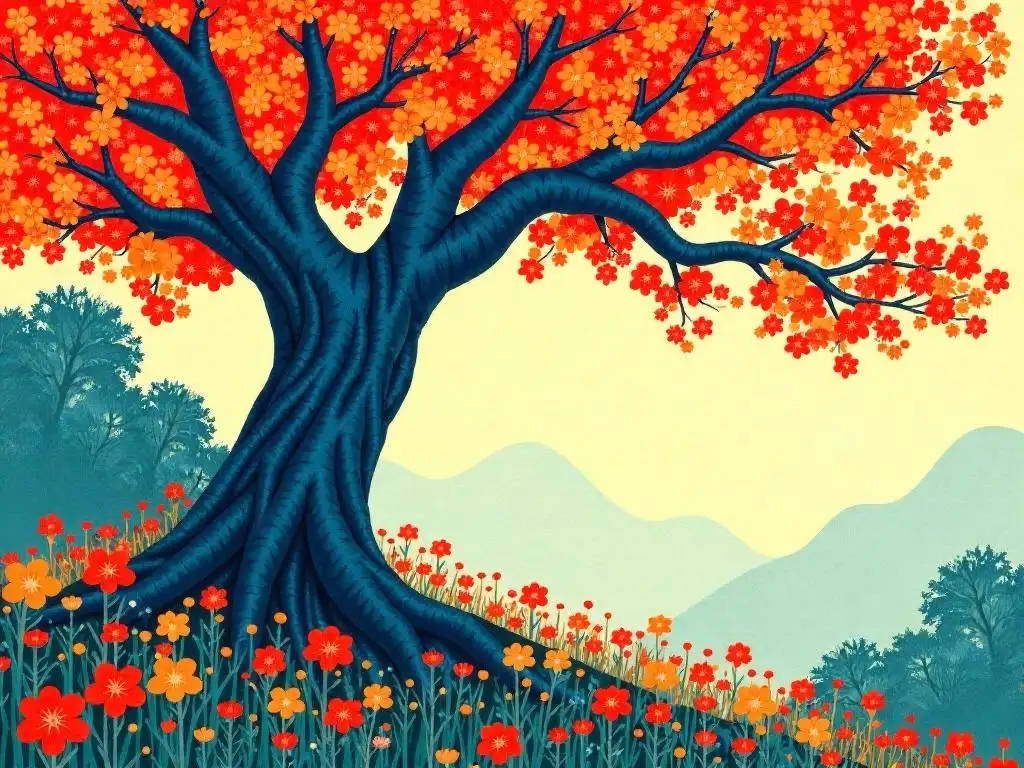
Colors in feudal Japanese clothing were deeply intertwined with nature, each hue often carrying its own significance derived from the environment. For instance:
- Indigo (Ai): Symbolized purity and was favored for its association with the natural dyeing process from plants.
- Red (Aka): Represented protection and happiness, often used in celebratory garments.
- Black (Kuro): Associated with formality and mourning, yet it also signified elegance when used in formal attire.
- Green (Midori): Linked to growth and harmony, reflecting nature’s abundance.
The selection of colors was not arbitrary; rather, it was a conscious choice influenced by the seasons and the natural landscape. The use of seasonal color palettes allowed individuals to express their connection to nature, with lighter colors dominating spring and summer garments, while deeper, richer tones were reserved for autumn and winter. This thoughtful use of color enhanced the overall narrative of the clothing, reinforcing the idea that fashion was an extension of the natural world.
Clothing in feudal Japan was a clear indicator of social status, intertwined with the natural world in ways that reflected both personal identity and societal hierarchy. The materials used, patterns chosen, and colors selected were all tied to one’s position within the social structure. Nobility often wore elaborate garments adorned with intricate natural motifs, while commoners were limited to simpler designs and colors.
The distinction between social classes was vividly illustrated through clothing. High-ranking samurai and aristocrats donned garments made from luxurious fabrics such as silk, often embellished with detailed patterns inspired by nature. In contrast, lower classes typically wore more utilitarian clothing made from hemp or cotton, with minimal decoration. The ability to afford clothing that showcased complex designs and vibrant colors was a direct reflection of wealth and status.
The hierarchical structure of society was further emphasized through the specificity of clothing styles. For instance, certain patterns or colors were exclusively reserved for the elite, creating a visual language that communicated rank. This practice reinforced social boundaries, making clothing a powerful tool for expressing one’s place within the feudal system.
The Role of Nature in Expressing Status Through Fashion
Nature played a crucial role in expressing status through fashion in feudal Japan. The materials derived from nature, such as silk, cotton, and dyes from plants, were indicators of wealth and class. Natural resources were not equally accessible, thus the quality and type of fabric one wore often signified their social standing.
Additionally, the use of rare natural motifs in clothing design, such as the depiction of exotic birds or rare flowers, was a way for the elite to flaunt their connection to nature’s beauty, further distinguishing themselves from the lower classes. The ability to integrate elements of nature into one’s attire not only highlighted personal taste but also served as a means of asserting one’s identity and status within the complex social hierarchy of feudal Japan.
The interplay between clothing, nature, and social status in feudal Japan reveals a rich tapestry of cultural values and beliefs, where every garment told a story that connected the individual to the broader natural world and society.
The Spiritual Connection: Clothing and Nature in Feudal Beliefs
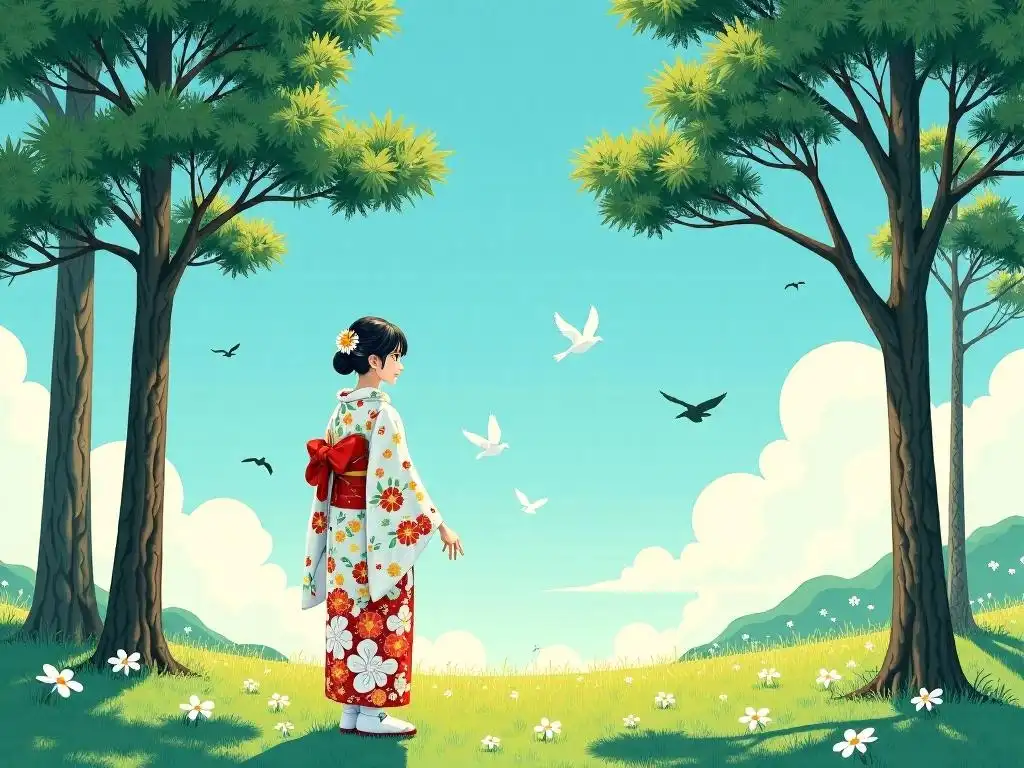
In feudal Japan, clothing was not merely a means of protection or adornment; it was deeply intertwined with spiritual beliefs and a profound respect for nature. This connection manifested in various ways, reflecting the cultural values and environmental consciousness of the time. Clothing served as a medium through which individuals expressed their relationship with the natural world, embodying the principles that governed their lives and beliefs.
The cyclical nature of seasons influenced the colors and materials used in garments, as certain fabrics and shades symbolized different times of the year. For example, bright hues were favored in spring to celebrate rebirth, while muted tones were common in winter, reflecting the barrenness of the landscape. This alignment with nature was not only aesthetically pleasing but also a spiritual practice, emphasizing harmony between humanity and the environment.
Shinto Influence on Clothing Practices
Shinto, the indigenous spirituality of Japan, played a crucial role in shaping clothing practices during the feudal era. The belief in kami, or spirits, residing in natural elements led to the creation of garments that honored these divine forces. Clothing was often made from natural fibers, such as silk and cotton, which were considered pure and sacred.
Ritual garments worn during Shinto ceremonies, like the white kimono, symbolized purity and a connection to the divine. These garments were often adorned with motifs representing nature, such as cherry blossoms or waves, reinforcing the bond between the wearer and the spiritual world. The act of dressing in such ceremonial clothing was viewed as a way to invite blessings from the kami, further illustrating the deep spiritual connection between clothing and nature in feudal Japan.
The Concept of Wabi-Sabi in Clothing Aesthetics
Wabi-sabi, a fundamental aesthetic philosophy in Japanese culture, emphasizes the beauty of imperfection and the transient nature of life. This concept significantly influenced clothing aesthetics during the feudal period, encouraging designs that celebrated natural materials and the passage of time. Garments were often crafted to showcase the unique textures and colors that emerged from natural processes, such as fading from sunlight or subtle wear from use.
In this context, clothing was not just a status symbol, but a reflection of one's journey through life. The appreciation for the natural aging of fabrics, such as the gentle fraying of edges or the softening of fibers, aligns with the broader cultural acceptance of impermanence. This philosophy allowed individuals to find beauty in simplicity and authenticity, fostering a deeper connection to the nature that surrounded them.
Conclusion: The Lasting Legacy of Feudal Japan Clothing and Nature
The rich interplay between clothing and nature during feudal Japan has left a lasting legacy that continues to resonate today. The spiritual beliefs and aesthetic values of the time have shaped modern Japanese fashion and cultural practices, highlighting the importance of nature in contemporary life. As society evolves, the essence of this connection remains influential, reminding people of the delicate balance between humanity and the natural world.
Contemporary Reflections of Feudal Fashion in Modern Japan

Today, elements of feudal Japanese clothing can still be observed in modern fashion. Designers often draw inspiration from traditional garments, reinterpreting them with contemporary materials and techniques. The use of natural dyes and fabrics reflects a growing awareness of sustainability, echoing the values of feudal Japan.
Moreover, seasonal festivals and events still showcase traditional attire, allowing individuals to connect with their heritage and the beauty of nature. These practices serve as a reminder of the enduring bond between clothing and the environment, as well as the importance of preserving cultural identity.
The Importance of Preserving Nature-Inspired Clothing Traditions
As globalization and fast fashion threaten to overshadow traditional practices, the preservation of nature-inspired clothing traditions becomes increasingly vital. Emphasizing sustainable practices and the use of local materials can help maintain the connection between clothing and nature that was so integral to feudal Japan.
Organizations and artisans dedicated to reviving traditional techniques play a crucial role in this effort, ensuring that future generations understand the significance of their cultural heritage. By fostering an appreciation for the past and its relationship with nature, we can cultivate a more sustainable future that honors the timeless wisdom of feudal Japan.
References and Further Reading on Feudal Japan Clothing and Nature
To delve deeper into the intricate relationship between clothing and nature in Feudal Japan, a variety of resources can enhance your understanding of this fascinating topic. Below is a curated list of books, articles, and online resources that provide insights into the cultural, historical, and societal aspects of clothing during this era.
Books
-
"The World of the Shining Prince: Court Life in Ancient Japan" by Ivan Morris
This book provides a vivid portrayal of the Heian period, including the significance of clothing and its connection to nature and seasonal changes.
-
"Japanese Fashion: A Cultural History" by Toshio Kawai
This resource explores the evolution of Japanese clothing, highlighting how nature influenced fashion trends throughout different periods, including the feudal era.
-
"Kimono: Fashioning Culture" by Jennifer S. Anderson
Anderson's work examines the kimono's role in Japanese culture and its ties to the natural environment, emphasizing the symbolic meanings behind colors and patterns.
Academic Articles
-
"The Role of Nature in Japanese Aesthetics"
This article discusses how natural elements influenced Japanese aesthetics, particularly in clothing design and textile choices during the feudal period.
-
"Clothing and Identity in Feudal Japan"
A scholarly examination of how clothing reflected social status and individual identity, with references to the natural inspirations behind various garments.
Online Resources
-
The Metropolitan Museum of Art: "The Kimono: A History"
This online exhibition offers a comprehensive overview of kimono history, featuring examples that illustrate the connection between fabric choices and natural motifs.
-
Japan National Tourism Organization (JNTO): "Traditional Japanese Clothing"
This resource provides insights into traditional Japanese garments and their seasonal adaptations, highlighting the relationship with nature.
Journals and Periodicals
-
"Japanese Studies"
A journal that frequently publishes articles on various aspects of Japanese history and culture, including studies on clothing and its environmental influences.
-
"The Journal of Asian Studies"
This scholarly journal includes research related to clothing, fashion, and their cultural implications in historical Japan.
By exploring these references, readers can gain a richer perspective on how clothing in Feudal Japan was not only a reflection of societal norms but also deeply intertwined with nature's rhythms and beauty. Whether you are a student, researcher, or simply an enthusiast of Japanese culture, these resources will provide valuable insights into the complex tapestry of clothing and nature during this transformative period in history.
- Introduction to Feudal Japan Clothing and Nature
- The Role of Nature in Feudal Japan Clothing
- Symbolism of Nature in Japanese Clothing Designs
- Patterns Inspired by Flora and Fauna
- Color Significance and Natural Inspirations
- The Interrelationship Between Clothing, Nature, and Social Status
- Clothing as a Reflection of Social Hierarchy
- The Role of Nature in Expressing Status Through Fashion
- The Spiritual Connection: Clothing and Nature in Feudal Beliefs
- Shinto Influence on Clothing Practices
- The Concept of Wabi-Sabi in Clothing Aesthetics
- Conclusion: The Lasting Legacy of Feudal Japan Clothing and Nature
- Contemporary Reflections of Feudal Fashion in Modern Japan
- The Importance of Preserving Nature-Inspired Clothing Traditions
- References and Further Reading on Feudal Japan Clothing and Nature
Frequently Asked Questions
What is the significance of clothing in Feudal Japan?
Clothing in Feudal Japan was not only a reflection of social status but also connected deeply with nature. Different fabrics and colors were often chosen based on seasonal changes and natural elements.
How did nature influence the materials used in clothing?
The availability of natural resources greatly impacted clothing materials in Feudal Japan. Fabrics like silk, cotton, and hemp were sourced from local flora, reflecting a strong relationship between nature and fashion.
What role did colors play in Feudal Japan clothing?
Colors in Feudal Japan clothing had specific meanings, often tied to seasonal changes and natural symbolism. For instance, earthy tones were favored in autumn to resonate with the harvest and nature's palette.
How did clothing styles evolve during the feudal era?
As Japan transitioned through different feudal periods, clothing styles evolved, influenced by nature, social changes, and cultural exchanges. Each era brought new aesthetics that echoed the natural environment.
Are there any traditional clothing items still in use today?
Yes, traditional clothing items like kimono and hakama still reflect the values and aesthetic principles of Feudal Japan, maintaining a connection to nature through their designs and materials even in modern times.
Final Reflection: The Interwoven Threads of Nature and Clothing in Feudal Japan
The relationship between clothing and nature in Feudal Japan is not merely a historical curiosity; it is a profound reminder of how deeply intertwined our lives are with the natural world. As we navigate the complexities of modern life, the lessons from Feudal Japan remind us of the importance of sustainability and respect for our environment. The aesthetic choices of the past, rooted in a harmonious relationship with nature, resonate with contemporary movements advocating for eco-conscious fashion and lifestyle choices.
The influence of Feudal Japanese clothing extends beyond mere fabric and design; it reflects a cultural ethos that values simplicity, elegance, and a deep connection to the seasons. This connection is not just historical; it continues to shape our understanding of fashion and identity today. As we embrace the principles of minimalism and sustainability in our wardrobes, we can draw inspiration from the wisdom of the past. In every thread of fabric lies a story of the earth, a reminder of the beauty that surrounds us.
As we reflect on the intricate bond between clothing and nature, let us challenge ourselves to incorporate these timeless lessons into our daily lives. Consider how your clothing choices can echo the respect for nature that defined Feudal Japan. Embrace the opportunity to create a wardrobe that not only expresses your individuality but also honors the planet. In doing so, we can forge a future where fashion and nature coexist harmoniously, just as they did in the rich tapestry of Feudal Japan.
Embrace Nature Through Your Wardrobe!
Thank you for exploring the captivating relationship between clothing and nature in feudal Japanese culture! You've uncovered rich insights that highlight how deeply intertwined fashion and the environment were during this remarkable period. Now, let's take that knowledge and transform it into meaningful action.
Here’s how you can honor this connection and express your appreciation for nature through your own choices:
- Curate a nature-inspired outfit that reflects the beauty and simplicity of traditional Japanese aesthetics. Seek out colors and patterns reminiscent of natural elements.
- Support local artisans or sustainable brands that embody the principles of feudal Japanese textiles. By choosing to shop small, you contribute to your community while promoting environmental stewardship.
- Share your journey with others! Showcase your nature-inspired outfit on social media and invite friends to engage in a conversation about clothing and sustainability.
What aspects of nature inspire you the most when selecting your clothing? We’d love to hear your thoughts below!