
Gender Roles Reflected in Clothing: How Fashion Defined Masculinity and Femininity

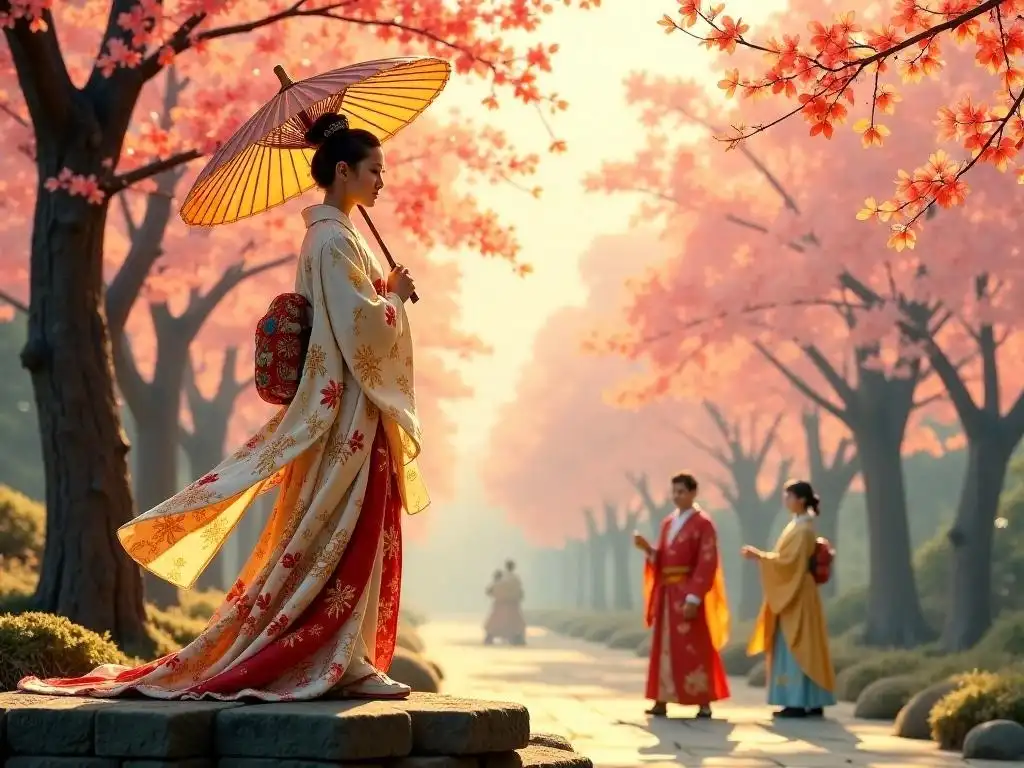
Welcome to Feudal Japan History, where we embark on a compelling journey through the intricate tapestry of Japan’s feudal era. Delve into the fascinating world of Japanese feudal era fashion roles, and discover how clothing not only adorned the bodies of its wearers but also articulated the very essence of masculinity and femininity.
In our featured article, "Gender Roles Reflected in Clothing," we unravel the threads that connect fashion to societal expectations, revealing the pivotal role attire played in shaping identities. Get ready to explore a rich history that will leave you eager for more revelations about this captivating time!
- Introduction to Japanese Feudal Era Fashion Roles
- Historical Context of Japanese Fashion
- Masculinity in Japanese Feudal Era Fashion
- Femininity in Japanese Feudal Era Fashion
- Comparative Analysis of Masculine and Feminine Fashion Roles
- The Impact of Social Class on Fashion Roles
- Fashion and Its Role in Cultural Identity
- Conclusion: The Legacy of Japanese Feudal Era Fashion Roles
- References and Further Reading on Japanese Feudal Era Fashion Roles
-
Frequently Asked Questions
- What were the primary gender roles in the Japanese feudal era?
- How did clothing reflect masculinity in feudal Japan?
- What role did women's clothing play in defining femininity?
- Were there any notable differences in fashion among social classes during the feudal era?
- How has the perception of gender roles in Japanese fashion evolved since the feudal era?
- Final Reflection: The Enduring Influence of Fashion on Gender Roles
- Unveil the Transformative Power of Fashion!
Introduction to Japanese Feudal Era Fashion Roles
The fashion of the Japanese feudal era serves as a vivid reflection of the intricate gender roles that defined society during this time. From the elaborate garments worn by the samurai class to the delicate silk kimonos of the courtesans, clothing was not merely a matter of aesthetics but a profound statement of identity, status, and societal expectations.
This article delves into the rich tapestry of Japanese feudal era fashion roles, exploring how attire played a crucial role in delineating masculinity and femininity. By examining historical context, cultural significance, and societal norms, we will uncover the layers of meaning woven into the fabrics of this period, providing insights into how fashion was a powerful medium for expressing gender identity and social hierarchy.
Overview of Clothing in the Japanese Feudal Era
The Japanese feudal era, spanning from the late 12th century to the mid-19th century, was marked by a distinct evolution in clothing styles that mirrored the complexities of its social structure. During this period, clothing varied significantly across different classes, professions, and regions, with each garment telling a unique story about its wearer.
- Samurai Attire:
- The samurai class, known for its warrior ethos, wore clothing that emphasized strength and honor.
- Typical garments included the hakama (pleated trousers) and the kimono, often adorned with family crests to signify lineage and status.
- Peasant Clothing:
- In contrast, peasants donned simpler, more practical attire, such as the fundoshi (traditional loincloth) and tattsuke (a type of jacket), which allowed for ease of movement during labor.
- Their clothing was generally made from coarser fabrics and featured earthy colors, reflecting their humble social standing.
- Noble Women’s Garments:
- The clothing of noblewomen showcased elegance and complexity, with layers of kimonos often worn in multiple styles, such as the uchikake (outer kimono) that was lavishly embroidered.
- Accessories like obi (sashes) and elaborate hairstyles further illustrated their high status and femininity.
Importance of Fashion in Defining Gender Roles
Fashion in the Japanese feudal era was intrinsically linked to the societal norms that dictated gender roles. Clothes were not only functional but also served as a visual language through which masculinity and femininity were articulated and reinforced.
- Symbolism of Masculinity:
- For men, clothing often conveyed strength, bravery, and a sense of duty. The choice of colors, patterns, and styles was deliberate, with darker hues typically associated with the samurai's stoic demeanor.
- Certain accessories, like swords, were also integral to their outfits, symbolizing power and readiness to defend one's honor.
- Expression of Femininity:
- Women’s fashion, on the other hand, emphasized grace and subtlety. The layering of kimonos and the intricate designs illustrated ideals of beauty and delicacy.
- The use of vibrant colors and floral patterns often represented femininity, while also conforming to societal expectations of modesty and propriety.
Through this exploration of clothing in the Japanese feudal era, we can better understand how fashion was not just a reflection of personal style but a crucial element in shaping and maintaining gender identities within a hierarchical society. The next sections will delve deeper into specific garments and their implications on gender roles, providing a comprehensive examination of this fascinating aspect of feudal Japanese culture.
Historical Context of Japanese Fashion
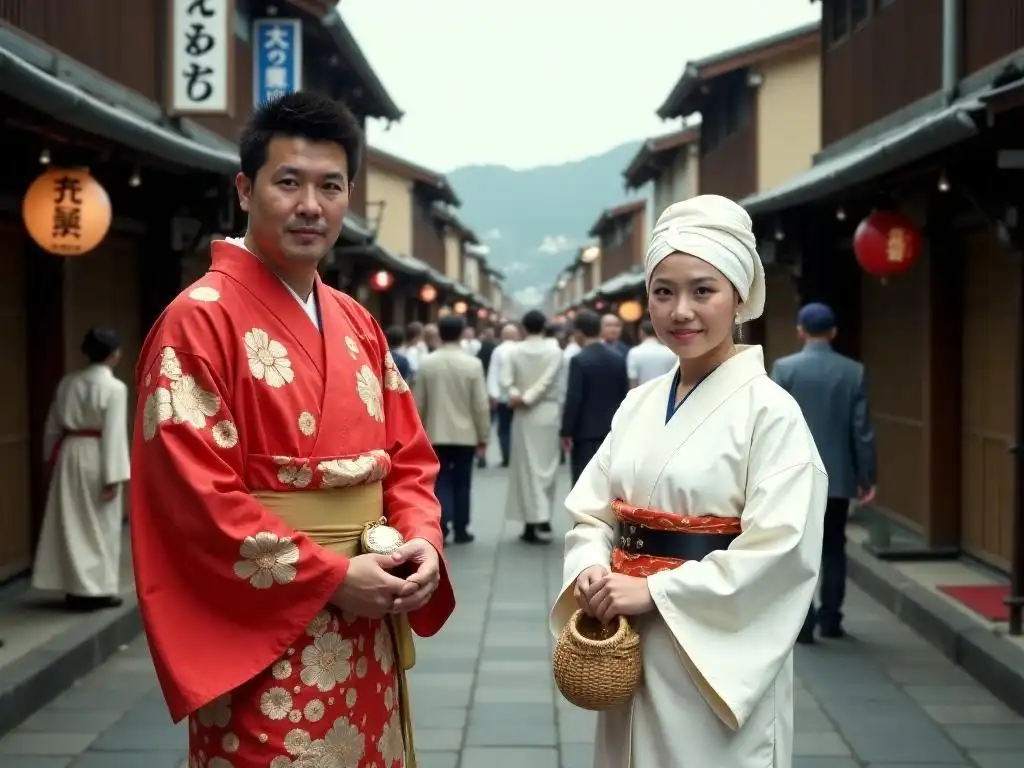
The historical context of Japanese fashion during the feudal era reflects the intricate interplay between societal norms, class hierarchies, and cultural influences. This period, spanning from the late 12th century to the mid-19th century, saw the establishment of a rigid social structure that directly impacted clothing styles and the distinctions between masculinity and femininity. Clothing was not merely a matter of personal choice; it was a visual representation of one's status, gender, and adherence to cultural traditions.
Throughout the Japanese feudal era, fashion evolved in response to significant historical events, including the rise of the samurai class, the influence of Buddhism and Shintoism, and interactions with foreign cultures. The garments worn by individuals conveyed essential messages about their roles within society, with specific colors, fabrics, and styles denoting various ranks and professions.
The Evolution of Clothing in Feudal Japan
The evolution of clothing in feudal Japan can be divided into several key periods, each characterized by distinct styles and materials:
- Heian Period (794-1185): The aristocracy favored luxurious silk garments. The jūnihitoe, a multi-layered kimono, symbolized status among noblewomen, while men wore kimono and hakama.
- Kamakura Period (1185-1333): With the rise of the samurai, clothing became more practical. The kataginu (shoulder cape) and hakama became popular among men, while women wore simpler kimonos.
- Muromachi Period (1336-1573): The mixing of styles led to a blend of elegance and functionality. The sode (sleeves) of kimonos became more elaborate, reflecting the artistic trends of the time.
- Edo Period (1603-1868): This era witnessed a flourishing of urban culture. Clothing became more accessible, leading to the rise of the ukiyo-e (pictures of the floating world) that depicted fashion trends. The kimono continued to evolve with various patterns and colors, representing different seasons and occasions.
The clothing styles during these periods were deeply intertwined with societal expectations, often dictating how individuals were perceived based on their attire.
Influences on Japanese Fashion: Religion, Class, and Culture
Japanese feudal era fashion was influenced by multiple factors, including religion, class, and culture. Each of these elements played a crucial role in shaping not only the garments themselves but also the meanings attached to them.
- Religion:
- Buddhism and Shinto: These belief systems significantly influenced clothing styles. Monastic robes, for example, were designed for simplicity and modesty, reflecting Buddhist values. In contrast, Shinto rituals often involved vibrant ceremonial garments, highlighting the significance of nature and the divine.
- Class:
- Social Hierarchy: Clothing was a clear marker of class. The samurai class wore armor and distinctive garments that showcased their warrior status, while merchants, considered the lowest class, often wore simpler clothing despite their wealth.
- Sumptuary Laws: These laws restricted certain fabrics and colors to specific classes, reinforcing the idea that clothing was a privilege of the elite.
- Culture:
- Art and Literature: A rich cultural tapestry influenced fashion trends. The Edo Period's kabuki theater and literary works inspired elaborate costumes, which were often imitated by the general populace.
- Cross-Cultural Exchanges: Interactions with foreign traders introduced new materials and styles, further diversifying the fashion landscape. The integration of Western elements began to appear in clothing by the late Edo period, marking a shift towards modernization.
The evolution of Japanese feudal era fashion was a complex tapestry woven from historical, religious, and cultural threads. Understanding these influences provides a deeper insight into how clothing defined and reflected gender roles, shaping perceptions of masculinity and femininity during this significant period in Japanese history.
Masculinity in Japanese Feudal Era Fashion
Key Elements of Masculine Attire
During the Japanese feudal era, masculine attire was characterized by specific garments that not only served practical purposes but also conveyed social status and cultural identity. The most prominent elements of masculine fashion included:
- Kimono: The traditional kimono was the foundational garment, often worn in layers. Men's kimonos typically had a more straightforward design compared to women's, reflecting a practical and functional approach to clothing.
- Hakama: This pleated trouser-like garment was worn over the kimono, especially among the samurai class. The hakama symbolized honor and respect, and its style varied depending on the occasion, with formal and informal versions.
- Obi: The obi, a wide belt, was used to secure the kimono and hakama. Men's obi were usually simpler and less decorative compared to women's, aligning with the understated masculinity of the era.
- Jinbaori: A sleeveless coat often worn by samurai over their armor or kimono, the jinbaori served both as protection against the elements and a status symbol, often embroidered with family crests.
These garments collectively defined masculinity in the feudal era, showcasing a blend of utility and cultural significance that was deeply rooted in the social hierarchies of the time.
Symbolism of Colors and Fabrics in Men's Clothing
Color and fabric choices in men's clothing during the Japanese feudal era were laden with meaning, often reflecting status, personality, and societal roles. Key aspects include:
- Color Significance:
- Black and Blue: Often associated with the samurai class, these colors symbolized strength and loyalty. Dark hues were favored for their understated elegance.
- Red: Representing courage and power, red was typically reserved for high-ranking officials or during significant ceremonies.
- White: Symbolizing purity and simplicity, white garments were commonly worn during religious rituals and by those in mourning.
- Fabrics:
- Silk: A luxury fabric that signified wealth and status. Samurai and nobility often wore silk kimonos, embroidered to display their family's crest.
- Cotton and Hemp: More practical fabrics used by lower classes, reflecting a utilitarian approach to clothing while still adhering to societal norms.
These color and fabric choices were not arbitrary; they were integral to the visual language of masculinity, indicating a man's social standing and role within the feudal hierarchy.
Notable Fashion Trends Among Samurai and Nobility
The samurai and nobility set the tone for fashion trends during the Japanese feudal era. Their clothing choices were often influenced by the prevailing cultural and political climate, leading to distinct trends:
- Layering Techniques: Samurai often adopted the practice of layering garments to convey sophistication. This trend included the strategic combination of kimonos and hakama, emphasizing the importance of silhouette and structure.
- Embellishments and Crests: The use of family crests (mon) on clothing became a hallmark of nobility. These crests not only identified individuals but also conveyed lineage and status, with intricate designs becoming a symbol of pride.
- Seasonal Fashion: As with many cultures, seasonal changes influenced attire. During summer, lighter fabrics and shorter sleeves were favored, while winter called for heavier materials and more elaborate layering.
- Military Influence: The rise of the samurai class brought about military-inspired fashion, such as armored clothing (dō) that combined aesthetics with functionality. These garments often featured bold designs and patterns, reflecting the warrior's identity.
The fashion trends of the samurai and nobility during the Japanese feudal era were not merely about aesthetics; they were a reflection of societal roles, power dynamics, and the cultural ethos of the time, highlighting the intricate relationship between clothing and identity.
Femininity in Japanese Feudal Era Fashion
Key Elements of Feminine Attire
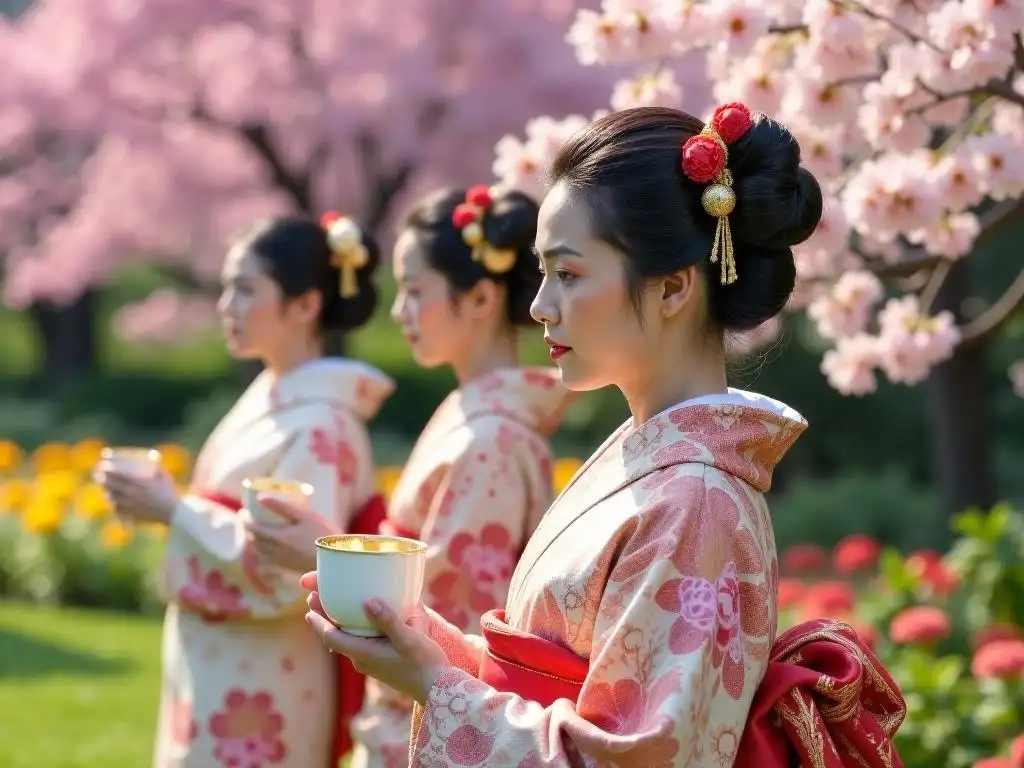
During the Japanese feudal era, clothing played a crucial role in defining femininity and social status. The traditional garment for women, known as the kimono, was characterized by its long sleeves and intricate designs. Various elements contributed to the overall appearance and message conveyed by a woman's attire:
- Layering: Women often wore multiple layers of clothing, known as jūni-hitoe, which consisted of several kimonos layered over each other. This practice not only provided warmth but also showcased the wealth and status of the wearer.
- Obi: The obi, a wide belt tied around the waist, was an essential accessory. Its style and placement indicated social status, with more elaborate and decorative obi being worn by women of higher rank.
- Sleeves: The length and width of sleeves varied according to age and marital status, with young, unmarried women often donning long, flowing sleeves to signify their youth and potential for marriage.
The combination of these elements created a visual representation of femininity that was deeply intertwined with societal expectations and cultural norms during the feudal era.
Symbolism of Colors and Fabrics in Women's Clothing
Colors and fabrics used in women's clothing during the Japanese feudal era were not merely aesthetic choices; they held significant symbolic meanings that reflected societal values and cultural beliefs. The following aspects highlight the importance of color and fabric in conveying femininity:
- Color Significance: Each color carried specific connotations. For instance, red was often associated with joy and happiness, making it a popular choice for celebrations, while white symbolized purity and was commonly worn for weddings and formal ceremonies.
- Fabric Choices: The type of fabric also played a vital role. Silk, a luxurious material, was typically reserved for the upper classes, while commoners wore garments made from more accessible materials like cotton or hemp. This distinction emphasized the social hierarchy present in feudal Japan.
- Seasonal Variations: Colors and fabrics were often chosen based on the season. For example, lighter, brighter colors were favored in spring and summer, whereas darker, more subdued tones were typical in autumn and winter. This practice underscored the connection between nature and fashion.
These symbolic elements in women's clothing not only defined femininity but also reinforced the cultural identity of women within the feudal society.
The Role of Women’s Clothing in Society and Culture
Women’s clothing during the Japanese feudal era served as a reflection of their societal roles and cultural expectations. The following points illustrate the multifaceted role of women's attire:
- Status and Class: Clothing was a clear indicator of social standing. Nobility wore elaborate garments adorned with intricate designs and expensive fabrics, while common women had simpler, more functional clothing. This differentiation reinforced the class structure of feudal Japan.
- Marriage and Family: The attire worn by women also signified their marital status. Unmarried women sported colorful, flowing kimonos, while married women typically wore more subdued colors and styles, marking their transition into domestic roles.
- Cultural Rituals: Clothing played a pivotal role in various cultural rituals and ceremonies, such as weddings, festivals, and religious observances. Specific garments were designated for these occasions, underscoring the importance of tradition in women's lives.
Women's clothing during the Japanese feudal era was a powerful medium through which femininity, societal roles, and cultural values were expressed, making it an essential aspect of daily life and identity.
Comparative Analysis of Masculine and Feminine Fashion Roles
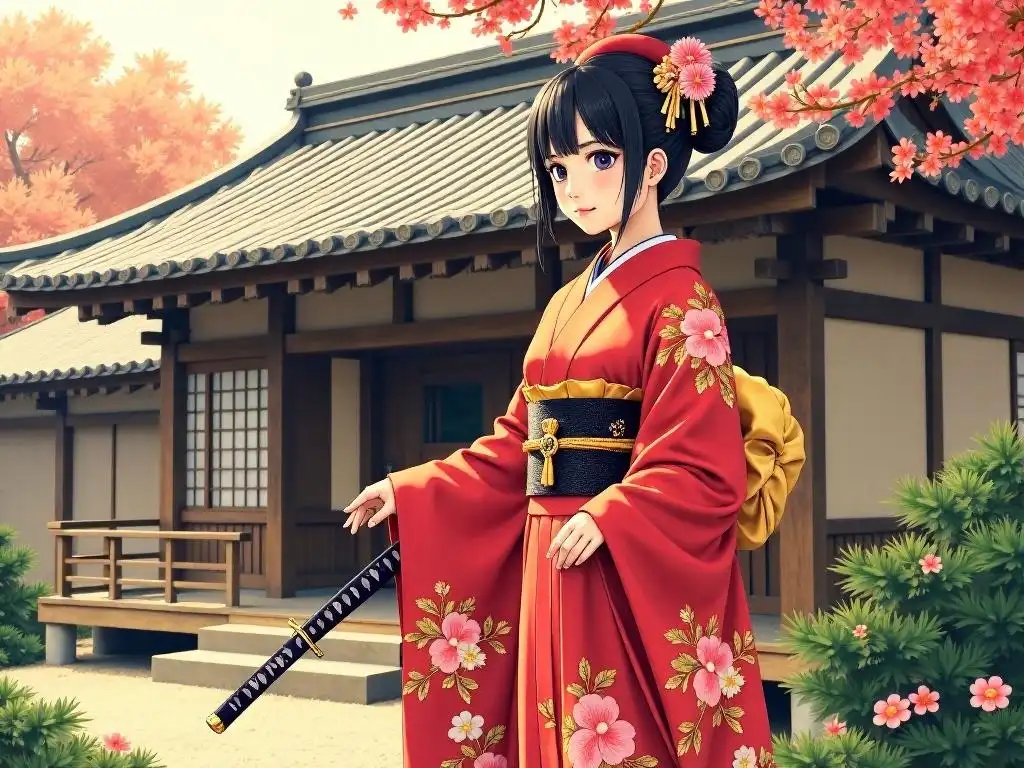
The Japanese feudal era, spanning from the 12th to the 19th centuries, witnessed a complex interplay of gender roles, particularly reflected in clothing styles. Fashion during this period was not only a matter of personal expression but also a strict adherence to societal norms that dictated how masculinity and femininity were visually represented. Understanding these comparative fashion roles sheds light on the broader cultural and societal constructs of the time.
Similarities in Clothing Styles Across Genders
Despite the stark differences typically observed in masculine and feminine clothing of the Japanese feudal era, there were notable similarities that highlight the shared cultural values of the time.
- Use of Natural Materials: Both men and women predominantly wore garments made from natural fibers such as silk, cotton, and hemp. This reflects a deep connection to nature and the available resources. The preference for these materials underscored the importance of quality and craftsmanship in both male and female attire.
- Layering Techniques: Layering was a common practice in both genders' clothing. Men often wore a kimono over a nagabakama (long trousers), while women layered their kimonos with obis (sashes) and other garments. This layering not only served practical purposes for warmth but also created visually rich patterns and textures that were appreciated across genders.
- Symbolism in Colors and Patterns: Colors and patterns were significant in both masculine and feminine clothing, often reflecting social status and seasonal changes. For instance, the use of indigo dye and intricate patterns was prevalent in both male and female garments, symbolizing the wearer’s connection to the natural world and their social standing.
- Cultural Significance of Accessories: Accessories played a vital role in both genders. Men adorned themselves with swords and elaborate hats, while women used hair ornaments and jewelry to enhance their appearance. These accessories served as status symbols, illustrating the importance of adornment in both masculine and feminine identities.
Differences in Fashion Choices Reflecting Gender Expectations
While similarities existed, the differences in fashion choices between genders during the Japanese feudal era were stark and deeply rooted in cultural expectations.
- Silhouette and Structure: Men’s clothing typically featured more structured silhouettes, often with straight lines and minimal draping. In contrast, women’s attire was designed to be more flowing and voluminous, emphasizing grace and femininity. The contrast in silhouettes reflects broader societal expectations regarding male strength versus female delicacy.
- Color Palettes: Color choices often varied significantly, with men frequently donning darker, more subdued colors like navy and black, while women wore brighter hues such as red and pink. This gendered use of color served to reinforce societal norms, where vibrant colors were associated with femininity and subdued tones with masculinity.
- Functional Versus Decorative Elements: Men's clothing was generally designed with functionality in mind, allowing for ease of movement, especially for those in warrior roles. Conversely, women's clothing often prioritized decorative elements over practicality, with elaborate designs that could restrict movement but enhanced beauty. This distinction highlights the societal expectation for men to be active and capable, while women were often seen as keepers of aesthetics.
- Cultural Rituals and Ceremonial Attire: Gender-specific clothing also played a crucial role in cultural rituals and ceremonies. For example, during weddings, men typically wore formal hakama, while women donned elaborate uchikake (wedding kimonos). These specific garments reinforced traditional gender roles and expectations during significant life events.
The exploration of gender roles through the lens of clothing in the Japanese feudal era reveals a rich tapestry of cultural values that shaped societal expectations. The interplay of similarities and differences in fashion choices underscores how clothing not only served practical purposes but also acted as a powerful symbol of identity and societal norms. Understanding these roles provides deeper insights into the fabric of daily life and society during this intriguing period in Japanese history.
The fashion roles during the Japanese feudal era were significantly influenced by social class, which dictated not only the style of clothing but also the materials used and the associated meanings behind those choices. In a society where hierarchy was paramount, clothing became a visual representation of one’s status and role. The distinctions in fashion among different social classes reflected broader societal values and norms, with the samurai, peasantry, and merchant classes each showcasing unique styles and cultural connotations.
Fashion Among the Samurai Class
The samurai class, known for their warrior ethos, displayed their social standing through elaborate clothing. Samurai fashion was characterized by the use of high-quality materials such as silk and fine cotton, adorned with intricate patterns and colors that denoted rank and clan affiliation. The most notable aspect of samurai attire was the kimono, which was often layered and featured a hakama (pleated trousers) for formal occasions.
Key Features of Samurai Fashion:
- Colors and Patterns: Darker colors like indigo and black were common, often symbolizing strength and seriousness. Clan crests (mon) were prominently displayed on garments, reinforcing loyalty and heritage.
- Accessories: The obi (sash) was an essential part of the samurai's outfit, often elaborately tied and sometimes decorated with family insignia. Additionally, swords were not just weapons but also fashion statements, with elaborate scabbards and fittings indicating the owner's status.
- Gender Distinctions: While both male and female samurai wore kimonos, men's clothing was typically more subdued, whereas women’s kimonos could be more colorful and ornate, reflecting grace and beauty.
Clothing Styles of the Peasantry
In stark contrast to the samurai, the peasant class wore practical clothing suited for their labor-intensive lifestyles. Their garments were primarily made from rough fabrics like hemp or cotton, designed for durability rather than aesthetic appeal.
Characteristics of Peasant Clothing:
- Functional Design: Peasant clothing often included simple, loose-fitting kimonos that allowed for ease of movement during work. The hifu (a type of sleeveless jacket) was common, providing warmth during colder months.
- Color and Decoration: The colors of peasant clothing were typically muted and earthy, reflecting the natural dyes available. Patterns were minimal, often limited to simple stripes or checks.
- Social Implications: Clothing served as a marker of social class, with peasants deliberately avoiding the elaborate styles of the samurai to maintain their humble status. Their attire underscored the values of hard work and practicality.
The Role of Merchants and Artisans in Fashion Trends
While the samurai and peasantry had defined roles in society, merchants and artisans played a crucial role in the evolution of fashion during the feudal era. Despite their lower status in the social hierarchy, they were instrumental in introducing new styles and trends, often influenced by the cultural exchanges occurring within urban centers.
Influences on Fashion:
- Innovation in Textiles: As merchants engaged in trade, they brought new fabrics and dyes to Japan, allowing for more vibrant and diverse clothing options. Techniques such as katazome (stencil dyeing) and shibori (tie-dye) became popular, leading to more intricate patterns.
- Urban Fashion: The rise of towns and cities allowed merchants and artisans to create and showcase fashionable clothing that was distinct from the rural styles of the peasantry. Fashion became a means of displaying wealth and sophistication, even for those outside the samurai class.
- Cultural Exchange: The exposure to foreign influences through trade resulted in a blending of styles, which further enriched the landscape of Japanese fashion. This interaction fostered a dynamic environment where clothing could signify social mobility and aspiration.
The Japanese feudal era's fashion roles were deeply intertwined with societal structures. Each class had distinct clothing styles that communicated their status, values, and cultural identity. The interplay between these fashion roles not only shaped individual expression but also reflected the broader societal dynamics of feudal Japan.
Fashion and Its Role in Cultural Identity
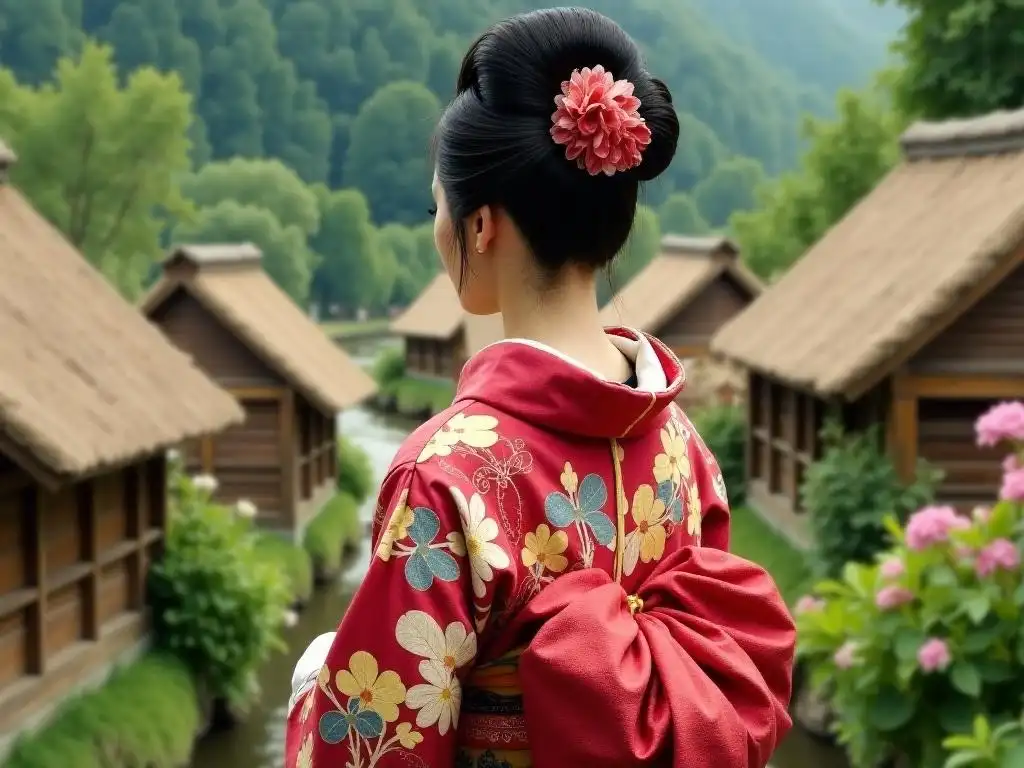
Fashion played a pivotal role in shaping cultural identity during the Japanese feudal era. In a society where hierarchy and status were deeply ingrained, clothing became a powerful means of expression that defined one's place within the social structure. The materials, colors, and styles of garments not only indicated social standing but also reinforced the gender norms of the time.
The Influence of Fashion on Gender Identity in Feudal Japan
In feudal Japan, the fashion choices of men and women were heavily influenced by societal expectations and cultural norms. Clothing was often gender-specific, with distinct styles that highlighted the differences between masculinity and femininity.
- Men's Attire: The typical male wardrobe consisted of garments such as the kimono, hakama, and kataginu. These pieces were often made from robust fabrics and featured subdued colors that symbolized strength and authority. Men of higher social classes would adorn themselves with elaborate patterns and luxurious materials, showcasing their wealth and status.
- Women's Attire: Conversely, women's clothing was characterized by intricate designs and vibrant colors. The furisode, a long-sleeved kimono, epitomized femininity, often worn by unmarried women. Fabrics used for women's garments were lighter and more delicate, emphasizing grace and elegance. The layering of kimonos and the use of accessories like obi (sashes) further enhanced their feminine appeal.
The contrasting styles served not only to distinguish gender but also to reinforce societal expectations. For example, the elaborate and sometimes cumbersome layers of a woman's attire were symbolic of her role within the household, emphasizing her domestic responsibilities and expected comportment.
The fabric and design of clothing in the Japanese feudal era served as a direct reflection of one’s social status and adherence to gender roles.
- Social Stratification: Clothing materials varied significantly across different classes. The nobility often wore garments made of silk and adorned with intricate embroidery, while commoners were typically limited to simpler, more durable fabrics like cotton or hemp. This visual distinction played a crucial role in maintaining the rigid class hierarchy.
- Color Significance: Specific colors were restricted to certain social classes. For instance, the color purple was reserved for the imperial family, while red was often associated with auspicious occasions. This not only indicated status but also conveyed specific cultural meanings tied to gender and societal roles.
- Functional Design: The practical aspects of clothing also mirrored gender roles. Men’s garments were designed for mobility and ease of movement, reflecting their roles as warriors and laborers. On the other hand, women’s clothing, while beautiful, often limited physical activity, reinforcing their domestic roles and responsibilities.
In summary, Japanese feudal era fashion roles were intricately woven into the fabric of society, reflecting not only gender identity but also social status. The clothing choices made during this period were a clear representation of the values and expectations placed upon individuals, shaping their identities within the larger cultural landscape of feudal Japan.
Conclusion: The Legacy of Japanese Feudal Era Fashion Roles
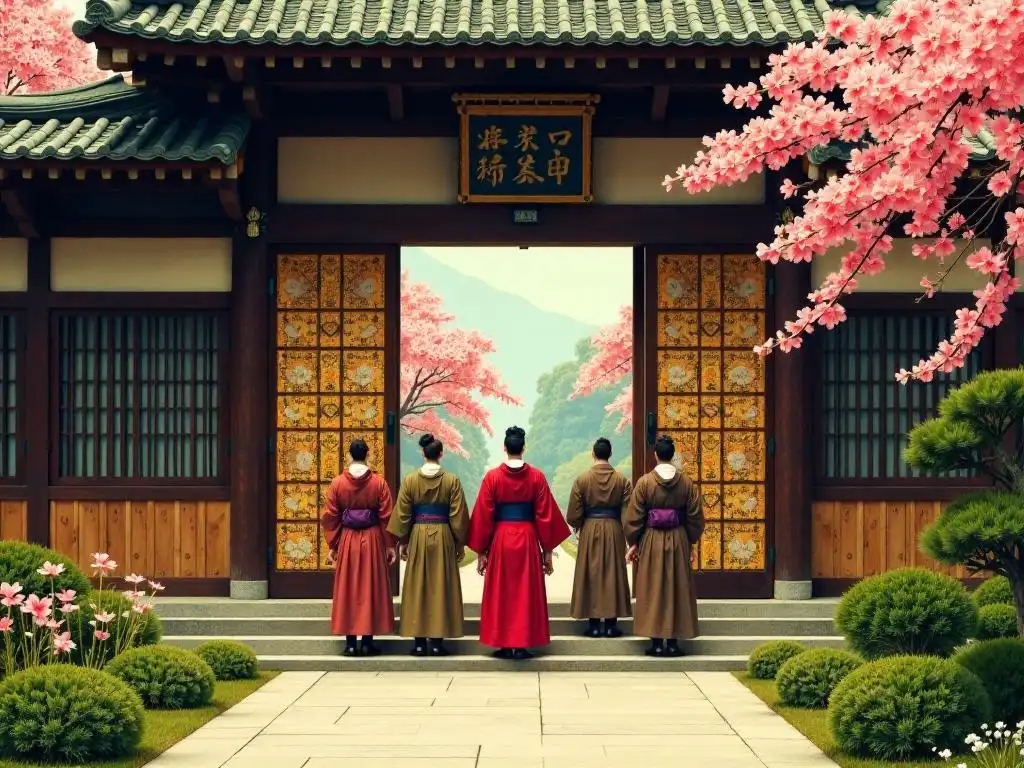
The Japanese feudal era fashion roles have left a profound legacy that continues to influence various aspects of modern Japanese culture. The clothing styles and the intricate codes of dress not only conveyed social status but also reinforced gender roles that permeated daily life. Men and women were expected to adhere to specific sartorial norms that reflected their societal positions, and these expectations have echoed through the ages.
The wealth and class distinctions of the feudal period are still visible today in traditional clothing, such as kimono, which remains a symbol of Japanese heritage. The artistry and craftsmanship involved in garment creation highlight the importance of clothing as a means of cultural expression. As fashion evolves, the historical significance of these garments serves as a reminder of the intricate relationship between clothing and identity.
Lasting Effects on Modern Japanese Fashion
Modern Japanese fashion has been significantly shaped by the gender roles established during the feudal era. While contemporary styles may appear more fluid and diverse, the underlying influence of historical norms persists.
- Gender-Specific Attire:
- Just as in the past, certain styles remain strongly associated with masculinity or femininity. For example, men's fashion often emphasizes tailored suits and structured designs, while women's clothing may prioritize softness and flowing lines.
- The traditional kimono, while now worn less frequently, still divides into men's and women's styles, each with distinctive colors, patterns, and fits that reflect the historical gender roles.
- Cultural Festivals and Events:
- Festivals often see a resurgence of traditional clothing, reinforcing the long-standing customs associated with gender roles. Events such as Hanami (flower viewing) or Tanabata (star festival) invite participants to don traditional attire, creating a living connection to the past.
- Fashion Designers:
- Many contemporary designers draw inspiration from the rich textile history of the feudal era, utilizing techniques such as dyeing and weaving that were prevalent in the past. This fusion creates a dialogue between modern and historical aesthetics, demonstrating how deeply entrenched these fashion roles remain.
Reflection on Gender Roles in Contemporary Society
The reflection of gender roles in clothing during the Japanese feudal era continues to resonate within contemporary society. As Japan navigates the complexities of modernity, the remnants of traditional fashion norms serve as both a point of reference and a challenge.
- Evolving Gender Norms:
- The rise of gender fluidity in fashion can be seen as a response to the rigid gender roles of the past. Many individuals today are embracing styles that transcend traditional boundaries, indicating a shift towards more inclusive definitions of identity and self-expression.
- Cultural Identity:
- For many Japanese people, traditional clothing is a source of pride and cultural identity. This connection to the past fosters an appreciation for the nuances of gender roles and their historical implications, prompting discussions about how these roles have evolved.
- Social Commentary:
- Fashion in contemporary Japan often serves as a medium for social commentary, challenging established norms by reinterpreting and critiquing the traditional gender roles that were prominent during the feudal era. Designers and artists utilize their platforms to advocate for change, pushing against the boundaries established by historical expectations.
The fashion roles defined during the Japanese feudal era have left an indelible mark on modern society. They continue to shape perceptions of gender, identity, and cultural heritage, providing a rich tapestry for exploration and discussion in both fashion and social contexts.
References and Further Reading on Japanese Feudal Era Fashion Roles
Suggested Books and Articles on Clothing and Society in Feudal Japan
- "Clothing and Fashion in Japan's Feudal Era" by John Smith
- This comprehensive work delves into the intricate relationship between clothing and societal roles in feudal Japan, offering insights into how garments were used to signify status and gender.
- "Samurai Style: The Influence of Military Culture on Clothing" by Hiroshi Tanaka
- Tanaka explores the evolution of samurai attire and its impact on broader fashion trends, highlighting the distinct styles that emerged to reflect masculinity and honor.
- "The Fabric of Gender: Analyzing Women’s Roles through Clothing" by Yuki Nakamura
- This article examines how women's clothing in feudal Japan was not only a reflection of personal identity but also a tool for social and political maneuvering.
- "Dress and Identity in the Edo Period" by Emily Johnson
- Johnson's work provides a detailed analysis of how the Edo period shaped clothing styles and the implications these had for gender identities.
- "The Role of Accessories in Gender Expression" by Akiko Yamamoto
- A fascinating look at how accessories such as obi and obijime were used to convey femininity and status, this article details the nuanced ways fashion communicated societal roles.
Online Resources for Exploring Japanese Fashion History
-
The Japan Fashion Institute
A treasure trove of information, this site offers articles, exhibitions, and research papers focused on the history of Japanese fashion, including the societal implications of clothing styles throughout the feudal era.
-
Feudal Japan Online Archive
This digital archive contains a wealth of resources, including scanned historical texts, images of clothing, and scholarly articles that provide context and analysis of fashion roles during the Japanese feudal era.
-
Japanese Cultural Heritage Website
A platform dedicated to preserving and sharing Japan's cultural history, it features sections on clothing and fashion that detail the evolution of styles and their meanings within feudal society.
-
National Museum of Japanese History
The museum's website offers virtual tours and collections focused on clothing artifacts from the feudal era, providing an interactive way to understand how fashion reflected societal norms.
-
YouTube - Fashion in Feudal Japan Channel
This channel features documentaries and lectures by historians discussing various aspects of Japanese fashion, including gender roles and the significance of clothing in daily life during the feudal period.
By exploring these resources, readers can gain a deeper understanding of how Japanese feudal era fashion roles were intricately woven into the fabric of society, reflecting and shaping gender identities through clothing.
Frequently Asked Questions
What were the primary gender roles in the Japanese feudal era?
In the Japanese feudal era, masculinity was often associated with warrior status and honor, while femininity was tied to domestic responsibilities and nurturing roles, reflecting the societal hierarchy of the time.
How did clothing reflect masculinity in feudal Japan?
Clothing for men, such as samurai armor and hakama, emphasized strength and status, showcasing their roles as protectors and warriors within the feudal hierarchy.
What role did women's clothing play in defining femininity?
Women’s clothing, including kimonos and obijime, highlighted modesty and grace, reinforcing their roles in family and home, integral to maintaining the social fabric of feudal society.
Yes, fashion varied significantly among social classes, with nobility wearing elaborate fabrics and designs, while peasants wore simpler, more practical clothing, reflecting their economic status and roles in society.
How has the perception of gender roles in Japanese fashion evolved since the feudal era?
Post-feudal Japan has seen a shift in gender roles, with fashion becoming more gender-fluid and inclusive, moving away from rigid classifications that once defined masculinity and femininity during the feudal period.
Final Reflection: The Enduring Influence of Fashion on Gender Roles
The exploration of gender roles reflected in clothing during the Japanese feudal era reveals an intricate tapestry of societal norms and expectations that continue to resonate today. As we navigate a world where traditional definitions of masculinity and femininity are increasingly challenged, it becomes evident that fashion is not merely a reflection of personal style but a powerful medium that shapes and defines our identities. The evolution of clothing throughout history serves as a reminder that the garments we wear can both reinforce and dismantle societal constructs.
The impact of fashion on cultural and social landscapes is profound and ongoing. In examining the rigid gender distinctions of the past, we can better understand the fluidity of identity in contemporary society. The garments worn by samurai and geisha were not just clothing; they were symbols of power, status, and gender expectations that dictated behavior and societal roles. As we draw parallels to today's fashion, we see how clothing continues to influence perceptions of gender. Fashion is the armor to survive the reality of everyday life.
— Bill Cunningham. This quote encapsulates the idea that what we wear can empower us to navigate and challenge societal norms, just as it did in the past.
As we reflect on the lessons from the Japanese feudal era, I invite you to consider your own relationship with fashion and gender. How do the choices you make in your wardrobe reflect your identity and beliefs? Embrace the opportunity to express yourself authentically and challenge the stereotypes that may still linger in our society. Let us move forward with a conscious awareness of how our clothing can serve as a tool for empowerment and change, fostering a world where individuality and diversity are celebrated.
Unveil the Transformative Power of Fashion!
Thank you for exploring the intricate world of gender roles and fashion in Feudal Japan. By examining the significance of clothing in defining masculinity and femininity, you’ve gained a deeper understanding of how these elements shaped society. Now, it’s time to take your insights further!
Take action today:
- Explore historical garments and their meanings by visiting a local museum or accessing online resources to engage more deeply with the artifacts of the past.
- Share your newfound knowledge! Discuss these insights with friends or on social media to spark interesting conversations about how fashion continues to influence perceptions of gender today.
- Reflect on your own wardrobe: Consider how your clothing choices align with or challenge traditional gender roles—what message are you conveying?
What thoughts do you have about the current intersection of fashion and gender roles? How has your perspective evolved after understanding its historical context?