
Craftsmanship in Clothing: The Art of Tailoring in Feudal Japan

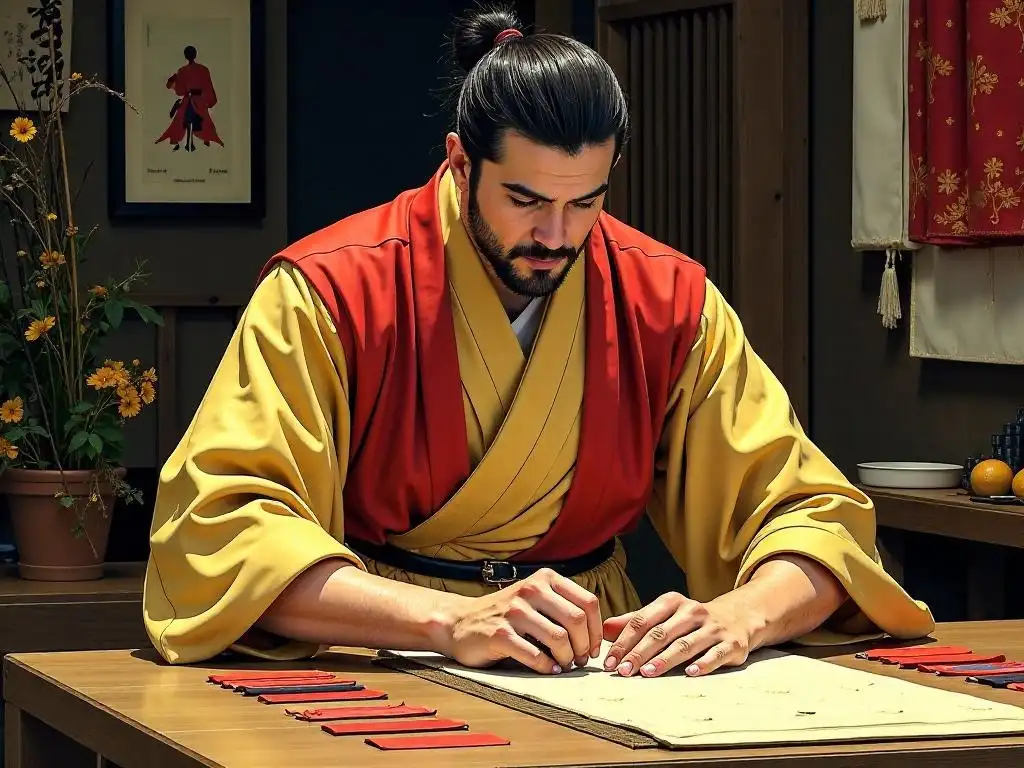
Welcome to Feudal Japan History, where we invite you to journey back in time to uncover the intricate layers of Japan's feudal era. In our latest article, “Craftsmanship in Clothing: The Art of Tailoring in Feudal Japan,” we delve into the fascinating world of tailoring techniques that shaped not only garments but also the very fabric of society. From the delicate stitches that adorned the elite to the practical designs of everyday attire, this exploration reveals how craftsmanship intertwined with culture and social status.
Ready to unravel the threads of history? Join us as we explore the artistry that defined an era!
- Introduction to Tailoring Techniques in Feudal Japan
- Historical Context of Tailoring in Feudal Japan
- Key Tailoring Techniques in Feudal Japan
- The Art of Kimono Making
- Tailoring and Gender Roles in Feudal Society
- The Influence of Tailoring on Modern Japanese Fashion
- Conclusion: The Enduring Art of Tailoring in Feudal Japan
-
Frequently Asked Questions
- What were the key tailoring techniques used in feudal Japan?
- How did cultural influences shape tailoring in feudal Japan?
- What materials were commonly used in Japanese clothing during this era?
- How did social hierarchy affect clothing and tailoring?
- What role did craftsmanship play in feudal Japanese clothing?
- Final Reflection: The Timeless Art of Tailoring in Feudal Japan
- Unleash Your Inner Artisan!
Introduction to Tailoring Techniques in Feudal Japan
The art of tailoring in feudal Japan represents a fascinating intersection of craftsmanship, culture, and societal norms. During this era, which spanned from the late 12th century to the mid-19th century, clothing was not merely a means of protection from the elements; it was a vital expression of identity, status, and profession.
Tailoring techniques in feudal Japan were meticulously developed, reflecting the intricate craftsmanship and aesthetic values of the time. In this article, we will delve into the various aspects of tailoring, examining how these techniques shaped the clothing worn by samurai, farmers, and merchants alike, and how they contributed to the rich tapestry of Japanese culture.
Overview of Craftsmanship in Japanese Clothing
Japanese clothing craftsmanship was characterized by its attention to detail, use of natural materials, and distinctive techniques that evolved over centuries. Key elements of this craftsmanship included:
- Natural Fabrics: Tailors predominantly used materials such as silk, cotton, and hemp, sourced from local environments. The choice of fabric was crucial, as it not only influenced the garment's comfort but also its visual appeal.
- Dyeing Techniques: The use of indigo dyeing and other traditional methods allowed for vibrant colors and patterns. Techniques such as shibori (tie-dye) and yuzen (silk painting) added unique designs to garments, showcasing the tailor's skill.
- Construction Methods: Tailoring techniques such as kiru (cutting) and atsu (folding) were essential in garment construction. Tailors employed precise measurements and methods to ensure a perfect fit, which was especially important for the hierarchical society of feudal Japan.
- Cultural Significance: Each piece of clothing often conveyed deeper meanings or social status. For instance, elaborate garments were worn by the elite, while simpler, more functional attire was common among the lower classes.
Importance of Tailoring in Feudal Society
The importance of tailoring in feudal Japan extended beyond mere aesthetics; it was a reflection of social hierarchy and cultural identity. Here are some key points to consider:
- Status Representation: Clothing was a significant indicator of a person's social standing. Samurai wore intricately designed kimono with specific patterns that denoted their rank, while commoners typically wore more modest clothing.
- Ritual and Tradition: Tailoring techniques were often passed down through generations, with families maintaining their unique styles and methods. This transfer of knowledge preserved cultural practices and contributed to regional identities.
- Functional Art: Garments were designed not only for beauty but also for practicality. The layering of clothing, known as juban, provided warmth and comfort, showcasing the tailor's ability to balance aesthetics with functionality.
- Economic Impact: The tailoring industry played a vital role in the economy of feudal Japan. Tailors were often skilled artisans who contributed significantly to local markets, and their work supported both the elite and the common populace's clothing needs.
In exploring the artistry behind tailoring techniques in feudal Japan, we gain insight into a pivotal aspect of daily life and the rich cultural heritage that continues to influence modern Japanese fashion.
Historical Context of Tailoring in Feudal Japan
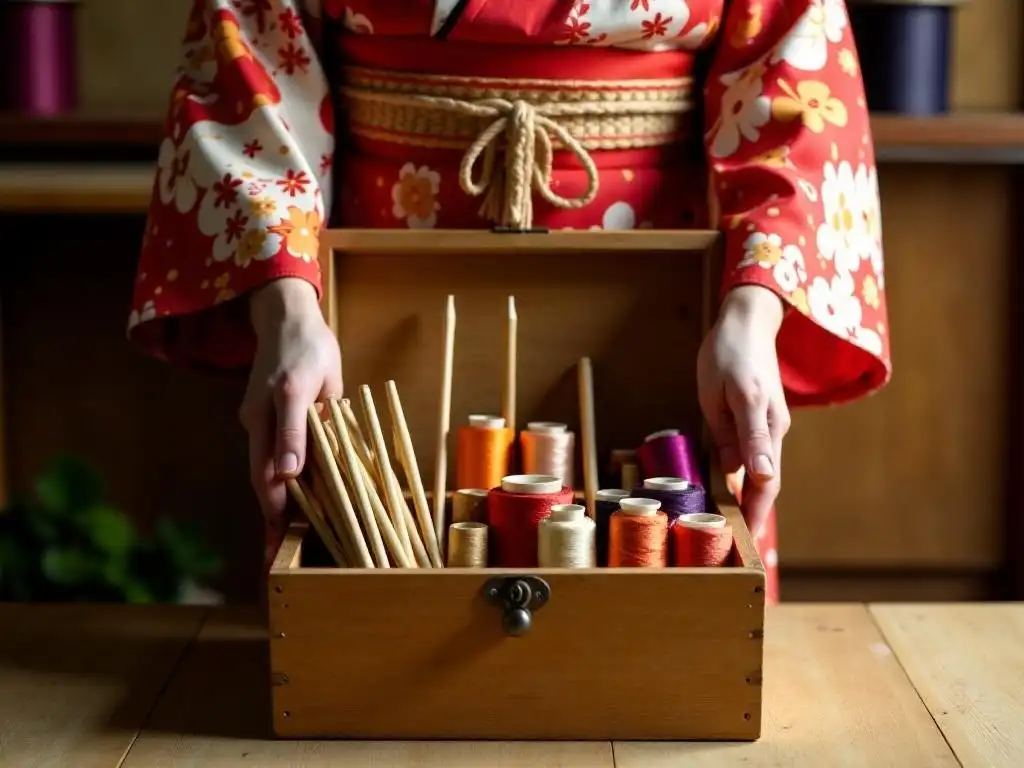
The history of tailoring in feudal Japan is deeply intertwined with the socio-political and cultural dynamics of the era. Spanning from the late 12th century to the mid-19th century, this period witnessed the emergence of distinct clothing styles and tailoring techniques that reflected the values and hierarchies of Japanese society. As Japan transitioned from the Heian period's courtly aesthetics to the militaristic and stratified society of the Kamakura and Muromachi periods, tailoring became an essential craft, not just for survival but as an expression of identity and status.
The Evolution of Clothing Styles
During the feudal era, clothing styles evolved significantly, influenced by various factors including climate, available materials, and cultural exchanges.
- Heian Period (794-1185): The aristocracy favored layered garments known as jūnihitoe, characterized by vibrant colors and intricate patterns. Tailoring techniques were focused on creating flowing silhouettes that symbolized elegance and refinement.
- Kamakura Period (1185-1333): With the rise of the samurai class, practicality became crucial. The hōzō, a simple kimono-like garment, emerged, showcasing a more functional design. Tailoring techniques adapted to allow for ease of movement, essential for warriors.
- Muromachi Period (1336-1573): The introduction of noren, fabric dividers often used in shops, signified a shift in fabric usage. Techniques further diversified as merchants and artisans began to influence fashion, leading to the popularization of the kimono and the use of indigo dyeing.
- Edo Period (1603-1868): This era saw the standardization of clothing styles, with the kimono becoming prevalent among all social classes. The hakama and haori were also tailored for men, while women’s fashion featured elaborate designs with seasonal motifs. Tailoring techniques during this period were refined, emphasizing craftsmanship and intricate stitching.
Influences on Tailoring Techniques from Different Periods
Tailoring techniques in feudal Japan were not static; they evolved through influences from various historical periods and external interactions.
- Cultural Exchanges: The arrival of Portuguese traders in the 16th century introduced Western fabrics and styles, prompting Japanese tailors to experiment with new materials and methods. This led to innovations such as sode, the sleeves of kimonos, becoming larger and more pronounced.
- Zen Buddhism: The aesthetics of Zen philosophy influenced the simplicity and functionality of garments. Tailoring techniques became more minimalist, focusing on clean lines and muted colors that reflected a deeper spiritual connection to nature.
- War and Necessity: The frequent conflicts during the Sengoku period (1467-1603) necessitated practical designs in clothing. Tailors began to implement reinforced stitching and durable fabrics to cater to the needs of soldiers, ensuring both mobility and protection.
- Economic Factors: The rise of merchant classes during the Edo period led to increased demand for fashionable clothing. Tailors adapted by developing more intricate designs and using better-quality materials, which further advanced their techniques.
Social class played a pivotal role in the evolution of tailoring techniques and clothing styles throughout feudal Japan.
- Aristocracy: The elite class showcased their status through luxurious fabrics such as silk and elaborate designs. Tailoring was often a collaborative effort involving skilled artisans who specialized in creating garments for the nobility, with techniques that emphasized opulence.
- Samurai: For the samurai, clothing was a symbol of honor and rank. Tailoring techniques were designed to convey strength and status, utilizing sturdy materials and specific colors to denote allegiance. The kabuto (helmet) and armor were tailored for both protection and aesthetics, reflecting the samurai's identity.
- Peasants: In contrast, the peasant class wore simple, functional clothing made from readily available materials like hemp or cotton. Tailoring techniques focused on utility, with garments designed for durability and comfort, enabling laborers to carry out their daily tasks efficiently.
- Merchants: As the merchant class grew, they began to adopt and adapt aristocratic styles. Tailors catering to these clients used innovative techniques to create fashionable yet affordable garments, blending luxury with practicality.
Through these various influences and the hierarchical nature of society, tailoring in feudal Japan developed into a sophisticated art form, reflecting the complexities of daily life and the cultural landscape of the time.
Key Tailoring Techniques in Feudal Japan
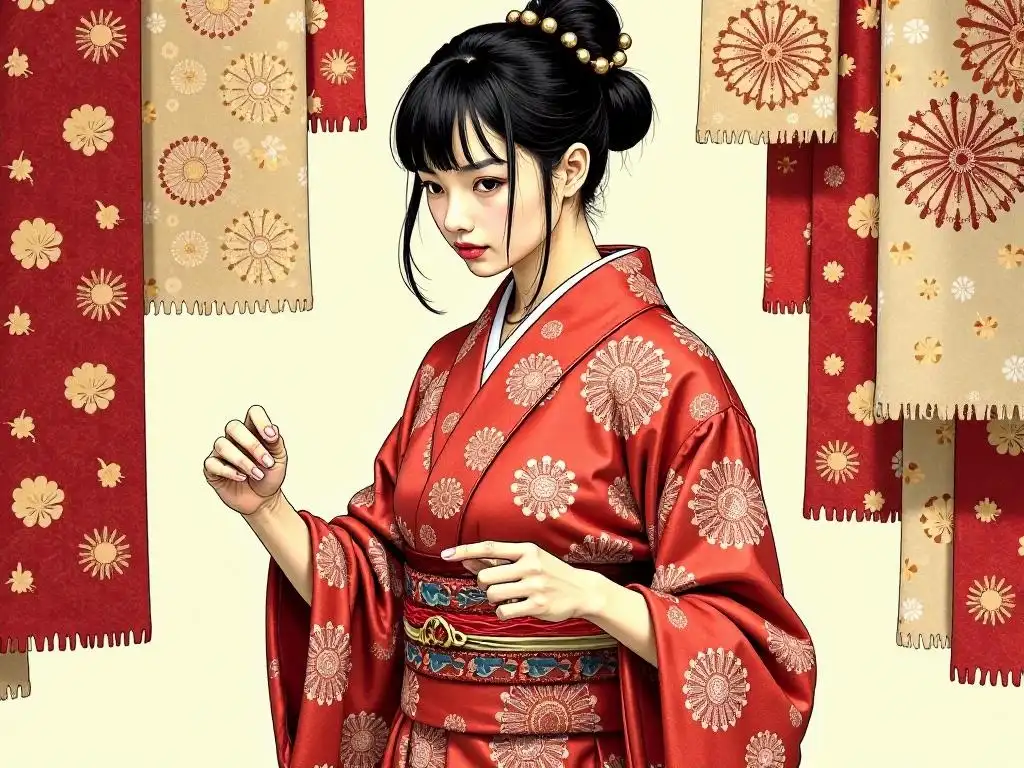
The art of tailoring in feudal Japan was not merely a craft but an intricate practice steeped in cultural significance and practical application. Various tailoring techniques in feudal Japan evolved over centuries, influenced by regional styles, social status, and the materials available. This section delves into the key techniques that defined Japanese tailoring during this era, highlighting their historical context and cultural relevance.
Traditional Methods of Fabric Selection
The selection of fabric was a crucial step in the tailoring process, deeply intertwined with the social fabric of feudal Japan. Tailors prioritized both the quality and type of fabric, which were often dictated by the wearer's status and the occasion.
- Natural Fibers: Most garments were crafted from natural fibers such as silk, cotton, and hemp. Silk was reserved for the elite, while cotton became popular among the commoners due to its durability and comfort.
- Dyeing Techniques: The art of dyeing played a vital role in fabric selection. Techniques like indigo dyeing and kasuri weaving (a form of tie-dye) were prevalent. These methods not only enhanced the aesthetic appeal of the garments but also indicated the wearer’s status.
- Patterns and Textures: Different regions specialized in unique patterns and textures. For example, the Nishijin weaving technique from Kyoto produced exquisite brocades, often used in ceremonial attire.
The choice of fabric and its treatment reflected the wearer’s identity, societal position, and adherence to cultural practices.
Stitching Techniques Used by Japanese Tailors
Stitching techniques in feudal Japan were characterized by their precision and artistry. These methods not only secured garments but also contributed to their overall aesthetic appeal.
- Sashiko: A form of decorative reinforcement stitching originating from the Edo period, sashiko was used both for practical purposes and as an embellishment. The repeating geometric patterns in sashiko stitching added texture and visual interest to clothing.
- Kake-ashi: This technique involved a method of hand-stitching where the thread was left loose, providing a unique gathered effect. It was often used for kimono sleeves and skirts, allowing for ease of movement while adding dimensionality to the garment.
- Tsutsugaki: A unique technique involving freehand painting on fabric before the stitching process began. This allowed tailors to create elaborate designs that told stories or conveyed symbolic meanings.
These stitching techniques not only ensured the durability of clothing but also allowed for personal expression and storytelling through fabric.
Patterns and Designs: Cultural Significance in Tailoring
The patterns and designs used in clothing during feudal Japan carried profound cultural significance, often reflecting the philosophical and spiritual beliefs of the era.
- Symbolism in Patterns: Many patterns were imbued with symbolism. For instance, the asanoha (hemp leaf) pattern represented growth and resilience, while the seigaiha (blue ocean waves) symbolized peace and tranquility. These patterns were carefully chosen to convey messages about the wearer’s aspirations and social standing.
- Seasonal Variations: Tailors created seasonal designs that reflected the changing nature of the environment. For example, floral patterns were popular in spring, while darker, more muted colors were favored in winter. This practice highlighted the Japanese appreciation for nature and its cycles.
- Cultural Ceremonies: Specific designs were reserved for ceremonial occasions, such as weddings or festivals. The shōzoku, or ceremonial garments, featured intricate designs that were not only visually stunning but also adhered to strict cultural norms regarding color and pattern, signifying the importance of the event.
Understanding these patterns and designs enhances the appreciation of tailoring techniques in feudal Japan, revealing how clothing served as a canvas to express cultural identity and societal values.
The tailoring techniques of feudal Japan were marked by a rich interplay of craftsmanship, cultural significance, and social context, creating garments that were both functional and artistically expressive.
Tools and Materials for Tailoring in Feudal Japan
In feudal Japan, the art of tailoring was a meticulous process that involved a variety of specialized tools and materials. These elements were essential for creating garments that were not only functional but also aesthetically pleasing. Understanding the tools and materials used can provide deeper insight into the craftsmanship of this era.
Tools Used by Tailors
- Needles:
- Tailors utilized hand-forged needles made from high-quality iron or steel. The needles varied in size and shape depending on the fabric being used, allowing for precision in stitching.
- Thread:
- Traditionally, thread was made from silk, cotton, or hemp. The choice of thread was crucial, as it affected both the durability and the appearance of the finished garment. Silk threads were often preferred for their strength and luster.
- Scissors:
- Japanese scissors, known as banshi or kiri, were essential for cutting fabric. These scissors were designed for different purposes, with some specifically crafted for intricate cutting techniques.
- Measuring Tools:
- Accurate measurements were vital in tailoring. Tools such as shaku (a traditional measuring stick) and measuring tapes made from cloth were commonly used to ensure a proper fit.
- Chalk and Marking Tools:
- Tailors employed chalk or natural dyes to mark fabric prior to cutting. This ensured that patterns were aligned correctly and that cuts were made precisely.
Materials Employed in Garment Construction
- Fabric:
- Silk: Highly prized for its luxurious feel and appearance, silk was often used for formal garments and the clothing of the elite.
- Cotton: More accessible than silk, cotton became widely used for everyday clothing, particularly among the lower classes.
- Hemp: Durable and cost-effective, hemp was commonly used for work garments and also had the advantage of being easy to dye.
- Dyes:
- Natural dyes from plants, minerals, and insects were employed to color fabrics. Techniques such as indigo dyeing were prevalent, producing vibrant blues that were favored in many garments.
- Interfacing:
- For structural support in garments, tailors used materials like fukuro (a type of stiffened fabric) to reinforce areas such as collars and cuffs, helping garments maintain their shape over time.
- Linings:
- Linings made from silk or cotton were often added to garments for comfort and to enhance the overall aesthetic appeal.
Conclusion
The tools and materials of tailoring in feudal Japan were integral to the creation of garments that reflected the artistry and functionality of the time. By utilizing high-quality materials and specialized tools, tailors were able to produce clothing that not only met the practical needs of the wearer but also conveyed social status and cultural identity. Understanding these elements is crucial for appreciating the rich history of tailoring techniques in feudal Japan.
The Art of Kimono Making
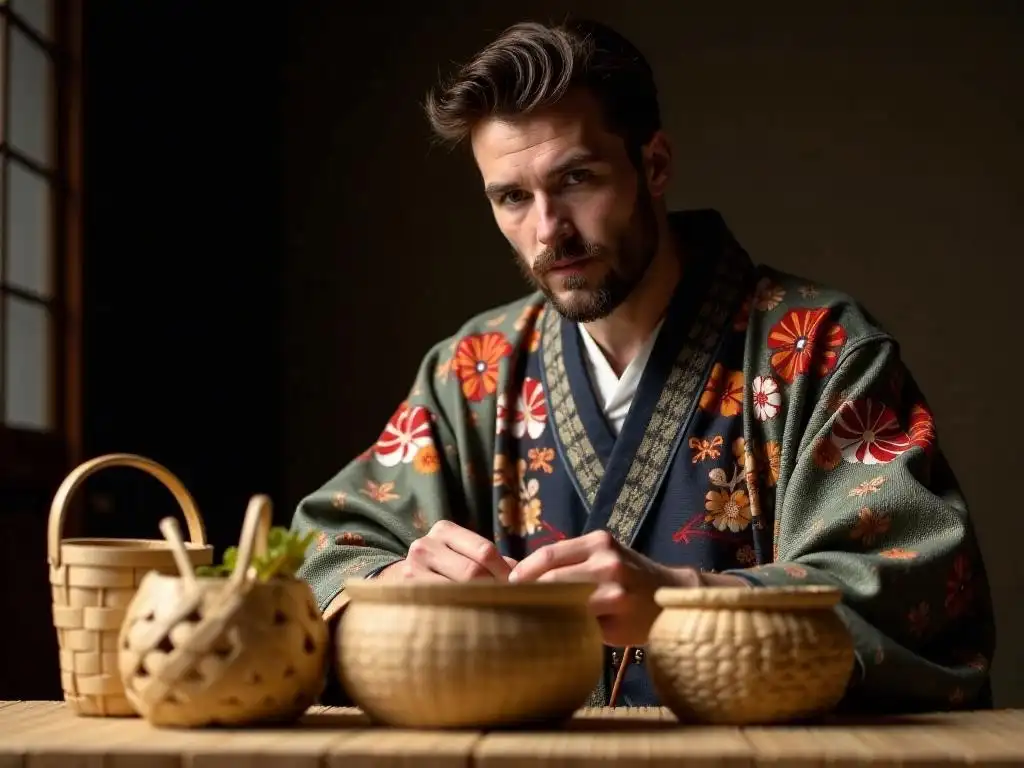
The kimono, a traditional garment of Japan, serves as a profound representation of cultural identity and craftsmanship. During the feudal era, the art of kimono making evolved into a highly regarded practice, influenced by various factors including social status, regional characteristics, and historical events. Tailoring techniques in feudal Japan were not merely about fabric and stitches; they encapsulated the essence of Japanese aesthetics, symbolism, and societal norms.
The Significance of the Kimono in Feudal Japan
The kimono was more than just clothing; it was a symbol of status, tradition, and personal expression. In feudal Japan, the design and fabric of a kimono often indicated the wearer’s class, age, and marital status. For instance:
- Nobility and Samurai:
- Kimonos made from luxurious silks adorned with intricate patterns were reserved for the elite.
- Colors such as deep blue or crimson were popular among samurai, symbolizing strength and dignity.
- Commoners:
- The kimonos of commoners were typically made from coarser fabrics, often dyed in more subdued colors.
- Patterns were usually simpler, reflecting utilitarian needs.
The kimono also played a pivotal role during ceremonies and festivals, where specific styles and colors were worn to convey particular meanings. This cultural significance made the art of tailoring an essential skill, as it required not only technical proficiency but also an understanding of symbolism and tradition.
Techniques Specific to Kimono Tailoring
Kimono tailoring in feudal Japan involved a variety of specialized techniques that contributed to the garment's unique structure and aesthetics. Some of the key techniques included:
- Katazome (Stenciling):
- This technique involved creating intricate patterns using stencils, allowing for repetitive designs on the fabric.
- It was particularly popular for summer kimonos due to its lightweight finish.
- Yuzen (Dyeing):
- A meticulous dyeing method where designs are hand-painted onto the fabric.
- Yuzen-dyed kimonos are known for their vivid colors and complex motifs, often depicting nature or folklore.
- Sashiko (Stitching):
- A form of decorative reinforcement stitching, originally used for functional purposes but evolved into a style that added texture and depth to the kimono.
- Sashiko patterns often represented seasonal themes or auspicious symbols.
- Asanoha (Hemp Leaf Pattern):
- A geometric pattern that symbolizes growth and resilience, often seen in children’s kimonos for auspicious occasions.
- This pattern was typically created using techniques like weaving or dyeing.
These techniques not only required skilled artisans but also reflected the deep connection between the maker and the cultural narrative of the garment.
Regional Variations in Kimono Styles and Tailoring
The variety of climates, available materials, and cultural influences across Japan led to significant regional differences in kimono styles and tailoring techniques. Some notable regional variations include:
- Kyoto:
- Known for its refined silk fabrics and elaborate patterns, Kyoto kimonos often featured detailed embroidery and gold leaf embellishments.
- Echigo (Niigata Prefecture):
- Famous for its heavy cotton kimonos, which were tailored to withstand colder climates.
- The use of indigo dye was prevalent, giving these kimonos a distinctive blue hue.
- Okinawa:
- The kimono style in Okinawa, known as the "Ryusou," is characterized by bright colors and lightweight fabrics suitable for the subtropical climate.
- The use of traditional motifs such as shisa (guardian lion-dogs) is common in the design.
- Kanto Region (Tokyo area):
- Kanto kimonos often featured simpler designs but were made with high-quality materials, reflecting the urban sophistication of the region.
These regional distinctions not only highlight the adaptability of tailoring techniques in feudal Japan but also celebrate the diverse cultural heritage that each area contributed to the art of kimono making.
Tailoring and Gender Roles in Feudal Society
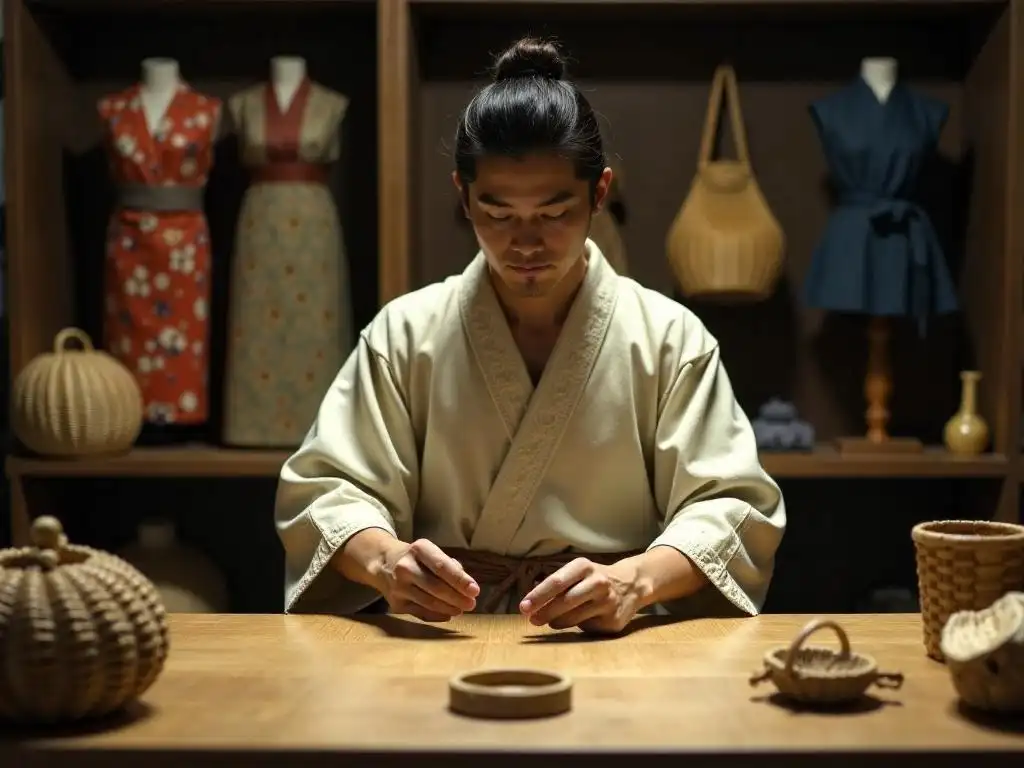
In feudal Japan, the craft of tailoring was intricately linked to the societal roles and expectations of both men and women. Tailoring techniques were not only a means of creating clothing but also a reflection of the cultural and social status of the wearer. The craftsmanship involved in tailoring was largely influenced by the gender roles of the time, which shaped the types of garments produced and the techniques employed.
Women's Tailoring Techniques and Their Cultural Impact
Women in feudal Japan played a crucial role in the art of tailoring, especially within the domestic sphere. While many women were involved in the production of clothing, their techniques varied significantly based on regional practices and social class.
- Materials and Techniques: Women often utilized kimono, which was the traditional garment for Japanese women. The tailoring techniques included:
- Hand-stitching: Most garments were hand-stitched, requiring a high level of skill and patience.
- Dyeing and weaving: Women frequently engaged in dyeing fabrics using natural dyes, which added cultural significance to the clothing. For example, the use of indigo was prevalent, and each dyeing method carried symbolic meanings.
- Cultural Significance: The clothing crafted by women was not merely functional; it was imbued with cultural significance. The patterns and colors used in women's garments reflected their social status and marital status. For instance, married women wore more subdued colors, while unmarried women often donned brighter hues.
The impact of women's tailoring techniques extended beyond mere aesthetics; it fostered a sense of identity and belonging within various social classes. The garments created by women were often passed down through generations, preserving the cultural heritage of families and communities.
Men's Clothing and Tailoring Techniques
Men’s tailoring in feudal Japan was characterized by a distinct set of techniques and styles, which were heavily influenced by social status, occupation, and the prevailing samurai culture.
- Samurai Attire: The samurai class wore elaborate garments, such as the hakama (a type of pleated skirt) and kataginu (a sleeveless jacket). The tailoring techniques included:
- Layering: Samurai often wore multiple layers, with the outer garments being meticulously tailored to signify their rank.
- Use of Stiff Fabrics: Stiff fabrics were commonly used for outer garments to maintain structure and formality.
- Worker’s Clothing: Common men, including farmers and artisans, wore simpler garments made from more durable materials. Their tailoring techniques focused on practicality:
- Simplicity and Functionality: Clothing was designed for ease of movement and durability, often featuring simpler cuts and fewer adornments.
- Reinforced Stitching: Techniques such as double stitching were employed to ensure longevity, reflecting the labor-intensive lifestyles of these individuals.
The techniques used in men's tailoring were not only about clothing but also about expressing loyalty and honor. The way garments were tailored indicated the wearer’s profession and societal status, reinforcing the social hierarchies present in feudal Japan.
The Intersection of Gender and Tailoring Craftsmanship
The art of tailoring in feudal Japan exemplified a fascinating interplay between gender and craftsmanship. Both men and women contributed to the tailoring tradition, yet their roles were often segregated by societal expectations.
- Collaborative Craftsmanship: While men were usually responsible for crafting garments for the samurai class, women often tailored clothing for the household and local community. This collaboration led to a rich exchange of techniques:
- Shared Techniques: Techniques such as pattern drafting and fabric manipulation were shared between genders, providing a diversified skill set across the craft.
- Cultural Reflection: The clothing produced during this era also mirrored the changing perceptions of gender roles. As society evolved, so too did the styles and techniques:
- Influence of Zen and Aesthetics: The aesthetic principles of wabi-sabi, which celebrate imperfection and transience, began to influence both men’s and women’s tailoring, leading to a more unified approach to craftsmanship.
Ultimately, the intersection of gender and tailoring techniques in feudal Japan not only produced functional garments but also conveyed complex social messages, highlighting the significance of clothing as a cultural artifact within the feudal context. This nuanced relationship underscores the importance of tailoring techniques in feudal Japan as a reflection of the broader societal framework.
The Influence of Tailoring on Modern Japanese Fashion
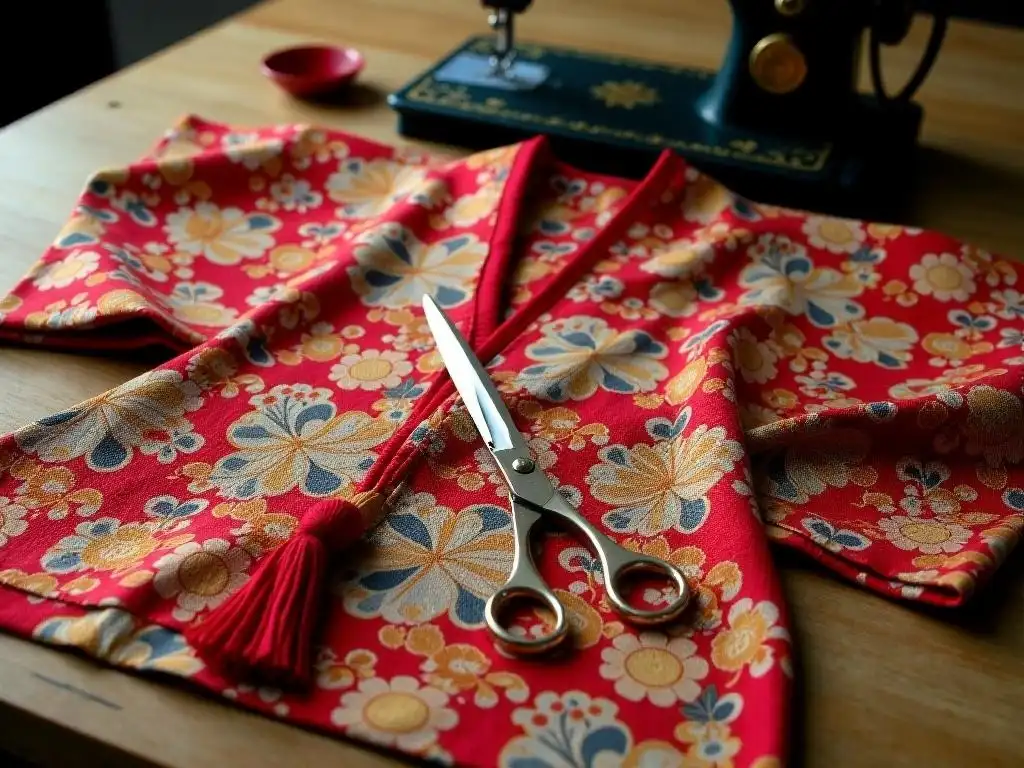
Legacy of Feudal Tailoring Techniques in Contemporary Fashion
The craftsmanship of tailoring in feudal Japan has left an indelible mark on modern Japanese fashion. Many tailoring techniques in feudal Japan continue to influence contemporary designers, who draw inspiration from the past to create innovative garments that respect tradition while embracing modern aesthetics.
- Kimono Influence: The fundamental structure of the kimono is rooted in feudal tailoring practices. The meticulous methods used to construct kimonos, such as the use of asymmetrical patterns and natural dyes, are often revived by modern designers. These elements not only celebrate the traditional craftsmanship but also allow for unique interpretations in modern collections.
- Simplicity and Functionality: Tailoring techniques from the feudal era emphasized functionality and simplicity. This ethos resonates with many contemporary designers, who aim to create clothing that is not only beautiful but also practical. The use of minimalistic designs and high-quality fabrics can be traced back to the pragmatic approaches of feudal tailors.
- Artisanal Techniques: Many contemporary fashion houses in Japan are committed to preserving artisanal techniques that were once commonplace. Techniques such as shibori (tie-dye), sashiko (decorative stitching), and kintsugi (repairing pottery with gold) are now integrated into fashion collections, showcasing the beauty of imperfection and the rich history of craftsmanship.
- Cultural Narratives: Modern Japanese fashion often incorporates storytelling through clothing, a practice that has roots in feudal Japan. Each garment can embody narratives that reflect societal changes, seasonal shifts, or personal experiences, much like how feudal garments conveyed the identity and status of their wearers.
Preservation of Traditional Tailoring Skills Today
The preservation of traditional tailoring skills in Japan today is a testament to the country’s commitment to its cultural heritage. Various initiatives and communities are dedicated to maintaining these age-old techniques, ensuring that they continue to thrive in a rapidly changing fashion landscape.
- Educational Institutions: Schools and workshops focused on traditional Japanese tailoring, such as the Nihon Tailor Association, offer programs that teach students the intricacies of feudal techniques. These institutions emphasize hands-on learning, where students can practice methods passed down through generations.
- Craftsmanship Initiatives: Organizations such as The Japan Traditional Crafts Association promote traditional craftsmanship, including tailoring, by supporting artisans and encouraging them to collaborate with contemporary designers. This synergy helps to keep traditional techniques alive while adapting them to modern tastes.
- Community Workshops: Local artisans often hold workshops and demonstrations to share their skills with the public. These events not only foster appreciation for traditional craftsmanship but also empower new generations to learn and engage with feudal tailoring techniques.
- Sustainable Fashion Movement: The growing interest in sustainable fashion has led many modern designers to revisit traditional tailoring methods, which emphasize quality over quantity. By embracing these techniques, designers can create timeless pieces that align with contemporary values of sustainability and ethical production.
The legacy of tailoring techniques in feudal Japan continues to resonate in today’s fashion scene, while dedicated efforts to preserve these skills ensure that this rich heritage remains vibrant and relevant. As fashion evolves, the influence of feudal tailoring stands as a foundation upon which modern Japanese fashion builds its identity.
Conclusion: The Enduring Art of Tailoring in Feudal Japan
The art of tailoring in feudal Japan represents a rich tapestry of cultural heritage, skill, and tradition, intricately woven into the fabric of Japanese society. This craftsmanship was not merely a means of creating clothing but served as a vital expression of identity, class, and societal norms. Tailoring techniques in feudal Japan were developed through generations, each technique carrying its own significance and mastery that reflected the prevailing aesthetic values and social hierarchies of the time.
Reflection on the Cultural Significance of Tailoring
Tailoring in feudal Japan was deeply intertwined with the cultural and social fabric of the era. The garments produced were not only functional but also conveyed status and personal identity. For instance, the kimono, a quintessential piece of Japanese attire, was adorned with various patterns and colors that signified the wearer’s age, marital status, and social rank. The meticulous craftsmanship involved in creating these garments showcased the artistry and dedication of tailors, who often specialized in specific types of clothing.
Moreover, the techniques employed by tailors during this period were influenced by regional differences, local resources, and the social context. For example:
- Brocade Weaving: In regions like Kanto, brocade fabrics were popular, requiring tailors to master intricate weaving techniques to create garments that were not only visually stunning but also symbolically rich.
- Dyeing Techniques: The use of indigo dyeing, particularly in the Edo period, not only affected the color palette available to tailors but also reflected local craftsmanship and environmental resources.
Tailoring was also steeped in ritual and tradition, with specific techniques often passed down through family lines, creating a lineage of craft and skill that contributed to a sense of community and continuity.
Future of Tailoring Techniques in Japan and Beyond
As Japan continues to modernize, the future of tailoring techniques faces both challenges and opportunities. While contemporary fashion trends and mass production threaten traditional methods, there is a growing movement towards revitalizing artisanal craftsmanship.
In recent years, there has been a resurgence of interest in sustainable and personalized fashion, prompting a revival of traditional tailoring techniques. This shift is evident in:
- Educational Initiatives: Institutions and workshops are beginning to offer courses on traditional tailoring methods, ensuring that skills passed down through generations are not lost to time.
- Collaboration with Modern Designers: Some contemporary designers are collaborating with traditional tailors, blending historical techniques with modern aesthetics to create unique fashion statements that respect heritage while appealing to current market trends.
- Global Interest: The global fashion community is increasingly recognizing the value of traditional craftsmanship, leading to a demand for authentic, hand-tailored garments that tell a story.
While the landscape of tailoring in Japan is evolving, the enduring art of tailoring continues to thrive, rooted in a rich history that informs and inspires future generations. The techniques developed during the feudal era remain relevant, showcasing the importance of craftsmanship and cultural identity in an ever-changing world.
Frequently Asked Questions
What were the key tailoring techniques used in feudal Japan?
Feudal Japan employed hand-sewing, natural dyes, and layering methods to create garments. These techniques reflected both aesthetic values and practical needs of the time.
How did cultural influences shape tailoring in feudal Japan?
Tailoring in feudal Japan was significantly influenced by class distinctions and regional styles, with each class having specific garment types that showcased their status and identity.
What materials were commonly used in Japanese clothing during this era?
Tailors in feudal Japan primarily used silk, cotton, and ramie. These materials were valued for their durability and comfort, influencing the design and functionality of the clothing.
In feudal Japan, social hierarchy dictated the styles and quality of clothing. Samurai wore elaborate garments, while peasants had simpler, more practical attire, reflecting their position in society.
What role did craftsmanship play in feudal Japanese clothing?
Craftsmanship was paramount in feudal Japan, with artisans dedicating their lives to mastering tailoring skills. This dedication ensured that each piece of clothing was not only functional but also a work of art.
Final Reflection: The Timeless Art of Tailoring in Feudal Japan
The craftsmanship of tailoring techniques in feudal Japan remains profoundly relevant today, as it embodies the intersection of artistry and functionality in clothing design. In an era where fast fashion dominates, the meticulous attention to detail and the rich cultural heritage of Japanese tailoring serve as a poignant reminder of the value of quality over quantity. The legacy of these techniques not only enriches our understanding of fashion history but also challenges us to appreciate the artistry behind every garment we wear.
Craftsmanship is not merely a skill; it is a reflection of cultural identity and social values. The intricate methods employed by tailors in feudal Japan have left an indelible mark on contemporary fashion, inspiring designers worldwide to embrace the principles of precision and elegance. As we navigate the complexities of modern clothing production, we can draw inspiration from the words of renowned Japanese designer Issey Miyake: Fashion is not something that exists in dresses only. Fashion is in the sky, in the street, fashion has to do with ideas, the way we live, what is happening.
This perspective emphasizes the ongoing influence of traditional tailoring techniques, reminding us that clothing is a canvas for cultural expression and individual identity.
As we reflect on the artistry of tailoring in feudal Japan, I invite you to consider how these lessons can be applied in your own life. Take a moment to appreciate the garments you own, recognizing the stories they tell and the craftsmanship behind them. Whether you choose to support local artisans, invest in quality pieces, or even explore the art of tailoring yourself, remember that every stitch carries a legacy. Embrace the spirit of craftsmanship and let it inspire you to cultivate a deeper connection with the clothing you wear, honoring the traditions that have shaped our world.
Unleash Your Inner Artisan!
Thank you for diving into the world of tailoring and craftsmanship in feudal Japan! We hope you found inspiration in the intricate art of clothing design and the traditions that shaped this rich history. Now, let's take this newfound appreciation a step further and explore how you can embrace the spirit of craftsmanship in your own life.
- Start a DIY tailoring project: Begin with a simple garment or accessory and apply the techniques discussed to create something unique.
- Join a local sewing class or online community: Connect with fellow enthusiasts to share your journey, learn new skills, and exchange ideas on traditional techniques.
- Explore the history of costume in different cultures: Broaden your understanding of the art of tailoring by researching how various cultures, beyond feudal Japan, approached garment-making.
As you embrace the art of tailoring, what unique piece of clothing or accessory would you love to create?