
How Festivals Shaped Clothing Trends in Feudal Japan

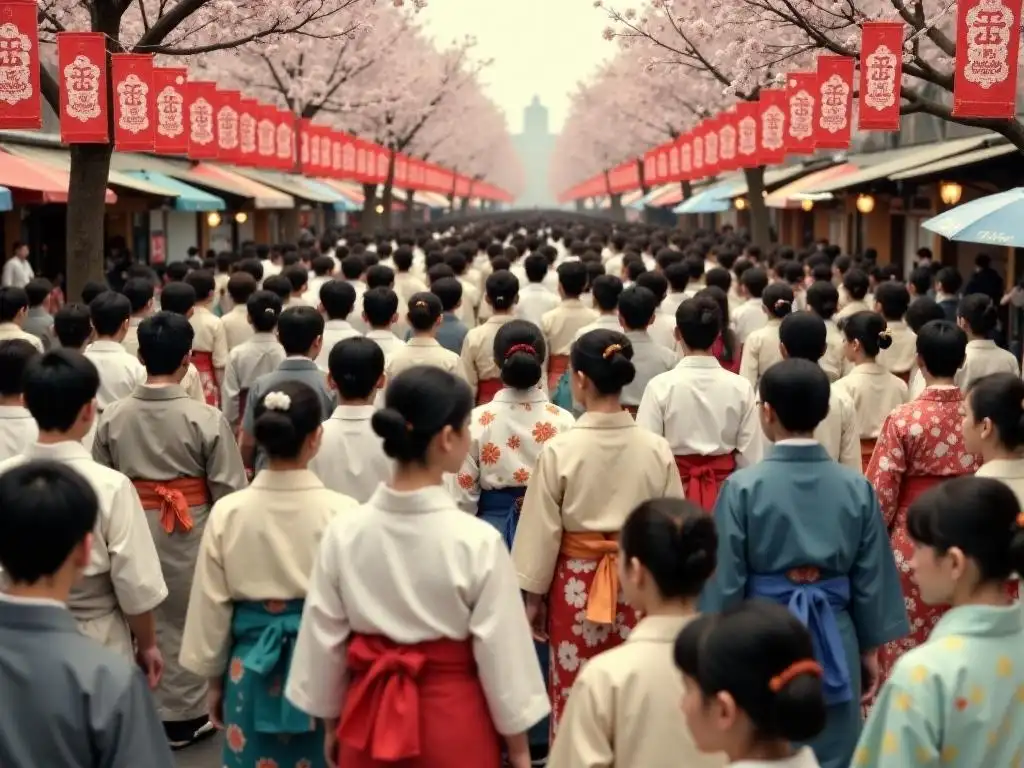
Welcome to Feudal Japan History, where we embark on a fascinating journey through the intricate tapestry of Japan’s feudal era. Here, history comes alive as we delve into the clothing trends in feudal Japan, revealing how vibrant festivals and cultural practices influenced fashion and identity. Prepare to uncover the rich interplay of tradition and societal norms that shaped daily life, and discover how these trends continue to resonate in modern times. Join us as we peel back the layers of history and explore the colorful garments that adorned the past—your adventure into the heart of feudal Japan awaits!
- Introduction to Clothing Trends in Feudal Japan
- The Role of Festivals in Feudal Japanese Society
- Major Festivals Influencing Clothing Trends
- Traditional Clothing Styles in Feudal Japan
- Seasonal Clothing Trends Driven by Festivals
- The Influence of Social Classes on Clothing Trends
- How Festivals Reflected Societal Changes in Clothing
- Conclusion: The Lasting Impact of Festivals on Clothing Trends in Feudal Japan
-
Frequently Asked Questions
- What role did festivals play in clothing trends during feudal Japan?
- How did the clothing worn during festivals differ from everyday attire?
- Were there specific types of clothing associated with certain festivals?
- How did social class impact clothing choices at festivals?
- What were some common materials used in festival clothing?
- Final Reflection: The Enduring Influence of Festivals on Clothing Trends in Feudal Japan
- Unveil the Vibrant World of Feudal Fashion!
Introduction to Clothing Trends in Feudal Japan
The clothing trends in feudal Japan reflect a complex interplay of cultural, social, and historical factors that shaped the daily lives of its people. This period, spanning from the late 12th century to the mid-19th century, was characterized by a rigid social hierarchy, the emergence of samurai culture, and a rich tapestry of traditions that included festivals and rituals.
Festivals played a pivotal role in influencing fashion, as they provided opportunities for individuals to showcase their status, wealth, and creativity through their attire. In this article, we will delve into how these vibrant celebrations not only highlighted regional styles but also contributed to the evolution of clothing trends in feudal Japan, revealing insights into the societal norms and artistic expressions of the time.
Overview of Feudal Japan's Historical Context
Feudal Japan was marked by a distinct social structure, where the samurai class held significant power and influence. The era began with the establishment of the Kamakura Shogunate in 1185, leading to a series of military governments that shaped the landscape of Japanese society. Key characteristics of this period include:
- Social Hierarchy: The four main classes were the samurai, farmers, artisans, and merchants, with the samurai at the top. This hierarchy dictated not only social interactions but also clothing styles.
- Cultural Flourishing: The Heian period’s artistic traditions set the stage for the development of textiles and clothing, with an emphasis on elegance and aesthetics.
- Regional Variations: Different regions developed unique styles influenced by local resources, climate, and cultural practices, resulting in a rich variety of clothing.
Throughout these centuries, clothing was not merely a matter of practicality; it was a form of expression that conveyed one's identity and status within the rigid class system of feudal Japan.
Importance of Festivals in Shaping Fashion
Festivals in feudal Japan were more than just celebrations; they served as significant cultural events that influenced clothing trends across the nation. These gatherings were crucial for several reasons:
- Showcasing Status and Wealth: Participants often wore their finest garments to showcase their social standing. For instance, the Gion Matsuri in Kyoto featured elaborate costumes that reflected the wealth of the merchant class.
- Cultural Exchange: Festivals facilitated interactions among different classes and regions, leading to the exchange of fashion ideas, fabrics, and techniques. This cross-pollination enriched the overall clothing landscape of Japan.
- Seasonal Influences: Many festivals were tied to the agricultural calendar, leading to seasonal clothing trends that were adapted to the changing climate and cultural practices. For example, summer festivals often featured lighter fabrics, while winter celebrations showcased heavier materials.
- Artistic Expression: The vibrant colors, intricate patterns, and unique styles seen during festivals often inspired everyday clothing trends, allowing individuals to incorporate elements of festival attire into their daily wear.
The dynamic interplay between festivals and clothing trends in feudal Japan highlights the profound impact of cultural traditions on fashion, revealing how these events served as a canvas for artistic expression and societal reflection during this fascinating historical era.
The Role of Festivals in Feudal Japanese Society
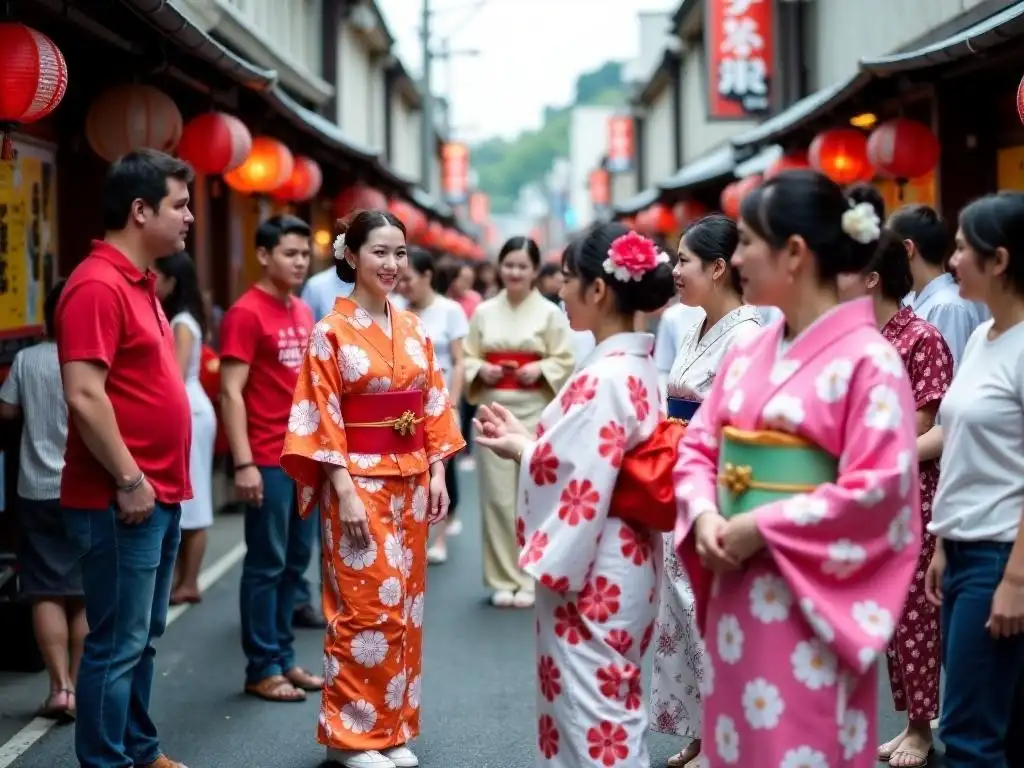
Festivals played a pivotal role in the social and cultural fabric of feudal Japan, serving not only as occasions for celebration but also as vital expressions of community identity and values. These events often marked significant agricultural cycles, religious observances, and historical commemorations, deeply rooted in local traditions and beliefs.
Cultural Significance of Festivals in Feudal Japan
Festivals, known as "matsuri," were integral to feudal Japanese society, reflecting the spiritual and communal ethos of the time. Each region had its own unique festivals, which were often tied to specific local deities or agricultural practices. The significance of these festivals extended beyond mere celebration; they served as a means of reinforcing social cohesion and cultural heritage.
- Religious Observances: Many festivals were deeply religious in nature, honoring deities and spirits, or celebrating seasonal changes. For instance, the Aoi Matsuri in Kyoto, held in May, is a centuries-old festival dedicated to the kami (gods) of the Kamo shrines. Such events were crucial for invoking blessings for bountiful harvests and ensuring communal harmony.
- Community Identity: Festivals provided opportunities for local populations to express their distinct identities. The Gion Matsuri in Kyoto, renowned for its grand processions and elaborate floats, exemplifies how festivals functioned as a showcase of local pride and craftsmanship. Participants adorned themselves in traditional attire that reflected their regional heritage, thus reinforcing community bonds.
- Economic Impact: Beyond their cultural significance, festivals also played an economic role, attracting visitors and stimulating local commerce. Merchants would set up stalls selling food, crafts, and clothing, creating a vibrant marketplace that contributed to the local economy. This interaction between commerce and culture was essential for sustaining many communities during the feudal era.
Festivals as Catalysts for Clothing Trends
The relationship between festivals and clothing trends in feudal Japan is a fascinating aspect of cultural evolution. Festivals not only showcased existing clothing styles but also prompted the creation of new trends, driven by the need for both practicality and aesthetic appeal.
- Theatrical Influence: Many festivals featured performances, such as Noh and Kabuki theater, where elaborate costumes were integral to storytelling. The styles and colors seen in these performances often trickled down into everyday fashion, inspiring individuals to adopt similar garments during festivals and beyond. For example, the use of vibrant colors and intricate patterns became popularized through these theatrical representations, influencing the attire worn by festival-goers.
- Seasonal Adaptations: Clothing trends often evolved in response to the seasons marked by festivals. As festivals celebrated seasonal changes, the clothing worn would reflect the materials and colors associated with that time of year. For instance, during the harvest festivals, lighter fabrics were often replaced with warmer layers, showcasing seasonal colors like deep reds and browns, symbolizing the bounty of the harvest.
- Symbolism and Status: Festivals also provided a platform for the display of social status through clothing. Nobility would wear luxurious silk garments adorned with family crests, while commoners would showcase their best textiles, often made from hemp or cotton. This distinction in attire served to highlight social hierarchies, reinforcing the status of individuals within the community.
The festivals of feudal Japan were not merely celebratory events; they were dynamic cultural phenomena that significantly influenced clothing trends. By examining how these traditions shaped and reflected societal values, one gains a deeper understanding of the intricate relationship between clothing trends in feudal Japan and the festivals that inspired them.
Major Festivals Influencing Clothing Trends
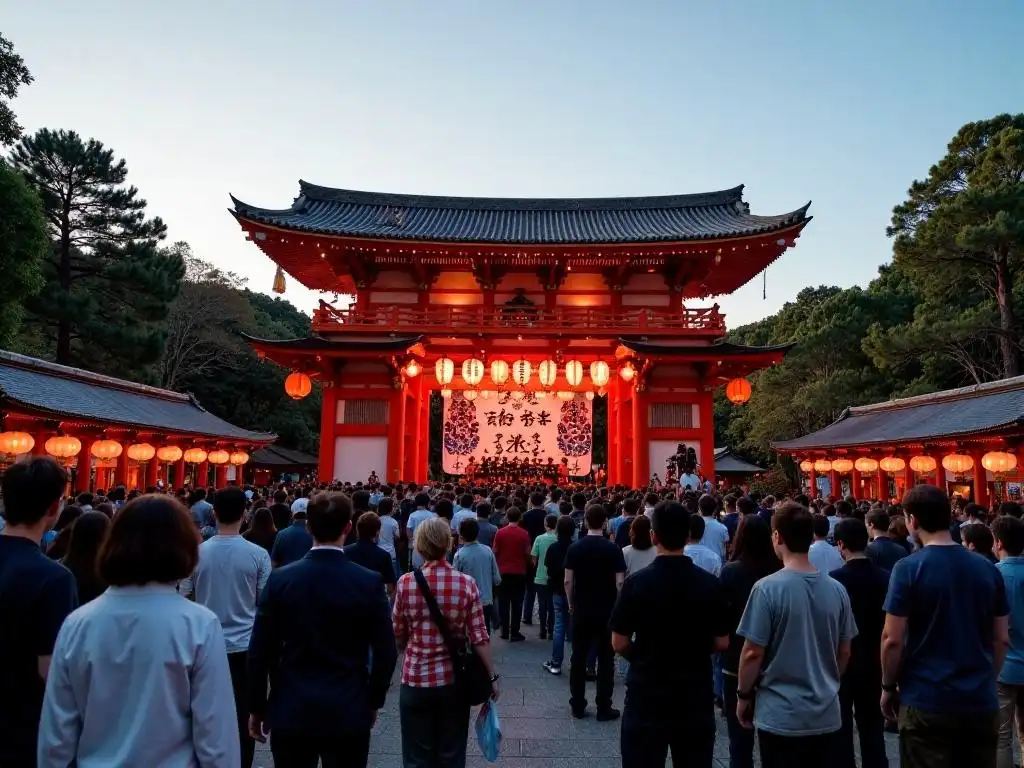
The festivals of feudal Japan played a crucial role in shaping clothing trends, reflecting the cultural values, social hierarchies, and artistic expressions of the time. Each major festival not only celebrated religious and seasonal changes but also served as a platform for showcasing traditional attire and evolving fashion trends. This section explores three significant festivals: Gion Matsuri, Aoi Matsuri, and Tanabata Festival, each contributing uniquely to the clothing trends that defined feudal Japan.
The Gion Matsuri and Its Fashion Impact
The Gion Matsuri, held annually in Kyoto, is one of Japan's most famous festivals, originating in the 9th century. Initially a ritual to appease the gods during an outbreak of plague, it has evolved into a vibrant celebration featuring parades, traditional music, and stunning floats. The festival's influence on clothing trends can be observed in several ways:
- Costume Variation: Participants often dress in elaborate costumes that reflect their social status. The emergence of the yukata, a casual summer kimono, during the Gion Matsuri became popular among the masses, leading to a shift in everyday clothing preferences.
- Textile Innovations: The festival stimulated advancements in textile production, particularly in dyeing techniques. The use of kyo-yaki, a Kyoto-based ceramic ware, inspired intricate patterns that were incorporated into clothing designs, enhancing their aesthetic appeal.
- Symbolic Colors: The colors worn during the Gion Matsuri are often symbolic, with red representing protection and blue signifying purity. These color choices influenced subsequent clothing trends, embedding symbolic meanings into daily fashion.
The Gion Matsuri not only showcased the artistic talents of craftsmen but also established a lasting fashion legacy that transcended the festival itself.
The Aoi Matsuri: Traditional Attire and Its Evolution
The Aoi Matsuri, one of the oldest festivals in Japan, dates back to the 7th century and is celebrated on May 15th in Kyoto. This festival honors the deities of the Kamo Shrine, featuring a procession of participants dressed in Heian-period attire. The significance of the Aoi Matsuri in clothing trends is notable:
- Heian Influence: The festival highlights the kimonos and obijime (waist cords) that were fashionable during the Heian period (794-1185). This attire is characterized by its layered structure and intricate designs, influencing women's fashion for centuries.
- Ceremonial Attire: The junihitoe, a twelve-layered kimono worn by noble women during the festival, symbolizes both status and elegance. This style gradually permeated throughout society, inspiring variations of layered kimonos in daily wear.
- Natural Elements: The name "Aoi" (hollyhock) reflects the use of plant motifs in clothing, which became a trend among the upper classes. The festival's emphasis on nature encouraged the inclusion of floral designs in textiles, a practice that persisted long after the event.
The Aoi Matsuri stands as a testament to the enduring legacy of traditional attire, influencing not just ceremonial clothing but everyday fashion in feudal Japan.
The Tanabata Festival and Its Colorful Garments
The Tanabata Festival, celebrated on the seventh day of the seventh month, is rooted in the legend of two celestial lovers, Orihime and Hikoboshi. This festival has significantly influenced clothing trends through its enchanting themes and vibrant celebrations. Here are the key aspects:
- Colorful Garments: Participants often wear colorful yukatas adorned with star motifs, reflecting the festival's celestial theme. The use of bright colors during Tanabata marked a departure from the more subdued tones typically seen in feudal attire, thus influencing summer fashion trends.
- Wishes and Decorations: The tradition of writing wishes on tanzaku (small strips of paper) and hanging them on bamboo branches led to the incorporation of decorative elements into clothing. This practice inspired the use of embellishments such as ribbons and embroidery in garments.
- Community Celebrations: The communal aspect of the Tanabata Festival encouraged the blending of styles across different regions. As people traveled to participate, they brought back unique clothing styles, leading to a diversification of fashion trends across the country.
The Tanabata Festival serves as a vibrant example of how cultural narratives and community celebrations directly impact clothing trends, fostering creativity and expression in fashion during feudal Japan.
Traditional Clothing Styles in Feudal Japan
Kimono: The Quintessential Garment of the Era
The kimono stands as the most iconic representation of clothing trends in feudal Japan. This traditional garment, characterized by its T-shaped, straight-lined structure, was not merely a piece of clothing but a symbol of social status, cultural values, and aesthetic principles of the time.
Historical Development
The kimono's origins can be traced back to the Heian period (794-1185), evolving in complexity and style through the Kamakura (1185-1333) and Muromachi (1336-1573) periods. By the Edo period (1603-1868), it became the prevalent attire for all classes, with variations in fabric, color, and design reflecting one's social standing and occasion.
Fabric and Patterns
Kimonos were typically made from silk, cotton, or hemp, with the choice of material often indicating class and wealth. The fabrics were adorned with intricate patterns, often inspired by nature, folklore, or seasonal changes. For instance:
- Spring: Cherry blossom motifs
- Summer: Waves and clouds
- Autumn: Maple leaves
- Winter: Pine trees and cranes
These designs not only showcased the wearer’s taste but also aligned with the seasonal festivals that influenced clothing trends throughout the feudal era.
Obis and Accessories: Enhancing the Kimono
While the kimono is the central garment, the obi serves as an equally crucial element in the clothing trends in feudal Japan. The obi, a wide belt, is used to secure the kimono and adds a layer of elegance and style.
Types of Obis
Obis varied greatly in style, length, and width, with variations including:
- Fukuro obi: A formal, decorative obi often worn on special occasions.
- Nagoya obi: A more casual, easy-to-wear style that became popular among the middle classes during the Edo period.
The choice of obi not only complemented the kimono but also conveyed social status and personal style. Accessories such as obiage (a decorative scarf), obijime (a cord), and obiita (a stiff, flat piece) were essential for achieving the desired aesthetic.
Gender Differences in Clothing Trends
Clothing trends in feudal Japan were distinctly different for men and women, reflecting the broader societal norms and roles of the time.
Women's Clothing
Women’s kimonos were often longer and featured more elaborate designs compared to men’s. They typically wore multiple layers, known as juni-hitoe, and had a variety of styles for different seasons and occasions. The colors and patterns were often vibrant and symbolic, with certain colors reserved for specific life events, such as marriage.
Men's Clothing
In contrast, men’s clothing, while still elegant, tended to be more practical. The kimono for men was usually shorter, paired with hakama (a type of pleated trousers). The fabrics were often more subdued in color, reflecting the societal expectation for men to appear dignified and authoritative.
Cultural Impacts
The differences in clothing trends not only highlighted gender roles but also illustrated how societal expectations influenced fashion. Festivals played a significant role in shaping these trends, as special garments were often crafted for celebrations, and the customs surrounding these events dictated the styles that became popular.
The clothing trends in feudal Japan were deeply intertwined with the cultural, societal, and seasonal aspects of life during this period. The kimono, along with its accessories, not only served practical purposes but also reflected the identity and status of the wearer, making it a central element of Japan's rich historical tapestry.
Seasonal Clothing Trends Driven by Festivals
Summer Festivals and Lightweight Fabrics
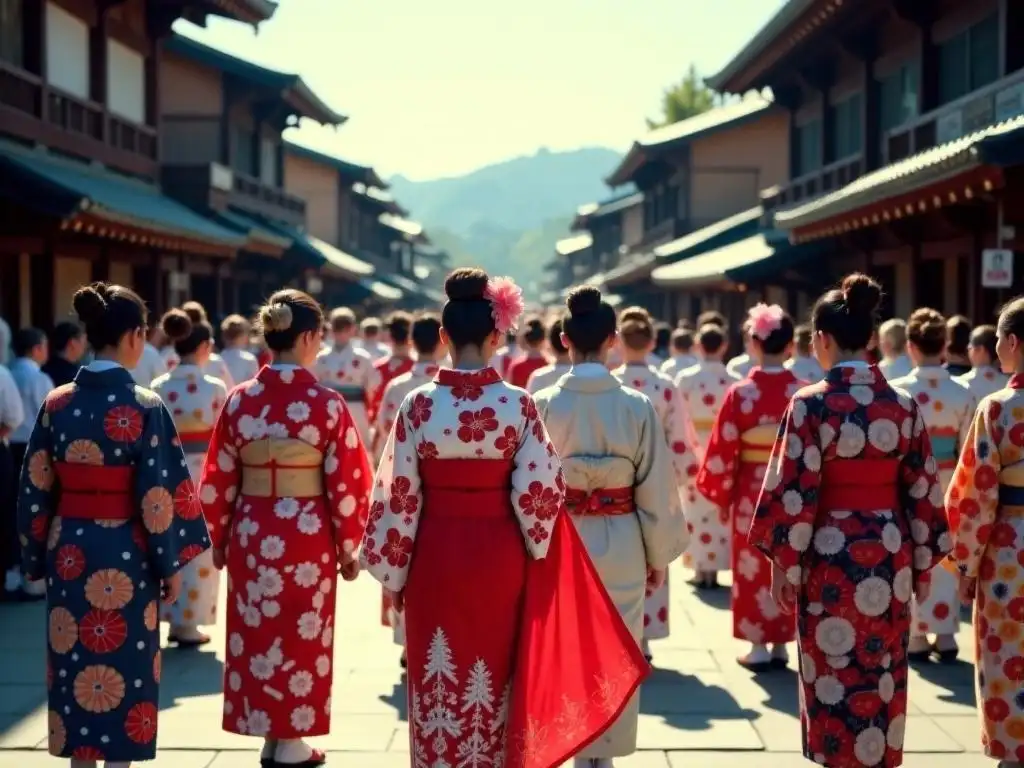
During the sweltering months of summer, festivals in feudal Japan played a pivotal role in shaping clothing trends, particularly through the use of lightweight fabrics. Summer festivals, known as matsuri, were vibrant events that celebrated local deities and agricultural cycles. These festivals prompted a shift in clothing choices, emphasizing comfort and breathability due to the hot and humid climate.
One of the most popular garments worn during these summer festivals was the yukata. This casual summer kimono, traditionally made from cotton, was often adorned with bright patterns and colors reflecting the festive spirit. The lightness of cotton allowed for ease of movement, making it ideal for dancing and participating in various activities during the matsuri.
Key Features of Summer Clothing Trends:
- Materials: Predominantly cotton and linen to enhance airflow.
- Designs: Bold colors and floral patterns symbolizing summer themes.
- Accessories: Lightweight obi belts and simple wooden sandals (geta) complemented the yukata, ensuring comfort.
Summer festivals not only influenced the materials and styles but also the social dynamics of clothing. Local artisans often showcased their craftsmanship by creating unique yukatas, leading to a sense of community pride and competition among tailors. This trend reinforced regional identities as different areas developed distinct patterns and styles, which were often celebrated during their specific festivals.
Winter Celebrations and Layered Clothing Trends
As the seasons changed, so did the clothing trends in feudal Japan, particularly during winter celebrations. The colder months brought about a need for warmth and comfort, leading to the adoption of layered clothing, a trend that was heavily influenced by various winter festivals such as Oni Matsuri and New Year celebrations.
The traditional kimono took on a new role during these festivities. It became common to layer multiple garments, such as the juban (a silk undergarment) and the hifu (a padded winter coat), to retain heat while still adhering to the aesthetic traditions of the time. The art of layering not only provided warmth but also showcased the wealth and status of the wearer, as richer individuals could afford more elaborate and intricately designed layers.
Characteristics of Winter Clothing Trends:
- Materials: Heavier fabrics such as silk, wool, and brocade were favored for warmth.
- Layering Techniques: The use of multiple layers allowed for both insulation and stylish presentation.
- Embellishments: Winter garments were often embroidered with motifs like cranes or pine trees, symbolizing longevity and prosperity, adding a festive touch to the clothing.
These winter celebrations also encouraged innovation in clothing design. Artisans began experimenting with different textiles and layering techniques, leading to the evolution of fashion trends that were both functional and beautiful. The emphasis on warmth did not compromise style; instead, it created a unique blend of practicality and artistry that characterized winter clothing in feudal Japan.
Festivals in feudal Japan were key drivers of clothing trends, influencing not only the materials and styles but also the cultural significance of garments across the seasons. Whether through the lightweight yukata of summer or the layered kimonos of winter, these trends reflect the deep interconnection between daily life, societal practices, and the vibrant tapestry of Japanese culture.
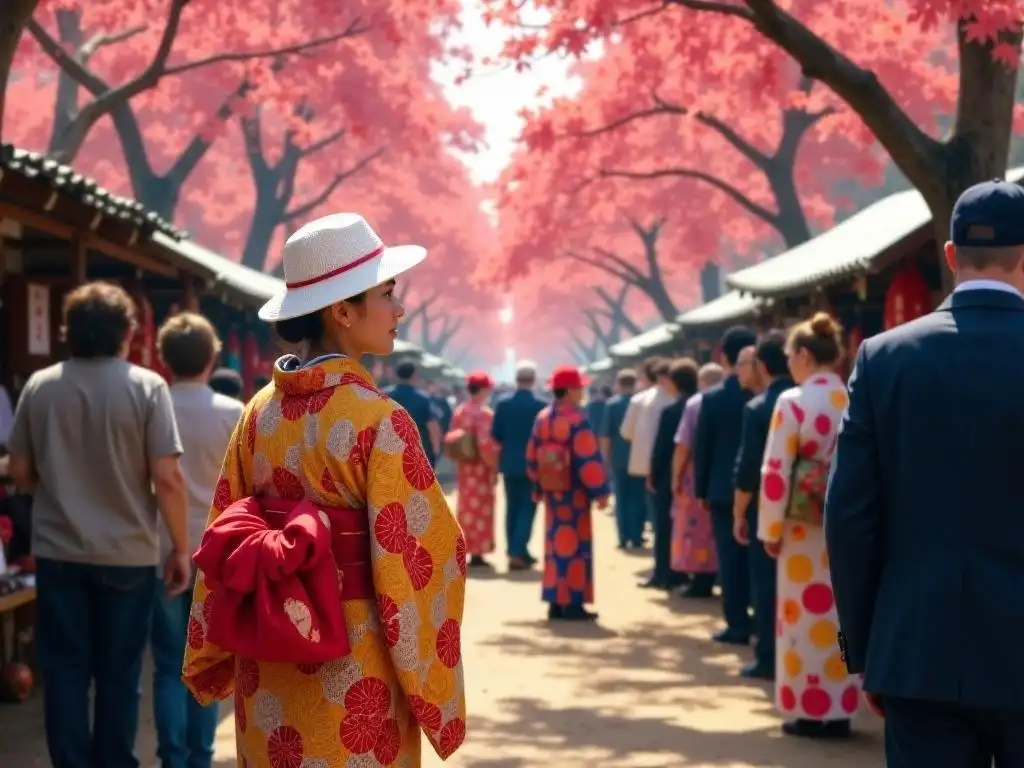
The clothing trends in feudal Japan were significantly influenced by the rigid social hierarchy that characterized this era. Social classes, which included the samurai, farmers, artisans, and merchants, dictated not only the type of clothing an individual could wear but also the materials, colors, and embellishments that were permissible. This stratification played a crucial role in shaping the aesthetic and functional aspects of clothing, with each class developing distinct styles that reflected their status and role in society.
Samurai Fashion Versus Peasant Attire
Samurai fashion was marked by a sense of prestige and authority. The samurai class, as the ruling warrior elite, wore garments made from high-quality fabrics such as silk and brocade. Their attire often featured:
- Kimono: Typically made from fine materials and adorned with intricate patterns, samurai kimonos symbolized their status.
- Hakama: A pleated skirt-like garment worn over the kimono, hakama was a sign of respectability. The colors and styles varied, with darker hues often denoting higher status.
- Obi: A wide belt that secured the kimono, the obi's design could denote the samurai's rank and affiliations.
In stark contrast, peasant attire was primarily functional and utilitarian. Most peasants donned simple, durable clothing made from hemp or cotton, reflecting their need for practicality in agricultural work. Peasant clothing included:
- Jinbaori: A short jacket worn over the kimono for warmth and protection against the elements.
- Waraji: Straw sandals that were easy to make and suited for long hours of labor.
- Fundoshi: Traditional loincloths worn during hot weather, emphasizing practicality over style.
The stark differences in clothing between the samurai and peasant classes illustrated the social stratification of the time. Samurai outfits were not just about aesthetics; they were a declaration of power and authority, while peasant clothing emphasized the harsh realities of rural life.
Clothing Trends Among the Merchant Class
The merchant class, despite being positioned lower in the social hierarchy, played a pivotal role in the evolution of clothing trends during the feudal era. As trade flourished, especially during the Edo period, merchants began to acquire wealth, allowing them to invest in higher-quality garments. Some key trends among merchants included:
- Luxurious Fabrics: Merchants often wore clothing made from silk, which was once exclusive to the samurai class. Their access to vibrant dyes and decorative patterns reflected their newfound wealth.
- Sophisticated Kimonos: Merchant kimonos showcased intricate designs, often featuring motifs of nature, which were popular during the Edo period. This aesthetic not only highlighted their status but also set trends that would influence other classes.
- Accessories: The merchant class embraced unique accessories, such as elaborately designed obi and decorative hairpins, further distinguishing their attire from that of the samurai and peasants.
While the samurai class symbolized power and authority through their elaborate clothing, the peasant class focused on functionality and practicality. The merchant class, navigating between these extremes, contributed to a dynamic evolution of clothing trends, blending opulence with utility. This interplay of class and clothing helped to shape the rich tapestry of fashion in feudal Japan, reflecting the complexities of its society.
How Festivals Reflected Societal Changes in Clothing
Transition from Traditional to More Elaborate Styles
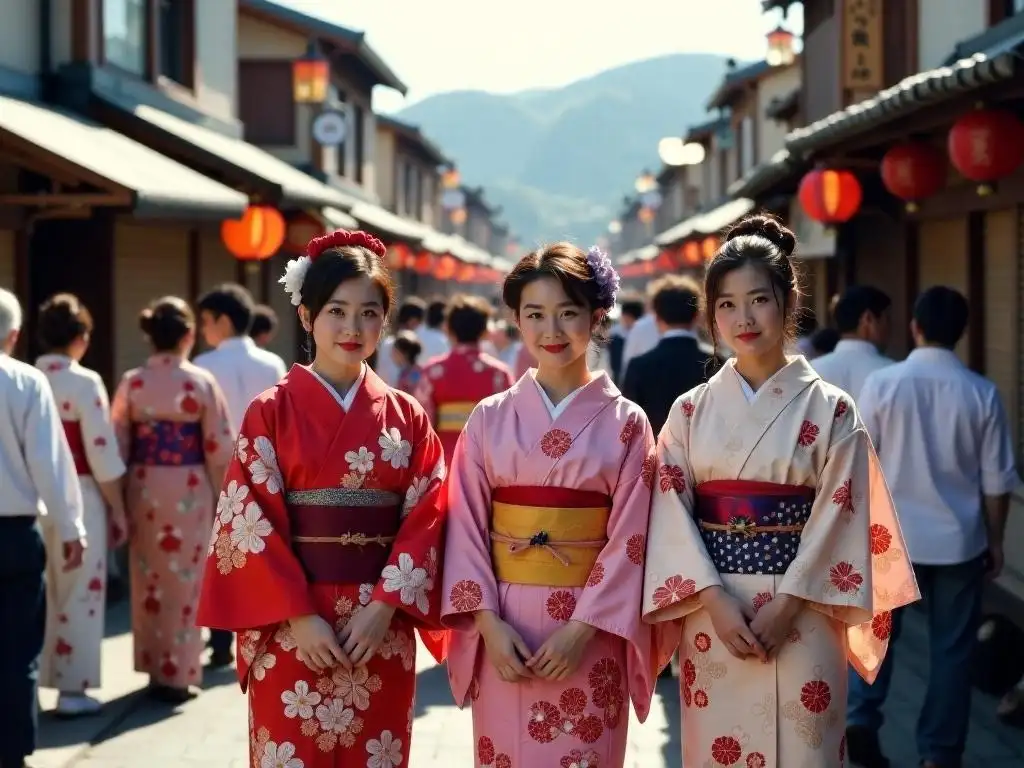
Throughout the feudal era in Japan, festivals served as significant markers of cultural and societal evolution. As these events grew in popularity, they influenced the clothing trends in feudal Japan, leading to a noticeable shift from traditional attire to more elaborate styles. The garments worn during festivals were not merely functional; they became statements of status, artistry, and regional pride.
In the early periods of feudal Japan, clothing was primarily utilitarian, characterized by simple forms and natural dyes. The kimono, a staple of Japanese clothing, was fashioned from unadorned fabrics and often featured subdued colors. However, as festivals began to flourish, particularly during the Edo period (1603-1868), the demand for more visually striking and complex clothing increased.
Key factors contributing to this transition included:
- Regional Festivals: Each region in Japan developed its own unique festivals, leading to the creation of distinctive clothing styles that reflected local traditions and aesthetics.
- Social Stratification: As the samurai class and merchant class gained prominence, their attire became more extravagant, often incorporating intricate embroidery and vibrant colors.
- Cultural Exchange: Increased interaction with other cultures, particularly through trade, introduced new textiles and motifs, which were adapted into traditional designs.
This evolution culminated in the emergence of clothing that was not only functional but also a form of artistic expression. Festivals became showcases for elaborate costumes, with participants donning garments that highlighted their craftsmanship and creativity.
The Shift in Materials and Techniques Over Time
The materials and techniques used in clothing construction experienced significant evolution during the feudal period, particularly influenced by the demands of festivals. As the desire for more elaborate clothing grew, so did the variety of materials and craftsmanship involved in garment production.
Changes in Materials
- Silk Introduction: With the rise of the silk trade, particularly in the 8th century, silk became a popular choice for festival garments. Its luxurious texture and sheen made it ideal for ceremonial occasions.
- Dyeing Techniques: Advancements in dyeing techniques, such as yuzen (a method of silk dyeing), allowed for the creation of vibrant, multi-colored patterns. This technique became especially prominent in the Edo period, leading to stunning visual displays during festivals.
- Textile Innovations: The introduction of new weaving methods, such as nishijin-ori, produced intricate patterns and textures. These textiles became symbols of wealth and status, especially when worn during festivals.
Evolution of Techniques
- Embellishment Techniques: As clothing for festivals became more ornate, techniques like shashiko (a form of decorative reinforcement stitching) and kintsugi (repairing pottery with gold) inspired new ways to adorn garments. These techniques enhanced both the durability and aesthetic appeal of clothing.
- Tailoring Practices: The rise of professional tailors during the Edo period led to improved fitting and the ability to create complex designs. Tailors began to specialize in festival attire, leading to a greater emphasis on craftsmanship and personalization.
As a result of these changes, clothing trends in feudal Japan became increasingly diverse and richly textured, reflecting the dynamic nature of Japanese society during festivals. The garments worn not only showcased individual artistry but also served as a reflection of the broader cultural shifts occurring within the feudal framework.
Conclusion: The Lasting Impact of Festivals on Clothing Trends in Feudal Japan
Summary of Key Points
Throughout the feudal era in Japan, festivals played a pivotal role in shaping clothing trends, reflecting both societal values and artistic expressions of the time. Key points to consider include:
- Diversity in Attire: Festivals showcased a variety of garments, from the vibrant colors of kimono to the intricate designs of ceremonial attire, which influenced everyday fashion.
- Cultural Significance: Each festival had its own unique attire that often symbolized the heritage and beliefs of the local community. This cultural richness added depth to the clothing trends of the period.
- Seasonal Changes: Clothing trends were also dictated by the seasons in which festivals occurred. For instance, lighter fabrics were favored during summer festivals, while layered garments were popular in winter celebrations.
- Influence of Social Classes: The attire worn during festivals often mirrored the hierarchical structure of society, where the nobility displayed their wealth and status through luxurious fabrics and elaborate designs, while commoners adapted these trends to their means.
Reflection on the Cultural Legacy of Feudal Fashion
The clothing trends in feudal Japan, heavily influenced by festivals, have left a profound cultural legacy that extends beyond the historical context. Festivals were not merely occasions for celebration; they were also opportunities to express identity through fashion. This interplay between cultural events and clothing trends has evolved but remains evident in modern Japanese fashion.
Today, we see echoes of these historical trends in contemporary styles, where traditional garments are often worn during festivals and celebrations, reinforcing a connection to Japan's rich heritage. The aesthetic principles established during the feudal era—such as the importance of color symbolism, fabric choice, and the significance of seasonal attire—continue to inform modern fashion designers.
The festivals of feudal Japan were instrumental in shaping clothing trends that encapsulated the spirit of the time. They fostered a unique blend of cultural expression and social identity that resonates to this day, reminding us of the intricate relationship between attire and cultural festivities in Japan's historical narrative.
Frequently Asked Questions
What role did festivals play in clothing trends during feudal Japan?
Festivals were crucial events that influenced clothing trends, showcasing unique styles and fabrics that reflected the cultural significance of various celebrations.
How did the clothing worn during festivals differ from everyday attire?
Festival attire was typically more ornate and colorful, often featuring elaborate designs and textiles, contrasting with the more practical and subdued clothing worn in daily life.
Were there specific types of clothing associated with certain festivals?
Yes, different festivals had distinct clothing styles. For example, the Yukata was commonly worn during summer festivals, while formal garments like the Kimono were reserved for more significant events.
Social class played a significant role, as the nobility often wore luxurious fabrics like silk, while the commoners used more affordable materials, reflecting their status and wealth during festivals.
What were some common materials used in festival clothing?
Common materials included silk, cotton, and ramie. These fabrics were chosen for their beauty and durability, with silk being particularly favored for its elegance during special occasions.
Final Reflection: The Enduring Influence of Festivals on Clothing Trends in Feudal Japan
The intricate relationship between festivals and clothing trends in feudal Japan underscores a profound truth: cultural expressions are not merely artifacts of the past, but living legacies that continue to shape our identities today. As we explore how these vibrant celebrations influenced fashion, we recognize that the garments worn during these events were not just for adornment; they were a reflection of societal values, seasonal changes, and communal bonds. This connection between clothing and culture remains relevant, reminding us that our attire can still tell stories of heritage and identity.
Cultural festivals have always served as a mirror to society, revealing the values and aspirations of the people. The clothing trends that emerged from these celebrations were not only about aesthetics but also about community and belonging. As we navigate our modern world, where fashion often feels transient and disconnected, we can draw inspiration from the past. Fashion is the armor to survive the reality of everyday life.
– Bill Cunningham. This quote encapsulates the essence of how clothing can empower individuals, just as it did in feudal Japan, where each garment was imbued with meaning and purpose.
As we reflect on the lessons from feudal Japan's clothing trends shaped by festivals, I invite you to consider how you can incorporate this understanding into your own life. Think about the stories your clothing tells and the cultural influences that inspire your choices. Let the vibrant history of Japan's festivals inspire you to embrace your heritage, celebrate your identity, and express your individuality through fashion. In doing so, you contribute to a rich tapestry of cultural expression that honors the past while paving the way for future generations.
Unveil the Vibrant World of Feudal Fashion!
Thank you for diving into the fascinating intersection of festivals and clothing trends in Feudal Japan! Your curiosity has unlocked the vibrant tapestry of how celebrations influenced traditional attire. Now, it’s your turn to step into this world and explore further!
Here’s how you can continue your journey:
- Delve Deeper: Research a specific festival and its influence on modern fashion trends. Discover the stories behind the garments!
- Join the Conversation: Share your thoughts on how festivals today shape our style — connect with others who share your passion for history and fashion.
- Create Your Own Festival-Inspired Look: Design an outfit inspired by the clothing trends of Feudal Japan. Use traditional patterns and styles to express your creativity!
What aspect of festival fashion in Feudal Japan surprised you the most, and how can it influence your own style today?