
Fashion Faux Pas in Feudal Japan: What Not to Wear

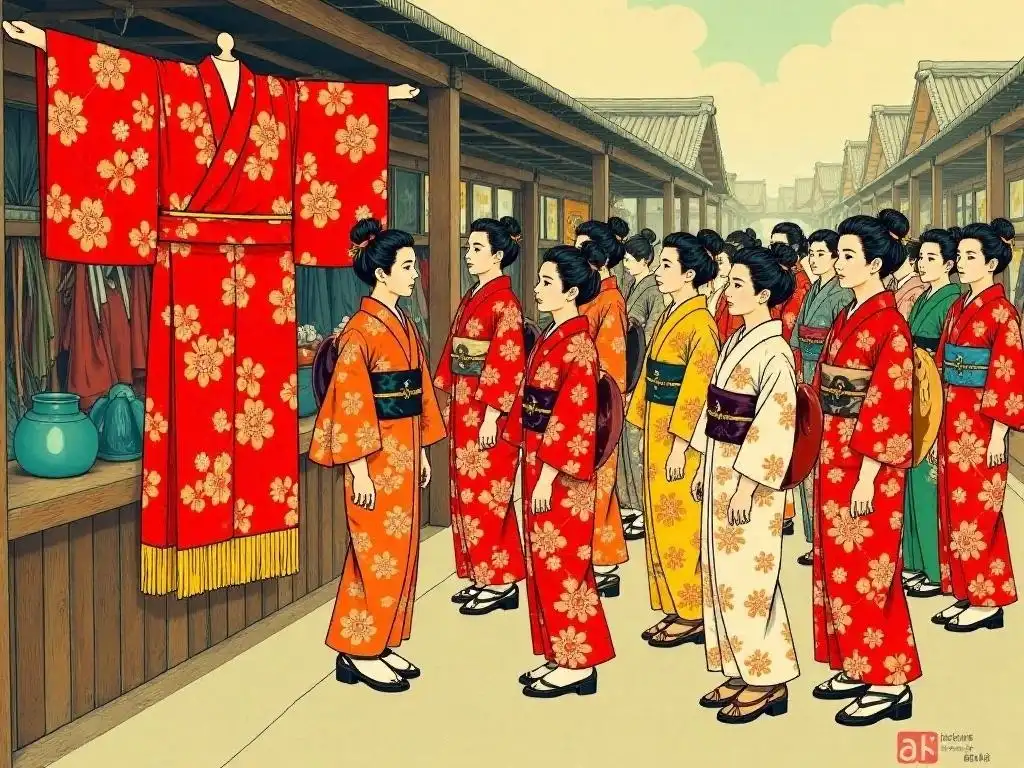
Welcome to Feudal Japan History, where we invite you to embark on an enlightening journey through the intricate tapestry of Japan’s feudal era. Here, every detail tells a story, and today, we shine a spotlight on a fascinating aspect of daily life: Fashion mistakes in feudal Japan. Ever wondered what the samurai or noblewomen might have regretted wearing? Our latest article explores the dos and don'ts of feudal fashion, revealing the societal norms and cultural intricacies that guided these choices. Get ready to dive deeper and uncover the sartorial faux pas that defined an era!
- Introduction to Fashion Faux Pas in Feudal Japan
- Understanding Fashion Mistakes in Feudal Japan
- Key Fashion Faux Pas to Avoid in Feudal Japan
- Social Implications of Fashion Mistakes in Feudal Japan
- Notable Fashion Faux Pas in Historical Context
- Conclusion: Learning from Fashion Faux Pas in Feudal Japan
- Frequently Asked Questions
- Final Reflection: Understanding Fashion Mistakes in Feudal Japan
- Avoid the Faux Pas: Transform Your Wardrobe Today!
Introduction to Fashion Faux Pas in Feudal Japan
In the intricate tapestry of feudal Japan, clothing was not merely a matter of personal taste; it was a vivid reflection of societal status, cultural values, and historical context. The choices individuals made regarding their attire could convey their rank, profession, and even adherence to social norms. However, navigating the complexities of fashion during this era was fraught with potential missteps.
In this article, we will embark on a comprehensive exploration of the fashion mistakes in feudal Japan, shedding light on the various faux pas that could lead to social ostracism or diminished respect. By delving into the historical, cultural, and societal aspects of clothing choices, we aim to provide a nuanced understanding of what not to wear in this fascinating period.
Overview of Fashion in Feudal Japan
Feudal Japan, spanning from the late 12th century to the mid-19th century, witnessed a rich evolution of fashion influenced by various factors, such as class structure, regional differences, and the rise and fall of different ruling dynasties. Clothing styles varied significantly between the aristocracy and the commoners, with elaborate garments often reserved for the elite.
- Samurai Attire: Samurai warriors donned armor and hakama, a type of pleated trouser, symbolizing their status and martial prowess. The colors and fabrics utilized were often dictated by their clan and the era.
- Noble Women's Garb: Noblewomen wore exquisite kimonos with intricate patterns and layers, reflecting both their wealth and the artistry of their time. The number of layers worn could indicate a woman's status and age.
- Commoner Clothing: In contrast, commoners typically wore simpler garments made from coarser materials. Their clothing often featured muted colors and practical designs suited for daily labor.
Throughout this era, fashion was imbued with symbolism and meaning, underscoring the importance of wearing appropriate attire for specific occasions and societal roles.
Significance of Clothing Choices in Society
The implications of clothing choices in feudal Japan extended beyond mere aesthetics; they were deeply intertwined with the social fabric of the time.
- Social Hierarchy: Clothing served as a visual marker of one's position within the rigid class system. Missteps in attire could lead to misinterpretation of status, resulting in social embarrassment or conflict.
- Cultural Identity: Different regions of Japan had distinct styles, colors, and fabrics that reflected local culture and traditions. Wearing clothing that did not align with these regional norms could signify disrespect or ignorance.
- Ritual and Ceremony: Certain garments were reserved for specific rituals, festivals, or ceremonies. Wearing inappropriate attire during such occasions could be seen as a grave insult to cultural practices and beliefs.
Understanding these facets of clothing in feudal Japan is crucial for appreciating the weight of fashion faux pas in this historical context. As we proceed, we will identify specific mistakes and the associated consequences, helping readers navigate the intricate world of feudal Japanese fashion with greater awareness.
Understanding Fashion Mistakes in Feudal Japan
Definition of Fashion Faux Pas
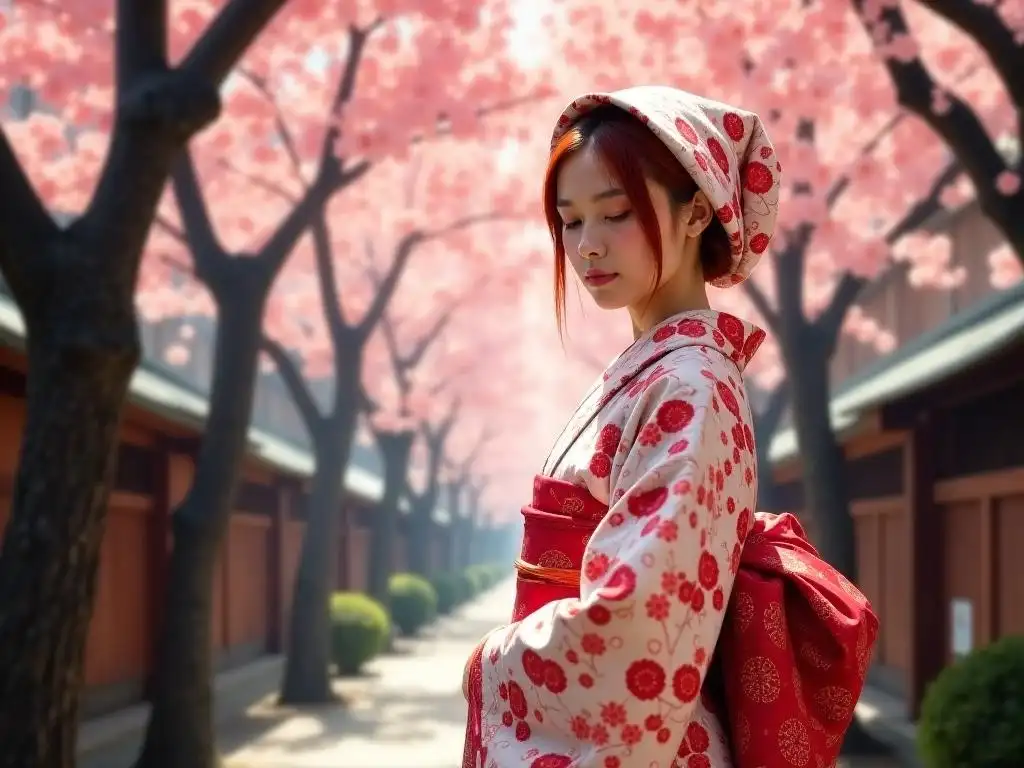
In the context of feudal Japan, a fashion faux pas refers to any clothing choice or accessory that deviates from the established norms and expectations of society. These mistakes could range from inappropriate color combinations to the incorrect wearing of garments that signified one’s social status. The concept of fashion faux pas is deeply intertwined with the rigid class structure of feudal Japan, where attire not only reflected personal taste but also one’s rank and role within society.
The repercussions of such mistakes could be severe. For instance, a samurai donning informal clothing during a formal event might face ridicule or punishment, while a commoner wearing the wrong color could be perceived as attempting to usurp the status of higher classes.
Historical Context of Clothing in Feudal Japan
Feudal Japan, spanning from the 12th to the 19th century, was characterized by a complex hierarchy that influenced every aspect of daily life, including clothing. The samurai class, merchants, farmers, and craftsmen each had their own distinct styles, which were dictated by societal rules and the prevailing cultural norms of the time.
- Samurai Attire: The samurai were known for their elaborate and often ornate garments, including the kimono and hakama. However, specific colors such as red and certain patterns were reserved for high-ranking samurai. A lower-ranking samurai wearing these colors could be seen as presumptuous, leading to accusations of fashion mistakes in feudal Japan.
- Peasant Clothing: Commoners typically wore simpler clothing made from less expensive materials. The use of bright colors was generally frowned upon, and wearing certain fabrics could result in severe penalties. This reflected the belief that clothing should signify one’s place in society, ensuring that the boundaries between classes remained clear.
- Cultural Influences: The influence of Buddhism and Confucianism also played a significant role in the clothing choices of the time. Modesty was highly valued, and flamboyant displays of wealth through clothing were often criticized. Those who failed to adhere to these cultural expectations could be deemed socially inappropriate.
- Seasonal Attire: Different seasons dictated specific clothing styles. For instance, heavier fabrics were appropriate for winter, while lighter materials were preferred in the summer. Failure to dress accordingly could be seen as a lack of awareness or respect for the cultural practices of the time.
Understanding fashion mistakes in feudal Japan requires a deep dive into the historical context of clothing, where every garment was laden with meaning and significance. Adhering to the established norms was essential for maintaining one’s reputation and social standing.
Key Fashion Faux Pas to Avoid in Feudal Japan
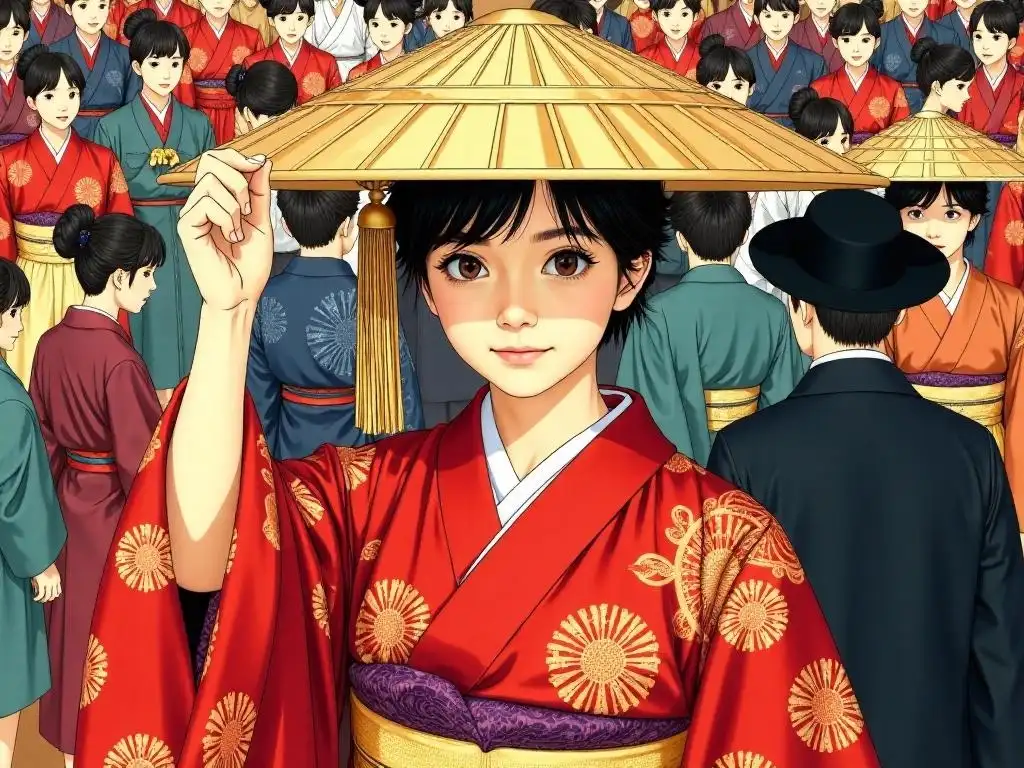
Fashion in feudal Japan was intricately tied to social status, cultural significance, and seasonal appropriateness. Wearing the wrong attire not only reflected poor taste but could also have serious social consequences. This section will highlight key fashion mistakes to avoid, particularly focusing on inappropriate fabric choices and misalignment with seasonal trends.
Inappropriate Fabric Choices
Importance of Fabric in Social Status
In feudal Japan, the type of fabric one wore was a clear indicator of their social standing. The ruling class, including samurai and aristocrats, often donned luxurious textiles such as silk, brocade, and fine cotton. In contrast, the lower classes wore more utilitarian fabrics like hemp or coarse cotton. Thus, fabric choice was not merely a matter of aesthetics; it was a reflection of one's rank and societal position.
For example, a samurai wearing a kimono made of inferior materials would likely be viewed as dishonorable, undermining their status and reputation. This social hierarchy dictated not just the type of fabric but also the intricacies of patterns and colors used, making fabric choices a critical aspect of feudal Japanese fashion.
Common Fabric Mistakes
- Silk for Commoners: It was considered a severe faux pas for commoners to wear silk. This fabric was reserved for the elite, and donning it could lead to severe punishment or social ostracism.
- Improper Use of Patterns: Certain patterns were designated for specific classes. For example, the intricate patterns of the "Kamon" (family crests) were reserved for samurai families. Using these patterns without the appropriate lineage could result in accusations of pretentiousness or even fraud.
- Mismatch of Fabric with Occasion: Wearing heavy fabrics during festivals or lighter fabrics during mourning ceremonies was frowned upon. Understanding the context was essential for proper attire.
Misalignment with Seasonal Trends
Seasonal Colors and Styles
Feudal Japan had a profound respect for nature, and this was reflected in the seasonal colors and styles of clothing. Each season brought a specific palette that symbolized the changing environment. For example:
- Spring: Soft pastels such as cherry blossom pink and light greens were popular.
- Summer: Bright colors and lightweight fabrics like cotton were favored to combat the heat.
- Autumn: Earthy tones, reminiscent of falling leaves, were appropriate.
- Winter: Darker hues and heavier fabrics like wool were suitable for the cold climate.
Wearing colors that were out of season not only indicated a lack of fashion sense but could also draw criticism from peers.
Consequences of Seasonal Faux Pas
- Social Disapproval: Individuals who failed to adhere to seasonal color schemes were often subjected to ridicule or disdain from their peers, leading to a loss of face in social gatherings.
- Cultural Misunderstanding: Wearing inappropriate seasonal attire could signal ignorance of cultural traditions, alienating one from social circles and causing isolation.
- Potential Punishments: In some cases, particularly for those in higher ranks, failing to follow seasonal fashion norms could result in formal reprimands or sanctions, as it was seen as a reflection of one's ability to uphold cultural values.
Avoiding fashion mistakes in feudal Japan required a deep understanding of fabric significance and seasonal appropriateness. By adhering to these unspoken rules, individuals could maintain their social standing and honor the rich cultural traditions of their time.
Incorrect Layering Techniques
Layering in feudal Japan was not merely a matter of style; it was an intricate art that reflected one’s social status, profession, and even the season. Understanding the importance of proper layering is crucial in avoiding fashion mistakes in feudal Japan. Incorrect layering could lead to a disheveled appearance, signaling a lack of understanding of societal norms and etiquette. In this section, we will explore the traditional layering techniques that defined Japanese attire and highlight common layering errors that individuals should avoid.
Traditional Layering in Japanese Attire
Traditional Japanese clothing often consisted of multiple layers, each serving a specific purpose and symbolizing different aspects of the wearer’s identity. The basic garments included:
- Kimono: The primary garment, usually worn with a nagajuban (a long undergarment) to protect the kimono from sweat and dirt.
- Obi: A wide belt that secured the kimono and added an element of decoration.
- Hifu or Haori: Jackets that could be worn over the kimono, often signifying formality or warmth.
The layering technique followed specific rules based on the occasion, season, and the wearer's status. For example, during winter, heavier fabrics were layered, while summer called for lighter, breathable materials. The colors and patterns also played a significant role; layers were chosen to complement each other, creating a harmonious and aesthetically pleasing look.
Examples of Layering Errors
Even with a deep understanding of the importance of layering, mistakes could easily occur. Here are some common layering errors to avoid:
- Mismatched Fabrics: Using incompatible fabrics, such as pairing a formal silk kimono with a casual cotton nagajuban, could disrupt the overall harmony of the outfit. Each fabric has its own texture and drape, and mismatches can create a disjointed appearance.
- Overlapping Layers: Failing to adjust the length of layers could lead to an unkempt look. For instance, a nagajuban that is too long and hangs below the kimono can create a sloppy silhouette, detracting from the elegance of the outfit.
- Excessive Layers: While layering is essential, wearing too many layers can be cumbersome and impractical. This could not only hinder movement but also make the wearer appear bulky, which was particularly frowned upon in the aesthetic-focused culture of feudal Japan.
- Inappropriate Color Combinations: Colors in feudal Japan carried meanings and were often associated with certain seasons or occasions. For example, wearing bright colors in mourning attire was a significant faux pas, as it disrespected the somber nature of the occasion.
- Neglecting Cultural Symbols: Certain patterns and motifs were reserved for specific classes or roles within society. Wearing motifs that denoted a higher status or a different profession could lead to misunderstandings or even social backlash.
By understanding these traditional layering techniques and recognizing common layering errors, individuals can avoid significant fashion mistakes in feudal Japan, ensuring an appearance that is both respectful and culturally appropriate.
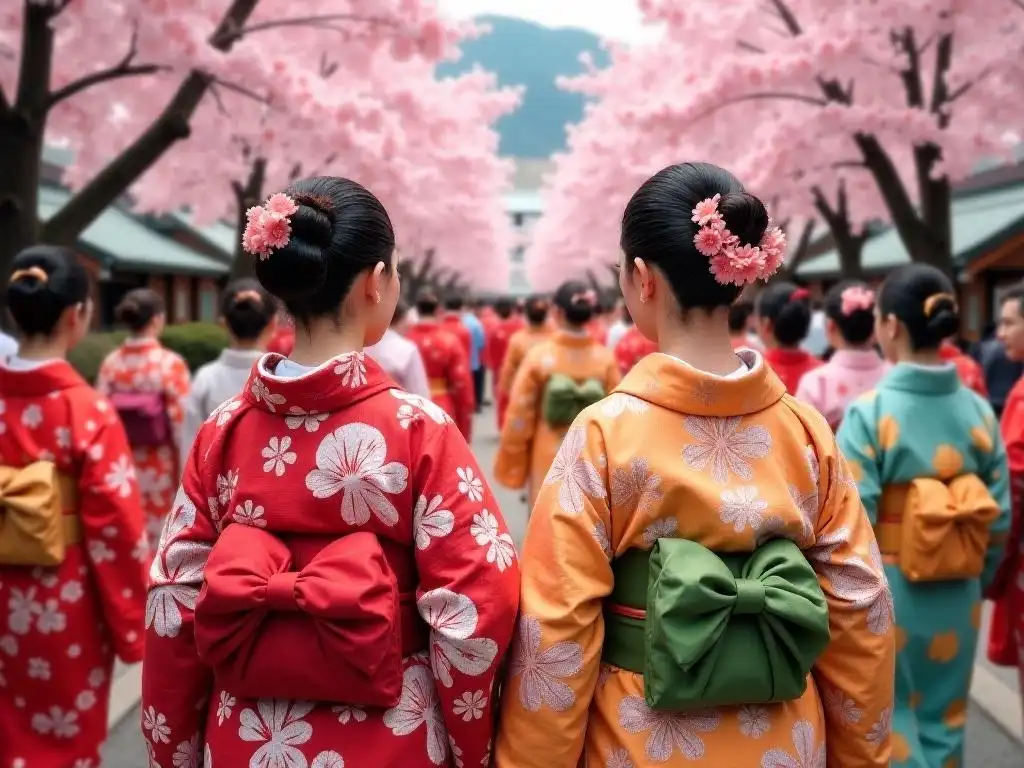
In feudal Japan, clothing was far more than mere fabric draped on the body; it was a powerful indicator of one’s social standing and identity. The strict class system dictated specific styles, colors, and materials for each rank, and deviations from these norms were not taken lightly.
- Color Significance: Each color had its own connotations. For example, the color purple was reserved for the nobility, while bright reds were often seen as ostentatious and inappropriate for lower classes. Wearing a color that did not align with one’s social status could lead to severe judgments.
- Fabric and Material: The use of luxurious materials such as silk was reserved for the upper classes. Commoners caught wearing silk could face reprimands, as it signified a desire to elevate their status illegitimately.
- Style and Cut: Specific styles were also indicative of class. For instance, a samurai wearing a simple, unadorned kimono might be deemed as overly modest, while an elaborate outfit might attract the ire of peers who viewed it as excessive pride.
The repercussions of these fashion mistakes extended beyond mere aesthetics; they could result in a loss of face, diminished respect, and even social ostracism.
Consequences for Samurai and Nobility
For samurai and members of the nobility, the stakes were even higher. Their clothing was not only a reflection of personal taste but also a statement about their allegiance, honor, and position within the rigid hierarchy of feudal Japan.
- Loss of Honor: Samurai were expected to embody the Bushido code, which valued honor and discipline. A fashion faux pas, such as wearing a kimono that was too flamboyant or inappropriate for the occasion, could be interpreted as a lack of self-control, leading to a tarnished reputation.
- Political Ramifications: In a society where loyalty and power were closely tied to visual presentation, a samurai's clothing could impact their political alliances. A poorly chosen outfit might suggest disloyalty or disrespect toward a lord, potentially resulting in loss of favor or even exile.
- Disciplinary Actions: The ruling class had the authority to impose fines or other penalties for fashion mistakes. For example, the Tokugawa shogunate had strict regulations on what each class could wear. Violating these laws could result in public humiliation or worse.
Reactions from Peers and Society
The societal implications of fashion mistakes in feudal Japan were profound, with peers often quick to judge and react.
- Gossip and Rumors: The close-knit nature of samurai clans and noble families meant that fashion missteps could quickly become the topic of gossip. Rumors could spread like wildfire, damaging reputations and relationships.
- Public Scrutiny: Public appearances were scrutinized heavily. A samurai seen wearing inappropriate attire could provoke ridicule, leading to a loss of respect not only from peers but from the common people as well.
- Cultural Expectations: The rigid cultural expectations surrounding fashion meant that deviation was rarely tolerated. Society had established norms that dictated not just what to wear, but how to wear it. Ignoring these expectations could be seen as a lack of understanding of one’s role within the social order.
Fashion mistakes in feudal Japan held significant consequences that went beyond personal style; they were intertwined with social status, honor, and the very fabric of societal interactions. Understanding these implications provides a deeper insight into the intricate dynamics of daily life during this era.
Notable Fashion Faux Pas in Historical Context
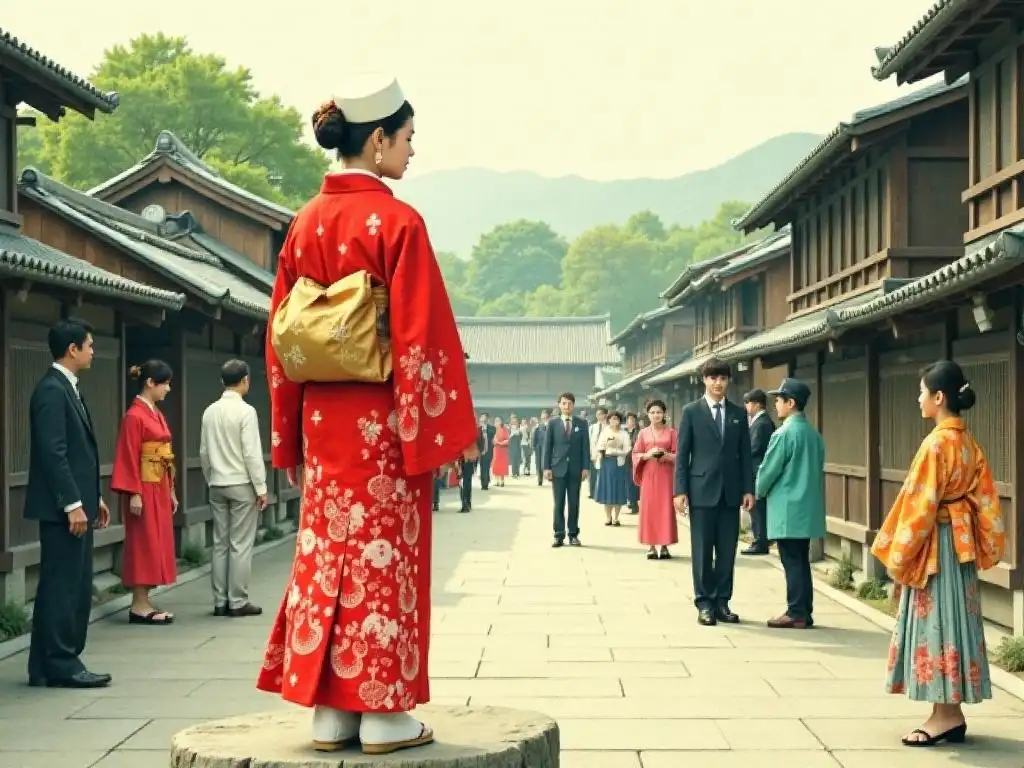
Fashion in feudal Japan, spanning several centuries from the 12th to the 19th, was a reflection of societal norms, class distinctions, and cultural values. Within this complex tapestry, certain styles and choices are remembered not as trends but as significant errors that carried social repercussions. Understanding these notable fashion faux pas provides insight into the rigid hierarchies and expectations of the time.
One of the most glaring fashion mistakes was the inappropriate mixing of fabrics and colors, which could indicate a lack of understanding of social status. For instance, wearing clothing made from silk when one belonged to a lower class could not only be seen as pretentious but could also result in public disgrace. The Tokugawa shogunate, which enforced strict class distinctions, viewed such fashion missteps as an affront to the societal order.
Additionally, the use of certain colors was heavily regulated. The color purple, for example, was reserved for the imperial family and high-ranking nobles. A commoner donning a purple garment would be committing a serious fashion faux pas, risking severe punishment. This strict color coding ensured that clothing was representative of one's social standing and reinforced the hierarchical structure of feudal Japan.
Famous Historical Figures and Their Mistakes
Throughout history, several notable figures in feudal Japan made significant fashion blunders that were documented and discussed among their contemporaries. One prominent example is Oda Nobunaga, a powerful daimyō known for his ambition and military prowess. Despite his successes, Nobunaga was criticized for his choice of flamboyant attire during a time when modesty was valued. His ostentatious garments not only drew attention but also alienated potential allies, showcasing how fashion mistakes could have political ramifications.
Another fascinating case is that of Lady Murasaki Shikibu, the author of "The Tale of Genji." While celebrated for her literary contributions, her personal style was often noted for its excessive layering and elaborate designs. Observers commented on her use of overly ornate kimono, which, while artistically impressive, strayed from the simplicity that many of her contemporaries preferred. This highlighted the tension between artistic expression and societal expectations in fashion.
The samurai class also faced scrutiny for their fashion choices. For instance, a samurai appearing in battle armor adorned with intricate designs and bright colors risked being viewed as lacking in seriousness or honor. The expectation was that armor should be practical and unembellished, emphasizing the samurai's martial prowess over their aesthetic choices.
Lessons Learned from Historical Fashion Errors
The fashion faux pas of feudal Japan provide critical lessons about the interplay between clothing and societal roles. One key takeaway is the importance of understanding context. In a society where clothing signified status, symbols, and morality, missteps could lead to social ostracism or even punishment.
Furthermore, these errors illustrate the dangers of vanity in a culture that valued humility. Individuals frequently learned the hard way that excessive adornment or deviation from established norms could backfire. The stories of historical figures serve as a reminder that fashion is not merely about personal expression; it is also about adhering to the expectations of the society in which one lives.
The fashion mistakes in feudal Japan encapsulate a rich narrative of cultural values and social dynamics. The exploration of these faux pas underscores the significance of clothing as a powerful tool for communication within the complex hierarchy of feudal society. Embracing history, we gain valuable insights that can inform our understanding of contemporary fashion and its implications.
Conclusion: Learning from Fashion Faux Pas in Feudal Japan
Importance of Understanding Historical Fashion
Understanding the fashion mistakes in feudal Japan is crucial for several reasons. First, it serves as a lens through which we can examine the cultural values and social hierarchies of the time. Clothing in feudal Japan was not merely a matter of personal choice; it was deeply intertwined with status, identity, and societal norms. By studying what constituted a fashion faux pas, we gain insights into what was considered acceptable and desirable within various social classes, from the samurai to the peasantry.
Moreover, recognizing these fashion missteps helps us appreciate the craftsmanship and artistry of traditional Japanese clothing. For example, the use of specific colors and patterns was often regulated by sumptuary laws, which dictated what individuals could wear based on their social standing. These regulations reveal how fashion was employed as a tool for social control, and understanding these dynamics can inform our contemporary discussions about fashion, identity, and expression.
Exploring these historical fashion faux pas also provides a cautionary tale regarding the cyclical nature of trends. Just as certain styles fell out of favor in feudal Japan due to social and cultural shifts, modern fashion is also susceptible to the whims of public opinion. This historical perspective encourages us to consider the broader implications of our clothing choices today.
Final Thoughts on Clothing Choices in Feudal Japan
Clothing choices in feudal Japan were not merely a reflection of personal taste; they were significant indicators of one's social status, profession, and even moral character. Fashion mistakes in feudal Japan often had serious consequences, ranging from social ostracism to legal penalties. For instance, a common misstep was the inappropriate combination of colors or patterns that clashed with societal expectations, which could lead to ridicule or a loss of honor.
To illustrate, consider the case of the samurai class, where adherence to strict dress codes was paramount. A samurai donning a garment that did not reflect their rank or status could face severe repercussions. Similarly, the nobility had to navigate complex fashion rules, as any deviation could result in diplomatic faux pas or misunderstandings.
Learning from the fashion faux pas of feudal Japan not only enriches our understanding of this fascinating era but also prompts us to reflect on our own fashion choices in contemporary society. The lessons derived from these historical missteps highlight the importance of cultural sensitivity, awareness of social cues, and the impact of personal expression through clothing. By appreciating and analyzing these aspects, we can cultivate a more nuanced perspective on fashion that transcends mere aesthetics and delves into the heart of cultural identity.
Frequently Asked Questions
What were common fashion mistakes in feudal Japan?
In feudal Japan, common fashion mistakes included wearing inappropriate colors for one's social class and mismatched patterns that clashed with traditional aesthetics.
Social status significantly influenced clothing choices, with the elite wearing elaborate garments made from luxurious fabrics, while lower classes had to adhere to simpler, more practical styles.
Were there specific rules for men's and women's clothing?
Yes, there were specific rules regarding men's and women's clothing, including the number of layers and types of fabrics allowed, which varied based on age, status, and occasion.
How did cultural norms dictate fashion in feudal Japan?
Cultural norms dictated that clothing should reflect one's identity and role in society, emphasizing modesty, harmony, and the use of colors and patterns that conveyed respect and tradition.
Committing a fashion faux pas could impact one's social standing, leading to disapproval from peers and potential loss of status or respect within the community.
Final Reflection: Understanding Fashion Mistakes in Feudal Japan
Fashion mistakes in feudal Japan reveal not only the aesthetic values of the time but also the intricate social hierarchies that dictated personal expression. As we explore the nuanced world of clothing choices in this historical context, we uncover how these seemingly trivial decisions could lead to significant social repercussions. The lessons learned from these fashion faux pas resonate today, reminding us that our attire is often a reflection of our identity, culture, and societal expectations.
Culture is a living tapestry, woven from the threads of history, tradition, and personal expression. The fashion choices made in feudal Japan were steeped in meaning, often serving as a visual language that communicated status, occupation, and even moral standing. The repercussions of a fashion misstep were not merely superficial; they could alter one's standing in society and impact personal relationships. As noted by historian Katsuichi Honda, Clothing was not just a necessity; it was a statement of who you were and where you belonged.
This observation underscores the ongoing influence of fashion in shaping our identities and social interactions, even in contemporary settings.
As we reflect on the lessons from feudal Japan, I invite you to consider your own wardrobe choices and the messages they convey. What do your clothing choices say about you? Embrace the opportunity to express your individuality while being mindful of the cultural narratives that your attire may evoke. Let the stories of the past inspire you to make informed and intentional fashion choices that honor both your identity and the rich tapestry of history that surrounds us.
Avoid the Faux Pas: Transform Your Wardrobe Today!
Thank you for taking the time to explore the fascinating fashion landscape of Feudal Japan with us! You’ve gained valuable insights into the dos and don’ts of historical attire, and now it’s time to apply that knowledge to your own wardrobe choices.
Here are a few actions you can take to begin your fashion transformation:
- Dare to research and incorporate traditional Japanese elements into your modern outfits—consider adding a kimono-inspired jacket or an obi belt!
- Share your newfound knowledge by discussing it with friends or sharing insights on social media, and invite others to reflect on the cultural significance of clothing.
- Experiment with your style by visiting a local thrift store or exploring online marketplaces to discover unique pieces that resonate with the elegance of Feudal Japan.
What fashion lessons from history do you find most inspiring for your wardrobe choices today?