
The Impact of War on Cultural Activities: How Conflict Shaped Leisure

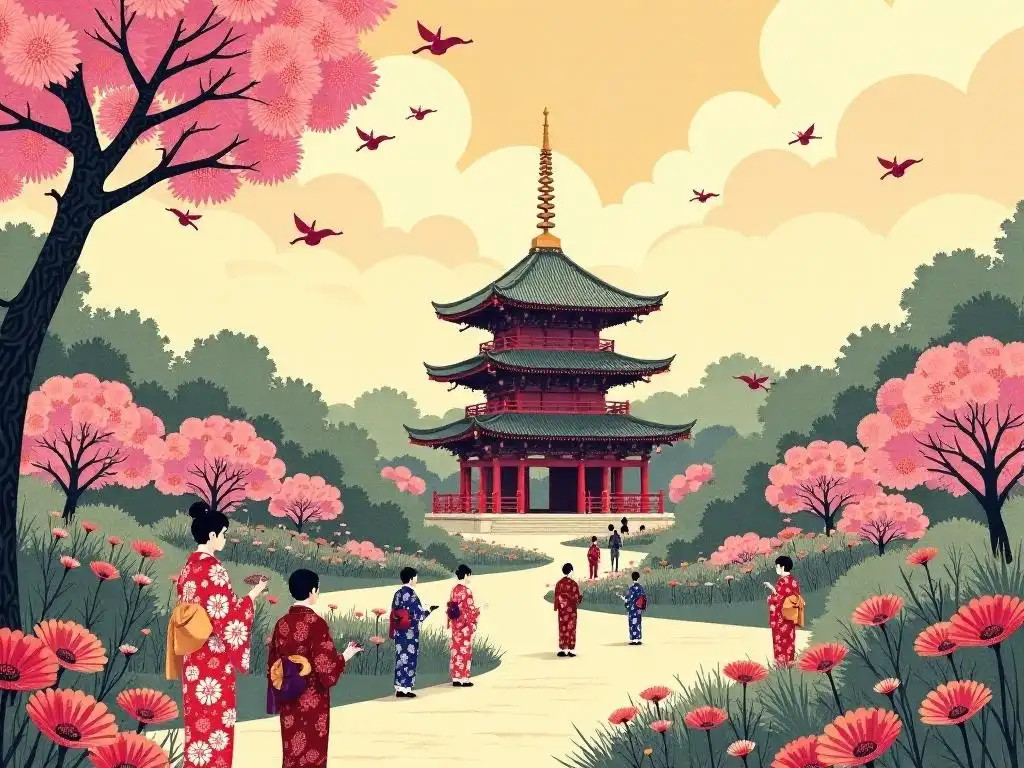
Welcome to Feudal Japan History, where we take you on an intriguing journey through the rich tapestry of Japan’s feudal era. Here, we delve into the profound impact of war on Japanese culture, uncovering how conflicts shaped not only the battlefield but also the leisurely pursuits of everyday life.
Prepare to explore the fascinating intersection of strife and creativity, revealing insights that will challenge your understanding of cultural evolution in this captivating period. Join us as we unravel the stories behind the leisure activities that emerged from the ashes of war, encouraging you to dive deeper into the nuanced history of feudal Japan.
Introduction to War and Culture in Japan
The intricate relationship between warfare and cultural activities in Japan's feudal era is a topic of profound importance. The feudal period, spanning from the late 12th century to the mid-19th century, was marked by continuous conflict, power struggles, and a rigid social hierarchy. These wars not only shaped the political landscape but also significantly influenced the cultural fabric of Japanese society. Understanding the war impact on Japanese culture provides insight into how leisure activities evolved amid the chaos of battle, reflecting a society in flux yet rich in tradition.
During times of war, cultural activities often served dual purposes: they acted as a means of escape from the harsh realities of life and became tools for propaganda and morale-boosting. From the arts to festivals, these cultural expressions were deeply intertwined with the experiences of conflict, revealing much about the societal values and emotional states of the time. This article delves into the ways in which war shaped leisure activities in Japan, exploring the historical context and the lasting impacts on Japanese culture.
Overview of Japan’s Feudal Era
Japan's feudal era was characterized by a decentralized political structure dominated by powerful clans and the emergence of the samurai class. The period began around the late 12th century with the Kamakura Shogunate and continued through several significant shogunates, including the Ashikaga and Tokugawa. This era saw a series of military conflicts, including the Genpei War and the Sengoku period, which created an environment where warfare was a common aspect of daily life.
Cultural activities during this time were heavily influenced by the prevailing social order, which emphasized loyalty, honor, and martial prowess. As a result, many leisure pursuits reflected these values, from the refinement of the arts to the performance of traditional games. The interplay between conflict and culture is evident, as leisure activities often served to reinforce the ideals of the warrior class while also providing a necessary respite from the violence surrounding them.
Significance of Cultural Activities During Conflict
Cultural activities held a crucial role during periods of conflict in Japan, acting as both a form of resistance and a means of coping with the harsh realities of war. Arts such as Noh theater, poetry (like Haiku), and the tea ceremony flourished even amid chaos, often providing solace and a sense of continuity in a rapidly changing world.
Moreover, these activities became essential for community bonding, as people sought to maintain a sense of normalcy. Festivals and traditional performances often served as outlets for collective grief and celebration, allowing individuals to process the impact of war on their lives. In addition, cultural expressions became a way to commemorate fallen heroes and to instill a sense of national pride and identity during turbulent times.
The Historical Context of Warfare in Japan
The historical backdrop of warfare in Japan is rich and complex, encompassing numerous significant conflicts that shaped the nation’s trajectory. Understanding the major wars and their repercussions is vital to grasping the broader impact of war on Japanese culture.
Major Wars and Conflicts in Feudal Japan
Throughout the feudal era, Japan experienced several major wars that had lasting effects on its cultural landscape. Key conflicts include:
- The Genpei War (1180–1185): This civil war between the Taira and Minamoto clans marked the transition from the Heian period to the Kamakura Shogunate, fundamentally altering the power dynamics in Japan.
- The Sengoku Period (1467–1603): Known as the "Age of Warring States," this era saw a multitude of battles among feudal lords (daimyōs) vying for control. It led to significant developments in military strategy and samurai culture.
- The Imjin War (1592–1598): Also known as the Japanese invasions of Korea, this conflict expanded Japan's military reach and had profound implications for cultural exchanges between Japan and Korea.
These conflicts not only altered the political landscape but also influenced various aspects of Japanese culture, from art to religion, as societies adapted to the realities of constant warfare.
The Role of Samurai and Warfare on Society
The samurai, as the warrior class of feudal Japan, played an instrumental role in shaping both warfare and cultural activities. Their code of conduct, known as Bushido, emphasized values such as honor, loyalty, and discipline, which permeated cultural expressions of the time.
The impact of samurai culture on society was profound, as their ideals influenced various aspects of daily life, including:
- Martial Arts: The development of martial arts not only served practical purposes in combat but also evolved into spiritual practices that continue to be significant in Japanese culture today.
- Literature and Art: The experiences of samurai in battle inspired numerous works of literature and art, capturing the essence of their struggles and ideals.
- Cultural Rituals: Many traditional practices, such as the tea ceremony, were shaped by samurai values, emphasizing simplicity, respect, and mindfulness.
The interplay between war and cultural activities in Japan's feudal era provides a fascinating lens through which to understand the complexities of Japanese society. As we continue to explore the impact of conflict on leisure, it becomes clear that these cultural expressions are not merely reflections of the past, but vital components of Japan's enduring cultural heritage.
The War Impact on Japanese Culture
The impact of war on Japanese culture is profound and multifaceted, shaping various aspects of daily life, artistic expression, and societal values. Throughout Japan's feudal era, periods of conflict—such as the Genpei War, the Sengoku period, and the numerous skirmishes during the Edo period—served as catalysts for significant cultural evolution.
War often led to the emergence of new ideas, styles, and practices, as artists, writers, and performers responded to the changing social landscape. This evolution created a dynamic interplay between conflict and culture, where art became both a reflection of societal turmoil and a means of coping with the trauma of war.
Artistic movements were often born out of the necessity to document the realities of battle, while also providing an escape for those affected by conflict. As military leaders sought to legitimize their power and inspire loyalty among their followers, they commissioned artworks that emphasized the valor and heroism associated with warfare. This complex relationship between war and culture not only influenced the immediate expressions of creativity but also left lasting legacies that shaped future generations.
Transformation of Artistic Expression Due to War
War has historically played a crucial role in transforming artistic expression in Japan. During periods of conflict, traditional forms of art such as painting, calligraphy, and sculpture adapted to reflect the themes of struggle and resilience. Notable art movements, such as the ukiyo-e woodblock prints, gained popularity during the Edo period, often depicting scenes of battle, samurai, and the heroic narratives surrounding war.
Artists like Katsushika Hokusai and Utagawa Hiroshige portrayed the beauty of nature intertwined with the harsh realities of war, creating works that resonated with the populace. This transformation was not merely aesthetic; it infused art with deeper meanings, allowing for a reflection on the human condition and the impact of violence on society. Furthermore, the emergence of new materials and techniques, driven by the demands of war, also contributed to shifts in artistic practices, enabling artists to experiment and innovate in ways that would not have been possible in times of peace.
Changes in Literature and Poetry During Conflict
Literature and poetry in Japan have also undergone significant changes due to the effects of war. Historical accounts, such as "The Tale of the Heike," encapsulate the essence of warfare and its emotional toll on individuals and families. This epic narrative not only recounts the events of the Genpei War but also explores themes of loss, honor, and the transient nature of life—a reflection of the samurai ethos.
Poets, too, found inspiration in the chaos of battle, often using war as a backdrop for exploring human emotions and existential themes. The haiku form, which emphasizes brevity and depth, became a popular way to express the fleeting moments of beauty amidst destruction. The works of poets like Matsuo Bashō demonstrated how conflict could influence literary expression, transforming personal and collective experiences into a powerful medium for reflection and resistance.
The Evolution of Performing Arts Amidst Warfare
The performing arts in Japan have also evolved significantly in response to war. Traditional forms such as Noh and Kabuki theatre often incorporated themes of conflict, reflecting societal anxieties and the glorification of heroic figures. The narratives presented in these performances served to both entertain and educate audiences about the consequences of war.
During the Sengoku period, as various factions vied for power, theatrical performances became a means of political commentary. Playwrights and actors used their craft to critique societal norms and the conduct of warlords, often embedding subtle messages within their performances. This integration of political and cultural discourse helped foster a more engaged and aware audience, allowing the arts to serve as a platform for resistance and reflection during tumultuous times.
Leisure Activities Affected by War
Leisure activities in feudal Japan were significantly influenced by the ongoing conflicts of the era. As societal structures shifted and communities faced the realities of war, traditional pastimes were altered, leading to new forms of entertainment and leisure practices that mirrored the changing landscape.
Shifts in Traditional Leisure Pursuits
With the onset of war, traditional leisure pursuits such as hunting, archery, and outdoor festivals experienced transformations. The need for warriors to train and prepare for battle often overshadowed these activities, leading to a decline in their popularity. However, this decline also paved the way for the emergence of new forms of leisure that catered to a war-weary populace seeking solace and distraction.
During peacetime, many leisure activities adapted to include themes of warfare and valor. For example, the practice of tea ceremonies evolved to emphasize the principles of discipline and focus, reflecting the samurai code. Additionally, board games and strategic pastimes gained popularity, as they provided a safe outlet for the competitive spirit that war engendered.
How Conflict Influenced Festivals and Celebrations
Festivals and celebrations in Japan were profoundly affected by the realities of war. While many traditional festivals were rooted in agricultural practices and seasonal changes, conflicts often interrupted their continuity. However, during times of peace, these festivals adapted to memorialize the fallen and celebrate military victories, incorporating rituals that honored the spirits of those who lost their lives in battle.
The Obon festival, for instance, became a significant occasion to pay respects to ancestors and fallen soldiers, blending spiritual observance with communal celebration. This duality allowed communities to find healing and unity in the aftermath of conflict while reinforcing cultural ties and shared history.
The Impact of War on Sports and Martial Arts
The impact of war on sports and martial arts in Japan is notable. Traditional martial arts, such as kendo and judo, were heavily influenced by the samurai's need for combat training. As warfare became more sophisticated, so too did the training methods and philosophies surrounding martial arts. These practices evolved from purely combat-focused disciplines into systems emphasizing mental discipline, respect, and personal development.
Sports, while less formalized during the feudal era, also adapted to reflect the martial traditions of the time. Competitions that revolved around physical prowess and combat skills emerged, serving not only as entertainment but also as a means of honing skills essential for warfare. This interplay between war and sports fostered a culture that valued both physical and mental fortitude, establishing a legacy that continues to resonate in modern Japanese society.
Case Studies: Specific Cultural Changes Resulting from War
Throughout Japanese history, various conflicts have had a profound impact on cultural activities and leisure practices. By examining notable wars, we can see how these conflicts reshaped artistic expressions, leisure activities, and cultural identities. Here, we delve into three key historical events that illustrate the intricate relationship between war and culture: the Genpei War, the Sengoku Period, and World War II.
The Effect of the Genpei War on Cultural Practices
The Genpei War (1180-1185) marked a significant turning point in Japanese history, leading to the rise of the samurai class and the establishment of the Kamakura shogunate. This conflict not only reshaped the political landscape but also influenced cultural practices.
- Literature and Poetry: The war inspired a wealth of literature, most notably the "Heike Monogatari," an epic recounting the struggles between the Taira and Minamoto clans. This narrative not only preserved historical events but also highlighted the values of loyalty and honor, which became central to samurai culture.
- Performing Arts: The introduction of Noh theater during this period reflected the themes of war, loss, and the impermanence of life, as it often depicted tales of fallen warriors and their tragic fates. This art form became a critical vehicle for expressing the emotional and spiritual ramifications of conflict.
- Visual Arts: War also influenced visual arts, as samurai armor and weapons became subjects of admiration and artistry. The craftsmanship of these items reflected both the martial prowess and the aesthetic sensibilities of the time.
The Impact of the Sengoku Period on Arts and Leisure
The Sengoku Period (1467-1603), characterized by constant military conflict and social upheaval, led to remarkable transformations in Japanese arts and leisure activities.
- Tea Ceremony: Amidst the chaos of war, the tea ceremony emerged as a symbol of peace and tranquility. Influential figures such as Sen no Rikyū refined this practice, emphasizing simplicity and mindfulness, which resonated deeply with war-torn society.
- Martial Arts: With the prevalence of warfare, martial arts gained prominence as both a means of survival and a cultural practice. Schools of kenjutsu and other disciplines flourished, blending physical training with philosophical teachings, thereby enriching Japanese cultural heritage.
- Kabuki Theater: The rise of Kabuki during this period provided a form of escapism for the masses. This theatrical genre often depicted tales of heroism and tragedy, allowing audiences to engage with the complexities of human emotion against the backdrop of war.
How World War II Reshaped Japanese Entertainment
World War II brought about one of the most significant upheavals in Japanese culture, fundamentally altering entertainment and leisure activities.
- Censorship and Propaganda: During the war, the government tightly controlled cultural expressions, using cinema and literature for propaganda purposes. This led to the production of films that glorified the military and emphasized national unity, while other forms of artistic expression were suppressed.
- Post-War Cultural Revival: After the war, Japan experienced a cultural rebirth. The influence of Western culture became apparent, leading to the emergence of new entertainment forms such as rock music, cinema, and manga. This blend of traditional and modern influences reshaped the entertainment landscape.
- Cultural Reflection: The trauma of war was reflected in post-war cinema, with films addressing themes of loss, rebuilding, and identity crisis. Notable directors like Akira Kurosawa explored the human condition in the face of despair, influencing generations of filmmakers.
Resilience of Culture in the Face of War
Despite the destruction and disruption caused by conflict, Japanese culture has demonstrated remarkable resilience. The ability to adapt and innovate has allowed cultural practices to endure and evolve, often emerging stronger from the challenges posed by war.
Adaptation and Innovation in Cultural Practices
The adaptability of Japanese culture in response to war is evident in various artistic and leisure practices.
- Fusion of Styles: In the wake of conflict, traditional arts often merged with new influences, leading to innovative forms of expression. For example, the integration of Western art styles into Japanese painting reflected a broader cultural exchange that enriched both traditions.
- Revival of Folk Arts: War often prompted a revival of folk arts as communities sought to reconnect with their cultural roots. Crafts such as pottery, textiles, and traditional music saw renewed interest, as people aimed to preserve their heritage amidst modernizing influences.
Preservation of Traditional Arts Through Conflict
Throughout history, traditional arts have been safeguarded even in the face of adversity.
- Cultural Custodians: Many artisans and cultural practitioners committed themselves to preserving traditional arts during times of war. Their dedication ensured that skills and knowledge were passed down through generations, even when external circumstances threatened their existence.
- Institutional Support: Post-war policies often emphasized the importance of cultural heritage, leading to government initiatives aimed at preserving traditional arts. This support facilitated the continued practice of crafts, theater, and music that are integral to Japan's cultural identity.
The Role of Community in Maintaining Cultural Identity
Community has always played a critical role in sustaining cultural practices, particularly during times of conflict.
- Collaboration and Support: Local communities often banded together to support artists and cultural activities, organizing festivals and events that celebrated their heritage. This communal spirit fostered resilience and a sense of belonging, crucial for maintaining cultural identity.
- Intergenerational Transmission: The sharing of cultural practices within families and communities ensured that traditions were not lost. Elders passed down knowledge of crafts, stories, and customs, reinforcing cultural continuity even amidst the disruptions of war.
The impact of war on Japanese culture is profound and multifaceted, revealing a complex interplay between conflict and cultural evolution. Through case studies and an examination of resilience, we see that despite the challenges presented by war, Japanese culture not only survives but often thrives, adapting to new realities while preserving its rich heritage.
Conclusion: The Lasting Legacy of War on Japanese Culture
The influence of war on Japanese culture is profound and multifaceted. Throughout history, conflicts such as the Genpei War, the Sengoku period, and World War II have not only shaped the sociopolitical landscape but also left indelible marks on cultural activities. These wars prompted shifts in artistic expressions, literature, and traditional practices, leading to a unique blend of resilience and creativity within Japanese society.
The martial spirit, coupled with the concepts of honor and duty, found its way into various cultural forms, ranging from theater to visual arts. As a result, the legacy of war is not merely one of destruction but also one of innovation and transformation, giving rise to new cultural paradigms that continue to influence contemporary Japan.
Reflection on the Interplay Between Conflict and Cultural Activities
The interplay between conflict and cultural activities in Japan serves as a testament to the resilience of the human spirit. War often catalyzed shifts in artistic expression, leading to the emergence of genres that reflected the struggles and aspirations of the time. For instance, the Noh and Kabuki theater forms evolved during periods of turmoil, incorporating themes of warfare, heroism, and tragedy.
This evolution illustrates how cultural activities can serve as a mirror to society's experiences, documenting the emotional and psychological impacts of conflict. Furthermore, the blending of traditional practices with war narratives has led to a rich tapestry of cultural heritage that highlights both the triumphs and tragedies of the Japanese people.
The Importance of Understanding the War Impact on Japanese Culture
Understanding the impact of war on Japanese culture is crucial for several reasons. Firstly, it provides insight into how societies cope with trauma and adversity through creative expression. By examining the cultural artifacts that emerged during and after conflicts, we can better appreciate the ways in which art and literature serve as coping mechanisms and vehicles for social commentary.
Secondly, recognizing the historical context of cultural developments allows for a deeper appreciation of contemporary Japanese culture, which is often steeped in tradition yet continually evolving. Lastly, this understanding fosters a broader dialogue about the universal themes of conflict and resilience, making it relevant not only to Japanese history but also to global narratives of cultural endurance.
Further Reading and Resources
For those interested in delving deeper into the intricate relationship between war and Japanese culture, a variety of resources exist. These materials cover a range of topics, from specific historical events to broader cultural trends, providing valuable insights into how conflict has shaped Japanese society.
Recommended Books and Articles on Japanese Cultural History
- "The Tale of the Heike": This classic work is a narrative of the Genpei War, offering insights into the cultural and moral values of the time.
- "War and Culture in the Japanese Empire" by E. Patricia Tsurumi: This book explores the cultural implications of Japan's militaristic expansion.
- "Japan's Cultural Heritage: The Impact of War and Peace" by Richard Lane: A comprehensive examination of how war has influenced various aspects of Japanese culture.
- Articles from the Journal of Japanese Studies: These scholarly articles often delve into specific themes related to the cultural impacts of historical conflicts.
Notable Museums and Exhibitions Highlighting War and Culture in Japan
- The Tokyo National Museum: Features exhibitions that explore the historical context of Japanese art, including pieces influenced by wartime experiences.
- The Hiroshima Peace Memorial Museum: Offers insights into the cultural responses to the atomic bombing and its lasting impact on Japanese society.
- The National Museum of Modern Art, Tokyo: Hosts exhibitions that often reflect on the intersection of art and conflict, showcasing works from various periods.
- The Samurai and Ninja Museum with Experience: This unique museum provides interactive experiences that highlight the warrior culture and its artistic expressions during times of conflict.
- Introduction to War and Culture in Japan
- The Historical Context of Warfare in Japan
- The War Impact on Japanese Culture
- Leisure Activities Affected by War
- Case Studies: Specific Cultural Changes Resulting from War
- Resilience of Culture in the Face of War
- Conclusion: The Lasting Legacy of War on Japanese Culture
- Further Reading and Resources
- What was the primary influence of war on Japanese culture during the feudal era?
- How did samurai culture evolve due to warfare?
- In what ways did conflict affect leisure activities in feudal Japan?
- Can you provide examples of cultural expressions influenced by war?
- How did the aftermath of wars reshape societal norms in Japan?
Frequently Asked Questions
What was the primary influence of war on Japanese culture during the feudal era?
The impact of war during the feudal era significantly shaped cultural activities, as conflict often led to changes in art, literature, and performance arts reflecting societal conditions.
How did samurai culture evolve due to warfare?
The samurai class emerged as a dominant force, with their warrior ethics influencing arts such as calligraphy and poetry, which embodied their values of honor and loyalty.
In what ways did conflict affect leisure activities in feudal Japan?
War prompted changes in leisure activities, as festivals and games were often used to boost morale and foster community, reflecting the resilience of society amidst turmoil.
Can you provide examples of cultural expressions influenced by war?
Many theatrical performances like Noh and Kabuki drew inspiration from historical battles, portraying themes of heroism and tragedy, which were deeply tied to the war impact on Japanese culture.
How did the aftermath of wars reshape societal norms in Japan?
Post-war periods often led to reforms in social structures, with an emphasis on unity and peace, which in turn influenced cultural expressions aimed at healing and restoration.
Final Reflection: The Enduring Legacy of War on Japanese Culture
The impact of war on cultural activities is not just a historical footnote; it is a living testament to resilience and transformation. As we explore how conflict has shaped leisure in Japan, we uncover the profound ways in which war has influenced artistic expression, social practices, and community bonds. The echoes of these experiences resonate today, reminding us that even in the face of adversity, culture can thrive and evolve.
Culture is a reflection of society, and the scars of war have indelibly marked the Japanese cultural landscape. From the haunting melodies of traditional music to the poignant narratives in literature and film, the influence of conflict is palpable. As we witness contemporary artists drawing inspiration from their tumultuous past, we are reminded that "art is the most beautiful of all lies," as Pablo Picasso once said. Every act of creation is first an act of destruction.
This notion underscores the idea that through the ashes of war, new forms of expression emerge, allowing society to heal and redefine itself.
As we conclude this exploration of the war's impact on Japanese culture, I invite you to reflect on your own experiences with conflict and creativity. Consider how adversity has shaped your life and the lives of those around you. Embrace the lessons learned from the past and recognize the power of culture as a tool for resilience and unity. Let us carry forward the understanding that, while war may disrupt our lives, it also provides an opportunity for renewal and growth, urging us to create a future where art and culture flourish in harmony.
Unveil the Resilience of Culture Amidst Conflict
Thank you for taking the time to explore the intricate relationship between war and cultural activities. By examining how conflict has shaped leisure in the context of Feudal Japan, you have gained valuable insights into the resilience of human expression during challenging times. Now it's time to turn that knowledge into action!
- Dive deeper: Discover more about specific cultural practices that flourished during wars by checking out our related articles on feudal arts and entertainment.
- Share your thoughts: Join our community forum and reflect on how conflict influences culture – your perspective can spark meaningful discussions!
- Spread the knowledge: Share these fascinating insights with your friends on social media and encourage them to explore how history informs our understanding of creativity today.
What aspect of culture do you believe has been most profoundly influenced by conflict in your own community or throughout history?