
Tea Ceremony: The Cultural Significance of Matcha in Feudal Society

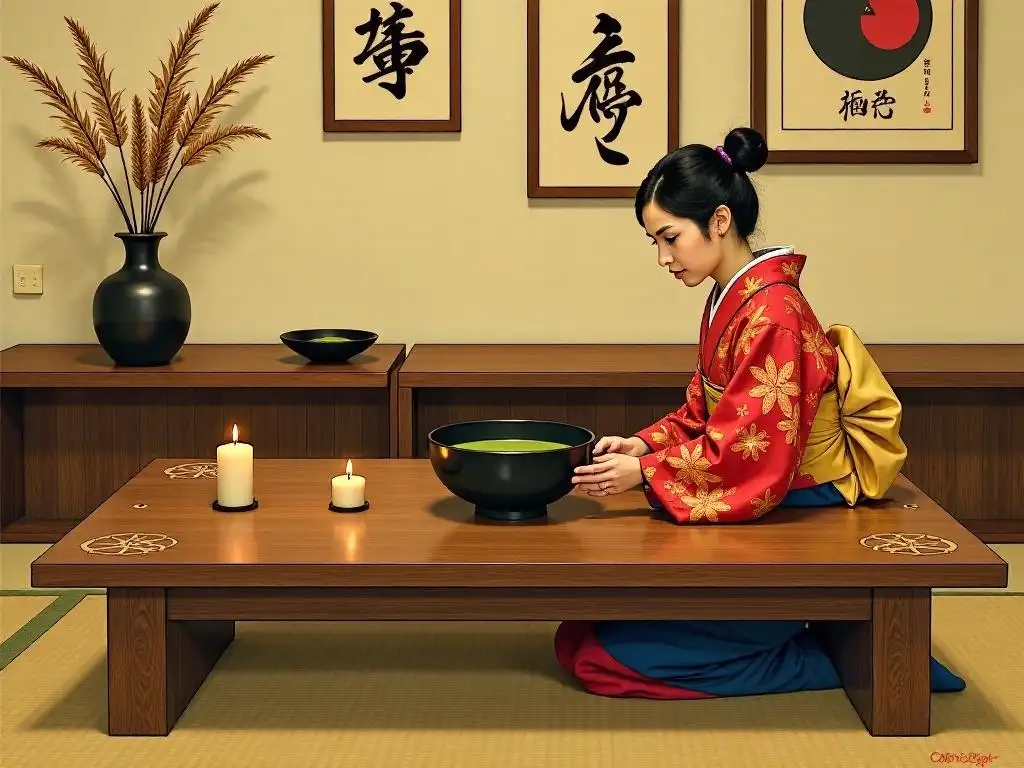
Welcome to Feudal Japan History, where we embark on a captivating journey through the rich tapestry of Japan’s feudal era. Here, we delve into the intricate layers of historical, cultural, and societal aspects that defined this remarkable period. In our featured article, “Tea Ceremony: The Cultural Significance of Matcha in Feudal Society,” we invite you to explore the fascinating history of the matcha tea ceremony—an art form that transcends mere beverage preparation and reflects profound societal values.
Join us as we uncover the delicate balance of tradition, ritual, and community that made matcha an emblem of feudal life, and discover how it continues to resonate in today's culture. Dive in, and let the story unfold!
- Introduction to Matcha Tea Ceremony History
- Historical Context of the Matcha Tea Ceremony
- Cultural Significance of Matcha During Feudal Japan
- Key Elements of the Matcha Tea Ceremony
- Social Aspects of Matcha Tea Ceremony
- Evolution of Matcha Tea Ceremony Practices
- Conclusion: The Enduring Legacy of Matcha in Japanese Society
- Frequently Asked Questions
- Final Reflection: The Enduring Legacy of Matcha in Cultural Heritage
- Embrace the Essence of Matcha: Your Journey Begins!
Introduction to Matcha Tea Ceremony History
In the rich tapestry of Feudal Japan, the tea ceremony, or chanoyu, emerges as a profound cultural practice that goes beyond mere beverage consumption. This ritual, deeply intertwined with the philosophies of Zen Buddhism, emphasizes harmony, respect, purity, and tranquility. Central to this ceremony is matcha, a finely powdered green tea that not only serves as the beverage of choice but also embodies the spiritual and aesthetic values of the era.
As we delve into the history of the matcha tea ceremony, we will explore its origins, evolution, and the societal implications it held during Japan's feudal period. Understanding this practice sheds light on the intricate relationship between daily life, social hierarchies, and cultural expression in a time marked by both conflict and artistry.
Overview of the Tea Ceremony in Feudal Japan
The tea ceremony in Feudal Japan developed during the 12th to 16th centuries, evolving from simple tea drinking to a formalized ritual. Initially introduced by Buddhist monks who brought powdered tea from China, it gradually became a favored pastime among the elite. The aesthetics of the tea ceremony were influenced by the principles of Zen Buddhism, emphasizing simplicity, mindfulness, and the appreciation of nature.
- Key Elements of the Tea Ceremony:
- Utensils: The ceremony involves specific tools, including the tea bowl ( chawan), tea whisk ( chasen), and tea scoop ( chashaku).
- Rituals: Each step in the ceremony is performed with careful precision, from the preparation of matcha to the serving and consumption.
- Setting: Often held in a dedicated tea room or garden, the environment is designed to foster tranquility and reflection.
The tea ceremony served not only as a social event but also as a means of expressing one's status and aesthetic sensibilities. It became a venue for samurai and nobles to showcase their refined tastes and social connections.
Importance of Matcha in Japanese Culture
Matcha holds a special place in Japanese culture, particularly within the context of the tea ceremony. Its significance can be viewed through various lenses, including historical, spiritual, and artistic perspectives.
- Historical Significance:
- Matcha was initially reserved for the elite and was considered a luxury item. Over time, it became a symbol of sophistication and cultural identity.
- Spiritual Connection:
- The preparation and consumption of matcha are seen as meditative practices that promote mindfulness and inner peace, aligning with Zen Buddhist principles.
- Culinary Influence:
- Beyond the tea ceremony, matcha has influenced various aspects of Japanese cuisine, appearing in sweets, desserts, and even savory dishes, showcasing its versatility and integral role in culinary traditions.
The matcha tea ceremony represents more than just a ritualistic drink; it embodies the essence of Japanese cultural philosophy, reflecting the values of harmony, respect, and tranquility that permeated Feudal society. Understanding its historical significance provides valuable insights into the daily life and societal structures of the time.
Historical Context of the Matcha Tea Ceremony
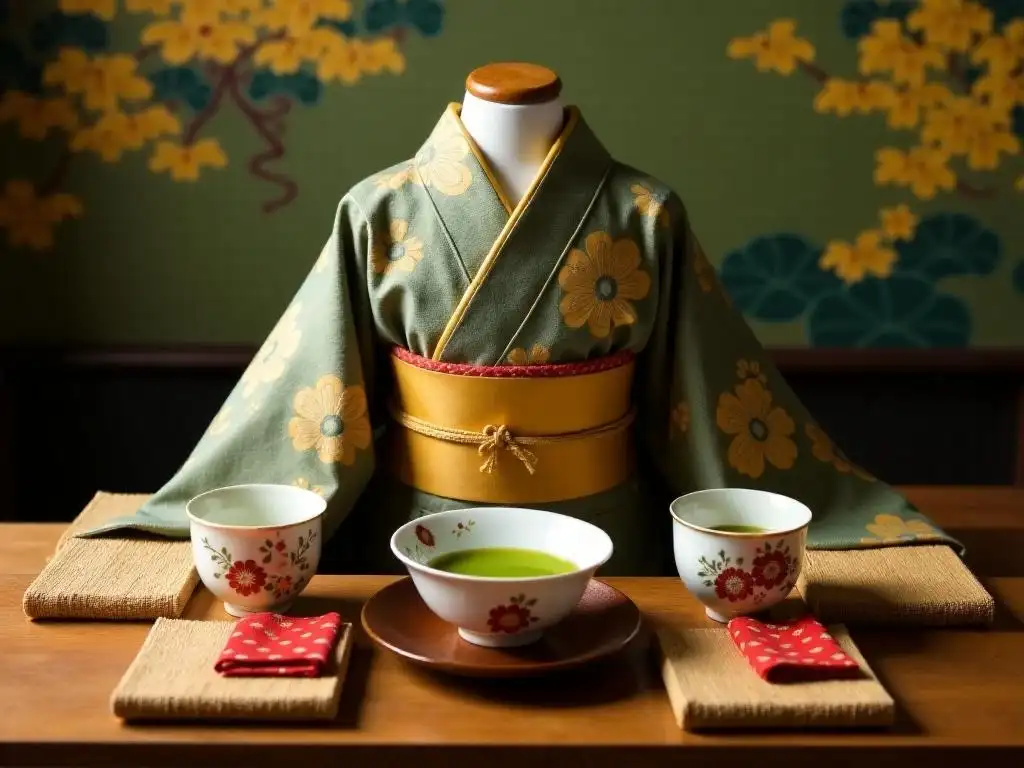
The Matcha tea ceremony holds a significant place in Japan’s cultural heritage, particularly during the feudal era. To understand its importance, one must delve into the historical context that shaped this unique practice. The tea ceremony is not merely about drinking tea; it encapsulates a blend of aesthetics, philosophy, and social interaction that evolved over centuries in Japan.
Origins of Matcha Tea in Japan
Matcha, a finely ground powder made from specially grown green tea leaves, traces its origins back to the Tang Dynasty in China (618-907 AD). However, it was during the late 12th century that matcha was introduced to Japan by Zen Buddhist monks, notably Eisai, who sought to enhance their meditation practices. The monks discovered that matcha not only provided a calming effect but also heightened alertness, thus enhancing their spiritual endeavors.
- Key Introduction Points:
- Eisai's Influence: Eisai is credited with bringing tea seeds to Japan, promoting matcha as a health tonic.
- Buddhist Practices: The use of matcha became intertwined with Zen Buddhism, where it was consumed during meditation to foster concentration.
By the 14th century, matcha began to gain popularity among the samurai class, who appreciated its stimulating properties during long hours of battle preparation and strategy discussions. This period marked the beginning of the cultural significance of matcha as not only a beverage but also a symbol of status and refinement.
Development of Tea Ceremony Practices in Feudal Society
As Japan transitioned into the Muromachi period (1336-1573), the practice of the tea ceremony evolved into a more structured and ritualistic form. This transformation was heavily influenced by the aesthetic principles of wabi-sabi, which emphasizes simplicity, naturalness, and the beauty of imperfection.
- Influential Figures:
- Sen no Rikyū: A pivotal figure in tea ceremony history, Rikyū refined the practices of the tea ceremony, emphasizing the importance of harmony, respect, purity, and tranquility (known as the Four Principles of Tea).
- Cultural Integration:
- The tea ceremony began to integrate various elements of Japanese culture, including:
- Art: The aesthetics of the tea room (chashitsu) and utensils became a focus of artistry.
- Calligraphy: Poems and calligraphy often adorned the tea room, reflecting the sentiments of the gathering.
- Flower Arrangement: Ikebana, the art of flower arrangement, was incorporated, enhancing the overall atmosphere of the ceremony.
- The tea ceremony began to integrate various elements of Japanese culture, including:
The matcha tea ceremony became a social event among the elite, where the samurai and nobility participated in elaborate rituals. The preparation of matcha was a meticulous process, showcasing the host's skills and attention to detail. This meticulousness extended to the selection of tea utensils, often crafted from fine materials like ceramics and bamboo.
- Ceremonial Elements:
- Utensils: The tea bowl (chawan), tea whisk (chasen), and tea scoop (chashaku) became essential items in the ceremony.
- Seasonal Variations: The ceremony often included seasonal themes, reflecting nature's beauty and the passing of time.
In essence, the matcha tea ceremony not only served as a means of social interaction but also became a profound expression of Japanese identity, encapsulating the values and philosophies of feudal society. The evolution of this practice highlights the intricate relationship between tea, culture, and the social fabric of Japan during this period.
Cultural Significance of Matcha During Feudal Japan
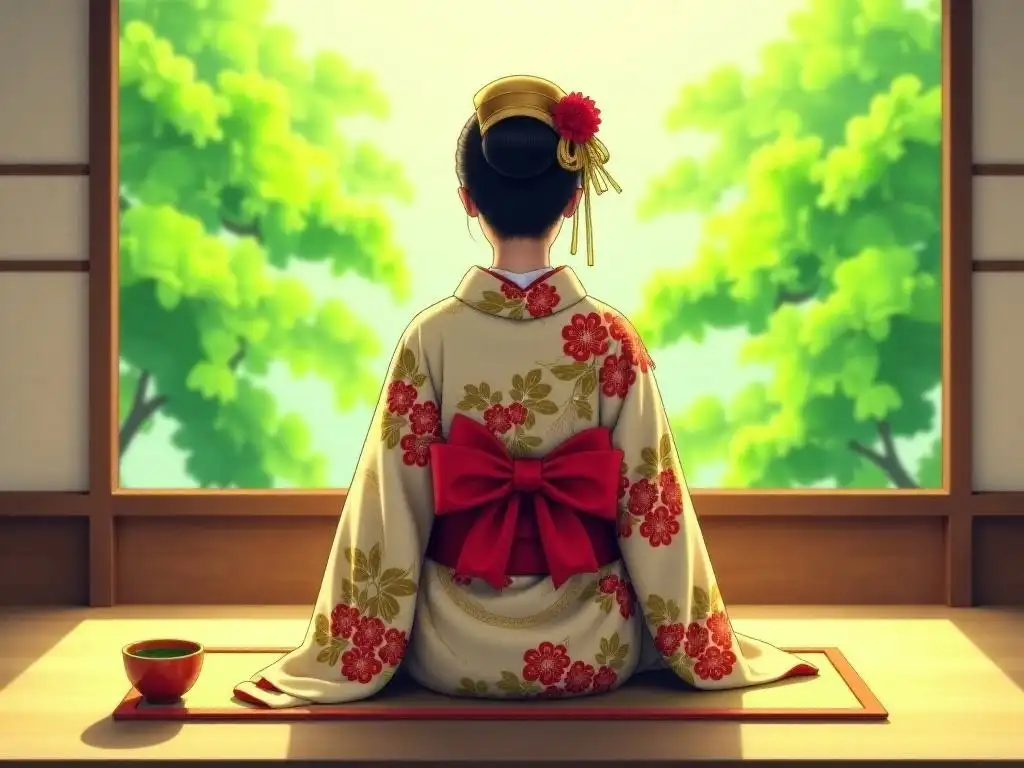
The cultural significance of matcha during feudal Japan extends far beyond its role as a beverage; it embodies the values, aesthetics, and social structures of the time. The preparation and consumption of matcha were deeply intertwined with various aspects of daily life, reflecting the intricate relationship between nature, art, and social hierarchy. From samurai rituals to the spiritual underpinnings of Zen Buddhism, matcha represented a synthesis of cultural practices that defined the feudal era.
Role of Matcha in Samurai Culture
The samurai, as the warrior class of feudal Japan, embraced matcha not just for its invigorating properties but also as part of their ceremonial practices. The tea ceremony became a ritual that symbolized discipline and focus, essential traits for the samurai.
- Martial Preparedness: Drinking matcha before battle provided samurai with a moment of calm and clarity, helping them to center their thoughts. The act of preparing tea was akin to preparing for combat; both required precision, control, and mindfulness.
- Rituals of the Tea Ceremony: Samurai participated in formal tea ceremonies (chanoyu), which were often conducted in serene settings to promote tranquility. These gatherings were not merely social; they were opportunities for samurai to demonstrate their refinement, knowledge, and respect for tradition.
- Symbol of Status: The way samurai engaged in the tea ceremony illustrated their rank and standing within the social hierarchy. A well-executed ceremony could convey a great deal about a samurai's character and values.
Spiritual and Philosophical Aspects of the Tea Ceremony
The tea ceremony, particularly with matcha, is steeped in spiritual and philosophical significance rooted in Zen Buddhism. This connection to spirituality transformed the simple act of drinking tea into a profound experience.
- Zen Philosophy: The principles of Zen—simplicity, mindfulness, and harmony—are integral to the tea ceremony. Every movement, from the whisking of matcha to the serving of tea, is performed with intention, allowing participants to immerse themselves fully in the moment.
- Connection to Nature: Matcha embodies a deep connection to nature, as it is made from shade-grown leaves that are carefully harvested. The tea ceremony celebrates this relationship, fostering an appreciation for the natural world and its cyclical beauty.
- Meditative Practice: The act of preparing and enjoying matcha serves as a form of meditation. Practitioners often find serenity in the repetitive motions involved in the ceremony, aligning with the Zen pursuit of mindfulness.
Matcha as a Symbol of Hospitality and Respect
In feudal Japan, matcha held a prominent place in social interactions, particularly in the context of hospitality. The way matcha was offered and consumed reflected the values of respect and gratitude that permeated Japanese culture.
- Welcoming Guests: Offering matcha to guests was a demonstration of hospitality and respect. The quality of the matcha and the manner in which it was prepared signified the host's regard for their visitors.
- Ceremonial Context: Matcha was often served during important ceremonies, signifying the host's commitment to creating a meaningful experience for their guests. This practice reinforced social bonds and fostered a sense of community.
- Cultural Exchange: The tea ceremony served as a platform for cultural exchange, where ideas and philosophies were shared among different classes, including samurai, merchants, and artisans. Matcha thus became a medium for fostering relationships and understanding among diverse groups.
The historical significance of matcha within feudal Japan is multifaceted, encompassing its roles in samurai culture, spiritual practices, and social interactions. Understanding these elements provides a deeper appreciation of the matcha tea ceremony's enduring legacy in Japanese culture.
Key Elements of the Matcha Tea Ceremony
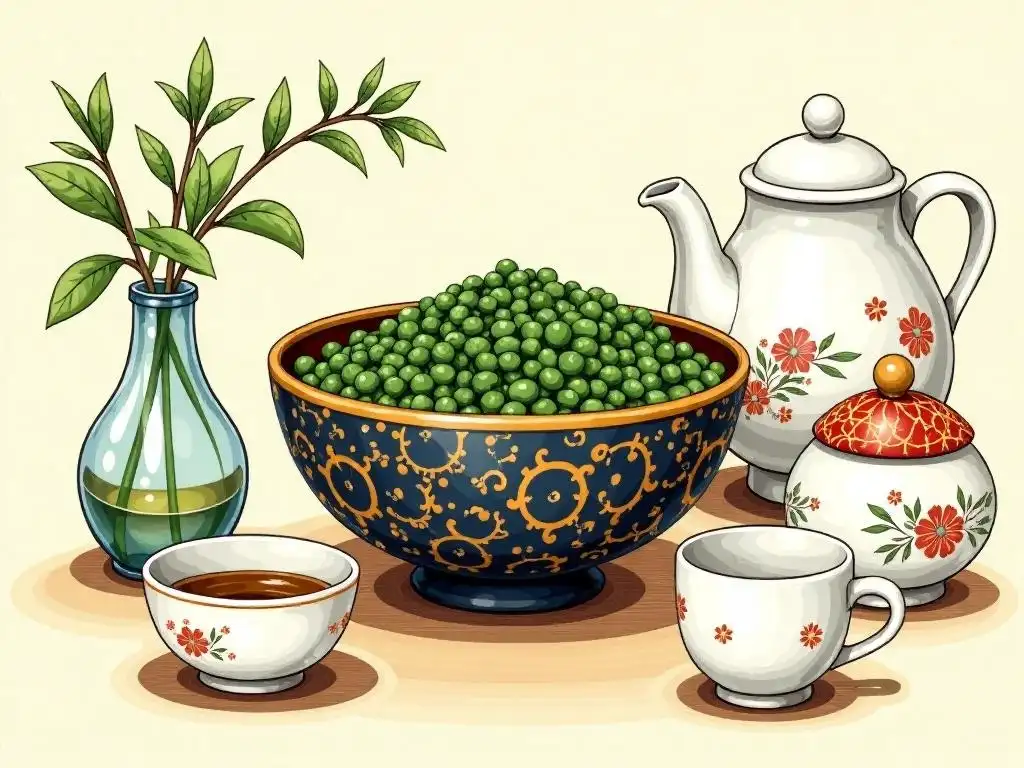
The Matcha tea ceremony, or chanoyu, is a profound ritual that encapsulates the essence of Zen Buddhism, emphasizing simplicity, mindfulness, and appreciation of nature. This ceremony is not merely about drinking tea; it is a meditative practice that reinforces social bonds and reflects the intricate relationship between tea and Japanese culture during the feudal era.
Traditional Tools Used in Matcha Preparation
The tools employed in the Matcha tea ceremony are not only functional but also hold deep cultural significance. Each item is selected with care and contributes to the overall experience. Here are the key tools:
- Chawan (Tea Bowl):
- Typically made from ceramic or porcelain, the chawan varies in design and texture, reflecting the season and the host's aesthetic sensibility.
- Chasen (Bamboo Whisk):
- Crafted from a single piece of bamboo, the chasen is essential for whisking the matcha powder, creating a frothy consistency. The number of tines can vary, affecting the whisking technique and the final texture of the tea.
- Chashaku (Bamboo Scoop):
- This elongated scoop is used to measure the matcha powder. Its design allows for precise control over the amount of tea used, which can influence the flavor and strength of the brew.
- Furo (Portable Brazier):
- Used to heat the water during the ceremony, the furo represents the connection to nature and the seasons, as the type of brazier may change to suit the climate or occasion.
- Kensui (Waste Water Bowl):
- This bowl collects any waste water or used utensils during the ceremony, symbolizing cleanliness and respect for the space.
These tools, while practical, also serve as a means of expressing the values of wabi-sabi, the Japanese aesthetic that appreciates the beauty in imperfection and transience.
Step-by-Step Process of the Matcha Tea Ceremony
The Matcha tea ceremony unfolds through a series of deliberate and mindful actions. Each step is imbued with meaning and reflects the host's respect for the guests. Here’s a detailed overview of the process:
- Preparation of the Space:
- The host cleans the tea room, arranging the space to create a serene atmosphere. Seasonal decorations may be included to enhance the aesthetic.
- Heating the Water:
- Water is heated in the furo to the ideal temperature (around 80°C or 176°F), crucial for extracting the flavors of the matcha without causing bitterness.
- Measuring the Matcha:
- Using the chashaku, the host measures out the appropriate amount of matcha (typically 1-2 scoops) and places it in the chawan.
- Pouring the Water:
- The hot water is carefully poured into the chawan over the matcha, allowing the powder to settle and dissolve.
- Whisking the Tea:
- The host uses the chasen to whisk the tea vigorously in a zig-zag motion, incorporating air to create a frothy top. This step is essential for achieving the desired texture.
- Serving the Tea:
- Once the matcha is ready, the host presents the chawan to the guest, who receives it with both hands, a gesture of respect.
- Consumption:
- The guest admires the tea bowl, takes a moment to appreciate the aesthetic, and then drinks the matcha in three sips, ensuring to savor the flavor.
- Cleaning the Utensils:
- After consumption, the guest cleans the chawan and returns it to the host, who will then clean the tools, symbolizing gratitude and respect for the utensils used.
Through this intricate process, the ceremony fosters a deep connection between participants, emphasizing mindfulness and the shared experience of enjoying matcha.
Aesthetic Principles Guiding the Ceremony
The Matcha tea ceremony is profoundly influenced by several core aesthetic principles that shape its practice. Understanding these principles is crucial for grasping the ceremony's cultural significance:
- Wabi-Sabi:
- This philosophy embraces imperfection and transience, encouraging participants to appreciate the beauty of simplicity and the natural world. The handmade nature of the tea tools often reflects this aesthetic.
- Shibui:
- The concept of shibui refers to a subtle, unobtrusive beauty that is refined yet unpretentious. This principle guides the selection of utensils, decor, and even the tea itself, fostering an atmosphere of quiet elegance.
- Ma:
- This principle focuses on the importance of negative space and pauses in the ceremony. The silence and reflection between actions allow participants to engage more deeply with the moment.
- Ichigo Ichie:
- Translating to "one time, one meeting," this concept highlights the uniqueness of each tea ceremony. It encourages participants to cherish the fleeting nature of the experience, as each gathering is a once-in-a-lifetime encounter.
These aesthetic principles create a framework for the Matcha tea ceremony, transforming it into a deeply meaningful cultural practice that resonates with the values of feudal Japanese society. The ceremony serves as a reminder of the importance of mindfulness, respect, and the beauty found in simplicity.
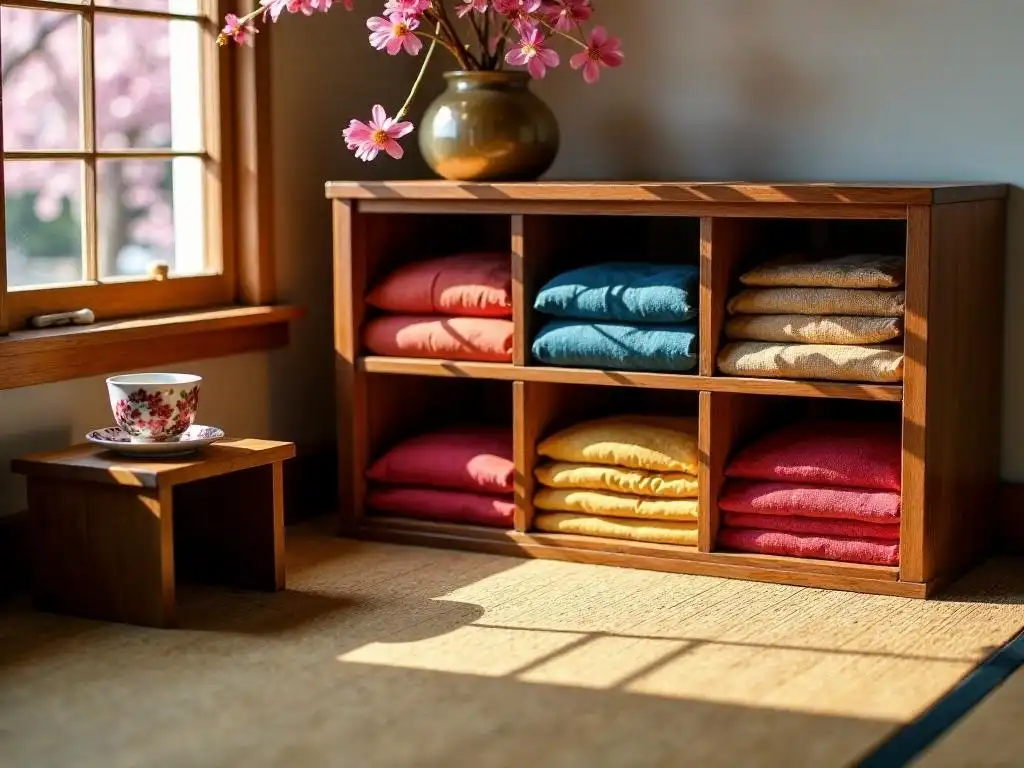
Matcha tea ceremonies served as a pivotal social activity in feudal Japan, transcending mere beverage consumption to become a sophisticated ritual that fostered community ties and interpersonal relationships. These ceremonies typically brought together individuals from various social strata, including samurai, merchants, and artisans, creating a unique space for dialogue and cultural exchange.
The structure of a traditional matcha tea ceremony often involved meticulous preparation and presentation, which emphasized the importance of hospitality and respect for guests. The host would carefully select utensils, often handcrafted and imbued with personal significance, to enhance the experience. This level of attention cultivated an atmosphere of tranquility and mindfulness, encouraging participants to engage deeply with one another.
In addition to fostering community, matcha ceremonies were also instrumental in reinforcing existing social networks. For instance, gatherings often served as opportunities for business negotiations or political discussions, where the calming effects of matcha were believed to facilitate open communication. Thus, the matcha tea ceremony became not only a cultural practice but also a strategic social tool that helped shape the dynamics of feudal Japanese society.
Influence of the Tea Ceremony on Japanese Etiquette
The matcha tea ceremony profoundly influenced Japanese etiquette, establishing a framework of behaviors and protocols that continue to resonate in modern society. Rooted in the principles of respect, harmony, purity, and tranquility (known as wa, kei, sei, and jaku), the ceremony shaped social interactions and set a standard for conduct in various contexts beyond the tea room.
Key Etiquette Principles:
- Respect for the Host and Guests: The ritual emphasized the importance of acknowledging the host’s efforts in preparation and the guests’ presence. Proper bowing and greetings were crucial to express gratitude and humility.
- Mindfulness in Interaction: Each action during the ceremony, from the way tea was whisked to how it was served, was imbued with meaning. Participants were encouraged to be fully present, reflecting a deep appreciation for the moment.
- Attention to Detail: The aesthetic aspects of the tea ceremony, including the choice of tea bowls and seasonal decorations, highlighted the significance of beauty in simplicity. This attention to detail translated into broader Japanese culture, influencing art, architecture, and even daily interactions.
Through these practices, the matcha tea ceremony fostered a culture of politeness and consideration that permeated feudal society, shaping not only personal relationships but also institutional protocols.
In feudal Japan, the matcha tea ceremony emerged as a subtle yet impactful medium for expressing social status and identity. The ability to host or participate in these ceremonies often signified one's standing within the social hierarchy.
Social Indicators Related to Matcha:
- Quality of Ingredients: The quality of matcha used in the ceremony could indicate the host's wealth and refinement. Higher-grade matcha was often reserved for special occasions, showcasing the host's discernment and social standing.
- Utensils and Decor: The type and condition of tea utensils, as well as the aesthetic of the tea room, provided visual cues about the host's status. Handcrafted items by renowned artisans were particularly prized and could elevate the social prestige of the gathering.
- Cultural Knowledge: Knowledge of tea ceremony protocols and the ability to perform them with grace were seen as markers of education and refinement. Those adept in these arts were often respected figures within their communities, reinforcing their social position.
In this way, the matcha tea ceremony was more than just an act of hospitality; it was a complex social ritual that conveyed deep-seated cultural values and hierarchies, intricately woven into the fabric of feudal Japanese society.
Evolution of Matcha Tea Ceremony Practices
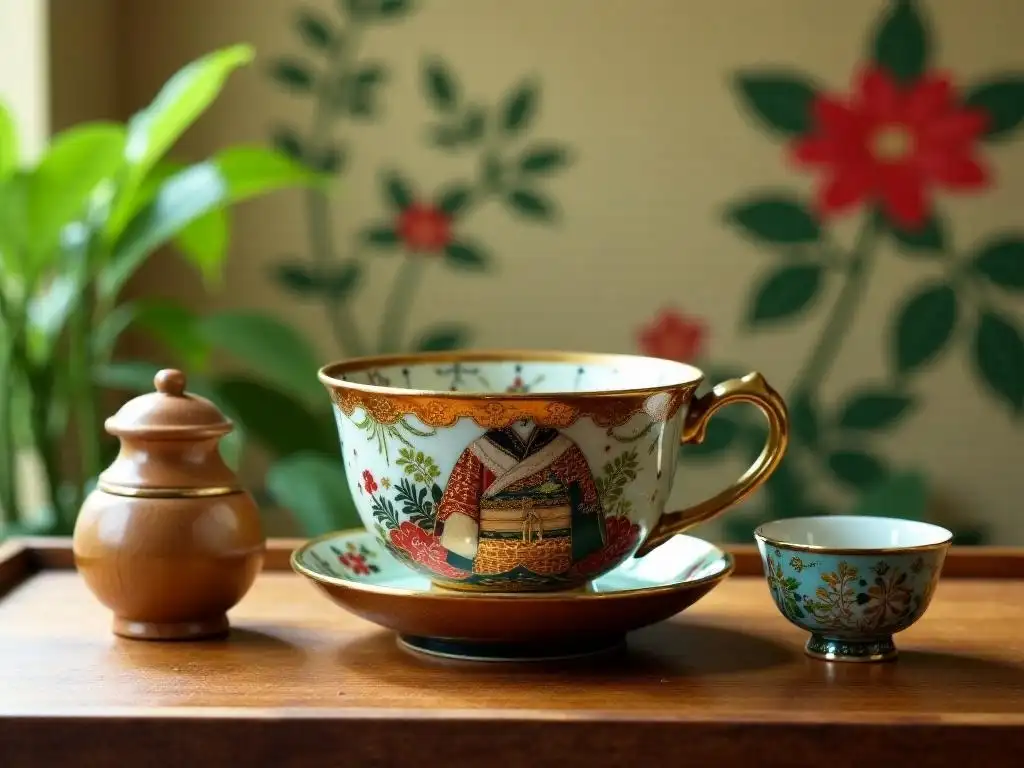
Changes in Matcha Preparation Techniques Over Time
The preparation of matcha has undergone significant transformations since its introduction to Japan from China during the Tang dynasty (618-907 AD). Initially, matcha was consumed as a powdered tea mixed with water, but as the practice evolved, so did the techniques involved in its preparation.
- Early Techniques:
- In the early days, matcha was primarily whisked with a bamboo tool called a chasen, but the focus was more on consumption than on the aesthetics of the ceremony.
- The tea was often enjoyed in a casual setting, lacking the formalities that would later characterize the tea ceremony.
- Refinement During the Kamakura Period (1185-1333):
- The introduction of the wabi-sabi aesthetic began to influence matcha preparation.
- This period saw the emergence of more deliberate practices, emphasizing simplicity and natural beauty.
- Muromachi Period Innovations (1336-1573):
- The chanoyu (tea ceremony) began to formalize, leading to the development of specific tools and utensils designed for matcha preparation.
- Techniques such as sifting the matcha to ensure a smooth consistency and the use of specific water temperatures became common.
- Edo Period Formalization (1603-1868):
- The tea ceremony evolved into a highly ritualized practice, with precise steps and etiquette.
- The matcha tea ceremony history during this period is marked by the establishment of formal schools, such as the Urasenke and Omotesenke, which codified the preparation methods and aesthetic principles.
- Contemporary Practices:
- Today, while traditional methods are preserved, modern adaptations sometimes include innovative tools and even the incorporation of matcha into various culinary creations, expanding its reach beyond the formal ceremony.
The Impact of Zen Buddhism on the Tea Ceremony
Zen Buddhism has had a profound influence on the evolution of the matcha tea ceremony, intertwining spiritual principles with the act of tea preparation and consumption.
- Philosophical Foundations:
- The Zen philosophy emphasizes mindfulness, simplicity, and the appreciation of the present moment. This is reflected in the tea ceremony, where each action is performed with intention and awareness.
- Aesthetic Influence:
- The concept of wabi-sabi, which values imperfection and transience, became central to the aesthetics of the tea ceremony.
- This philosophy encourages practitioners to find beauty in simplicity, allowing the natural qualities of the tea and its utensils to shine.
- Meditative Practices:
- The act of preparing and serving matcha is often likened to a form of meditation. The rhythmic movements and focused attention required during the ceremony foster a state of tranquility and reflection.
- Participants are encouraged to engage fully in the experience, creating a deep connection with the tea and the moment.
- Cultural Transmission:
- Zen monks played a critical role in introducing matcha and the tea ceremony to the samurai class, elevating its status within feudal society.
- The tea ceremony became a means of social interaction among the elite, reflecting values of hospitality, respect, and harmony.
Modern Adaptations of the Matcha Tea Ceremony
In recent years, the matcha tea ceremony has experienced a renaissance, adapting to contemporary lifestyles while retaining its cultural significance.
- Fusion with Global Trends:
- The popularity of matcha has surged globally, leading to its incorporation into various culinary contexts, such as lattes, desserts, and smoothies. This fusion reflects a broader trend of blending traditional practices with modern tastes.
- Cafés and restaurants around the world now offer matcha-based beverages, introducing new audiences to its rich flavors and cultural heritage.
- Casualization of the Ceremony:
- While traditional ceremonies remain revered, many modern adaptations embrace a more casual approach, making the experience accessible to a wider audience.
- Workshops and classes often focus on the enjoyment of matcha without the rigid formalities of traditional ceremonies, encouraging participants to explore their creativity.
- Health and Wellness Focus:
- The health benefits associated with matcha, such as its high antioxidant content and calming effects, have contributed to its popularity in wellness circles.
- Modern ceremonies often emphasize the meditative aspects of matcha preparation, aligning with contemporary interests in mindfulness and self-care.
- Sustainability Practices:
- As awareness of environmental issues grows, there is a shift towards sustainable sourcing and eco-friendly practices within the matcha industry.
- Many producers are focusing on organic farming methods, ensuring that the rich traditions of matcha are preserved for future generations.
Through these adaptations, the matcha tea ceremony continues to thrive, bridging the gap between its historical roots and the dynamic cultural landscape of today.
Conclusion: The Enduring Legacy of Matcha in Japanese Society
The matcha tea ceremony represents not only a profound cultural practice but also a significant aspect of Japanese history that continues to resonate within contemporary society. Its roots can be traced back to the feudal era, where it evolved from the elite practices of samurai and nobility into a broader cultural phenomenon. The meticulous attention to detail in the preparation and serving of matcha highlights values such as harmony, respect, purity, and tranquility, which are deeply ingrained in Japanese societal norms.
The enduring legacy of the matcha tea ceremony is evident in its influence on various aspects of Japanese life, including art, architecture, and even modern gastronomy. Today, matcha is celebrated globally, yet its cultural significance in Japan remains unparalleled.
Reflection on Matcha's Cultural Importance Today
In contemporary Japan, the matcha tea ceremony is revered as a symbol of tradition and heritage. Many people participate in ceremonies not only for the taste of the tea but as a means to connect with their history and cultural roots. The ritualistic aspects of the ceremony, which include the precise movements and the serene atmosphere, foster mindfulness and a sense of community among participants.
Moreover, as Japan faces the challenges of globalization, the matcha tea ceremony serves as a reminder of the importance of preserving cultural identity. Schools and cultural institutions have begun offering workshops to teach the art of the tea ceremony to younger generations. This effort ensures that the values and practices associated with matcha continue to thrive, adapting to the modern world while retaining their historical significance.
Future of the Matcha Tea Ceremony in Contemporary Japan
Looking ahead, the future of the matcha tea ceremony appears promising, as its relevance continues to evolve. With the increasing popularity of wellness and mindfulness practices, matcha has found a new audience beyond traditional settings. Cafés and health-focused establishments are incorporating matcha into their menus, often blending it with modern culinary practices.
Furthermore, technology plays a role in the future of the matcha tea ceremony. Virtual workshops and online classes are becoming more common, making this cultural practice accessible to a global audience. This digital shift may lead to a fusion of traditional and contemporary tea practices, creating unique experiences that honor the past while embracing innovation.
The matcha tea ceremony remains a vital aspect of Japanese culture, with its historical roots deeply embedded in society. As it continues to evolve in contemporary Japan, this cherished tradition will likely adapt while maintaining its core values, ensuring that the legacy of matcha thrives for generations to come.
Frequently Asked Questions
What is the historical significance of matcha tea in feudal Japan?
Matcha tea played a crucial role in ceremonial practices, symbolizing the spiritual connection between nature and the individual during the feudal era.
How did the tea ceremony evolve over time in Japan?
The tea ceremony transformed from a simple drink ritual to a highly ceremonial practice, emphasizing aesthetic appreciation and social harmony, particularly in the Muromachi period.
What are the main elements of a matcha tea ceremony?
Key elements include tea preparation, serving techniques, and the use of specific utensils, all designed to create a harmonious experience for participants.
How did samurai culture influence the tea ceremony?
Samurai culture contributed to the tea ceremony's formalization, promoting values like discipline, respect, and aesthetics, which became integral to the ritual.
What role did Zen Buddhism play in the development of the tea ceremony?
Zen Buddhism greatly influenced the tea ceremony by emphasizing mindfulness and simplicity, leading to a focus on the meditative aspects of preparing and enjoying matcha tea.
Final Reflection: The Enduring Legacy of Matcha in Cultural Heritage
The exploration of the matcha tea ceremony reveals its profound significance in feudal society, illustrating how this ancient practice continues to resonate in our contemporary world. The rituals surrounding matcha are not merely historical artifacts; they embody a rich tapestry of cultural values, mindfulness, and community that remain relevant today. As we navigate a fast-paced society, the lessons derived from the matcha tea ceremony remind us of the importance of slowing down and appreciating the present moment.
The influence of the matcha tea ceremony extends far beyond its origins, shaping social interactions and cultural expressions across generations. The meticulous preparation and consumption of matcha serve as a metaphor for harmony, respect, purity, and tranquility—principles that are increasingly vital in our modern lives. Tea is the magic key to the vault where my brain is kept.
This quote encapsulates the transformative power of tea, emphasizing how such traditions can unlock deeper understanding and connection within ourselves and with others.
As you reflect on the insights shared in this article, consider how the principles of the matcha tea ceremony can be woven into your daily life. Embrace the opportunity to cultivate mindfulness, foster connections, and honor the beauty of ritual in your own experiences. Let the legacy of matcha inspire you to create moments of stillness and appreciation, reminding you that every cup of tea can be a gateway to a richer, more meaningful existence.
Embrace the Essence of Matcha: Your Journey Begins!
Thank you for diving into the fascinating world of the tea ceremony and discovering the cultural significance of matcha in feudal Japan. Your interest in this rich heritage opens the door to deeper connections with history and tradition. Now, it’s time to take that knowledge further and transform your appreciation into action!
Here are a few meaningful steps you can take right now:
- Experience a Traditional Tea Ceremony: Seek out a local tea house that offers authentic ceremonies or consider hosting your own gathering with friends to share the beauty of this practice.
- Experiment with Matcha: Purchase high-quality matcha and try making your own tea at home. Discover the subtle nuances of flavor and the calming ritual it brings to your day.
- Share the Histories: Connect with fellow enthusiasts by writing about your matcha experiences or discussing the cultural stories surrounding it in online communities or social media platforms.
As you explore these actions, consider this: How has learning about matcha and its significance influenced your perspective on traditional practices in your own culture? Your insights could spark fascinating conversations!