
The Art of Calligraphy: Education as a Path to Samurai Prestige

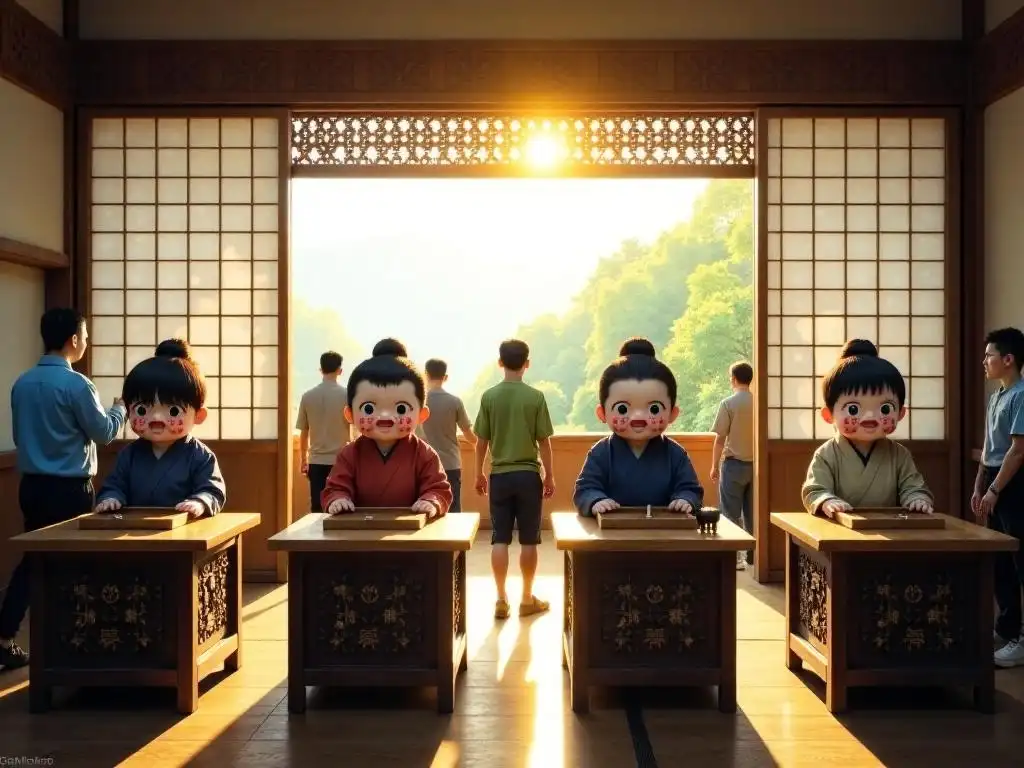
Welcome to Feudal Japan History, where we invite you to embark on an intriguing journey through the captivating world of Japan’s feudal era. Here, the echoes of the past resonate with stories of honor, artistry, and education. In our featured article, “The Art of Calligraphy: Education as a Path to Samurai Prestige,” we delve into the profound significance of samurai calligraphy education history and its role in shaping the cultural fabric of this remarkable period.
Prepare to uncover the secrets behind the elegant strokes of the brush and discover how this art form elevated the status of the samurai. Join us as we unravel the layers of history that define daily life and society in feudal Japan!
Introduction to Samurai Calligraphy Education
In the rich tapestry of feudal Japan, the art of calligraphy emerged as a significant cultural practice, intricately woven into the lives of the samurai. This era not only emphasized martial prowess but also cultivated intellectual refinement, where the mastery of calligraphy became a reflection of one's character and social standing.
Samurai calligraphy education was not merely an artistic endeavor; it represented a pathway to prestige, as the ability to wield a brush with grace and precision was revered among the warrior class. Through this exploration, we will delve into the multifaceted relationship between calligraphy and samurai identity, highlighting how education in this art form contributed to the cultural fabric of Japan.
Understanding the Importance of Calligraphy in Feudal Japan
Calligraphy, or shodō (書道), was more than a method of communication; it was an esteemed art that conveyed beauty, discipline, and philosophical depth. For the samurai, who were expected to embody both strength and intellect, the practice of calligraphy was integral to their education. It served as a medium for self-expression, where each stroke of the brush was a testament to their character and refinement.
- Cultural Significance:
- Calligraphy was often associated with Zen Buddhism, emphasizing mindfulness and meditation.
- It was a way to connect with nature, reflecting the samurai's inner thoughts and emotions.
- Social Standing:
- Mastery of calligraphy elevated a samurai's status, making them more respected among peers.
- It was common for samurai to present their calligraphic works during gatherings, showcasing their skills to gain prestige.
Overview of Samurai Prestige and Cultural Identity
The samurai were not only warriors but also custodians of culture and tradition. Their identity was deeply tied to ideals of honor, loyalty, and education. Calligraphy played a pivotal role in shaping this identity, providing an avenue for intellectual and artistic cultivation.
- Cultural Identity:
- The samurai's education was comprehensive, including literature, philosophy, and the arts, with calligraphy being a vital component.
- Calligraphy allowed samurai to express their values and beliefs, reinforcing their connection to the samurai code or bushidō.
- Prestige and Recognition:
- Renowned calligraphy masters were often sought after by samurai families, elevating the status of those who studied under them.
- Calligraphy competitions were held, further establishing the importance of this art in samurai society.
Historical Context of Samurai Calligraphy
To understand the depth of calligraphy education among the samurai, it is essential to examine its historical roots and development throughout Japan's feudal era.
Origins of Calligraphy in Japan
Calligraphy was introduced to Japan from China in the 5th century, evolving from the influence of Chinese script. As it took root in Japanese culture, it was adapted to reflect local aesthetics and philosophies.
- Cultural Exchange:
- Early Japanese calligraphy was heavily influenced by Chinese characters but gradually developed its unique styles.
- The emergence of kanji, hiragana, and katakana scripts marked a turning point in the evolution of Japanese writing.
- Integration into Samurai Education:
- The integration of calligraphy into the samurai curriculum began as the warrior class sought to establish a more refined identity.
- Educational institutions, or terakoya, emerged, focusing on the teaching of calligraphy among other subjects.
Evolution of Calligraphy Techniques and Styles in Samurai Culture
As samurai culture flourished, calligraphy techniques evolved, introducing various styles that reflected the values and aesthetics of the time.
- Styles and Techniques:
- The kaisho (block style) and gyōsho (semi-cursive style) became popular among samurai for their clarity and elegance.
- The development of sōsho (cursive style) allowed for more expressive and fluid writing, showcasing the artist's personality.
- Educational Practices:
- Samurai were trained under the guidance of masters, emphasizing discipline, patience, and artistic skill.
- Calligraphy was often practiced alongside martial training, illustrating the balance of strength and artistry in samurai life.
The Influence of Chinese Calligraphy on Japanese Practices
Chinese calligraphy had a profound impact on the formation of Japanese calligraphy techniques and aesthetics, shaping the educational practices of samurai.
- Adoption of Techniques:
- The brushwork and philosophies of Chinese calligraphy were adopted and adapted by Japanese practitioners.
- Samurai often studied Chinese texts to refine their calligraphic skills, blending the two traditions into a unique Japanese form.
- Philosophical Underpinnings:
- The principles of Confucianism and Daoism, prevalent in Chinese culture, influenced the moral and ethical dimensions of samurai calligraphy.
- Calligraphy became a reflection of the samurai's inner virtues, aligning their artistic expression with their martial ethos.
The Role of Education in Samurai Calligraphy
Education held a significant place in the lives of samurai, particularly as a means to cultivate their intellectual and artistic capabilities. Calligraphy, an esteemed art form, was not only a tool for communication but also a reflection of a samurai's character and discipline. Mastering calligraphy was seen as essential to achieving prestige within the samurai class, as it demonstrated refinement, cultural knowledge, and adherence to the bushido code.
The educational journey of a samurai often began at a young age, where they were taught not only martial skills but also the arts, including calligraphy. The ability to write beautifully and with precision was considered a mark of a well-rounded warrior. Calligraphy was intertwined with the moral teachings of Confucianism and Zen Buddhism, emphasizing the importance of inner tranquility and focus, qualities that were crucial for a samurai both in battle and in society.
Moreover, the practice of calligraphy served as a form of meditation, helping samurai develop mental discipline. This artistic pursuit was seen as a counterpart to their training in the martial arts, reinforcing the idea that a true samurai must possess both swordsmanship and cultural sophistication.
Traditional Educational Institutions for Samurai
Traditional educational institutions for samurai included both formal and informal settings, with the latter often being more prevalent. Samurai were typically educated in private schools known as "hankō" or "shidōkan," where they studied under the guidance of respected masters. These institutions focused on a variety of subjects, including literature, philosophy, and the arts, with calligraphy being a critical component of the curriculum.
In addition to private schools, samurai often learned calligraphy from family members or within their clan. The family or clan served as a foundational unit for education, ensuring that the values and skills of the samurai class were passed down through generations. Apprenticeships with established calligraphy masters were also common, allowing aspiring calligraphers to hone their skills under expert tutelage.
These traditional educational environments fostered a competitive spirit among samurai, as they strived to surpass each other in their artistic expressions. The formalization of calligraphy education within these institutions played a crucial role in developing a distinct style that characterized samurai calligraphy.
Curriculum Focus: Calligraphy and Other Arts
The curriculum of samurai educational institutions was diverse, but calligraphy remained a central focus due to its significance in samurai culture. Students were trained in various styles of calligraphy, including "kaisho" (block style), "gyosho" (semi-cursive style), and "sosho" (cursive style). This exposure allowed samurai to choose a style that best expressed their personality and artistic vision.
In addition to calligraphy, samurai education encompassed other art forms such as poetry, painting, and tea ceremony, all of which contributed to a well-rounded cultural education. The study of poetry, for instance, often went hand-in-hand with calligraphy, as samurai would practice writing their own poems in elegant scripts.
Furthermore, the appreciation of nature and aesthetics was integral to the curriculum, encouraging students to find inspiration in their surroundings. This holistic approach fostered not only technical proficiency in calligraphy but also an understanding of the philosophies and emotions that underpinned the art form.
Notable Calligraphy Masters and Their Contributions
Throughout history, several notable calligraphy masters emerged within the samurai class, leaving a lasting impact on the art of calligraphy. One of the most famous was Kōka Shūhō, who was renowned for his unique style that combined traditional techniques with innovative expressions. His works exemplified the balance between strength and grace, making him a revered figure in samurai calligraphy.
Another influential master was Yamamoto Shūyō, whose teachings emphasized the spiritual aspects of calligraphy. He believed that each stroke should convey the writer's emotions, thus creating a deeper connection between the art and the artist. His philosophy had a profound effect on generations of calligraphers, leading to a greater appreciation for the meditative qualities of the practice.
These masters not only contributed to the technical advancements of calligraphy but also shaped the cultural significance of the art within samurai society. Their works continue to inspire contemporary calligraphers and serve as benchmarks for excellence.
Techniques and Methods of Samurai Calligraphy Education
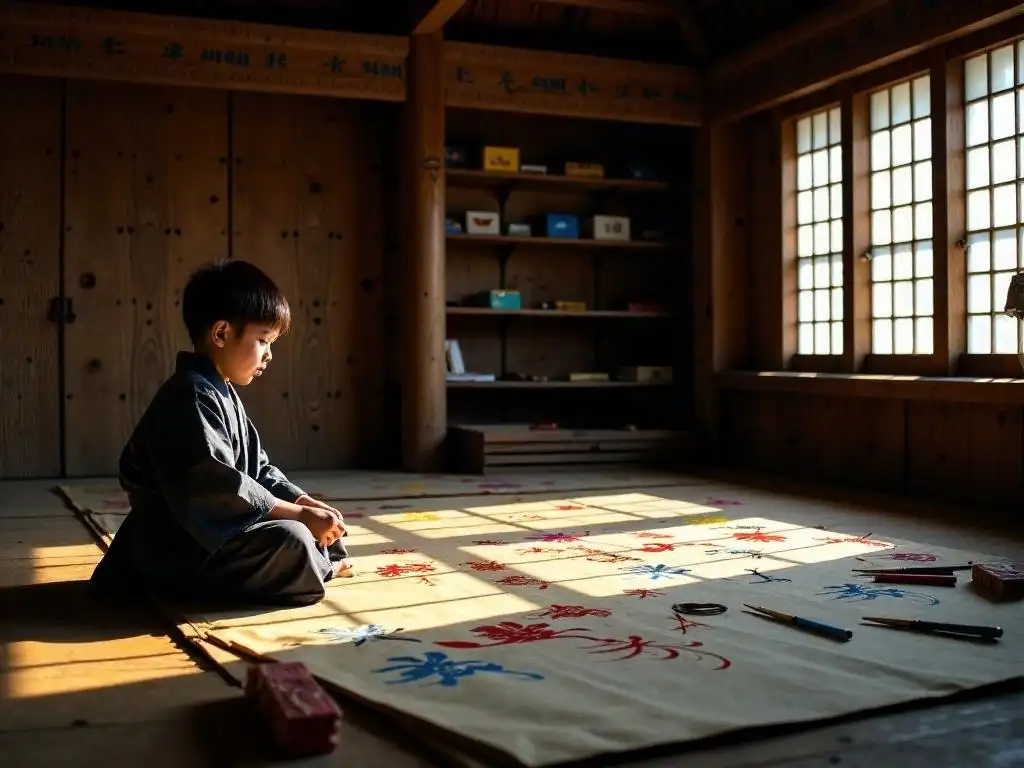
The education of samurai in calligraphy involved various techniques and methods designed to cultivate both skill and artistry. These methods were rooted in traditional practices that emphasized the importance of discipline, repetition, and self-expression.
Fundamental Skills Taught in Samurai Calligraphy
At the core of samurai calligraphy education were several fundamental skills that students were expected to master. These included:
- Brush Control: Students learned how to manipulate the brush to create different strokes and styles, emphasizing the importance of pressure and speed.
- Stroke Order: Understanding the correct sequence of strokes was essential for achieving balance and harmony in their characters.
- Character Structure: Samurai were taught to appreciate the composition of characters, ensuring that each piece conveyed clarity and aesthetic beauty.
- Ink and Paper Techniques: Knowledge of ink density and paper texture played a crucial role in achieving the desired effects in calligraphy.
These foundational skills formed the basis for advanced techniques, allowing samurai to develop their unique styles over time.
Materials Used in Samurai Calligraphy Practice
The materials used in samurai calligraphy practice were carefully selected for their quality and suitability. The primary materials included:
- Brushes: Typically made from animal hair, brushes varied in size and shape, each designed for specific strokes and styles.
- Ink: Samurai used ink sticks made from soot and animal glue, which required grinding on an ink stone to achieve the desired consistency.
- Paper: High-quality rice paper was preferred for its absorbency and texture, allowing for clean and expressive strokes.
- Seals: Personal seals were often used to stamp finished works, adding a unique signature that represented the artist's identity.
The careful selection and preparation of these materials were integral to achieving mastery in calligraphy, as they directly influenced the final outcome of each piece.
The Role of Discipline and Practice in Mastery
Discipline and consistent practice were pivotal in the education of samurai calligraphy. Students were often required to dedicate several hours each day to their training, reinforcing the notion that mastery could only be achieved through perseverance and commitment.
The practice routines were structured and rigorous, involving repetitive exercises to build muscle memory and refine technique. This discipline extended beyond mere repetition; it encompassed a mental approach where samurai were encouraged to cultivate focus and mindfulness while practicing.
Moreover, the culture of critique and feedback among peers and masters played a crucial role in development. Constructive criticism helped students identify areas for improvement and encouraged them to strive for excellence. This emphasis on discipline and continuous practice ensured that samurai calligraphy not only flourished as an art form but also became a vital aspect of samurai identity.
Calligraphy as a Reflection of Samurai Values
Calligraphy, or "shodo," transcends mere writing in the context of the samurai. It serves as a profound reflection of the core values that defined the samurai class, such as discipline, respect, and the pursuit of perfection. For samurai, calligraphy was not simply an artistic endeavor but a disciplined practice that mirrored their rigorous training in martial arts. The act of writing was viewed as a meditative process, where the samurai could cultivate their spirit and express their individuality within the framework of their societal roles.
The aesthetics of calligraphy also align with the samurai ethos. The strokes and forms, often imbued with emotion and intent, speak to the samurai's understanding of beauty and harmony. Each character is crafted with precision, embodying the samurai's respect for tradition and their commitment to excellence. This intricate relationship between calligraphy and samurai values highlights the importance of education in developing a samurai's character, illustrating how calligraphy was integral to their identity.
The Connection Between Calligraphy and Bushido Code
The Bushido code, the ethical framework guiding the samurai, emphasizes virtues such as loyalty, honor, and sincerity. Calligraphy was one avenue through which these principles were expressed. The careful execution of characters reflected the samurai's commitment to their duties and their respect for the written word, which was often seen as a sacred form of expression.
Moreover, the practice of calligraphy was steeped in rituals and discipline, akin to the samurai's training in swordsmanship. The concentration and mental fortitude required to master calligraphy were seen as extensions of the samurai's martial discipline. This connection reinforced the idea that a true samurai was not only skilled in combat but also cultured and educated, embodying the ideals of Bushido in every aspect of life.
Calligraphy as an Expression of Personal and Social Identity
For samurai, calligraphy served as a means of self-expression and an assertion of social status. The style and quality of one’s calligraphy could indicate not only personal skill but also familial heritage and education. A beautifully crafted piece of calligraphy could elevate a samurai’s standing in society, serving as a testament to their refinement and cultural sophistication.
Additionally, calligraphy was often used to convey personal philosophies or moral teachings. Samurai would write poems, proverbs, or their own reflections, integrating their life experiences with their artistic expression. This melding of personal beliefs and social identity through calligraphy helped to forge a distinct cultural narrative that reinforced the samurai's role within a hierarchical society.
The Impact of Calligraphy on Samurai Reputation and Prestige
The mastery of calligraphy significantly impacted a samurai's reputation. A skilled calligrapher was often revered not just for their artistic abilities but also for their intellect and moral character. The ability to compose and write well was seen as an indication of a well-rounded individual who was both a warrior and a scholar.
Calligraphy competitions and exhibitions further solidified the prestige associated with this art form. Samurai would participate in such events to showcase their skills, gaining recognition and respect from peers and society at large. This interplay between calligraphy and reputation illustrates how educational pursuits were integral to the samurai's quest for honor and standing within their community.
Case Studies of Influential Samurai Calligraphers
Profiles of Renowned Samurai Calligraphers
Several samurai have made significant contributions to the art of calligraphy, leaving indelible marks on both the craft and their respective legacies. One notable figure is Miyamoto Musashi, a legendary swordsman known for his dual mastery of martial arts and calligraphy. Musashi's calligraphic works often reflect his philosophical insights, merging the physical and spiritual aspects of his life.
Another prominent samurai calligrapher is Oda Nobunaga, who not only unified Japan but also patronized the arts. His calligraphy is noted for its bold, vigorous strokes, symbolizing his powerful personality and leadership style. Both of these figures exemplify how calligraphy served as a medium for expressing their identities and philosophies.
Analyzing Their Techniques and Philosophies
The techniques employed by influential samurai calligraphers often reveal their personal philosophies and training. For instance, Musashi's calligraphy emphasizes fluidity and spontaneity, mirroring his approach to combat where adaptability is vital. His works are characterized by a unique balance of strength and grace, reflecting his belief in the harmony of opposites.
In contrast, Nobunaga's calligraphy is marked by a commanding presence, often employing larger characters that project authority. His style is representative of his ambition and the era's turbulent political landscape. By analyzing these techniques, one can gain insights into how samurai philosophies extended beyond the battlefield and into the realm of art.
Legacy and Influence on Modern Calligraphy
The legacies of samurai calligraphers continue to influence modern calligraphy practices in Japan and beyond. Contemporary artists draw inspiration from the techniques and philosophies of historical figures, incorporating traditional styles into their work while also innovating new forms. The emphasis on discipline, aesthetic beauty, and personal expression remains central to the practice of calligraphy today.
Moreover, educational institutions in Japan often include calligraphy as part of their curricula, emphasizing its historical significance. By preserving and teaching the art form, modern educators ensure that the values and techniques associated with samurai calligraphy endure, continuing to inspire future generations in both artistic and personal development.
Challenges and Changes in Samurai Calligraphy Education
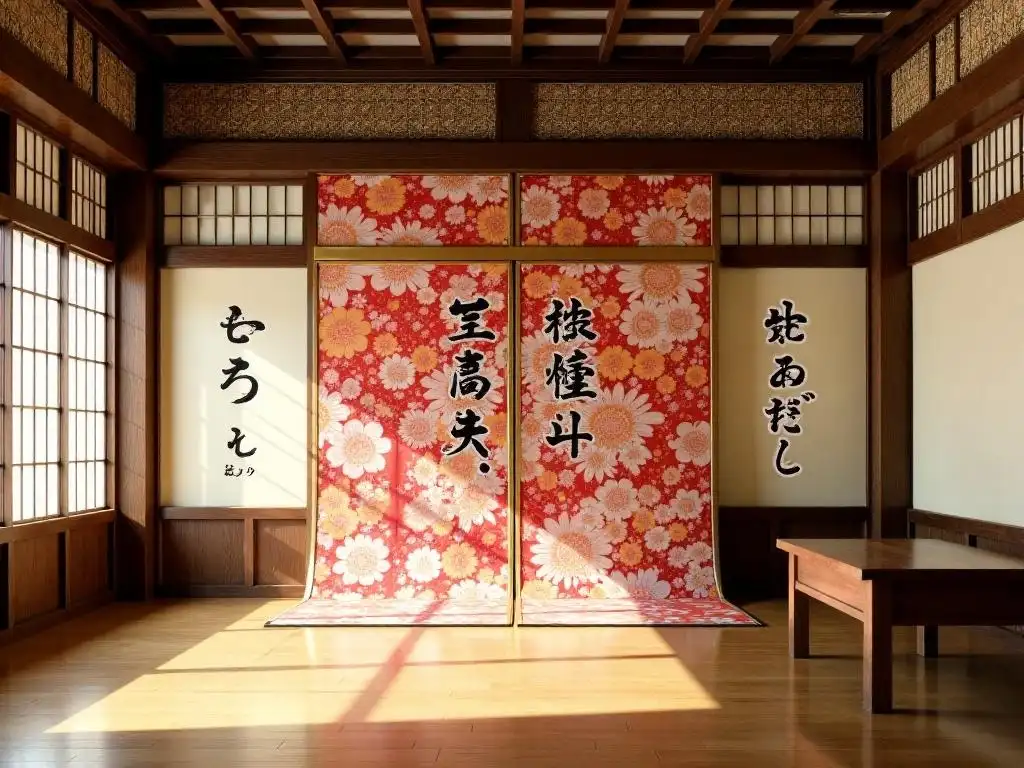
The education of samurai calligraphy faced numerous challenges throughout Japan's feudal era. One significant challenge was the evolving societal structures that affected the samurai class itself. As the political landscape shifted, so too did the focus on martial prowess over artistic endeavors. The rise of the merchant class during the Edo period necessitated a reevaluation of what constituted prestige, often sidelining the traditional values associated with calligraphy.
Moreover, the accessibility of education varied greatly among different samurai families. While some could afford private tutelage from esteemed calligraphers, others had to rely on communal education systems that often lacked the same depth and quality. This disparity led to a fragmentation in calligraphy styles and standards across regions, complicating the samurai's mastery of this revered art.
As Japan faced external pressures, such as the arrival of Western influences in the late 19th century, samurai calligraphy education also underwent significant changes. Traditional methods were challenged by new pedagogical approaches, requiring practitioners to adapt or risk obsolescence. The push for modernization impacted the calligraphic techniques and philosophies that had been passed down for generations, leading to debates within the samurai community about the preservation of cultural heritage versus the need for innovation.
The Decline of Samurai Calligraphy Post-Feudal Era
With the abolition of the feudal system in the late 19th century, the samurai class experienced a dramatic decline, and so did their associated arts, including calligraphy. The Meiji Restoration marked a turning point, as Japan began to modernize and Westernize rapidly. This transformation diminished the social status of the samurai and, by extension, the prestige of samurai calligraphy.
As new educational systems emerged, focusing on Western subjects and practical skills, calligraphy was increasingly viewed as a relic of a bygone era. The traditional schools that had once flourished began to close, and fewer students pursued calligraphy as a serious discipline. The art form struggled to maintain its relevance in a society that prioritized technological advancement and industrial growth.
Furthermore, the societal role of the calligrapher shifted. Once seen as scholars and cultural custodians, calligraphers became less recognized in a landscape where new forms of art and communication, such as photography and print media, gained prominence. The loss of patronage from the samurai class led to a decline in the number of skilled practitioners, threatening the survival of traditional calligraphic techniques.
Modern Interpretations and Revivals of Samurai Calligraphy
In the contemporary era, there has been a resurgence of interest in samurai calligraphy, driven by a desire to reconnect with Japan's cultural heritage. Various organizations and calligraphy schools have emerged, dedicated to preserving and teaching traditional styles while integrating modern aesthetics and techniques. This revival has attracted a diverse audience, including not only scholars and artists but also hobbyists and international students.
Workshops and exhibitions celebrating samurai calligraphy have played a pivotal role in revitalizing interest in the art form. These events often highlight the historical significance of calligraphy within the samurai ethos, emphasizing its connection to discipline, precision, and personal expression. By showcasing the beauty and depth of samurai calligraphy, proponents are working to instill a sense of pride and ownership among younger generations.
Moreover, modern interpretations of samurai calligraphy often blend traditional methods with contemporary art practices, creating unique fusions that appeal to today's sensibilities. This dynamic evolution reflects the adaptability of calligraphy as an art form, allowing it to thrive in a rapidly changing cultural landscape.
The Role of Technology in Contemporary Calligraphy Education
Technology has significantly impacted contemporary calligraphy education, providing both challenges and opportunities for practitioners. Digital platforms have opened new avenues for learning and sharing knowledge, enabling students to access a wealth of resources online. From virtual workshops to instructional videos, technology allows for a broader reach and more diverse learning experiences.
Additionally, software programs that simulate calligraphy tools and techniques have emerged, offering learners the chance to practice without the need for traditional materials. While these advancements can enhance accessibility, they also raise questions about the authenticity of the art form and the importance of mastering traditional techniques.
Social media has played a crucial role in the contemporary calligraphy scene, allowing artists to showcase their work and connect with a global audience. This has fostered a community of calligraphy enthusiasts who inspire one another and share their techniques. However, the pressure to conform to popular trends can sometimes overshadow the deeper cultural significance of samurai calligraphy education.
Conclusion: The Lasting Legacy of Samurai Calligraphy Education
The art of samurai calligraphy education has left an indelible mark on Japanese culture, influencing not only the aesthetic principles of writing but also the broader values of discipline, perseverance, and respect for tradition. Despite the challenges faced throughout its history, the legacy of samurai calligraphy persists in contemporary practices and education.
The Enduring Influence of Samurai Calligraphy on Japanese Culture
Samurai calligraphy continues to resonate within Japanese culture, serving as a symbol of national identity and heritage. Its principles and aesthetics have permeated various art forms, including poetry, painting, and even modern graphic design. The philosophical underpinnings of calligraphy—such as the pursuit of harmony, balance, and personal expression—remain relevant in today's artistic endeavors.
Moreover, calligraphy is often incorporated into ceremonies and cultural festivals, reinforcing its significance in communal and spiritual practices. This enduring influence speaks to the ability of samurai calligraphy to adapt and thrive, even amidst societal changes.
Reflections on the Future of Calligraphy Education in Japan
Looking forward, the future of calligraphy education in Japan appears promising, albeit with challenges. As interest in traditional arts grows, there is an opportunity to harness both technology and traditional methods to create a hybrid approach to learning. Emphasizing the historical significance of samurai calligraphy while adapting to contemporary sensibilities will be crucial for its preservation.
Educational institutions, cultural organizations, and individual practitioners must collaborate to ensure that calligraphy continues to inspire future generations. By fostering a deeper appreciation for the art and its historical context, the legacy of samurai calligraphy education can be maintained and celebrated in new and innovative ways.
References
The study of samurai calligraphy education history is enriched by a variety of texts and resources that provide context and depth to this intricate art form. Below, we outline some suggested readings and key historical texts that can enhance your understanding of this fascinating intersection between education and samurai prestige.
Suggested Readings on Samurai Calligraphy Education History
-
“The Way of the Brush: Aesthetic and Technique in Japanese Calligraphy” by John S. Watanabe
This book delves into the aesthetics of Japanese calligraphy, emphasizing the importance of education and technique that samurai would have undergone to master this art form.
-
“Ink and Honor: The Samurai’s Guide to Calligraphy” by Haruki Inoue
A comprehensive guide that explores how calligraphy was not merely an art form but a means of expressing the samurai ethos. The author discusses the educational practices that developed around this discipline.
-
“Warriors of the Brush: The Samurai and Their Art” by Kiyoshi Tanaka
This text examines the dual role of samurai as both warriors and artists. It highlights the educational systems that fostered artistic talents, including calligraphy.
-
“Samurai Culture: The Influence of Calligraphy on Warrior Identity” by Akira Yamamoto
A compelling exploration of how calligraphy shaped the identity and culture of the samurai class, with a focus on educational traditions surrounding this art.
Key Historical Texts and Resources for Further Exploration
-
“The Book of Five Rings” by Miyamoto Musashi
While primarily a treatise on strategy, this classic text contains reflections on the importance of calligraphy in the samurai's life, illustrating the connection between martial skills and artistic expression.
-
“The Tale of Genji” by Murasaki Shikibu
Often considered the world's first novel, this work provides insights into the Heian period's cultural practices, including calligraphy. It serves as a backdrop to understanding the evolution of samurai education.
-
“The Art of Writing: A Historical Perspective on Japanese Calligraphy” by Yoshiko Matsumoto
This scholarly work provides a detailed historical account of calligraphy in Japan, including the educational practices that shaped samurai artists throughout different eras.
-
“Calligraphy: A History of the Art and Its Masters” by Takeo Uesugi
This book covers various styles and masters of Japanese calligraphy, with sections dedicated to the samurai and their unique educational paths in this art form.
These resources form a vital foundation for anyone interested in the historical interplay between samurai identity, calligraphy, and education, offering a deeper appreciation for the cultural significance of this artistic discipline.
- Introduction to Samurai Calligraphy Education
- Historical Context of Samurai Calligraphy
- The Role of Education in Samurai Calligraphy
- Techniques and Methods of Samurai Calligraphy Education
- Calligraphy as a Reflection of Samurai Values
- Case Studies of Influential Samurai Calligraphers
- Challenges and Changes in Samurai Calligraphy Education
- Conclusion: The Lasting Legacy of Samurai Calligraphy Education
- References
- What is the significance of calligraphy in Samurai culture?
- How did education influence a Samurai's standing in society?
- What were the main components of Samurai calligraphy education?
- How did historical events shape Samurai calligraphy practices?
- Are there modern applications of Samurai calligraphy education?
Frequently Asked Questions
What is the significance of calligraphy in Samurai culture?
Calligraphy was not only an art form but also a means of demonstrating prestige and intellectual prowess among Samurai. Mastering this skill was seen as essential for a well-rounded warrior.
How did education influence a Samurai's standing in society?
Education, particularly in the arts like calligraphy, played a crucial role in establishing a Samurai's social status and reputation, often correlating with their effectiveness in both warfare and governance.
What were the main components of Samurai calligraphy education?
Samurai calligraphy education typically included techniques, styles, and philosophies that emphasized discipline and precision, reflecting the Samurai's commitment to excellence in all pursuits.
How did historical events shape Samurai calligraphy practices?
Historical events, including shifts in political power and cultural exchanges, influenced the evolution of Samurai calligraphy, leading to the incorporation of various styles and methods over the centuries.
Are there modern applications of Samurai calligraphy education?
Today, Samurai calligraphy education is still relevant, as it inspires modern artists and educators to explore the balance between tradition and contemporary expression, preserving this rich cultural heritage.
Final Reflection: The Enduring Legacy of Samurai Calligraphy Education
The art of calligraphy is not merely a skill; it is a profound expression of culture and identity that resonates deeply in today's society. As we explore the intricate relationship between samurai prestige and calligraphy education, we uncover a timeless truth: the pursuit of mastery in any art form elevates not only the individual but also the collective spirit of a community. This connection between discipline and artistry remains relevant, reminding us that the legacies of the past can illuminate our paths forward.
Calligraphy has shaped the cultural landscape in ways that extend beyond mere aesthetics; it embodies the values of dedication, respect, and honor that were central to the samurai ethos. The meticulous practice of this art form has influenced generations, fostering a sense of pride and connection to heritage. As the renowned calligrapher Shozo Sato once said, Calligraphy is a bridge between the past and the present, a way to honor tradition while embracing the future.
This sentiment underscores the ongoing impact of samurai calligraphy education, which continues to inspire artists and scholars alike in their quest for excellence.
As we reflect on the lessons embedded in the history of samurai calligraphy education, let us consider how we can integrate these principles into our own lives. Embrace the journey of learning and self-improvement, recognizing that every stroke of the brush is a step toward greater understanding and mastery.
I invite you to explore your own passions with the same dedication that the samurai applied to their calligraphy, allowing the art of expression to guide you toward personal growth and fulfillment. In doing so, we honor not only the legacy of the samurai but also our own potential to create beauty and meaning in the world.
Embrace the Art of Calligraphy Today!
Thank you for taking the time to explore the fascinating world of calligraphy and its historical significance in the life of the samurai. By delving into this artistic practice, you’ve unlocked a deeper understanding of how education played a pivotal role in shaping prestige and identity in feudal Japan. Now, it’s time to put that knowledge into action!
Here’s how you can continue your journey:
- Start your own calligraphy practice: Gather your materials and begin crafting beautiful characters! Dedicate a few minutes each day to refine your skills and immerse yourself in this meditative art.
- Share your progress: Document your calligraphy journey on social media or within a community group. Connect with fellow enthusiasts to exchange tips, inspirations, and experiences.
- Dive into samurai literature: Explore books and resources on samurai history and culture. Discover how the art of calligraphy was intertwined with their philosophy, ethics, and lifestyle.
What aspect of calligraphy has inspired you the most, and how do you envision integrating it into your daily life?