
The Rise of Private Tutors: How Samurai Families Educated Their Heirs

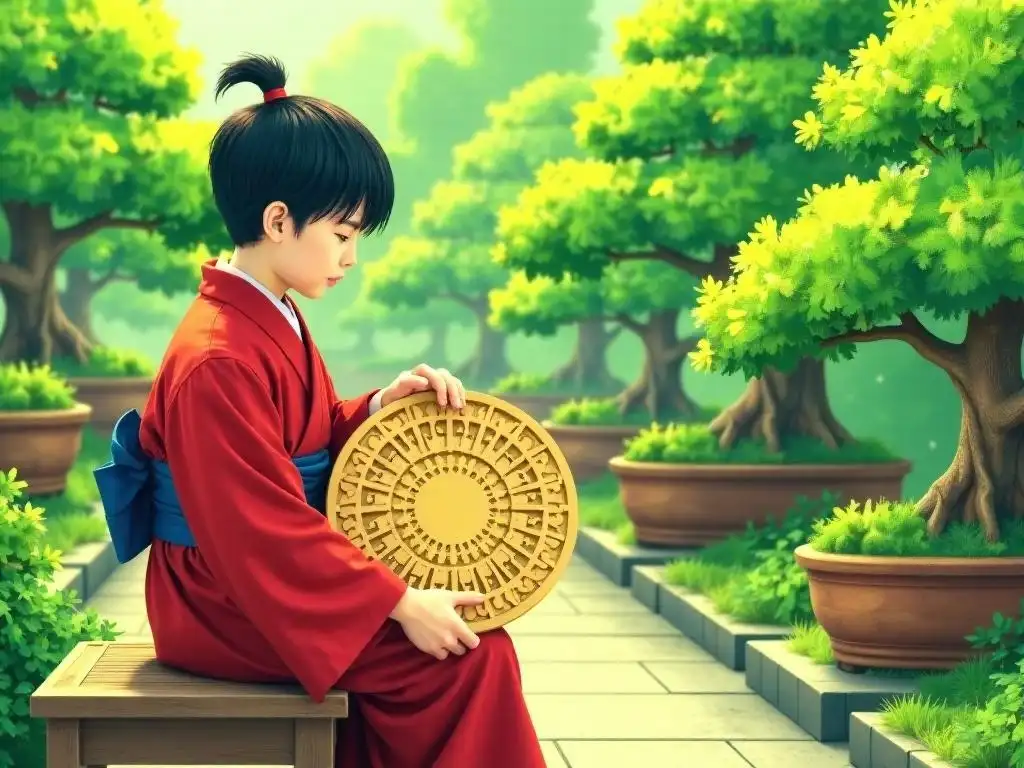
Welcome to Feudal Japan History, where we embark on a captivating journey through the rich tapestry of Japan's feudal era. Here, we delve deep into the historical, cultural, and societal intricacies that shaped this fascinating period. In our featured article, "The Rise of Private Tutors: How Samurai Families Educated Their Heirs," we uncover the secretive world of samurai education methods in Japan, revealing how these noble families passed down not just skills, but a legacy.
Prepare to be intrigued as we explore the profound impact of these educational practices on Japanese society. Join us as we unveil the layers of history that continue to resonate today!
Introduction to Samurai Education Methods in Japan
The education of samurai heirs in feudal Japan was a crucial aspect of maintaining the social order and the martial prowess of the warrior class. As the samurai were not only warriors but also stewards of their clan's legacy, the methods of education they employed were diverse and tailored to instill both cultural values and practical skills.
This article delves into the intricate world of samurai education methods in Japan, particularly focusing on the pivotal role of private tutors. By understanding the historical, cultural, and societal nuances of this educational approach, we gain a deeper appreciation of how samurai families prepared their heirs for the responsibilities of leadership and warfare.
Overview of Education in Feudal Japan
In feudal Japan, education was not standardized and varied significantly across different classes. While the peasantry primarily focused on agricultural skills, the samurai class emphasized a well-rounded education that included both martial training and scholarly pursuits. Samurai education typically covered a wide range of subjects, including:
- Martial Arts: The physical training necessary for combat and self-defense.
- Literature and Poetry: The study of classical texts and the appreciation of poetry as a form of cultural expression.
- Calligraphy: The art of beautiful writing, which was highly regarded in samurai culture.
- Philosophy and Ethics: The teachings of Confucianism and Buddhism that shaped samurai values.
The integration of these subjects was aimed at cultivating not just skilled warriors, but also cultured and thoughtful leaders.
Importance of Education in Samurai Culture
Education held significant importance within samurai culture for several reasons:
- Preservation of Knowledge: As the custodians of their clan's history and traditions, samurai were expected to have a deep understanding of their lineage and the values that defined it.
- Preparation for Leadership: Samurai were often called upon to make critical decisions, and a well-rounded education equipped them with the necessary analytical skills.
- Cultural Identity: Education fostered a sense of identity and pride among samurai, reinforcing their status within the social hierarchy.
Samurai families understood that education was not merely about acquiring knowledge; it was also about shaping character and ensuring the continuation of their clan's legacy.
The Role of Private Tutors in Samurai Education
Private tutors played an essential role in the education of samurai heirs, providing personalized instruction that was tailored to the specific needs of each student. The influence of these tutors extended beyond academic subjects, often encompassing the moral and ethical training necessary for a samurai.
Historical Context of Private Tutoring in Japan
The tradition of hiring private tutors can be traced back to the influence of Chinese educational practices during the Heian period (794-1185). As the samurai class emerged and consolidated power, the need for specialized education became evident. Private tutors often came from prestigious backgrounds, bringing with them a wealth of knowledge and experience.
Types of Tutors Employed by Samurai Families
Samurai families employed a variety of tutors, each specializing in different areas of study:
- Martial Arts Instructors: Experts in kenjutsu (swordsmanship) and other combat skills.
- Literary Scholars: Educators focusing on classical literature, poetry, and philosophy.
- Confucian Scholars: Tutors who provided instruction on ethics and governance, often emphasizing the importance of moral integrity.
This diverse array of tutors ensured that samurai heirs received a comprehensive and multifaceted education.
The Influence of Confucianism on Samurai Education
Confucianism significantly shaped samurai education methods, emphasizing the importance of moral integrity, social responsibility, and the value of learning. Key tenets of Confucian thought that influenced samurai education included:
- Filial Piety: The importance of respecting and honoring one's parents and ancestors.
- Righteousness: The need for samurai to act with justice and uphold moral standards.
- Self-Cultivation: The belief that continuous learning and self-improvement were essential for personal and societal harmony.
Through the incorporation of Confucian principles, samurai education not only focused on practical skills but also aimed at developing virtuous leaders who would uphold the moral fabric of society.
Key Samurai Education Methods
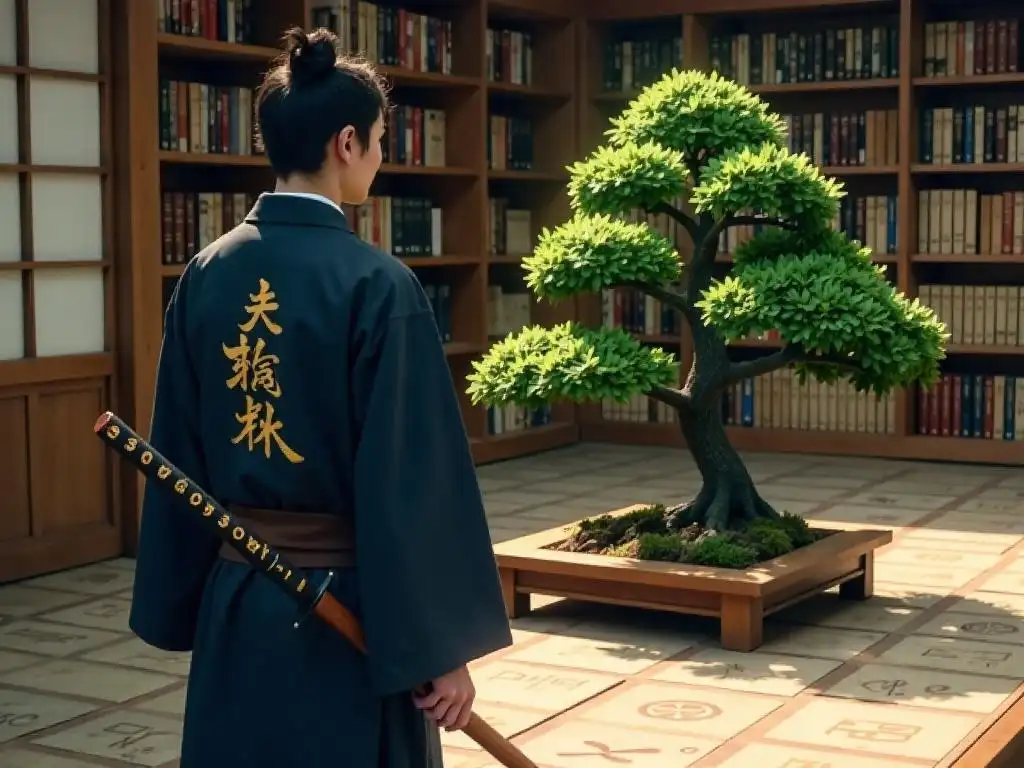
The education of samurai heirs was a process steeped in tradition and tailored to produce well-rounded individuals capable of fulfilling their roles in society. Key samurai education methods included a mix of formal and informal instruction, often facilitated by private tutors who were themselves well-versed in the arts of war and governance. These tutors played a crucial role in imparting knowledge not only about martial skills but also about philosophy, ethics, and culture, which were essential for the samurai's development.
Central to these education methods was the emphasis on practicality and discipline. Samurai families understood that their heirs would need to navigate a world of both warfare and governance, hence the education system integrated physical training alongside intellectual pursuits. This dual approach ensured that samurai were not only skilled warriors but also competent leaders and strategists.
Moreover, mentorship was a vital aspect of samurai education. Heirs often learned directly from experienced samurai, who would impart wisdom and life lessons, thereby fostering a sense of honor and duty. This mentorship was crucial in instilling the bushido code, which emphasized loyalty, bravery, and moral integrity.
The Curriculum: Subjects Taught to Samurai Heirs
The curriculum for samurai heirs was diverse and multifaceted, reflecting the varied skills necessary for their future roles. Subjects taught typically included:
- Martial Arts: Training in kenjutsu (swordsmanship), iaijutsu (the art of drawing the sword), and other martial disciplines was fundamental. This physical education was crucial for developing combat skills and physical fitness.
- Literature and Philosophy: Samurai were expected to be well-read. They studied classical texts, poetry, and works by philosophers such as Confucius and Laozi. This literary knowledge helped shape their moral and ethical frameworks.
- Calligraphy and Arts: Mastery of calligraphy was necessary for communication and record-keeping. Additionally, samurai were often trained in arts such as painting and tea ceremony, which were considered essential to a well-rounded education.
- Strategy and Tactics: Understanding military strategy was paramount. Samurai heirs studied historical battles, tactics, and philosophies of war, often through texts like "The Art of War" by Sun Tzu.
- Governance and Administration: Given their future roles in leadership, samurai heirs were educated on the principles of governance, law, and economics to prepare them for managing domains effectively.
Teaching Techniques Used by Private Tutors
Private tutors employed a variety of teaching techniques to effectively impart knowledge to samurai heirs. These methods included:
- Apprenticeship: Tutors often acted as mentors, guiding students through hands-on experiences rather than just theoretical lessons. This included direct involvement in training sessions and practical applications of learned skills.
- Socratic Method: Engaging students in dialogue to provoke critical thinking was common. Tutors would pose questions that encouraged samurai heirs to articulate their thoughts and reason through complex issues.
- Modeling Behavior: Tutors exemplified the ideals of bushido, demonstrating loyalty, courage, and discipline in their own conduct. This modeling served as a powerful educational tool, as samurai heirs learned through observation.
- Individualized Instruction: Recognizing the uniqueness of each student, tutors often tailored their teaching methods to suit the learning styles and interests of the samurai heirs. This personalized approach encouraged deeper engagement with the material.
The Impact of Samurai Education on Society
The education of samurai heirs had profound implications for Japanese society, as it shaped not only individual samurai but also the broader cultural and political landscape. The rigorous training and ethical teachings instilled in samurai heirs produced leaders who were not only skilled in warfare but also grounded in moral philosophy.
The samurai education system reinforced the hierarchical structure of feudal society, whereby educated samurai were seen as the moral and intellectual elite. This encouraged a culture that valued discipline, loyalty, and service to one's lord, which in turn contributed to social cohesion during tumultuous periods in Japanese history.
How Samurai Education Shaped Leadership in Japan
Samurai education played a pivotal role in shaping effective leadership throughout Japan's feudal era. By cultivating strategic thinkers who were also deeply aware of ethical responsibilities, samurai education fostered leaders capable of navigating complex political landscapes.
The emphasis on martial prowess combined with philosophical education meant that samurai leaders were not only adept at warfare but also skilled in diplomacy and governance. This dual capability allowed them to maintain stability within their domains and engage effectively with rival clans, ultimately influencing Japan's socio-political evolution.
The Legacy of Samurai Education Methods in Modern Japan
The legacy of samurai education methods persists in modern Japan, influencing contemporary educational practices and cultural values. The emphasis on discipline, hard work, and moral education remains integral to the Japanese educational system.
Modern institutions often echo samurai ideals by promoting character education alongside academic achievement. Furthermore, the historical importance placed on mentorship continues to resonate, as many educational models prioritize personal guidance and the development of leadership qualities among students.
In essence, the samurai education system laid foundational principles that continue to shape Japan’s educational ethos, emphasizing not only intellectual growth but also the cultivation of responsible, ethical citizens.
The education methods employed by samurai families were distinctively different from those of other social classes in feudal Japan. While the samurai placed a strong emphasis on martial skills, ethics, and governance, the education of farmers and artisans was primarily practical, focusing on trade skills and agricultural knowledge. Conversely, the nobility and clergy prioritized learning that revolved around governance, philosophy, and religious texts, albeit often without the same rigor as samurai training. This differentiation in educational focus not only reflected the social hierarchy but also the practical needs of each class.
Education of Farmers and Artisans
Farmers and artisans received an education largely centered around their trades and local customs. Their learning was informal and often conducted within the family or community, with a focus on practical skills such as farming techniques, craftsmanship, and trade practices. Key elements of their education included:
- Apprenticeships: Young individuals typically learned their trade by working alongside experienced family members or artisans.
- Ritual and Tradition: Education was often interwoven with cultural practices and community rituals, ensuring the transmission of important local knowledge.
- Limited Literacy: While some farmers and artisans became literate, especially in kanji for business purposes, the overall emphasis remained on practical skills over formal education.
This approach ensured that the community's economic and cultural practices were preserved and adapted across generations, but it lacked the formal structure and philosophical depth seen in samurai education.
Education of Nobility and Clergy
The education of the nobility and clergy was more structured and formalized compared to that of farmers and artisans. This class often attended schools or studied under private tutors, focusing on subjects such as literature, history, and ethics, which were essential for governance and religious duties. Key features of their education included:
- Confucian Influence: The teachings of Confucius significantly shaped the curriculum, emphasizing moral development and civic responsibility.
- Religious Training: For the clergy, education included extensive study of religious texts and practices, preparing them for roles in temples and spiritual leadership.
- Rhetoric and Debate: Nobility often engaged in exercises of rhetoric and debate, crucial for political discourse and leadership.
While their education provided a solid foundation for governance and community leadership, it often lacked the practical martial training that was a hallmark of samurai education.
Distinct Features of Samurai Education
Samurai education was characterized by a unique blend of martial training, moral philosophy, and practical governance skills, reflecting their dual roles as warriors and leaders. Distinct features included:
- Martial Arts Training: From a young age, samurai children were trained in various martial arts, including kenjutsu (swordsmanship), archery, and horsemanship, emphasizing physical discipline and combat readiness.
- Ethics and Philosophy: Education included the study of bushido, the samurai code of honor, which guided their behavior and decision-making. This philosophical grounding was essential for developing character and leadership qualities.
- Literary Studies: Samurai were also educated in literature, poetry, and history, fostering a well-rounded intellect that complemented their martial prowess. This included studying classic texts and engaging in writing and poetry as a means of self-expression.
Through this rigorous education, samurai families aimed to prepare their heirs not only for combat but also for the responsibilities of leadership in their communities.
Case Study: A Notable Samurai Family and Their Educational Practices
Background of the Family
One notable samurai family is the Tachibana clan, which rose to prominence during the Heian period. Known for their military prowess and cultural contributions, the Tachibana family emphasized education as a means to uphold their legacy and maintain their status. Their lineage included several influential leaders and scholars, which fostered a strong tradition of intellectual and martial excellence.
Educational Approach and Tutors Involved
The Tachibana clan employed a comprehensive educational approach that included both formal and informal methods. They hired renowned scholars and martial arts masters as private tutors, ensuring their children received a well-rounded education. Key aspects of their educational practices included:
- Diverse Curriculum: The education included martial arts training alongside studies in literature, history, and philosophy.
- Mentorship: Tutors were often chosen for their expertise and reputation, providing not only knowledge but also mentorship, shaping the character and values of the heirs.
- Cultural Activities: The family encouraged participation in cultural activities such as poetry, tea ceremonies, and calligraphy, which were essential in developing a refined character.
This holistic approach prepared Tachibana children to become capable leaders, warriors, and cultured individuals.
Outcomes and Influence on Subsequent Generations
The educational practices of the Tachibana clan significantly influenced subsequent generations, contributing to their enduring legacy. The emphasis on martial training combined with ethical education fostered leaders who were not only skilled warriors but also wise governors. Outcomes included:
- Leadership Legacy: Many heirs went on to hold important positions within the samurai hierarchy, exemplifying the qualities of honor and duty instilled during their education.
- Cultural Contributions: Their involvement in cultural and literary pursuits led to significant contributions to Japanese arts and literature, reflecting the value placed on education.
- Adaptive Strategies: The family's educational methods evolved over time, integrating new philosophies and practices that influenced samurai education across the country.
The Tachibana clan serves as a prime example of how samurai education methods shaped both individual character and the broader cultural landscape of feudal Japan.
Conclusion: The Enduring Influence of Samurai Education
The education of samurai heirs through private tutors has left an indelible mark on Japan’s educational landscape. The rigorous training that samurai families instilled in their children not only prepared them for leadership roles but also established a foundation for the value placed on education in Japanese society. The blend of martial training, ethical teachings, and the study of classical literature shaped a unique form of education that emphasized discipline, loyalty, and intellectual growth.
Even today, the principles derived from samurai education methods continue to resonate within Japan's educational system. The emphasis on character development, respect, and the pursuit of knowledge can be traced back to these ancient practices. As a result, the legacy of samurai education remains a vital part of Japan's cultural identity, influencing modern educational philosophies and practices.
Reflections on the Evolution of Education in Japan
The evolution of education in Japan reflects a broader journey of societal change. From the samurai's private tutoring systems to the establishment of public education during the Meiji Restoration, Japan has continually adapted its educational methods to meet the needs of its population. Initially focused on instilling loyalty and martial skills, education gradually expanded to include more diverse subjects, including science, technology, and the arts.
Moreover, the transition from individual tutors to formal institutions marked a significant shift in educational accessibility. While samurai families prioritized education for their heirs, the introduction of public schooling aimed to educate the entire population, fostering a more egalitarian society. This evolution illustrates how education in Japan has transformed from an exclusive privilege into a fundamental right, reflecting the ongoing commitment to knowledge and personal development.
The Relevance of Samurai Education Methods Today
Samurai education methods remain relevant in contemporary Japan, offering valuable lessons in character development and personal discipline. The focus on self-improvement, critical thinking, and moral integrity cultivated by samurai tutors resonates with modern educational practices. For instance, many schools today emphasize the importance of character education, mirroring the samurai's holistic approach to nurturing both intellect and virtue.
Additionally, the concept of lifelong learning, rooted in samurai traditions, encourages individuals to pursue knowledge well beyond formal education. This approach has gained traction in today’s fast-paced world, where adaptability and continuous learning are essential for personal and professional success. By studying the principles of samurai education, current educational frameworks can draw inspiration to foster resilience, ethical leadership, and a strong sense of community among learners.
Further Reading on Samurai Education and Feudal Japan
To deepen your understanding of samurai education and its historical context, a variety of resources are available that explore this fascinating topic. These materials offer insights into the methods, philosophies, and cultural significance of education during the feudal era in Japan.
Recommended Books and Articles
-
"Bushido: The Soul of Japan" by Inazo Nitobe
This classic book provides an in-depth look at the ethical code of the samurai and its implications for education and personal conduct.
-
"The Samurai: A Military History" by Stephen Turnbull
This work explores the military aspects of the samurai, including their training and educational practices.
-
"Education in Japan: A Historical Perspective" by John N. Hawkins
A detailed examination of Japan's educational evolution, including the influence of samurai education.
Online Resources for Exploring Samurai Culture and Education
-
The Samurai Archives
A comprehensive online resource offering articles, forums, and images related to the history and culture of the samurai.
-
The Japan Times
Features articles and opinion pieces on contemporary issues in Japan, often reflecting on historical contexts like samurai education.
-
Japan National Tourist Organization (JNTO)
Provides insights into cultural heritage sites related to samurai history, including educational institutions from the feudal era.
By engaging with these readings and resources, one can gain a more nuanced understanding of the samurai's educational influence and its lasting impact on Japanese society.
- Introduction to Samurai Education Methods in Japan
- Overview of Education in Feudal Japan
- Importance of Education in Samurai Culture
- The Role of Private Tutors in Samurai Education
- Key Samurai Education Methods
- The Impact of Samurai Education on Society
- Comparison of Samurai Education with Other Social Classes
- Case Study: A Notable Samurai Family and Their Educational Practices
- Conclusion: The Enduring Influence of Samurai Education
- Further Reading on Samurai Education and Feudal Japan
- What were the main education methods used by samurai families in Japan?
- How did samurai education differ from other classes in feudal Japan?
- What subjects were emphasized in the curriculum for samurai heirs?
- Did samurai education methods evolve over time?
- What role did conflict and warfare play in samurai education?
Frequently Asked Questions
What were the main education methods used by samurai families in Japan?
Samurai families primarily relied on private tutors to provide a well-rounded education for their heirs, focusing on both martial skills and academic subjects.
How did samurai education differ from other classes in feudal Japan?
While commoners received basic education, samurai education was more rigorous and specialized, emphasizing military strategy, literature, and philosophy, tailored to produce effective leaders.
What subjects were emphasized in the curriculum for samurai heirs?
The curriculum for samurai heirs included martial arts, calligraphy, poetry, history, and Confucian principles, ensuring they were equipped for both battlefield and governance.
Did samurai education methods evolve over time?
Yes, as Japan transitioned from the feudal era to modernization, samurai education methods began incorporating Western influences, including scientific studies and modern languages, while still retaining traditional elements.
What role did conflict and warfare play in samurai education?
Conflict and warfare were central to samurai education, instilling values of courage, loyalty, and strategic thinking, which were essential for their roles as warriors and leaders in feudal society.
Final Reflection: The Legacy of Samurai Education and Its Modern Resonance
The educational methods of samurai families hold profound relevance today, as they emphasize the importance of discipline, critical thinking, and a well-rounded education. In a world where traditional education systems are often criticized for their rigidity, the samurai approach offers a refreshing perspective on nurturing the mind and character of future generations. The values instilled through these methods continue to resonate, reminding us that education is not merely about academic achievement but also about cultivating virtues that shape responsible and capable individuals.
The influence of samurai education methods can be seen in contemporary discussions about personalized learning and mentorship. The emphasis on one-on-one instruction and the holistic development of students echoes in today's private tutoring landscape, where tailored educational experiences are increasingly sought after. As the philosopher and educator John Dewey once said, Education is not preparation for life; education is life itself.
This sentiment underscores the enduring impact of samurai educational philosophies, which prioritize lifelong learning and character development alongside intellectual growth.
As we reflect on the lessons from samurai families, let us consider how we can incorporate these timeless principles into our own lives and the lives of those we educate. Take a moment to ponder how you can foster a love of learning, resilience, and ethical values in yourself and others. Whether through mentoring, engaging in lifelong learning, or simply embodying the virtues of discipline and respect, each of us has the power to carry forward the legacy of samurai education, shaping a brighter future for ourselves and the generations to come.
Unveil the Secrets of Samurai Education!
Thank you for diving into the fascinating world of how samurai families educated their heirs. Your interest in this rich aspect of feudal Japan highlights the significance of knowledge and culture in shaping future leaders. Now, let’s transform that curiosity into actionable steps!
- Explore your local library or online resources for books that delve into samurai education and philosophy to enhance your understanding.
- Consider hosting a discussion group with friends to exchange insights and learn more about the historical impact of these educational practices.
- Connect with historians or join online communities to engage in discussions about the legacy of samurai education in contemporary society.
What insights or surprises have you discovered about the methods samurai families used to shape future generations? Share your thoughts below!