
The Art of Noh: Exploring the Spirituality and Elegance of Japan's Classical Theatre

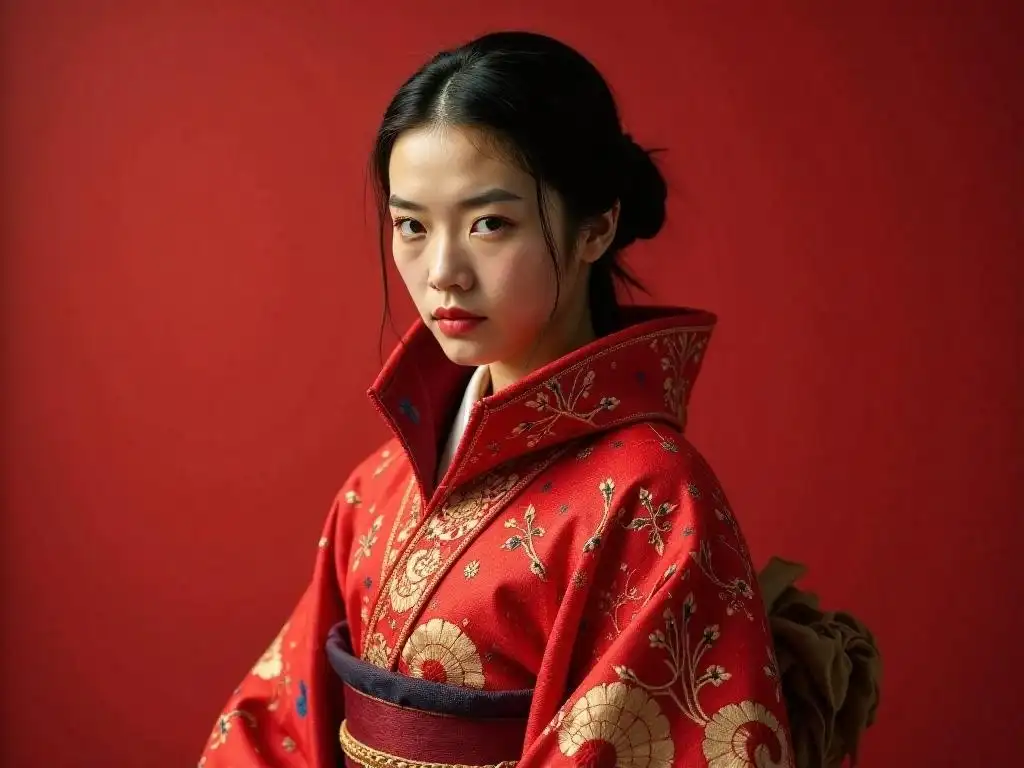
Welcome to Feudal Japan History, where we invite you on an intriguing journey through the captivating complexities of Japan's feudal era. In our featured article, "The Art of Noh: Exploring the Spirituality and Elegance of Japan's Classical Theatre," we delve into the cultural significance of Noh theatre in Japan, uncovering its profound impact on society, artistry, and spirituality. Prepare to immerse yourself in the elegance and depth of this classical form, as we unravel the threads that weave together history, culture, and daily life in this remarkable period. Curiosity awaits—let's explore!
Noh theatre, one of Japan's oldest performing arts, represents a profound blend of spirituality, artistry, and cultural significance that has endured through centuries. As a key component of Japan's rich cultural tapestry, Noh is not merely a form of entertainment; it embodies the philosophical and spiritual ideals that have shaped Japanese society.
In this article, we will delve into the various aspects of Noh theatre, examining its historical roots, cultural relevance, and spiritual dimensions. By exploring the elegance and depth of Noh, we gain insight into its enduring legacy within the context of feudal Japan, as well as its influence on contemporary artistic expressions.
Introduction to Noh Theatre
Noh theatre, characterized by its slow movements, intricate masks, and poetic dialogue, serves as a window into the soul of Japan's artistic heritage. Originating in the 14th century, Noh has evolved into a sophisticated art form that combines music, dance, and drama to convey profound narratives. Its performances often reflect themes of love, loss, and the supernatural, resonating deeply with audiences and inviting them to experience a world where the spiritual and the tangible coexist.
Overview of Noh Theatre in Japan's Cultural Landscape
Noh's place in the cultural landscape of Japan is unique, as it represents a synthesis of various artistic influences. The art form takes inspiration from earlier forms of theatre such as sarugaku and dengaku, and has been shaped by the aesthetics of Japanese painting, poetry, and philosophy. Noh is often performed in specially designed theatres, which enhance the viewing experience by creating an atmosphere of serenity and contemplation.
- Key Characteristics of Noh Theatre:
- Masks: Each mask tells a story and conveys specific emotions.
- Costumes: Elaborate costumes add to the visual splendor and signify characters' roles.
- Music: Traditional instruments accompany performances, setting the mood and pace.
Historical Development of Noh Theatre
The historical trajectory of Noh theatre highlights its transformation from a form of entertainment for the elite to a respected cultural institution. It was initially patronized by samurai and nobility, with figures such as Kan'ami and Zeami playing pivotal roles in its development. Through their innovations, they established the foundational principles that govern Noh today, focusing on the importance of aesthetics, spirituality, and the concept of "yugen" (subtle grace).
- Timeline of Key Events in Noh Theatre:
- 14th Century: Emergence of Noh, with Kan'ami and Zeami as crucial figures.
- 15th Century: Establishment of Noh as a formal art form with a defined structure.
- 16th Century Onwards: Noh flourishes under the patronage of the ruling class.
Importance of Noh Theatre in Feudal Japan
During the feudal era, Noh theatre served as a reflection of the societal values and beliefs of the time. It was not only a source of entertainment but also a means of cultural expression that reinforced social hierarchies and conveyed moral lessons. The themes explored in Noh performances often mirrored the ideals of loyalty, honor, and the transient nature of life, resonating deeply with the samurai ethos.
The Spiritual Significance of Noh Theatre
The spiritual essence of Noh theatre is evident in its intricate storytelling and the meditative quality of its performances. Noh is often considered a form of spiritual practice, where both performers and audiences engage in a shared experience that transcends the ordinary.
Noh Theatre as a Reflection of Japanese Spirituality
Noh theatre is imbued with spiritual significance, as it often seeks to connect the material world with the spiritual realm. The performances invite contemplation and introspection, allowing audiences to engage with profound existential themes. The slow, deliberate movements of the actors serve as a reminder of the impermanence of life, urging viewers to reflect on their own existence.
The Role of Shinto and Buddhism in Noh Performances
Shinto and Buddhism have played pivotal roles in shaping the narratives and themes of Noh theatre. Many performances draw on Shinto beliefs about kami (spirits) and the natural world, while Buddhist concepts of suffering and enlightenment often permeate the stories told on stage. This fusion of religious traditions adds layers of meaning to Noh, creating a rich tapestry of spiritual exploration.
- Key Influences:
- Shinto: Emphasis on the connection between humans and nature.
- Buddhism: Themes of impermanence and spiritual awakening.
Symbolism and Themes in Noh Theatre
The symbolism inherent in Noh theatre is profound, with every element—from the masks to the movements—carrying significant meaning. Common themes include the passage of time, the duality of life and death, and the interplay between the earthly and the divine. These themes resonate deeply with audiences, prompting reflections on their own lives and beliefs.
- Common Symbols in Noh:
- Masks: Represent different emotions and states of being.
- Nature Elements: Often symbolize broader spiritual concepts, such as rebirth and renewal.
Through this exploration of Noh theatre, we uncover not only a unique art form but also a reflection of Japan's spiritual landscape, steeped in history and cultural significance. As we continue, we will delve deeper into the intricacies of Noh performances, examining their ongoing relevance and the profound impact they have on Japanese culture today.
The Elegance of Noh Aesthetics
Noh theatre is renowned for its refined aesthetics, integrating various art forms to create a unique and immersive experience. The elegance of Noh lies in its minimalist approach, where every gesture, sound, and visual element is meticulously crafted to convey deep emotions and narratives. Unlike other theatrical traditions that may rely on elaborate sets and props, Noh emphasizes simplicity and subtlety, allowing the audience to engage on a more profound level.
The stage itself is a simple wooden platform, often adorned with a painted pine tree backdrop that symbolizes eternity and serves as a reminder of nature's presence. This understated environment fosters a contemplative atmosphere, encouraging viewers to reflect on the themes presented. The use of space in Noh is intentional, with performers utilizing slow, deliberate movements that draw attention to the intricacies of their art. The elegance of movement, paired with the sparseness of the setting, creates a serene yet powerful ambiance that is characteristic of Noh theatre.
Unique Characteristics of Noh Theatre Costumes
Costumes in Noh theatre are a vital aspect of the performance, showcasing the artistry and craftsmanship of Japanese textile traditions. Each costume is meticulously designed and embroidered, reflecting the character's social status, personality, and emotional state. The richness of the fabrics, often made from silk, combined with intricate designs, adds to the visual splendor of the performance.
One unique characteristic of Noh costumes is their layering. Performers typically wear multiple layers, which not only contribute to the visual depth but also serve practical purposes, such as facilitating movement and enhancing the portrayal of the character. The colors and patterns of the garments are chosen carefully, with specific hues symbolizing various emotions or themes, such as red for passion or white for purity. The elegance of these costumes elevates the entire Noh experience, transforming the performers into living embodiments of the stories they tell.
The Role of Masks in Noh Theatre
Masks are perhaps one of the most iconic elements of Noh theatre, serving as both a practical and symbolic tool in performances. Crafted from lightweight materials, these masks are designed to convey a wide range of emotions and characters, from the serene beauty of a female character to the fierce expression of a warrior. The artistry involved in creating Noh masks is profound; each mask undergoes meticulous carving and painting, often taking months to complete.
The use of masks in Noh theatre allows actors to portray multiple roles without changing their physical appearance dramatically. The subtlety of the masks means that emotions can be expressed through minute changes in angle and lighting, allowing for a deeply nuanced performance. This technique enhances the spiritual and psychological dimensions of Noh, as the masks invite the audience to look beyond the surface and engage with the inner essence of the characters.
The Influence of Music and Dance in Noh Performances
Music and dance are integral components of Noh theatre, contributing to its unique atmosphere and narrative depth. The musical accompaniment, typically performed with traditional instruments such as the flute and drums, sets the tone and pace of the performance. The music in Noh is characterized by its slow, rhythmic patterns that complement the deliberate movements of the actors, creating a meditative experience for the audience.
Dance is another vital element in Noh, with performers using precise movements to express emotions and tell stories. The choreography is often symbolic, with each gesture holding specific meanings that enhance the narrative's emotional weight. The combination of music and dance in Noh theatre not only enriches the storytelling experience but also deepens the audience's connection to the spiritual and aesthetic themes being explored.
Noh Theatre and Its Cultural Significance
Noh theatre holds a significant place in Japan's cultural heritage, embodying centuries of artistic and spiritual development. Its origins can be traced back to the 14th century, and over the years, it has evolved while retaining its core principles and themes. Understanding the cultural significance of Noh is essential for appreciating its role in shaping Japan's artistic landscape.
Noh Theatre’s Impact on Japanese Arts and Literature
The influence of Noh theatre extends far beyond the stage, permeating various forms of Japanese art and literature. Its themes, aesthetics, and techniques have inspired countless artists, writers, and musicians throughout history. Notably, Noh has interacted with other art forms, such as poetry and painting, leading to the development of unique styles that reflect its influence.
The poetic language used in Noh plays, often rich in metaphor and symbolism, has contributed to the evolution of Japanese literature. Many renowned poets and playwrights have drawn inspiration from Noh, incorporating its themes of transience, nature, and spirituality into their works. This interconnectedness highlights Noh's role as a cornerstone of Japan's cultural identity, influencing not only the performing arts but also the broader artistic discourse.
Noh Theatre as a Cultural Heritage of Japan
Recognized as an important cultural heritage, Noh theatre is designated as an Intangible Cultural Heritage by UNESCO. This recognition underscores its significance as a living tradition that embodies Japan's historical and cultural values. Noh theatre serves as a conduit for transmitting cultural knowledge and practices from generation to generation, preserving the rich artistic legacy of Japan.
The cultural heritage of Noh is not merely about the preservation of performances; it also encompasses the teachings of the art form, including the philosophy behind its creation. Through workshops and educational programs, new generations of artists and audiences are introduced to the spiritual and aesthetic principles of Noh, ensuring its continued relevance and appreciation in contemporary society.
Preservation and Evolution of Noh Theatre Today
While Noh theatre remains deeply rooted in tradition, it is not immune to evolution. Contemporary performances often incorporate modern elements while respecting the core aesthetics and philosophies of the art form. This adaptability has allowed Noh to remain relevant in today's cultural landscape, attracting new audiences and practitioners.
Efforts to preserve Noh theatre include the establishment of dedicated institutions and organizations that promote its practice and study. These initiatives focus on training young performers, conducting research, and holding performances that showcase the beauty and depth of Noh. Additionally, collaborations with other art forms, such as contemporary dance and multimedia, are helping to reimagine Noh for modern audiences, ensuring that this exquisite art form continues to thrive and inspire.
Comparing Noh Theatre with Other Traditional Japanese Performing Arts
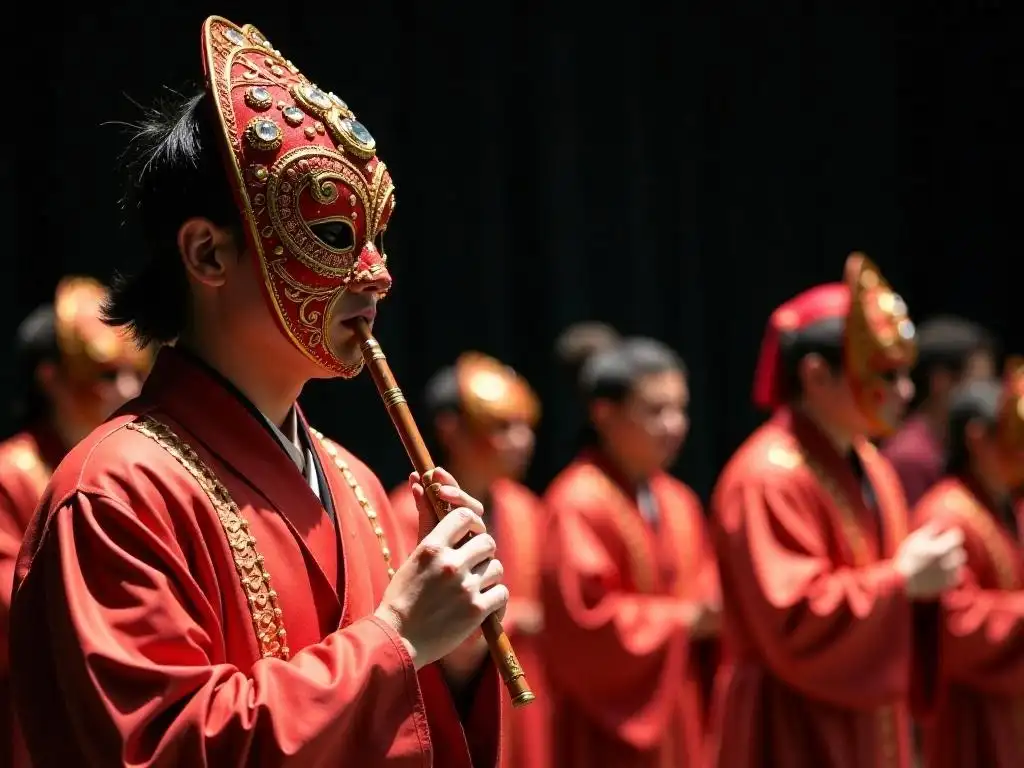
Noh theatre, a cultural gem of Japan, possesses unique characteristics that differentiate it from other traditional performing arts such as Kabuki and Bunraku. Understanding these distinctions not only enhances our appreciation of Noh but also highlights its role within the broader spectrum of Japanese cultural heritage. Each art form reflects different aspects of Japanese history, societal values, and aesthetic preferences, making the exploration of their differences essential for grasping the full depth of Japan's artistic landscape.
Noh vs. Kabuki: Distinctions in Style and Themes
Noh and Kabuki are often juxtaposed due to their shared roots in Japanese theatre, yet they present contrasting styles and themes.
- Performance Style: Noh is characterized by its slow, deliberate movements and minimalistic staging. Actors often wear elaborate masks that convey a range of emotions, while the use of music and chanting enhances the spiritual atmosphere. In contrast, Kabuki is known for its vibrant, dynamic performances, featuring exaggerated movements, colorful costumes, and intricate stage effects.
- Themes: Noh typically delves into themes of spirituality, the supernatural, and the exploration of human emotions through a meditative lens. Kabuki, however, often focuses on lively narratives, dramatic conflict, and historical tales, making it more accessible to the general public.
- Audience Engagement: Noh performances, often held in intimate settings, invite deep reflection among viewers, while Kabuki is designed to entertain, with audiences actively engaging through applause and vocal expressions.
Through these distinctions, it becomes clear that Noh's emphasis on subtlety and introspection sets it apart within the realm of Japanese performing arts.
Noh and Bunraku: A Study of Puppetry and Performance
Bunraku, or Japanese puppet theatre, shares some thematic similarities with Noh, yet the two forms diverge significantly in their execution and audience experience.
- Artistic Medium: Noh relies on live actors to convey stories, while Bunraku employs intricately crafted puppets operated by skilled puppeteers. This fundamental difference in artistic medium shapes the emotional delivery and audience engagement in each form.
- Narrative Approach: Noh often explores existential themes and historical narratives through a stoic lens, while Bunraku tends to focus on emotional storytelling, portraying the lives and struggles of its characters. This emotional depth in Bunraku is achieved through a combination of music and dialogue, enhancing the puppets' movements.
- Cultural Significance: Both Noh and Bunraku hold cultural significance in Japan, yet Noh is often viewed as a more elite form of art, associated with the samurai class and formal court rituals. Bunraku, on the other hand, reflects a broader social narrative and has been influential in shaping popular culture.
The interplay between these two forms reveals the rich tapestry of Japanese performing arts and their respective roles in societal expression.
Global Influence of Noh Theatre Compared to Other Art Forms
Noh theatre's influence extends beyond Japan, impacting various art forms and cultural practices worldwide. Its minimalist aesthetic and spiritual themes have inspired contemporary artists and performers in the West, contributing to a growing appreciation for Japanese culture.
- Cinematic Influence: Directors such as Akira Kurosawa have drawn from Noh's aesthetic and thematic elements in films, employing its slow pacing and symbolism to create profound narratives. This cinematic interpretation has introduced Noh to international audiences, fostering a deeper interest in its cultural significance.
- Theatrical Innovations: Modern theatre practitioners worldwide have incorporated Noh's elements into their works, blending traditional Japanese motifs with contemporary storytelling techniques. This fusion exemplifies Noh's adaptability and relevance in the global artistic landscape.
- Cultural Exchange: Festivals and performances that showcase Noh have emerged in various countries, promoting cultural dialogue and appreciation for Japan's rich theatrical heritage. Such exchanges facilitate a broader understanding of Noh's significance beyond its national context.
As Noh continues to influence and inspire, its cultural significance remains prominent on the global stage, bridging connections across different artistic traditions.
Conclusion: The Enduring Legacy of Noh Theatre
Noh theatre stands as a powerful testament to Japan's artistic and cultural legacy, embodying a profound spirituality and elegance that resonates through the ages. While its roots are firmly planted in the history of Japan, its influence extends far beyond, shaping contemporary art forms and international perceptions of Japanese culture.
Noh Theatre in Contemporary Japan
In contemporary Japan, Noh theatre remains relevant, attracting audiences through innovative productions that blend tradition with modern sensibilities. Artists are exploring new themes and narratives, making Noh accessible to younger generations.
- Educational Initiatives: Schools and cultural institutions are increasingly incorporating Noh into their curricula, fostering appreciation among youth and ensuring the art form's continuation.
- Cross-Disciplinary Collaborations: Contemporary artists are collaborating with Noh performers to create interdisciplinary works that blend dance, visual art, and music, thereby rejuvenating interest and engagement.
These initiatives showcase Noh's adaptability and its potential to thrive in a rapidly changing cultural landscape.
The Future of Noh Theatre and Its Cultural Relevance
As society evolves, so too does Noh theatre, with ongoing discussions about its place in modern Japan.
- Cultural Preservation Efforts: Organizations dedicated to preserving Noh are working to document performances and techniques, ensuring that future generations can experience and learn from this rich tradition.
- Integration with Technology: The use of technology in Noh performances, such as virtual reality and multimedia presentations, is opening new avenues for storytelling and audience engagement, potentially attracting a broader audience.
The future of Noh theatre hinges on its ability to resonate with contemporary audiences while remaining true to its historical roots.
Final Thoughts on the Cultural Significance of Noh Theatre in Japan
Noh theatre embodies the cultural essence of Japan, reflecting its historical depth, spiritual richness, and artistic elegance. As a crucial element of Japan's cultural heritage, Noh provides insight into the nation's values and philosophical explorations.
- Cultural Identity: Noh theatre serves as a lens through which the complexities of Japanese identity can be examined, allowing practitioners and audiences alike to engage with profound themes of existence, memory, and spirituality.
- A Living Tradition: Despite the challenges of modernization, Noh theatre continues to thrive, demonstrating its resilience and enduring relevance in Japanese society.
The cultural significance of Noh theatre in Japan is profound and multifaceted, offering a unique perspective on the interplay between art, spirituality, and society that continues to inspire and enlighten.
References and Further Reading
For those interested in delving deeper into the world of Noh theatre and its cultural significance in Japan, a wealth of resources is available. These materials not only explore the historical roots and intricacies of Noh but also provide insights into its artistic expressions and spiritual dimensions. Below is a curated list of recommended books, articles, and documentaries that capture the essence of Noh theatre and its place in Japanese culture.
Recommended Books on Noh Theatre
-
"The Noh Plays of Japan" by William Scott Wilson
This comprehensive collection offers translations of several key Noh plays, providing readers with an understanding of their narratives, themes, and cultural contexts. Wilson's introduction also sheds light on the historical evolution of Noh theatre.
-
"Noh: The Classical Theatre of Japan" by James R. Brandon
Brandon's work is essential for anyone looking to grasp the fundamentals of Noh theatre. It discusses the various elements that characterize Noh, including its music, dance, and staging, alongside a historical overview.
-
"Noh Drama and the Japanese Worldview" by David S. N. Kawai
This book explores the philosophical and spiritual underpinnings of Noh theatre, examining how it reflects Japanese aesthetics and the cultural values of the time. Kawai provides a thoughtful analysis of the symbols and themes prevalent in Noh performances.
-
"The Noh Theatre of Japan" by A. C. Scott
A detailed guide to the performance aspects of Noh, this book covers everything from the role of the actor to the significance of costumes and masks. It serves as a great resource for both practitioners and enthusiasts.
Articles on Japanese Cultural Practices
-
"The Significance of Noh Theatre in Japanese Culture"
This article discusses the historical context of Noh theatre and its role in shaping Japanese cultural identity. It explores how Noh reflects societal values and spiritual beliefs.
-
"Ritual and Performance in Noh Theatre"
An academic piece that delves into the ritualistic aspects of Noh, examining how these elements contribute to its cultural significance. The author analyzes the interplay between performance and spirituality in Noh plays.
-
"Cultural Heritage and Preservation: The Case of Noh Theatre"
This article highlights efforts to preserve Noh theatre as a UNESCO Intangible Cultural Heritage. It discusses the challenges faced in maintaining traditional practices in a modern context.
Documentaries and Performances to Explore Noh Theatre
-
"Noh: The Art of the Japanese Theatre" (Documentary)
This documentary provides a captivating look at the rehearsal and performance of Noh, featuring interviews with seasoned practitioners. It captures the dedication and artistry involved in this ancient form of theatre.
-
"The Spirit of Noh" (Performance)
A recorded performance that showcases various Noh plays, accompanied by commentary that explains the significance of the narratives and the artistry behind the performances.
-
"Noh and Beyond: Theatrical Traditions in Japan" (Documentary)
This film explores the broader context of Japanese theatre, including Noh, Kabuki, and Bunraku. It highlights the unique features of Noh and its impact on other forms of Japanese performing arts.
These resources provide a solid foundation for understanding the rich tapestry of Noh theatre and its enduring significance in Japan's cultural landscape. Whether you are a newcomer to this art form or looking to deepen your appreciation, these references and further readings are invaluable.
- Introduction to Noh Theatre
- The Spiritual Significance of Noh Theatre
- The Elegance of Noh Aesthetics
- Noh Theatre and Its Cultural Significance
- Comparing Noh Theatre with Other Traditional Japanese Performing Arts
- Conclusion: The Enduring Legacy of Noh Theatre
- References and Further Reading
Frequently Asked Questions
What is Noh theatre?
Noh theatre is a classical Japanese performance art that combines music, dance, and drama to convey profound themes, often drawing from historical and spiritual sources.
How does Noh theatre reflect Japan's cultural values?
Noh theatre embodies Japanese aesthetics such as simplicity and subtlety, emphasizing the importance of nature, spirituality, and the transience of life in its performances.
What are the key elements of Noh theatre?
Key elements of Noh theatre include elaborate costumes, masks, and a minimalist stage, all of which contribute to its unique storytelling and profound emotional impact.
How is spirituality expressed in Noh theatre?
Spirituality in Noh is conveyed through themes of the supernatural, the use of mythological characters, and ritualistic movements, reflecting a deep connection to Shinto beliefs and Buddhist philosophy.
Why is Noh theatre significant to Japan's cultural heritage?
Noh theatre is significant because it represents centuries of tradition, showcasing the artistic mastery and cultural identity of Japan, while also influencing other forms of Japanese performing arts.
Final Reflection: The Enduring Elegance of Noh Theatre in Japan's Cultural Landscape
The exploration of Noh theatre reveals its profound cultural significance in Japan today, where the delicate balance of spirituality and artistry continues to resonate with audiences. As we navigate a world increasingly dominated by rapid change and digital distractions, the timeless elegance of Noh serves as a reminder of the importance of tradition and the deep-rooted narratives that shape our identities. The intricate movements, haunting melodies, and philosophical themes of Noh theatre invite us to pause and reflect on the essence of human experience.
The influence of Noh theatre extends far beyond the stage; it permeates various aspects of Japanese culture, from literature to visual arts, and even modern performance. This classical form of theatre encapsulates a unique blend of aesthetics and spirituality that fosters a sense of connection among individuals and communities. Noh is not just a performance; it is a meditation on existence.
This observation highlights how Noh theatre continues to inspire contemporary artists and audiences alike, encouraging a deeper appreciation for the subtleties of life and the beauty found in silence and stillness.
As we conclude our journey through the world of Noh, I invite you to reflect on the lessons embedded within its performances. Consider how the themes of Noh—such as the transience of life, the search for meaning, and the power of storytelling—can be woven into your own life. Embrace the elegance and spirituality that Noh embodies, and let it inspire you to seek moments of introspection and connection in your daily experiences. In a fast-paced world, may we all find our own stage to celebrate the art of living with grace and depth.
Embrace the Spirit of Noh and Transform Your Experience!
Thank you for diving into the captivating world of Noh theatre with us! Your engagement with this unique art form has unveiled the intricate blend of spirituality and elegance that defines Japan's classical performance. Now, it's your turn to deepen your appreciation and interaction with Noh.
Here are some actionable steps to embark on your own journey:
- Attend a Local Noh Performance: Seek out nearby theatres or cultural festivals showcasing Noh and immerse yourself in this timeless art form.
- Explore Noh Literature: Discover the poetry and stories behind Noh by reading plays or watching documentaries that delve into its history and significance.
- Share Your Insights: Connect with fellow enthusiasts by discussing your thoughts on Noh through social media or community forums. Your perspective could inspire others!
As you reflect on this immersive experience, consider this: What aspects of Noh resonate most with your personal beliefs, and how can you incorporate them into your daily life?