
The Impact of Geography on Feudal Japanese Food Culture


Welcome to Feudal Japan History, where we invite you to journey through the rich tapestry of Japan’s feudal era. In this captivating exploration, we delve into the intricate connections between geography and food, revealing how the diverse landscapes shaped the culinary practices of the time. Prepare to uncover the fascinating ways in which the natural world influenced Japanese cuisine, and discover the societal implications that stemmed from these geographical nuances. Get ready to embark on an enlightening journey that will pique your curiosity and deepen your understanding of this complex and vibrant period in history!
The relationship between geography and cuisine is a profound one, particularly in the context of feudal Japan. This era, spanning from the late 12th century to the 19th century, was characterized by diverse landscapes that significantly shaped the food culture of the time. Understanding how geographical features influenced food production, availability, and culinary practices provides deep insights into the daily lives of the people and the social structures that governed them. In this article, we will explore the various geographical elements that impacted Japanese cuisine during the feudal period, including mountainous terrains, coastal regions, and fertile river valleys.
Introduction to Japanese Cuisine
Japanese cuisine is renowned for its rich flavors, seasonal ingredients, and intricate presentation. It is a reflection of the country’s history, culture, and geographical diversity. The food culture that evolved during the feudal era laid the foundation for many traditional practices still observed today. The harmonious balance between nature and culinary arts showcases how the Japanese have adapted their food practices to their environment over centuries.
Overview of Japanese Food Culture
Japanese food culture is deeply rooted in local traditions and seasonal changes. Key components include:
- Umami: Often referred to as the "fifth taste," umami plays a crucial role in Japanese cooking, enhancing the flavors of dishes.
- Seasonality: Dishes are prepared with an emphasis on seasonal ingredients, which are believed to reflect the beauty of nature.
- Presentation: The aesthetic aspect of food is significant, with careful attention paid to the arrangement and color of dishes.
Japanese cuisine is not only about nourishment but also about creating a connection to nature and honoring the land.
Importance of Geography in Food Production
Geography plays a pivotal role in food production, determining what crops can be cultivated, which animals can be raised, and the types of food that become integral to regional diets. In feudal Japan, the diverse landscapes influenced agricultural practices, fishing techniques, and even trade routes, allowing for a rich tapestry of culinary traditions across the nation.
Regional Geography of Feudal Japan
The geography of feudal Japan is characterized by its mountains, rivers, and coastal areas, each contributing uniquely to the food culture of the time.
Mountains and Their Influence on Agriculture
Japan's mountainous terrain, which covers about 73% of the country's land, posed challenges for large-scale agriculture. However, it also led to:
- Terraced Farming: Farmers adapted to the slopes by creating terraces to cultivate crops like rice and barley.
- Foraging: The mountains provided wild game, mushrooms, and edible plants, enriching local diets.
- Limitations: The terrain restricted the types of crops that could be grown, leading to regional specialties based on what could thrive in specific environments.
Coastal Areas: Fishing and Marine Resources
The extensive coastline of Japan has historically been a source of abundant marine resources. Key aspects include:
- Fishing: Coastal communities relied heavily on fishing, developing techniques that are still used today, such as net fishing and traps.
- Seafood Variety: The variety of fish and shellfish available contributed to a diverse seafood cuisine, including dishes like sashimi and sushi.
- Culinary Practices: Many coastal regions developed unique methods of preserving seafood, such as drying and pickling.
River Valleys: Fertile Lands for Rice Cultivation
River valleys, such as the Kanto and Kansai regions, offered fertile lands ideal for rice cultivation, which is central to Japanese cuisine. Notable influences include:
- Irrigation Systems: Advanced irrigation techniques allowed for the effective cultivation of rice, which became a staple food and cultural symbol.
- Cultural Significance: Rice is not just a food source; it holds ritual importance and is often associated with prosperity and fertility.
- Regional Variations: Differences in soil and water availability led to distinct rice varieties and culinary traditions across regions.
By examining these geographical influences, we can gain a comprehensive understanding of how the unique landscapes of feudal Japan shaped its food culture, intertwining the natural environment with social and cultural practices.
Climate Variations and Their Effects on Cuisine
The geographical diversity of Japan, characterized by its varying climate zones, has played a pivotal role in shaping the country's food culture. From the snowy landscapes of Hokkaido to the subtropical climates of Okinawa, the climate influences not only the types of crops that can be grown but also the methods of food preparation and preservation. Seasonal changes dictate the availability of ingredients, leading to a cuisine that is deeply intertwined with nature's cycles. This relationship creates a rich tapestry of flavors and culinary practices that reflect the unique environmental conditions of each region.
In northern regions, the harsh winters necessitate the use of preservation techniques such as pickling and drying, while in the milder southern areas, fresh ingredients are more readily available, allowing for lighter dishes that emphasize seasonal produce. This climatic influence not only affects the ingredients used but also the cooking styles, with steaming and grilling being prevalent in areas with abundant fresh produce, while stews and hearty meals are favored in colder climates.
Northern Japan: Hokkaido's Unique Ingredients
Hokkaido, Japan's northernmost island, boasts a climate that is significantly colder and harsher than the rest of the country. This has resulted in the development of a unique food culture that prioritizes heartiness and nutrition. The region is renowned for its dairy products, such as butter and cheese, thanks to its vast pastures and favorable conditions for livestock farming. Hokkaido is also famous for its seafood, particularly crabs, scallops, and sea urchins, which thrive in the nutrient-rich waters of the Sea of Japan.
In addition to seafood and dairy, Hokkaido's agriculture yields a variety of crops that are well-suited to its climate, including potatoes, corn, and melons. The cold climate also encourages the use of preservation techniques, with many locals utilizing methods like fermentation and pickling to ensure food sustainability through the long winters. This results in a unique blend of fresh and preserved flavors that characterize Hokkaido's culinary identity.
Central Japan: The Role of Climate in Rice Farming
Central Japan, where the majority of the country's rice is cultivated, experiences a climate that is conducive to rice farming, with warm summers and ample rainfall. The significance of rice in Japanese cuisine cannot be overstated; it serves as a staple food and plays a central role in cultural practices and traditions. The lush paddies of this region are often surrounded by mountains, which not only provide irrigation but also contribute to the fertile soil.
The unique climate conditions of Central Japan allow for the cultivation of various rice varieties, with the Koshihikari being one of the most celebrated. The quality of rice produced here is often attributed to the purity of the water sourced from the surrounding mountains, which influences the taste and texture of the rice. This climate-driven agricultural system has led to a cuisine that prominently features rice in various forms, from plain steamed rice to elaborate rice-based dishes such as sushi and onigiri.
Southern Japan: Tropical Influences on Food Culture
In stark contrast to the north, Southern Japan, particularly areas like Okinawa and Kyushu, boasts a subtropical climate that significantly influences its food culture. The warm temperatures and abundant rainfall enable the growth of a variety of tropical fruits and vegetables, including sweet potatoes, citrus fruits, and an array of leafy greens. This region's cuisine is known for its vibrant flavors and emphasis on fresh produce, often highlighted in dishes that are light and refreshing.
Okinawa, in particular, is famous for its unique culinary practices, which reflect both its tropical environment and historical influences from trade with other Asian cultures. Foods such as goya (bitter melon) and various seafood dishes are staples in the Okinawan diet, contributing to the region's reputation for longevity and health. The climate also allows for outdoor cooking methods, such as grilling and barbecuing, which are popular in Southern Japan, showcasing the region's culinary creativity and the importance of seasonal ingredients.
Local Ingredients and Their Geographic Origins
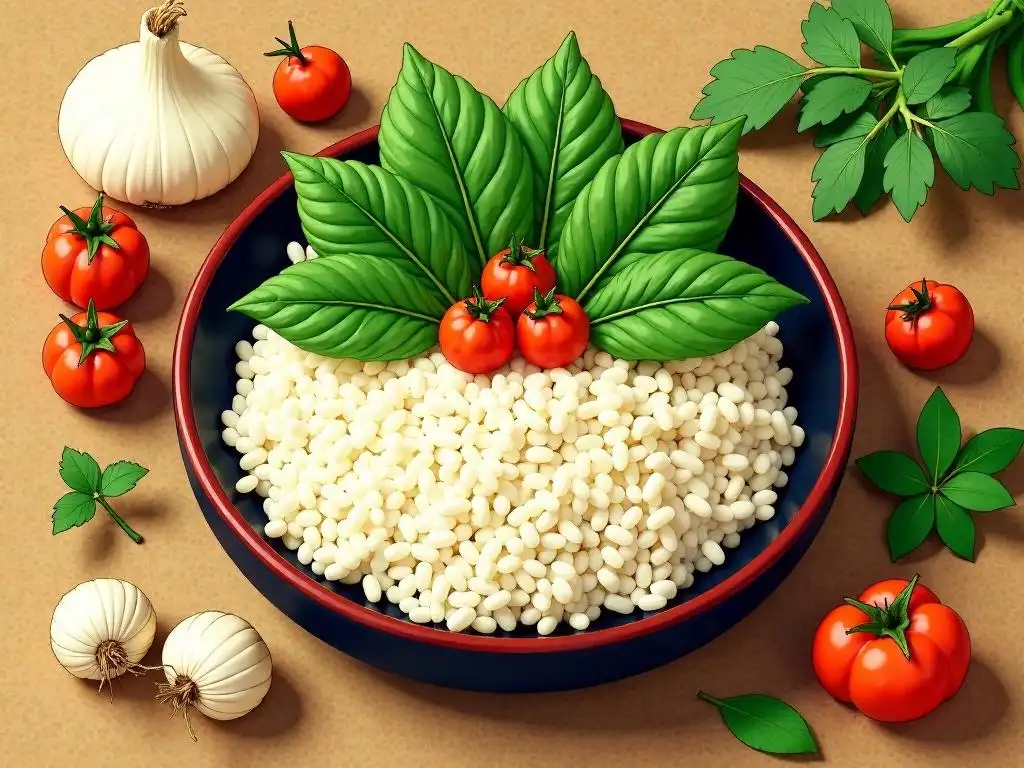
The diversity of Japan's geography has resulted in a wide array of local ingredients that are integral to its cuisine. Each region boasts its own unique produce, seafood, and meats, all influenced by the local climate and topography. This rich variety not only enhances the flavor profiles of Japanese dishes but also emphasizes the importance of locality and seasonality in culinary practices.
Staple Foods: Rice, Vegetables, and Grains
Rice is the cornerstone of Japanese cuisine, with various regions producing distinct varieties that reflect the local soil and climate conditions. Alongside rice, a multitude of vegetables and grains are cultivated across the country, each contributing to the regional flavor profiles. For instance, Hokkaido is known for its high-quality potatoes, while Nagano is famous for its apples and other fruits. The cultivation of these staple foods is deeply connected to the land, with traditional farming practices passed down through generations.
In addition to rice and vegetables, other grains like barley and millet are also significant in various regions, particularly in more mountainous areas where rice cultivation may be less viable. The incorporation of these grains into the diet has led to a diverse range of dishes that highlight the natural flavors of the ingredients.
Seafood: Regional Variations in Fishing Practices
Japan, being an archipelago, has a profound connection to the sea, and seafood is a fundamental component of its cuisine. Different regions have developed unique fishing practices that reflect their local marine environments. For instance, the coastal waters of Hokkaido yield a rich variety of seafood, including crabs and sea urchins, while the waters surrounding the Kanto region are known for their high-quality tuna.
Fishing methods also vary by region, with some areas employing traditional techniques like net fishing and others utilizing more modern practices. The freshness of seafood is paramount in Japanese cuisine, leading to a culture that celebrates seasonal catches and emphasizes the quality of ingredients. This regional diversity in seafood contributes to the unique flavor profiles found in dishes such as sashimi, sushi, and tempura.
Wild Game: Hunting Traditions Across Different Areas
Hunting has historically been an important aspect of food culture in Japan, especially in mountainous regions where agriculture may be less feasible. The types of wild game hunted vary by region, with areas like the Japanese Alps being known for deer and boar, while coastal regions may offer a variety of waterfowl. Traditional hunting practices are often steeped in cultural significance and are closely tied to the seasons, reflecting the deep connection between the land and its inhabitants.
In many rural communities, hunting is not only a means of sustenance but also a way to maintain cultural traditions and foster community spirit. Game meat is often prepared using methods that enhance its natural flavors, such as stewing or grilling, and is frequently featured in local festivals and celebrations. This practice of utilizing wild game further exemplifies the relationship between geography and food culture in Japan, showcasing the resourcefulness and adaptability of its people.
The Role of Geography in Culinary Techniques
Geography played a pivotal role in shaping the culinary techniques of feudal Japan, influencing everything from the ingredients available to the methods of preparation. The archipelago's diverse landscapes—ranging from mountains to coasts—offered a rich variety of natural resources. This geographical diversity not only provided a wide array of fresh ingredients but also dictated how these ingredients were processed and cooked.
In rural areas, where agriculture thrived thanks to fertile plains, techniques such as rice cultivation became central to daily life. Conversely, in coastal regions, fishing techniques evolved to make the most of the abundant marine resources. The geographical features of Japan fostered regional culinary practices that ultimately contributed to a unique tapestry of Japanese cuisine, emphasizing the importance of local ingredients and traditional cooking methods.
Preservation Methods: Salting and Fermentation
The preservation of food was crucial in feudal Japan, especially given the seasonality of agricultural production. Two prominent methods emerged: salting and fermentation. Salting was widely used to preserve fish, vegetables, and meats, allowing these items to be stored for long periods without spoiling. This method was particularly vital in coastal areas where fish was abundant; salted fish became a staple that could be consumed throughout the year.
Fermentation, on the other hand, led to the development of iconic Japanese foods such as miso and soy sauce. Utilizing the natural bacteria present in the environment, fermentation not only extended the shelf life of food but also enhanced its flavor and nutritional value. These preservation techniques were influenced by local climate and geography, with different regions developing their unique variations based on available resources.
Cooking Styles: Steaming, Grilling, and Stewing
Culinary techniques in feudal Japan were deeply influenced by geographic factors, leading to distinct cooking styles such as steaming, grilling, and stewing. Steaming, often used for rice and vegetables, was favored in regions with ample water sources, as it required minimal ingredients and preserved the natural flavors of food. This method became integral to the preparation of dishes like chawanmushi, a savory egg custard.
Grilling was another prevalent method, particularly in coastal regions where fresh fish was abundant. Techniques varied, with whole fish being grilled over charcoal or skewered and cooked on open flames, resulting in dishes like yakitori. Stewing also found its place in the culinary practices, especially in areas with harsh winters where hearty meals were essential. Stews often combined seasonal vegetables with available proteins, creating warming dishes that reflected the agricultural cycles of the region.
Regional Dishes: Unique Preparations Based on Geography
The geographical diversity of Japan gave rise to unique regional dishes that showcased the local ingredients and culinary practices. For example, in the northern regions like Hokkaido, seafood and dairy products were abundant, leading to rich dishes such as soup curry and cheese-based recipes. In contrast, the mountainous regions of the Japanese Alps were known for their use of wild game and preserved vegetables, resulting in hearty stews that reflected the rugged landscape.
In the Kansai region, known for its agricultural output, dishes featured rice and seasonal vegetables prominently. The unique flavors of Kyoto cuisine, characterized by delicate presentation and subtle umami, were influenced by the region's access to fresh produce and traditional preservation methods. This geographical influence on food preparation not only enriched the culinary landscape but also fostered a sense of regional identity that persists in Japan today.
Geography significantly influenced social structures in feudal Japan, which in turn affected food access and distribution. The hierarchical nature of society, combined with the geographical layout of villages, towns, and cities, created disparities in food availability and consumption patterns. These variations were often reflective of the status and wealth of different social classes, leading to distinct culinary experiences across the social spectrum.
Feudal Hierarchy and Food Distribution
The feudal system in Japan established a rigid hierarchy that dictated food distribution among the classes. At the top of the hierarchy were the samurai, who had access to the finest foods and lavish banquets. Their diets included high-quality rice, seasonal fruits, and game, reflecting their privileged status. In contrast, peasants relied heavily on rice and vegetables, often consuming simpler, less varied meals due to limited resources and the demands of agricultural labor.
The location of a lord's domain also played a role in food availability. Regions rich in fertile land or coastal access were able to produce more varied and abundant food supplies, which were often collected as taxes from the lower classes. This system of food distribution reinforced social inequalities and shaped the culinary landscape across different strata of society.
Rural vs. Urban Food Practices
The distinction between rural and urban food practices in feudal Japan further illustrates the impact of geography on cuisine. In rural areas, food practices centered around subsistence farming, where families cultivated rice and vegetables, relying heavily on seasonal cycles. Preservation methods were essential to survive the harsh winters, leading to techniques such as pickling and drying.
Conversely, urban centers like Edo (modern-day Tokyo) experienced a booming population and a vibrant marketplace. Here, food became more diverse, with merchants introducing ingredients and dishes from various regions. Urban dwellers had access to fresh seafood, exotic fruits, and prepared foods, culminating in the development of sophisticated culinary styles such as sushi and tempura. This urban-rural divide created a dynamic food culture that reflected both local traditions and broader influences.
Festivals and Their Geographic Significance in Food Celebrations
Festivals in feudal Japan often highlighted the geographical significance of food within cultural traditions. These celebrations were deeply intertwined with the agricultural calendar and seasonal changes, leading to the preparation of specific dishes that celebrated local harvests. For instance, the mochi-making festivals in rural areas marked the end of the rice harvest, during which families would gather to prepare and share rice cakes.
Additionally, certain festivals were unique to specific regions, showcasing local ingredients and culinary practices. The Gion Matsuri in Kyoto featured elaborate food offerings that highlighted the city's agricultural bounty, while coastal festivals celebrated the catch of the day with seafood dishes. Such events not only fostered community spirit but also reinforced the connection between geography, food, and cultural identity in feudal Japan, illustrating the profound impact of the land on culinary traditions.
Conclusion: The Lasting Impact of Geography on Japanese Food Culture
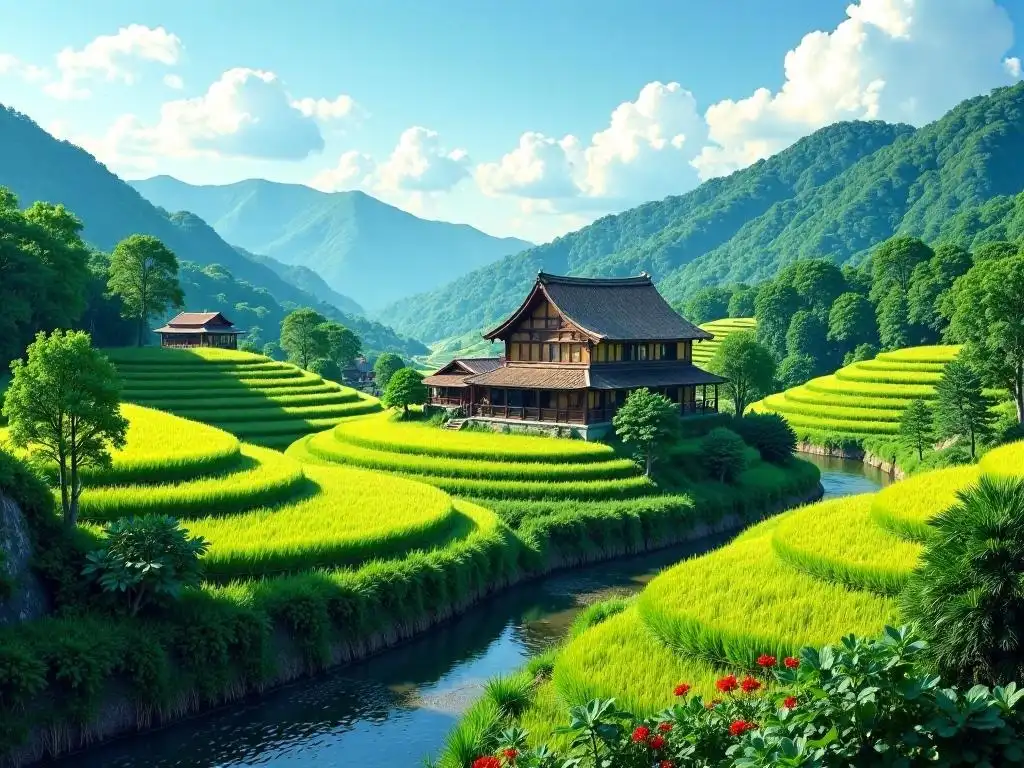
The intricate relationship between geography and food culture in feudal Japan has left a profound and lasting impact on the nation’s culinary landscape. The diverse geographical features of the Japanese archipelago—from mountainous terrains to coastal plains—shaped not only the types of ingredients available but also the methods of preparation and consumption. As a result, Japanese cuisine evolved to reflect the unique attributes and resources of each region, creating a rich tapestry of flavors and traditions that continues to influence modern Japanese food.
The interplay of local climates, soil types, and proximity to water bodies fostered the development of distinct agricultural practices and fishing techniques. For instance, the rice paddies of the Kanto region contrasted sharply with the seafood-rich diets along the coastal areas of Kyushu. Consequently, these geographic variances contributed to local specialties, such as the famous sushi of Tokyo or the hearty miso soup of Nagano. Thus, the essence of Japanese cuisine is deeply rooted in its geography, manifesting in both everyday meals and celebratory feasts.
Summary of Geographic Influences on Cuisine
The geographic influences on Japanese cuisine can be summarized through several key components:
- Natural Resources: The availability of natural resources dictated the types of food that were cultivated and consumed. For example:
- Rice: Central to the Japanese diet, rice cultivation flourished in the fertile plains of Honshu.
- Seafood: Coastal regions took advantage of abundant marine life, leading to a diet rich in fish and shellfish.
- Vegetables and Foraged Foods: Mountainous areas provided an array of wild vegetables, mushrooms, and herbs, contributing to a diverse plant-based diet.
- Climate Variation: Japan's varied climate influenced agricultural practices. The warm, humid conditions of the south supported different crops than the cooler northern regions, promoting a regional variety in cuisine.
- Cultural Exchange: Geography also facilitated cultural exchange through trade routes. The introduction of new ingredients and cooking techniques from neighboring countries, such as China and Korea, enriched Japanese culinary practices, allowing them to adapt and innovate.
- Seasonal Changes: The Japanese reverence for seasonal ingredients, known as “shun,” is directly tied to geographical conditions. Each season brings different ingredients to the forefront, shaping the menus and celebrations throughout the year.
Reflection on the Evolution of Japanese Food Practices through Geography
Reflecting on the evolution of Japanese food practices through geography reveals a dynamic interplay of tradition and adaptation. As the feudal era progressed, regional cuisines began to solidify, influenced by both local resources and the social structure of the time. The samurai class, for example, contributed to the refinement of food presentation and etiquette, which paralleled the geographic regions where they resided.
Additionally, the isolationist policies of the Edo period (1603-1868) led to a further entrenchment of regional food identities. With limited foreign influence, local ingredients and methods became the foundation of distinct culinary styles. Over time, this resulted in a unique food culture where regional pride emerged, with each area boasting its own specialties, festivals, and culinary techniques.
The geography of Japan not only provided the foundation for its diverse food culture but also influenced the social practices surrounding food. Understanding these geographic influences allows for a deeper appreciation of Japanese cuisine as a reflection of the country's historical and cultural evolution, making it a cornerstone of daily life and societal identity in Japan.
- Introduction to Japanese Cuisine
- Regional Geography of Feudal Japan
- Climate Variations and Their Effects on Cuisine
- Local Ingredients and Their Geographic Origins
- The Role of Geography in Culinary Techniques
- Social Structures and Geography's Influence on Food Access
- Conclusion: The Lasting Impact of Geography on Japanese Food Culture
- Summary of Geographic Influences on Cuisine
- Reflection on the Evolution of Japanese Food Practices through Geography
- What role did geography play in shaping feudal Japanese cuisine?
- How did climate variations affect the types of food consumed in feudal Japan?
- What are some examples of regional cuisines influenced by geography in feudal Japan?
- How did geographical barriers impact trade and food exchange in feudal Japan?
- In what ways did geography influence food preservation methods in feudal Japan?
Frequently Asked Questions
What role did geography play in shaping feudal Japanese cuisine?
Geography significantly influenced food production and availability, determining the types of crops grown and the seafood harvested, which in turn shaped regional culinary practices.
How did climate variations affect the types of food consumed in feudal Japan?
Different climatic regions allowed for the cultivation of various crops, such as rice in warmer areas and barley in cooler regions, leading to diverse dietary habits across the country.
What are some examples of regional cuisines influenced by geography in feudal Japan?
Regions like Hokkaido are known for their seafood and dairy, while Kansai is famous for its savoury dishes, highlighting how local ingredients shaped unique culinary identities.
How did geographical barriers impact trade and food exchange in feudal Japan?
Mountains and rivers acted as natural barriers, limiting trade routes and leading to localized food cultures, which fostered distinct regional specialties and preservation techniques.
In what ways did geography influence food preservation methods in feudal Japan?
The need to preserve food due to seasonal variations led to innovative techniques like fermentation and drying, which were adapted based on the local climate and available resources.
Final Reflection: The Geography's Enduring Influence on Japanese Cuisine
The intricate relationship between geography and food culture is more relevant today than ever, as we navigate a globalized world where local traditions often intertwine with international influences. Understanding how the unique landscapes of Japan shaped its culinary practices not only highlights the importance of regional ingredients but also emphasizes the resilience of cultural identity amidst change. The way geography has sculpted Japanese cuisine serves as a powerful reminder of the deep connections between place, people, and food.
Clearly, the impact of geography on Japanese food culture is not just a historical curiosity; it continues to resonate in contemporary culinary practices and social interactions. The regional diversity of Japan's cuisine reflects a rich tapestry of local ingredients and traditional methods that have been preserved and celebrated over centuries. As we savor a bowl of ramen or a plate of sushi, we are not just enjoying a meal; we are partaking in a narrative that connects us to the land and its history. Food is not just what we eat; it is a reflection of who we are and where we come from.
As we close this exploration of geography's influence on Japanese cuisine, I invite you to reflect on your own relationship with food and culture. Consider how the landscapes around you shape your culinary experiences and identity. Embrace the opportunity to explore local ingredients and traditional recipes, honoring the stories they tell. By doing so, you not only enrich your own life but also contribute to the preservation of cultural heritage in an ever-evolving world. Let us celebrate the flavors of our geography and recognize the profound impact they have on our lives.
Savor the Flavors of Feudal Japan – Dive Deeper!
Thank you for exploring the fascinating interplay of geography and food culture in feudal Japan! You've gained insights into how the land shaped the culinary traditions of this remarkable era. Now, it's time to immerse yourself even further and take actionable steps to enhance your understanding.
Here’s how you can continue your journey:
- Explore Local Ingredients: Visit a nearby Asian market to discover and experiment with traditional Japanese ingredients such as miso, daikon, and sake. Consider crafting a simple dish inspired by feudal times!
- Share Your Insights: Discuss your newfound knowledge with friends or engage in an online forum dedicated to culinary history. Inspire others and foster a greater appreciation for this unique culture.
- Join a Cooking Class: Look for a local or virtual Japanese cooking class to learn more about the traditional methods and flavors from this period. Connecting with chefs can provide valuable cultural insights!
Which aspect of feudal Japanese food culture are you most excited to explore further? Share your thoughts below!