
From Scrolls to Scribes: The Evolution of Written Education in Feudal Japan

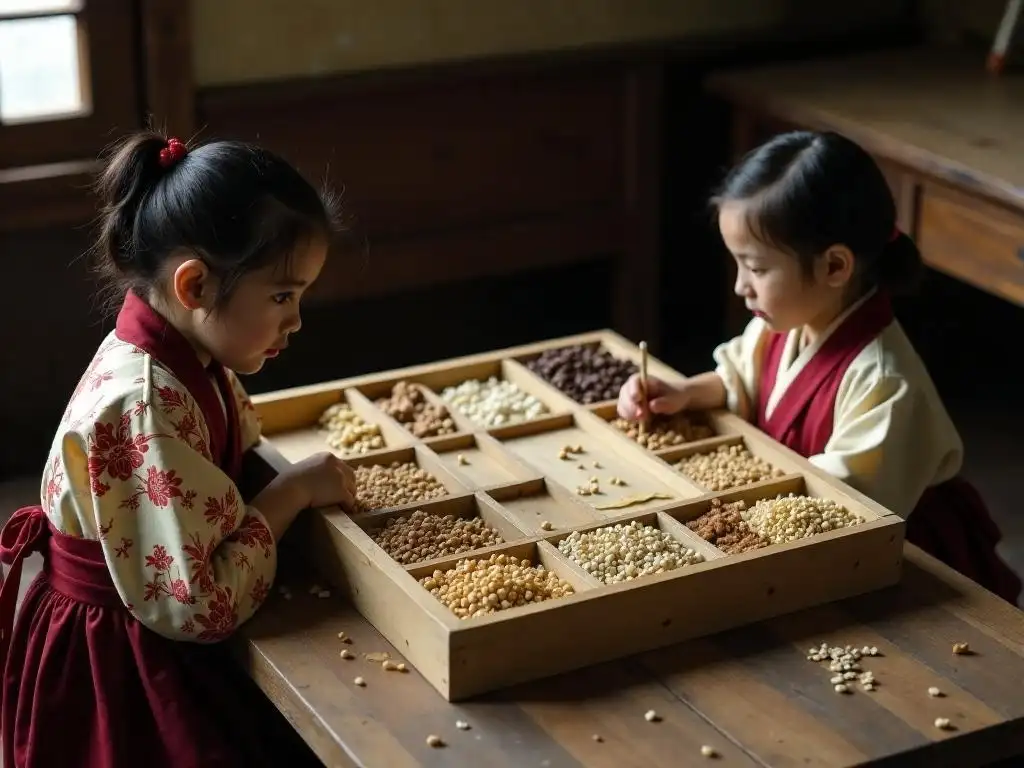
Welcome to Feudal Japan History, where we invite you to embark on a journey through the captivating tapestry of Japan’s feudal era. Here, you’ll discover a wealth of knowledge that intricately weaves together the historical, cultural, and societal aspects of this fascinating period. In our featured article, "From Scrolls to Scribes: The Evolution of Written Education in Feudal Japan," we delve into the transformative journey of education that laid the groundwork for Japan's intellectual heritage.
But what role did written education play in shaping the lives of the samurai and commoners alike? Prepare to unravel the layers of history and society that defined this era, and let your curiosity guide you deeper into the rich narrative that awaits.
Introduction to Written Education in Feudal Japan
The evolution of written education in feudal Japan is a fascinating journey that intertwines the development of language, culture, and society during a time of significant transformation. Spanning several centuries from the 12th to the 19th century, the feudal era was marked by the rise of samurai culture, the establishment of powerful clans, and the development of a unique Japanese identity.
Understanding how written education evolved during this period not only sheds light on the educational practices of the time but also reveals the intricate relationship between literacy, power, and culture in feudal Japan. Written education was not merely a tool for communication; it played a crucial role in shaping societal values, governance, and the dissemination of knowledge.
Overview of Feudal Japan's Education System
Feudal Japan's education system was predominantly influenced by the social hierarchy and the political landscape of the era. Education was primarily reserved for the elite classes, including samurai and wealthy merchants. The majority of the population, consisting of peasants, had limited access to formal education.
- Key Features of the Education System:
- Samurai Schools: These institutions focused on teaching martial arts, strategy, and classical literature, often using texts imported from China.
- Temple Schools: Monasteries played a significant role in educating Buddhist monks and laypeople, emphasizing religious texts and moral teachings.
- Private Tutors: Wealthy families often hired tutors to educate their children, ensuring the transmission of knowledge through personalized instruction.
The curriculum varied significantly based on social class and the intended purpose of education, but written education remained a cornerstone for those who sought knowledge and power.
Importance of Written Education in Society
Written education held immense significance in feudal Japan, influencing various aspects of daily life and governance.
- Cultural Transmission: Literacy allowed for the preservation and transmission of Japanese culture, including poetry, literature, and historical accounts. This cultural heritage laid the foundation for Japan's national identity.
- Legal and Administrative Functions: Written records were crucial for governance. Samurai and officials needed literacy to maintain documentation, laws, and agreements, ensuring order and structure within society.
- Religious Practices: The ability to read and write facilitated the spread of Buddhist teachings and texts, which were essential for both spiritual and moral education.
The importance of written education extended beyond mere literacy; it was a means of social mobility and a tool for preserving the cultural fabric of feudal Japan.
The Origins of Written Education in Japan
The roots of written education in Japan can be traced back to its early interactions with neighboring cultures, particularly China. The adoption of Chinese characters (kanji) marked a pivotal moment in the development of literacy.
Early Influences: Chinese Characters and Calligraphy
The introduction of Chinese characters in the 5th century significantly influenced Japanese written education. Initially, these characters were used primarily for administrative purposes and religious texts. Over time, the Japanese began to adapt and modify these characters to suit their language, leading to the development of kana scripts.
- Key Developments:
- Kanji: Borrowed from Chinese, these characters form the backbone of written Japanese.
- Hiragana and Katakana: Developed from kanji, these phonetic scripts enhanced literacy by making it accessible to a broader audience.
The influence of Chinese calligraphy also shaped Japan's artistic and educational landscapes, emphasizing the aesthetic value of writing as both an art form and a medium for education.
The Role of Buddhist Texts in Education
Buddhism played a crucial role in the evolution of written education, particularly during the Heian and Kamakura periods. Buddhist texts became central to the curriculum in temple schools, where monks and laypeople learned to read and interpret sacred writings.
- Impact on Education:
- Moral and Ethical Instruction: The teachings found in Buddhist texts provided moral guidance and philosophical thought, influencing the educational curriculum.
- Promotion of Literacy: As temples became centers of learning, they helped promote literacy among the elite and the general populace, laying the groundwork for future educational reforms.
The integration of Buddhist texts into the educational framework enriched the cultural and intellectual life of feudal Japan, illustrating the profound impact that religion had on literacy and education.
The Development of Educational Institutions
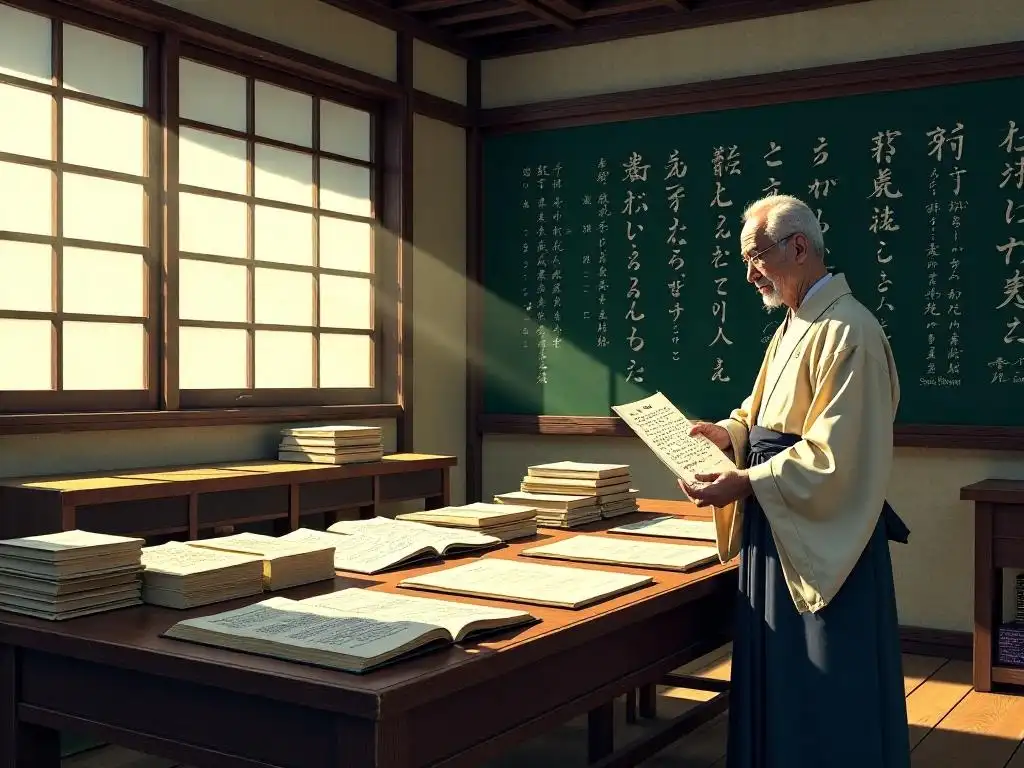
The evolution of written education in feudal Japan was significantly influenced by the development of various educational institutions. During this period, the focus on formal education grew, primarily driven by the needs of society and the ruling classes. These institutions emerged to cater to the educational demands of different social strata, leading to a diverse landscape of learning opportunities across the archipelago.
Temples and Monasteries as Learning Centers
Temples and monasteries played a pivotal role in the early stages of education in feudal Japan. Buddhism, introduced in the 6th century, established monastic schools where monks educated themselves and the lay community. These institutions became hubs for literary and philosophical study, often focusing on Buddhist texts alongside Chinese classics.
In these learning centers, students were taught to read and write in classical Chinese and Japanese, nurturing an appreciation for literature and poetry. The curriculum also included moral teachings and ethics, reflecting the teachings of Buddhism and Confucianism. Notably, the Tōdaiji Temple and the Hōryūji Temple are examples of significant educational institutions where monks imparted knowledge, ensuring the transmission of cultural and religious texts through generations.
The Emergence of Samurai Schools (Hankō)
As the samurai class rose to power during the Kamakura (1185–1333) and Muromachi (1336–1573) periods, dedicated educational institutions known as hankō emerged. These schools were primarily established to educate young samurai in various disciplines necessary for their roles as warriors and leaders.
The curriculum in hankō included military strategy, law, ethics, and the arts, with a strong emphasis on written education. Samurai were expected to be literate, not only to read military orders but also to compose poetry and engage in philosophical discourse. The Yamato School and the Tenshō Gakuhō are notable examples of such institutions that focused on instilling both intellectual and martial skills, reflecting the ideal of the well-rounded samurai.
The Establishment of Confucian Academies
The influence of Confucianism on education in feudal Japan became prominent during the Edo period (1603–1868). Confucian academies, known as shushigaku, were established throughout the country, promoting a curriculum centered around Confucian texts and ideals.
These academies became sites for the study of ethics, governance, and literature, emphasizing the importance of moral character and civic responsibility. The teachings of Confucius shaped the educational framework, advocating for a government led by virtuous leaders. Prominent institutions like the Yushima Seido in Edo exemplified this trend, nurturing a new generation of scholars who would play critical roles in governance and administration.
The Curriculum of Written Education
The curriculum of written education in feudal Japan reflected the evolving needs of society, encompassing a range of subjects that laid the foundation for literacy and scholarly pursuits. This curriculum was influenced by various cultural and philosophical traditions, ensuring a holistic education for students.
Core Subjects: Literature, Poetry, and Philosophy
At the heart of written education were core subjects such as literature, poetry, and philosophy. Students studied classical Japanese literature, including works like The Tale of Genji, and delved into poetry forms such as haiku and tanka. The ability to compose and appreciate poetry was not only a cultural pursuit but also an essential skill for samurai, as it reflected their sensitivity and intellectual prowess.
Philosophy, particularly influenced by Confucian thought, encouraged critical thinking and ethical reasoning. Students engaged with texts that outlined moral principles, fostering a sense of duty and responsibility in their roles within society. This rich literary and philosophical curriculum contributed to a deeply rooted appreciation for the written word.
The Importance of Calligraphy and Manuscript Production
Calligraphy was regarded as an essential skill in feudal Japan, emphasizing the beauty and precision of written language. Students were trained in various styles of writing, from the flowing scripts of hiragana and katakana to the more formal kanji characters. Mastery of calligraphy was seen as a reflection of one's education and social status.
Additionally, manuscript production played a vital role in the dissemination of knowledge. Monasteries and schools produced handwritten texts, ensuring that literary works, philosophical treatises, and religious scriptures were preserved and circulated. The artistry involved in manuscript creation highlighted the cultural significance of written education, as each scroll was not just a source of information but also a work of art.
The Role of Oral Tradition in Education
Despite the emphasis on written education, oral tradition maintained a crucial role in the educational landscape of feudal Japan. Storytelling and oral recitation were common practices, particularly in rural areas where access to written texts was limited.
Educators often employed oral methods to convey historical narratives, moral lessons, and cultural values. This approach ensured that knowledge was passed down through generations, fostering a communal learning experience. Furthermore, oral tradition complemented written education, allowing students to develop their public speaking and rhetorical skills, which were vital for effective communication in both social and political spheres.
In feudal Japan, access to written education was heavily influenced by social class. The rigid class hierarchy established during this period meant that educational opportunities were often reserved for the elite, while the majority of the population faced significant barriers. The samurai class, as the ruling warrior elite, enjoyed privileges that included formal education in various subjects, such as literature, philosophy, and martial arts. In contrast, farmers and commoners were typically limited to basic literacy, if they received any education at all.
Class distinctions shaped not only who could attend schools but also what they were taught. The samurai were trained in the art of war and governance, which included reading and writing classical Chinese texts—an essential skill for a member of the ruling class. Meanwhile, farmers and commoners were often taught practical skills necessary for their trades, with little emphasis on the importance of literacy beyond basic communication. This disparity created a significant gap in educational attainment between the classes, perpetuating the cycle of privilege and limiting social mobility.
Education for the Samurai Class
The samurai class had access to a well-structured educational system that emphasized both martial and scholarly skills. Samurai children often attended terakoya (temple schools) and later, more formal institutions founded by prominent samurai leaders. Education for samurai included studying Confucian texts, poetry, and historical writings, fostering a blend of intellectual and physical prowess.
Samurai education was not solely about learning to read and write; it also encompassed the cultivation of moral integrity and leadership skills. The samurai were expected to embody the principles of bushido, which emphasized honor, loyalty, and discipline. This ethical framework was taught alongside literacy, making education a holistic experience aimed at producing well-rounded warriors and leaders.
Education for Farmers and Commoners
In stark contrast, education for farmers and commoners was minimal and largely informal. Most children in these classes learned basic literacy from family members or local community leaders, with an emphasis on practical skills relevant to agricultural life. While some village schools existed, they were primarily aimed at teaching the essentials of reading, writing, and arithmetic for trade and civic duties.
The curriculum for commoners was limited, focusing mainly on the practical application of literacy rather than the cultivation of philosophical or artistic skills. This restricted educational landscape meant that many individuals from lower classes remained illiterate, unable to engage with written texts or participate fully in the broader cultural and political discourse of the time.
Gender Disparities in Written Education
Gender played a significant role in shaping access to written education during feudal Japan. While men, especially those from the samurai class, had numerous educational opportunities, women faced considerable limitations. Samurai women were often educated but primarily in household management and the arts, with less emphasis on literacy and scholarly pursuits.
Commoner women had even fewer opportunities for formal education, with the expectation that they would focus on domestic roles. However, some women sought out informal education through family members or local scholars, allowing them to gain basic literacy skills. The onna daigaku (women’s studies) emerged later in the Edo period, but this was not widespread or uniformly accessible. The overall societal belief in male superiority and the relegation of women to domestic spheres created a significant gender gap in educational attainment.
The Transition from Scrolls to Scribes
As Japan moved from the medieval to the early modern period, the transition from scrolls to scribes marked a pivotal evolution in written education. This shift was largely driven by advancements in technology, changes in societal needs, and the increasing importance of literacy in governance and commerce.
The advent of the printed book, particularly with the introduction of woodblock printing in the 8th century, began to democratize access to written materials. This technology allowed for the mass production of texts, making them more widely available and reducing reliance on scrolls, which were labor-intensive and costly to produce.
The Evolution of Writing Materials: From Bamboo to Paper
The evolution of writing materials played a crucial role in the development of written education in feudal Japan. Initially, bamboo strips and wooden tablets were the primary mediums for writing. These materials were durable but cumbersome, which limited the accessibility of written texts.
The introduction of paper, derived from the Chinese papermaking techniques in the 7th century, revolutionized the way writing was approached. Paper was lighter, more affordable, and easier to use, facilitating the production of more texts. By the late Heian period, paper became the standard writing material, contributing to an increase in literacy rates and the proliferation of written education. This shift allowed for the larger distribution of educational texts and manuals, further enhancing the educational landscape.
The Rise of Scribes and Their Impact on Education
The rise of professional scribes during the late feudal period significantly impacted written education. Scribes were skilled individuals who specialized in the transcription and production of texts, often working in temples, schools, and for the samurai class. Their expertise in calligraphy and knowledge of various writing styles became essential for preserving and disseminating knowledge.
As the demand for written materials grew, so did the role of scribes in educational institutions. They became responsible for copying texts, producing instructional materials, and maintaining libraries, thus playing a vital part in the educational infrastructure. Scribes also contributed to standardizing written language, which facilitated communication across different regions and social classes. This development marked a shift towards a more literate society, where access to written education began to extend beyond the elite, fostering a new era of learning and cultural exchange.
The Legacy of Written Education in Feudal Japan
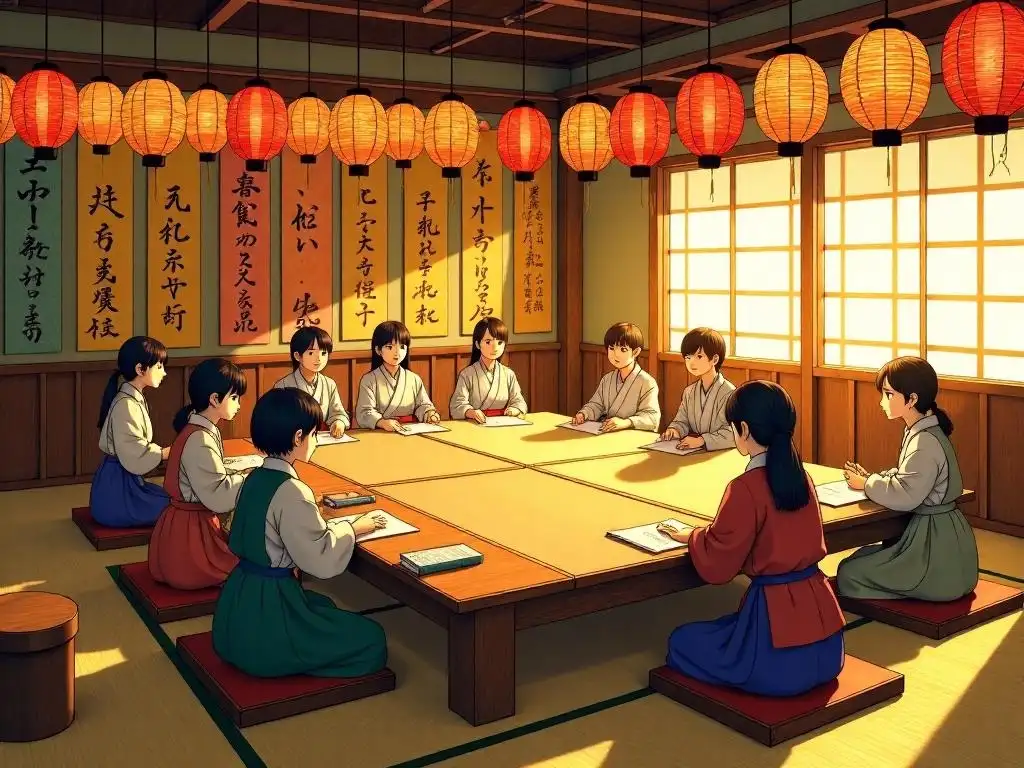
The legacy of written education in feudal Japan is a rich tapestry that intertwines the development of literacy, culture, and societal structure. During this era, the written word transformed from a tool primarily used by the elite to a more widespread means of communication and education.
The establishment of schools and the promotion of literacy amongst samurai, monks, and commoners laid the groundwork for Japan's educational systems that would evolve in subsequent centuries. This legacy is evident in the preservation of classical texts, the evolution of writing systems, and the formation of educational institutions that emphasized the importance of learning and scholarship.
Preservation of Knowledge and Cultural Heritage
The preservation of knowledge during feudal Japan was primarily accomplished through the creation of written documents, including historical records, religious texts, and literary works. The kanji system, derived from Chinese characters, became central to Japanese writing, allowing for the documentation of various cultural, philosophical, and artistic endeavors.
Monasteries played a crucial role in this preservation, as many Buddhist monks meticulously copied texts, ensuring that important teachings and historical accounts were not lost to time. This effort not only safeguarded religious knowledge but also provided a means for cultural transmission across generations. Additionally, the emergence of the kana syllabary further democratized literacy, making it accessible beyond the upper echelons of society. As a result, the written word became a vessel for cultural heritage, fostering a sense of identity and continuity among the Japanese people.
The Influence on Modern Japanese Education
The educational practices established during the feudal era laid the groundwork for modern Japanese education. The emphasis on literacy and scholarship fostered by the samurai class and Buddhist monks influenced the structure of contemporary Japanese schools. The integration of moral education, rooted in Confucian principles, and the emphasis on rote learning echo through modern curricula.
Furthermore, the establishment of domain schools (han schools) during the Edo period served as a precursor to Japan's public school system, promoting a standardized approach to education that prioritized reading, writing, and arithmetic. This historical context helps to explain the high literacy rates and value placed on education in present-day Japan. The evolution of written education in feudal Japan ultimately shaped a society that continues to prioritize learning and intellectual achievement.
Comparison with Other Cultures' Educational Practices
When comparing Japan's written education in the feudal era with other cultures, several key differences and similarities emerge. For instance, while the Chinese system heavily influenced Japan’s educational framework, it also emphasized a rigid examination system that was less prevalent in Japan. The Japanese approach was more inclusive, gradually allowing broader segments of society to engage with written education.
In medieval Europe, the rise of universities marked a significant shift in education, focusing on higher learning and specialized knowledge. However, access was limited primarily to the clergy and nobility, contrasting with the more widespread literacy efforts seen in Japan. The Islamic Golden Age also showcased advancements in education through the establishment of madrasas, where written education flourished, similar to Japan's domain schools.
Ultimately, while the methods and accessibility of education varied, the underlying importance of written education as a means of cultural and intellectual development is a common thread across these diverse societies.
Conclusion
Summary of Key Developments in Written Education
The evolution of written education in feudal Japan is marked by several key developments. The introduction of Chinese characters and the subsequent creation of kana systems facilitated the growth of literacy. Monastic institutions and domain schools emerged as centers of learning, preserving knowledge and promoting education among various social classes. This period also saw the integration of Confucian values into the educational framework, emphasizing moral and ethical teachings alongside academic learning.
Reflection on the Importance of Education in Feudal Society
Education in feudal Japan was not merely an academic pursuit; it was a vital component of societal structure and identity. It shaped the values and aspirations of the samurai class, reinforced social hierarchies, and contributed to the cultural richness of the nation. The emphasis on literacy and scholarship fostered a sense of community and continuity, allowing for the preservation of cultural heritage that remains influential to this day. Thus, the legacy of written education serves as a testament to the enduring power of knowledge in shaping societies and cultures throughout history.
References
The study of written education in feudal Japan is supported by a variety of scholarly articles, historical documents, and resources that provide a comprehensive understanding of the era's educational practices. Below is a detailed overview of notable scholarly works and historical resources that are essential for anyone looking to delve deeper into this fascinating aspect of Japan's history.
Scholarly Articles and Texts
-
"The Role of Confucianism in the Education of Samurai"
This article explores how Confucian ideals influenced the educational practices of the samurai class during the Edo period. It discusses the integration of moral teachings alongside practical skills, emphasizing the duality of education in maintaining social hierarchies.
-
"The Evolution of Japanese Calligraphy: A Historical Perspective"
This text analyzes the development of calligraphy in Japan, which was pivotal to written education. It highlights how calligraphy was not only regarded as an art form but also as a critical educational tool that shaped literacy and communication in feudal society.
-
"From Scrolls to Books: The Transformation of Textual Transmission in Early Modern Japan"
This scholarly article traces the transition from scrolls to printed texts, examining the implications for education. It provides insights into how this shift impacted literacy rates and access to knowledge among various social classes.
-
"Educational Institutions in Feudal Japan: A Comparative Study"
This comparative analysis outlines different educational institutions, such as terakoya (temple schools) and domain schools, during the feudal period. It discusses their curricula, teaching methods, and their role in shaping the educational landscape of Japan.
Historical Documents and Resources
-
The Shōtoku Taishi Constitution (604 CE)
This early document lays the groundwork for governance and social structures in Japan, reflecting the importance of education in cultivating informed citizens. It provides context for how written education was viewed as a means of promoting ethical governance.
-
"The Diary of Matsuo Bashō"
This historical diary offers insights into the life of one of Japan's most famous poets. It illustrates how education, particularly in poetry and literature, was a vital part of cultural expression and intellectual development during feudal Japan.
-
Educational Records from Terakoya
Numerous records from temple schools reveal the curriculum and teaching methods used to educate children. These documents shed light on the subjects taught, including reading, writing, and moral education, highlighting the accessibility of learning to commoners.
-
"The Tale of Genji" and Other Classical Literature
Classical works like "The Tale of Genji" serve as both literary masterpieces and educational resources. These texts were studied for their aesthetic qualities and moral lessons, influencing generations of Japanese readers and writers.
The references listed above provide a robust foundation for understanding the evolution of written education in feudal Japan. They highlight the significant interplay between educational practices, social class, and cultural development during this transformative period in Japanese history.
- Introduction to Written Education in Feudal Japan
- Overview of Feudal Japan's Education System
- Importance of Written Education in Society
- The Origins of Written Education in Japan
- The Development of Educational Institutions
- The Curriculum of Written Education
- The Influence of Social Class on Access to Education
- The Transition from Scrolls to Scribes
- The Legacy of Written Education in Feudal Japan
- Conclusion
- References
- What was the significance of written education in feudal Japan?
- How did the introduction of scrolls influence education in feudal Japan?
- Who were the primary educators in feudal Japan?
- What were the primary methods of instruction during this period?
- How did social class affect access to written education in feudal Japan?
Frequently Asked Questions
What was the significance of written education in feudal Japan?
Written education played a crucial role in disseminating knowledge, preserving history, and promoting literacy among the samurai and the emerging merchant classes during the feudal era.
How did the introduction of scrolls influence education in feudal Japan?
The introduction of scrolls allowed for the storage and transmission of knowledge, enabling students to learn various subjects such as literature, philosophy, and history more effectively.
Who were the primary educators in feudal Japan?
Educators in feudal Japan included Buddhist monks, samurai, and specialized teachers who focused on imparting literacy and confucian teachings to their students.
What were the primary methods of instruction during this period?
Instruction methods often included oral recitation, copying texts, and discussions, fostering a deep understanding of classical literature and philosophical concepts.
Access to written education was largely determined by social class, with the samurai class having greater opportunities compared to peasants, who had limited access to formal education resources.
Final Reflection: The Enduring Legacy of Written Education in Feudal Japan
The evolution of written education in feudal Japan is not just a historical narrative; it is a testament to the power of knowledge and its transformative role in society. As we navigate an increasingly digital world, the lessons learned from the past remind us of the importance of preserving and sharing knowledge. The journey from scrolls to scribes illustrates how education has shaped cultural identities and influenced social hierarchies, emphasizing that the pursuit of knowledge is a timeless endeavor.
Clearly, the impact of written education in feudal Japan extends beyond its historical context; it continues to resonate in our contemporary society. The meticulous methods of education established during this era laid the groundwork for modern educational systems, influencing how we value literacy and learning today. Education is the most powerful weapon which you can use to change the world.
– Nelson Mandela. This quote encapsulates the essence of our exploration, highlighting that the legacy of written education is a catalyst for change that transcends time and geography.
As we reflect on the profound implications of written education in feudal Japan, I invite you to consider your own relationship with knowledge. How can you harness the lessons of the past to enrich your life and the lives of those around you? Whether through reading, writing, or sharing ideas, let us commit to fostering a culture of learning that honors the rich history of education while paving the way for future generations. Embrace the power of the written word, and let it inspire you to create a legacy of your own.
Thank you for diving into the rich history of written education in Feudal Japan! We hope you've uncovered valuable insights into how education shaped society during this fascinating era. Now, it’s time to take those insights and put them into action!
Here’s how you can continue your exploration and engagement with this captivating topic:
- Join our community of history enthusiasts - Participate in forums or social media groups where you can discuss the evolution of education and share your thoughts with others.
- Read more about similar educational traditions by exploring related articles on our site to deepen your understanding and appreciation.
- Share this article with friends or on social media to inspire conversations about the impact of education both in the past and today!
What aspect of written education do you find most intriguing, and how do you think it continues to shape modern learning?