
The Evolution of Japanese Cuisine: Culinary Traditions Through the Ages

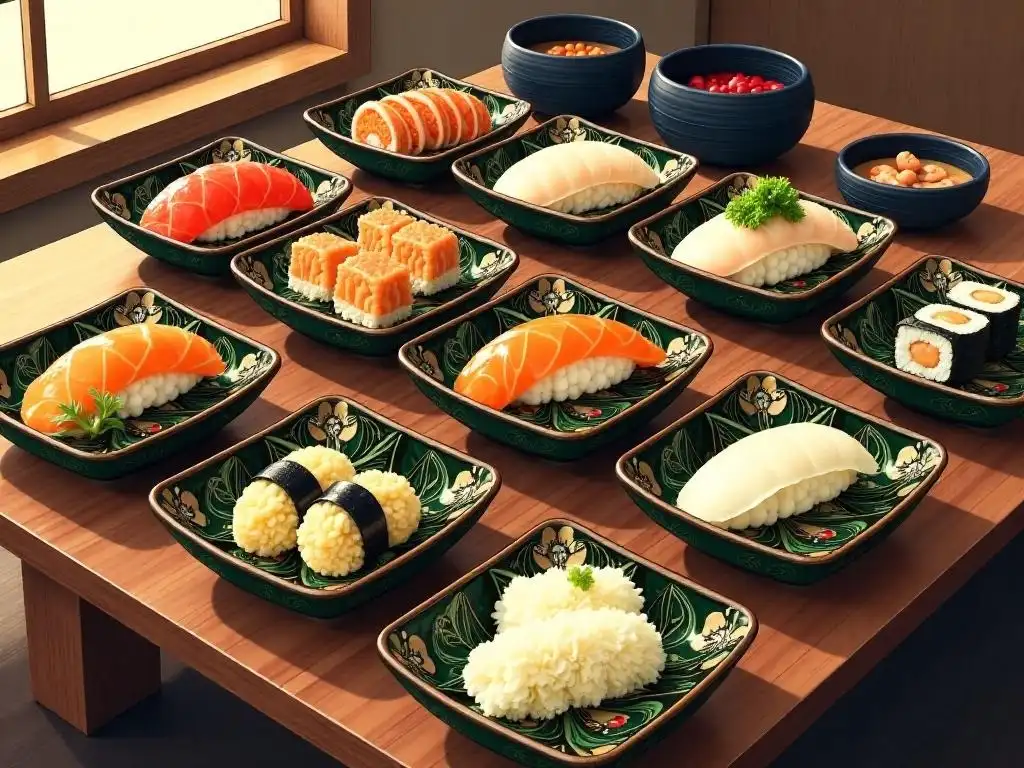
Welcome to Feudal Japan History! Step into the intriguing world of Japan’s feudal era, where every meal tells a story and culinary traditions reflect the rich tapestry of culture and society. In our featured article, "The Evolution of Japanese Cuisine: Culinary Traditions Through the Ages," we invite you to discover the fascinating Japanese feudal culinary traditions that shaped daily life and social customs. As you delve deeper into this flavorful journey, prepare to uncover the secrets behind age-old recipes and the cultural significance they hold. Your exploration of Japan's vibrant history begins now—are you ready to savor its past?
Introduction to Japanese Feudal Culinary Traditions
Japanese cuisine is a vibrant tapestry woven from centuries of tradition, innovation, and cultural exchange. In the context of the feudal era, which spanned from the 12th to the 19th centuries, culinary practices were not merely a means of sustenance but a reflection of society's hierarchies, values, and beliefs. The evolution of Japanese feudal culinary traditions encapsulates the influences of local ingredients, social classes, and the profound impact of historical events. This exploration aims to uncover the layers of Japan's culinary heritage, revealing how these traditions have shaped modern Japanese cuisine and continue to influence dining practices today.
Overview of Japanese Cuisine in the Feudal Era
During the feudal era, Japanese cuisine was characterized by its regional diversity and seasonal availability. Meals were often centered around rice, the staple food, complemented by a variety of vegetables, seafood, and meats. The following elements were crucial in defining the culinary landscape of feudal Japan:
- Rice as a Staple: Rice was not only a food source but a symbol of wealth and status. It played a central role in the diets of both the samurai and the peasantry.
- Seasonal Ingredients: The reliance on seasonal produce led to a deep appreciation for nature's cycles, influencing the flavors and presentation of dishes.
- Fermentation Techniques: Techniques such as pickling and fermenting were essential for preserving food and enhancing flavors, giving rise to staples like miso and soy sauce.
Culinary traditions were also influenced by the social structure of feudal Japan, where the samurai class enjoyed elaborate meals, while peasant diets were more modest.
Importance of Culinary Traditions in Society
Culinary traditions in feudal Japan served as a means of cultural expression and social cohesion. Meals often held significant meaning, and the act of dining was imbued with rituals and etiquette that underscored the importance of harmony and respect in interpersonal relationships. Key aspects of this societal importance included:
- Rituals and Ceremonies: Special occasions, such as harvest festivals and tea ceremonies, showcased the importance of food in cultural rituals, reinforcing community ties.
- Symbolism of Food: Certain dishes were associated with specific meanings, such as long noodles for longevity or rice cakes for prosperity, illustrating the belief that food could influence one's fate.
- Culinary Arts as a Reflection of Class: The preparation and presentation of food varied significantly across social classes, with the samurai and nobility indulging in opulent feasts, while commoners focused on simplicity and sustenance.
Historical Context of Japanese Feudal Culinary Traditions
Understanding the historical context of Japanese feudal culinary traditions requires an examination of the geographical influences and key historical events that shaped these practices.
The Influence of Geography on Japanese Cuisine
Japan's archipelago geography has significantly influenced its culinary traditions. The country is surrounded by oceans, which provided an abundance of seafood, while its diverse landscapes allowed for the cultivation of various crops. Some key geographical aspects include:
- Regional Specialties: Different regions developed unique culinary practices based on local resources, such as Hokkaido's seafood and Kyushu's rice.
- Climate Variation: Japan's varied climates contributed to the diversity of agricultural products, impacting seasonal menus and cooking techniques.
Key Historical Events Shaping Culinary Practices
Several historical events played a crucial role in the evolution of Japanese feudal culinary traditions. Notable occurrences include:
- The Arrival of Buddhism: The introduction of Buddhism in the 6th century led to a significant shift in dietary practices, promoting vegetarianism and the use of seasonal ingredients.
- Sakoku Policy: During the Edo period, Japan's isolationist policy (Sakoku) limited foreign influence on culinary practices, allowing local traditions to flourish.
- The Meiji Restoration: The end of feudalism in the late 19th century brought Western culinary influences, leading to the modernization of Japanese cuisine while still honoring its feudal roots.
Through this exploration of Japanese feudal culinary traditions, we can appreciate how historical, geographical, and social factors intertwine to create a rich and enduring culinary heritage that continues to evolve.
Ingredients and Flavors in Japanese Feudal Cuisine
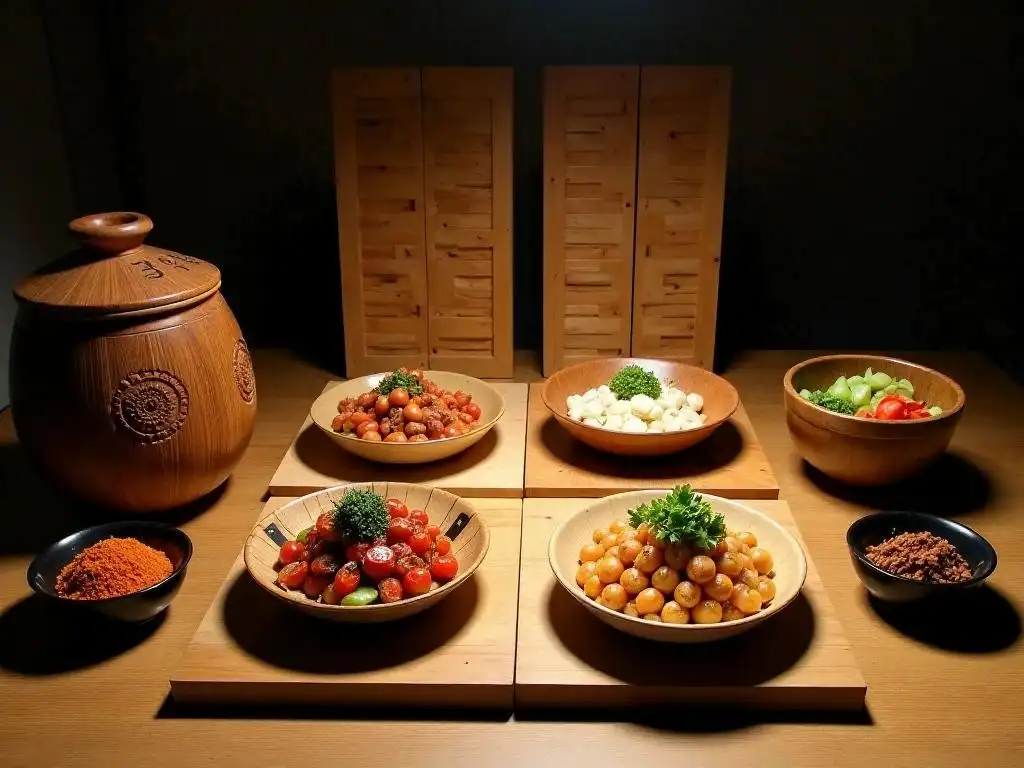
The culinary landscape of feudal Japan was shaped by a rich tapestry of ingredients and flavors, reflecting the geographical diversity and cultural influences of the time. With the rise of different social classes, each strata brought its unique palates and preferences to the dining table. This section delves into the staple ingredients, regional variations, and seasonal influences that defined Japanese feudal culinary traditions.
Staple Ingredients of the Feudal Era
During the feudal era, several staple ingredients formed the backbone of Japanese cuisine. Rice, known as "kome," was the cornerstone of the diet, symbolizing wealth and social status. It was often paired with various side dishes, or "okazu," that included:
- Fish: Freshwater and saltwater fish were abundant, with species like salmon, mackerel, and eel commonly consumed.
- Vegetables: Root vegetables such as daikon radish and sweet potatoes were prevalent, along with leafy greens.
- Soy Products: Tofu and miso were vital sources of protein, particularly for the vegetarian Buddhist monks.
- Seaweed: Nori and kombu were essential for flavoring broths and enhancing dishes.
- Seasonal Fruits: Fruits like persimmons and citrus were enjoyed, often eaten fresh or preserved.
These ingredients not only provided sustenance but also formed the basis for various dishes that would evolve over the centuries.
Regional Variations in Ingredients and Flavors
Japan's diverse geography contributed to significant regional variations in its culinary traditions. Each area utilized locally available resources, leading to distinctive flavors and cooking styles. Key regional variations included:
- Kanto Region (Eastern Japan): Known for its use of soy sauce and miso, dishes like "narezushi" (fermented sushi) originated here.
- Kansai Region (Western Japan): This area favored sweeter flavors, exemplified by "kushikatsu" (skewered fried meat and vegetables).
- Hokkaido: The northernmost island was famous for its seafood, particularly crabs and scallops, reflecting its maritime culture.
- Kyushu: This region utilized a variety of spices and was known for its unique ramen and curry variations.
These regional differences contributed to a rich culinary diversity, showcasing Japan's cultural heritage.
The Role of Seasons in Japanese Culinary Traditions
Seasons played a pivotal role in shaping Japanese feudal culinary traditions. The Japanese have long embraced the "shun" concept, which emphasizes the use of seasonal ingredients to ensure freshness and optimal flavor. The changing seasons influenced the types of ingredients available, leading to the following:
- Spring: Celebrated with fresh bamboo shoots, cherry blossoms, and the first catch of fish, symbolizing renewal and growth.
- Summer: Featured light dishes, such as "soba" (buckwheat noodles) and chilled salads, to combat the heat.
- Autumn: Marked by the harvest of rice, chestnuts, and mushrooms, with dishes that highlighted earthy flavors.
- Winter: Focused on preserving techniques, such as pickling vegetables and making hearty stews to provide warmth.
This seasonal approach not only enhanced the flavors of Japanese cuisine but also connected people to nature and the changing environment.
Cooking Techniques Used in Feudal Japan
The cooking techniques employed in feudal Japan were diverse and reflected the cultural influences of the time. These methods evolved over the centuries and were essential in shaping the culinary practices that persist today.
Traditional Cooking Methods in Japanese Cuisine
Traditional cooking methods in feudal Japan emphasized simplicity and the natural flavors of ingredients. Common techniques included:
- Grilling: Fish and meats were often grilled over charcoal, a method that imparted a distinct smoky flavor.
- Steaming: Steaming vegetables and rice preserved their nutrients and natural tastes, a method still popular today.
- Simmering: Dishes like "nabe" (hot pot) showcased the art of simmering, allowing flavors to meld beautifully.
- Fermentation: Techniques such as pickling vegetables and fermenting soy products were used extensively, contributing to the umami flavor profile.
These techniques not only enhanced the flavors but also aligned with the cultural philosophy of harmony with nature.
Influence of Chinese and Korean Cooking Techniques
Feudal Japanese cuisine was significantly influenced by neighboring China and Korea, particularly in the realms of cooking techniques and ingredient usage. Key influences included:
- Noodle Making: The introduction of wheat-based noodles from China led to the development of ramen and udon.
- Stir-Frying: This technique was adopted from Chinese cuisine, allowing for quick cooking while retaining the ingredients' textures and flavors.
- Preservation Methods: Fermentation techniques, such as those used in making kimchi in Korean cuisine, were also embraced in Japan for preserving vegetables.
These influences contributed to the evolution of Japanese culinary traditions, enriching the overall dining experience.
Evolution of Cooking Tools and Utensils
The evolution of cooking tools and utensils played a crucial role in shaping Japanese feudal cuisine. Over time, various implements were developed to enhance cooking techniques and food presentation. Some notable tools included:
- Tsubo (Clay Pots): Used for simmering and storing, these pots allowed for even heat distribution and flavor retention.
- Hibachi (Fire Bowl): This portable grill enabled outdoor cooking, especially popular among the samurai class.
- Suribachi (Mortar): Essential for grinding spices and making pastes, this tool highlighted the importance of texture in dishes.
- Chopsticks: While used for dining, they also became integral in cooking, allowing for precise handling of delicate ingredients.
The advancement of these tools not only improved culinary practices but also reflected the artistry inherent in Japanese cooking traditions.
Rituals and Ceremonies in Japanese Culinary Traditions
Japanese culinary traditions are deeply intertwined with the various rituals and ceremonies that characterize the culture. Food in Japan is not merely a means of sustenance; it is a fundamental aspect of spiritual and social life. Many meals are prepared and consumed with specific intentions, often reflecting cultural values and beliefs.
For instance, the practice of offering food at Shinto shrines illustrates the spiritual connection between cuisine and religious observance. This ritual, known as "shinsen," involves presenting fresh offerings, such as rice, fish, and seasonal vegetables, to the kami (gods or spirits). Such offerings symbolize gratitude and the hope for blessings in return.
Furthermore, during significant life events, such as weddings and funerals, specific dishes are prepared to honor the occasion and convey respect. The preparation and presentation of these dishes are often guided by traditions passed down through generations, emphasizing the importance of culinary heritage in Japanese society.
The Role of Food in Shinto and Buddhist Practices
Food plays a crucial role in both Shinto and Buddhist practices, reflecting the reverence for nature and the cycle of life. In Shinto, food offerings are made to the kami, encapsulating a belief in the sanctity of nature and the sustenance it provides. Rituals often incorporate seasonal ingredients, highlighting the connection between the land and the divine.
In Buddhism, particularly during the Heian period, vegetarian cuisine known as "shojin ryori" emerged as a significant practice. This cuisine emphasizes plant-based ingredients and is prepared with mindfulness and respect for all living beings. Meals are presented in an aesthetically pleasing manner, reflecting the Buddhist principles of simplicity and beauty. The practice of sharing food during ceremonies, such as the Obon festival, further illustrates the communal aspect of food in spiritual contexts.
Celebratory Dishes During Festivals and Special Occasions
Festivals and special occasions in Japan are marked by distinct celebratory dishes that reflect the significance of the event. For example, during the New Year's celebration, families prepare "osechi ryori," a traditional boxed meal featuring various dishes, each symbolizing good fortune, health, and prosperity for the coming year. The vibrant colors and intricate presentation of osechi reflect the aesthetic values of Japanese culture.
Another important occasion is "hanami," the cherry blossom viewing festival, where people gather to enjoy seasonal foods such as "sakura mochi" (sweet rice cakes wrapped in cherry leaves) while picnicking under blooming cherry trees. These dishes not only celebrate the season but also foster a sense of community and shared experience.
Other festivals, such as "Tanabata," feature specific foods like "somen," thin wheat noodles that symbolize the meeting of star-crossed lovers. Each festival's culinary offerings are steeped in symbolism, connecting the past to the present and reinforcing cultural identity.
The Significance of Tea Ceremony in Feudal Japan
The tea ceremony, or "chanoyu," holds a profound place in Japanese culture, particularly during the feudal era. This ritualistic practice transcends mere tea drinking; it embodies principles of harmony, respect, purity, and tranquility. The preparation and consumption of matcha (powdered green tea) are conducted with meticulous attention to detail, reflecting the samurai ethos of discipline and respect.
The tea ceremony often incorporates seasonal sweets, known as "wagashi," which are intended to complement the bitterness of the tea. The overall experience emphasizes mindfulness and aesthetic appreciation, inviting participants to immerse themselves in the moment. This practice not only serves as a social gathering but also reinforces connections among participants, fostering community bonds.
The social hierarchy of feudal Japan significantly influenced culinary traditions, dictating what different classes could eat and how meals were prepared and presented. This stratification shaped the variety of ingredients and cooking techniques available to each class, creating a distinct culinary landscape across societal levels.
Culinary Traditions Among Different Classes
Among the samurai and nobility, meals were often elaborate affairs characterized by exquisite presentation and a diverse range of ingredients. Dishes such as "kaiseki ryori," a multi-course meal, showcased seasonal ingredients and culinary artistry, reflecting the status and wealth of the host. The emphasis on aesthetics and the use of rare ingredients underscored the importance of food as a status symbol.
In contrast, the culinary traditions of the peasant class were largely dictated by availability and practicality. Staples such as rice, barley, and vegetables formed the basis of their diet, with meals often being simple and hearty. Regional variations in ingredients led to a rich diversity of dishes, reflecting the local environment and agricultural practices.
The Role of Samurai and Nobility in Shaping Cuisine
The samurai and nobility played a pivotal role in shaping Japan’s culinary landscape during the feudal era. Their access to resources and influence over agricultural practices allowed them to dictate culinary trends and preferences. The samurai class valued not only the taste but also the art of food presentation, leading to the development of refined culinary techniques and styles.
Moreover, the samurai's adherence to Zen Buddhism fostered a culinary ethos that emphasized simplicity, seasonality, and mindfulness. This philosophy influenced various aspects of cuisine, including the refinement of tea ceremonies and the development of vegetarian dishes.
Commoners' Culinary Practices and Regional Dishes
Commoners' culinary practices were often shaped by local ingredients and traditions. Regional dishes emerged from various provinces, showcasing the unique flavors and cooking methods based on what was readily available. For example, in coastal areas, seafood played a prominent role, while mountainous regions relied heavily on root vegetables and game.
Despite the limitations imposed by their social status, commoners showcased creativity in their culinary practices, often utilizing fermentation and preservation methods to enhance flavors and extend the shelf life of ingredients. Festivals and communal gatherings also provided opportunities for commoners to share their culinary creations, fostering a sense of community and cultural identity through food.
The culinary traditions of feudal Japan are a reflection of its complex social hierarchy, spiritual beliefs, and cultural practices, showcasing the rich tapestry of flavors and techniques that have evolved over centuries.
Changes in Japanese Cuisine Post-Feudal Era

The transition from the feudal era to modern Japan brought significant transformations in the culinary landscape. With the end of the Edo period in 1868, Japan opened its doors to the world, leading to a fusion of traditional Japanese culinary practices with new influences. The Meiji Restoration marked a pivotal moment as the Japanese government encouraged modernization and Westernization, which extended to the kitchen.
During this time, the traditional Japanese diet, heavily influenced by rice, seasonal vegetables, and fish, began to incorporate Western ingredients and cooking techniques. This evolution resulted in the emergence of new dishes, blending the delicate flavors of Japanese cuisine with the robust profiles of Western food. As a result, the culinary scene became more diverse, with the introduction of items like bread, dairy products, and even Western-style pastries.
The Transition to Modern Japanese Culinary Traditions
As Japan entered the 20th century, culinary traditions continued to evolve, leading to what is now recognized as modern Japanese cuisine. In urban areas, restaurants began to serve a mix of traditional and Western dishes, reflecting the country's broader cultural shifts. The post-war era further accelerated this change, as the influence of American soldiers introduced new food items and eating habits.
This transition saw the rise of popular dishes such as ramen, which evolved as a Chinese import but became distinctly Japanese in flavor and style. Sushi, too, transformed, with the introduction of various styles, including the now-popular nigiri and maki rolls. The modernization of Japanese cuisine also emphasized presentation and aesthetics, aligning with the traditional Japanese value placed on the beauty of food.
The Influence of Western Cuisine on Japanese Food
The impact of Western cuisine on Japanese food is profound and multifaceted. Following World War II, the American presence in Japan led to an influx of Western fast food and cooking styles, which were quickly adopted and adapted. Dishes like curry rice, originally from India, were modified to suit Japanese palates, resulting in a unique and beloved comfort food.
Additionally, the introduction of Western cooking methods and ingredients led to the creation of hybrid dishes such as omurice (omelette rice) and spaghetti Napolitan. This blending of culinary traditions showcases Japan's ability to embrace and innovate, making foreign elements distinctly Japanese. The influence of Western cuisine is also evident in the growing popularity of izakayas, casual dining establishments that serve a variety of Western-style dishes alongside traditional fare, embodying the fusion of cultures.
Preservation of Feudal Culinary Traditions in Contemporary Japan
Despite the significant changes brought about by modern influences, many feudal culinary traditions have been preserved in contemporary Japan. Seasonal ingredients, a cornerstone of feudal cooking, remain central to Japanese cuisine today. The concept of "shun," or eating seasonal foods, continues to be celebrated, reflecting the deep-rooted connection between food and nature that existed during the feudal era.
Traditional cooking methods, such as fermenting and pickling, are still practiced in many households, ensuring that these age-old techniques are not lost. Festivals and seasonal celebrations often highlight historical dishes, allowing communities to engage with their culinary heritage. Furthermore, many chefs in Japan today seek to honor and incorporate feudal traditions in their cooking, emphasizing the importance of provenance and authenticity in their dishes.
Conclusion: Legacy of Japanese Feudal Culinary Traditions
The legacy of Japanese feudal culinary traditions is woven into the fabric of modern Japanese culture. These historical practices have shaped not only the cuisine but also the social and cultural identity of Japan. The emphasis on seasonal ingredients, presentation, and communal dining remains, ensuring that the essence of feudal cooking is ever-present.
Reflection on the Impact of Feudal Cuisine on Modern Japanese Culture
Feudal cuisine has left a lasting impact on the modern culinary scene in Japan. The values of simplicity, harmony, and respect for nature that characterized feudal cooking continue to resonate in contemporary culinary practices. Chefs and home cooks alike strive to create dishes that reflect these principles, cultivating a culinary culture that honors tradition while embracing innovation.
The influence of feudal cuisine is also evident in Japan's dining etiquette and rituals, which emphasize shared meals and gratitude for the food. This cultural legacy fosters a deep appreciation for culinary arts and community, reinforcing the importance of food as a means of connection among individuals.
The Ongoing Importance of Culinary Heritage in Japan
Culinary heritage remains a vital aspect of Japanese identity, as it embodies the historical narratives and cultural practices that define the nation. Efforts to preserve traditional recipes and cooking techniques are evident in numerous culinary schools, workshops, and community initiatives aimed at educating younger generations about their culinary roots.
Furthermore, as globalization continues to shape the culinary landscape, there is a growing movement to celebrate and protect Japan's unique food heritage. This ongoing importance of culinary heritage not only enriches Japan's cultural tapestry but also provides a sense of continuity and belonging in an ever-changing world. Embracing both tradition and innovation, Japan's culinary future is a testament to its rich historical past.
- Introduction to Japanese Feudal Culinary Traditions
- Overview of Japanese Cuisine in the Feudal Era
- Importance of Culinary Traditions in Society
- Historical Context of Japanese Feudal Culinary Traditions
- Ingredients and Flavors in Japanese Feudal Cuisine
- Cooking Techniques Used in Feudal Japan
- Rituals and Ceremonies in Japanese Culinary Traditions
- The Social Hierarchy and Its Impact on Food
- Changes in Japanese Cuisine Post-Feudal Era
- The Transition to Modern Japanese Culinary Traditions
- The Influence of Western Cuisine on Japanese Food
- Preservation of Feudal Culinary Traditions in Contemporary Japan
- Conclusion: Legacy of Japanese Feudal Culinary Traditions
- Reflection on the Impact of Feudal Cuisine on Modern Japanese Culture
- The Ongoing Importance of Culinary Heritage in Japan
Frequently Asked Questions
What are Japanese feudal culinary traditions?
Japanese feudal culinary traditions refer to the cooking practices and food customs that developed during Japan's feudal era, influenced by social hierarchies, regional ingredients, and cultural exchanges.
How did the samurai class influence Japanese cuisine?
The samurai class played a crucial role in shaping Japanese cuisine by promoting ritualistic dining and emphasizing seasonal ingredients, which helped establish a foundation for culinary refinement.
What role did Buddhism play in Japanese feudal cuisine?
Buddhism introduced vegetarianism and the concept of mindful eating, significantly impacting feudal culinary practices, particularly in temple cuisine, which focused on simplicity and harmony with nature.
How did trade affect feudal Japan's culinary practices?
Trade during the feudal era brought new ingredients and cooking techniques from abroad, enriching Japanese culinary traditions and leading to the incorporation of foreign flavors into local dishes.
What are some examples of traditional feudal dishes?
Some traditional feudal dishes include sushi, tempura, and miso soup, each reflecting the seasonal ingredients and cultural influences of their time, showcasing the evolution of Japanese cuisine.
Final Reflection: The Enduring Legacy of Japanese Feudal Culinary Traditions
The evolution of Japanese cuisine is not just a historical account; it is a testament to the resilience and adaptability of cultural practices that have shaped our modern culinary landscape. Today, as we savor the intricate flavors and techniques of Japanese feudal culinary traditions, we are reminded of how these age-old practices continue to influence contemporary cooking and dining experiences. The rich tapestry of history woven into each dish serves as a powerful reminder of the importance of preserving culinary heritage in an ever-globalizing world.
Culinary traditions are more than just recipes; they are the embodiment of cultural identity and social connection. The way food is prepared, presented, and consumed reflects the values and beliefs of a society. As we explore the depths of Japanese feudal culinary traditions, we see how these practices have transcended time, influencing not only Japan but also the global culinary scene. Food is the ingredient that binds us together.
This quote encapsulates the essence of how food serves as a bridge between generations, cultures, and communities, fostering understanding and appreciation for diverse culinary heritages.
As we conclude our exploration of Japanese feudal culinary traditions, I invite you to reflect on your own relationship with food and culture. Consider how the meals you share and the recipes you pass down can serve as a means of connecting with your heritage and the world around you. Embrace the lessons of history and the flavors of tradition, and let them inspire you to create, share, and celebrate the culinary legacies that shape our lives today.
Unveil the Rich Legacy of Japanese Cuisine!
Thank you for diving into the fascinating evolution of Japanese cuisine with us! We hope you have discovered the depth and variety of culinary traditions that have shaped this incredible culture over the centuries. Now, it's time to put that inspiration into action!
Here are a few steps you can take to further your culinary journey:
- Explore new recipes: Try your hand at making a traditional dish you learned about! Whether it's sushi, ramen, or a seasonal delicacy, bring a taste of Japan into your kitchen.
- Join a cooking class: Find a local or online class that focuses on Japanese cooking techniques. Immerse yourself in the art of preparing authentic meals.
- Share your experiences: Connect with friends and family by hosting a Japanese-themed dinner night. Share the history behind each dish to create a memorable dining experience.
How will you incorporate Japanese culinary traditions into your next meal?