
The Impact of Economic Status on Family Life in Feudal Japan


Welcome to Feudal Japan History, where we invite you to step back in time and uncover the intricate tapestry of Japan’s feudal era. In our featured article, “The Impact of Economic Status on Family Life in Feudal Japan,” we delve into the profound ways that wealth—or the lack thereof—shaped the daily lives, traditions, and social structures of families during this fascinating period. Are you curious about how the dynamics of power and prosperity influenced relationships and community ties? Join us as we explore these compelling narratives and more, illuminating the past in ways that resonate even today.
The economic status of families in feudal Japan significantly shaped their daily lives, social interactions, and overall family dynamics. This era, spanning approximately from the 12th to the 19th century, was characterized by a rigid social hierarchy and a predominantly agrarian economy. Understanding how economic status influenced family life in feudal Japan offers valuable insights into the societal structures that governed the lives of its people.
Families across varying economic classes experienced distinct realities, from the wealthy samurai to the impoverished peasants, each navigating their unique challenges and opportunities. This article delves into the multifaceted relationship between economic status and family life, exploring how wealth, land ownership, and agricultural practices molded family structures, marital arrangements, and parenting styles.
Understanding Feudal Japan: An Overview of Economic Structures
The Hierarchical Society of Feudal Japan
Feudal Japan was structured around a strict hierarchy that dictated not only political power but also economic resources. At the top of this hierarchy were the emperor and the shogun, who held ultimate authority, albeit the shogun wielded more practical power. Below them were the daimyōs (feudal lords), who governed large estates and commanded samurai warriors.
The samurai class, while loyal to their lords, relied on land for their livelihood, often receiving stipends in rice. At the bottom of the social order were the peasants, who constituted the majority of the population and were responsible for agricultural production. This rigid structure ensured that wealth and resources were concentrated among a small elite, creating vast disparities in living conditions and opportunities.
Role of Land Ownership in Economic Status
Land ownership was a critical determinant of economic status in feudal Japan. The daimyōs controlled extensive tracts of land, establishing their wealth and influence through agriculture and the labor of the peasants who worked their fields. Ownership was often linked to social status, with samurai families receiving land as part of their service to the daimyō. Conversely, landless peasants struggled to make a living, often becoming tenant farmers or laborers. Thus, the distribution of land directly influenced family wealth and stability, dictating access to resources necessary for survival and prosperity.
The Importance of Agriculture in Feudal Economy
Agriculture served as the backbone of feudal Japan's economy, influencing both the wealth of families and the prosperity of the nation as a whole. Rice, in particular, was not only a staple food but also a measure of wealth, with land productivity being crucial for economic stability. The agricultural calendar dictated family life, with planting and harvest seasons requiring coordinated labor efforts.
Families engaged in farming activities together, fostering a strong sense of community and interdependence. Economic fluctuations due to natural disasters or crop failures could devastate families, particularly those of lower economic status, highlighting the fragility of their existence within the feudal system.
The Influence of Economic Status on Family Dynamics in Feudal Japan
Family Structures Across Different Economic Classes
The economic status of families in feudal Japan resulted in distinct family structures. Wealthy samurai families often had complex arrangements that included multiple generations living under one roof, with a focus on maintaining honor and legacy. In contrast, peasant families were typically nuclear units, relying on collective labor to meet daily needs. This disparity in family structure reflected broader societal norms, where the samurai class emphasized lineage and inheritance, while lower classes prioritized survival and cooperation.
The Role of Wealth in Marital Arrangements
Marital arrangements in feudal Japan were heavily influenced by economic status, particularly among the samurai class. Wealthy families often arranged marriages to solidify alliances and enhance their status within the hierarchy. Daughters from affluent families were considered valuable assets, and their marriages were strategically planned to benefit both families economically and politically. In contrast, peasant marriages were more pragmatic, focused on mutual support and agricultural labor rather than strategic alliances, often characterized by a more egalitarian approach to partnership.
Parenting Styles and Economic Resources
Parenting styles in feudal Japan varied significantly based on economic resources. Wealthier families could afford to provide education and cultural training for their children, emphasizing skills that would uphold family honor and social status. In lower economic strata, however, parents often prioritized survival, instilling practical skills necessary for agricultural work from a young age. This divergence in parenting reflected broader societal expectations, with affluent families nurturing future leaders while poorer families focused on immediate economic contributions to the household.
The interplay between economic status and family life in feudal Japan underscores the complexities of a society defined by hierarchy and agrarian reliance. Understanding these dynamics not only enriches our knowledge of Japanese history but also highlights the enduring impact of economic conditions on family structures and relationships.
Daily Life and Economic Status: A Comparative Analysis
In feudal Japan, the economic status of a family greatly influenced their daily life, shaping their living conditions, access to education, diet, and cultural practices. The rigid class structure, which included nobles, samurai, farmers, artisans, and merchants, created distinct lifestyles that were reflective of their economic standing. Understanding these differences provides insight into the societal fabric of feudal Japan and how economic status dictated not just daily activities, but also aspirations, opportunities, and the overall quality of life.
Living Conditions of the Wealthy vs. the Poor
The living conditions of families in feudal Japan varied dramatically between the wealthy and the poor. Wealthy families, particularly those of the samurai and the nobility, resided in large, elaborate homes, often built from quality materials such as wood and stone. These residences typically featured tatami mat flooring, sliding doors (fusuma), and gardens, which were symbols of status and refinement. In contrast, poor families, primarily farmers and laborers, lived in simpler, one or two-room thatched-roof houses, often made of bamboo and mud.
The disparity in living conditions also extended to sanitation and hygiene. Wealthy households had access to better sanitation facilities and water supply, while poor families struggled with basic hygiene due to limited resources. This divide not only affected comfort but also health, as the wealthier class enjoyed a more stable and clean living environment, reducing their exposure to diseases that plagued the lower classes.
Access to Education and Knowledge Based on Economic Status
Education in feudal Japan was largely a privilege of the wealthy. Samurai families often prioritized education for their children, emphasizing Confucian teachings and martial skills, essential for maintaining their status and duties. These families could afford private tutors or send their children to formal schools, ensuring they received a comprehensive education.
Conversely, children from lower economic classes typically had limited or no access to formal education. While some rural villages had basic schooling, the focus was primarily on agricultural skills rather than academic knowledge. As a result, the gap in education perpetuated the cycle of poverty, limiting opportunities for advancement. This disparity in access to education underscored the broader societal inequalities driven by economic status.
Differences in Diet and Nutrition Among Economic Classes
Dietary habits in feudal Japan were significantly influenced by economic status. Wealthy families enjoyed a varied diet that included rice, fish, meat, and seasonal vegetables, often prepared with intricate cooking methods and presented beautifully. Their meals were not only a means of sustenance but also a reflection of their social standing and culinary sophistication.
In contrast, poorer families primarily consumed a staple diet of rice and vegetables, with fish and meat being rare treats due to their high cost. The lack of variety and nutritional density in their diet often led to health issues and malnutrition, further entrenching their socioeconomic struggles. The differences in diet highlight how economic status directly impacted family life, influencing not just physical health but also social interactions and community standing.
Cultural Practices Influenced by Economic Status
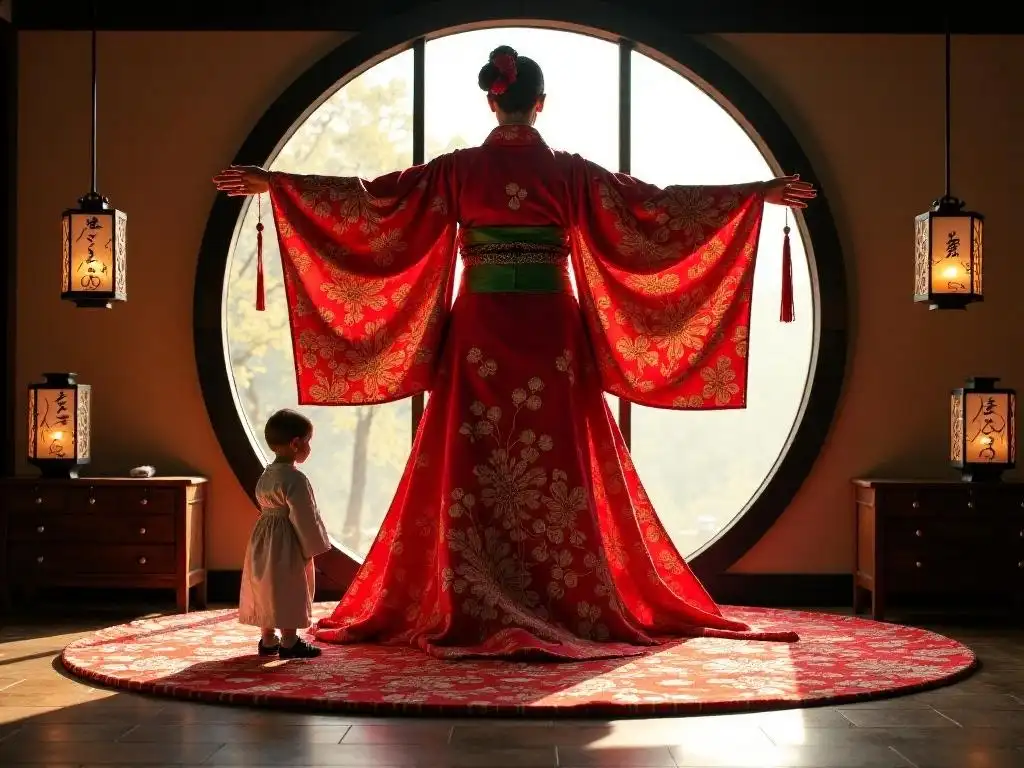
Economic status in feudal Japan did not just dictate daily life; it also profoundly influenced cultural practices, including festivals, artistic expression, and religious observances. These cultural dimensions often reflected the values, traditions, and resources available to different economic classes.
Festivals and Celebrations: Economic Impacts on Family Life
Festivals and celebrations in feudal Japan were often tied to agricultural cycles and religious observances, but the scale and nature of these events varied significantly by economic class. Wealthy families could afford elaborate celebrations that included lavish feasts, performances, and grand displays of cultural heritage. Such events served as opportunities for social networking and reinforcing status within the community.
Conversely, poorer families celebrated similar festivals with more modest means, often focusing on community participation rather than extravagance. Their gatherings typically featured simple food and local customs, emphasizing communal bonds over displays of wealth. The economic disparities thus shaped the ways families engaged in cultural practices, revealing a clear distinction in the experience of celebrations across different social strata.
Artistic Expression and Economic Resources
Artistic expression in feudal Japan was also closely linked to economic status. Wealthy families had the resources to patronize artists, craftsmen, and performers, allowing them to enjoy and cultivate high art forms such as Noh theater, tea ceremonies, and calligraphy. The arts were not just leisure activities but also status symbols, showcasing a family's wealth and cultural sophistication.
In contrast, lower economic classes often relied on folk art that reflected their daily lives and struggles. While these forms of expression were rich in cultural significance, they lacked the resources for widespread recognition and patronage. The differences in artistic expression illustrate how economic status shaped not just access to culture but also the very nature of cultural production and appreciation in feudal Japan.
Religious Practices and Economic Class Distinctions
Religious practices in feudal Japan were deeply intertwined with economic status. Wealthy families often had the means to maintain elaborate altars, hire priests for ceremonies, and participate in significant religious festivals. Their ability to contribute to temple construction and maintenance also reinforced their status within the community.
On the other hand, poorer families engaged in simpler religious practices, often focusing on local shrines and basic rituals. Their participation in religious life was more about community solidarity and personal devotion than public display. The economic divide highlighted not only the differences in religious observance but also the varying degrees of influence and power within the spiritual landscape of feudal Japan.
Understanding these distinctions reveals the intricate connections between economic status and family life, illustrating how wealth and poverty shaped the very essence of daily existence in feudal Japan.
The Legacy of Economic Status on Modern Japanese Family Life
The economic status experienced during the feudal era has left a profound imprint on modern Japanese family life. In contemporary Japan, family structures often reflect the hierarchies and roles established centuries ago. The rigid class distinctions of the samurai, merchant, farmer, and artisan classes have evolved but can still be seen in the social stratification that exists today. The cultural values surrounding work, familial duty, and respect for hierarchy continue to influence interpersonal relationships and family dynamics.
Furthermore, the feudal system's emphasis on land ownership and economic stability has translated into a modern context where financial security is a pivotal factor in family formation and maintenance. Many families prioritize educational attainment and career success to ensure a stable economic future, echoing the historical reliance on agriculture and trade for survival and prosperity. This legacy of economic status remains a crucial determinant of family life in Japan.
Historical Reflections: How Feudal Economic Structures Shape Today’s Families
The feudal system in Japan was characterized by a strict social hierarchy, where one's economic status dictated not only their social standing but also their familial roles and responsibilities. The samurai class, for instance, was expected to uphold values of loyalty and honor, which have trickled down through generations and continue to influence modern familial expectations.
In contrast, the merchant class, which was often looked down upon during feudal times, has since gained significant wealth and influence, reshaping perceptions of success and family prestige. This historical context highlights the adaptive nature of family structures in response to changing economic landscapes, revealing how past economic statuses can shape modern family dynamics.
Moreover, the division of labor within families during the feudal era, where roles were clearly defined between men and women, has left a lasting legacy that can still be observed today. Although gender roles are evolving, traditional expectations can still pressure families, especially in rural areas, to conform to historical norms.
Continuing Socioeconomic Disparities in Japan
Despite Japan's post-war economic growth, socioeconomic disparities rooted in feudal times persist. The urban-rural divide remains significant, with families in urban areas often experiencing greater economic opportunities compared to their rural counterparts. This disparity can lead to differing family dynamics, where urban families may prioritize education and career advancement, while rural families might focus more on agricultural practices and community ties.
Additionally, the aging population in Japan exacerbates these disparities, as older generations often rely on familial support systems that reflect historical economic structures. The traditional role of the family as a support network continues, but the pressures of modern economic status create challenges for families trying to balance these expectations with contemporary realities.
The legacy of economic status also influences social mobility, where families from historically lower economic backgrounds may face obstacles in accessing education and employment opportunities, perpetuating cycles of poverty and limiting their ability to provide for future generations.
Lessons from Feudal Economic Systems for Contemporary Family Structures
The feudal economic systems in Japan offer valuable lessons for contemporary family structures. Understanding the importance of economic status can help modern families navigate their own socioeconomic challenges. For example, the emphasis on education during the feudal era can be mirrored today, where investing in education is seen as crucial for improving one's economic standing.
Moreover, the collaborative nature of family life in feudal Japan, where all members contributed to the household's economic stability, can inspire modern families to adopt a more cooperative approach to financial management and decision-making. This can foster stronger family bonds and a sense of shared responsibility.
Additionally, recognizing the historical context of economic disparities can encourage families to be more empathetic and supportive of one another, particularly in times of economic hardship. By learning from the past, contemporary families can create a more inclusive environment that values cooperation and understanding, rather than competition and individualism.
Conclusion: The Interconnection of Economic Status and Family Life in Feudal Japan
The interplay between economic status and family life during the feudal era of Japan is a deeply woven narrative that continues to resonate in today's society. The historical structures established during this time not only dictated the roles and responsibilities of family members but also shaped cultural values that persist to this day. Understanding this relationship is crucial for comprehending the complexities of modern Japanese family dynamics.
Summary of Key Insights
The legacy of feudal economic status impacts modern Japanese family life in numerous ways:
- Cultural Values: Historical roles continue to influence contemporary expectations and family structures.
- Economic Opportunities: The urban-rural divide and ongoing socioeconomic disparities are rooted in feudal hierarchies.
- Collaborative Dynamics: Lessons from the past can guide modern families towards shared responsibility and cooperation.
The Lasting Impact of Economic Status on Japanese Family Dynamics
The lasting impact of economic status on Japanese family dynamics underscores the importance of recognizing historical influences when examining contemporary family life. Modern families continue to experience the ramifications of feudal economic structures, navigating challenges related to social mobility, financial stability, and interpersonal relationships. By understanding these historical connections, families can better address current issues while fostering a sense of resilience and adaptability that honors their rich cultural heritage.
- Understanding Feudal Japan: An Overview of Economic Structures
- The Influence of Economic Status on Family Dynamics in Feudal Japan
- Daily Life and Economic Status: A Comparative Analysis
- Cultural Practices Influenced by Economic Status
- The Legacy of Economic Status on Modern Japanese Family Life
- Conclusion: The Interconnection of Economic Status and Family Life in Feudal Japan
- What was the role of economic status in feudal Japan?
- How did family life vary among different social classes in feudal Japan?
- What were the main factors affecting a family's economic status in feudal Japan?
- How did the economic status of a family affect children's education in feudal Japan?
- What cultural aspects were influenced by economic status in family life during feudal Japan?
Frequently Asked Questions
What was the role of economic status in feudal Japan?
Economic status significantly influenced social hierarchy, determining one's position and access to resources within feudal society.
Family life was heavily impacted by economic conditions; higher classes enjoyed greater privileges and stability, while lower classes faced hardships and limited opportunities.
What were the main factors affecting a family's economic status in feudal Japan?
Key factors included land ownership, occupation, and social connections, which directly influenced a family's wealth and security.
How did the economic status of a family affect children's education in feudal Japan?
Children from wealthier families had access to better education and cultural training, while those from lower classes often had limited educational opportunities.
What cultural aspects were influenced by economic status in family life during feudal Japan?
Economic status shaped family traditions, values, and even marriage practices, reinforcing the social divide and cultural norms of the time.
Final Reflection: The Enduring Legacy of Economic Status on Family Life in Feudal Japan
The intricate relationship between economic status and family life in feudal Japan remains profoundly relevant today. As we navigate the complexities of modern society, understanding how economic hierarchies shaped familial structures in the past provides critical insights into contemporary social dynamics. The stark contrasts between the lives of the samurai, farmers, and merchants remind us that economic status has always been a defining factor in shaping family roles and relationships.
The legacy of economic stratification in feudal Japan continues to resonate in our cultural and social landscapes. The hierarchical nature of society during this period not only dictated the daily lives of families but also influenced their values, aspirations, and interactions. As we reflect on this historical context, we can draw parallels to our current societal structures, where economic disparities still dictate access to resources and opportunities. The past is never dead. It's not even past.
— William Faulkner. This quote encapsulates the idea that understanding our history is essential to addressing the challenges we face today.
As we conclude this exploration of economic status and family life in feudal Japan, I invite you to reflect on your own circumstances and the impact of economic factors in your life. Consider how your economic status shapes your family dynamics and relationships, and think about ways to foster equity and understanding within your community. By acknowledging the lessons of the past, we can work towards a more inclusive future where economic disparities do not dictate the quality of family life for anyone.
Transform Your Understanding of Feudal Japan's Family Dynamics!
Thank you for diving into the intricate world of family life in Feudal Japan! You’ve gained valuable insights into how economic status shaped relationships and social structures during this fascinating period. Now, it’s time to take what you’ve learned and make an impact!
Here’s how you can deepen your understanding and share your newfound knowledge:
- Explore Further: Delve into our other articles on family dynamics and social hierarchies in historical societies. Expand your knowledge and see how different cultures address similar themes.
- Share Your Insights: Discuss your findings with friends or on social media! Start a conversation about how economic influences affect families today, drawing parallels to the past.
- Join a Community: Connect with fellow history enthusiasts on our dedicated history forum. Share your thoughts, ask questions, and learn from others who share your passion.
What new perspective on family life in Feudal Japan has inspired you to reflect on your own experiences with economics and family dynamics today?