
How Edo Became the World’s Largest City: A Feudal Marvel

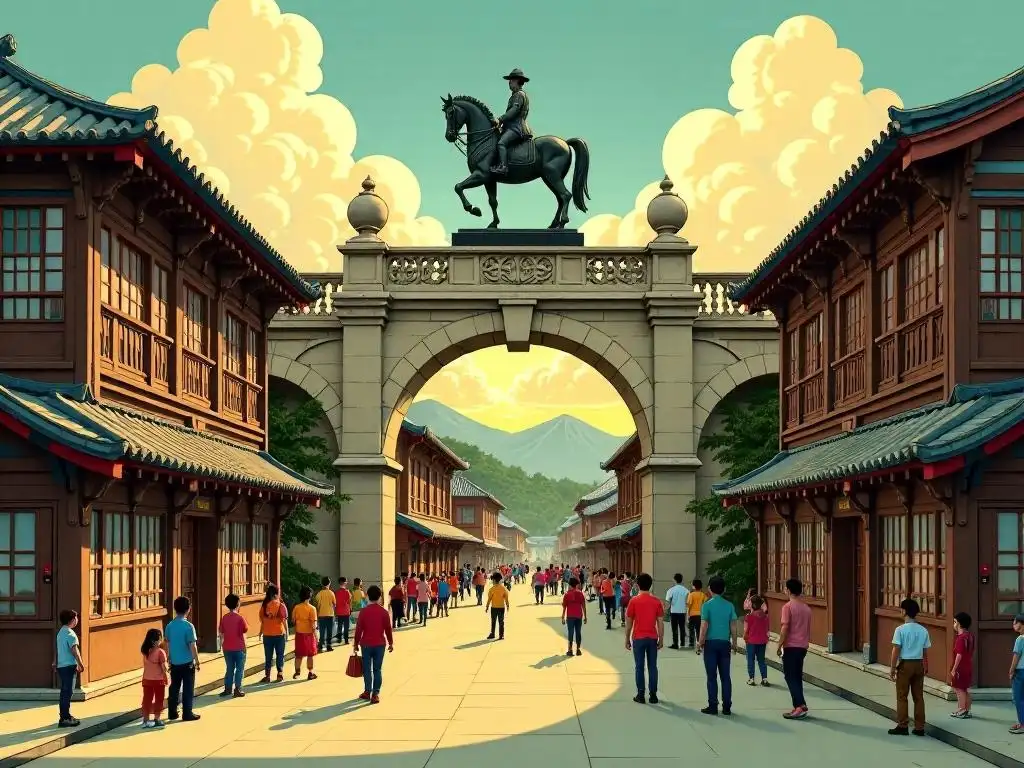
Welcome to Feudal Japan History, your gateway to the fascinating world of Japan’s feudal era! Here, we delve into the rich tapestry of historical, cultural, and societal developments that shaped this remarkable period. In our featured article, “How Edo Became the World’s Largest City: A Feudal Marvel,” we uncover the intricate details of Edo period urban development, revealing the strategies and innovations that transformed a modest town into a bustling metropolis. Are you ready to explore the secrets behind this extraordinary urban evolution? Join us as we journey through time and discover the marvels of feudal Japan!
- Introduction to Edo Period Urban Development
- The Historical Context of Edo's Growth
- Economic Factors Driving Urban Development in Edo
- Cultural Influences on Edo's Urban Landscape
- The Architectural Marvels of Edo
- The Role of Merchants and the Middle Class
- Challenges of Urbanization in Edo
- Comparing Edo with Other Global Cities
- Conclusion: Edo as a Feudal Marvel of Urban Development
- Lasting Legacy of Edo Period Urbanization
- References
- Frequently Asked Questions
- Final Reflection: The Enduring Legacy of Edo's Urban Development
- Unveil Edo's Rich Legacy—Take Action Today!
Introduction to Edo Period Urban Development
The Edo period, spanning from 1603 to 1868, marks a transformative era in Japanese history characterized by significant political stability, economic growth, and cultural flourishing. During this time, Edo (present-day Tokyo) emerged as a remarkable urban center, eventually becoming the world's largest city.
This phenomenon of urban development reflects not only the architectural and infrastructural advancements of the time but also the intricate social and economic dynamics at play within feudal Japan. By exploring the factors that contributed to Edo's rapid growth, we can gain a comprehensive understanding of how this city epitomized the complexities of urbanization during the feudal era.
Overview of the Edo Period
The Edo period was initiated by Tokugawa Ieyasu, who established the Tokugawa shogunate, a feudal regime that maintained control over Japan for over 250 years. This era is often highlighted for its:
- Political Stability: The shogunate enforced strict social hierarchies and controlled the daimyō (feudal lords), which minimized internal conflict and promoted peace.
- Economic Growth: The introduction of new agricultural techniques and the development of trade routes stimulated economic activity, allowing cities to flourish.
- Cultural Flourishing: Edo became a hub for arts, literature, and education, with the rise of kabuki theater, ukiyo-e woodblock prints, and the development of a unique urban culture.
As the population surged, the urban landscape of Edo transformed significantly, showcasing a blend of traditional Japanese architecture and the burgeoning influence of commerce and trade.
Significance of Urban Development in Edo
The urban development of Edo is significant for several reasons:
- Population Growth: By the mid-19th century, Edo had grown to a staggering population of over one million inhabitants, making it one of the largest cities in the world at the time.
- Economic Hub: Edo served as the heart of commerce in Japan, where merchants thrived and facilitated the exchange of goods and services, thus boosting the economy.
- Cultural Exchange: The city's rapid growth fostered a diverse cultural exchange, attracting people from various regions and backgrounds, leading to a rich tapestry of cultural practices and innovations.
- Urban Planning: The development of infrastructure, including roads, waterways, and public spaces, reflected advanced urban planning techniques that catered to the needs of its burgeoning population.
In essence, the urban development of Edo serves as a testament to the complexities and innovations that defined the Edo period, highlighting the interplay between social structures, economy, and culture that shaped Japan's history during this remarkable era.
The Historical Context of Edo's Growth
The Rise of the Tokugawa Shogunate
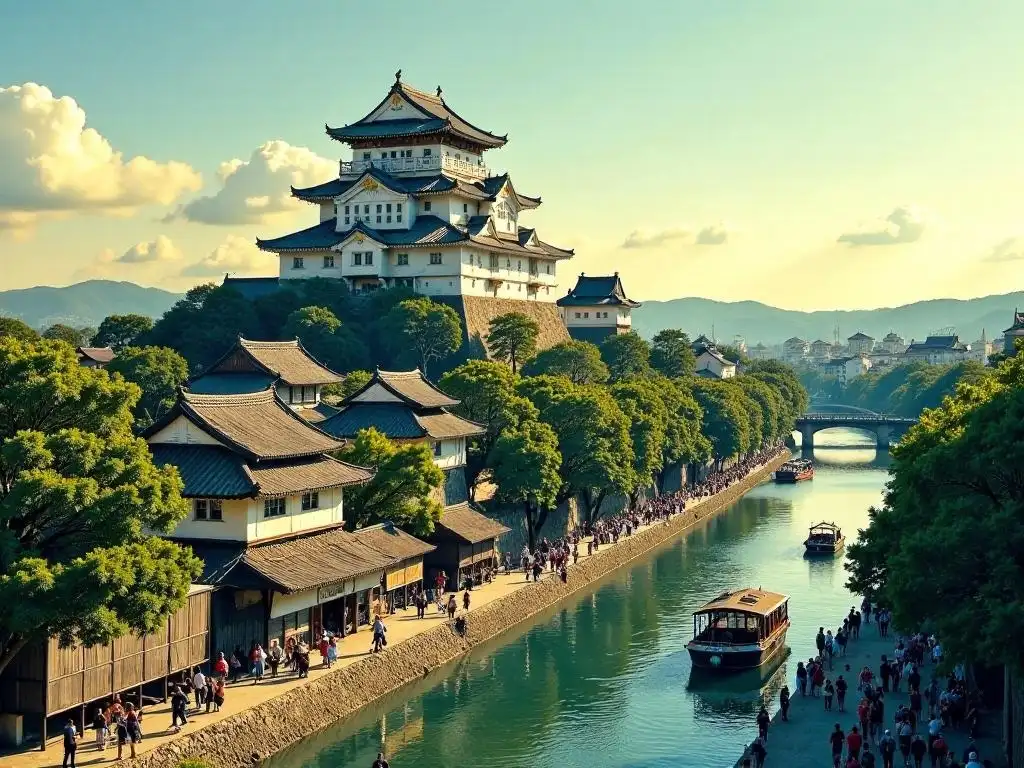
The foundation of Edo's growth can be traced back to the establishment of the Tokugawa Shogunate in 1603. This military government, led by Tokugawa Ieyasu, marked the beginning of the Edo period, which lasted until 1868. The shogunate centralized power in Edo, transforming it from a modest fishing village into the political heart of Japan.
The Tokugawa regime implemented policies that encouraged peace and stability, significantly contributing to urban development. The shogunate's focus on a strong military presence in Edo meant that the city became a secure environment for commerce and trade, attracting merchants and artisans. Furthermore, the shogunate instituted the Sankin-kotai system, which required feudal lords (daimyō) to spend alternate years in Edo, further bolstering the city’s population and economic activity.
Political Stability and Its Impact on Urbanization
The political climate during the Edo period was characterized by relative stability compared to previous eras. The shogunate's effective governance led to a decline in military conflict, allowing for a focus on economic development and urbanization. The policies enforced by the Tokugawa Shogunate fostered a safe environment for trade, leading to flourishing markets and a burgeoning economy.
Key factors contributing to this political stability included:
- Strict social hierarchy: The rigid caste system ensured order and defined roles within society, minimizing conflict.
- Closed country policy (sakoku): This limited foreign influence and promoted domestic trade, enabling local industries to thrive.
- Infrastructure development: The Tokugawa Shogunate invested in roads and transportation networks, facilitating the movement of goods and people, which in turn supported urban growth.
As a result of these policies, Edo became a commercial hub, attracting not only the samurai and daimyō but also a diverse range of artisans, merchants, and laborers, all of whom contributed to the city’s rapid expansion.
Population Growth and Migration to Edo
The combination of political stability and economic opportunity led to an unprecedented influx of people into Edo. By the mid-18th century, Edo had grown to become the largest city in the world, with a population estimated to be over 1 million inhabitants. This demographic shift was driven by several key factors:
- Rural to urban migration: Many peasants left their farms in search of better economic prospects in the city, drawn by the vibrant markets and job opportunities.
- Economic opportunities: The growth of industries such as silk production, ceramics, and textiles attracted skilled labor from across the country, further diversifying the urban population.
- Cultural magnetism: Edo became a cultural center, attracting artists, writers, and performers. The burgeoning entertainment districts, such as Yoshiwara, became famous for their theaters and pleasure quarters, drawing even more residents and visitors.
This migration and population growth contributed to a unique urban culture characterized by a blend of traditional Japanese values and emerging modern influences. The Edo period urban development not only transformed the city's landscape but also laid the groundwork for Japan's future societal structure.
Economic Factors Driving Urban Development in Edo
The Edo period (1603-1868) marked a significant transformation in Japan's urban landscape, particularly in the development of Edo (modern-day Tokyo) into one of the largest cities in the world. Several economic factors played a crucial role in this urban development, shaping the city's growth and its societal structure.
Trade and Commerce in Edo
Edo's rise as a bustling urban center can be largely attributed to its strategic position as a commercial hub. The Tokugawa shogunate established a centralized governance structure that facilitated trade across the nation. Key elements that contributed to the vibrant trade and commerce in Edo include:
- Sankin-kōtai System: This policy required feudal lords (daimyō) to alternate their residence between their domains and Edo. This not only ensured loyalty to the shogunate but also brought wealth and culture into the city as these lords spent substantial amounts of money during their stays.
- Marketplaces and Merchants: The establishment of various marketplaces such as the Nihonbashi allowed merchants to thrive. The bustling activity in these markets was supported by a diverse array of products, ranging from rice to textiles, which attracted buyers from across the region.
- Transportation of Goods: Edo's location near the Sumida River facilitated the transport of goods, making it easier for merchants to move products in and out of the city. The river served as a vital artery connecting Edo to other parts of Japan, including agricultural regions that supplied food and raw materials.
- Emergence of a Merchant Class: The growth of commerce led to the emergence of a wealthy merchant class (chōnin), who became influential in Edo's economy. This class invested in cultural activities, contributing to the city's urban vibrancy through sponsorship of arts and entertainment.
The Role of Agriculture in Supporting Urbanization
Agriculture was the backbone of Edo's urban development, as the city relied heavily on the agricultural output from surrounding regions to sustain its growing population. Key aspects of this relationship include:
- Rice Production: Rice was the staple food of Edo, and its production was vital for feeding the city's burgeoning population. The Kanto region, where Edo is located, became known for its fertile lands, producing high yields of rice that were transported into the city.
- Agricultural Innovations: During the Edo period, advancements in agricultural techniques, such as improved irrigation systems and crop rotation methods, increased productivity. This enhancement in agricultural output not only fed the local population but also allowed for surplus production, which was crucial for trade.
- Land Reforms: The Tokugawa shogunate implemented land reforms that improved the efficiency of land use. The introduction of land surveys ensured that taxes were based on actual productivity, incentivizing farmers to maximize their yields.
- Rural-Urban Linkages: The relationship between rural areas and urban Edo fostered a system where rural producers supplied food and raw materials, which were then processed and consumed in the city. This interdependence was essential for maintaining Edo's urban growth.
Infrastructure Development: Roads and Transportation
The infrastructure development during the Edo period significantly contributed to urbanization, as it facilitated the movement of people, goods, and ideas. Several key developments in infrastructure are noteworthy:
- The Five Routes (Gokaidō): The shogunate established five major roads that connected Edo to other provinces. These routes were essential for trade and travel, enabling merchants, samurai, and commoners to traverse the country efficiently.
- Post Stations (Shukuba): Along these major roads, post stations were established to provide lodging and supplies for travelers. This network not only supported commerce but also enhanced the flow of information and culture between urban and rural areas.
- Canal Systems: The construction of canals in and around Edo improved the transportation of goods, especially bulky items that were difficult to transport overland. These waterways reduced congestion on roads and allowed for more efficient trade.
- Urban Planning: The city's layout was meticulously planned, with designated areas for different activities, such as commercial districts, residential neighborhoods, and samurai quarters. This planning contributed to the orderly growth of Edo, making it a model for urban development.
Through these economic factors, Edo emerged as a vibrant metropolis, showcasing the interplay between trade, agriculture, and infrastructure in shaping its urban landscape. The city's growth during the Edo period serves as a remarkable example of how economic dynamics can drive urban development and influence societal structures.
Cultural Influences on Edo's Urban Landscape
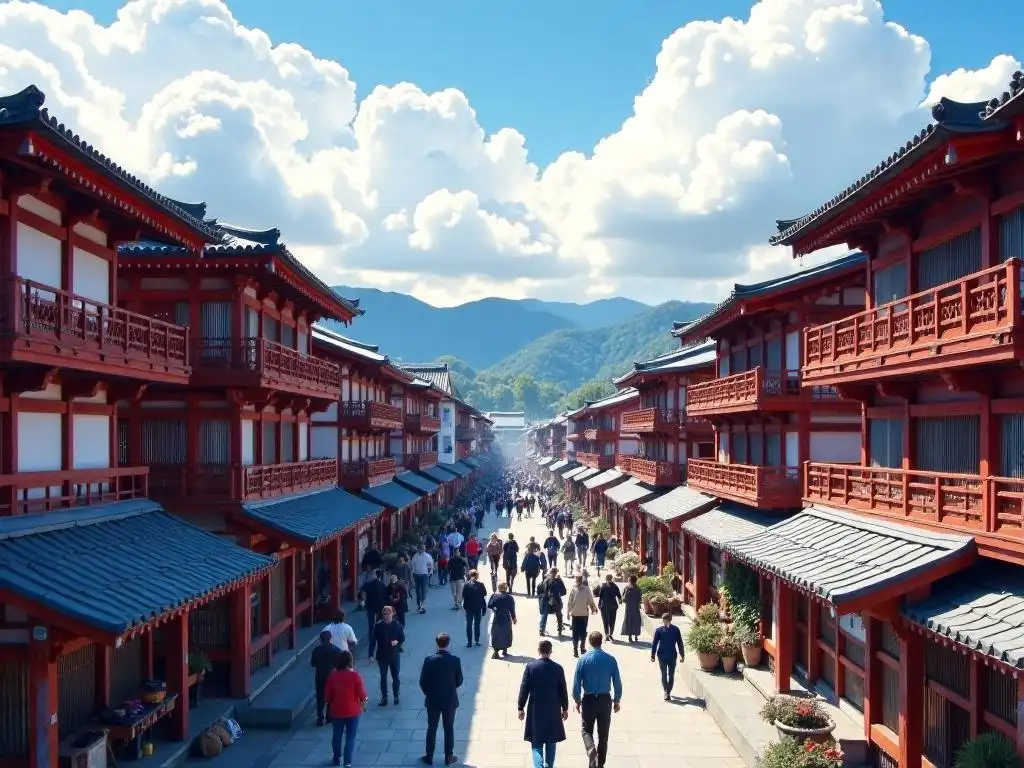
The urban development of Edo during the feudal era was heavily influenced by a myriad of cultural factors that shaped its unique landscape. As the capital of the Tokugawa shogunate from 1603 to 1868, Edo's growth into a bustling metropolis was not merely a result of economic factors; it was also deeply rooted in the rich tapestry of cultural influences that defined the period. This section explores the significant cultural aspects that contributed to the urbanization of Edo.
The Impact of Religion and Spirituality on Urban Design
Religion played an integral role in shaping the urban environment of Edo. The city was dotted with numerous shrines and temples, reflecting the spiritual beliefs of its inhabitants. Shinto and Buddhism, the two dominant religions, influenced not only the architectural styles of these places of worship but also the overall urban planning.
- Shrine Placement: Shinto shrines were often strategically located near water sources and natural features, integrating the city with its surrounding environment.
- Temple Complexes: Buddhist temples, such as Senso-ji in Asakusa, became focal points for community gatherings, festivals, and ceremonies, thus affecting the flow of urban life.
The design of these religious structures often included gardens and open spaces, creating areas of tranquility amidst the densely populated city. The presence of these spiritual sites also contributed to a sense of community and identity among Edo's residents, fostering civic pride and social cohesion.
Arts and Entertainment: Edo as a Cultural Hub
Edo emerged as a cultural epicenter during the Edo period, attracting artists, performers, and intellectuals. The flourishing arts scene significantly impacted urban life, making it a vibrant hub for culture and entertainment.
- Theatrical Arts: Kabuki and bunraku (puppet theater) became immensely popular, with theaters constructed in various districts. These venues drew large audiences, contributing to the city's economic vitality while enhancing its cultural reputation.
- Literature and Print: The publication of ukiyo-e prints and literature, such as the works of Matsuo Bashō, reflected the urban experience and the lives of everyday people. Bookstores and print shops became common, further enriching the cultural landscape.
Edo's nightlife was also characterized by teahouses and entertainment districts, such as Yoshiwara, where social interactions flourished. The celebration of festivals and seasonal events brought people together, creating a dynamic urban atmosphere that encapsulated the essence of Edo's cultural identity.
The social hierarchy of Edo was distinctly stratified, influencing the urban layout and the interactions among its inhabitants. The rigid class system, established by the Tokugawa shogunate, played a crucial role in shaping the city’s neighborhoods.
- Samurai Districts: The samurai class resided in designated areas, characterized by spacious homes and gardens. Their status dictated their proximity to the shogunate and administrative centers, reinforcing the political structure of the city.
- Merchant Quarters: Conversely, merchants and artisans lived in more densely packed quarters, often near major trading routes. These areas were bustling with activity, reflecting the economic vibrancy of Edo.
This class division was evident not only in residential areas but also in the accessibility of public spaces and amenities. Festivals, markets, and communal activities enabled interactions among different classes, albeit within the confines of social norms.
The interplay of these cultural influences—religion, arts, and social structures—created a unique urban environment in Edo, facilitating its growth as the world's largest city during the feudal era. Each element contributed to the development of an urban landscape that was both functional and rich in cultural significance, solidifying Edo's legacy in Japan's history.
The Architectural Marvels of Edo
Edo, the capital of Japan during the Edo period (1603-1868), is celebrated for its impressive urban landscape that reflected the cultural and social dynamism of the era. The architectural advancements made during this time not only catered to the aesthetic tastes of the population but also showcased the practical needs of a rapidly growing city. As Edo transformed from a small fishing village into the world’s largest city, its architecture evolved to accommodate a burgeoning population and diverse social classes.
Traditional Japanese Architecture in Edo
Traditional Japanese architecture in Edo is characterized by its unique wooden structures, intricate joinery, and harmonious integration with nature. The use of natural materials, such as wood and paper, allowed for flexibility and adaptability in design. Notable features of Edo-period architecture include:
- Tatami Mat Rooms: These rooms were the heart of Edo homes, often designed with sliding doors (fusuma) that allowed for flexible space usage.
- Engawa: A veranda that connected the interior of a house with the outdoors, providing a space for relaxation and interaction with nature.
- Shinto Shrines and Buddhist Temples: These structures were not only places of worship but also reflected the aesthetic values of the time, featuring elaborate decorations and sacred gardens.
The architectural style emphasized simplicity and elegance, with an emphasis on asymmetry and balance, which mirrored the philosophical concepts of Zen Buddhism. Buildings such as the Yoshiwara district, famous for its teahouses and entertainment venues, exemplified the intricate balance between function and beauty that defined Edo’s architectural landscape.
Notable Landmarks and Their Significance
Edo was home to several significant landmarks that played a crucial role in the cultural and social fabric of the city. Some of these landmarks include:
- Edo Castle (Chiyoda Castle):
- Served as the residence of the Tokugawa shogunate, this fortress symbolized power and authority.
- Its massive stone walls and elaborate gardens were designed for both defense and aesthetics.
- Senso-ji Temple:
- Tokyo's oldest temple, Senso-ji, reflects the spiritual life of the Edo period.
- The Nakamise Street, leading to the temple, was lined with shops selling traditional snacks and souvenirs, showcasing the bustling market culture of Edo.
- Nihonbashi Bridge:
- This bridge served as a crucial transportation hub and a symbol of the city’s commercial prowess.
- It was the starting point of the five major roads leading out of Edo, reinforcing its status as a center of trade and commerce.
These landmarks not only defined the skyline of Edo but also served as cultural and social meeting points, contributing to the city's identity and fostering a sense of community among its inhabitants.
Urban Planning: Streets, Parks, and Public Spaces
Urban planning in Edo was meticulously designed to accommodate its vast population and promote civic life. The city was divided into distinct zones, including samurai residences, merchant areas, and entertainment districts, reflecting the class structure of the time. Key aspects of Edo's urban planning include:
- Grid-like Street Layout: Streets were organized in a grid pattern, facilitating navigation and commerce. The layout allowed for efficient movement of people and goods.
- Public Parks and Gardens: Spaces such as Ueno Park provided residents with areas for leisure, recreation, and cultural activities, emphasizing the importance of nature in urban life.
- Waterways: Edo’s extensive canal system facilitated transportation and trade, with rivers serving as vital arteries for the movement of goods and people.
The urban infrastructure of Edo was a marvel of engineering, incorporating drainage systems and firebreaks to mitigate the risks of the frequent fires that plagued the city. The thoughtful planning and design of public spaces fostered a strong sense of community, making Edo not just the largest city of its time but also a vibrant cultural hub that laid the groundwork for modern urban development in Japan.
The architectural achievements and urban planning of Edo during the feudal period illustrate the ingenuity and adaptability of Japanese society, setting a precedent for future generations and influencing urban development well beyond the Edo period.
The Role of Merchants and the Middle Class
The Emergence of a Wealthy Merchant Class
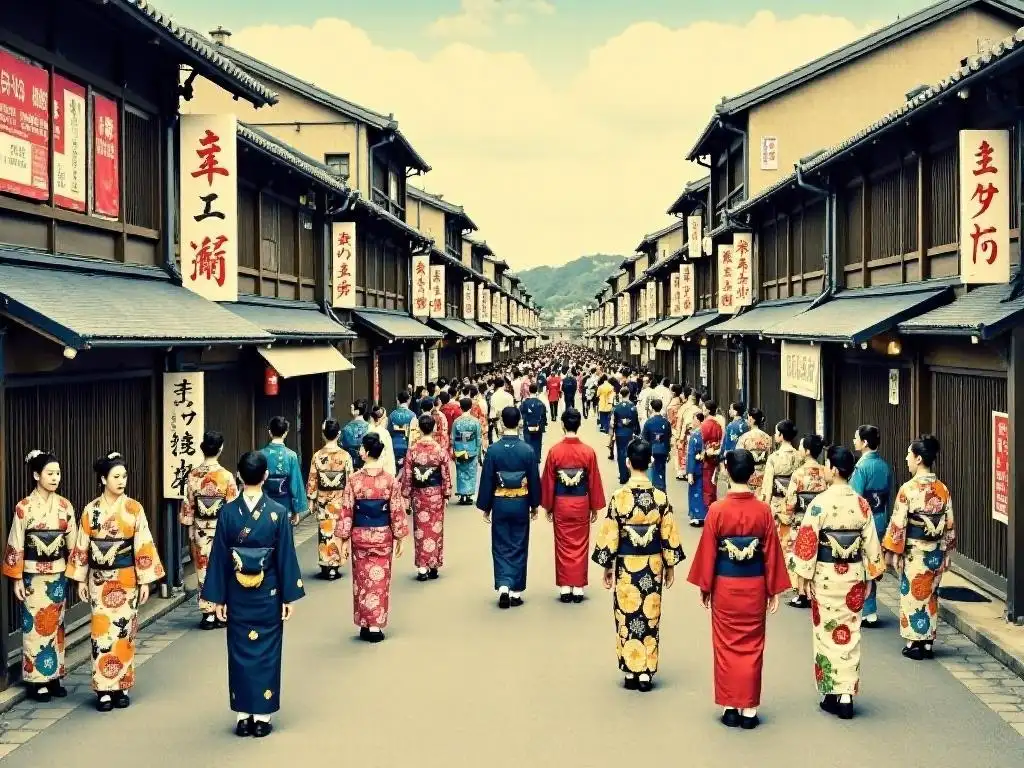
During the Edo period (1603-1868), Japan witnessed significant transformations in its economic landscape, leading to the emergence of a wealthy merchant class known as the chōnin. This class played a pivotal role in the urban development of Edo, contributing to its status as one of the world's largest cities.
Initially, the Tokugawa shogunate implemented strict class hierarchies, where samurai held the highest status, followed by farmers, artisans, and merchants. However, as commerce flourished, the merchant class began to amass wealth, challenging traditional social structures. Many merchants capitalized on the rise of a consumer economy, which was fueled by increased agricultural productivity and the growth of market towns.
Merchants engaged in various trades, such as textiles, rice, and sake, which not only enriched their families but also stimulated local economies. The shift in power dynamics became evident as wealth began to translate into influence, allowing merchants to support cultural and artistic endeavors that shaped Edo's identity.
Economic Activities and Their Contribution to Urban Growth
The economic activities of the merchant class directly contributed to the urban growth of Edo in several ways:
- Trade and Commerce:
- Edo became a central hub for trade, connecting various regions of Japan. The Tōkaidō road, a crucial route, facilitated the movement of goods and people, enhancing commercial activities.
- Major markets emerged, where merchants could sell their products and services, leading to increased population density as people moved to the city for economic opportunities.
- Financial Innovations:
- The growth of the merchant class led to the development of financial institutions such as moneylenders and credit systems. This enabled more extensive trading activities and encouraged investments in various sectors, further propelling urban growth.
- Merchants also began to establish wholesale businesses, which streamlined the distribution of goods and services across the city.
- Urban Infrastructure:
- With rising wealth, merchants invested in urban infrastructure, including roads, bridges, and marketplaces. This not only improved the living conditions in Edo but also facilitated commerce and transportation, making the city more accessible.
- Public works such as the construction of waterworks and sanitation systems became priorities, contributing to the health and well-being of Edo’s inhabitants, thus encouraging more people to settle in the area.
The Influence of the Chōnin (townspeople) on Edo Society
The chōnin, or townspeople, significantly influenced Edo's cultural and social dynamics, making the city a vibrant urban center. Their contributions can be categorized as follows:
- Cultural Development:
- The chōnin were instrumental in the flourishing of arts and culture during the Edo period. They supported various forms of entertainment, such as kabuki theater, ukiyo-e (woodblock prints), and literature. This cultural investment not only enriched Edo's atmosphere but also attracted visitors and scholars, enhancing the city's reputation.
- Social Structure:
- As the merchant class grew in wealth and influence, the rigid social hierarchy began to blur. Chōnin established social clubs and associations, fostering a sense of community among themselves and promoting mutual support in business endeavors.
- Their growing influence challenged the samurai class, leading to a more dynamic social environment where merit and wealth began to play a more significant role than birthright.
- Political Engagement:
- Although the chōnin were not part of the ruling class, they actively engaged in local governance and community affairs. Their involvement in local issues helped shape urban policies that favored commerce and trade, further bolstering Edo's development.
The role of merchants and the middle class during the Edo period was central to the urban development of Edo, creating a complex interrelation between economic activities, cultural advancements, and social dynamics that transformed the city into a preeminent urban center of its time.
Challenges of Urbanization in Edo
The rapid urban development during the Edo period (1603-1868) transformed Edo into one of the largest cities in the world. However, this remarkable growth brought significant challenges that affected its residents' daily lives. Understanding these challenges is crucial for appreciating the complexities of urbanization in Edo.
Overpopulation and Housing Issues
As Edo's population swelled, estimates suggest that it reached over a million residents by the early 18th century, making it the most populous city globally. This unprecedented growth led to several pressing issues:
- Housing Shortages: The influx of people resulted in a critical shortage of adequate housing. Many residents were forced to live in cramped conditions, often in makeshift structures made from wood and bamboo.
- Rural Migration: A significant number of individuals moved from rural areas to Edo seeking opportunities, exacerbating the housing crisis. This trend was particularly pronounced among farmers who sought better livelihoods.
- Tenement Living: The majority of the urban population lived in tenements known as "nagaya," which were long, narrow buildings housing multiple families. These arrangements, while maximizing space, often lacked privacy and basic amenities.
- Social Stratification: Housing conditions varied drastically among different social classes, with the samurai class enjoying spacious residences, while commoners faced dire living situations. This disparity heightened social tensions within the urban environment.
Sanitation and Public Health Concerns
The rapid urbanization of Edo also led to significant public health challenges due to inadequate sanitation infrastructure:
- Waste Management: The city struggled to manage human and industrial waste effectively. With limited sewage systems, waste disposal often resulted in unsanitary conditions, contributing to the spread of diseases.
- Water Quality: Edo's water supply was primarily sourced from rivers and wells, which were easily contaminated. Residents often faced waterborne diseases due to the poor quality of drinking water.
- Disease Outbreaks: Epidemics of cholera, typhus, and other infectious diseases were common, particularly in densely populated areas. The lack of medical knowledge and public health measures made these outbreaks devastating for the urban population.
- Public Health Responses: Responding to these challenges, the Edo government implemented some measures to improve sanitation. For instance, regulations were introduced to control waste disposal, and efforts were made to clean up streets, although these were often insufficient to cope with the scale of the problem.
Natural Disasters and Their Impact on Urban Development
Edo's geographical location made it susceptible to various natural disasters that had profound implications for urban development:
- Earthquakes: The region is prone to seismic activity, and major earthquakes occurred during the Edo period, resulting in widespread destruction of buildings and infrastructure. Notable earthquakes, such as the Ansei Edo Earthquake of 1855, devastated large areas of the city.
- Fires: Edo was also notorious for its frequent fires, often caused by the wooden construction of buildings and the use of open flames for cooking and heating. The Great Fire of 1657, known as the Meireki Fire, destroyed a significant portion of the city, highlighting the vulnerability of urban settlements.
- Flooding: Heavy seasonal rains could lead to flooding in Edo, further complicating urban life and infrastructure resilience. Flooded streets not only disrupted daily activities but also posed health risks.
- Urban Resilience: In response to these natural disasters, the Edo government initiated various urban planning measures, including the establishment of firebreaks and stricter building codes to enhance the city's resilience against future calamities.
While the Edo period marked a significant chapter in urbanization, the challenges faced during this transformation were immense. Understanding these difficulties offers valuable insights into the dynamics of Edo's development and the resilience of its inhabitants in the face of adversity.
Comparing Edo with Other Global Cities
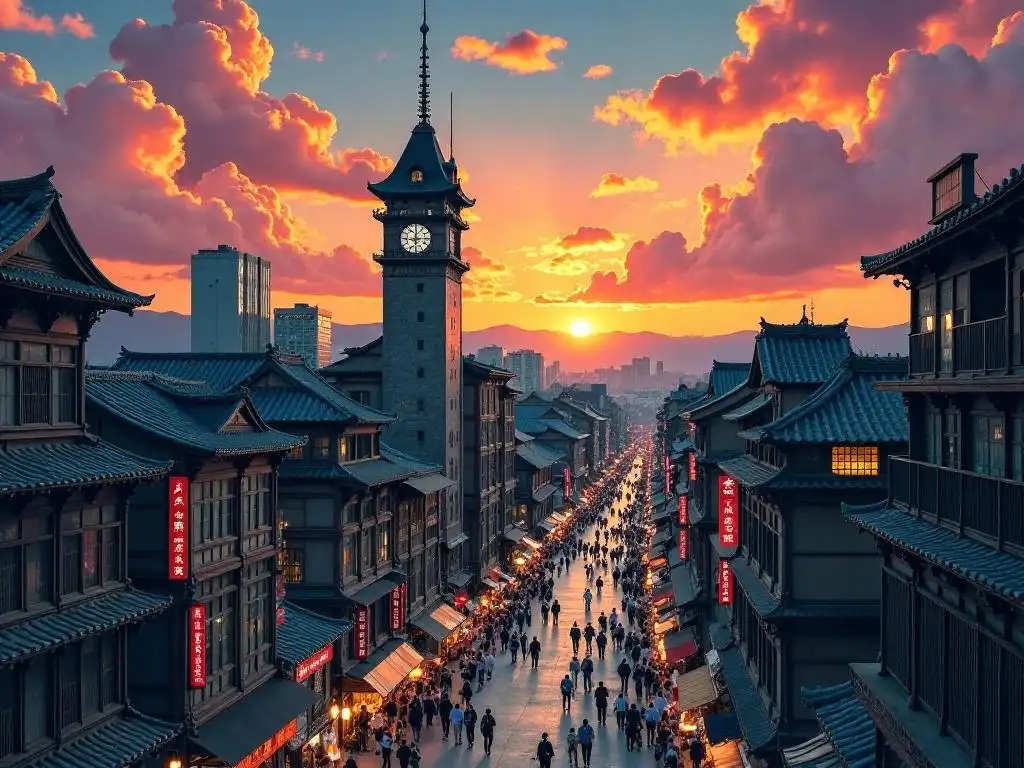
The Edo period (1603-1868) was a remarkable time in Japanese history, marked by significant urban development, especially in the city of Edo, which became the world’s largest city by the 18th century. To understand the unique characteristics of Edo, it is essential to compare it with other contemporary global cities of the time. This comparison reveals insights into Edo's distinct urban planning, population dynamics, and socio-economic structures that contributed to its grandeur.
Edo vs. Contemporary Global Cities: A Comparative Analysis
Edo's urban environment can be effectively contrasted with other major cities of the era, such as London, Paris, and Beijing.
-
Population and Density
- Edo was home to over one million residents by the mid-18th century, making it one of the most populous cities globally. In comparison:
- London had approximately 600,000 residents.
- Paris boasted around 650,000 inhabitants.
- Beijing was comparable, with estimates ranging from 1.1 to 1.5 million.
- Edo was home to over one million residents by the mid-18th century, making it one of the most populous cities globally. In comparison:
-
Urban Planning
Edo's urban design was characterized by its grid layout and zoning, which facilitated efficient movement and organization. Key features included:
- Mizukake (Waterway systems) that provided transportation and sewage management.
- Machi (towns) dedicated to specific trades, enhancing economic specialization.
In contrast, cities like Paris were often organic in their growth, leading to a more chaotic urban structure with narrow streets.
-
Social Stratification
Edo's society was distinctly hierarchical, organized into classes that included samurai, farmers, artisans, and merchants. This structure influenced urban development:
- The samurai class resided in fortified areas, demonstrating their status.
- Merchants thrived in bustling districts, heavily contributing to the economy.
- Conversely, cities like London faced class stratification but lacked the rigid structure seen in Edo, resulting in more pronounced social tensions.
-
Cultural Dynamics
Edo became a cultural hub, especially in the arts, with the emergence of kabuki theater, ukiyo-e prints, and a vibrant nightlife. This cultural richness attracted people from all walks of life. In comparison:
- London was known for its theaters and burgeoning literature.
- Paris became synonymous with art and philosophy, yet lacked the same level of accessibility and diversity in cultural expressions as Edo.
The comparisons illustrate that while Edo shared some similarities with other global cities, its unique blend of urban planning, social organization, and cultural dynamics set it apart as a marvel of urban development during the feudal era.
Lessons from Edo's Urban Development for Modern Cities
Edo's transformation into the world's largest city offers valuable lessons for contemporary urban planners and policymakers. Here are some key takeaways:
-
Sustainable Urban Design
Edo's integration of waterways and green spaces into its urban fabric exemplifies sustainable practices. Modern cities could benefit from similar approaches, prioritizing environmental considerations in urban planning to enhance livability.
-
Mixed-Use Development
The zoning of Edo into specialized districts fostered economic growth and community engagement. Modern cities can learn from this model by promoting mixed-use developments that blend residential, commercial, and recreational spaces, leading to vibrant neighborhoods.
-
Cultural Preservation
Edo's commitment to cultural activities and the arts contributed significantly to its identity. Today, cities should invest in cultural initiatives to foster community ties and attract tourism, ensuring that their unique heritage is preserved and celebrated.
-
Community Resilience
The strong sense of community among Edo’s residents, despite social hierarchies, contributed to the city’s stability. Modern urban areas must cultivate community engagement and resilience, particularly in the face of challenges such as climate change and economic shifts.
The urban development of Edo during the feudal period not only positioned it as a global leader in size and complexity but also provides a rich repository of knowledge for contemporary urbanization challenges. By examining and adapting these lessons, modern cities can strive towards more sustainable, inclusive, and culturally vibrant urban environments.
Conclusion: Edo as a Feudal Marvel of Urban Development
The Edo period, spanning from 1603 to 1868, stands as a remarkable chapter in Japan's history, particularly in the context of urban development. Edo, now known as Tokyo, transformed from a small fishing village into one of the largest cities in the world, boasting a population that reached over a million by the early 18th century. This evolution was not merely a result of chance; it was a carefully orchestrated outcome of various socio-economic and political factors that defined the era.
The Tokugawa shogunate's policies created a stable environment conducive to growth. The era's emphasis on peace (the Pax Tokugawa) allowed commerce to flourish, and the establishment of a centralized government encouraged infrastructure development. Roads were improved, and transportation systems were developed, facilitating trade and movement within the city and beyond. This urban marvel was characterized by its unique blend of traditional Japanese culture and the influences of commerce, leading to a vibrant urban life that included markets, theaters, and public baths.
Lasting Legacy of Edo Period Urbanization
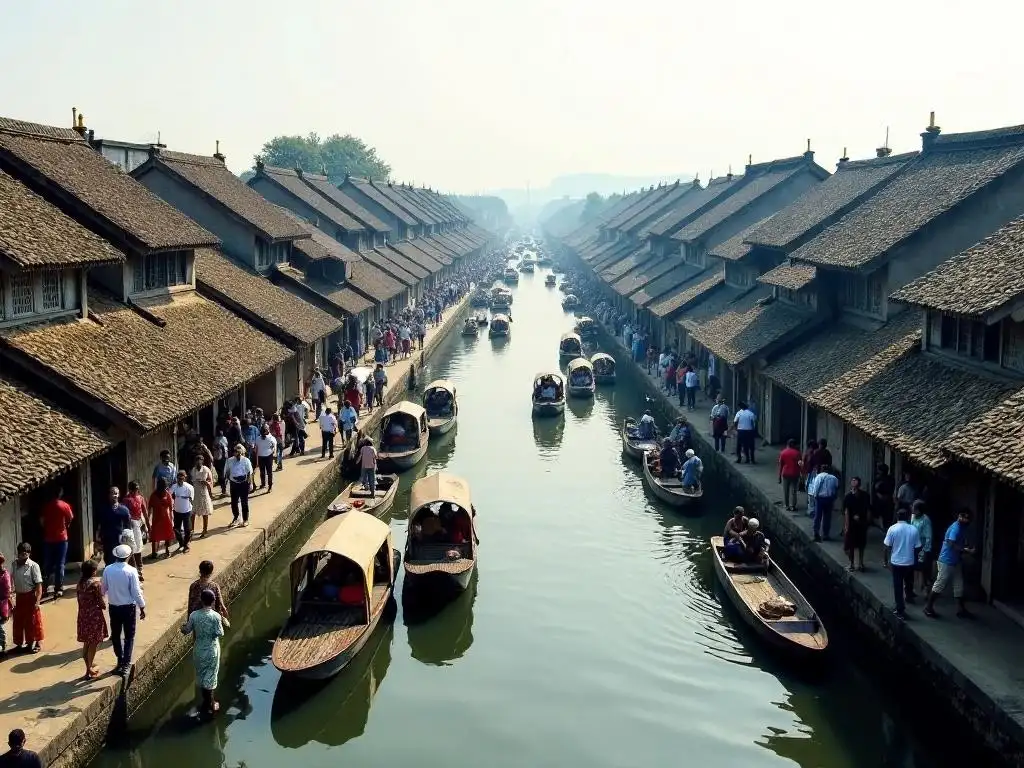
The urbanization that occurred during the Edo period left a profound and lasting legacy on Japan's urban landscape. Several key developments from this era continue to influence modern cities:
- Urban Infrastructure:
- The roads built during the Edo period laid the foundation for Japan's modern transportation networks. The Tokaido Road, in particular, connected Edo with Kyoto and facilitated trade and travel, a model that has inspired contemporary infrastructural planning.
- Cultural Institutions:
- Edo became a cultural hub, giving rise to theater forms such as Kabuki and Ukiyo-e woodblock prints. These cultural developments not only enriched the lives of Edo's residents but also established artistic traditions that are celebrated worldwide today.
- Social Structure:
- The caste system, comprising the samurai, farmers, artisans, and merchants, fostered a unique urban social dynamic. This stratification allowed diverse classes to coexist and interact, shaping a social fabric that influenced the development of modern Japanese society.
- Public Spaces:
- The concept of public spaces, such as parks and markets, emerged during this period. Edo's emphasis on communal areas set a precedent for urban planning, promoting the idea that cities should provide spaces for social interaction and community engagement.
Reflections on the Impact of Edo's Growth on Japan's Future
Edo's rapid urbanization had far-reaching effects that shaped Japan’s trajectory into the modern era. The lessons learned during this period of growth and development are still relevant today:
- Economic Foundations: The economic systems established in Edo contributed significantly to Japan's rise as a global economic power. The integration of local markets into a broader trading network promoted commerce, laying the groundwork for Japan’s modern economy.
- Civic Engagement: The active participation of citizens in urban life during the Edo period fostered a sense of community and civic responsibility. This engagement has evolved into contemporary democratic practices, where public participation is essential in governance.
- Cultural Resilience: The blending of various cultural influences within Edo has led to a rich tapestry of traditions that continue to thrive in Japan today. This resilience showcases the ability of societies to adapt and evolve while retaining core cultural values.
The urban development of Edo during the feudal era serves as a testament to Japan's ingenuity and adaptability. The city's transformation into a bustling metropolis not only reflects the complexities of its time but also provides valuable insights into the dynamics of urbanization that continue to resonate in modern Japan and beyond. The legacy of the Edo period remains a critical chapter in the study of urban development, illustrating how historical contexts shape the cities of the future.
References
[List of Sources and Further Reading]
-
Edo: The City That Became Tokyo
A comprehensive examination of the transformation of Edo into Tokyo, detailing the urban planning and architectural developments during the Edo period.
-
The Edo Period: A Time of Cultural Flourishing
This source delves into the cultural aspects that contributed to the urban development of Edo, including art, literature, and social customs.
-
Economic Structures of the Edo Period
An analysis of the economic frameworks that enabled Edo's growth, highlighting trade, commerce, and taxation policies.
-
The Role of the Samurai in Edo Urban Life
This article explores how the samurai class influenced urban organization and governance during the Edo period.
-
Population Dynamics in Edo: An Urban Explosion
A study focused on the demographic changes in Edo, examining factors that led to its population surge and social stratification.
-
Urban Infrastructure of Edo: A Marvel of Engineering
An exploration of the infrastructure developments in Edo, including roads, waterways, and sanitation systems that facilitated urban growth.
-
Cultural Exchanges in Edo: The Impact of Foreign Relations
This source investigates how interactions with foreign entities influenced urbanization and cultural practices in Edo.
-
Feudal Japan's Urban Revolution: A Historical Overview
A broader perspective on urban development across Japan during the feudal era, with specific reference to Edo's unique characteristics.
-
Edo Period Architecture: The Fusion of Tradition and Innovation
A detailed look at the architectural styles that emerged in Edo, combining traditional Japanese aesthetics with new urban demands.
-
The Economics of Edo's Urbanization
An in-depth analysis of how the economic strategies adopted in the Edo period led to the flourishing urban landscape.
These sources provide a wealth of information for anyone seeking to understand the intricate tapestry of Edo period urban development, painting a vivid picture of how this remarkable city became the largest in the world during its time.
Frequently Asked Questions
What was the Edo period known for?
The Edo period (1603-1868) is renowned for its peaceful stability, economic growth, and the rise of urban centers, making Edo (modern-day Tokyo) the world's largest city during this time.
How did urban development shape Edo?
Urban development in Edo was marked by infrastructure improvements, such as roads and waterways, which facilitated trade, transportation, and communication, significantly contributing to its growth and prosperity.
The social structure of Edo, characterized by the samurai class, merchants, and artisans, created a dynamic economic environment that spurred innovation and cultural exchange, enhancing the city's vibrancy and diversity.
How did cultural aspects influence life in Edo?
Cultural aspects, including theater, arts, and cuisine, flourished in Edo, making it a hub for creativity and entertainment, which attracted people from various backgrounds and fostered a rich urban culture.
What were some challenges faced during Edo urban development?
Despite its growth, Edo faced challenges like overpopulation, sanitation issues, and fire hazards, which prompted the government to implement regulations and improve urban planning to ensure the city's sustainability.
Final Reflection: The Enduring Legacy of Edo's Urban Development
Edo's transformation into the world's largest city during the feudal period is not just a historical marvel; it serves as a powerful reminder of how urban development can shape societies. Today, as we grapple with rapid urbanization and the challenges it brings, the lessons from Edo's innovative infrastructure and social organization resonate more than ever. The ingenuity of its planning and the harmony between nature and urban life challenge us to rethink our modern cities and their sustainability.
Edo's influence extends beyond its historical context, permeating contemporary discussions about urban living and community cohesion. The principles of accessibility, public spaces, and cultural integration that defined Edo's urban landscape continue to inspire architects and city planners around the globe. As noted by urban theorist Jane Jacobs, Cities have the capability of providing something for everybody, only because, and only when, they are created by everybody.
This sentiment echoes the collaborative spirit that characterized Edo, reminding us that inclusive urban development is crucial for thriving communities.
As we reflect on the lessons from Edo's remarkable journey, I invite you to consider how these insights can be applied in your own life and community. How can we foster a sense of belonging and sustainability in our urban environments today? Whether through advocating for green spaces, supporting local culture, or engaging in community planning, each of us has a role to play in shaping the cities of the future. Let us draw inspiration from Edo's legacy and strive to create urban spaces that honor our shared humanity and the environment we inhabit.
Unveil Edo's Rich Legacy—Take Action Today!
Thank you for delving into the fascinating history of Edo and uncovering how it transformed into the world's largest city! Your journey through this feudal marvel not only enriches your knowledge but also ignites curiosity about the vibrant past of Japan. Now, it’s time to connect even deeper with this remarkable story.
Here are some exciting steps you can take:
- Explore More: Dive into additional resources or books about Edo's culture and daily life to gain a broader perspective.
- Join the Conversation: Share your thoughts and insights on social media or in forums dedicated to Japanese history. Tag us at @FeudalJapanHistory and let’s keep the dialogue going!
- Visit a Local Exhibit: Check out any exhibitions on Japanese history in your area—these can provide a tangible connection to Edo’s rich legacy.
What fascinates you most about Edo's transformation from a feudal town to a bustling metropolis? **Share your thoughts below! **