
Reviving Tradition: Modern Ryokan That Honor Feudal Heritage

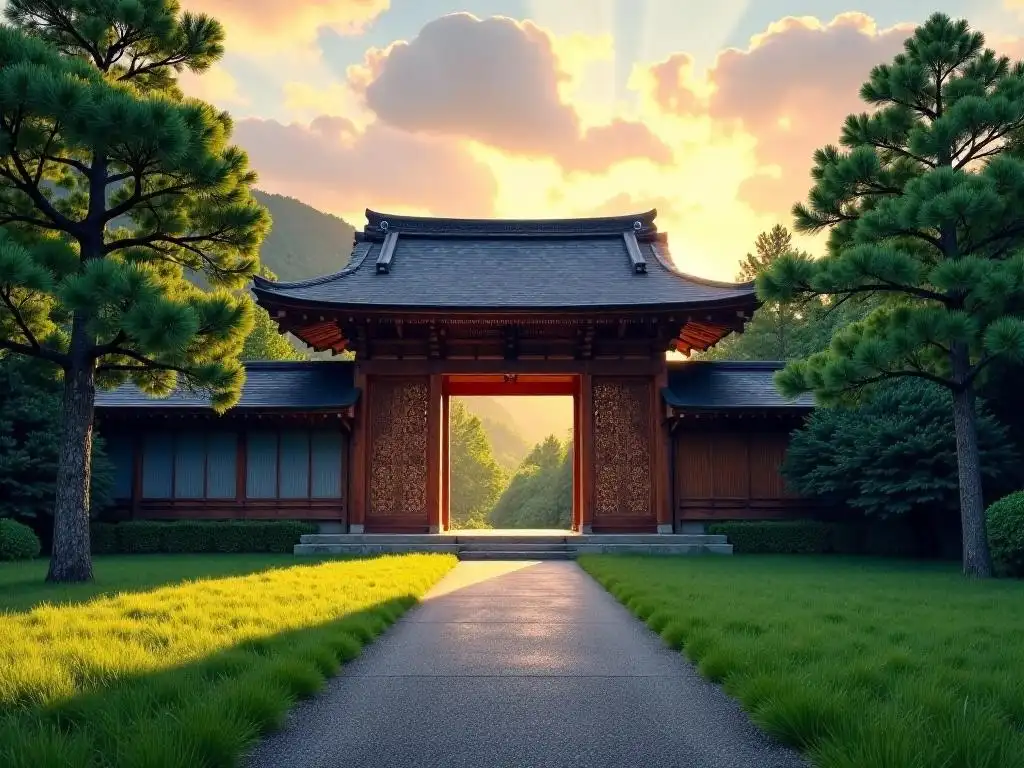
Welcome to Feudal Japan History, where we invite you to embark on a captivating journey through the rich tapestry of Japan's feudal era. In our feature article, “Reviving Tradition: Modern Ryokan That Honor Feudal Heritage,” we delve into the enchanting world of modern ryokan, exploring how these traditional inns preserve the essence of feudal culture while offering a unique travel experience. Prepare to uncover the layers of history, culture, and societal evolution that define this remarkable period.
Join us as we unlock the secrets of Japan's past, and discover how its heritage continues to thrive in today’s world. Your adventure begins now!
Introduction to Modern Ryokan and Feudal Heritage
In recent years, there has been a noteworthy resurgence in interest surrounding traditional Japanese accommodations known as ryokan. These inns not only offer a unique lodging experience but also serve as a living embodiment of Japan's feudal heritage. The modern ryokan has evolved, weaving together the essence of ancient customs with contemporary comforts, thus creating a fascinating blend of past and present. This revival is not merely a trend; it represents a broader movement aimed at preserving cultural identity and historical appreciation in an increasingly globalized world.
The concept of ryokan dates back to the Edo period (1603-1868), originally serving travelers along Japan's highways. These establishments were characterized by tatami mat flooring, sliding doors (fusuma), and communal baths, reflecting the simplicity and elegance of feudal life. Today, many modern ryokan strive to honor these traditions while incorporating modern amenities, making them not only a place to stay but a gateway to understanding Japan's rich history and culture.
The keyword "modern ryokan feudal heritage" encapsulates this unique juxtaposition, highlighting the significance of these inns in keeping the spirit of feudal Japan alive. As travelers seek authentic experiences, modern ryokan stand out by offering a glimpse into the past, wrapped in the comforts required by today's discerning guests.
The Evolution of Ryokan: From Feudal Times to Modern Day
The transformation of ryokan from humble lodgings to luxurious retreats is a testament to Japan's dynamic history. Initially, ryokan catered primarily to travelers, offering basic necessities such as food and shelter. Over time, these inns began to reflect the social stratifications of feudal Japan, with wealthier patrons enjoying more elaborate facilities and services.
Key Stages in the Evolution of Ryokan:
- Edo Period (1603-1868):
- Ryokan emerged as essential stopovers for merchants and samurai.
- Traditional features included communal baths and seasonal kaiseki meals, emphasizing local ingredients.
- Meiji Restoration (1868-1912):
- With the onset of modernization, ryokan adapted to cater to foreign tourists.
- Western influences led to the introduction of new architectural styles and dining options.
- Post-World War II Era:
- Japan's economic boom saw the rise of luxury ryokan, integrating Japanese aesthetics with international hospitality standards.
- This period marked a revival of traditional crafts, leading to a renewed focus on authentic experiences.
- 21st Century:
- Modern ryokan now blend traditional elements with innovative designs, sustainable practices, and wellness-focused amenities.
- Many establishments emphasize the preservation of feudal heritage through art, architecture, and cuisine, encouraging guests to engage deeply with Japan's cultural tapestry.
In essence, the evolution of ryokan mirrors Japan's own journey through history, adapting to changing times while remaining steadfast in honoring its rich heritage. Today’s modern ryokan serve not just as places of rest, but as custodians of tradition, inviting guests to immerse themselves in the beauty of feudal Japan.
Exploring Modern Ryokan That Celebrate Feudal Heritage
The concept of a modern ryokan that honors feudal heritage is an exquisite blend of tradition and contemporary luxury, providing travelers with a unique experience steeped in history. These inns not only offer a place to stay but also serve as cultural ambassadors, showcasing the rich tapestry of Japan’s feudal past. By integrating traditional architecture, local cuisine, and immersive experiences, these ryokan invite guests to step back in time while enjoying modern comforts. Here are a few notable examples of such establishments that embody this philosophy.
1. Gora Kadan: A Fusion of Tradition and Luxury
Nestled in the scenic Hakone region, Gora Kadan is a stunning ryokan that seamlessly fuses traditional Japanese aesthetics with contemporary luxury. Originally a summer retreat for the Imperial family, this establishment showcases the elegance of Japanese architecture while providing guests with modern amenities.
- Traditional Design: The ryokan features tatami-matted rooms, sliding shoji doors, and a private onsen (hot spring) that reflects the essence of feudal Japan.
- Culinary Excellence: Guests are treated to kaiseki meals, which are meticulously prepared using seasonal ingredients, offering a true taste of traditional Japanese cuisine.
- Cultural Activities: Gora Kadan provides immersive experiences such as calligraphy lessons and seasonal tea ceremonies, allowing guests to engage with Japan’s rich cultural heritage.
This combination of history, luxury, and cultural immersion makes Gora Kadan a prime example of how modern ryokan can honor feudal traditions.
2. Tawaraya Ryokan: Immersive Cultural Experiences
Tawaraya Ryokan, located in the heart of Kyoto, is renowned for its dedication to preserving the essence of feudal Japan. With a history that spans over 300 years, this ryokan offers a glimpse into the past while ensuring that the experience remains relevant for today’s travelers.
- Authentic Atmosphere: The ryokan maintains its original architectural features, including wooden beams and tatami flooring, which evoke the charm of a bygone era.
- Personalized Service: Tawaraya is famous for its exceptional hospitality, where staff members anticipate guests’ needs, embodying the spirit of omotenashi (Japanese hospitality).
- Cultural Immersion: Activities such as guided temple tours, kimono dressing sessions, and seasonal festivals are offered, allowing guests to fully immerse themselves in Kyoto’s rich cultural landscape.
By providing these transformative experiences, Tawaraya Ryokan plays a crucial role in educating visitors about Japan’s feudal heritage.
3. Hoshinoya Kyoto: Eco-Friendly Approaches to Feudal Heritage
Hoshinoya Kyoto stands out as a modern ryokan that not only honors feudal traditions but also embraces sustainability. Situated along the tranquil Hozu River, this ryokan is designed to harmonize with its natural surroundings while reflecting the architectural beauty of feudal Japan.
- Sustainable Practices: Hoshinoya integrates eco-friendly practices such as using locally sourced materials, energy-efficient systems, and organic gardens that supply fresh produce for their meals.
- Cultural Integration: The ryokan offers various activities, including riverboat rides and guided nature walks, which highlight the importance of nature in Japanese culture and how it has influenced feudal traditions.
- Luxury Accommodations: Guests enjoy modern comforts in rooms that exhibit traditional decor, including tatami mats and futon bedding, providing an authentic yet luxurious experience.
Hoshinoya Kyoto exemplifies how modern ryokan can honor feudal heritage while promoting sustainability and environmental responsibility.
The Role of Modern Ryokan in Preserving Cultural Heritage
Modern ryokan serve as vital custodians of Japan’s cultural heritage by bridging the gap between the past and the present. Through their commitment to traditional practices, these inns not only preserve architectural styles and culinary arts but also foster an appreciation for Japan’s rich history among visitors.
- Cultural Education: By offering immersive experiences and activities rooted in feudal traditions, modern ryokan educate guests about Japan's history, customs, and values.
- Economic Sustainability: The popularity of these ryokan boosts local economies, encouraging the revival of traditional crafts and culinary practices that might otherwise fade away.
- Community Engagement: Many modern ryokan collaborate with local artisans and farmers, ensuring that their practices and stories are shared, thus enriching the cultural fabric of their regions.
Modern ryokan play a crucial role in preserving and revitalizing Japan’s feudal heritage, ensuring that future generations can appreciate and understand the significance of this rich cultural legacy. Through their unique offerings, they provide travelers with an unforgettable journey into Japan's past while enjoying the comforts of modern hospitality.
Tips for Choosing a Modern Ryokan That Honors Feudal Heritage
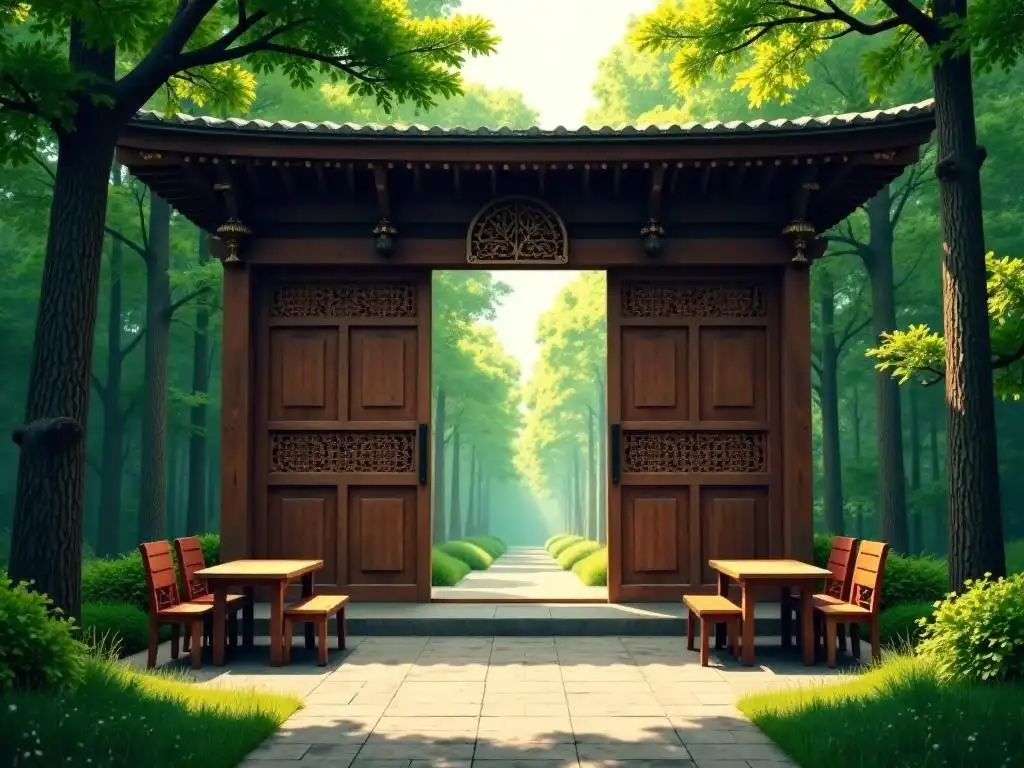
When selecting a modern ryokan that pays homage to feudal heritage, it’s essential to consider several factors to ensure an authentic experience. Here are some tips to guide your choice:
-
Research Historical Significance:
Look for ryokan that have a historical background or are located in areas of cultural importance. Many modern ryokan have retained traditional architecture and decor, reflecting the aesthetics of feudal Japan. Check if the ryokan has been recognized for preserving historical elements.
-
Review Guest Feedback:
Guest reviews can provide insight into the authenticity of the ryokan's offerings. Look for comments regarding the traditional meals, service quality, and the overall atmosphere. Websites dedicated to travel reviews often highlight unique features that contribute to the ryokan's heritage.
-
Explore Amenities:
While modern convenience is important, ensure that the amenities align with traditional practices. Features like tatami flooring, futon bedding, and communal baths can enhance the cultural experience. Additionally, some ryokan may offer traditional tea ceremonies or local craft experiences.
-
Consider Location:
The ryokan's setting can significantly impact your experience. Opt for ryokan located near historical sites, natural beauty, or traditional towns. Areas like Kyoto or Takayama are known for their preserved culture and heritage, making them ideal for exploring feudal history.
-
Inquire About Authentic Cuisine:
A true ryokan experience includes indulging in kaiseki, a traditional multi-course meal that reflects seasonal ingredients and local flavors. Check if the ryokan sources its ingredients locally and if they offer cooking classes or demonstrations.
Personal Experiences: Reviews from Guests of Modern Ryokan
Guests often share transformative experiences when staying at modern ryokan that honor feudal heritage. Here are some insights based on reviews from travelers:
- Authentic Atmosphere: Many guests rave about the seamless blend of modern comfort and traditional aesthetics. One visitor noted, “The moment I stepped into the ryokan, I felt transported to another time. The wooden beams and paper lanterns created a serene ambiance.”
- Culinary Delights: Reviews frequently highlight the exceptional dining experiences. A guest shared, “The kaiseki dinner was a feast for the senses! Each dish was beautifully presented and reflected the season’s ingredients, making me appreciate the artistry of Japanese cuisine.”
- Warm Hospitality: Personal interactions with the staff are often praised. A traveler recounted, “The staff treated us like family, sharing stories about the ryokan’s history and ensuring we felt comfortable. Their hospitality made our stay unforgettable.”
- Relaxation and Rejuvenation: Guests appreciate the tranquility offered by ryokan, especially those with onsen (hot springs). One review mentioned, “Soaking in the outdoor onsen while surrounded by nature was the perfect way to unwind. It felt like a true escape from modern life.”
Conclusion: The Future of Modern Ryokan and Feudal Heritage
As modern ryokan continue to evolve, their commitment to honoring feudal heritage remains a cornerstone of their identity. The future of these traditional inns appears promising, with several trends emerging:
- Sustainable Practices: Many ryokan are adopting environmentally friendly practices that align with traditional values. This includes sourcing local ingredients, using sustainable materials, and promoting eco-friendly tourism.
- Cultural Education: There is a growing emphasis on educating guests about feudal heritage. Ryokan that offer workshops on crafts, cooking, or even historical storytelling are enhancing the cultural experience, ensuring that visitors leave with a deeper understanding of Japan’s past.
- Increased Global Interest: As international travel continues to grow, the appeal of authentic experiences is attracting more visitors to modern ryokan. This trend encourages ryokan owners to maintain their cultural practices while adapting to the needs of a diverse clientele.
Modern ryokan that honor feudal heritage serve as vital links to Japan’s rich history, offering travelers a unique blend of tradition and comfort. By choosing wisely and embracing the experiences these inns provide, guests can enjoy a meaningful connection to Japan’s past while enjoying the present.
Call to Action: Plan Your Stay in a Modern Ryokan
Exploring Japan's feudal heritage through a stay in a modern ryokan can be a transformative experience, offering a unique blend of historical ambiance and contemporary comfort. If you’re intrigued by the idea of immersing yourself in the traditions of feudal Japan while enjoying the amenities of modern hospitality, now is the perfect time to plan your visit.
Why Choose a Modern Ryokan?
Choosing a modern ryokan for your accommodation allows you to experience traditional Japanese culture firsthand. These inns not only preserve architectural styles from the feudal era but also incorporate modern design elements that enhance your stay. Imagine sleeping on tatami mats, soaking in an onsen (hot spring), and enjoying kaiseki cuisine—all in a setting that honors Japan’s rich history.
- Authenticity: Each ryokan reflects local history and culture.
- Comfort: Modern amenities ensure a restful stay while maintaining traditional aesthetics.
- Culinary Delights: Experience exquisite local dishes that celebrate seasonal ingredients.
How to Book Your Stay
Booking a stay at a modern ryokan can be done through various platforms. Here are some steps to help you secure your reservation:
- Research: Look for ryokan that highlight their feudal heritage in their descriptions. Read reviews and articles to find the ones that resonate with you.
- Check Availability: Use booking sites or the ryokan's official website to check for available dates. Consider off-peak seasons for a more tranquil experience.
- Inquire Directly: Don’t hesitate to reach out to the ryokan for any specific requests or questions. Many are happy to accommodate special needs or preferences.
- Plan Your Itinerary: Consider nearby attractions and activities that reflect Japan's feudal history, such as castles, temples, and historical sites.
Experience the Essence of Feudal Japan
A stay in a modern ryokan is more than just accommodation; it’s a chance to step back in time while enjoying the luxuries of the present. From the serene gardens to the meticulously prepared meals, every aspect is designed to create a peaceful and enriching experience that honors Japan's past.
Ready to immerse yourself in Japan's feudal heritage? Start planning your stay in a modern ryokan today and discover the timeless beauty and rich traditions of this incredible country! 🏯✨
- Introduction to Modern Ryokan and Feudal Heritage
- The Evolution of Ryokan: From Feudal Times to Modern Day
- Exploring Modern Ryokan That Celebrate Feudal Heritage
- The Role of Modern Ryokan in Preserving Cultural Heritage
- Tips for Choosing a Modern Ryokan That Honors Feudal Heritage
- Personal Experiences: Reviews from Guests of Modern Ryokan
- Conclusion: The Future of Modern Ryokan and Feudal Heritage
- Call to Action: Plan Your Stay in a Modern Ryokan
- What is a ryokan and how is it connected to feudal heritage?
- How do modern ryokan incorporate feudal traditions?
- Why is the revival of feudal heritage important in modern Japan?
- What role does hospitality play in a ryokan experience?
- How can visitors experience the feudal heritage at a modern ryokan?
Frequently Asked Questions
What is a ryokan and how is it connected to feudal heritage?
A ryokan is a traditional Japanese inn that often features tatami-matted rooms and onsen (hot springs). They embody feudal heritage by preserving historical architecture and cultural practices from Japan's past.
How do modern ryokan incorporate feudal traditions?
Modern ryokan often blend contemporary comforts with traditional aesthetics, providing guests with a unique experience that includes authentic cuisine, traditional tea ceremonies, and cultural performances reflective of feudal Japan.
Why is the revival of feudal heritage important in modern Japan?
Reviving feudal heritage helps maintain cultural identity, promotes tourism, and educates both locals and visitors about Japan's rich history. It fosters a sense of community and respect for traditional values in a rapidly modernizing society.
What role does hospitality play in a ryokan experience?
Hospitality in a ryokan is paramount, often characterized by omotenashi, which emphasizes thoughtful service and attention to detail. This approach reflects the deep-rooted values of feudal Japan, where hosts took pride in ensuring the comfort of their guests.
How can visitors experience the feudal heritage at a modern ryokan?
Visitors can immerse themselves in feudal heritage by participating in activities such as kimono-wearing, enjoying kaiseki meals, and engaging in traditional arts. These experiences are designed to connect guests with the history and culture of Japan's feudal era.
Final Reflection: Embracing Heritage in Modern Ryokan
The revival of tradition through modern ryokan is not just a nostalgic journey; it is a powerful statement about our identity and values in a rapidly changing world. As we navigate the complexities of contemporary life, the importance of honoring our feudal heritage becomes increasingly relevant. These modern ryokan serve as a bridge between the past and the present, reminding us that our roots can inform our future. In a society that often prioritizes the new and the novel, the preservation of cultural practices and architectural beauty stands as a testament to the resilience of tradition.
Cultural landscapes are shaped by the stories we tell and the places we cherish. The modern ryokan embodies this idea, offering a unique space where guests can immerse themselves in the rich tapestry of Japanese history while enjoying contemporary comforts. As we witness a growing interest in sustainable tourism and authentic experiences, these establishments not only preserve feudal heritage but also inspire a deeper appreciation for the cultural narratives that define us. Tradition is not the worship of ashes, but the preservation of fire.
— Gustav Mahler. This quote encapsulates the essence of modern ryokan, where the flames of tradition are kept alive, illuminating our path forward.
As you reflect on your own journey, consider how you can incorporate the lessons of feudal heritage into your life. Embrace the beauty of tradition in your daily practices, whether through art, cuisine, or hospitality. Let the stories of the past guide your choices and inspire your creativity.
By engaging with our heritage, we not only honor those who came before us but also enrich our own lives and the lives of future generations. Take a moment to explore the modern ryokan experience, and allow it to awaken a sense of connection to your roots, fostering a deeper understanding of who you are and where you come from.
Embrace the Heritage: Experience a Modern Ryokan Today!
Thank you for exploring the rich tapestry of feudal Japan with us! We hope you’ve gained a deeper appreciation for how modern ryokans beautifully honor the traditions of the past. Now, it’s time to turn that inspiration into action.
Here are some practical steps you can take to immerse yourself in this captivating culture:
- Book a stay at a modern ryokan to experience hospitality steeped in tradition—rest, relax, and recharge in a serene environment.
- Share your experience on social media to connect with others who appreciate Japanese culture and encourage them to explore heritage travel.
- Join a local cultural workshop where you can learn more about traditional crafts associated with ryokan, such as flower arranging or tea ceremonies.
Are you ready to step into a world where history meets hospitality? What aspect of ryokan culture are you most excited to experience firsthand?