
The Interplay of Class and Agriculture: Understanding Farmers’ Social Status

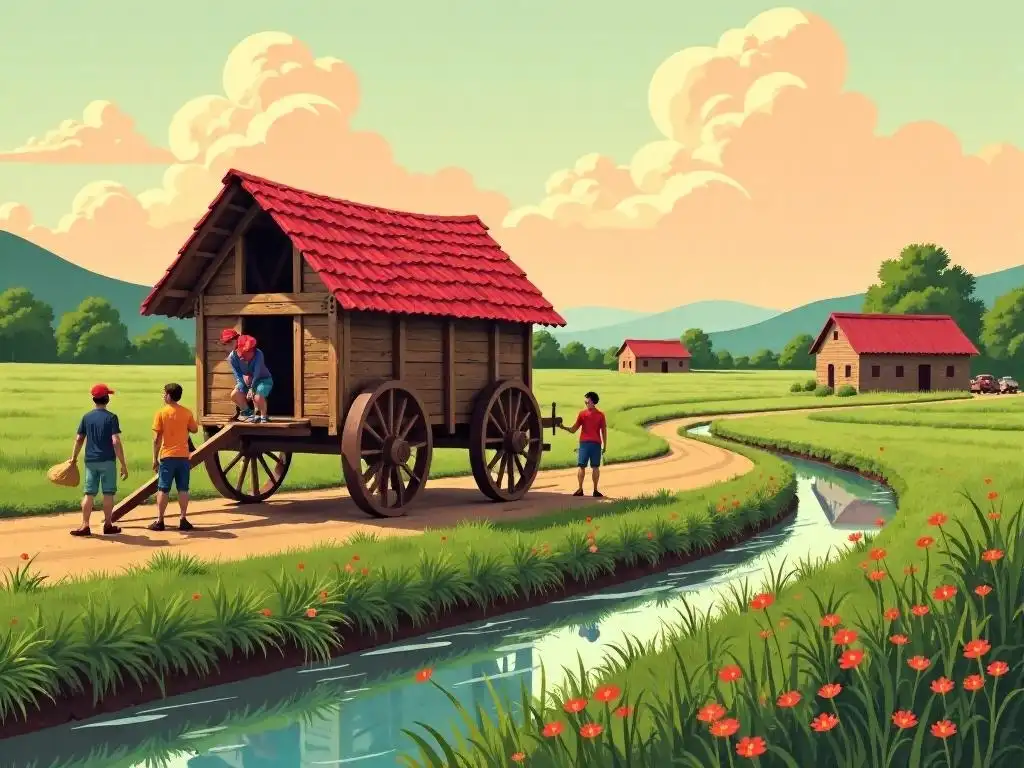
Welcome to Feudal Japan History, where we invite you to embark on a journey through the rich tapestry of Japan's feudal era. In our featured article, “The Interplay of Class and Agriculture: Understanding Farmers’ Social Status,” we delve into the intricate dynamics that defined the lives of farmers during this pivotal time. How did their roles shape society, and what was their true standing amidst the class hierarchy?
Prepare to uncover the fascinating layers of agricultural life and social stratification, sparking your curiosity about the past as we explore the vital contributions of farmers to feudal Japan. Join us as we unravel these stories and more!
- The Interplay of Class and Agriculture: Understanding Farmers’ Social Status in Feudal Japan
- Historical Context of Farmers in Feudal Japan
- Factors Influencing Farmers’ Social Status
- The Daily Life of Farmers in Feudal Japan
- Case Studies: Notable Farmers in Feudal Japan
- Comparisons of Farmers’ Social Status Across Different Regions
- The Decline of the Farmer Class in the Late Feudal Era
- Conclusion: The Legacy of Farmers’ Social Status in Japan’s Feudal Era
- Frequently Asked Questions
- Final Reflection: The Enduring Legacy of Farmers' Social Status
- Elevate Your Understanding: Engage with Farmers' Realities
The social fabric of feudal Japan was intricately woven with the threads of class and agriculture, where each layer played a pivotal role in shaping the lives of individuals. Among the various social classes, farmers held a unique position, often regarded as the backbone of Japanese society.
Their social status was not merely a reflection of their economic contributions but also intertwined with cultural perceptions, historical developments, and the overarching feudal system. Understanding the farmers' social status in the Japan feudal era involves delving into their roles, responsibilities, and the complex dynamics that defined their existence during this transformative period.
Overview of the Feudal System in Japan
Feudal Japan, spanning from the late 12th century to the mid-19th century, was characterized by a hierarchical social structure that fundamentally impacted the lives of its citizens. At the top of this structure was the emperor, followed by shoguns, daimyo (feudal lords), samurai, and finally, the peasantry, which included farmers. This hierarchy was not merely a reflection of power but also dictated economic roles and societal obligations.
- Key Components of the Feudal System:
- Emperor: The spiritual and ceremonial leader, often with little real political power.
- Shogun: The military dictator who held the most power and controlled land distribution.
- Daimyo: Powerful lords who governed large territories and had their own samurai.
- Samurai: The warrior class that served the daimyo and upheld the bushido code.
- Farmers: Primarily responsible for food production and sustenance of society.
Farmers were often seen as low in the social hierarchy, yet their role was essential. They cultivated rice and other crops, which were the foundation of the economy and society. This duality of being both essential yet undervalued created a complex social status that warrants deeper exploration.
Significance of Agriculture in Japanese Society
Agriculture in feudal Japan was more than just a means of sustenance; it was a cornerstone of the economy and a marker of social identity. The cultivation of rice, in particular, was not only a staple food but also a symbol of wealth and power, often determining land ownership and social standing.
- Economic Importance:
- Rice as Currency: Rice was used as a form of currency and taxation, influencing the wealth of farmers and the lords they served.
- Land Ownership: Control over fertile land meant control over resources and power, leading to conflicts and alliances among the classes.
- Cultural Significance:
- Rituals and Festivals: Agricultural cycles were celebrated through rituals and festivals, highlighting the spiritual connection between farmers and the land.
- Social Identity: Farmers developed a distinct identity within the feudal structure, often revered for their resilience and connection to nature.
The interplay of class and agriculture reveals a rich tapestry of social interactions and responsibilities in feudal Japan. This exploration of farmers' social status not only sheds light on their contributions but also emphasizes the nuanced understanding of their place within the historical context of Japanese society.
The Role of Farmers in the Feudal Hierarchy
In feudal Japan, the social structure was highly stratified, with a defined hierarchy that placed farmers in a critical yet complex position. Farmers were considered part of the "heimin" class, which included commoners such as peasants, artisans, and merchants. Despite being at the lower end of the social ladder, farmers held immense importance due to their role in agricultural production, which was the backbone of the feudal economy.
Economic Contribution
Farmers were the primary producers of rice, the staple food and a key economic commodity in feudal Japan. Their labor not only sustained the local population but also provided the wealth that supported the ruling samurai class. The economic relationship was symbiotic; while farmers were responsible for cultivating the land and producing food, samurai provided protection and governance in return. This dynamic meant that farmers, despite their low social status, were essential for the sustenance of society. The productivity of their fields directly influenced the prosperity of their lords and the stability of the region.
Social Perception and Status
Although farmers were vital to the economy, their social status was often viewed with ambivalence. They were respected for their hard work and dedication to land cultivation, yet they were also subject to the whims of the samurai and the ruling elite. The social perception of farmers varied; they were sometimes idealized as the embodiment of traditional Japanese values and perseverance, while at other times, they were seen as mere laborers, underscoring the tension between their contribution and their status.
Legal and Tax Obligations
Farmers were bound by various legal obligations, including the payment of taxes to their daimyo (feudal lords). These taxes were often collected in the form of rice, which created a cycle of dependency. The samurai relied on these taxes for their livelihood, while farmers were burdened with the responsibility of ensuring that their yields met the demands of their lords. Failure to produce enough could result in severe penalties, further complicating their social standing and economic security.
Resilience and Community
Despite the challenges they faced, farmers exhibited remarkable resilience. They often formed tight-knit communities, fostering a sense of solidarity and mutual support among themselves. This communal aspect was crucial during times of hardship, such as natural disasters or crop failures. Farmers would come together to share resources and labor, reflecting a social fabric that, while hierarchical, also emphasized cooperation and interdependence.
The role of farmers in the feudal hierarchy of Japan was multifaceted. They were not only essential economic contributors but also individuals navigating a complex social landscape defined by legal obligations, societal perceptions, and community resilience. Understanding their position provides valuable insights into the dynamics of feudal society and the interplay of class and agriculture in shaping Japan's historical trajectory.
Historical Context of Farmers in Feudal Japan

Origins of the Farmer Class in Feudal Japan
The origins of the farmer class in feudal Japan can be traced back to the early medieval period, specifically during the Heian era (794-1185). During this time, the agrarian society began to take shape, as rice cultivation became central to the Japanese economy. The establishment of the shōen system—large estates owned by aristocrats—played a pivotal role in defining the social hierarchy.
Farmers, or hyakusho, were primarily responsible for rice production, which was a vital staple food and a symbol of wealth. Initially, farmers enjoyed a degree of autonomy as they operated on lands that were often granted to them by the landowners. However, this autonomy gradually diminished with the rise of the samurai class and the increasing centralization of power by regional lords, known as daimyō.
In addition to rice, farmers cultivated various other crops, such as millet and barley, and raised livestock. These agricultural practices laid the foundation for the feudal economy, where the surplus production supported not only the local communities but also the samurai and ruling classes.
The social status of farmers in feudal Japan was not static; it evolved significantly from the early medieval period through the Edo period (1603-1868). Initially, farmers held a respectable position in society due to their crucial role in food production. However, as the feudal system became more entrenched, their status underwent several changes.
- Early Feudal Era (12th-15th Century):
- During this period, farmers were considered the backbone of the economy. They were responsible for producing the food that sustained both the samurai and the nobility.
- Farmers were often tied to the land they cultivated, and their rights were heavily influenced by the local lords.
- Muromachi Period (14th-16th Century):
- The rise of regional warlords led to increased taxation and demands on farmers. Their social status began to decline as they became more subservient to the daimyō.
- Peasant revolts erupted in response to exorbitant taxes and harsh treatment, highlighting their struggle for rights and better conditions.
- Edo Period (17th-19th Century):
- The Tokugawa shogunate implemented a more structured system, which further solidified the farmers' role within the social hierarchy.
- Farmers were classified as part of the lower classes, below the samurai but above merchants. This classification reflected the Confucian ideals prevalent during this time, where agriculture was valued over commerce.
- Decline of the Samurai Class:
- As Japan transitioned into the modern era, especially during the Meiji Restoration (1868), the rigid class structure began to dissolve. Farmers started to gain more rights, and their income began to improve due to modernization efforts.
The transformation of farmers’ social status is emblematic of the broader shifts in Japanese society throughout the feudal era. From being revered as essential contributors to the economy to experiencing subjugation and exploitation, the trajectory of farmers in Japan is a testament to the complexities of class dynamics during this period. Understanding this evolution provides insight into the intricate relationship between agriculture and social status in feudal Japan.

Land Ownership and Its Impact on Status
In feudal Japan, land ownership was a crucial determinant of social status for farmers. The daimyōs, or feudal lords, controlled vast estates, and their power was closely tied to the land they owned. Farmers, who worked the land, were often categorized based on their relationship to land ownership:
- Tenant Farmers: These farmers did not own the land they cultivated. Instead, they paid rent to the landowners, which often left them financially vulnerable and at the mercy of their landlords' demands. As such, their social status was relatively low, and they were considered part of the lower class.
- Peasant Landowners: Some farmers managed to acquire small plots of land. This ownership granted them a higher social standing compared to tenant farmers. They had more autonomy and were seen as integral to the local economy, often participating in village governance.
- Wealthy Landowners: A select few farmers accumulated significant wealth and land, thereby elevating their social status. They could interact with samurai and daimyōs, often acting as intermediaries between the ruling class and the peasantry.
The relationship between land and social status is pivotal; it shaped not only the farmers’ economic conditions but also their political influence within their communities.
Taxation and Economic Pressure on Farmers
Taxation played a significant role in determining farmers' social status in feudal Japan. The agricultural economy relied heavily on taxes collected by the ruling elite, which impacted farmers in various ways:
- Heavy Tax Burden: Farmers were often subjected to exorbitant taxes, which could consume up to 40% of their harvest. This high taxation led to economic pressure, forcing many farmers into debt. The burden of taxation was particularly harsh during times of natural disasters or poor harvests, exacerbating their vulnerability.
- Tax Collection Methods: The tax system was often enforced through brutal methods. Landlords or their agents would collect taxes, sometimes resorting to intimidation or violence. This created a sense of fear among farmers, further diminishing their social status and reinforcing their lower position in society.
- Shared Burdens: The taxation system often led to communal responsibilities, where entire villages were held accountable for tax payments. If a single farmer failed to meet their obligations, the entire community could suffer penalties, creating a collective pressure that undermined individual status.
Overall, taxation not only affected the economic viability of farmers but also reinforced their social standing as subservient to the ruling elite.
Social mobility for farmers in feudal Japan was limited, yet not entirely non-existent. A few pathways allowed for upward movement within the social hierarchy:
- Increased Agricultural Productivity: Farmers who could innovate and increase their yields might accumulate wealth, enabling them to purchase land or improve their status within the community. Successful farmers could gain respect and recognition, potentially leading to an informal elevation in social status.
- Military Service: Some farmers were able to rise in status by serving as warriors or samurai, especially during conflicts like the Genpei War (1180-1185). This military service could grant them land and titles, transforming their social standing dramatically.
- Education and Skills: Those who pursued education or specialized skills (e.g., carpentry, weaving) could find opportunities outside of farming. This often led to increased wealth and respect, allowing some to transition into the merchant class or other professions with higher status.
While the rigid class structure of feudal Japan posed significant barriers to social mobility, individual efforts and external circumstances allowed a minority of farmers to navigate these constraints and enhance their social status.
The Daily Life of Farmers in Feudal Japan
Farming Practices and Their Influence on Status
In the feudal era of Japan, the social status of farmers was intricately tied to their agricultural practices. The primary crop cultivated was rice, a staple food that held significant economic and cultural importance. Farmers who excelled in rice cultivation could elevate their social standing, as rice was not only a food source but also served as currency and a tax payment method.
- Types of Agriculture:
- Wet Rice Cultivation: Dominant in the lowland regions, this method required intricate irrigation systems, reflecting advanced agricultural knowledge and skills.
- Dry Field Farming: Practiced in mountainous areas, this method involved the cultivation of millet and barley, often yielding lesser status due to lower economic returns.
Farmers who adopted innovative practices, such as crop rotation and the use of fertilizers, often increased their productivity and, consequently, their social status. A notable example is the introduction of the "yields-per-acre" system, which rewarded those who maximized their land's potential.
Community Roles and Responsibilities of Farmers
Farmers played a crucial role in the feudal society of Japan, not just in terms of food production but also in their contributions to local governance and community welfare. Their responsibilities extended beyond simple agriculture, as they were often involved in:
- Local Governance: Farmers frequently participated in village councils, where they addressed communal issues, managed resources, and settled disputes. This involvement granted them a level of respect and authority within their communities.
- Labor Contributions: Farmers were obligated to contribute labor for public works projects, such as building roads and irrigation systems. This communal effort fostered a sense of unity and elevated the collective status of farmers in the eyes of the samurai class.
- Social Hierarchy Within Farming: Not all farmers were regarded equally. Wealthier farmers, often referred to as "ko" farmers, owned more land and could hire laborers, further distinguishing their social status from poorer farmers or tenant farmers who worked on the lands of wealthier landowners.
Cultural Aspects: Festivals and Traditions Among Farmers
Cultural practices and traditions among farmers in feudal Japan served to reinforce their social identity and community ties. Festivals associated with the agricultural calendar were not only celebrations but also essential for community cohesion and spiritual well-being.
- Rice Planting Festivals: These events, such as the Taue Matsuri, celebrated the rice planting season. They included rituals to pray for a bountiful harvest, showcasing the farmers' deep connection to their land and the spiritual significance of their work.
- Harvest Festivals: The Niiname-sai festival, held to honor the first harvest, allowed farmers to express gratitude to the deities for their sustenance. This festival reinforced the social status of farmers as providers of nourishment and custodians of the land.
- Community Gatherings: Farmers often participated in communal events that included traditional music, dance, and games, fostering a strong sense of identity and belonging. These gatherings were crucial for passing down agricultural knowledge and strengthening community bonds.
The social status of farmers in feudal Japan was deeply intertwined with their agricultural practices, community involvement, and cultural traditions, shaping their identity and role within the broader societal framework.
Case Studies: Notable Farmers in Feudal Japan
Successful Farmers and Their Impact on Local Society
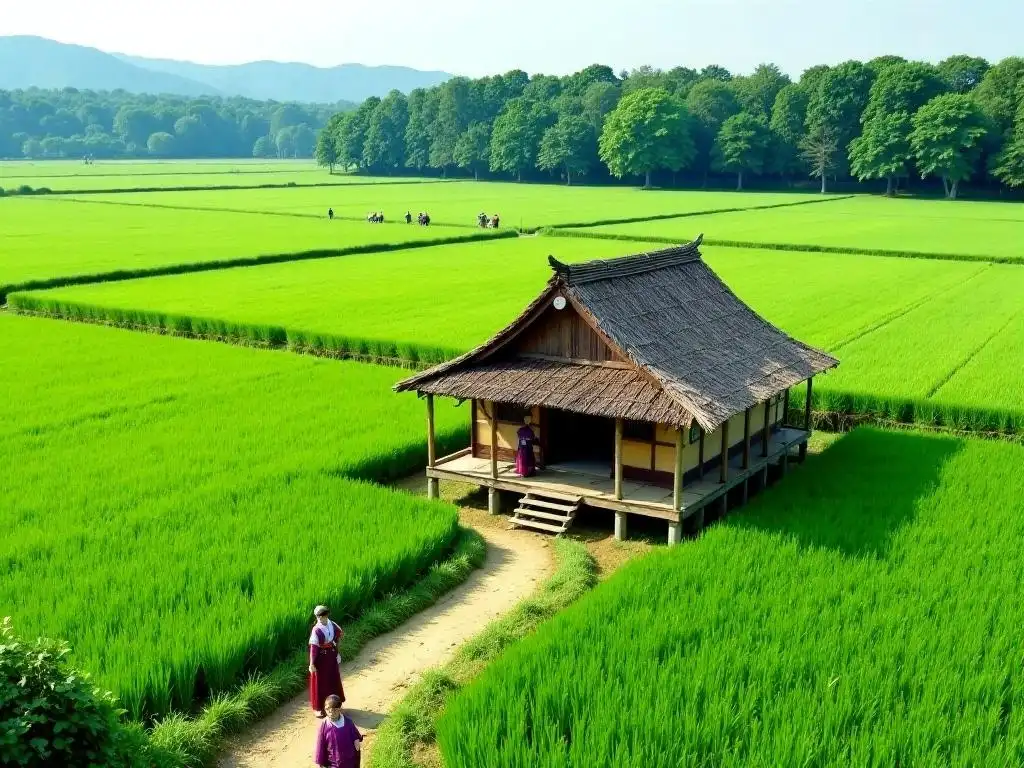
In feudal Japan, farmers occupied a complex social status that was often overshadowed by the samurai and merchant classes. However, certain farmers achieved recognition and influence within their communities, significantly impacting local society. These successful farmers not only cultivated their lands efficiently but also contributed to the economic and social fabric of their regions.
One notable example is Ishida Baigan, a farmer from the early Edo period who exemplified the ideal of successful agrarian life. By implementing innovative agricultural techniques, he increased crop yields, which not only improved his family's wealth but also provided surplus produce to support local markets. His practices in crop rotation and the introduction of new farming tools were instrumental in enhancing agricultural productivity. As a result, Ishida gained respect among his peers and even influenced local governance by advocating for policies that benefited farmers.
Moreover, successful farmers often took on roles as community leaders. They would organize local festivals, contribute to public works, and sometimes even lend money to struggling neighbors, thereby reinforcing their status within the community. This social standing allowed them to negotiate better terms with their local lords, ensuring that their contributions were recognized and valued.
The impact of successful farmers extended beyond local economics; they also played a role in agricultural education. Many established informal networks where knowledge about farming techniques, pest control, and seasonal planting was shared. This tradition of knowledge exchange not only fostered community bonds but also helped elevate the overall agricultural practices in the region.
The Challenges Faced by Poor Farmers
While some farmers thrived, a significant portion of the agricultural population struggled under the weight of various challenges. Poor farmers in feudal Japan faced numerous hardships that affected their social status and living conditions, often leading to a cycle of poverty that was difficult to escape.
One primary challenge was taxation. Farmers were required to pay a significant portion of their harvest to their feudal lords in the form of rice or other goods. This obligation often left them with barely enough to sustain their families. For instance, during periods of poor harvest due to natural disasters like floods or droughts, the burden of these taxes could become unbearable, leading to severe economic hardship.
Additionally, poor farmers had limited access to resources and education. Many lacked the means to invest in better farming techniques or tools, which perpetuated their low yields. Consequently, their social status remained low, and they were often looked down upon by wealthier farmers and samurai. This stigma reinforced a societal belief that equated wealth with virtue and capability, further marginalizing those struggling to survive.
The jito, or land stewards, often exploited poor farmers, charging them exorbitant rents for the land they worked. This exploitation could lead to debt and, in extreme cases, forced labor. As a result, many poor farmers were trapped in a system that favored the affluent while constraining their opportunities for upward mobility.
While some farmers enjoyed prosperous lives and improved their communities, many others faced a harsh reality that defined the lower tiers of farmers' social status in feudal Japan. This stark contrast highlights the complex interplay between class and agriculture during this era.
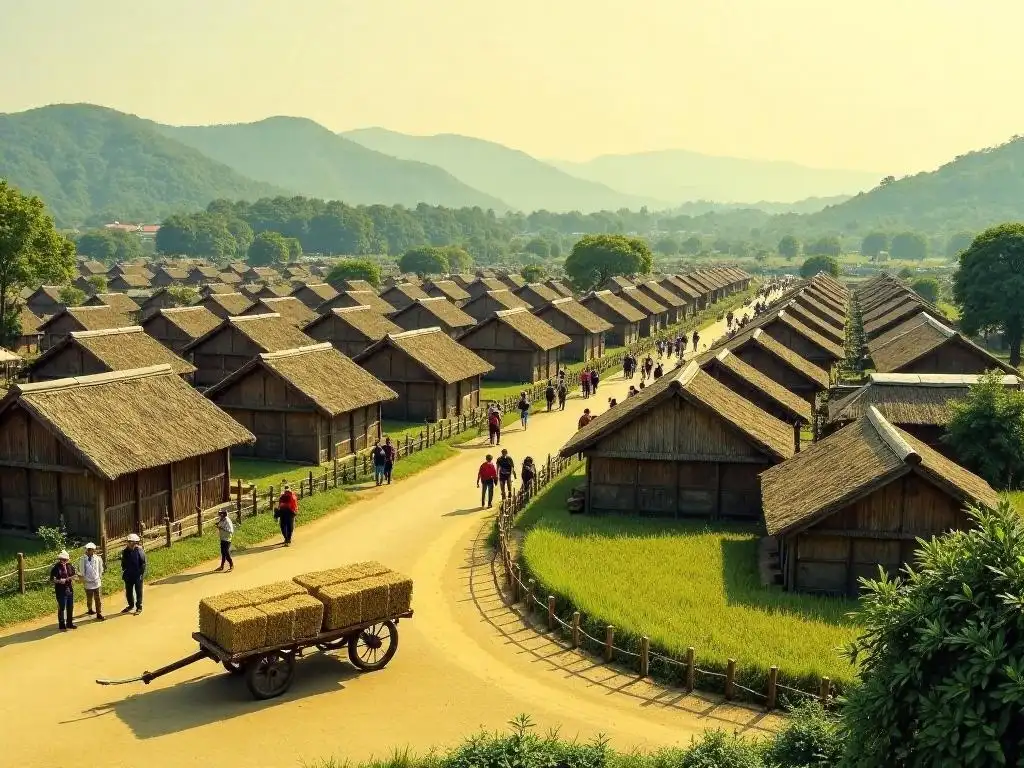
In the feudal era of Japan, the social status of farmers varied significantly across different regions, influenced by local customs, agricultural practices, and the power dynamics of regional lords. Understanding these variations is crucial for comprehending the broader societal structure of feudal Japan.
Variations in Status Between Northern and Southern Japan
The distinction in the social status of farmers between Northern and Southern Japan can be attributed to several factors, including climate, agricultural productivity, and the influence of local governance.
- Northern Japan: In regions such as Hokkaido and parts of Tōhoku, the harsh climate and shorter growing seasons limited agricultural output. Farmers here often faced greater hardships, which affected their social standing. They were generally seen as lower in status due to their reliance on subsistence farming and the limited surplus produce available for trade. Consequently, they had less leverage in negotiating their status with local lords.
- Southern Japan: Conversely, regions like Kyushu and Shikoku enjoyed a milder climate and fertile land, which facilitated more productive agriculture. Farmers in these areas could produce surplus crops, allowing them to engage in trade and improve their economic status. This increased agricultural output often translated into a more favorable social standing, with farmers able to negotiate better terms with their lords and often participating in local governance.
The following table summarizes the key differences in farmers' social status between Northern and Southern Japan:
| Aspect | Northern Japan | Southern Japan |
|---|---|---|
| Climate | Harsh, shorter growing seasons | Mild, favorable for agriculture |
| Agricultural Output | Limited, subsistence farming | High, surplus production |
| Trade Opportunities | Minimal | Significant |
| Social Standing | Lower, dependent on lords | Higher, more autonomy |
The Influence of Local Lords on Farmers’ Status
Local lords played a pivotal role in shaping the social status of farmers throughout feudal Japan. Their influence manifested in various ways:
- Land Ownership and Tenure: The relationship between farmers and their local lords was often defined by land ownership. Farmers who owned land generally enjoyed a higher social status compared to tenant farmers who worked land owned by the lords. This ownership allowed for greater autonomy and the ability to secure better living conditions.
- Taxation and Obligations: Local lords imposed taxes and obligations on farmers, significantly impacting their social status. In regions where lords demanded heavy taxes, farmers often struggled to meet these obligations, resulting in a lower social position. In contrast, lords who recognized the importance of agricultural productivity might reduce taxes, thus enhancing the farmers' status and encouraging loyalty.
- Protection and Patronage: In exchange for their loyalty, farmers often received protection from local lords. This relationship could elevate a farmer's status, particularly if they were granted special privileges or titles. For example, farmers who proved their loyalty through military service might be rewarded with land or recognition, thereby improving their standing within the community.
The interplay between local lords and farmers was critical in determining the social status of farmers in feudal Japan. The variations in status across regions, influenced by climate and local governance, underscore the complexity of the social hierarchy during this era. Understanding these dynamics provides a deeper insight into the fabric of Japanese feudal society, particularly regarding the farmers' social status in the feudal era.
The Decline of the Farmer Class in the Late Feudal Era
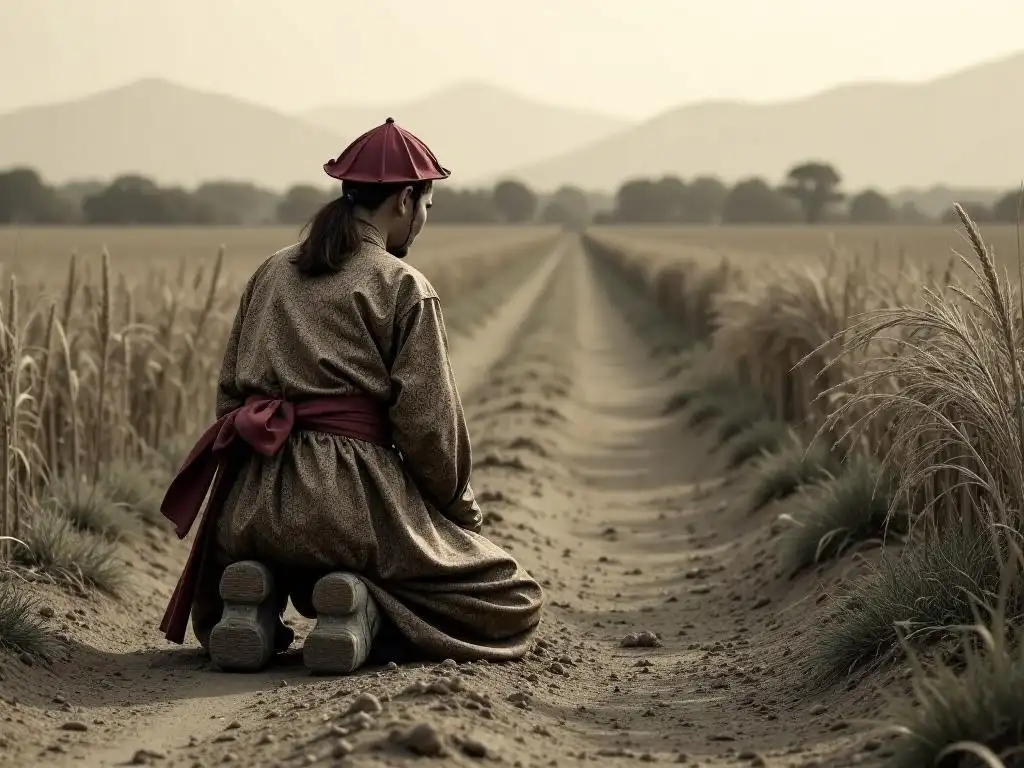
The late feudal era in Japan, particularly during the Edo period (1603-1868), witnessed significant transformations that adversely affected the social status of farmers. Traditionally, farmers held a respected position in society, being viewed as the backbone of agricultural production and sustenance. However, various economic and social shifts began to erode their status, leading to a decline in their importance and influence.
As Japan transitioned towards a more centralized government under the Tokugawa shogunate, the socio-economic structure became increasingly rigid. Farmers, who were once considered essential contributors to society, began to face new challenges that diminished their standing. The interplay of taxation, land ownership, and the rise of other social classes contributed to this decline, creating a complex landscape where farmers' roles were redefined and often marginalized.
Economic Changes and Their Effect on Farmers
The economic landscape of feudal Japan underwent profound changes during the late feudal era, which had a direct impact on the social status of farmers. The following factors played a crucial role:
- Increased Taxation: The Tokugawa shogunate imposed heavy taxes on agricultural production, often requiring farmers to pay a significant portion of their harvest to the ruling samurai class. This burden not only reduced the farmers’ income but also limited their ability to invest in their land and improve agricultural practices.
- Land Ownership Issues: As the shogunate consolidated power, land ownership became increasingly centralized. Many farmers became tenants on lands that were owned by wealthy samurai or merchants. This shift from landowning farmers to tenant farmers diminished their autonomy and social status, as they now had to adhere to the demands and conditions set by their landlords.
- Market Dynamics: The growth of urban centers and the emergence of a cash economy shifted the focus from subsistence farming to market-oriented agriculture. Farmers began to produce cash crops for sale in local markets, which, while potentially profitable, also tethered them to volatile market conditions and increased their vulnerability to economic fluctuations.
- Natural Disasters and Poor Harvests: Frequent natural disasters, such as floods and droughts, coupled with poor harvests, led to food shortages and famine. These disasters not only threatened the farmers' livelihoods but also exacerbated their dependence on the ruling class for relief and support, further diminishing their status in society.
These economic changes collectively undermined the farmers' social status, transforming them from respected producers into economically marginalized tenants.
The Rise of the Merchant Class and Its Impact on Farmers' Status
During the late feudal era, the rise of the merchant class created a new social dynamic that significantly affected the status of farmers. The following points outline how this burgeoning class influenced farmers' social standing:
- Wealth Accumulation: As commerce flourished in urban areas, merchants began to amass significant wealth, often surpassing that of the samurai class. This newfound wealth allowed merchants to gain influence and power, challenging the traditional hierarchy that placed farmers at the bottom of the social ladder.
- Economic Dependence: Farmers increasingly relied on merchants for access to essential goods, including tools, seeds, and even food during times of scarcity. This dependence shifted the power dynamics, as merchants gained the ability to dictate terms, resulting in further erosion of farmers’ autonomy and status.
- Cultural Perception: The rise of the merchant class also altered cultural perceptions of social status. Whereas farmers were traditionally viewed as noble for their role in sustaining society, merchants began to be seen as shrewd and savvy, often viewed with a mix of admiration and disdain. This cultural shift contributed to a re-evaluation of farmers' roles, leading to their declining prestige.
- Urbanization and Migration: The economic opportunities in urban centers led many farmers to migrate in search of better livelihoods, further depleting the rural population and altering the agricultural landscape. As the rural workforce diminished, the societal perception of farmers shifted, reinforcing their lower status.
The interplay of economic changes and the rise of the merchant class during the late feudal era significantly impacted farmers' social status in Japan. Once held in high regard, farmers found themselves increasingly marginalized as societal structures evolved, illustrating a complex relationship between class dynamics and agricultural life in feudal Japan.
The social status of farmers in Japan's feudal era remains a critical aspect of understanding the broader historical narrative of the time. Farmers were not merely laborers; they were the backbone of the agrarian society that sustained the economy and culture of feudal Japan. Their status, while often perceived as low in the hierarchy dominated by the samurai class, was nuanced and multifaceted.
By examining their roles, we see that farmers enjoyed certain privileges, such as the potential for land ownership and participation in local governance through village assemblies. This duality of being both essential to the economy and subordinate in social hierarchy emphasizes the complex interplay of class and agriculture that defined the feudal period. The legacy of this status continues to resonate, influencing contemporary perspectives on agriculture, labor, and social hierarchy in Japan.
Reflection on the Importance of Farmers in Japanese History
Farmers in feudal Japan were pivotal in shaping the nation’s identity and culture. Their labor not only produced the food that sustained the population but also contributed to the development of regional customs and traditions. The agrarian calendar dictated festivals, rituals, and communal activities that fostered strong ties within villages and among families.
Moreover, the farmers' struggles against oppressive taxation and land policies often led to uprisings, revealing their agency within a rigid class system. This resistance played a crucial role in the evolution of social structures and governance in Japan. The rich tapestry of farmers’ lives, marked by resilience and communal spirit, illustrates their significant place in the historical narrative, contributing to an understanding of the social dynamics of the time.
The legacy of farmers’ social status in Japan’s feudal era provides valuable insights into contemporary social structures. Understanding the historical context of class relations informs current discussions about agricultural policies, rural development, and social equity.
Today, Japan grapples with issues related to aging farming populations, urbanization, and the sustainability of rural communities. Reflecting on the historical importance of farmers can inspire modern agricultural practices that honor the past while addressing present challenges. Furthermore, the recognition of farmers' contributions to society emphasizes the need for inclusive policies that elevate the voices of those working in agriculture, ensuring their roles are acknowledged within the broader socio-economic framework.
The exploration of farmers’ social status in Japan’s feudal era is not merely an academic pursuit; it is essential for appreciating the complexities of Japan's history and its implications for contemporary society. By acknowledging the importance of farmers, we gain a deeper understanding of the intricate social structures that shape our world today.
Frequently Asked Questions
Farmers held a significant but low social status in feudal Japan. They were essential for sustaining the economy but were often subjugated by the samurai class and faced various restrictions.
How did the agricultural system impact farmers' lives?
The agricultural system in feudal Japan dictated farmers' livelihoods and social roles. They were required to pay taxes in the form of rice, which heavily influenced their economic stability and social mobility.
While it was challenging, some farmers could improve their social status through hard work or by becoming wealthy. However, social mobility was generally limited due to the rigid class structure of feudal society.
How did the samurai view farmers during this era?
Samurai viewed farmers as valuable contributors to society, as they produced the food necessary for survival. However, they often regarded them as inferior in terms of social class, emphasizing the warrior's honor over agricultural labor.
What role did farmers play in the feudal economy?
Farmers were the backbone of the feudal economy, providing the essential food supply. Their productivity directly influenced the wealth and power of landlords and samurai, making them crucial to the societal structure of the time.
The intricate relationship between class and agriculture remains profoundly relevant today, as we continue to grapple with the social hierarchies that shape our communities. The examination of farmers' social status during Japan's feudal era reveals not only a historical perspective but also a lens through which we can understand contemporary issues of inequality and respect for agricultural labor. As we reflect on the past, it becomes clear that the status of farmers is not merely a relic of history; it is a dynamic aspect of our social fabric that demands our attention.
Cultivating an appreciation for the role of farmers in society is essential in our modern world, where the contributions of agricultural workers often go unnoticed or undervalued. The legacy of the feudal era still resonates, influencing how we perceive and treat those who feed us. As the renowned Japanese philosopher Masanobu Fukuoka once said, The ultimate goal of farming is not the growing of crops, but the cultivation and perfection of human beings.
This quote encapsulates the idea that the status of farmers is intrinsically linked to our collective humanity, urging us to recognize their vital role in sustaining our lives and communities.
As we move forward, I invite you to reflect on the lessons drawn from the historical interplay of class and agriculture. Consider how you can elevate the conversation around farmers' social status in your own life. Whether through supporting local agriculture, advocating for fair treatment of agricultural workers, or simply acknowledging the hard work that goes into producing our food, each of us has a role to play. Let us honor the legacy of farmers by fostering a society that values their contributions and strives for equity in all aspects of life.
Elevate Your Understanding: Engage with Farmers' Realities
Thank you for diving into the intricate relationship between class and agriculture in feudal Japan. Your exploration of farmers’ social status sheds light on an essential aspect of history that often goes unnoticed. Now, it’s time to transform that knowledge into action!
Here are a few ways you can deepen your understanding and engage with this fascinating topic:
- Join the Conversation: Share your thoughts on the social status of farmers in feudal Japan by commenting below or participating in our community forum. Your insights could inspire others!
- Expand Your Knowledge: Explore additional articles on our site that discuss social structures, agricultural practices, and their impacts on peasant life throughout history.
- Explore Visual History: Visit our gallery to view maps, paintings, and artifacts that illustrate the agricultural life of this era. Visuals can often bring history to life in unexpected ways!
What aspect of farmers' social status intrigues you the most, and how do you believe it shaped their lives and communities?