
The Farmer's Toolkit: Traditional Farming Techniques of Feudal Japan


Welcome to Feudal Japan History, where we invite you to journey back in time to uncover the rich tapestry of Japan’s feudal era. Our comprehensive exploration delves deep into the historical, cultural, and societal facets that shaped this fascinating period. Get ready to discover the intricate world of traditional farming techniques in feudal Japan.
In our featured article, "The Farmer's Toolkit," we’ll unveil the innovative practices that sustained communities and influenced the very fabric of society. Are you curious about how these age-old methods still resonate today? Continue reading to unlock the secrets of the past and enrich your understanding of Japan’s agricultural heritage!
Introduction to Traditional Farming Techniques in Feudal Japan
The feudal era of Japan, spanning from the 12th to the 19th centuries, was marked by a complex social hierarchy and a deep connection to the land. At its core, the agricultural practices of the time were not just methods of sustenance; they were essential components of the social structure and economy. Traditional farming techniques in feudal Japan were developed out of necessity and adapted to the diverse landscapes of the archipelago, from the mountainous regions to the fertile plains. These techniques not only ensured food security but also reflected the cultural values and communal spirit of Japanese society.
Farmers, often considered the backbone of feudal Japan, employed a variety of skills and tools that were passed down through generations. The integration of agricultural practices with the seasons, the use of organic methods, and the reliance on local resources are just a few aspects that showcase the ingenuity of these farming techniques. As we delve deeper into the specifics of these methods, we will explore how they shaped the lives of farmers and contributed to the overall stability of feudal Japan.
Importance of Farming in Feudal Japanese Society
Farming was not merely a livelihood in feudal Japan; it was a vital pillar that upheld the entire feudal system. The agricultural output directly influenced the wealth of the samurai class and the stability of the shogunate. Here are some key points highlighting the significance of farming during this period:
- Economic Backbone: Agriculture was the primary source of income for the majority of the population. The tax system was largely based on rice production, which was the most important crop. Farmers were required to pay a portion of their harvest to their local lords, which in turn funded the samurai and the government.
- Social Structure: Farmers held a unique position within the rigid social hierarchy of feudal Japan. While they were often looked down upon by the samurai class, their work was essential for the sustenance of society. In fact, farmers were often granted certain rights and protections due to their vital role.
- Cultural Practices: The farming calendar was interwoven with various cultural festivals and rituals, reflecting the deep spiritual connection to the land. Seasonal celebrations often aligned with planting and harvesting times, showcasing the importance of agriculture in community life.
- Environmental Adaptation: Farmers developed innovative techniques to cope with Japan's diverse and often challenging climate. From terracing on mountainous slopes to managing irrigation systems, these adaptations helped maximize productivity and ensure a sustainable approach to farming.
The traditional farming techniques of feudal Japan were crucial not only for agricultural production but also for maintaining the social fabric and economic stability of the era. Understanding these practices provides insight into the lives of farmers and their enduring legacy in Japanese history.
- Introduction to Traditional Farming Techniques in Feudal Japan
- Importance of Farming in Feudal Japanese Society
- What were the primary traditional farming techniques used in feudal Japan?
- How did social structure impact farming in feudal Japan?
- What role did seasonal festivals play in agriculture during feudal Japan?
- How did technology evolve in farming practices during feudal Japan?
- What is the significance of rice in the economy of feudal Japan?
Historical Context of Farming in Feudal Japan

Overview of the Feudal System and its Impact on Agriculture
The feudal system in Japan, which flourished from the late 12th century until the mid-19th century, had a profound impact on agricultural practices. The structure of society during this period, characterized by a hierarchy of lords (daimyō), vassals (samurai), and peasants, dictated not only the political landscape but also the way farming was conducted.
Under this system, land ownership was concentrated in the hands of the daimyō, who received land as a reward for their military service. This created a system where peasants worked on land they did not own, paying a portion of their harvest as rent. As a result, traditional farming techniques in feudal Japan were heavily influenced by the need to maximize yields to meet the demands of their lords.
The feudal hierarchy established a rigid social structure that dictated the roles of the different classes. Farmers, who formed the backbone of the economy, were often viewed with a mix of respect and disdain. Despite their essential contribution to society, their status was lower than that of the samurai, which could lead to a lack of investment in their agricultural practices.
The reliance on rice as the staple crop shaped agricultural techniques significantly. The cultivation of rice required meticulous attention to detail, including the management of irrigation systems and the use of specific planting and harvesting techniques. This focus on rice farming resulted in the development of various traditional farming techniques that were deeply ingrained in the culture of feudal Japan.
Key Historical Developments in Japanese Farming Practices
Several key historical developments during the feudal era influenced the evolution of traditional farming techniques in Japan.
- Irrigation Systems:
- The establishment of sophisticated irrigation systems allowed farmers to maximize crop yields. These systems were often developed through community efforts, showcasing the collaborative nature of farming during this period.
- Techniques such as terracing and the construction of channels enabled farmers to cultivate rice in mountainous regions, expanding arable land.
- Crop Rotation and Diversification:
- Farmers began to adopt crop rotation methods to maintain soil fertility and prevent pest infestations.
- The introduction of new crops, such as millet and barley, alongside rice helped to diversify the agricultural output and improve food security.
- Tools and Technology:
- The development and refinement of agricultural tools, such as the wooden plow and sickle, played a crucial role in enhancing farming efficiency.
- These tools were designed to adapt to the diverse geographical conditions across Japan, demonstrating the ingenuity of farmers in addressing local challenges.
- Feudal Policies and Taxation:
- The imposition of taxes on agricultural produce by the ruling class led to innovations in farming practices aimed at increasing productivity.
- Farmers often experimented with different methods to ensure they could provide sufficient yields to meet their tax obligations while still sustaining their families.
- Cultural Influence:
- The practice of farming was intertwined with spiritual beliefs, leading to the incorporation of rituals and festivals centered around agricultural cycles.
- This cultural aspect ensured that traditional farming techniques were not merely economic activities but were also celebrated and preserved within the community.
These developments illustrate the resilience and adaptability of farmers in feudal Japan. Traditional farming techniques were not static; they evolved in response to changing societal needs, environmental challenges, and technological advancements, making them a rich area of study for those interested in the social history of Japan.
Traditional Farming Techniques in Feudal Japan

Rice Cultivation Methods
Rice was the cornerstone of agriculture in feudal Japan, deeply intertwined with the country's culture and economy. The methods of rice cultivation were sophisticated and reflected the agrarian society's understanding of its environment. The primary technique involved the use of paddy fields, which are flooded rice fields specifically designed to facilitate the growth of rice plants.
The Role of Paddy Fields in Rice Farming
Paddy fields, or tanbo, were essential for rice cultivation. These fields were constructed as flat, level terraces that could hold water, allowing farmers to control the water levels effectively. The flooding of these fields not only provided the necessary moisture for rice growth but also suppressed weeds and pests, thus optimizing crop yield.
The construction of paddy fields involved significant labor and knowledge of hydrology. Farmers would use a system of irrigation channels to direct water from nearby rivers or streams into their fields. This practice was not only crucial for rice cultivation but also shaped the landscape of rural Japan, creating a network of waterways that facilitated agriculture.
In dry areas, farmers adapted their techniques by creating irrigation ponds, which collected rainwater and runoff to ensure a steady supply for their paddy fields. This adaptability highlights the ingenuity of Japanese farmers in utilizing their environment to support rice farming.
Tools Used in Rice Cultivation
To cultivate rice effectively, farmers relied on a variety of traditional tools designed for specific tasks. Key implements included:
- Yoke: A wooden beam placed across the shoulders of oxen, allowing them to pull plows and transport goods.
- Plow: Traditionally made of wood, the plow was used to prepare the fields for planting by breaking up the soil.
- Saji (sickle): A curved blade used for harvesting rice stalks, allowing for efficient cutting of the plants.
- Tsukushi (rice transplanting tool): A specialized tool for transplanting seedlings into flooded fields, ensuring proper spacing and depth.
These tools were crafted from locally available materials, showcasing the resourcefulness of farmers in feudal Japan. The use of these implements, combined with the careful management of paddy fields, ensured a successful rice harvest year after year.
Crop Rotation Practices
Crop rotation was another significant traditional farming technique in feudal Japan. This practice involved alternating the cultivation of different crops in the same field over multiple seasons. It played a crucial role in maintaining soil fertility and enhancing agricultural productivity.
Benefits of Crop Rotation in Traditional Agriculture
The benefits of crop rotation were manifold:
- Soil Fertility: Different crops have varying nutrient requirements. By rotating crops, farmers could prevent nutrient depletion in the soil, promoting healthier and more productive fields.
- Pest and Disease Control: Changing the crops planted in a field disrupts the life cycles of pests and diseases, reducing their prevalence and impact on future crops.
- Increased Biodiversity: A diverse planting system enhanced the ecological balance, supporting beneficial insects and organisms that contributed to a healthier agricultural environment.
Farmers understood these benefits intuitively, often using their observations of the land and the seasons to guide their planting decisions.
Types of Crops Rotated in Feudal Japan
In feudal Japan, several crops were commonly rotated to maximize yields:
- Rice: The primary staple, planted in flooded fields during the warmer months.
- Barley: Often sown in the cooler months, barley was more resilient to drought and provided an essential food source.
- Millet: Another staple crop, millet complemented the diet and was planted in less fertile areas or as a secondary crop after rice.
- Legumes: Beans and peas were frequently included in crop rotations, enriching the soil with nitrogen and enhancing its fertility.
This systematic approach to agriculture not only improved yields but also ensured the sustainability of farming practices, allowing feudal societies to thrive on the agricultural bounty of their land. The traditional farming techniques of feudal Japan were thus a testament to the farmers' deep connection to their environment and their commitment to sustainable practices.
Sustainable Agriculture Techniques
Sustainable agriculture techniques in feudal Japan were essential for maintaining soil fertility and ensuring a reliable food supply, particularly given the agrarian society's reliance on rice cultivation. Farmers employed various methods that aligned with the principles of sustainability, focusing on the long-term health of the land rather than short-term gains.
One primary technique was the use of crop rotation, where different crops were planted in succession on the same land to enhance soil nutrients and reduce pest infestations. For instance, legumes were often planted after rice harvests because they have the ability to fix nitrogen in the soil, enriching it for the following crops. This practice not only improved soil health but also diversified the farming output, allowing farmers to grow multiple crops throughout the year.
Additionally, intercropping—growing two or more crops in proximity—was common. This method maximized land use, minimized soil erosion, and helped control pests naturally. Farmers also practiced fallowing, where fields were left unplanted for a season to restore their fertility. By integrating these sustainable practices, feudal Japanese farmers contributed to the ecological balance of their environment.
Natural Fertilization Methods
Natural fertilization methods played a crucial role in the agricultural practices of feudal Japan, where the use of synthetic fertilizers was not an option. Farmers relied heavily on organic materials to enhance soil fertility and ensure healthy crop yields.
One of the most widely used natural fertilizers was kompost, made from decomposed organic matter such as plant residues, animal manure, and kitchen scraps. This compost was rich in nutrients and added to the soil to improve its structure and fertility. Farmers often created compost heaps and allowed them to mature over time before applying them to their fields.
Another significant method was the use of green manure—cover crops that were planted specifically to be tilled back into the soil. Crops like clover and vetch were cultivated during off-seasons, providing organic matter that enriched the soil when turned over.
Fish emulsion, derived from fermented fish waste, was also a common fertilizer, particularly in coastal areas. Farmers recognized the benefits of using fish remains for their high nutrient content, which supplemented traditional practices and provided essential minerals to the soil.
Through these natural fertilization methods, feudal Japanese farmers ensured that their agricultural practices were sustainable and aligned with the ecological balance of their environment.
Water Management Systems in Farming
Water management was a vital aspect of farming in feudal Japan, particularly due to the reliance on rice cultivation, which requires a significant amount of water. The innovative water management systems developed during this era showcased the farmers' deep understanding of hydrology and agriculture.
One of the most notable systems was the irrigation network, which included canals, dikes, and terraces. Farmers constructed intricate irrigation channels to divert water from rivers and streams to their rice paddies. These canals not only supplied water but also helped manage excess water during the rainy season, preventing flooding and ensuring the crops received adequate moisture.
Terracing was another essential technique, particularly in mountainous regions. By creating stepped fields, farmers could maximize arable land and effectively manage water runoff. This method reduced soil erosion and ensured that water could percolate down the slopes, nourishing crops at various levels.
Additionally, traditional methods like pond farming were employed, where farmers created ponds to store rainwater and snowmelt. These ponds not only provided a water source for irrigation during dry spells but also supported aquaculture, allowing farmers to raise fish alongside their crops.
Through these sophisticated water management systems, feudal Japanese farmers were able to cultivate their crops effectively, adapt to seasonal changes, and maintain a stable food supply in a challenging environment.
Tools and Implements Used by Farmers
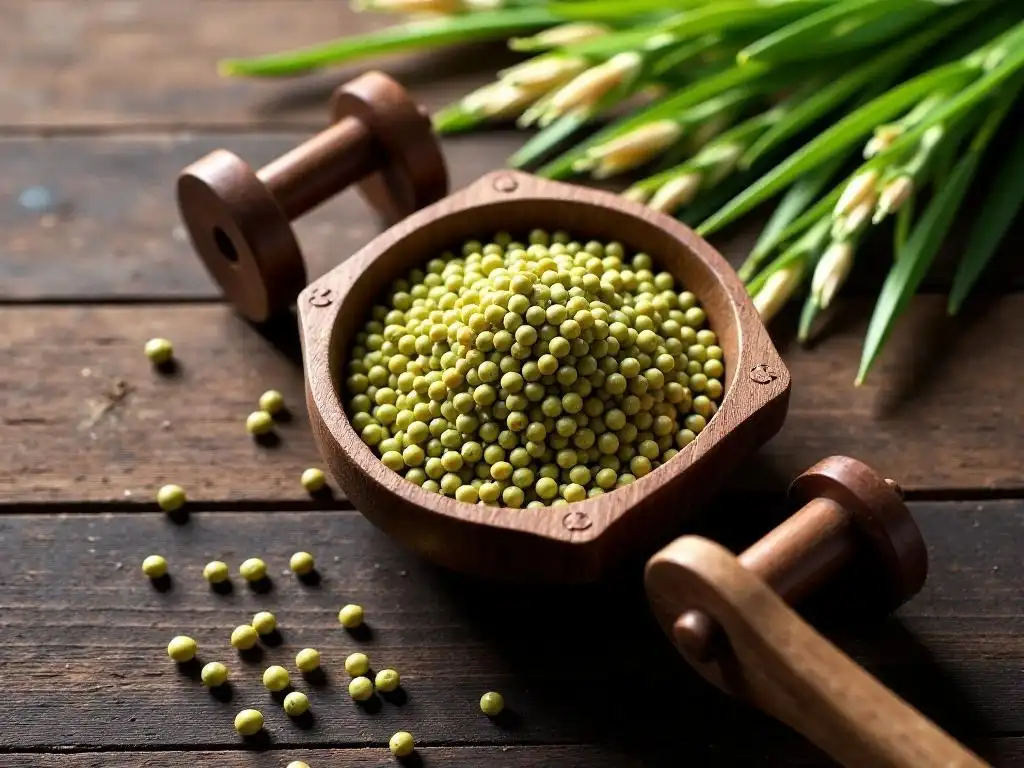
Essential Farming Tools in Feudal Japan
Feudal Japan, spanning from the 12th to the 19th century, witnessed the evolution of various traditional farming techniques that were pivotal in sustaining its agrarian society. Central to these practices were the tools and implements that farmers relied upon to cultivate their land efficiently. Understanding these tools provides insight into the agricultural methods that shaped Japan's economy and culture during this era.
Hand Tools for Tilling and Planting
Farmers in feudal Japan primarily utilized hand tools to prepare their fields for planting. Among the most essential tools were:
- Hoes (鍬, kuwa): Used for breaking up soil and removing weeds, the hoe was a fundamental tool in the farmer's toolkit. Its design varied regionally, reflecting local soil conditions and farming practices.
- Spades (シャベル, shaberu): These were crucial for digging and moving soil, particularly during the preparation of rice paddies.
- Rakes (熊手, kumade): Employed for leveling soil and gathering debris, rakes helped maintain the cleanliness of the fields, ensuring optimal conditions for planting.
- Sowing sticks (種まきの棒, tame no bō): These simple yet effective tools were used to create furrows in which seeds could be sown, facilitating even planting.
Each of these tools was crafted from locally available materials, such as wood and iron, and their designs improved over time based on the practical experiences of farmers.
Harvesting Tools: Sickles and Scythes
When it came time for harvest, farmers relied on specialized tools for gathering their crops. The most notable of these were:
- Sickles (鎌, kama): These curved blades were primarily used for cutting rice and other grains. Their design allowed for efficient harvesting, enabling farmers to work quickly and minimize crop loss.
- Scythes (草刈り, kusakari): Similar to sickles, scythes had longer handles and were used for cutting grass and hay. This tool was vital for preparing fodder for livestock and maintaining fields.
Harvesting techniques were often communal, with neighbors helping each other during the busy season, reflecting the interconnectedness of rural communities in feudal Japan.
Innovations in Agricultural Tools
While traditional farming tools were essential, innovations also played a significant role in enhancing agricultural productivity during the feudal era.
The Development of Plows in Feudal Japan
The plow underwent significant development in feudal Japan, transitioning from simple wooden designs to more sophisticated models. Early plows were often of the "single-share" type, which could be drawn by hand or by animals. With time, the introduction of the "double-share" plow allowed for deeper tilling of the soil, improving aeration and nutrient availability for crops.
- Materials: Initially crafted from wood, later versions incorporated iron blades, which increased durability and efficiency.
- Impact on Agriculture: The plow's evolution contributed to more effective cultivation of larger fields, enabling farmers to increase their yields significantly.
Role of Animal Power in Farming Techniques
Animal power became an integral component of traditional farming techniques in feudal Japan. The use of draft animals, primarily oxen and, later, horses, revolutionized agricultural practices:
- Tilling: Animals could pull plows, reducing the physical labor required from farmers and allowing them to cultivate larger areas of land.
- Transport: Animals were also essential for transporting goods, including harvested crops and tools, between fields and villages.
The integration of animal power not only enhanced productivity but also transformed the social structure of farming communities, as farmers began to specialize in different roles based on their access to animals and tools.
Through these various tools and innovations, traditional farming techniques in feudal Japan were refined, leading to greater agricultural efficiency and sustainability, which were vital for the survival and prosperity of its agrarian society.
Cultural Significance of Farming Techniques

Farming in feudal Japan was not merely an economic activity; it was deeply intertwined with the cultural and spiritual fabric of society. The techniques employed by farmers transcended their practical applications, becoming symbols of harmony between humanity and nature. This relationship fostered a rich array of festivals and rituals that celebrated agricultural practices, reflecting the reverence that the Japanese people held for the land.
Throughout feudal Japan, various festivals and rituals were established to honor the agricultural cycle. These events were not only a means of expressing gratitude for the harvest but also served as communal gatherings that reinforced social bonds among the farming communities.
- Rice Planting Festivals (Taue Matsuri): One of the most significant agricultural festivals, the Taue Matsuri, celebrated the planting of rice. Farmers would perform rituals to pray for a bountiful harvest, often involving traditional music, dance, and offerings to the deities. The festival emphasized the importance of rice as a staple food and its cultural significance in Japanese society.
- Harvest Festivals (Shuki Matsuri): As the harvest season approached, communities would celebrate with Shuki Matsuri. These festivals included feasting, singing, and dancing to express gratitude for the year's yield. Rituals often featured the first fruits of the harvest being offered to the kami (spirits) as a sign of respect and acknowledgment of their role in ensuring fertility and abundance.
- Seasonal Observances: Beyond major festivals, farmers participated in a variety of seasonal observances that marked important agricultural milestones. These included rituals dedicated to soil preparation, planting, and the harvesting process, each accompanied by specific prayers and offerings to connect the community with the natural rhythms of the earth.
The intertwining of farming with these festivals illustrates how deeply traditional farming techniques were embedded in the cultural psyche of feudal Japan, elevating agriculture to a spiritual and communal experience.
The Connection Between Farming and Japanese Philosophy
The philosophy inherent in traditional farming techniques in feudal Japan is closely linked to concepts such as Shintoism and Buddhism, which emphasize harmony with nature and the cyclical nature of life. This philosophical approach shaped not only agricultural practices but also the overall worldview of the Japanese people.
- Shinto and Nature: In Shinto beliefs, natural elements are seen as manifestations of the divine. Farmers practiced techniques that honored the land, such as crop rotation and the use of organic fertilizers, which ensured sustainable farming. This reverence for nature reinforced the idea that the success of agriculture was a direct reflection of the farmers' relationship with the kami.
- Buddhist Principles: Buddhism introduced concepts of impermanence and mindfulness into agricultural practices. Farmers were encouraged to be present in their work, recognizing the fleeting nature of seasons and harvests. This mindfulness fostered a deep appreciation for each crop cycle, leading to techniques that prioritized care and attention to detail.
- Sustainable Practices: The philosophical principles of balance and respect for nature also influenced traditional farming techniques. Methods such as terracing and companion planting were developed to maintain ecological balance, demonstrating an understanding of the interdependence of species and the importance of preserving the environment.
The connection between farming and Japanese philosophy highlights the holistic nature of traditional farming techniques in feudal Japan. Rather than viewing agriculture solely as a means of survival, these practices embodied a way of life that integrated spiritual beliefs with an appreciation for the land, fostering resilience and sustainability in farming communities.
Challenges Faced by Farmers in Feudal Japan

The life of farmers in feudal Japan was fraught with numerous challenges that significantly impacted their agricultural productivity and overall way of life. These challenges stemmed from both natural and socioeconomic factors, creating a complex environment that shaped the practices and resilience of farmers during this period.
Natural Disasters and Their Impact on Agriculture
Natural disasters were a constant threat to farmers in feudal Japan, deeply influencing agricultural output and the stability of rural communities. Events such as earthquakes, typhoons, and floods were not uncommon, and their consequences could be devastating.
- Earthquakes: Japan's geographical position on the Pacific Ring of Fire made it susceptible to seismic activity. Earthquakes could destroy homes, irrigation systems, and farmland, leading to immediate crop failures. The 1855 Ansei Edo earthquake, for instance, resulted in significant agricultural losses in the Kanto region, highlighting the vulnerability of farmers to natural calamities.
- Typhoons: Seasonal typhoons brought heavy rains and strong winds, often coinciding with harvest times. These storms could wash away crops, erode soil, and damage tools, significantly reducing the yield for farmers. The annual cycle of typhoons created a persistent risk, compelling farmers to develop coping strategies such as diversifying crops or investing in better drainage systems.
- Floods and Droughts: Rivers often overflowed during the rainy season, inundating fields and causing soil salinization, which rendered land unproductive. Conversely, periods of drought could lead to crop failure, forcing farmers to rely on stored grains or seek assistance from local lords. Historical records show that famines caused by such climatic extremes led to social unrest and revolts.
The impact of these natural disasters was not merely agricultural but also socioeconomic. Communities often banded together for mutual support during and after such events, highlighting the interdependence of farmers and their networks.
Socioeconomic Pressures on Farmers
In addition to natural disasters, farmers faced a multitude of socioeconomic pressures that compounded their challenges. The feudal system, characterized by a hierarchical structure, placed heavy burdens on the agrarian class.
- Taxation and Land Ownership: Farmers were often subjected to exorbitant taxes imposed by local lords. These taxes, typically paid in rice or other crops, could consume a large portion of their harvest, leaving little for personal consumption. The pressure to meet these obligations often forced farmers to overwork their land, leading to soil depletion and decreased crop yields over time.
- Labor Exploitation: Many farmers were bound to the land they worked, a system known as "serfdom." This arrangement meant that they had limited freedom and were often required to provide labor for their lords' personal projects, further straining their resources and time. They were also vulnerable to the whims of their lords, who could demand extra labor or impose additional fees at any time.
- Market Fluctuations: Farmers were heavily reliant on the market for their produce, and price fluctuations could dramatically affect their income. Poor harvests due to disasters or mismanagement could lead to price increases in staples, but farmers would often not benefit from these increases, as they were typically at the mercy of intermediaries and market conditions beyond their control.
- Social Constraints: The rigid class structure of feudal Japan limited farmers' opportunities for upward mobility. Education and access to resources were predominantly reserved for the samurai and merchant classes, leaving farmers with little means to improve their situation. This social stratification enforced a cycle of poverty and dependence, making it difficult for farmers to innovate or adopt new agricultural techniques.
The combination of natural disasters and socioeconomic pressures created a challenging landscape for farmers in feudal Japan. Understanding these elements is crucial to appreciating the resilience and resourcefulness that characterized traditional farming techniques during this era.
Conclusion: Legacy of Traditional Farming Techniques in Feudal Japan
The legacy of traditional farming techniques in feudal Japan is profound and far-reaching, influencing not only past agricultural practices but also shaping contemporary farming in the region. These methods, developed over centuries, were finely tuned to the unique climatic and geographical conditions of Japan, allowing farmers to maximize yield while sustaining the land. This balance between productivity and environmental stewardship remains a guiding principle in modern agricultural practices.
Influence on Modern Japanese Agriculture
The traditional farming techniques of feudal Japan have left an indelible mark on modern agricultural practices. Key aspects of these historical methodologies continue to inform contemporary strategies:
- Crop Rotation: This age-old practice, which involves alternating the type of crops grown on a particular piece of land, is still prevalent today. By allowing soil nutrients to replenish and reducing pest infestations, crop rotation enhances sustainability and productivity.
- Natural Fertilization: Farmers in feudal Japan utilized organic materials such as compost, green manure, and animal waste to enrich their soil. Modern farmers are increasingly adopting similar practices, emphasizing natural fertilizers over synthetic alternatives to maintain soil health and reduce chemical runoff.
- Irrigation Techniques: The intricate irrigation systems developed during the feudal era, such as the use of canals and terracing, have influenced present-day water management strategies. These methods ensure efficient water use, essential for maintaining crop production in Japan’s varied climate.
- Terracing: Originally designed to manage steep terrains, terracing remains an effective solution for preventing soil erosion and optimizing land use in mountainous regions of Japan. Its implementation is evident in contemporary agricultural landscapes, especially in rural areas.
- Biodiversity: Feudal farmers often practiced polyculture, growing multiple crops in a single area. This practice is being revisited in modern farming to enhance resilience against climate change and pests, promoting a more stable and diverse agricultural ecosystem.
Preservation of Traditional Techniques in Contemporary Farming
Efforts to preserve traditional farming techniques in contemporary Japan are evident through various initiatives:
- Cultural Festivals: Many local festivals celebrate traditional farming practices, showcasing ancient rituals and techniques that educate the younger generations. These events foster a sense of community and appreciation for agricultural heritage.
- Organic Farming Movements: The rise of the organic farming movement in Japan has reignited interest in traditional techniques. Farmers are increasingly adopting methods that align with feudal practices, focusing on sustainability, biodiversity, and minimal chemical use.
- Educational Programs: Several agricultural schools and community programs now incorporate lessons on traditional farming techniques, ensuring that knowledge is passed down. Workshops often include hands-on experiences with ancient tools and methods, providing practical skills alongside theoretical knowledge.
- Support for Small Farms: Government policies and nonprofit organizations are working to support small-scale farms that utilize traditional methods. By providing grants, resources, and marketing assistance, these initiatives help maintain the agricultural diversity that has characterized Japan for centuries.
- Research and Documentation: Academic research into traditional farming practices aims to document and analyze these techniques, ensuring they are not lost to modernization. This research often includes comparative studies that evaluate the effectiveness of traditional versus contemporary methods.
The traditional farming techniques of feudal Japan have not only shaped the historical agricultural landscape but continue to influence modern practices. Their preservation is essential for maintaining the cultural heritage and ecological sustainability of Japanese agriculture, ensuring that the lessons of the past inform the future.
Frequently Asked Questions
What were the primary traditional farming techniques used in feudal Japan?
The primary traditional farming techniques in feudal Japan included rice cultivation, crop rotation, and the utilization of irrigation systems. These methods were essential for sustaining the agricultural economy.
The social structure of feudal Japan dictated land ownership, with samurai and daimyōs controlling land, while peasants worked it. This hierarchy influenced access to resources and farming techniques.
What role did seasonal festivals play in agriculture during feudal Japan?
Seasonal festivals were crucial in feudal Japan as they celebrated the harvest and honored the gods of agriculture. These events helped unify communities and reinforced the importance of farming.
How did technology evolve in farming practices during feudal Japan?
Technology in farming during feudal Japan evolved with advancements such as the plow, water wheels, and improved seed selection. These innovations increased efficiency and crop yields, enhancing food security.
What is the significance of rice in the economy of feudal Japan?
Rice was not only a staple food but also a currency in feudal Japan. It served as a measure of wealth and influenced social status, making it central to the agricultural economy and societal structure.
Final Reflection: Embracing the Wisdom of Traditional Farming Techniques in Feudal Japan
The lessons learned from the traditional farming techniques of feudal Japan are not just relics of the past; they resonate deeply with our current agricultural challenges. As we face pressing issues like climate change, food security, and sustainable practices, the innovative methods and philosophies of ancient farmers offer invaluable insights. The resilience and adaptability demonstrated by these farmers remind us that the wisdom of the past can guide us toward a more sustainable future.
Cultural heritage is a living tapestry that continues to shape our identity and practices today. The traditional farming techniques of feudal Japan have influenced not only agricultural practices but also our relationship with the land and community. As we navigate modern farming, we can draw inspiration from the communal spirit and ecological mindfulness that characterized feudal Japan. To forget how to dig the earth and to tend the soil is to forget ourselves.
This quote encapsulates the importance of remembering our roots and the interconnectedness of humanity and nature.
As you reflect on the insights shared in this article, consider how you can incorporate the principles of traditional farming into your own life, whether through sustainable practices in your garden or supporting local agriculture. Let us honor the legacy of those who came before us by fostering a deeper connection with the land and embracing the wisdom that has stood the test of time. Together, we can cultivate a future that respects our past while nurturing the earth for generations to come.
Unleash the Wisdom of Feudal Farming!
Thank you for diving into the rich traditions of feudal Japan! You've discovered invaluable insights into sustainable practices that can be applied even today. Now, let’s take the next step to embrace this wisdom and take action!
- Explore your local agricultural practices to find sustainable methods inspired by traditional techniques. Consider planting a heritage crop this season!
- Share what you’ve learned with friends and family by hosting a discussion or informative session on traditional farming. Let’s spread the knowledge!
- Join an online community or forum focused on sustainable agriculture where you can exchange ideas, tips, and stories with like-minded individuals.
Which traditional farming technique will you implement in your own garden or community, and how do you believe it could enhance your local ecosystem?