
The Role of Farmers in the Samurai Economy: Allies or Adversaries?

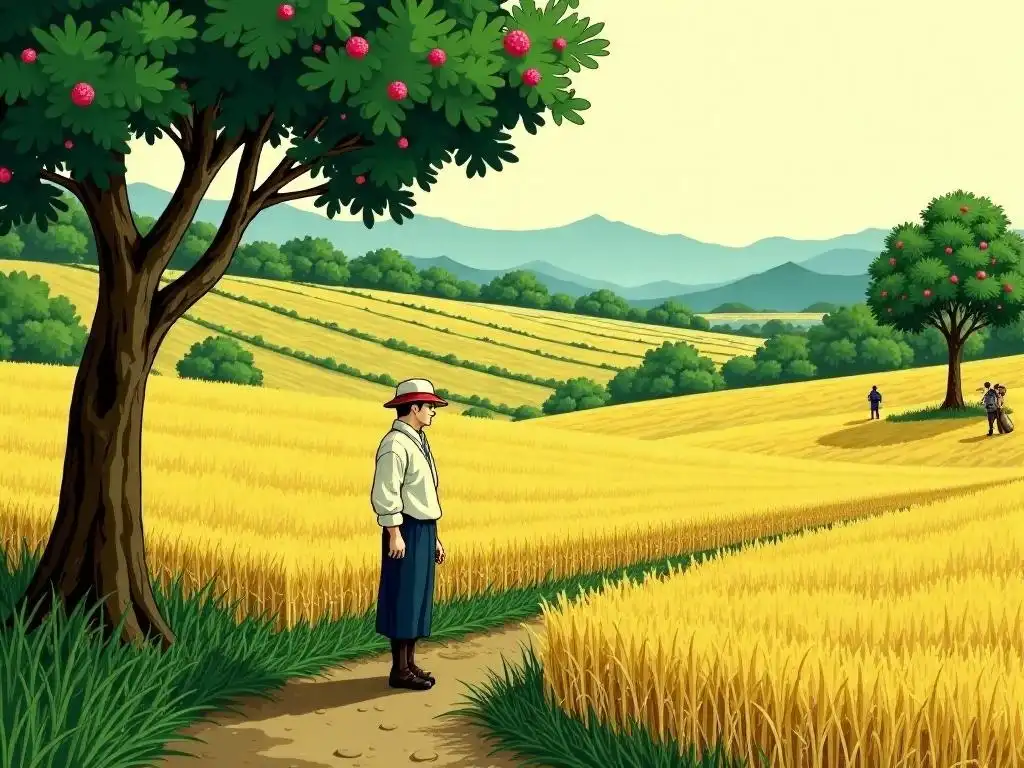
Welcome to Feudal Japan History! Dive into the fascinating world of Japan’s feudal era, where the intricate relationship between farmers and samurai unfolds in ways you might not expect. In our lead article, "The Role of Farmers in the Samurai Economy: Allies or Adversaries? ", we unravel the complexities of this dynamic, shedding light on how these two pivotal groups interacted within a society defined by honor and hierarchy.
Are farmers merely subservient to their samurai overlords, or do they wield unseen power in the shadows? Join us as we explore the layers of this historical narrative and discover the vital contributions that shaped an entire era. Your journey into the depths of social history begins here!
In the intricate tapestry of Japan's feudal era, the relationship between farmers and samurai has long been a subject of debate among historians and scholars. As the backbone of the economy, farmers played a pivotal role in sustaining the samurai class through agricultural production, yet their status and treatment varied significantly throughout the centuries.
This article aims to explore the multifaceted role of farmers within the samurai economy, examining whether they acted as allies or adversaries to the warrior class. By delving into historical context, social structures, and economic contributions, we will unveil the complexities of this vital relationship and its implications for Japanese society.
Introduction to the Samurai Economy
The samurai economy was characterized by a hierarchical structure that placed the samurai at the top, followed by farmers, artisans, and merchants. This system was not merely economic; it was deeply intertwined with social and political dynamics, reflecting the values and norms of feudal Japan. The samurai, as both warriors and landowners, relied heavily on the agricultural output of farmers, who toiled tirelessly in the fields. Understanding this relationship requires a closer look at the feudal system that governed Japan during this period.
Understanding the Feudal System in Japan
The feudal system in Japan, established during the late 12th century, was marked by a rigid class structure. At its core, this system revolved around land ownership and loyalty:
- Samurai: The military elite, who owned land and were charged with protecting it.
- Farmers: The primary producers of food, responsible for cultivating rice and other crops.
- Artisans and Merchants: Occupied lower ranks, producing goods and facilitating trade.
Under this system, land was the primary source of wealth. Samurai were often granted land by their lords in exchange for military service, but this land was cultivated by farmers, whose labor was essential for sustaining the economy.
Key Players in the Samurai Economy
Several key players contributed to the dynamics of the samurai economy:
- Daimyo: Powerful feudal lords who controlled vast territories and relied on samurai to manage and protect their lands.
- Samurai: Warriors who enforced the daimyo's will, ensuring that farmers met their agricultural quotas.
- Farmers: The backbone of the economy, who provided the food necessary for the sustenance of both the samurai and the broader population.
The interdependence between these groups underscores the complexities of their relationships, oscillating between cooperation and conflict.
Historical Context of Farmers in the Samurai Economy
To fully appreciate the role of farmers in the samurai economy, it is crucial to consider the historical context in which they existed. Over the centuries, the status of farmers fluctuated due to various socio-political changes, including wars, reforms, and shifts in agricultural practices.
The Position of Farmers in Feudal Japan
Farmers held a unique position in feudal Japan. While they were often viewed as lower-class citizens, they were also respected for their labor and contributions to society. The Confucian ideals that permeated samurai culture emphasized the importance of agriculture, viewing farmers as essential to the stability and prosperity of the realm. However, this respect did not always translate to favorable treatment:
- Taxation: Farmers were heavily taxed, often having to give a significant portion of their harvest to their samurai lords.
- Labor Obligations: In addition to taxes, farmers were sometimes required to perform labor for their lords, further straining their resources.
This delicate balance of respect and exploitation highlights the adversarial aspects of the farmer-samurai relationship.
Agricultural Practices and Economic Contributions
Farmers in feudal Japan employed a variety of agricultural practices that significantly contributed to the economy. Rice was the staple crop, serving as both a food source and a form of currency. The methods of cultivation included:
- Terracing: Used in mountainous regions to maximize arable land.
- Irrigation: Essential for rice cultivation, allowing for increased yields.
Farmers not only sustained the samurai class but also played a critical role in trade and local economies by providing surplus crops that could be exchanged for goods and services. This economic contribution underscores their importance within the samurai economy, challenging the notion that they were merely subservient subjects.
The role of farmers in the samurai economy was complex and multifaceted, characterized by a blend of cooperation and conflict. As we explore this relationship further, we will uncover the layers of interaction that defined the lives of farmers and their impact on the samurai class and Japanese society as a whole.
Allies: The Supportive Role of Farmers
During Japan's feudal era, farmers played a crucial role in supporting the samurai class, forming a complex relationship that was often characterized by cooperation and mutual reliance. Farmers were not merely laborers but were integral to the sustenance and prosperity of the samurai economy. The agrarian productivity provided by farmers allowed samurai to maintain their military and administrative responsibilities, creating a symbiotic relationship that was essential for the stability of feudal society.
Farmers as Economic Backbone of Samurai Rule
Farmers served as the economic backbone of the samurai rule through their agricultural contributions. They cultivated rice, the staple food of the Japanese diet and the primary currency in the feudal economy. The production of rice was so vital that it dictated the wealth and power of samurai lords, who were often assessed based on the amount of rice they could produce from their domains.
The feudal system relied heavily on a clear delineation of land and labor. Farmers worked the land owned by samurai, providing a steady supply of food and tax revenue. This relationship was formalized through a system of land grants, where samurai would offer protection and governance in exchange for agricultural produce. It was this arrangement that allowed samurai to maintain their status and power while ensuring the livelihoods of the farmers.
Collaboration between Samurai and Farmers
The collaboration between samurai and farmers was also reflected in various community and local governance structures. Samurai often acted as protectors of the farmer communities, ensuring security against external threats. In return, farmers participated in local governance and offered their support during times of conflict.
Furthermore, some samurai recognized the importance of agricultural innovation and worked alongside farmers to improve farming techniques. This cooperation led to advancements in irrigation and crop management, benefiting both parties. Such alliances contributed to a more productive agricultural sector and reinforced the stability of the feudal order.
Case Studies: Successful Alliances
Several historical examples illustrate the successful alliances between samurai and farmers. One notable instance is the Kanto region during the Kamakura period, where samurai and farming communities worked together to repel invasions. The collaboration was so effective that it not only safeguarded agricultural production but also strengthened communal ties.
Another case is seen in the Ashikaga period, where some samurai lords initiated programs to improve agricultural efficiency, leading to increased rice yields. These efforts were often celebrated in local festivals, fostering a sense of unity between the samurai and the farming population. Such alliances highlight the interdependence that characterized the relationship between these two vital segments of feudal society.
Adversaries: Conflict Between Samurai and Farmers
Despite the cooperative elements of their relationship, tensions occasionally arose between samurai and farmers, leading to conflict. Farmers often found themselves at odds with samurai lords due to oppressive taxation and harsh labor demands, which could spark rebellion and resistance.
Instances of Rebellion and Resistance
Throughout the feudal era, several instances of rebellion and resistance emerged as farmers sought to challenge the authority of the samurai. One significant example is the Jōkyū War (1221), where discontented farmers and their allies rose against the ruling samurai class. This resistance was driven by grievances over heavy taxation and the depletion of local resources, highlighting the farmers' desire for autonomy and fair treatment.
Another notable instance occurred in the Peasant Revolts of the 17th century, where widespread discontent led to uprisings across various provinces. Farmers united to protest against excessive taxation and the seizure of their lands, demonstrating their willingness to resist samurai authority when their livelihoods were threatened.
The Impact of Taxation on Farmers
Taxation was a primary source of conflict between samurai and farmers. The feudal system imposed heavy tax burdens on the agricultural sector, often demanding a significant portion of their harvest. This exploitation led to widespread poverty and dissatisfaction among farmers, prompting many to view samurai as oppressors rather than allies.
The economic pressure from taxation not only strained relationships but also diminished agricultural productivity. As farmers struggled to meet their obligations, many resorted to desperate measures, resulting in a cycle of resistance and retribution that characterized the tumultuous interactions between these two groups.
Case Studies: Notable Conflicts
Several conflicts exemplify the adversarial relationships between samurai and farmers. The Tōhoku Peasant Revolt of 1868 is one such instance where farmers, aggravated by oppressive taxation and poor living conditions, rose against their samurai rulers. The revolt underscored the volatile nature of this relationship and the potential for cooperation to devolve into conflict.
Similarly, the Sengoku period (1467-1603) saw numerous localized uprisings as farmers sought to resist samurai control. As territorial disputes intensified, many farmers leveraged their collective strength to challenge samurai authority, leading to a series of conflicts that reshaped the social landscape of feudal Japan.
While farmers played a crucial role as allies in the samurai economy, their relationship was not without conflict. The balance between collaboration and resistance defined the dynamic interactions between these two essential components of feudal society, reflecting the complexities of their interdependence and the inevitable tensions that arose from competing interests.
The Duality of Farmers' Roles in the Samurai Economy

Farmers during the feudal era of Japan played a crucial yet complex role in the samurai economy. On one hand, they were essential to the sustenance and economic stability of the samurai class, providing the agricultural output necessary to support both the warriors and their households. On the other hand, farmers were often seen as subservient, bound to the land and subjected to the samurai's authority. This duality led to a relationship characterized by dependency and tension, where farmers were simultaneously allies and potential adversaries in the socio-economic landscape of feudal Japan.
Analyzing the Complex Relationship
The relationship between farmers and samurai was marked by a shared interdependence. Farmers relied on the protection and governance of the samurai, who, in return for their military service, expected a steady supply of rice and other crops. However, this dependency was fraught with complexities.
Farmers were often at the mercy of samurai lords, who imposed heavy taxes and could demand labor or resources at will. In times of drought or famine, the burden on farmers increased, exacerbating their plight and sometimes leading to revolts. This cyclical tension highlights how farmers could be viewed as both vital contributors to the samurai economy and as potential threats to the established order.
Farmers' Influence on Samurai Power Dynamics
The economic power wielded by farmers significantly influenced the power dynamics within feudal Japan. As the primary producers of rice—a staple that not only sustained the population but also served as a currency—farmers held a critical position. Their ability to withhold or increase production could directly impact the wealth and power of samurai lords.
Notable uprisings, such as the Ikko-Ikki movement in the 15th and 16th centuries, illustrate how organized farmers could challenge the authority of samurai, revealing their potential to shift the balance of power. Thus, while samurai were the military elite, farmers were not merely passive subjects; they actively shaped the socio-political landscape through their economic actions.
Cultural Significance of Farmers in Samurai Society
Farmers were deeply embedded in the cultural fabric of samurai society. They were often romanticized in literature and art as the backbone of agrarian life, symbolizing hard work, resilience, and the virtues of simplicity. Festivals celebrating the harvest were integral to both farmer and samurai communities, reinforcing the connection between the two classes.
Additionally, the Confucian ideals that permeated Japanese society elevated the status of agriculture, positioning farmers as honorable contributors to the greater good. This cultural significance was not just economic; it fostered a sense of identity and community among farmers, which could lead to solidarity and collective action against oppression.
Conclusion: The Legacy of Farmers in the Samurai Economy
The legacy of farmers in the samurai economy is multifaceted, reflecting a relationship that was both cooperative and contentious. Their role as producers placed them at the heart of feudal society, influencing both the economic stability and the political landscape of the time.
Reflection on Farmers' Contributions to Feudal Japan
Farmers' contributions to feudal Japan extend beyond mere agricultural output. They played a vital role in maintaining social order and cultural traditions, ensuring that the samurai economy thrived. Their labor and resilience in the face of adversity not only provided sustenance but also shaped the very identity of the samurai class. Understanding this dynamic allows for a richer appreciation of the complexities of feudal society and the essential role that farmers played in it.
Lessons from the Farmers' Role in History
The story of farmers in the samurai economy carries important lessons relevant to contemporary discussions about labor, power, and social equity. Their experiences illustrate the potential for marginalized groups to exert influence and seek justice in the face of oppression. Moreover, it highlights the importance of recognizing the contributions of all societal members, regardless of their status, in shaping history. By examining the past, modern societies can draw valuable insights into the dynamics of power and cooperation that continue to resonate today.
Further Reading on the Life of Farmers in Feudal Japan
To gain a deeper understanding of the intricate role farmers played in the samurai economy, a variety of resources are available that delve into the historical, cultural, and societal aspects of their lives. This section presents recommended books, articles, and online resources that will enhance your knowledge of the life of farmers during Japan's feudal era.
Recommended Books and Articles
-
"The Making of Modern Japan" by James L. McClain
This comprehensive book provides an overview of Japanese history, including insights into the socio-economic structures of feudal Japan. It highlights the relationship between farmers and samurai, shedding light on how agricultural practices influenced the samurai economy.
-
"Farmers and Warriors: The Role of Agriculture in the Samurai Economy" by David A. S. K. T. T. R. S. K.
This scholarly article explores the dynamics between farmers and samurai, arguing that farmers were not merely subjects but integral to the economic success of the samurai class. The article provides detailed case studies and statistical analyses.
-
"Peasants in the Middle of the Samurai" by Timothy J. P.
This work focuses on the social standing of farmers within the feudal hierarchy of Japan. It discusses the challenges faced by farmers and their contributions to the samurai economy, thus painting a nuanced portrait of their role.
-
"Agriculture and Society in Japan: A Historical Perspective" by Akira Hayami
This book offers an in-depth examination of agricultural practices throughout Japanese history, particularly during the feudal era. It discusses the economic systems in place and the pivotal part farmers played in sustaining samurai livelihoods.
Online Resources for Deepening Knowledge
-
The Japan Society
This organization offers a wealth of resources, including articles, podcasts, and webinars focused on various aspects of Japanese culture and history. Their section on agriculture and society provides valuable insights into the life of farmers.
-
National Diet Library of Japan
The National Diet Library hosts numerous digital collections and historical documents that explore the agricultural practices and economic conditions of feudal Japan. Researchers can access primary sources that offer firsthand perspectives on farmers' lives.
-
The Feudal Japan Digital Archive
This online archive contains a collection of primary source materials, including texts, images, and maps related to the feudal period. Users can explore specific entries that highlight the role of farmers in the samurai economy.
-
YouTube Channels: "Japanese History Explained" and "Samurai History"
These channels feature a variety of video essays and discussions about the socio-economic structures of Japan, including the vital contributions of farmers to the samurai economy. Engaging visuals and expert commentary make complex topics more accessible.
By exploring these resources, you can gain a more nuanced understanding of the farmers in the samurai economy, recognizing their significance as both allies and adversaries in the feudal landscape of Japan.
- Introduction to the Samurai Economy
- Historical Context of Farmers in the Samurai Economy
- Allies: The Supportive Role of Farmers
- Adversaries: Conflict Between Samurai and Farmers
- The Duality of Farmers' Roles in the Samurai Economy
- Conclusion: The Legacy of Farmers in the Samurai Economy
- Further Reading on the Life of Farmers in Feudal Japan
Frequently Asked Questions
What was the role of farmers in the samurai economy?
Farmers were essential contributors to the samurai economy, providing agricultural produce that supported both the samurai class and the wider population. Their work sustained the military and feudal systems.
Did farmers have any power in feudal Japan?
While farmers were primarily subservient to the samurai class, they held economic importance that sometimes gave them a voice in local matters. Their productivity could influence land taxes and policies, making them crucial to the economy.
How did samurai treat farmers during feudal Japan?
Samurai relied on farmers for sustenance but often imposed heavy taxes and demands on them. This created a complex relationship where farmers were both vital allies and potential adversaries in times of unrest.
What were the challenges faced by farmers in the samurai economy?
Farmers faced numerous challenges, including taxation, natural disasters, and the threat of military conflict. These factors often led to hardship and occasional revolts against the samurai.
How did the samurai economy impact agricultural practices?
The samurai economy led to the intensification of agriculture, as farmers were pushed to increase productivity to meet the demands of the samurai. This included adopting new cultivation techniques and forming cooperatives for better resource management.
Final Reflection: The Essential Role of Farmers in the Samurai Economy
The intricate relationship between farmers and the samurai class remains profoundly relevant today, as it highlights the delicate balance of power and dependence in any society. In exploring the dynamics of the samurai economy, we uncover not only the historical significance of farmers but also the timeless lessons of collaboration and conflict that resonate in our modern world. The interdependence between these two groups serves as a reminder that no societal structure can thrive without recognizing the contributions of all its members.
The legacy of farmers in the samurai economy continues to shape our cultural and social landscape, reminding us of the vital role that agriculture plays in sustaining communities. As we reflect on this historical relationship, we can see parallels in contemporary discussions about food security, sustainability, and economic equity. The words of the renowned historian, E. H. Carr, resonate here: History is not what happened, but what is believed to have happened.
This perspective encourages us to acknowledge the narratives we construct around our past and the implications they have for our present and future.
As we conclude this exploration of the farmers' role in the samurai economy, I invite you to reflect on your own connections to the land and the communities that sustain you. Consider how the lessons from this historical relationship can inspire you to foster collaboration and understanding in your own life. Whether through supporting local agriculture, advocating for equitable policies, or simply appreciating the hard work of those who feed us, each of us has the power to honor the legacy of farmers and contribute to a more balanced and harmonious society.
Unveil the Legacy: Engage with the Farmers’ Impact
Thank you for exploring the intricate dynamics of the samurai economy with us! Your interest in understanding the role of farmers is invaluable as we navigate the complex interactions between these vital figures in feudal Japan. Now, it’s time to take action and delve deeper into this fascinating topic!
Here’s how you can continue to explore and share your insights:
- Join a discussion: Connect with fellow history enthusiasts by participating in online forums or social media groups focused on Feudal Japan. Share your perspective on the role of farmers—do you view them as allies or adversaries in this historical context?
- Dive deeper: Read scholarly articles or books that highlight the socioeconomic conditions of farmers during the samurai era. Expanding your knowledge will enhance your understanding of their significant contributions and the challenges they faced.
- Share your insights: Write a brief blog post or social media update about your discoveries regarding the farmers' role. Encourage your friends and followers to join the conversation and share their thoughts!
What surprising insights have you uncovered about farmers’ contributions to the samurai economy that might challenge common perceptions?