
Rice as a Cultural Symbol: Its Significance in the Lives of Farmers


Welcome to Feudal Japan History! Step back in time and immerse yourself in the rich tapestry of Japan’s feudal era, where every grain of rice tells a story. Our featured article, "Rice as a Cultural Symbol: Its Significance in the Lives of Farmers," delves deep into the heart of rice culture, revealing how this staple shaped not only the agricultural landscape but also the very fabric of society.
Curious about the intricate relationship between rice and the lives of feudal farmers? Join us on this captivating journey through history, and discover how this humble grain became a powerful symbol of cultural identity and social structure in feudal Japan. Let’s explore together!
- Introduction to Rice Culture in Feudal Japan
- Historical Context of Rice Cultivation in Feudal Japan
- Social Significance of Rice for Farmers
- The Relationship Between Rice and Social Hierarchy
- Cultural Practices Surrounding Rice Farming
- Challenges Faced by Farmers in Rice Cultivation
- Conclusion: The Enduring Legacy of Rice Culture in Feudal Japan
-
Frequently Asked Questions
- What role did rice play in feudal Japan?
- How did rice cultivation impact social structures in feudal Japan?
- What cultural practices were associated with rice in feudal Japan?
- How did rice influence the economy of feudal Japan?
- What are some historical developments regarding rice cultivation in Japan?
- Final Reflection: The Enduring Legacy of Rice Culture in Feudal Japan
- Discover the Heartbeat of Farming: Embrace the Cultural Richness of Rice!
Introduction to Rice Culture in Feudal Japan
Rice has been an integral part of Japanese culture and society, particularly during the feudal era, where it transcended mere sustenance to become a powerful symbol of wealth, status, and identity. Understanding the significance of rice culture in feudal Japan offers a glimpse into the lives of farmers, who were deeply intertwined with the cultivation and production of this vital crop.
This article will delve into how rice was not only a staple food but also a cornerstone of social structure, economic stability, and cultural practices in historical Japan. By exploring the multifaceted role of rice, we can appreciate its enduring impact on Japanese society and its farmers' lives.
Overview of Rice as a Cultural Symbol
Rice in feudal Japan was much more than just a grain; it represented the very essence of life and prosperity. The cultivation of rice was often viewed as a sacred endeavor, with farmers treating their fields as hallowed ground. This reverence is reflected in the various rituals and festivals dedicated to rice planting and harvesting, which were believed to ensure a good yield and, by extension, the community's survival.
Moreover, rice served as a currency of sorts, where wealth was often measured in koku, the quantity of rice needed to feed one person for a year. This measurement not only indicated economic status but also played a crucial role in feudal politics. Landowners and samurai would often engage in complex relationships based on rice production, utilizing it as a means to exert power and control over the populace.
Importance of Rice in Japanese Society
The significance of rice in Japanese society during the feudal period can be observed through several key aspects:
- Economic Backbone: Rice agriculture was the backbone of the economy, supporting not just farmers but also merchants and samurai. A surplus of rice could lead to increased trade and wealth accumulation.
- Social Hierarchy: The distribution of rice defined social classes. Wealthy landowners and samurai had access to high-quality rice, whereas poorer farmers often struggled to produce enough for their families. This disparity reinforced the existing social hierarchies.
- Cultural Practices: Rice is woven into the cultural fabric of Japan, manifesting in various traditional practices, including tea ceremonies, festivals, and religious rituals. These cultural expressions highlight the deep-rooted connection between rice and Japanese identity.
- Symbol of Fertility and Abundance: In Shinto beliefs, rice is often associated with fertility and abundance. It is common to find rice offerings in shrines, symbolizing gratitude for the earth's bounty and the blessing of good harvests.
Through these aspects, it becomes clear that rice culture in feudal Japan was not merely about agriculture; it encapsulated the very identity of the Japanese people, shaping their economy, society, and traditions. Understanding this cultural symbol provides insight into the complex dynamics of feudal Japan and the lives of its farmers, who played a crucial role in sustaining this vital agricultural practice.
Historical Context of Rice Cultivation in Feudal Japan
Origins of Rice Farming in Japan
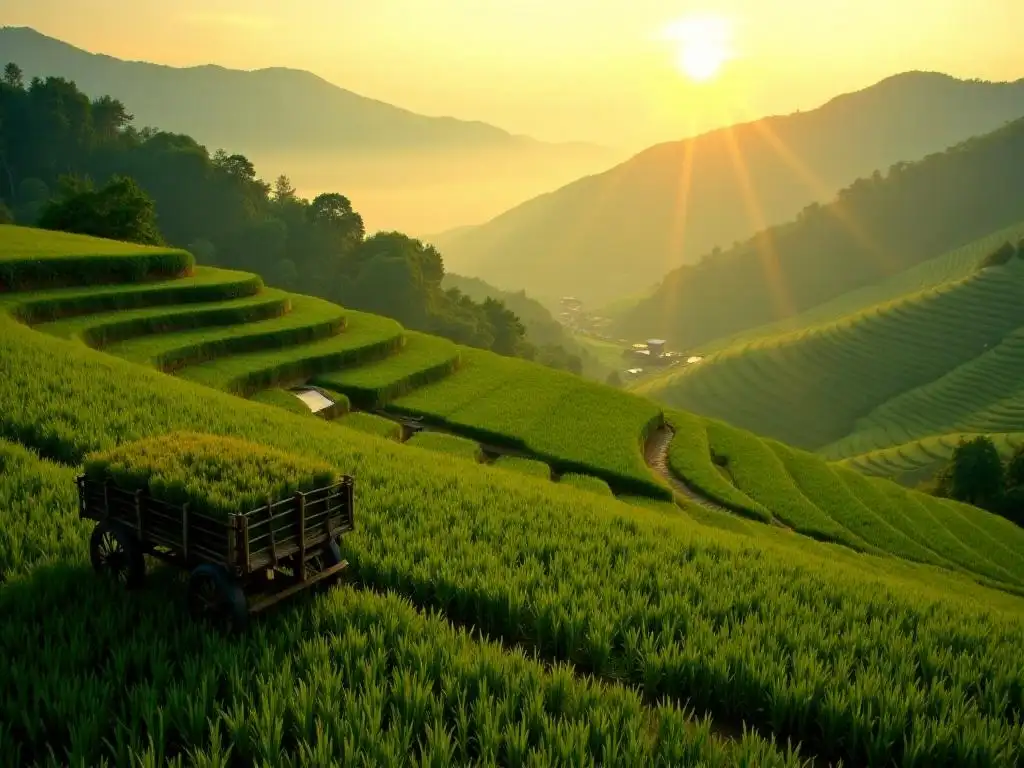
Rice farming in Japan has its roots in the Jomon period (circa 14,000–300 BCE), where early inhabitants engaged in foraging and hunting. However, the significant shift towards agriculture began in the Yayoi period (300 BCE–300 CE) when the introduction of wet-rice cultivation transformed the landscape. This method, originating from the Asian mainland, allowed for higher yields and became the cornerstone of Japanese agrarian life.
Archaeological evidence suggests that rice was first cultivated in the paddy fields of Kyushu, eventually spreading to other regions. By the beginning of the Kofun period (300–710 CE), rice had not only become a staple food but also a critical element in trade and social hierarchy. The cultivation of rice required advanced techniques for irrigation and land management, leading to the establishment of complex societal structures.
Evolution of Rice Cultivation Techniques
The techniques used in rice cultivation evolved significantly throughout the feudal era, reflecting advancements in technology and agricultural practices. Early methods involved simple, hand-powered tools, but as the demand for rice grew, farmers began to adopt more sophisticated techniques:
- Irrigation Systems:
- Farmers developed intricate irrigation channels and dikes to manage water supply effectively, allowing for stable crop production.
- Seed Selection:
- The selection of high-yield and pest-resistant rice varieties became a common practice, enhancing productivity.
- Fertilization:
- The use of organic fertilizers, such as green manure and animal waste, improved soil fertility and crop yields.
- Crop Rotation:
- Farmers began to implement crop rotation systems, alternating rice with legumes to restore soil nutrients and maintain ecological balance.
These advancements not only increased rice production but also contributed to the growth of rural communities and the development of local economies. The knowledge and techniques were often passed down through generations, solidifying rice as an integral aspect of Japanese culture.
Role of Rice in the Feudal Economy
Rice was more than just a food source in feudal Japan; it was a pivotal element of the economy and served as a measure of wealth and power. The following points highlight its significance:
- Currency and Taxation:
- Rice served as a form of currency in trade, with landlords and samurai often demanding payment in rice rather than money. It was also the primary tax collected from farmers, reinforcing its economic importance.
- Social Stratification:
- The amount of rice produced by a farmer directly influenced their social status. Wealthy landowners accumulated vast rice fields, while peasant farmers relied on rice for subsistence.
- Cultural Symbolism:
- Rice held deep cultural significance, often featured in rituals and festivals. It was associated with fertility, prosperity, and the divine, reinforcing its role beyond mere sustenance.
- Market Trade:
- As villages grew, so did local markets where rice was traded. This exchange not only stimulated local economies but also contributed to the broader feudal economy.
The intricate relationship between rice culture and the feudal economy in Japan illustrates the vital role that agriculture played in shaping societal structures, cultural norms, and economic practices during this era. Rice was not merely a crop; it was a symbol of life, sustenance, and societal order.

Rice as a Staple Food for Farmers
Rice has been the cornerstone of sustenance for farmers in feudal Japan, serving not only as a primary food source but also as a key element of their economic and social systems. Cultivated extensively across the Japanese archipelago, rice cultivation thrived in the fertile plains, particularly in regions such as the Kanto and Kansai.
The significance of rice as a staple food can be illustrated by looking at its caloric contribution to the diet of farmers. A typical peasant's diet included:
- Cooked rice: Constituting approximately 60-70% of daily caloric intake.
- Side dishes: Such as vegetables, fish, and occasionally meat, which complemented the rice.
Farmers dedicated their lives to rice cultivation, investing significant labor in planting, tending, and harvesting the crop. The agricultural calendar revolved around rice cultivation, with specific rituals and practices aligned with the seasonal cycles.
Symbolism of Rice in Daily Life
In the cultural framework of feudal Japan, rice transcended its role as mere sustenance; it became a profound symbol of life and prosperity. The Japanese term for rice, "kome," is synonymous with wealth and abundance, illustrating its deep-rooted influence on social identity.
Rice was often associated with:
- Wealth and Status: Land ownership and the amount of rice produced directly correlated with a farmer's social standing.
- Life Cycle Events: From birth to marriage, rice played a pivotal role in ceremonies, symbolizing purity and the continuity of life.
Furthermore, rice was frequently offered in rituals and prayers, signifying gratitude to the deities for a bountiful harvest. The act of sharing rice among family and community members strengthened social bonds and reinforced communal ties.
Rice in Traditions and Festivals
The importance of rice in feudal Japan is also manifested in various traditions and festivals. These events celebrated the agricultural calendar, honoring the connection between the earth, the farmers, and the divine.
Some notable festivals include:
- Inaho Matsuri (Rice Planting Festival): Celebrated in early summer, this festival involved rituals to ensure a successful rice harvest, featuring offerings to deities for protection and blessings.
- Tana Matsuri (Harvest Festival): A time of thanksgiving, where communities came together to celebrate the end of the harvest season, showcasing rice-based dishes and engaging in traditional dances.
Through these festivals, rice was not just a food item; it became a vital cultural symbol, reflecting the spiritual and communal life of farmers. The rituals surrounding rice cultivation fostered a deep respect for nature and an acknowledgment of the farmers' role as stewards of the land.
In essence, rice culture in feudal Japan epitomized the intricate relationship between agriculture, society, and spirituality, marking it as a cornerstone of the farmers' existence and a vital element of Japan’s rich cultural heritage.

In feudal Japan, rice was not merely a staple food; it served as a crucial cultural symbol intertwined with the social hierarchy. The cultivation and distribution of rice reflected the broader societal structures, where wealth and status were often measured by the amount of rice one could produce or possess. This relationship was foundational to understanding the socio-economic dynamics of feudal Japan, influencing everything from taxation to social mobility.
Rice as a Measure of Wealth and Status
Rice was the principal currency in feudal Japan, often referred to as the "gold of the fields." Wealth was gauged not just by the quantity of rice harvested, but by the quality of the rice itself. The most prestigious varieties, such as Koshihikari, were highly sought after and could elevate a landowner's status significantly.
- Taxation System: The government levied taxes based on rice production, with the standard measurement being the koku, equivalent to the amount of rice needed to feed one person for a year (approximately 180 liters). Landowners who could produce numerous koku were often seen as powerful and influential.
- Social Mobility: For the peasant class, the ability to produce surplus rice could lead to increased social mobility. Successful farmers could improve their standing, sometimes even purchasing their freedom from servitude or gaining a position as a wealthier landowner.
- Cultural Significance: Festivals and rituals often celebrated rice, emphasizing its importance beyond mere consumption. The annual rice planting and harvest festivals were occasions for celebrating both the harvest and the social order that rice represented.
The Role of Landowners in Rice Production
Landowners, or daimyō, played a pivotal role in rice production and its distribution. They were responsible for overseeing the agricultural practices on their estates, often employing various methods to maximize yield.
- Feudal Obligations: The relationship between landowners and peasants was governed by a system of obligations. Peasants worked the land in return for protection and a share of the harvest. Landowners would often take a significant portion of the rice produced, which they would store and sell, reinforcing their wealth and status.
- Innovations in Agriculture: Wealthier landowners could invest in agricultural innovations, such as improved irrigation techniques and crop rotation, which increased rice yield. This technological advancement further solidified their economic power and influence over the local population.
- Cultural Patrons: Many daimyō also acted as patrons of the arts, using their wealth to support cultural activities and promote the significance of rice in Japanese society. This not only enhanced their status but also embedded rice deeply into the cultural fabric of feudal Japan.
Impact of Rice on Peasant Life and Labor
The lives of peasants in feudal Japan were intricately linked to rice cultivation, dictating their daily routines, social structures, and even spiritual practices.
- Labor Intensity: The cultivation of rice was labor-intensive, requiring the entire family to participate in planting, tending, and harvesting. The agricultural cycle dictated their lives, with seasons of intense labor followed by periods of relative rest.
- Community and Cooperation: Rice farming fostered a sense of community among peasants. Cooperative practices, such as mutual aid during harvest time, were common and essential for ensuring a successful yield. This collaboration helped to create strong social bonds among families, reinforcing the importance of collective effort in agricultural success.
- Spiritual Connection: Rice held spiritual significance for peasants, often associated with deities and the land itself. Rituals and offerings were made to ensure a bountiful harvest, highlighting the deep connection between rice cultivation and the spiritual life of the community.
The cultural significance of rice in feudal Japan transcended mere agricultural value, reflecting the complex interplay between social hierarchy, economic power, and community life, all of which were essential components of the farmers' existence.
Cultural Practices Surrounding Rice Farming
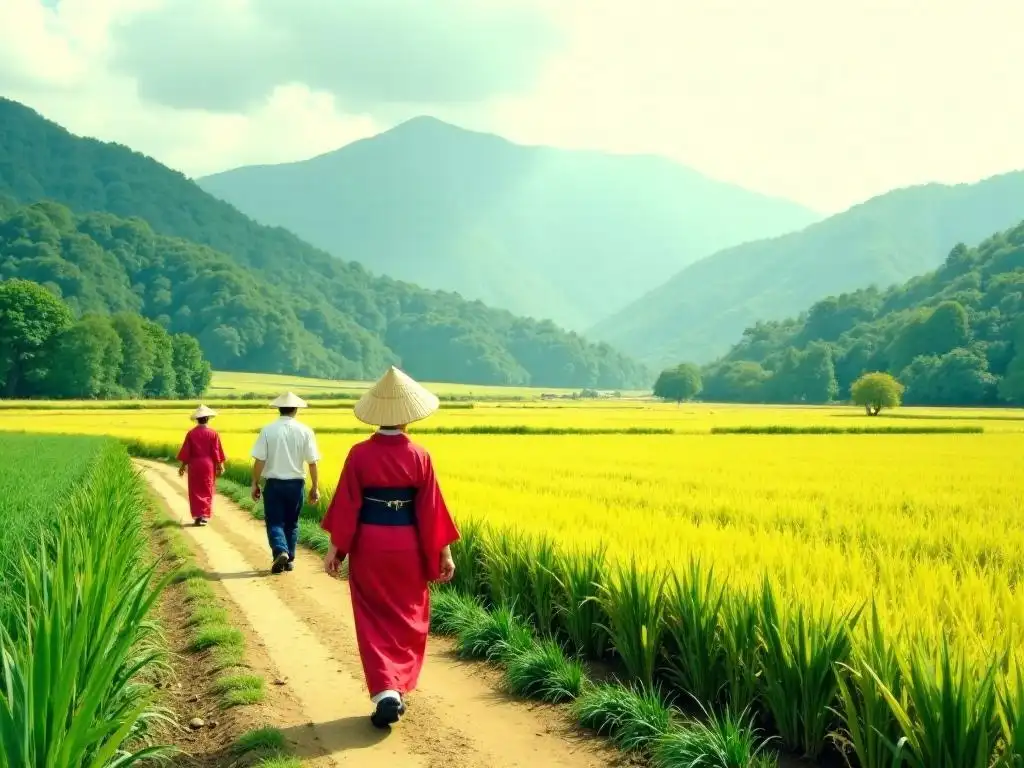
In feudal Japan, rice was not only a staple food but also a cultural symbol deeply embedded in the spiritual and social fabric of society. The cultivation of rice was surrounded by various rituals and beliefs that highlighted its importance. Farmers often performed Shinto rituals to ensure a bountiful harvest, believing that the deities of agriculture, such as Inari, protected their crops.
These rituals included:
- Rice Planting Ceremonies: Farmers would gather to pray for a successful planting season. Offerings of rice were made at shrines, accompanied by chants and symbolic gestures meant to appease the gods.
- Harvest Festivals (Niinamesai): After the harvest, communities would celebrate with rituals that involved the first fruits of the season. This festival showcased gratitude towards the deities for their blessings and was a time for communal feasting.
- Use of Sacred Tools: Tools used in rice farming, such as sickles, were often considered sacred. Farmers would purify these tools before use, embedding a sense of respect and reverence into their agricultural practices.
These rituals reflected a deep connection between the farmers and their land, emphasizing that the success of rice farming was not just a matter of hard work but also of divine favor.
Seasonal Festivals Celebrating Rice Harvests
The rice harvest in feudal Japan was a momentous occasion celebrated through various seasonal festivals. These festivals not only marked the end of the arduous farming season but also served to reinforce community bonds and cultural identity.
Key festivals included:
- Aki Matsuri (Autumn Festival): Celebrated in October, this festival focused on giving thanks for the rice harvest. Farmers would showcase their harvests, and traditional dances and music were performed to honor the gods and ancestors.
- Kagura: This was a ritual dance performed during harvest festivals, symbolizing the gratitude of the farmers to the deities. It was believed that the dance would ensure the fertility of the land for the following year.
- Mochitsuki (Rice Cake Making): Following the harvest, communities would come together to make mochi (rice cakes) from the new rice. This activity was not only a celebration of the harvest but also a way to share the bounty and strengthen community ties.
These festivals were crucial in maintaining the cultural heritage associated with rice and provided an opportunity for farmers to come together, share their experiences, and celebrate their shared identity.
Community Involvement in Rice Farming Activities
Rice farming in feudal Japan was characterized by a strong sense of community involvement. The process of planting, cultivating, and harvesting rice was often a collective effort, fostering social cohesion among villagers.
The community participated in various ways:
- Cooperative Planting: Farmers would often come together during the planting season to assist one another. This practice, known as "yui," enhanced productivity and ensured that everyone had enough labor to manage their fields effectively.
- Shared Harvesting: During the harvest, it was common for villagers to help each other. This not only expedited the process but also reinforced social bonds. Afterward, the harvested rice was often shared among the participants, fostering a sense of mutual support.
- Learning and Tradition: Knowledge about rice farming techniques and seasonal cycles was passed down through generations. Community gatherings served as a platform for sharing agricultural knowledge, ensuring that traditional practices were preserved and adapted over time.
This communal approach to rice farming highlighted the interdependence of farmers, reflecting the broader societal values of cooperation and mutual aid that were essential to the survival and success of rural communities in feudal Japan.
Challenges Faced by Farmers in Rice Cultivation
Natural Disasters and Their Impact on Rice Production
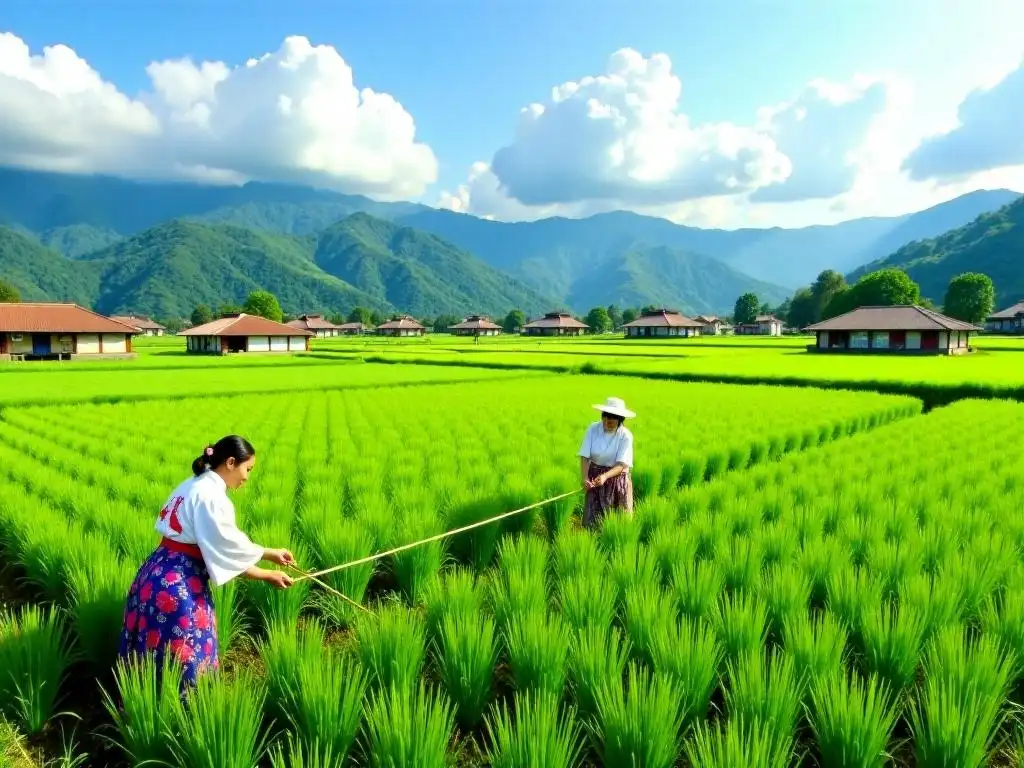
Farmers in feudal Japan faced numerous challenges in rice cultivation, with natural disasters being one of the most devastating. The agricultural landscape was heavily impacted by a variety of environmental factors that could lead to crop failures, significantly affecting food security and the economy.
-
Typhoons and Heavy Rainfall:
Typhoons were common in Japan, particularly during the late summer months. These storms could inundate rice paddies, leading to waterlogging, which damages the roots and stunts growth. In extreme cases, entire fields could be washed away. The aftermath of such disasters often left farmers struggling to recover, as they were unable to plant new crops in the same season.
-
Droughts:
Conversely, periods of drought posed another significant threat. Insufficient rainfall during critical growth stages could lead to stunted rice plants or complete crop failure. Farmers had to rely on irrigation systems, but these were not always sufficient or available, particularly in mountainous regions where water was scarce.
-
Pests and Diseases:
Natural disasters could also exacerbate the spread of pests and diseases. For instance, after a flood, the standing water could create ideal breeding conditions for insects like the rice stem borer or diseases such as rice blast, further endangering the crops. Farmers often lacked the knowledge and resources to combat these threats effectively.
These challenges not only impacted the immediate rice harvest but also had long-term effects on the social structure and economic stability of rural communities. As a result, many farmers faced cycles of debt and poverty, with their livelihoods hanging precariously on the whims of nature.
Economic Struggles in the Feudal System
The economic framework of feudal Japan placed immense pressure on farmers, significantly influencing their ability to cultivate rice effectively. The relationship between the samurai class and the peasantry was marked by obligations and expectations that often left farmers vulnerable.
-
High Taxation:
Farmers were required to pay a significant portion of their rice harvest as tax to their local lords. This taxation system could take up to 50% of their yield, leaving little for personal sustenance. Such demanding taxes resulted in food insecurity and limited resources for farmers to invest in better agricultural practices or tools.
-
Land Ownership Issues:
Most farmers did not own the land they worked on; instead, they operated as tenants. This lack of ownership meant that any improvements made to the land would ultimately benefit the landowner rather than the farmer. Additionally, tenant farmers were often subject to arbitrary increases in rent or taxes, further destabilizing their economic situation.
-
Debt Cycles:
Many farmers resorted to borrowing money to cover their immediate needs or to recover from crop losses due to disasters. This frequently resulted in cycles of debt, where they would become trapped in an unending struggle to repay loans. The high interest rates imposed by moneylenders could lead to the loss of land and further impoverishment.
The economic struggles faced by farmers during the feudal era created a precarious existence, often leading to uprisings and unrest as they sought better conditions and more equitable treatment from the ruling classes.
Adaptation to Changing Agricultural Practices
Despite the numerous challenges, farmers in feudal Japan demonstrated remarkable resilience and adaptability in their agricultural practices. This adaptability was essential for both survival and the sustainability of rice cultivation.
-
Crop Rotation and Diversification:
To mitigate the risks associated with monoculture, farmers began to implement crop rotation and diversify their planting. By rotating rice with other crops such as barley or millet, they could replenish soil nutrients and reduce the impact of pests and diseases specific to rice.
-
Irrigation Innovations:
The development of sophisticated irrigation systems allowed farmers to manage water resources more effectively. Techniques such as the construction of terraced fields helped to optimize water usage in hilly terrains, ensuring that rice paddies received adequate moisture even during drier periods.
-
Adoption of New Varieties:
Farmers began experimenting with different rice varieties that were better suited to local conditions. Some strains were developed to be more resilient against drought or flood, enhancing the overall yield and stability of the harvest. This experimentation was often a result of knowledge sharing within local farming communities.
-
Community Cooperation:
Farmers frequently banded together in cooperative groups to share resources, tools, and labor, particularly during peak planting and harvest seasons. This communal approach not only enhanced productivity but also fostered social bonds and collective resilience in facing adversities.
These adaptive strategies highlight the ingenuity of farmers in feudal Japan, showcasing their ability to navigate the complexities of their environment and economic conditions while maintaining their cultural identity tied to rice cultivation.
Conclusion: The Enduring Legacy of Rice Culture in Feudal Japan
Summary of Rice's Cultural Importance
Rice culture in feudal Japan transcended mere agricultural practice; it was a profound symbol of life, sustenance, and social structure. For the farmers of this era, rice was more than food; it represented their identity and societal role. The cultivation and consumption of rice were intertwined with various cultural rituals, reflecting its significance in everyday life.
- Economic Backbone: Rice served as the primary staple food, supporting not only the farmers' families but also the entire feudal economy. Tax systems were often based on rice production, and land was measured in terms of rice yield, underscoring its economic importance.
- Cultural Rituals: Rice was central to Shinto rituals and festivals. It was offered to deities during ceremonies, symbolizing gratitude and reverence, and was integral to celebrations such as the Niiname-sai, where the first harvest was dedicated to the gods.
- Social Hierarchy: The status of farmers was closely linked to rice production. Those who could produce a surplus were often able to secure better social standing within their communities, reinforcing the feudal system's hierarchical nature.
- Symbol of Fertility and Prosperity: The act of planting rice was imbued with symbolism related to fertility and prosperity. Farmers performed rituals to ensure a bountiful harvest, reflecting the belief that rice was a living entity deserving of respect.
Reflection on the Influence of Rice on Modern Japanese Society
The legacy of rice culture in feudal Japan continues to resonate in contemporary Japanese society. Even today, rice is revered not only as a staple food but also as a cultural icon that embodies tradition and national identity.
- Culinary Significance: In modern Japan, rice remains a central component of daily meals, with dishes such as sushi and onigiri showcasing its versatility. The importance of rice is evident in the meticulous care with which it is grown and prepared, echoing the practices of feudal times.
- Cultural Celebrations: Festivals celebrating rice harvests still exist, linking the past with the present. The Matsuri (festivals) often feature rice-related rituals that honor agricultural traditions, fostering a sense of community and continuity.
- Economic Impact: While the agricultural landscape has evolved, rice farming continues to play a crucial role in Japan's economy. The government supports rice farmers through various policies, recognizing the crop's historical significance and its role in national food security.
- Environmental Awareness: The sustainable practices of rice farming from the feudal era are increasingly relevant today as Japan faces environmental challenges. Modern farmers are revisiting traditional methods to promote sustainable agriculture, highlighting the enduring wisdom of rice culture in promoting ecological balance.
The rich tapestry of rice culture in feudal Japan is not only a reflection of the past but a living legacy that continues to shape modern Japanese life, reinforcing the bond between agriculture, culture, and community.
Frequently Asked Questions
What role did rice play in feudal Japan?
Rice was a central element of the Japanese economy and culture, serving as both a staple food and a symbol of wealth. It was critical for sustaining the population and facilitated trade and taxation.
Rice cultivation established a hierarchical society, where landowners and farmers had distinct roles. Landowners controlled rice production, while farmers worked the fields, creating a feudal system based on agricultural output.
What cultural practices were associated with rice in feudal Japan?
Rice was integral to various cultural rituals and festivals, symbolizing prosperity and fertility. It was often featured in Shinto ceremonies and served as an offering to deities, highlighting its cultural significance.
How did rice influence the economy of feudal Japan?
The rice economy was foundational to feudal Japan, as it influenced taxation and trade systems. It was often used as currency, linking agricultural success directly to the wealth and power of samurai and landowners.
What are some historical developments regarding rice cultivation in Japan?
Over centuries, rice cultivation techniques evolved, leading to increased yields. Innovations in irrigation and farming methods allowed for more efficient production, reinforcing rice's role as a primary food source in feudal Japan.
Final Reflection: The Enduring Legacy of Rice Culture in Feudal Japan
Rice culture in feudal Japan remains a powerful testament to the intricate relationship between agriculture and society. As we explore the historical significance of rice, it becomes clear that this staple food is not merely a source of sustenance but a profound symbol of life, labor, and cultural identity. Today, as we face global challenges in food security and sustainability, the lessons from rice cultivation in feudal Japan resonate more than ever, reminding us of the importance of respecting and nurturing our agricultural roots.
The impact of rice culture extends far beyond the fields; it has shaped social hierarchies, religious practices, and community bonds throughout history. The reverence for rice among farmers reflects a deep connection to the land and a commitment to preserving traditions. This connection is beautifully encapsulated in the words of Japanese poet Matsuo Bashō: The temple bell stops but I still hear the sound coming out of the flowers.
This quote serves as a reminder that the essence of rice culture continues to echo in our lives, influencing not only our culinary practices but also our understanding of community and heritage.
As we reflect on the significance of rice in our lives, let us take a moment to appreciate the stories woven into each grain. I invite you, dear reader, to consider how the values embedded in rice culture—hard work, respect for nature, and community—can inspire our actions today. Whether through supporting local farmers, engaging in sustainable practices, or simply sharing a meal with loved ones, we can honor the legacy of rice culture and ensure that its lessons continue to thrive for generations to come.
Discover the Heartbeat of Farming: Embrace the Cultural Richness of Rice!
Thank you for exploring the fascinating connection between rice and the lives of farmers in feudal Japan. This critical cultural symbol unveils its historical significance and the lifestyles it influences. Now, let's harness this knowledge and take meaningful action together!
- Engage with your community: Share this article with friends or fellow history enthusiasts, and ignite discussions about the cultural significance of agricultural practices.
- Explore local resources: Visit a nearby museum or cultural center that highlights the history of farming in Japan to deepen your understanding.
- Experiment in your kitchen: Cook rice varieties from different cultures—you might uncover traditional recipes that connect you to the rich cultural tapestry surrounding rice!
What aspect of rice's cultural impact resonates most with you, and how do you see it shaping modern farming practices today?