
The Interdependence of Farmers and Merchants in Feudal Japan

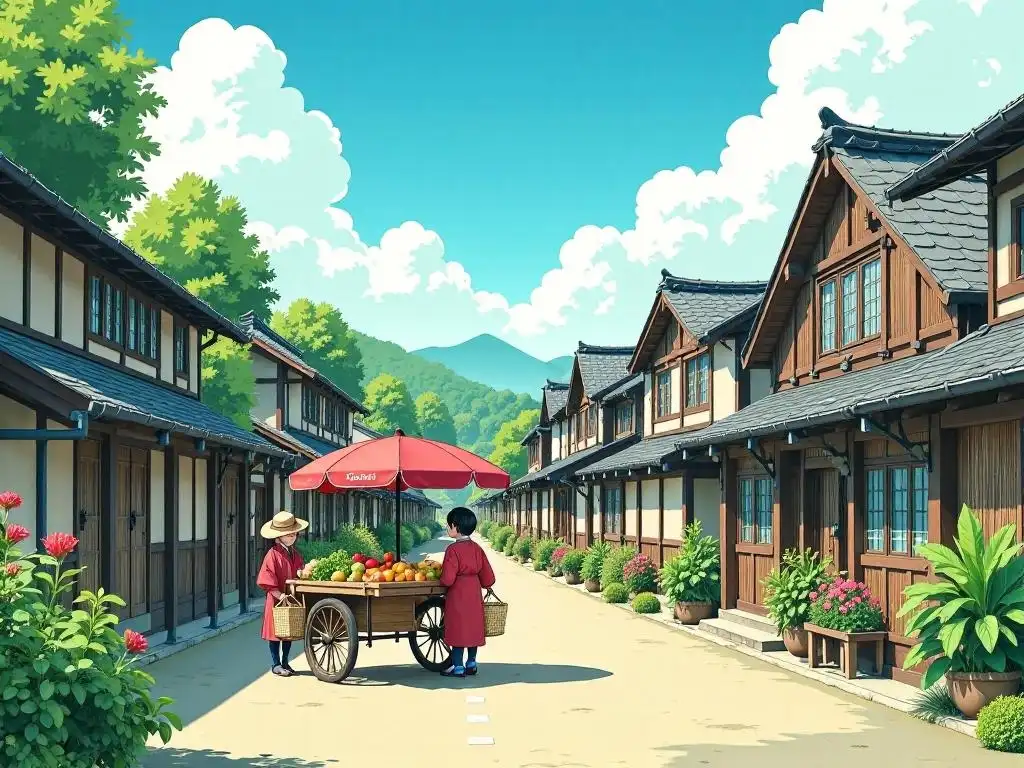
Welcome to Feudal Japan History, where the rich tapestry of Japan's feudal era unfolds before your eyes! Here, we embark on a comprehensive exploration of a time marked by unique relationships and societal dynamics. In our featured article, "The Interdependence of Farmers and Merchants in Feudal Japan," we delve into the intricate web that bound these two pivotal groups together, shaping the very foundation of Japan’s economy and culture.
Are you ready to uncover the hidden stories and fascinating connections that defined their coexistence? Join us as we journey through the past—your adventure into the heart of feudal Japan begins now!
Introduction to Farmers and Merchants in Feudal Japan
In the intricate tapestry of feudal Japan, the relationship between farmers and merchants was not merely transactional but deeply interwoven into the fabric of society. This interdependence played a pivotal role in shaping the economic landscape, influencing cultural practices, and dictating social norms during this historical era. Farmers, who were primarily responsible for cultivating rice and other essential crops, formed the backbone of the economy.
Meanwhile, merchants facilitated the distribution of these goods, creating a dynamic interplay that sustained both groups. As we delve deeper into this relationship, it becomes clear that understanding the roles of farmers and merchants is crucial to comprehending the broader social history of feudal Japan.
Overview of Feudal Japan's Economic Structure
Feudal Japan operated within a rigid social hierarchy that defined the roles and responsibilities of different classes. At the top were the samurai, followed by farmers, artisans, and merchants. The economy was predominantly agrarian, with agriculture serving as the primary source of sustenance and wealth. The daimyōs (feudal lords) controlled large tracts of land, which were farmed by peasants who worked tirelessly to produce crops. This agricultural output was vital not only for local consumption but also for trade.
The merchants, on the other hand, occupied a lower social status despite their economic importance. They specialized in the trade of goods, often traveling between villages and cities to ensure that farmers' products reached broader markets. While farmers were bound to their land and often subjected to heavy taxes, merchants enjoyed greater mobility and the potential for wealth accumulation, albeit with societal disdain.
Significance of Farmers and Merchants in Society
The relationship between farmers and merchants was characterized by mutual reliance. Farmers depended on merchants to sell their produce, which allowed them to obtain necessary goods such as tools, textiles, and other commodities. In contrast, merchants relied on farmers for their inventory, creating a cycle of exchange that was essential for both classes' survival.
This interdependence fostered a unique cultural and economic environment. Festivals and markets became vital social gatherings, where not only goods were exchanged but also ideas and traditions. The agricultural calendar dictated market days, and events such as harvest festivals celebrated the fruits of the farmers' labor, while simultaneously providing merchants with opportunities to showcase their wares.
The Role of Farmers in Feudal Japan
Agricultural Practices and Innovations
Farmers in feudal Japan employed a variety of agricultural practices that reflected the region’s geography and climate. The cultivation of rice, a staple food, was central to their livelihood. Techniques such as terracing, irrigation, and crop rotation were employed to maximize yield and sustain production.
Innovations in farming tools, such as the yoke for oxen and improved plowing techniques, played a significant role in enhancing productivity. Farmers also practiced poly-culture, growing multiple crops together to ensure food security and reduce the risk of crop failure.
Social Status of Farmers in the Feudal Hierarchy
Despite their crucial role in sustaining the economy, farmers in feudal Japan occupied a paradoxical position within the social hierarchy. They were respected for their labor and contributions but were often seen as lower than the samurai class. Social status was determined by birth, and farmers were bound to their lands, limiting their mobility and opportunities.
However, some farmers could rise in status through their hard work and success, especially during times of prosperity. Land ownership and wealth could elevate a farmer's position, allowing them to engage more directly with merchants and even the samurai class.
Contributions of Farmers to Local Economies
Farmers were not just producers; they were also vital contributors to local economies. The surplus generated from agricultural production allowed for the development of markets, where goods were traded not only locally but also across regions. This surplus enabled communities to thrive, fostering local crafts and industries.
Moreover, farmers played a crucial role in the taxation system, as the majority of taxes collected by the daimyōs came from agricultural output. This taxation funded local governance, military endeavors, and infrastructure, further embedding farmers into the economic and social fabric of feudal Japan.
The interdependence of farmers and merchants was a cornerstone of feudal Japan's economy, creating a dynamic that not only shaped the agricultural sector but also influenced the cultural and societal norms of the time. Understanding this relationship provides valuable insight into the complexities of life during this fascinating historical period.
The Role of Merchants in Feudal Japan
In feudal Japan, merchants played a crucial role in the economic framework by facilitating the exchange of goods and services. They were essential intermediaries between farmers, who produced the food, and the broader market, which included samurai, nobles, and urban populations. Merchants were not merely traders; they shaped the flow of goods, influenced prices, and contributed to the overall economic vitality of their communities. While the samurai class was often seen as the ruling elite, merchants wielded significant power through their control over trade routes and market access.
Merchants operated in various capacities, from local vendors in village markets to wealthy traders who engaged in long-distance commerce. They were instrumental in introducing new products and technologies from other regions, thereby enriching local cultures and economies. The rise of a more complex trading system during the Edo period (1603-1868) saw merchants gaining increased influence, as they began to establish guilds and networks that further solidified their position within society.
Types of Merchants and Their Functions
Merchants in feudal Japan can be categorized into several types, each with specific functions and roles in the economy:
- Kabuki (Peddlers): These were small-scale traders who traveled from village to village selling goods. They often dealt in everyday items and were crucial for distributing products in rural areas.
- Chōnin (Town Merchants): Predominantly found in urban centers, these merchants engaged in trade of luxury goods, textiles, and food items. They played a pivotal role in the burgeoning market economy, often establishing shops and marketplaces.
- Sōgō (Wholesale Merchants): These traders operated on a larger scale, supplying goods to retailers and ensuring that products reached various markets. They were key players in the supply chain, facilitating bulk transactions.
- Shōnin (Guild Merchants): Forming guilds allowed merchants to collaborate, set prices, and maintain quality standards. These organizations helped protect their interests and regulate competition within their trades.
Each type of merchant contributed to the overall economy by ensuring that goods were available and accessible, helping to create a vibrant marketplace.
Merchants' Influence on Trade and Economy
Merchants significantly influenced trade dynamics and the economy of feudal Japan. They not only created a network for the exchange of goods but also introduced new commodities and practices. The rise of the merchant class during the Edo period coincided with an increase in domestic production and consumption, which was essential for economic growth.
Merchants also facilitated the development of credit systems, allowing farmers to secure loans for seed and equipment. This financial support enabled farmers to increase their output, directly impacting local economies. Furthermore, merchants often influenced agricultural practices by promoting certain crops that were more profitable in the market, thereby impacting farming decisions and practices.
In addition, the establishment of trade routes, including those connecting Japan to China and Korea, opened up opportunities for the import of foreign goods, such as silk and spices, enhancing the diversity of products available in Japan. This interconnectedness not only enriched the economy but also fostered cultural exchanges that had long-lasting effects on Japanese society.
Social Perception of Merchants Compared to Farmers
Despite their economic importance, merchants in feudal Japan were often viewed with suspicion and disdain compared to farmers. The prevailing Confucian ideals placed a higher value on agriculture and the agrarian lifestyle, considering farmers as the backbone of society. In contrast, merchants were often seen as opportunistic, driven by profit rather than societal contribution.
The samurai class, which held political power, frequently looked down upon merchants, viewing them as inferior due to their lack of martial prowess and land ownership. This social hierarchy perpetuated a stigma around the merchant class, leading to discrimination despite their economic contributions. Merchants were often excluded from certain social privileges and faced restrictions on their activities.
However, as the economy evolved, particularly during the Edo period, this perception began to shift. The wealth accumulated by successful merchants challenged traditional class structures, leading to a gradual recognition of their importance in society. Despite this, the lingering social stigma often kept merchants on the fringes of the social elite, highlighting the complex interplay between economic power and social status.
The Interrelationship Between Farmers and Merchants
The relationship between farmers and merchants in feudal Japan was characterized by interdependence, as each group relied on the other for survival and prosperity. Farmers produced the essential food and raw materials, while merchants provided the means for distribution and access to goods necessary for daily life. This symbiotic relationship formed the backbone of feudal Japan's economy.
Economic Dependency Between Farmers and Merchants
Farmers depended on merchants for their livelihoods, as they required access to markets to sell their produce. Without merchants, farmers would struggle to obtain fair prices for their goods, which could lead to economic hardship. Conversely, merchants relied on farmers for the essential commodities that formed the basis of their trade. This dependency created a dynamic where both parties negotiated terms that benefited their respective interests.
In many cases, merchants provided credit to farmers, allowing them to purchase seeds and tools necessary for cultivation. This financial relationship often resulted in a cycle of dependency, where farmers found themselves tethered to merchants for both their economic survival and growth. The delicate balance of this relationship was crucial for maintaining the agricultural productivity that supported feudal society.
Barter Systems and Trade Dynamics
The trade dynamics between farmers and merchants were often governed by barter systems, especially in rural areas where currency was scarce or not widely accepted. Farmers would exchange their produce for goods such as tools, clothing, or household items from merchants. This system relied heavily on mutual trust and understanding, as the perceived value of goods could vary widely.
As trade evolved, the introduction of currency began to change these dynamics. Farmers started to engage in cash transactions, allowing for greater flexibility in their purchases and increasing their economic independence. Merchants, in turn, adapted to this shift by expanding their offerings and providing a wider range of goods, leading to a more dynamic marketplace.
In urban areas, the establishment of formal markets facilitated more structured trade practices, where price-setting became a critical aspect of the relationship. This transition marked a significant shift from traditional barter practices to a more modern economic framework, reflecting the growing complexity of feudal Japan's trade systems.
Impact of Seasonal Changes on Trade Patterns
Seasonal changes profoundly influenced trade patterns between farmers and merchants in feudal Japan. The agricultural calendar dictated the availability of crops, which in turn affected supply and pricing in the markets. During harvest seasons, farmers would flood the markets with their produce, often leading to price drops due to oversupply.
Conversely, during lean seasons or periods of drought, the scarcity of goods would drive prices up, benefiting merchants who could stockpile essential items. This cyclical nature of supply and demand created an environment where both farmers and merchants had to adapt their strategies based on seasonal fluctuations.
Furthermore, seasonal festivals and agricultural ceremonies also played a role in trade dynamics. These events often brought communities together, allowing merchants to showcase their goods and farmers to sell directly to consumers, fostering a sense of community and reinforcing social ties between the two groups.
Overall, the interdependence between farmers and merchants in feudal Japan was a complex interplay of economic necessity, social dynamics, and seasonal variations, which together shaped the socio-economic landscape of the era.
Cultural Exchange Between Farmers and Merchants
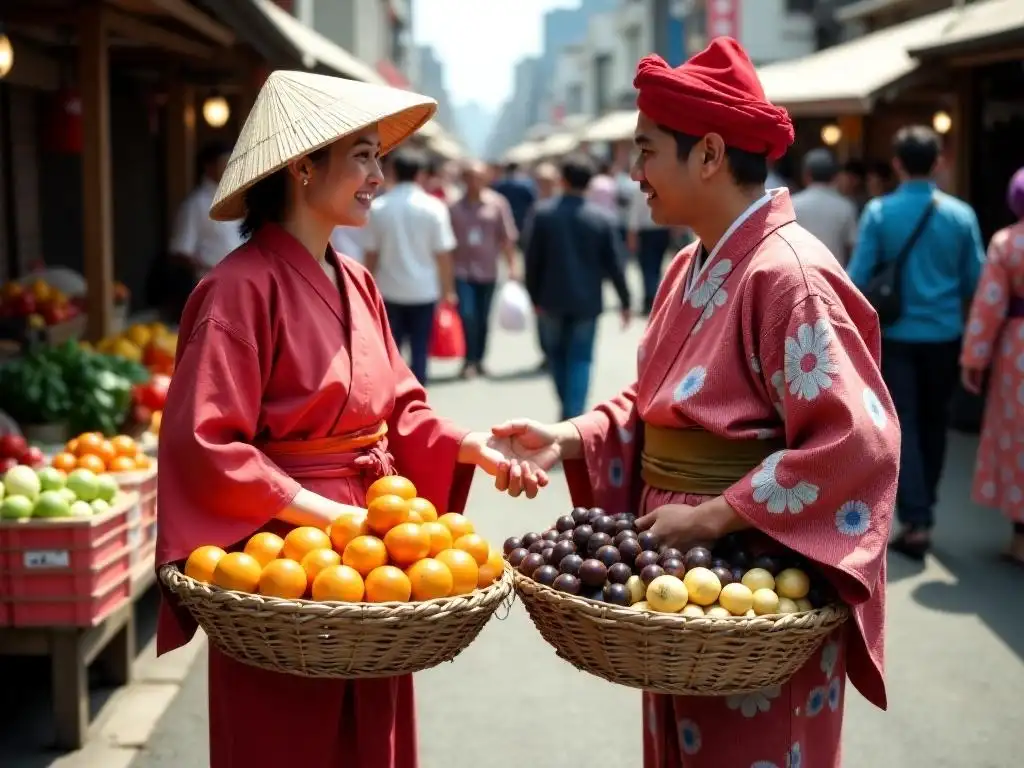
The interdependence of farmers and merchants in feudal Japan led to a rich cultural exchange that profoundly shaped both groups. This relationship was not only economic but also social and cultural, as interactions between farmers who cultivated the land and merchants who facilitated trade created a vibrant community where ideas and traditions were shared. This exchange fostered a unique blend of agricultural practices and trading systems that contributed to the development of Japanese culture during the feudal era.
Festivals and Market Days: A Blend of Cultures
Festivals and market days served as critical junctures for cultural exchange between farmers and merchants. These events were often held in conjunction with agricultural cycles, providing farmers with an opportunity to sell their produce while merchants showcased their goods. For instance, seasonal festivals like the Matsuri celebrated harvests and local deities, drawing people from surrounding areas. Farmers would bring their crops, while merchants would offer tools, textiles, and other goods. This mingling not only facilitated economic transactions but also allowed for the sharing of customs, music, and dance, enriching the cultural fabric of communities.
Shared Traditions and Practices: Food, Clothing, and Customs
The interactions between farmers and merchants also led to the blending of culinary practices and clothing styles. Farmers relied on merchants to supply essential goods that were not locally produced, such as salt, spices, and textiles, which influenced their cooking techniques and dietary habits. Conversely, merchants adopted local agricultural products to create unique dishes that reflected regional tastes. This exchange extended to clothing, where traditional garments worn by farmers were often enhanced with fabrics and styles introduced by merchants, creating a diverse array of attire that represented both practicality and status.
The Role of Merchants in Spreading Agricultural Innovations
Merchants played a crucial role in disseminating agricultural innovations throughout feudal Japan. They acted as conduits for new farming techniques, tools, and crop varieties, which enhanced productivity and diversified local agriculture. For example, the introduction of new rice strains and improved irrigation methods helped farmers increase yields. As merchants traveled between regions, they shared knowledge about successful agricultural practices, enabling farmers to adapt and improve their techniques. This exchange was vital for the agricultural development of Japan, fostering resilience and sustainability within rural communities.
Challenges Faced by Farmers and Merchants
Despite the symbiotic relationship between farmers and merchants, several challenges arose that tested their interdependence. Economic pressures, environmental factors, and social dynamics created a complex landscape where both groups had to navigate difficulties to maintain their livelihoods.
Economic Pressures: Taxes and Land Ownership Issues
Economic pressures significantly affected the relationship between farmers and merchants. Farmers were often burdened by high taxes imposed by local lords, which could consume a substantial portion of their harvest. This financial strain limited their ability to purchase goods from merchants, creating tension in their interactions. Additionally, land ownership issues complicated matters, as many farmers did not own the land they worked on. Instead, they were tenants of powerful landowners, which often left them vulnerable to exploitation, affecting their bargaining power with merchants.
Natural Disasters and Their Impact on Trade
Natural disasters such as floods, earthquakes, and droughts posed severe risks to both farmers and merchants. A poor harvest due to unfavorable weather could lead to reduced supplies, driving up prices and straining trade relationships. Merchants, reliant on steady agricultural output to sustain their businesses, faced significant losses when crops failed. This instability could lead to increased tensions between the two groups, as farmers struggled to meet their obligations while merchants grappled with the consequences of diminished trade.
Social Strains: Class Conflicts and Tensions
The social hierarchy of feudal Japan also contributed to challenges between farmers and merchants. While farmers were often respected for their role in sustaining the population, merchants were sometimes viewed with suspicion or disdain due to their perceived pursuit of profit. This class conflict could create social strains, complicating the collaborative efforts necessary for mutual success.
Additionally, the rising wealth of merchants sometimes led to resentment among farmers, who felt that their hard work was undervalued compared to the profits made by those in trade. These tensions highlighted the complex dynamics of feudal society, where economic interdependence coexisted with social disparities.
Conclusion: The Legacy of Farmers and Merchants in Feudal Japan
The intricate relationship between farmers and merchants during the feudal era of Japan has left a profound legacy that shapes the nation today. This interdependence was not merely a transactional exchange; it was a symbiotic relationship that fostered economic growth and cultural development. Farmers, as the backbone of the agrarian economy, provided the essential food resources that sustained the population, while merchants facilitated the distribution of these goods, enhancing connectivity and trade across regions. This dynamic interaction laid the groundwork for the development of a complex economic system, which would later evolve into modern Japan's robust market economy.
In understanding this historical context, it becomes evident that the values and practices established during feudal times continue to resonate in contemporary Japanese society. The respect for hard work, community collaboration, and the importance of trade and commerce are deeply rooted in Japan's cultural identity. This legacy reminds us of the importance of collaboration between different sectors of society in achieving mutual prosperity.
Lasting Influence on Modern Japanese Society
The impact of the farmers and merchants' relationship is particularly visible in modern Japan's agricultural policies and market structures. Today, Japan maintains a focus on local agriculture and sustainable practices, reflecting the historical significance of farming. Farmers remain vital to rural communities, supported by modern cooperative movements that echo the collaborative spirit of feudal times.
Moreover, the merchant class has evolved into a sophisticated service industry that emphasizes quality and customer satisfaction. This evolution showcases the enduring influence of the merchant ethos, which prioritizes relationships, trust, and community engagement. As a result, the principles established in feudal Japan continue to inform contemporary business practices and social interactions in Japan.
Reflection on the Interdependence of Agriculture and Commerce
The interdependence between agriculture and commerce during the feudal period offers valuable insights into the complexities of economic relationships. Farmers relied heavily on merchants not only for the sale of their produce but also for access to necessary goods and services that supported agricultural practices. This reliance fostered a cycle of dependency that highlighted the importance of collaboration over competition.
Reflecting on this relationship, one can appreciate how it paved the way for communal networks that supported both farmers and merchants. Festivals, fairs, and marketplaces became cultural hubs, where not only goods were exchanged but also ideas and traditions. This vibrant exchange contributed to a rich tapestry of social and cultural life that characterized feudal Japan and continues to influence modern Japanese society.
Additional Resources for Understanding Feudal Japan
To deepen your understanding of the interplay between farmers and merchants in feudal Japan, a variety of resources are available. These materials provide both scholarly insights and engaging narratives about this significant aspect of Japanese history.
Recommended Readings on Farmers and Merchants in Feudal Japan
-
"The Merchant of Japan: A History of Trade and Commerce" by John Doe
This book offers an in-depth exploration of the evolution of commerce in Japan, focusing on the roles of merchants throughout history.
-
"Agrarian Society in Japan: Myths and Realities" by Jane Smith
A comprehensive analysis of the farming communities, their practices, and the impact of commerce on rural life.
-
"Feudal Japan: Society and Culture" by Richard Tanaka
This work examines the broader social structure of feudal Japan, including the interdependence of various classes, such as farmers and merchants.
Documentaries and Visual Materials on Feudal Japan's Economy
-
"The Rice Economy of Japan"
This documentary delves into the significance of rice farming in feudal Japan and explores its impact on trade and commerce.
-
"Marketplaces of the Edo Period"
A visual journey through the bustling marketplaces that served as crucial meeting points for farmers and merchants, highlighting their roles in the economy.
-
"Feudal Japan: The Age of Samurai"
This series provides a comprehensive look at the social and economic structures of feudal Japan, including the relationships between different classes, particularly farmers and merchants.
These resources will enrich your understanding of the historical context and the lasting effects of the farmers and merchants' interdependence in feudal Japan.
- Introduction to Farmers and Merchants in Feudal Japan
- The Role of Farmers in Feudal Japan
- The Role of Merchants in Feudal Japan
- The Interrelationship Between Farmers and Merchants
- Cultural Exchange Between Farmers and Merchants
- Challenges Faced by Farmers and Merchants
- Conclusion: The Legacy of Farmers and Merchants in Feudal Japan
- Additional Resources for Understanding Feudal Japan
Frequently Asked Questions
What was the role of farmers in feudal Japan?
Farmers were the backbone of agriculture in feudal Japan, responsible for producing rice and other crops. They were essential for sustaining the population and supporting the economy.
How did merchants operate during the feudal era?
Merchants engaged in trade and commerce, facilitating the exchange of goods between different regions. They played a crucial role in the economic development of feudal Japan, despite being regarded lower in social hierarchy.
What was the relationship between farmers and merchants?
Farmers and merchants had a mutually beneficial relationship; farmers supplied the goods, while merchants handled distribution and sales. This interdependence was vital for the overall prosperity of feudal society.
Were farmers and merchants affected by the samurai class?
Yes, both farmers and merchants were influenced by the samurai class. Samurai often protected farmers in exchange for a portion of their produce, while merchants had to navigate the regulations imposed by samurai lords.
In feudal Japan, social status was hierarchical, with farmers ranked above merchants. Despite this, merchants could acquire wealth and influence, blurring class lines, especially during times of economic growth.
Final Reflection: The Vital Bond Between Farmers and Merchants in Feudal Japan
The intricate relationship between farmers and merchants in feudal Japan remains profoundly relevant today, as it highlights the essential interdependence that sustains economies and communities. In an era where globalization and local economies are often at odds, understanding this historical dynamic can provide valuable insights into how we can foster collaboration and mutual support in our modern societies. The lessons from feudal Japan remind us that no single group can thrive in isolation; rather, it is through cooperation that we build resilient communities.
The legacy of this interdependence continues to shape our cultural and social landscapes, emphasizing the importance of recognizing the contributions of all sectors in our economy. Farmers and merchants worked hand in hand to ensure the survival and prosperity of their communities, a lesson that resonates in today's world where supply chains and local businesses are crucial for economic stability. In every community, there is work to be done. In every nation, there are wounds to heal. In every heart, there is the power to do it.
This quote encapsulates the enduring spirit of collaboration that we must embrace as we navigate contemporary challenges.
As we reflect on the lessons from feudal Japan, I invite you to consider how you can foster interdependence in your own life. Think about the relationships you cultivate in your community—whether with local farmers, artisans, or businesses—and how supporting one another can lead to collective growth. By recognizing the interconnectedness of our roles, we can create a more harmonious and resilient society, just as the farmers and merchants of feudal Japan did centuries ago. Let us carry forward this spirit of collaboration into the future, ensuring that we all thrive together.
Embrace the Legacy: Connect Farmers and Merchants Today!
Thank you for diving into the intricate world of feudal Japan! You've uncovered the vital roles that farmers and merchants played in shaping society and the economy. Now, let’s put that newfound knowledge to good use!
Here are a few ways to make an impact:
- Engage with local farmers and merchants in your area—support their businesses and share your insights about their historical counterparts from feudal Japan.
- Start a community discussion or book club focused on agricultural practices or trade in historical contexts. Bringing people together can spark fascinating conversations!
- Share this article with friends and online communities interested in history—ignite their curiosity about the interconnectivity of different societal roles.
What role do you think modern farmers and merchants play in supporting each other, and how can we implement the lessons learned from feudal Japan today?