
Agricultural Innovations: How Farmers Contributed to Japan's Feudal Economy


Welcome to Feudal Japan History, where we invite you to embark on a captivating journey through the intricate tapestry of Japan's feudal era. Dive deep into the fascinating realm of Japan feudal agricultural innovations, where you’ll discover how ingenious farming practices and techniques shaped not only the economy but also the very fabric of society during this transformative period. As you navigate through our expert-driven articles, prepare to uncover the pivotal role that farmers played in sustaining and enriching feudal Japan. The past awaits—read on to unlock the secrets of an era that continues to influence Japan today!
The agricultural innovations during Japan's feudal era played a crucial role in shaping the economy, society, and culture of the time. As a predominantly agrarian society, Japan's farmers were at the heart of its economic engine, developing and implementing techniques that not only improved crop yields but also enhanced the overall quality of life for the rural population.
These innovations were not merely technical advancements; they were the result of a deep understanding of the land, climate, and seasonal cycles, intertwined with the social and political frameworks of feudal Japan. This article delves into the various agricultural practices and innovations that emerged during this era, highlighting their significance in sustaining the feudal economy and contributing to the broader historical narrative of Japan.
The Role of Farmers in Feudal Japan
Farmers in feudal Japan were not just laborers; they were integral to the social structure and economic vitality of the period. The Shōen system, a form of land tenure that emerged during this time, allowed farmers to cultivate land that was owned by powerful lords, known as daimyōs. This relationship created a complex dynamic where farmers were responsible for producing food while also paying taxes and providing labor to their lords. Consequently, the innovations they developed had a direct impact on their livelihoods and the prosperity of their communities.
- Economic Importance: Agriculture was the backbone of the feudal economy, with rice being the staple crop and a primary currency for trade and taxation.
- Social Structure: Farmers occupied a unique position in the social hierarchy, often respected for their contributions to sustenance but constrained by the demands of their lords.
Key Agricultural Innovations
Throughout the feudal era, Japanese farmers introduced several agricultural innovations that revolutionized farming practices and significantly increased productivity. These innovations included:
- Irrigation Techniques: Farmers developed sophisticated irrigation systems, utilizing canals and dikes to manage water supply effectively. This allowed for the expansion of rice cultivation in regions previously deemed unsuitable for farming.
- Crop Rotation and Diversification: The introduction of crop rotation techniques helped maintain soil fertility and reduced the risk of crop failure. Farmers began planting a variety of crops, including millet and barley, alongside rice to ensure a more stable food supply.
- Use of Fertilizers: The adoption of natural fertilizers, such as compost and animal manure, enhanced soil quality and boosted crop yields, contributing to a more resilient agricultural system.
The Impact of Innovations on Society and Economy
The agricultural innovations of feudal Japan not only enhanced food production but also had profound implications for the society and economy of the time.
- Population Growth: Increased agricultural productivity supported population growth, as more food meant fewer famines and healthier communities.
- Market Development: Surpluses allowed for trade, leading to the development of markets and contributing to a more complex economic landscape.
- Cultural Exchange: As agricultural practices improved, so did the exchange of ideas and goods between regions, influencing local cultures and traditions.
Conclusion
The agricultural innovations that emerged during Japan's feudal era were pivotal in transforming the nation's economy and society. By understanding these developments, we gain insight into the resilience and ingenuity of Japanese farmers, whose contributions laid the foundation for the country's future. As we explore the life of farmers in feudal Japan, it becomes evident that their innovations were not merely practical solutions but also integral components of a complex social and economic tapestry.
- The Role of Farmers in Feudal Japan
- Key Agricultural Innovations
- The Impact of Innovations on Society and Economy
- Conclusion
- What were the primary agricultural innovations in feudal Japan?
- How did these innovations impact the feudal economy?
- What role did farmers play in the feudal system?
- How did agricultural practices influence Japanese culture?
- Were there any regional differences in agricultural practices during feudal Japan?
Introduction to Japan's Feudal Agricultural Innovations

Japan's feudal era, spanning from the 12th to the 19th century, was marked by significant agricultural innovations that transformed the rural landscape and contributed to the overall economy. During this period, farming techniques evolved through the adoption of new tools, crops, and methods that not only increased productivity but also enhanced the quality of life for farmers. Understanding these innovations is crucial for comprehending the socio-economic fabric of feudal Japan, where agriculture served as the backbone of society.
Overview of Feudal Japan's Economy
The economy of feudal Japan was predominantly agrarian, relying heavily on rice cultivation as the primary staple. Rice was not only a food source but also a means of wealth and power. The feudal system organized society into rigid classes, with landowners (daimyōs) and samurai at the top, followed by farmers, artisans, and merchants.
- Key Economic Features:
- Rice Cultivation: Dominated the agricultural landscape, serving as currency and a measure of wealth.
- Land Ownership: Controlled by the samurai class, who managed peasant labor.
- Taxation System: Farmers paid taxes in rice, which were collected by landowners.
The feudal economy was characterized by a system of forced labor, where farmers worked the land owned by the samurai, giving rise to a cycle of dependency. This structure, however, allowed for agricultural innovations to emerge as farmers sought to increase their yields and improve their livelihoods.
Importance of Agriculture in Feudal Society
Agriculture played a pivotal role in the social structure of feudal Japan. It was the source of sustenance for the population and a key driver of economic stability. The following factors illustrate the significance of agriculture:
- Food Security: A stable agricultural output ensured that the population had sufficient food, which was vital for maintaining social order.
- Social Hierarchy: The productivity of farmers directly influenced the wealth of their samurai lords, reinforcing the feudal hierarchy.
- Cultural Practices: Farming was intertwined with cultural and religious practices, including rice festivals (inari matsuri) that celebrated the harvest.
As agricultural practices improved, they not only supported the local economy but also contributed to the development of trade networks, connecting rural areas with emerging urban centers.
Role of Farmers in Economic Development
Farmers were the backbone of Japan's feudal economy, and their role extended beyond mere food production. They were innovative thinkers who adapted to changing conditions and sought new methods to enhance their output. Key aspects of their contribution include:
- Adoption of New Techniques: Farmers implemented advanced farming techniques such as:
- Crop Rotation: To maintain soil fertility and prevent depletion.
- Irrigation Systems: Utilizing water management techniques to ensure consistent crop yields.
- Use of Fertilizers: Incorporating organic materials to enhance soil quality.
- Cultural Exchange: The introduction of new rice varieties and agricultural practices from neighboring regions, such as China and Korea, led to diversification in crop production.
- Community Cooperation: Farmers often worked together in systems known as "mura," fostering a spirit of collaboration that enhanced productivity and resilience against natural disasters.
The innovations introduced by farmers during Japan's feudal period were instrumental in shaping the agricultural landscape, influencing not just the economy, but the very fabric of society. The interplay between agriculture and feudalism laid the groundwork for Japan's later economic transformations, making it a subject worth exploring in detail.
Key Agricultural Innovations During Japan's Feudal Era

Introduction of New Crops and Varieties
Japan's feudal era, which lasted from roughly the 12th to the 19th century, was marked by significant agricultural innovations that transformed the landscape of farming. The introduction of new crops and varieties played a crucial role in enhancing food security and improving the livelihoods of farmers throughout the period. These innovations not only diversified agricultural production but also contributed to the overall economic stability of feudal Japan.
Rice Cultivation Techniques
Rice was the cornerstone of Japan's agricultural economy, and various cultivation techniques evolved to maximize its yield. One notable innovation was the development of wet-rice cultivation. Farmers constructed intricate irrigation systems, including canals and dikes, which allowed for controlled flooding of rice paddies. This method significantly increased productivity and led to the establishment of rice as a staple food.
Moreover, the introduction of varieties of rice that were resistant to pests and diseases further enhanced yields. For instance, during the Kamakura period (1185-1333), the "koshihikari" rice variety was cultivated, known for its excellent taste and texture. Such innovations allowed for multiple harvests per year, contributing to a surplus that could support a growing population and urban centers.
Introduction of Soybeans and Other Legumes
In addition to rice, the introduction of soybeans and other legumes during the feudal era was a pivotal development in Japanese agriculture. Soybeans became essential not only as a food source but also for their ability to enrich soil fertility through nitrogen fixation. This practice mitigated the depletion of soil nutrients, which was a common problem in rice monoculture farming.
Legumes were also integral to the traditional Japanese diet, and their cultivation allowed farmers to diversify their crops. The use of soybeans led to the production of various products, such as tofu and miso, which became staples in Japanese cuisine. This diversification helped stabilize farmers' incomes and reduced the risks associated with crop failures.
Advancements in Farming Tools and Techniques
The evolution of farming tools and techniques during Japan's feudal era was another significant factor that contributed to agricultural productivity. These advancements not only increased efficiency but also improved the overall quality of the agricultural output.
Plow Innovations and Their Impact
The introduction of the iron-tipped plow during the medieval period revolutionized farming practices. Prior to this innovation, wooden plows were the norm, which limited the ability to cultivate tougher soils. The iron-tipped plow allowed for deeper tilling, improving soil aeration and promoting healthier root systems for crops.
This advancement was particularly beneficial in regions with heavier clay soils, where traditional plows struggled. As a result, farmers could expand arable land and increase their crop yields. The ability to till land more effectively meant that more farmers could engage in commercial agriculture, boosting local economies and trade.
Use of Fertilizers and Crop Rotation
The practice of using organic fertilizers, such as fish, seaweed, and animal manure, became widespread during this period. These fertilizers enriched the soil and improved crop yields significantly. Additionally, the adoption of crop rotation techniques—where different crops were planted in succession on the same land—helped maintain soil health and fertility.
By rotating crops, farmers could reduce the risk of disease and pests, while also maximizing the use of available nutrients in the soil. This practice not only enhanced agricultural output but also contributed to sustainable farming practices that would benefit future generations. The combination of fertilizers and crop rotation techniques exemplified the innovative spirit of Japanese farmers during the feudal era, laying the groundwork for a robust agricultural economy.
The Influence of Agricultural Innovations on Japanese Society
Transformation of Rural Communities
Agricultural innovations during Japan's feudal era had a profound impact on rural communities, fundamentally altering both their structure and daily life. One of the key advancements was the introduction of wet-rice cultivation, which allowed for higher yields and supported larger populations. This method required intricate irrigation systems, leading to the development of cooperative farming practices among villagers. As farmers worked together to manage the water supply, a sense of community and shared responsibility emerged, fostering social ties that were crucial for survival in the agrarian landscape.
Additionally, innovations such as the use of the kankō (a plow) and improvements in seed selection contributed to enhanced farming efficiency. These tools not only increased productivity but also reduced the labor intensity of farming. Consequently, this allowed some farmers to pursue additional crafts or trades, leading to the rise of a more diversified rural economy. As a result, rural communities began to evolve from purely agrarian societies to more complex social structures where trade, craftsmanship, and agriculture coexisted.
Moreover, the establishment of market towns near agricultural hubs enabled farmers to sell surplus produce, further embedding economic interdependence within rural communities. These towns became vibrant centers of commerce, where farmers could exchange goods and services, fostering a culture of innovation and collaboration that was pivotal in shaping Japan’s feudal economy.
The various agricultural innovations also played a significant role in reshaping social hierarchies and land ownership in feudal Japan. As agricultural productivity increased, so did the wealth of certain landowners, particularly the samurai class and wealthy merchants. This shift in wealth distribution led to a more pronounced stratification within rural society, where the disparity between wealthy landowners and poorer farmers became more evident.
Land ownership became a symbol of power and status, with the daimyō (feudal lords) controlling vast estates and the peasantry often working as tenants on these lands. Innovations such as crop rotation and the introduction of new agricultural techniques allowed landowners to maximize their profits and expand their territories. This not only solidified their economic power but also reinforced their social dominance, often leading to tension between the classes.
Furthermore, as land became more valuable due to increased agricultural output, disputes over land ownership and rights became commonplace. This resulted in a complex legal framework surrounding land tenure, where peasants were bound to their lords through various obligations, including taxes and labor. The interplay between agricultural innovations and land ownership thus not only shaped the economic landscape but also embedded a rigid social hierarchy that defined feudal Japan.
Economic Benefits of Agricultural Advancements
The economic benefits derived from agricultural advancements were substantial and laid the groundwork for Japan's feudal economy. Innovations in farming techniques, such as the adoption of the three-field system, allowed farmers to cultivate land more effectively, ensuring that soil fertility was maintained while maximizing crop yields. This sustainable approach to agriculture resulted in surplus production, which was crucial for feeding the growing population of feudal Japan.
The increase in agricultural output also stimulated local economies. As farmers produced more than they needed for personal consumption, they began to engage in trade, selling their excess produce in local markets. This not only enriched individual farmers but also contributed to the overall economic vitality of rural regions. The growth of surplus production fostered a burgeoning merchant class, who played an essential role in the distribution of goods and the development of trade networks across the archipelago.
In addition, the innovations in rice cultivation, particularly the introduction of high-yield varieties, allowed for multiple harvests within a year. This consistent food supply not only supported population growth but also provided a stable economic foundation for feudal Japan. As a result, the agricultural sector became a significant driver of the economy, supporting various industries, including textiles and crafts, and ultimately contributing to the rise of a more interconnected feudal society.
The agricultural innovations of feudal Japan were pivotal in transforming rural communities, redefining social hierarchies, and generating substantial economic benefits, laying the groundwork for a complex and dynamic feudal economy that would influence the course of Japanese history.
Case Studies of Successful Agricultural Practices

The feudal era in Japan was marked by significant agricultural innovations that not only transformed farming practices but also shaped the economy and society. Through various case studies, we can examine how specific regions implemented successful agricultural practices, contributing to the overall prosperity of the feudal economy.
Notable Regions and Their Innovations
The Kanto Plain: A Model of Agricultural Success
The Kanto Plain, one of the most fertile regions in Japan, became a benchmark for agricultural productivity during the feudal period. The introduction of new rice cultivation techniques, such as sukiyaki, allowed farmers to increase their yield substantially. This method involved:
- Improved Water Management: Farmers constructed intricate irrigation systems to ensure optimal water supply, which was crucial for rice cultivation.
- Crop Rotation: The practice of rotating rice with other crops, such as millet and barley, helped maintain soil fertility and reduced pest infestations.
- Use of Fertilizers: The incorporation of organic fertilizers, including compost made from crop residues and livestock manure, played a vital role in enhancing soil nutrients.
These innovations not only led to higher production but also supported a growing population, contributing to the economic stability of the region.
The Tōhoku Region: Resilience and Adaptation
In contrast, the Tōhoku region faced challenges such as harsher climates and rugged terrain. However, farmers exhibited resilience and adaptability, implementing several innovations that underscored their ingenuity:
- Diverse Crop Cultivation: Farmers cultivated a variety of crops, including rice, wheat, and soybeans, to mitigate the risks posed by unpredictable weather patterns. This diversity ensured that even if one crop failed, others could sustain the household.
- Terracing Techniques: To maximize arable land in hilly areas, farmers developed terracing techniques, which allowed for effective water drainage and reduced soil erosion. This method not only expanded agricultural land but also enhanced productivity.
- Community Collaboration: Farmers often banded together to share resources, labor, and knowledge, leading to improved agricultural practices and stronger local economies.
These adaptive strategies were crucial for the Tōhoku region, demonstrating how farmers could thrive despite environmental challenges.
Farmers' Contributions to Local Economies
The contributions of farmers to local economies during the feudal era were substantial and multifaceted. Their agricultural innovations not only increased food production but also stimulated various economic activities:
- Market Dynamics: Surplus crops allowed farmers to engage in local markets, fostering trade and commerce. The exchange of goods created a vibrant economy that extended beyond agriculture.
- Employment Opportunities: As agricultural practices improved, the need for labor increased, leading to job creation within rural communities. This influx of labor helped boost the local economy and supported ancillary industries, such as textile production and pottery.
- Cultural Exchange: Agricultural festivals and markets became venues for cultural exchange, where farmers shared knowledge about techniques and crops, contributing to the overall cultural fabric of society.
The agricultural innovations during Japan's feudal era not only transformed farming practices but also played an essential role in shaping local economies and communities. The case studies of the Kanto Plain and Tōhoku region exemplify the ingenuity and resilience of farmers who navigated the complexities of their environments to thrive.
Challenges Faced by Farmers in Implementing Innovations

The agricultural landscape of feudal Japan was marked by a series of innovations that significantly enhanced productivity and efficiency. However, the adoption of these agricultural innovations was not without its challenges. Farmers encountered various obstacles that hindered their ability to implement new techniques and technologies. This section delves into some of the key challenges faced by farmers during this transformative period.
Resistance to Change and Traditional Practices
One of the most significant challenges was the resistance to change rooted in traditional practices. Farming in feudal Japan was steeped in centuries-old customs, and many farmers were hesitant to adopt new methods that deviated from their ancestral techniques. This resistance can be attributed to several factors:
- Cultural Attachment: Farmers often had a profound attachment to traditional farming methods, viewing them as part of their cultural identity. The fear of disrupting longstanding customs led to reluctance in embracing innovations.
- Trust in Proven Techniques: Many farmers believed that traditional practices had stood the test of time and were therefore more reliable than new, unproven methods. This mindset was particularly strong in rural communities where risk aversion was common.
- Social Pressure: Within tightly-knit farming communities, social norms played a significant role. Farmers faced pressure from neighbors and elders to adhere to established practices, creating a formidable barrier to change.
Despite these challenges, some farmers began to recognize the potential benefits of innovations, leading to a gradual shift in attitudes. However, the process was slow and often met with significant opposition.
Environmental Factors Affecting Agriculture
The environmental conditions of Japan during the feudal era also posed challenges to the implementation of agricultural innovations. Various factors influenced farmers' ability to adapt and thrive:
- Topography: Japan's mountainous terrain created limitations in land use. Many areas were not suitable for large-scale farming, making it challenging to implement innovations that required extensive land.
- Climate Variability: The climate in Japan varied widely across regions, impacting crop yields and farming practices. Farmers had to adjust to seasonal changes and unpredictable weather patterns, which could thwart the adoption of new agricultural techniques.
- Natural Disasters: Earthquakes, typhoons, and floods were common in Japan, often devastating agricultural land and crops. Such disasters created an atmosphere of uncertainty, discouraging farmers from investing in new technologies that could be lost in a single event.
Farmers had to remain resilient and adaptable in the face of these environmental challenges, often relying on traditional knowledge to navigate the complexities of their surroundings.
Economic Pressures and Land Management
Economic factors played a crucial role in shaping the agricultural landscape of feudal Japan. Farmers faced various pressures that influenced their ability to innovate:
- Land Tenure Systems: The feudal land tenure system often placed farmers in a precarious position. Many were tenant farmers, who were required to pay a significant portion of their harvest to landowners. This left little room for investment in new agricultural practices.
- Market Demand: Economic pressure from the market could drive farmers to prioritize certain crops over others. If innovations did not align with market needs, farmers were less likely to adopt them, as their focus remained on meeting immediate economic demands.
- Resource Scarcity: Limited access to resources, such as fertilizers and irrigation systems, restricted the ability of farmers to implement new agricultural techniques. Innovations often required capital investment that was difficult for cash-strapped farmers to secure.
The challenges faced by farmers in implementing agricultural innovations during Japan's feudal era were multifaceted, encompassing social, environmental, and economic dimensions. Understanding these challenges is essential for appreciating the complexities of agricultural development in this historical context. Despite the obstacles, the gradual acceptance of innovations laid the groundwork for the evolution of farming practices in Japan.
Conclusion: Legacy of Agricultural Innovations in Feudal Japan
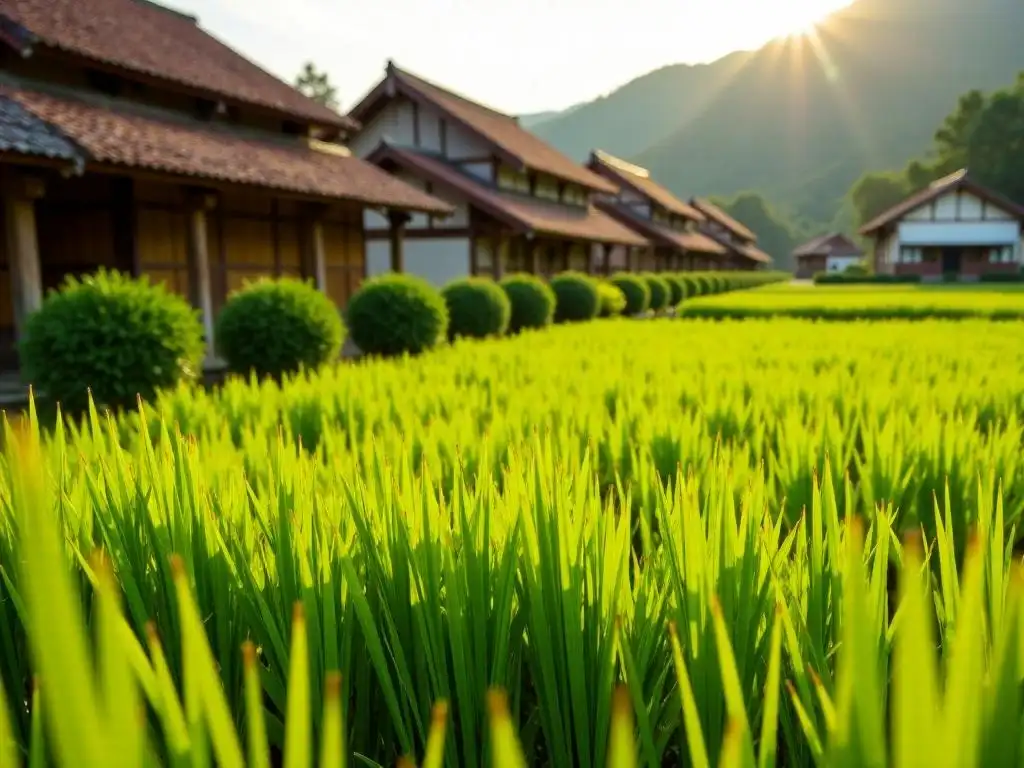
The agricultural innovations during Japan's feudal era have left an indelible mark on the country's agricultural practices and economy. As farmers implemented new techniques, tools, and crop varieties, they not only increased productivity but also laid the groundwork for sustainable farming practices that would endure through the centuries. The legacy of these innovations is evident in the evolution of Japan's agricultural sector, which continues to adapt and thrive in the face of modern challenges.
Lasting Impact on Japan's Agricultural Practices
The advancements in agriculture during the feudal period fundamentally transformed the landscape of farming in Japan. Innovations such as the suri-kogi (hand-held hoe) and the kama (sickle) allowed for more efficient tillage and harvesting. These tools, alongside the introduction of wet-rice cultivation techniques, established a robust framework for agricultural output.
-
Crop Rotation and Diversification
Farmers began to practice crop rotation, alternating rice with other crops like millet and barley. This not only improved soil fertility but also reduced the risk of crop failure. The diversification of crops helped stabilize food supply and allowed communities to thrive even during adverse conditions.
-
Irrigation Systems
Complex irrigation systems were developed, enabling farmers to harness water from rivers and streams. These systems enhanced the productivity of rice paddies, which became the backbone of feudal Japanese agriculture. The management of water resources was critical, reflecting the farmers' deep understanding of environmental stewardship.
-
Seed Selection and Breeding
The practice of selecting and breeding superior strains of rice revolutionized food production. Farmers identified high-yield varieties that were resilient to local conditions, ensuring a more stable food supply. This focus on quality and adaptability laid the foundation for Japan's agricultural heritage.
Influence on Modern Japanese Agriculture
The agricultural innovations of feudal Japan have had a lasting influence on contemporary farming practices. Many of the techniques and tools developed during this period continue to be relevant today.
-
Sustainable Agriculture
Modern Japanese farmers often employ sustainable practices that can be traced back to their feudal predecessors. Techniques such as organic farming and integrated pest management reflect a long-standing respect for the land and its resources.
-
Technological Adaptation
While modern technology has transformed agriculture, the principles of efficiency and productivity established in the feudal era remain pertinent. Farmers today utilize advanced machinery while integrating traditional methods to enhance crop yields and sustainability.
-
Cultural Significance
The cultural importance of rice, rooted in its historical significance during the feudal era, persists in modern Japanese society. Festivals and rituals celebrating rice cultivation underscore the continuity of agricultural traditions.
Reflection on the Role of Farmers in Shaping Feudal Economy
Farmers played a crucial role in shaping the feudal economy of Japan, often overlooked in the grand narrative of samurai and warriors. Their contributions were foundational to the stability and growth of feudal society.
-
Economic Backbone
The agricultural sector was the economic backbone of feudal Japan, providing sustenance not only for the rural population but also for the samurai class. The surplus generated by efficient farming practices supported trade and local markets.
-
Social Structure
Farmers were integral to the social hierarchy of feudal Japan. They were often bound to the land, working under the feudal lords, and their labor was essential for the maintenance of the feudal system. This relationship highlighted the interdependence between the agricultural class and the ruling elite.
-
Cultural Identity
The life of farmers contributed to the cultural identity of Japan. Their customs, traditions, and festivals reflect the rich agricultural heritage of the nation, reinforcing the connection between the land and its people.
The agricultural innovations of feudal Japan not only revolutionized farming practices but also played an essential role in shaping the economic and cultural landscape of the nation. The legacy of these innovations continues to influence modern agricultural practices, underscoring the importance of farmers in both historical and contemporary contexts.
References and Further Reading on Japan's Feudal Agricultural Innovations
Suggested Books and Articles
- "The Agriculture of Japan: A Historical Overview"
- This book offers a comprehensive look at the evolution of agricultural practices in Japan, detailing the innovations that shaped the feudal economy.
- "Feudal Japan: A History" by William Scott Wilson
- Wilson’s work provides insights into the societal structures of feudal Japan, including the role of agricultural advancements in supporting the samurai class and the broader economy.
- "The Rice Economy of Japan" by Richard D. H. R. Garnaut
- An in-depth analysis of rice cultivation, this book discusses not only the techniques employed but also the cultural significance of rice in feudal Japanese society.
- "Innovations in Japanese Agriculture During the Edo Period"
- This article examines specific agricultural innovations during the Edo period, highlighting how these developments influenced economic productivity and social structures.
- "Japanese Agriculture and Rural Life"
- A scholarly article that discusses the agricultural practices in rural Japan during the feudal era, focusing on tools, techniques, and their impacts on society.
Online Resources for Additional Research
- National Diet Library of Japan
- A treasure trove of documents and historical records related to Japan's agricultural practices. The library provides access to various publications and historical texts about feudal agricultural innovations.
- The Japan Agricultural Co-operative (JA)
- The JA website offers insights into modern agricultural practices in Japan, along with historical context that can help understand the evolution of agriculture from the feudal era to present times.
- The Asia-Pacific Journal: Japan Focus
- This online journal features articles and essays on various aspects of Japanese history, including agricultural practices and innovations during the feudal period.
- Japanese Historical Society
- A resource dedicated to the study of Japanese history, offering access to papers, articles, and discussions on relevant topics, including agriculture.
- YouTube Educational Channels
- Channels such as "History of Japan" and "The Samurai Archives" provide engaging video content related to Japan's feudal agricultural practices, offering visuals that can enhance understanding of the topic.
By utilizing these resources, one can gain a deeper understanding of the significant role that agricultural innovations played in shaping Japan's feudal economy and the lives of farmers during this transformative period.
Frequently Asked Questions
What were the primary agricultural innovations in feudal Japan?
Feudal Japan saw significant agricultural innovations such as improved irrigation techniques, the introduction of new rice varieties, and the development of tools like the hand plow that enhanced farming efficiency.
How did these innovations impact the feudal economy?
The agricultural innovations led to increased crop yields, which supported a growing population and contributed to the overall stability and prosperity of the feudal economy in Japan.
What role did farmers play in the feudal system?
Farmers were essential to the feudal system, as they produced the food necessary for samurai and the nobility, thus forming the backbone of the economy and society during this era.
How did agricultural practices influence Japanese culture?
The emphasis on agriculture in feudal Japan shaped various cultural aspects, including festivals, art, and religion, as agrarian life was central to the Japanese identity at the time.
Were there any regional differences in agricultural practices during feudal Japan?
Yes, regional differences existed due to varying climates, topographies, and local resources, leading to diverse agricultural practices that influenced the types of crops grown and farming techniques used across Japan.
Final Reflection: The Lasting Legacy of Japan's Feudal Agricultural Innovations
The agricultural innovations of Japan's feudal era are not just relics of the past; they are foundational elements that continue to shape modern agricultural practices and economic structures. As we explore how farmers contributed to the feudal economy, we uncover a narrative that resonates with today's challenges in sustainability and food security. The ingenuity and resilience of these farmers remind us that innovation often arises from necessity, and their legacy is a testament to the transformative power of agriculture in society.
The impact of these innovations extends far beyond their historical context, influencing contemporary agricultural methods and cultural practices. The techniques developed during this period laid the groundwork for efficient farming and resource management, which are crucial in our current climate crisis. As we reflect on this, we can recall the words of agricultural historian Masanobu Fukuoka: The ultimate goal of farming is not the growing of crops, but the cultivation and perfection of human beings.
This perspective emphasizes that the innovations of the past were not merely about productivity; they were about nurturing a relationship between people and the land that continues to evolve.
As we conclude this exploration of Japan's feudal agricultural innovations, I invite you to reflect on how these lessons can be applied in your own life. Consider the ways in which you can innovate within your own environment, whether through sustainable practices or by fostering a deeper connection with your community. Let the resilience and creativity of Japan's farmers inspire you to embrace change and contribute positively to the world around you. Together, we can cultivate a future that honors the past while nurturing the potential for growth and sustainability.
Cultivate Your Knowledge: Take Action Today!
Thank you for exploring the fascinating ways agricultural innovations shaped Japan's feudal economy. By delving into this topic, you've uncovered the immense impact that farmers had on society, the economy, and culture.
Now, it's time to embrace what you’ve learned and take action! Here are some ways you can dive deeper and make a difference:
- Explore additional resources on agricultural history by visiting your local library or trusted online archives. Discover the tools and techniques that transformed the landscape of feudal Japan.
- Share this article with your friends and spark discussions about the vital role of innovation throughout history. A simple share can inspire others to learn!
- Join a local agricultural group or forum where you can discuss and exchange ideas about traditional farming practices and sustainability in today's context.
In what ways do you believe that historical agricultural innovations can influence modern farming practices in your community?