
The Role of Farming in the Development of Feudal Japanese Culture


Welcome to Feudal Japan History, where we invite you to journey through the intricate tapestry of Japan's feudal era. Here, you will uncover the profound impact of farming in feudal Japan, a cornerstone of societal development that shaped cultural practices and community life. As you delve into our comprehensive exploration, you'll discover how agriculture not only nourished the population but also influenced the very fabric of feudal society.
Prepare to be intrigued as you unveil the connections between farming, culture, and history that await you in our featured article, "The Role of Farming in the Development of Feudal Japanese Culture." Your adventure into the past begins now!
Farming played a pivotal role in shaping the cultural, social, and economic fabric of feudal Japan. During this period, which lasted from the 12th to the 19th century, agriculture was not merely a means of subsistence; it was the backbone of society that influenced power dynamics, community structures, and cultural practices.
Understanding the impact of farming in feudal Japan provides insight into how agrarian life molded the identity of the nation and laid the groundwork for its future development. This article will delve into the multifaceted role of farming, exploring its significance within the broader context of Japanese history and culture.
Introduction to Feudal Japan and Farming
Feudal Japan was characterized by a hierarchical social structure that revolved around land ownership and agricultural production. At the top of this hierarchy were the shoguns and daimyos, who controlled vast tracts of land and governed the samurai class. Below them were the peasants, who were primarily responsible for farming. The agrarian lifestyle dictated not only the economy but also the cultural practices and social norms of the time.
Overview of Feudal Japan's Social Structure
The social structure of feudal Japan was rigidly defined, with distinct classes that played specific roles. Here’s a brief overview:
- Shogun: The military leader and de facto ruler of Japan.
- Daimyo: Powerful lords who managed large estates and commanded samurai warriors.
- Samurai: The warrior class, serving the daimyos and upholding the code of bushido.
- Farmers: The backbone of society, responsible for producing food and sustaining the population.
- Artisans and Merchants: Lower in the hierarchy, they contributed to the economy through craftsmanship and trade.
This hierarchical structure was deeply intertwined with agricultural productivity, as the wealth of the ruling classes depended on the labor and output of the farmers.
Importance of Agriculture in Japanese Society
Agriculture was not just a means of survival; it was a central aspect of Japanese culture and identity. Farming practices were infused with spiritual significance, often associated with Shinto beliefs. Rice, in particular, was revered and considered a sacred crop, symbolizing life and prosperity. Festivals and rituals celebrated the farming cycle, highlighting the importance of agriculture in community cohesion and cultural expression.
The Impact of Farming on Feudal Japan's Economy
The economy of feudal Japan was predominantly agrarian, with farming activities dictating wealth distribution and social stability. The growth of agricultural production directly influenced economic prosperity, leading to significant developments in trade, commerce, and societal dynamics.
Agricultural Production and Economic Growth
The agricultural sector in feudal Japan was primarily focused on rice cultivation, which was not only a staple food but also a measure of wealth and economic power. Enhanced farming techniques, including irrigation and crop rotation, led to increased yields. This surge in agricultural production contributed to a flourishing economy, allowing for the growth of towns and markets.
Role of Rice Cultivation in Feudal Economy
Rice was the cornerstone of the feudal economy. It served as a currency, a tax form, and a status symbol. The amount of rice produced determined land value, influencing the power dynamics between the samurai and the peasantry. The cultivation of rice was intricately tied to the seasons and required a communal effort, fostering a sense of collaboration among farmers.
Trade and Barter Systems: The Exchange of Agricultural Goods
As agricultural production expanded, so did the need for trade and barter systems. Farmers exchanged surplus crops for goods and services, establishing a network that connected rural villages with urban centers. This exchange not only stimulated the economy but also facilitated cultural exchanges, as various regions brought their unique agricultural products to market.
Farming was integral to the development of feudal Japanese culture, influencing its social structure, economy, and cultural practices. Understanding this impact provides a comprehensive view of how agriculture shaped the essence of feudal Japan.
Farming in feudal Japan was not merely an economic activity; it was deeply intertwined with the cultural and social fabric of the society. The agrarian lifestyle significantly influenced various facets of daily life, including art, literature, and community organization. Farming practices shaped not only the sustenance of families but also the rhythm of life through seasonal cycles, which were reflected in the cultural narratives and social interactions of the time.
As rice was the staple crop, it became central to Japanese identity, influencing social structures and cultural expressions. The cultivation of rice, in particular, was seen as a sacred act, intertwined with the spirituality of the land and the people. This connection fostered a sense of community among farmers, as they often collaborated during planting and harvesting seasons, reinforcing social bonds and shared responsibilities.
Moreover, the impact of farming extended into the arts. Traditional Japanese art forms, such as ukiyo-e, often depicted rural life, celebrating the beauty of the seasons and the hard work of farmers. These representations helped to elevate the status of agricultural life within the broader cultural narrative of Japan.
Farmers’ Contribution to Cultural Practices and Traditions
Farmers played a pivotal role in shaping cultural practices and traditions in feudal Japan. Their labor and lived experiences provided the foundation for various customs that would be passed down through generations. The agricultural calendar, marked by planting and harvest seasons, created a framework around which many cultural rituals and festivals were organized.
One notable contribution is the concept of "Shinto," the indigenous spirituality of Japan, which reveres nature and agricultural cycles. Farmers often engaged in rituals to honor the kami (spirits) of rice and the land, reflecting their deep connection to agriculture. These practices not only ensured a good harvest but also reinforced the community's collective identity and spirituality.
Additionally, farmers significantly influenced Japanese cuisine. The cultivation of rice, vegetables, and other staple foods shaped dietary practices, which in turn contributed to various culinary traditions. The importance of rice in meals and ceremonies illustrated how farming was central to both sustenance and social customs.
Festivals and Celebrations Centered Around Agriculture
Agricultural festivals, known as "matsuri," were integral to feudal Japanese culture, celebrating the cycles of farming and the bounty of the land. These festivals often involved elaborate rituals, music, dance, and communal feasting, highlighting the significance of farming in community life.
One famous example is the "Inaho Matsuri," which honors the rice harvest. During this festival, rituals are performed to thank the deities for a successful harvest and to pray for future abundance. Participants dress in traditional clothing and engage in various activities that reflect the farming community's appreciation for their labor and the land.
In addition to harvest festivals, seasonal celebrations, such as "Tanabata," which marks the beginning of the rice planting season, also underscore the agricultural calendar's influence on cultural festivities. These events not only serve as a means of celebrating agricultural success but also foster community cohesion, as families and neighbors come together to participate in shared traditions.
The Interconnection Between Farming and Religion in Japan
The relationship between farming and religion in feudal Japan was profound, as agricultural practices were often infused with spiritual significance. Shinto beliefs highlighted the sacredness of the land, and farmers engaged in various rituals to honor the kami associated with agriculture, such as Inari, the deity of rice and fertility.
The cycle of planting and harvesting was accompanied by numerous ceremonies that sought divine favor. Farmers offered prayers and offerings to ensure a prosperous yield, reflecting their reliance on the spiritual world for agricultural success. This interconnection between farming and religion reinforced the idea that the land was a living entity deserving of respect and reverence.
Moreover, Buddhism also played a role in the agrarian lifestyle, with many Buddhist temples owning farmland and participating in agricultural practices. The teachings of Buddhism often emphasized harmony with nature, further intertwining spiritual beliefs with the everyday lives of farmers.
The Role of Farmers in Feudal Society
Farmers were essential to the economic structure of feudal Japan, serving as the backbone of the agrarian economy. Their labor not only provided sustenance for their families but also supported the samurai class and the ruling elite. Understanding the role of farmers in this hierarchical society provides insight into the complexities of social dynamics during the feudal era.
Social Status of Farmers in the Hierarchical Structure
In the feudal hierarchy, farmers were generally situated below the samurai class but above the merchant class. While they were respected for their hard work and essential contributions to society, their social status was often precarious. Farmers were bound to the land they worked on and were subject to the demands of their landowners, the daimyo.
The societal perception of farmers varied; on one hand, they were viewed as vital contributors to the economy, while on the other hand, they often faced exploitation and harsh conditions. The rigid class structure meant that farmers had limited mobility and opportunities for advancement. Their status was primarily defined by their role in producing food, which was deemed essential for the survival of the feudal system.
The Life of a Farmer: Daily Routines and Challenges
The daily life of a farmer in feudal Japan was characterized by rigorous routines and significant challenges. Farmers typically rose at dawn to begin their work, engaging in tasks such as planting, weeding, and harvesting according to the seasonal calendar. Their work was labor-intensive and often dictated by the rhythms of nature, requiring resilience and adaptability.
Farmers faced numerous challenges, including unpredictable weather, pests, and the threat of famine. These factors could have devastating effects on their crops and livelihoods, leading to periods of hardship. Additionally, the burden of taxation imposed by the daimyo often left farmers with little surplus after meeting their obligations, making it difficult to thrive.
Despite these challenges, farmers developed strong communal ties to support one another. They often collaborated on large projects, such as irrigation systems, and participated in communal labor during peak seasons, fostering a sense of unity and shared purpose.
Relationships Between Farmers and Landowners (Daimyo)
The relationship between farmers and daimyo was complex and often fraught with tension. Farmers were typically tenants on land owned by daimyo, who would collect a portion of the harvest as rent. This arrangement could create a power imbalance, as farmers were dependent on the landowners for access to land and resources.
While some daimyo were benevolent and recognized the importance of their farmers, others imposed heavy taxes and demanding quotas, leading to discontent and uprisings. The "farmers' revolts" during the late feudal period illustrate the struggles faced by farmers as they sought to improve their conditions and challenge the authority of the daimyo.
In many cases, farmers developed strategies to negotiate their relationships with landowners, employing tactics such as collective bargaining or forming alliances with other farmers. This dynamic interplay between farmers and daimyo shaped the agricultural landscape of feudal Japan and highlights the vital role of farmers in the broader social structure.
Technological Advancements in Agriculture
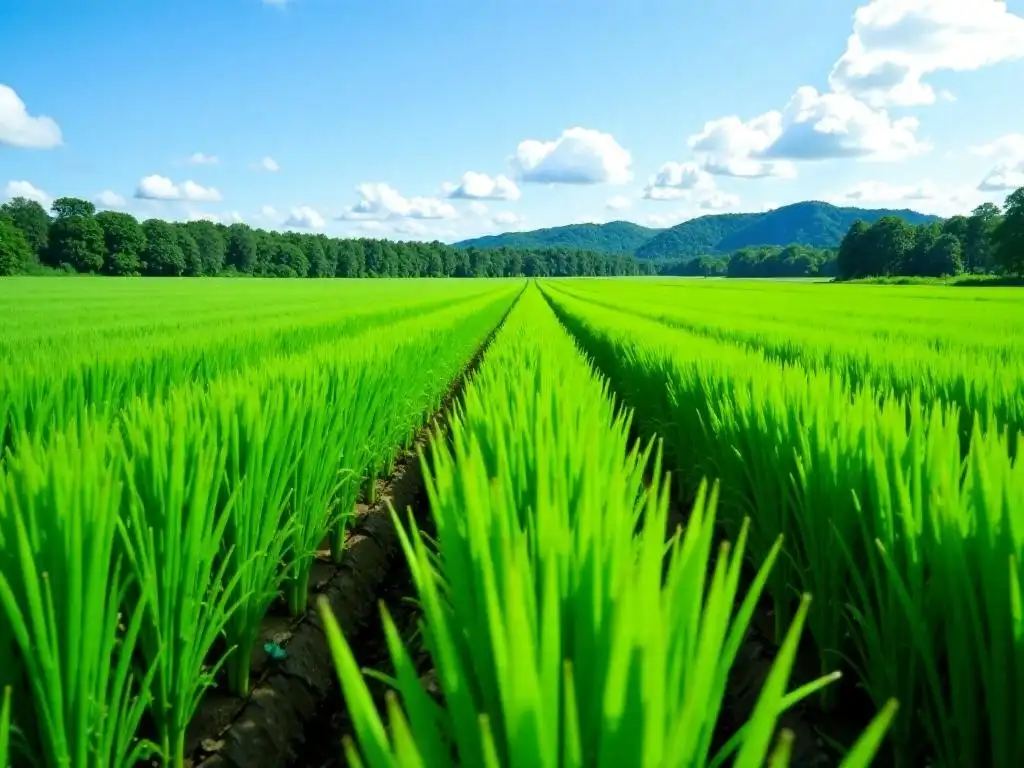
The feudal era in Japan, spanning from the 12th to the 19th century, was marked by significant technological advancements in agriculture that played a crucial role in shaping the socio-economic landscape of the period. These advancements not only improved farming efficiency but also contributed to the overall stability and growth of feudal society. As agriculture formed the backbone of the economy, innovations in farming technology allowed for increased crop yields, which in turn supported larger populations and fostered urban development.
Innovations in Farming Techniques during the Feudal Era
During the feudal era, Japanese farmers adopted various innovative farming techniques that enhanced productivity. One of the most notable innovations was the introduction of wet-rice cultivation, which involved flooding fields to create ideal growing conditions for rice. This method not only maximized land use but also allowed for multiple harvests in a single growing season. Additionally, the adoption of crop rotation and intercropping techniques helped maintain soil fertility and reduce pest infestations.
Furthermore, the use of organic fertilizers, such as compost and green manure, became prevalent, enabling farmers to enrich the soil naturally. The development of irrigation systems, including canals and water wheels, also played a vital role in ensuring a steady water supply, which was essential for successful rice cultivation. These advancements collectively contributed to an agricultural revolution that underpinned the prosperity of feudal Japan.
Tools and Equipment Used in Traditional Japanese Farming
The tools and equipment employed by farmers in feudal Japan were simple yet effective, reflecting the agrarian society's reliance on manual labor. One of the most essential tools was the plow, often made of wood and drawn by oxen. This implement was crucial for tilling the soil and preparing it for planting. The sickle, used for harvesting rice and other grains, demonstrated the craftsmanship of Japanese artisans, as these tools were often meticulously crafted for optimal performance.
Other significant tools included the hand-held hoe for weeding and soil aeration, as well as the transplanting tray, which facilitated the careful planting of rice seedlings. The use of simple yet effective irrigation devices, such as water-lifting wheels and wooden sluices, allowed farmers to manage water flow efficiently. Collectively, these tools played a fundamental role in enhancing agricultural practices and supporting the livelihoods of farming communities.
Impact of Technology on Agricultural Productivity
The technological advancements in agriculture during the feudal era had a profound impact on agricultural productivity. With the introduction of new techniques and tools, farmers were able to cultivate more land and produce higher yields. For instance, the shift to wet-rice cultivation not only increased the quantity of rice produced but also improved the quality. This staple crop became the foundation of the Japanese diet, leading to a more stable food supply.
Moreover, these advancements allowed for the specialization of crops, enabling farmers to diversify their production. Increased agricultural output led to surplus, which was critical for trade and the development of markets. As a result, the economic stability fostered by enhanced agricultural productivity contributed to the rise of a merchant class and the growth of urban centers, ultimately transforming feudal Japan's societal structure.
The Environmental Context of Farming in Feudal Japan
Farming in feudal Japan was deeply influenced by the environmental context, encompassing geography, climate, and natural events. These factors shaped agricultural practices and the resilience of farming communities in the face of challenges.
Geography and Its Influence on Agricultural Practices
Japan's diverse geography, characterized by mountains, valleys, and coastal plains, significantly impacted agricultural practices. The majority of arable land was located in river valleys and coastal regions, where the soil was fertile and conducive to farming. This geographical distribution influenced the types of crops cultivated, with rice predominating in the lowlands, while other crops like millet and barley were grown in less fertile areas.
The mountainous terrain also necessitated the development of terraced farming methods, particularly in regions with steep slopes. This technique allowed farmers to create flat plots of land for cultivation, maximizing the use of available space while preventing soil erosion. Geography, therefore, played a critical role in determining the agricultural landscape of feudal Japan and the livelihoods of its farmers.
Natural Disasters and Their Effects on Farming Communities
Natural disasters were a constant threat to farming communities in feudal Japan, significantly impacting agricultural output and the social fabric of society. Earthquakes, tsunamis, and typhoons could devastate crops and disrupt farming operations, leading to food shortages and economic instability. For instance, historical records detail instances where typhoons destroyed rice paddies, resulting in widespread famine.
These disasters often triggered social unrest, as communities struggled to cope with the loss of their primary food source. The vulnerability of agricultural systems to natural disasters underscored the importance of building resilient farming practices and community networks to support recovery efforts and bolster food security in the face of adversity.
Sustainable Practices in Feudal Japanese Agriculture
Despite the challenges posed by the environment, farmers in feudal Japan developed sustainable practices that ensured the longevity of their agricultural systems. The use of organic fertilizers, as previously mentioned, was a cornerstone of sustainable agriculture, allowing for soil enrichment without depleting resources.
Additionally, the practice of agroforestry, which involved integrating trees with crops, provided multiple benefits. It helped prevent soil erosion, offered shade for crops, and supplied materials for construction and fuel. Farmers also adopted controlled burning techniques to manage weeds and pests, promoting a healthier ecosystem.
These sustainable practices reflect an understanding of the delicate balance between agriculture and the environment, demonstrating how feudal Japanese farmers adapted to their surroundings while ensuring the productivity and sustainability of their farming systems.
The Decline of Farming and Its Cultural Implications
The decline of farming in feudal Japan marked a significant turning point in the cultural landscape of the era. As urbanization began to take root and the samurai class gained prominence, the traditional agrarian lifestyle faced numerous challenges. This shift not only altered agricultural practices but also had profound implications for societal norms, economic structures, and cultural expressions.
Factors Leading to the Decline of Agricultural Dominance
Several interrelated factors contributed to the decline of agriculture's dominance in feudal Japan.
- Rise of Urban Centers: The growth of cities, particularly during the Edo period (1603-1868), facilitated the transition from a predominantly agrarian society to one that valued commerce and trade. Urban centers became hubs for artisans, merchants, and samurai, drawing people away from rural agriculture.
- Increased Taxation: The feudal system imposed heavy taxes on farmers, which often led to economic strain. Many farmers found it increasingly difficult to maintain their livelihoods, resulting in decreased agricultural productivity and, consequently, a diminished cultural significance of farming.
- Technological Changes: Advancements in farming technologies and practices sometimes led to a greater reliance on machinery and less on traditional methods. This shift not only affected the number of people engaged in farming but also altered the communal aspects of agricultural life that were central to Japanese culture.
- Natural Disasters: Japan's susceptibility to natural disasters, such as earthquakes and typhoons, further exacerbated the decline of farming. These events could devastate crops, leading to famine and social unrest, which in turn diminished the cultural reverence for agricultural practices.
Changes in Social Structure and Impact on Farmers
As farming declined, the social structure of feudal Japan underwent significant changes.
- Emergence of a Merchant Class: The rise of commerce led to the emergence of a new social class of merchants and traders. This shift gradually changed the perception of wealth, with commerce becoming a more respected avenue for social mobility than agriculture had previously been.
- Diminished Status of Farmers: With the increasing focus on trade and urban life, the status of farmers began to decline. Once considered essential to society, farmers were often viewed as lower in social hierarchy compared to the newly empowered merchant class and the samurai.
- Cultural Shifts: The cultural expressions rooted in agrarian life, such as festivals and rituals celebrating the harvest, began to lose their significance. New forms of art and entertainment emerged, reflecting urban experiences rather than rural traditions.
Legacy of Farming Practices in Modern Japan
Despite the decline of agriculture during the feudal period, the legacy of farming practices continues to resonate in modern Japan.
- Culinary Traditions: Many traditional Japanese dishes and culinary techniques are deeply rooted in agricultural practices. Rice, as a staple food, remains a cornerstone of Japanese cuisine, symbolizing the historical importance of farming.
- Cultural Festivals: Many local festivals (matsuri) celebrating the harvest and agricultural deities have endured, showcasing the cultural heritage linked to farming. These festivals serve as a reminder of the agrarian past and its impact on community life.
- Sustainable Practices: In contemporary Japan, there is a renewed interest in sustainable agriculture and organic farming methods, reflecting a cultural appreciation for the land and its resources. This return to roots highlights the enduring relationship between the Japanese people and their agricultural heritage.
Conclusion: The Lasting Impact of Farming in Feudal Japan
The impact of farming in feudal Japan is an essential aspect of understanding the country's cultural development. Farming was not merely an economic activity; it was a way of life that shaped social structures, traditions, and values.
Recap of Farming's Role in Cultural Development
Farming played a vital role in the cultural development of feudal Japan, influencing everything from social hierarchies to artistic expressions. The agrarian lifestyle fostered community bonds and instilled a deep respect for nature, which became integral to Japanese identity. As society evolved, the shift away from agriculture heralded changes that permanently altered the cultural landscape, yet the echoes of farming practices remain in various aspects of modern life.
Reflection on the Historical Significance of Agriculture in Feudal Japan
In reflecting on the historical significance of agriculture in feudal Japan, it becomes apparent that the decline of farming was not merely an economic shift but a cultural transformation. The reverence for the land, the communal celebrations of harvest, and the intricate relationship between farmers and nature are all elements that have left an indelible mark on Japanese culture. Understanding this legacy enriches our appreciation of Japan's social history and highlights the central role that agriculture played in shaping the nation's identity.
- Introduction to Feudal Japan and Farming
- The Impact of Farming on Feudal Japan's Economy
- Cultural and Social Influence of Farming in Feudal Japan
- The Role of Farmers in Feudal Society
- Technological Advancements in Agriculture
- The Environmental Context of Farming in Feudal Japan
- The Decline of Farming and Its Cultural Implications
- Conclusion: The Lasting Impact of Farming in Feudal Japan
Frequently Asked Questions
What was the primary agricultural product in feudal Japan?
The primary agricultural product in feudal Japan was rice, which served as a staple food and a currency for trade, influencing the economic structure of society.
Farming contributed to the social hierarchy by establishing a class system where peasants worked the land, while samurai and daimyos benefited from their labor, solidifying the feudal system.
What role did irrigation play in farming during this period?
Irrigation techniques were crucial for increasing rice production, allowing for sustainable farming practices that supported the growing population and helped shape cultural practices around agriculture.
How did agricultural festivals reflect Japanese culture?
Agricultural festivals celebrated the harvest and were deeply ingrained in Japanese culture, highlighting the spiritual connection between people and their land, often featuring rituals and community gatherings.
In what ways did farming innovations impact feudal Japan?
Innovations such as new farming techniques and tools significantly improved crop yields, leading to a surplus that fueled trade, enhanced social stability, and contributed to the economic growth of feudal Japan.
Final Reflection: The Enduring Impact of Farming in Feudal Japan
The intricate relationship between agriculture and the development of feudal Japanese culture underscores the profound impact of farming in shaping societal structures and values. Today, as we navigate a world increasingly detached from its agrarian roots, the lessons of feudal Japan remind us of the fundamental role that farming plays not only in sustaining life but also in fostering community and cultural identity. The legacy of this era reveals that the cultivation of land was not merely a means of survival but a cornerstone of civilization itself.
Cultivating the land in feudal Japan was a reflection of the deeper connections between people, nature, and governance. The agricultural practices of the time influenced social hierarchies, economic stability, and even spiritual beliefs, creating a tapestry of life that resonates through history. As noted by historian William Wayne Farris, “The rice field was not just a field; it was a symbol of life, community, and the very essence of Japanese culture.” This observation highlights how farming was interwoven with the fabric of society, shaping not only the economy but also the cultural ethos that defined feudal Japan.
As we reflect on the lessons from this era, let us consider how the impact of farming in feudal Japan can inspire our actions today. In a world facing environmental challenges and a disconnection from our food sources, we have the opportunity to reconnect with the land and embrace sustainable practices.
I invite you to ponder how you can cultivate your own garden—be it literal or metaphorical—fostering growth, community, and a deeper appreciation for the resources that sustain us. By honoring the past and its teachings, we can cultivate a future that respects the delicate balance between humanity and nature.
Cultivate Your Understanding of Feudal Japan!
Thank you for diving into the rich tapestry of Japanese culture through the lens of farming in the feudal era. We hope you discovered how agriculture not only shaped the economy but also influenced social norms and daily life in this fascinating period. Now, let’s take the next step in your journey of exploration!
- Explore local historical sites or museums that showcase traditional farming techniques and their pivotal role in shaping feudal society.
- Join online forums or social media groups focused on Japanese history to share insights and learn from fellow enthusiasts.
- Consider volunteering at a community garden to practice historic farming methods and gain a hands-on understanding of agricultural practices.
What aspect of feudal Japanese farming history intrigues you the most, and how can you weave that knowledge into your daily life?