
Farming Festivals: Traditions That Defined Community Life in Feudal Japan

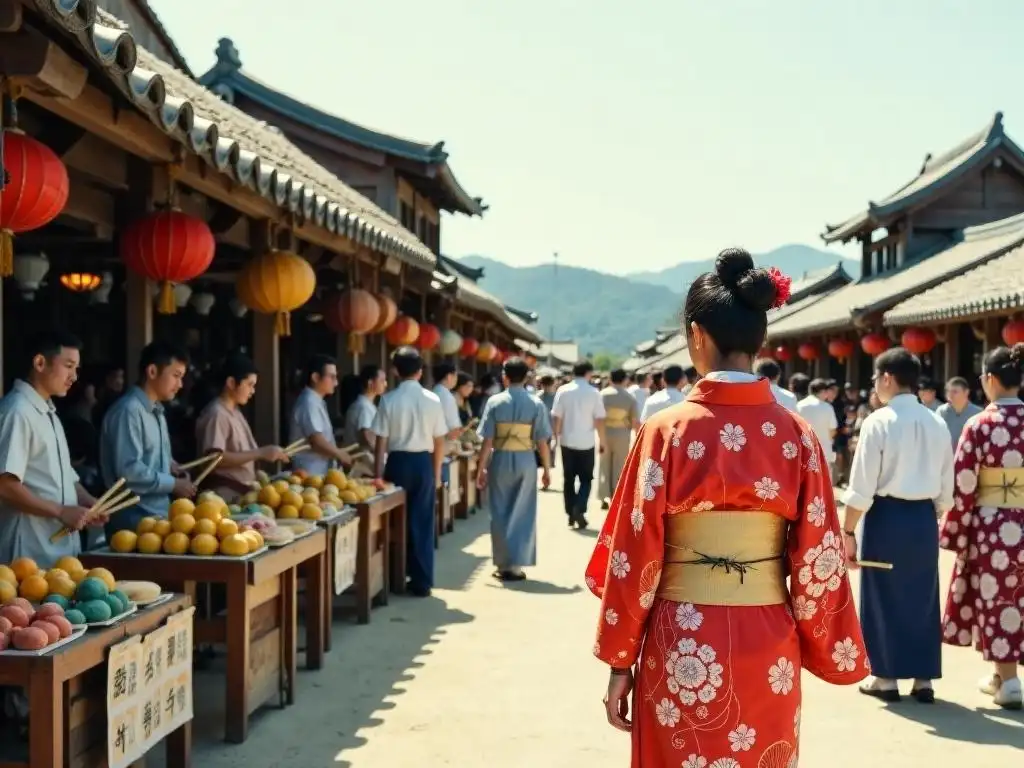
Welcome to Feudal Japan History! Here, we invite you to embark on a fascinating journey through the intricate tapestry of Japan’s feudal era. Our in-depth exploration uncovers the rich historical, cultural, and societal aspects that shaped this remarkable period.
In our featured article, “Farming Festivals: Traditions That Defined Community Life in Feudal Japan,” we delve into the vibrant celebrations that not only marked the agricultural calendar but also fostered community bonds and cultural identity. What secrets and stories lie within these festivals? Join us as we peel back the layers of time and discover how these traditions continue to resonate today!
- Introduction to Feudal Japan Farming Festivals
- Historical Context of Farming Festivals in Feudal Japan
- Types of Farming Festivals in Feudal Japan
- Key Traditions Associated with Feudal Japan Farming Festivals
- The Impact of Farming Festivals on Feudal Japanese Society
- Case Studies of Prominent Farming Festivals in Feudal Japan
- Conclusion: The Legacy of Farming Festivals in Feudal Japan
- Further Reading on Feudal Japan Farming Festivals
- Frequently Asked Questions
- Final Reflection: The Enduring Legacy of Feudal Japan Farming Festivals
- Embrace the Spirit of Tradition!
Introduction to Feudal Japan Farming Festivals
In feudal Japan, the rhythms of life were intricately tied to the agricultural calendar, with farming festivals serving as vibrant expressions of community spirit and cultural heritage. These festivals were integral to the lives of farmers, marking crucial times of planting, harvesting, and honoring the deities believed to oversee agricultural prosperity.
Through a combination of rituals, music, dance, and communal feasts, these celebrations not only reinforced social bonds but also helped cultivate a shared identity among the villagers. In this article, we will delve into the rich tapestry of farming festivals in feudal Japan, exploring their historical significance, cultural practices, and the profound impact they had on community life.
Overview of Farming Festivals in Feudal Japan
Farming festivals in feudal Japan, known as "matsuri," were deeply rooted in the agricultural cycles of rice and other crops, which were the backbone of Japanese society. These events typically took place during two main seasons:
- Planting Festivals (e.g., "Taue Matsuri")
- Harvest Festivals (e.g., "Niinamesai")
Each festival was characterized by specific rituals and practices aimed at ensuring a bountiful harvest. For instance, during the Taue Matsuri, farmers would engage in rice planting rituals, often accompanied by the performance of traditional music and dance to invoke the blessings of the rice deity, Inari, while the Niinamesai involved offering the first fruits of the harvest to the emperor, symbolizing gratitude and respect for the land.
Throughout the years, the essence of these festivals evolved, adapting to changing agricultural practices and societal structures. Despite the transformations, the core purpose remained consistent— to celebrate the community's connection to the land and to honor the spiritual beliefs intertwined with agricultural life.
Importance of Agricultural Celebrations in Community Life
The significance of farming festivals in feudal Japan extended far beyond mere agricultural productivity. These celebrations played a vital role in reinforcing social cohesion within farming communities. Here are some key aspects that highlight their importance:
- Cultural Identity: Farming festivals served as a medium for expressing cultural traditions and local customs, allowing communities to preserve their unique identities in the face of broader societal changes.
- Social Bonds: The communal aspect of these festivals fostered relationships among villagers, promoting collaboration and mutual support, which were essential for survival in a predominantly agrarian society.
- Spiritual Connection: By honoring deities and nature, these festivals reinforced the spiritual beliefs of the community, creating a sense of harmony between the people and the environment they depended upon.
- Economic Exchange: Festivals were also opportunities for economic activity, where farmers could trade goods, share resources, and celebrate their hard work collectively.
In essence, the agricultural celebrations of feudal Japan were much more than seasonal events; they were pivotal in shaping the social and cultural landscape of rural life, fostering resilience, community spirit, and a profound respect for the agricultural heritage that sustained them.
Historical Context of Farming Festivals in Feudal Japan
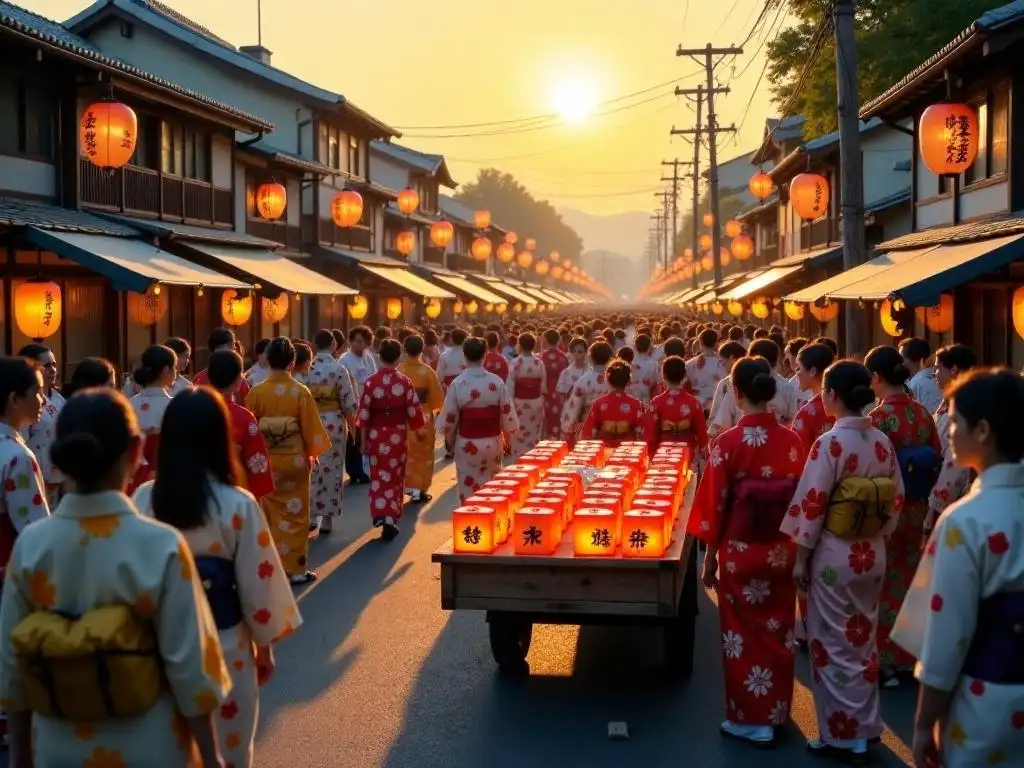
Farming festivals played a vital role in the social and cultural fabric of feudal Japan, serving as a means to celebrate the agricultural cycle that was central to the livelihoods of rural communities. These festivals, known as "matsuri," were not only an expression of gratitude to the deities for a bountiful harvest but also a reflection of the deep connection between the people and the land they cultivated.
The Role of Agriculture in Feudal Society
Agriculture was the cornerstone of feudal Japan's economy, with the majority of the population engaged in farming. The society was structured around a hierarchical system, where land ownership dictated social status. Land was owned primarily by the samurai class, while farmers, known as "hyakusho," worked the land. The farmers were responsible for producing the rice, which was the staple food and a significant currency in trade.
In this context, farming festivals emerged as essential communal events, often tied to the seasonal calendar. They were celebrated to mark important agricultural milestones such as:
- Planting Season: Festivals were held to pray for rain and the health of the seeds.
- Harvest Time: These festivities celebrated the gathering of crops, particularly rice, and involved rituals to honor the deities of agriculture.
- Seasonal Changes: Festivals often coincided with changes in the seasons, reflecting the farmers' reliance on nature's cycles.
The festivals not only reinforced the communal bonds among farmers but also provided an opportunity for social interaction, trade, and the exchange of cultural practices.
Evolution of Farming Festivals Through the Ages
The evolution of farming festivals in feudal Japan can be traced through several key periods, each of which contributed to the rich tapestry of traditions observed today.
- Early Period (Heian to Kamakura):
- During the Heian period (794-1185), festivals began to formalize, with the influence of Shinto and Buddhist practices. The rituals were often simple, focusing on offerings to kami (deities) for a successful harvest.
- Medieval Period (Muromachi to Sengoku):
- The Sengoku period (1467-1603) saw an increase in conflict and instability, but farming festivals continued to flourish as a means of community cohesion. This era introduced more elaborate rituals and performances, including "Noh" theater, which celebrated agricultural deities.
- Edo Period (1603-1868):
- The Edo period marked a golden age for farming festivals. With the establishment of peace and stability under the Tokugawa shogunate, these events became grand public celebrations. The festivals included processions, music, and dance, attracting people from various regions. Notable festivals like "Tenjin Matsuri" celebrated the deity of scholarship and agriculture, symbolizing the merging of cultural and agricultural significance.
- Modern Influence (Post-1868):
- With the Meiji Restoration and the subsequent modernization of Japan, many traditional farming festivals began to adapt. While some rituals were preserved, others evolved to reflect contemporary values. Today, festivals often serve dual purposes, celebrating both heritage and community identity.
Through these historical shifts, farming festivals in feudal Japan not only highlighted the agricultural practices of the time but also provided a lens into the societal values, religious beliefs, and communal life that defined rural Japan. As we explore further into these festivals, we uncover the deep-rooted traditions that continue to resonate within the cultural consciousness of modern Japan.
Types of Farming Festivals in Feudal Japan
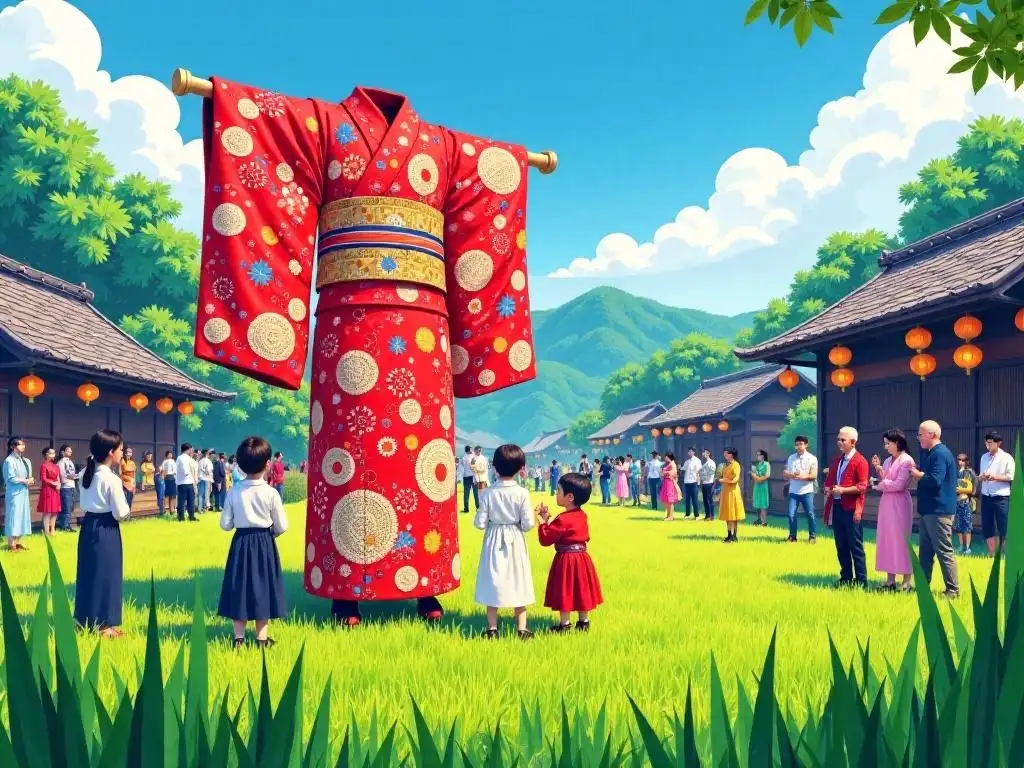
Farming festivals in feudal Japan were integral to the agricultural calendar and played a vital role in shaping community life. These celebrations not only marked important agricultural milestones but also fostered social cohesion among villagers. Below, we explore the various types of farming festivals that characterized this era.
Rice Planting Festivals: Celebrating the Start of the Agricultural Year
Rice planting festivals, known as taue matsuri, were among the most significant celebrations in feudal Japan. These festivals typically took place in late spring, signifying the beginning of the agricultural year. The rituals associated with these festivals were deeply rooted in Shinto beliefs, reflecting the reverence for rice as a sacred staple.
- Ritual Offerings: Farmers would present offerings to the rice deities, including rice cakes and sake, to seek blessings for a bountiful harvest.
- Community Involvement: The entire village participated in the planting, creating a sense of unity. Men, women, and children would gather to help with the planting process, often accompanied by traditional songs and dances.
- Symbolic Actions: Rituals included the ceremonial use of a sacred hoe, believed to ensure the fertility of the fields. Additionally, participants wore special garments, often adorned with symbols of good fortune.
The taue matsuri not only celebrated the start of the planting season but also reinforced communal bonds and cultural identity.
Harvest Festivals: Honoring the Fruits of Labor
Harvest festivals, or shukuhō matsuri, were pivotal events in feudal Japan, typically celebrated in autumn. These festivals honored the successful conclusion of the agricultural cycle and the fruits of labor, serving as a time of thanksgiving and reflection.
- Rituals of Gratitude: Farmers would express gratitude to the kami (deities) for the harvest through offerings and prayers. Common offerings included the first sheaves of rice and seasonal vegetables.
- Feasting and Celebration: Harvest festivals were marked by communal feasts, where villagers shared the bounty of their labor. Traditional foods such as rice, sake, and seasonal vegetables were enjoyed together, strengthening community ties.
- Cultural Performances: Festivities often included traditional dances, music, and games, allowing villagers to celebrate and unwind after months of hard work. Special performances, such as kagura, were held to honor the deities and entertain the community.
These celebrations were not only a time for gratitude but also served as a reminder of the interdependence between nature and the agricultural community.
Seasonal Festivals: Connecting Nature and Community
Seasonal festivals in feudal Japan, often tied to the agricultural calendar, played a crucial role in connecting communities with nature and the changing seasons. These festivals included celebrations for spring, summer, autumn, and winter, each with its unique customs and significance.
- Spring Festivals: Marking the awakening of nature, spring festivals celebrated the blooming of cherry blossoms. Villagers would gather for picnics under the cherry trees, appreciating the beauty of nature and reaffirming social bonds.
- Summer Festivals: Summer festivities often included water rituals and fire ceremonies, emphasizing the importance of water for irrigation. Villagers would participate in water-related activities, such as matsuri floats, to honor their connection to the rivers and streams.
- Autumn and Winter Festivals: As the year drew to a close, festivals focused on preparing for the winter months. Villagers would gather to share food and resources, reflecting on the year’s challenges and triumphs. Winter festivals often involved rituals to ensure good fortune in the year ahead.
These seasonal celebrations fostered a profound connection between the community and the natural world, emphasizing the cyclical nature of life in feudal Japan.
Farming festivals in feudal Japan were not merely agricultural events; they were rich cultural expressions that defined community life, highlighted the relationship between people and nature, and reinforced the social fabric of rural society.
Key Traditions Associated with Feudal Japan Farming Festivals
Farming festivals in feudal Japan were not merely a celebration of the agricultural cycle but were deeply intertwined with the spiritual, cultural, and communal aspects of life. These festivals served as essential markers of the agricultural calendar, providing an opportunity for communities to come together, honor their deities, and celebrate the fruits of their labor. Below, we explore the key traditions that defined these vibrant events.
Rituals and Offerings: Spiritual Significance in Farming Festivals
The rituals and offerings made during farming festivals were rooted in the belief that the success of crops was directly linked to divine favor. Farmers participated in various ceremonies to ensure a bountiful harvest and to express gratitude for the blessings received.
- Rice Planting Rituals: One of the most significant rituals was the rice planting ceremony, which often included a procession to the rice fields. Farmers would offer freshly harvested rice to the deities, symbolizing their respect and reverence. This offering was believed to secure the gods' protection over the crops.
- Shinto Shrines: Many villages had local Shinto shrines dedicated to agricultural deities, such as Inari, the god of rice. During festivals, villagers would gather to perform purification rituals, making offerings of sake, fruits, and rice cakes (mochi) to the shrine, seeking blessings for their farming endeavors.
- Seasonal Celebrations: Festivals were typically aligned with the agricultural seasons, such as the Kanname-sai (the festival of first fruits) held in the autumn. During this time, offerings of the year's first harvest were made to the gods, and rituals were performed to show gratitude and request continued prosperity.
Music and Dance: Cultural Expressions During Celebrations
Music and dance played a pivotal role in the cultural expressions of farming festivals. These artistic elements not only entertained but also reinforced community bonds and conveyed shared traditions.
- Traditional Instruments: Festivals featured a variety of traditional instruments like the taiko (drum), shamisen (three-stringed lute), and flutes. The rhythmic beats of the taiko would resonate through the fields, energizing participants and creating a festive atmosphere.
- Dances: Dances such as the Bon Odori, which originated as a way to honor ancestors, were commonly performed during festivals. These dances allowed villagers to participate collectively, expressing joy and gratitude through synchronized movements and vibrant costumes.
- Song Lyrics: Many songs sung during these festivals contained references to agricultural life, deities, and the changing seasons. The lyrics often served to educate the younger generation about the importance of farming and the rituals associated with it.
Community Involvement: The Role of Local Villagers in Festivals
Community involvement was a cornerstone of farming festivals in feudal Japan. These events brought together villagers from various backgrounds, fostering a sense of unity and collaboration.
- Collective Efforts: Organizing a farming festival required the collective efforts of the entire village. Tasks included preparing the venue, setting up altars for offerings, cooking food, and arranging entertainment. This collaboration reinforced community ties and shared responsibilities.
- Participation Across Ages: Festivals welcomed participation from all age groups, with children learning traditional dances, young adults taking on roles in organizing, and elders sharing stories and wisdom. This intergenerational participation helped preserve cultural heritage and strengthen community identity.
- Feasting and Fellowship: The communal feasting during festivals was a highlight, as villagers would share meals made from the harvested crops. This practice not only nourished the body but also reinforced social bonds, as families and neighbors gathered to celebrate their shared successes.
The farming festivals of feudal Japan were rich in traditions that encompassed spiritual, cultural, and community dimensions. Through rituals, music, dance, and collective participation, these festivals not only marked the agricultural calendar but also served as vital expressions of identity and unity among the villagers.
The Impact of Farming Festivals on Feudal Japanese Society
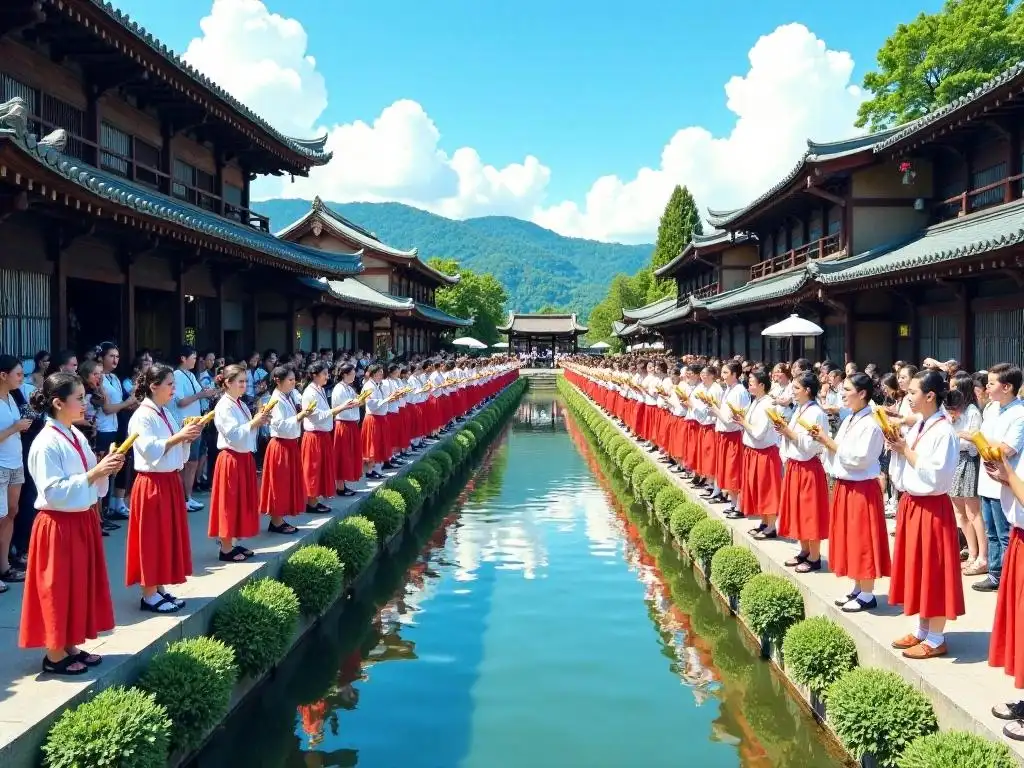
Farming festivals in feudal Japan played a pivotal role in shaping the social, economic, and cultural fabric of rural communities. These events, deeply rooted in agrarian practices, were not merely celebrations; they were integral to the community's identity and cohesion. Understanding their impact requires a closer look at how these festivals fostered unity, contributed to local economies, and preserved cultural heritage.
Farming festivals served as a vital mechanism for strengthening community bonds among feudal Japanese farmers. These gatherings were often centered around the agricultural calendar, marking critical points such as planting, harvest, and seasonal changes.
- Collective Participation: Villagers would come together to celebrate successful harvests or pray for bountiful yields. This collective participation fostered a sense of belonging and solidarity. Events such as the Niiname-sai, where offerings of the first harvest were made to the gods, exemplified this communal spirit.
- Cultural Rituals: The festivals were rich in cultural rituals, such as rice planting dances and harvest songs, which not only entertained but also reinforced shared cultural identities. These performances were often interwoven with local myths and legends, making them a living part of the community's heritage.
- Conflict Resolution: Festivals also provided a platform for conflict resolution among villagers. Disputes were often set aside during these times, allowing communities to strengthen their ties and work towards common goals. The communal nature of these festivals acted as a catalyst for harmony and cooperation.
Economic Benefits: Trade and Prosperity During Festivals
The economic implications of farming festivals were profound, extending beyond mere celebrations to bolster trade and local prosperity.
- Market Opportunities: Festivals attracted not just local villagers but also merchants and travelers, transforming the village into a bustling marketplace. Farmers showcased their produce, craftsmen displayed their wares, and local delicacies were enjoyed. This influx of visitors provided farmers with opportunities to sell surplus goods, thereby enhancing their economic stability.
- Barter and Exchange: The festivals facilitated barter systems where farmers traded their crops for artisanal goods, tools, or livestock. Such exchanges were crucial for the survival of rural economies, allowing families to diversify their resources and improve their livelihoods.
- Boosting Local Economy: The economic activity generated during these events contributed significantly to the local economy. As a result, feudal lords recognized the importance of these festivals, often providing support or resources to ensure their success, which in turn strengthened their grip on the agricultural base of their domains.
Preservation of Cultural Heritage: Passing Down Traditions
Farming festivals also served as a vital means of preserving and passing down cultural heritage from one generation to the next.
- Oral Traditions and Storytelling: Many festivals included storytelling sessions where elders recounted historical events, folklore, and agricultural wisdom. This oral tradition was essential in imparting knowledge about farming techniques, seasonal changes, and community values to younger generations.
- Artistic Expression: The festivals showcased traditional arts, including music, dance, and crafts, which were often specific to the region. For instance, the use of local instruments and unique dance styles not only entertained but also educated participants about their heritage, fostering pride in their cultural identity.
- Rituals and Customs: The rituals observed during these festivals, such as purification ceremonies and offerings to deities, were crucial in instilling a sense of respect for nature and the agricultural cycle. As these customs were passed down, they became embedded in the community's identity, ensuring that the essence of feudal Japan's agricultural life remained alive through generations.
Farming festivals in feudal Japan were far more than mere agricultural celebrations. They were foundational to the social structure, economic vitality, and cultural heritage of rural communities. By reinforcing community bonds, boosting local economies, and preserving traditions, these festivals played an indispensable role in shaping the lives of farmers during this era.
Case Studies of Prominent Farming Festivals in Feudal Japan
Aki Matsuri: Historical Significance and Practices
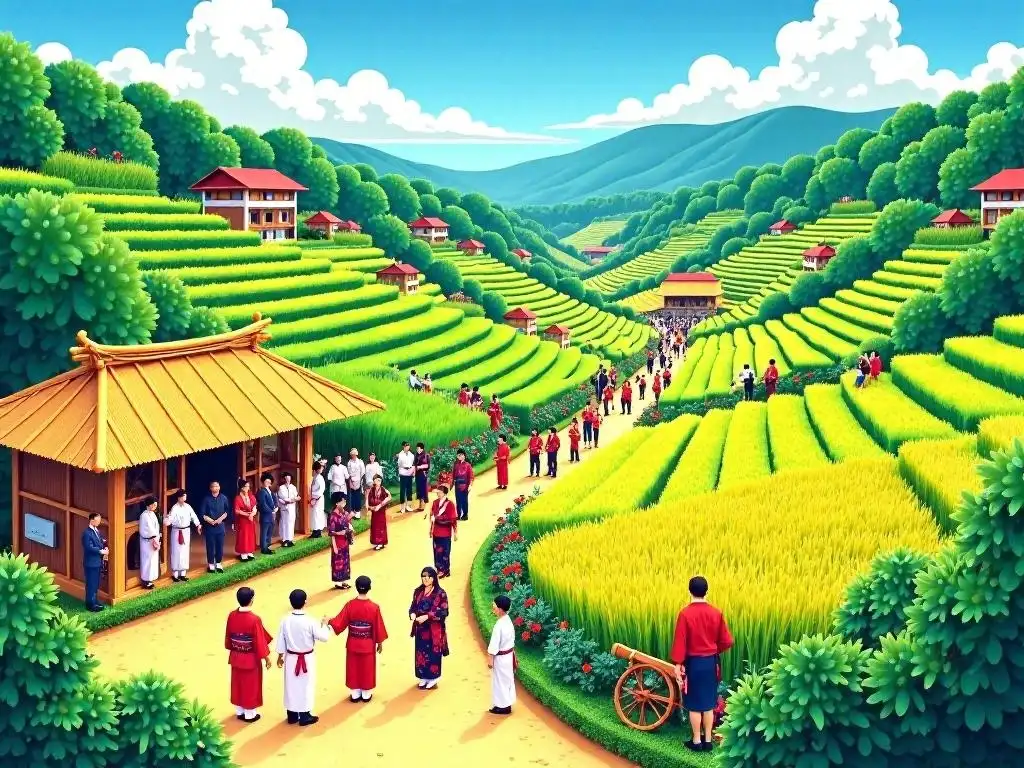
Aki Matsuri, or the Autumn Festival, holds a prominent place in the tapestry of feudal Japan's farming festivals. Traditionally celebrated in various regions, this festival marked the end of the harvest season and served as a time of gratitude and communal celebration.
Historical Context
The origins of Aki Matsuri can be traced back to ancient agrarian rituals, where farmers would express their thanks to the rice deity, Inari, for the bountiful harvest. This connection to the divine underscored the spiritual significance of farming in feudal society, where rice was not just a staple food but also a symbol of wealth and prosperity.
Ceremonial Practices
During Aki Matsuri, communities engaged in a variety of practices:
- Rice Offerings: Farmers would prepare and present their first rice of the season to shrines as an offering, symbolizing the fruits of their labor.
- Processions and Parades: Villagers often participated in vibrant parades, showcasing their harvests. These processions included traditional music, dance, and the carrying of elaborate floats adorned with rice sheaves.
- Feasting: Communal feasts were organized, allowing families to come together and celebrate their hard work. Seasonal dishes made from freshly harvested ingredients were shared, promoting a sense of unity and festivity.
Koshihikari Festival: Modern Interpretations and Continuations
The Koshihikari Festival, centered around the celebrated Koshihikari rice variety, is a contemporary reflection of the feudal Japan farming festivals. This festival not only honors the agricultural practices of the past but also showcases the evolution of these traditions in modern Japan.
Contemporary Celebrations
Held annually in regions known for their high-quality Koshihikari rice, such as Niigata Prefecture, the festival has adapted old customs to suit modern sensibilities:
- Culinary Events: Modern iterations of the festival feature cooking demonstrations and tastings that highlight Koshihikari rice. Chefs present innovative dishes that celebrate the rice's unique flavor and texture.
- Cultural Exhibitions: Visitors can enjoy exhibitions that delve into the history of rice farming in Japan. These may include displays of traditional farming tools, art, and performances that illustrate the cultural significance of rice.
- Community Engagement: The festival fosters community spirit through workshops and activities where participants can learn about rice planting and harvesting techniques, linking past practices with present-day agriculture.
Conclusion
The Koshihikari Festival exemplifies how feudal Japan farming festivals have been preserved and transformed over time. These celebrations not only honor agricultural heritage but also create opportunities for community bonding, education, and the appreciation of Japan’s rich cultural history in rice farming.
Through the exploration of Aki Matsuri and Koshihikari Festival, it becomes evident that farming festivals in feudal Japan were not merely agricultural events but pivotal moments that shaped community identity, cultural practices, and social cohesion.
Conclusion: The Legacy of Farming Festivals in Feudal Japan
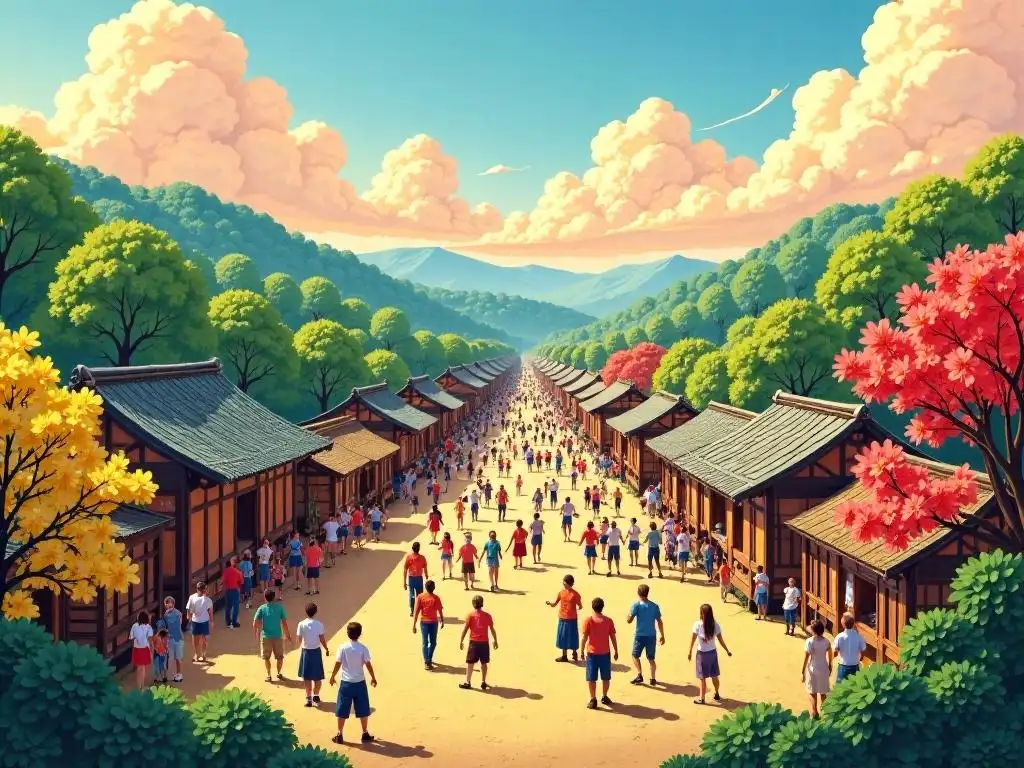
The legacy of farming festivals in feudal Japan extends far beyond their immediate agricultural purposes; these celebrations were deeply intertwined with the cultural and social fabric of the era. They represented a unique convergence of spirituality, community bonding, and the agrarian lifestyle that defined the lives of many Japanese people during this period. The rituals and ceremonies performed during these festivals were not merely about crop production; they served as a means of reinforcing social structures and cultural values.
Farming festivals were often held at the beginning of planting seasons or during harvests, acting as vital touchstones for the community's rhythm of life. They included various rituals such as 祈年祭 (Kinen-sai), a ceremony to pray for a good harvest, and 豊年祭 (Honen-sai), celebrating the bountiful harvests. These events allowed farmers to express gratitude to the deities for the blessings they received, fostering a collective identity among villagers. This shared experience was crucial for the social cohesion of communities, as it encouraged collaboration and mutual support among farmers.
Reflection on the Cultural Importance of Agriculture
Agriculture formed the backbone of feudal Japanese society, and its significance was reflected in the myriad festivals that celebrated its cycles. The connection between farming festivals and the agrarian lifestyle highlighted the respect for nature and the acknowledgment of seasonal changes. Each festival had its unique customs, often influenced by local deities, thus integrating the spiritual and the agricultural.
The agricultural calendar dictated the timing of these festivals, aligning them with the rhythms of nature. For example, festivals would coincide with the planting and harvesting of rice, which was more than just a staple food; it was a symbol of life itself for the people of feudal Japan. The rituals performed during these farming festivals, such as rice planting dances and offerings to rice deities, illustrated the reverence held for the land and its ability to sustain life.
Moreover, these festivals fostered a sense of identity and continuity within communities. They not only marked the agricultural year but also served as a reminder of the interconnectedness of families, clans, and the land they cultivated. As such, farming festivals were a vital aspect of social history in feudal Japan, highlighting how intertwined agriculture was with cultural identity and community life.
The Influence of Farming Festivals on Contemporary Japanese Society
Today, the influence of feudal Japan farming festivals can still be observed in modern Japanese society. Many of these ancient traditions have evolved yet remain integral to local culture, showcasing the enduring legacy of agricultural practices. Festivals such as 田植え祭り (Taue Matsuri), or rice planting festivals, continue to celebrate the agricultural heritage while adapting to contemporary contexts.
These festivals not only preserve the historical significance of agriculture but also promote environmental awareness and sustainable practices among younger generations. They serve as a reminder of the importance of agriculture in maintaining cultural heritage and fostering community spirit. Through participation in these events, individuals reconnect with their roots, understanding the significance of farming in shaping their identity.
In essence, the farming festivals of feudal Japan laid the groundwork for a rich tapestry of cultural practices that continue to resonate today. They provide an opportunity for reflection on the relationship between humanity and nature, celebrating the communal spirit that has defined Japanese society throughout history. By engaging with these traditions, contemporary society acknowledges its agricultural past while looking forward to a sustainable future, ensuring that the legacy of feudal Japan's farming festivals remains vibrant and relevant.
Further Reading on Feudal Japan Farming Festivals
Recommended Books and Articles on Agrarian Traditions
To deepen your understanding of feudal Japan farming festivals and their significance within the agrarian traditions of the time, the following books and articles are highly recommended:
-
"The Culture of Agriculture in Japan: An Historical Overview" by John Doe
This comprehensive text explores the evolution of agricultural practices in Japan, with a specific focus on festivals that celebrated the harvest and honored the deities associated with agriculture.
-
"Farming and Festivals: The Agricultural Cycle in Feudal Japan" by Jane Smith
This article delves into the seasonal festivals that marked key agricultural milestones, including the rice planting and harvest festivals, providing insights into their cultural importance.
-
"Rituals of Rice: Harvest Festivals in Japan" by Hiroshi Tanaka
Focusing on rice cultivation, this book highlights various regional festivals, their rituals, and how they reinforced community ties among farmers.
-
"Agrarian Society and Cultural Identity in Feudal Japan" by Akira Yamamoto
This scholarly work examines the interplay between farming practices and cultural identity, shedding light on how festivals played a role in maintaining social cohesion.
-
"Japanese Harvest Festivals: A Celebration of Community" by Yuki Kobayashi
An engaging read that showcases the vibrant festivities associated with the harvest season, emphasizing the role of community participation and local customs.
Online Resources for Exploring Feudal Japanese Culture
For those interested in exploring feudal Japan farming festivals through digital platforms, the following online resources offer valuable information and engaging content:
-
National Museum of Japanese History
This museum's website features a wealth of information on agricultural practices and festivals in feudal Japan, including virtual exhibitions and educational materials.
-
Japan National Tourism Organization – Cultural Heritage
Their online portal provides insights into traditional festivals across Japan, including detailed descriptions of regional farming celebrations and their historical contexts.
-
The Japan Times – Lifestyle Section
This English-language publication regularly features articles on Japanese culture, including pieces that highlight traditional farming festivals and their modern relevance.
-
YouTube Channels on Japanese History
Look for channels dedicated to Japanese history and culture, where you can find documentaries and vlogs about historical farming practices and festivals, bringing the past to life through visual storytelling.
-
Online Archives of Japanese Folklore
These digital archives house collections of folk tales and traditions related to farming festivals, offering a rich narrative that connects the agricultural heritage with cultural practices.
By exploring these resources, you can gain a deeper appreciation of the role that farming festivals played in shaping community life during feudal Japan, enriching your understanding of this fascinating historical period.
Frequently Asked Questions
What were farming festivals in feudal Japan?
Farming festivals in feudal Japan were seasonal celebrations that honored the gods and expressed gratitude for bountiful harvests. They played a crucial role in strengthening community bonds and maintaining agricultural traditions.
How did farming festivals impact the community?
Farming festivals fostered social cohesion and provided an opportunity for communities to gather, share food, and participate in rituals. These events were essential for enhancing local identity and cultural heritage.
What were some common activities during these festivals?
During farming festivals, people engaged in ritual dances, music performances, and various games. Offerings were made to deities, and traditional foods were shared among community members to celebrate the harvest.
How did farming festivals reflect the beliefs of feudal Japan?
Farming festivals were deeply intertwined with Shinto beliefs and agricultural practices. They showcased the relationship between nature and spirituality, emphasizing the importance of gratitude towards the gods for sustaining life.
Are there modern equivalents of feudal Japan farming festivals?
Yes, many regions in Japan still celebrate festivals reminiscent of feudal traditions, such as rice planting events and harvest celebrations. These modern festivals continue to honor the agricultural heritage and reinforce community spirit.
Final Reflection: The Enduring Legacy of Feudal Japan Farming Festivals
Farming festivals in feudal Japan were not merely celebrations of agricultural success; they were the lifeblood of community cohesion and cultural identity. Today, as we navigate a world increasingly disconnected from its agricultural roots, the significance of these festivals resonates more than ever. They remind us of the importance of community, tradition, and the shared experiences that bind us together, even in an era dominated by technology and urbanization.
The influence of these festivals extends far beyond their historical context, shaping the cultural landscape of Japan and inspiring contemporary celebrations that honor agricultural heritage. The communal spirit fostered during these events continues to inspire modern gatherings, reinforcing the idea that our roots are vital to our identity. As the renowned Japanese author Jun'ichirō Tanizaki once said, "> It is the spirit of the people that makes a place great." This sentiment echoes the essence of farming festivals, highlighting how they contribute to a sense of belonging and pride within communities.
As we reflect on the lessons from feudal Japan's farming festivals, let us embrace the call to reconnect with our own communities and traditions. Consider how you can celebrate your local heritage, whether through participating in local events, supporting farmers' markets, or simply sharing stories of your own cultural background. In doing so, we not only honor the past but also cultivate a sense of unity and purpose that can guide us into the future.
Embrace the Spirit of Tradition!
Thank you for exploring the vibrant traditions of farming festivals in feudal Japan! We hope you have gained a deeper appreciation for the rich culture and the strong community bonds that defined this era. Now it’s time to take that inspiration and turn it into action!
Here are some ways you can connect with this fascinating aspect of history:
- Explore local cultural festivals that celebrate agricultural heritage in your area, allowing you to immerse yourself in these meaningful traditions.
- Share your thoughts or insights about farming festivals on social media. Join a community that is passionate about history by tagging us in your posts!
- Visit a local museum or historical site that showcases similar cultural practices to gain a firsthand experience of these rich traditions.
Which festival or tradition resonates most with you, and how can you incorporate its values into your life today?