
Women in Agriculture: The Unsung Heroes of Feudal Japanese Farming

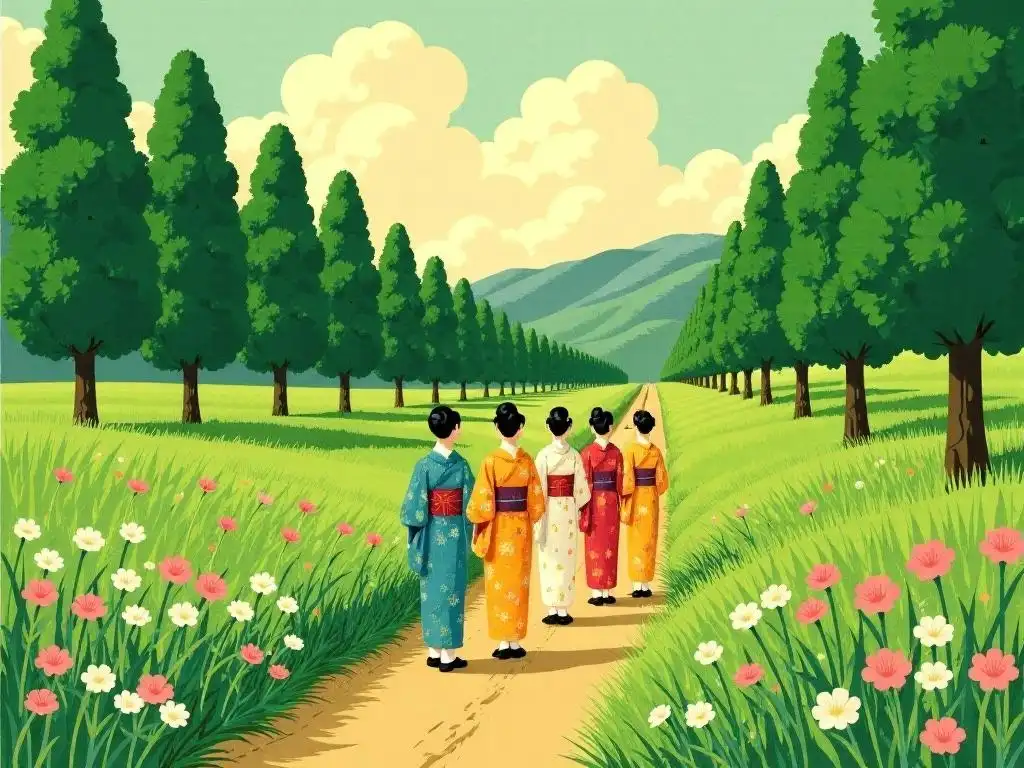
Welcome to Feudal Japan History, where we delve deep into the intriguing tapestry of Japan's feudal era. In our exploration today, we shine a light on the often-overlooked contributions of women in agriculture, revealing how these unsung heroes played a pivotal role in shaping the landscape of feudal Japanese farming. As we uncover the rich narratives of their lives, you'll discover the complexities of their societal roles and the profound impact they had on their communities.
Are you ready to embark on a journey that challenges conventional perceptions and celebrates the strength and resilience of these remarkable women? Dive in to learn more about their stories and contributions!
Introduction to Women in Feudal Japanese Farming
The role of women in feudal Japan has often been overshadowed by the dominant narratives that highlight the exploits of samurai and the political machinations of the ruling class. However, a closer examination reveals that women were pivotal to the agricultural backbone of society during this period. Women in feudal Japanese farming played crucial roles in not only sustaining their families but also shaping the rural economy through their labor, knowledge, and resilience. This article delves into the often-overlooked contributions of women to agriculture, exploring their roles, societal status, and the historical context that defined their experiences.
Overview of Women's Roles in Feudal Japan
In feudal Japan, women's roles were multifaceted, extending beyond mere domestic responsibilities. They were integral to agricultural practices, participating in planting, harvesting, and managing farms alongside their male counterparts. Women were responsible for:
- Seed sowing and harvesting: Women often engaged in the labor-intensive tasks of planting and collecting crops, ensuring food security for their families and villages.
- Maintenance of household gardens: Many women cultivated vegetables and herbs, which supplemented the family's diet and provided medicinal resources.
- Knowledge transmission: Women served as custodians of traditional farming techniques and local agricultural knowledge, passing these skills down through generations.
Despite their significant contributions, women's labor was frequently undervalued, reflecting broader societal attitudes towards gender roles.
Importance of Agriculture in Feudal Society
Agriculture was the cornerstone of feudal Japanese society, underpinning the economy and sustaining the population. The agrarian lifestyle was not only about sustenance but also played a critical role in social organization and class structure. Key aspects include:
- Economic stability: The agricultural output of rice and other crops provided the foundation for trade and wealth accumulation, influencing the power dynamics among landowners and samurai.
- Social hierarchy: Farmers held a unique status in the social hierarchy. While they were often at the bottom of the class system, their ability to produce food made them essential to the survival of higher classes.
- Cultural significance: Agricultural festivals and practices were deeply embedded in Japanese culture, reflecting the spiritual connection between the land, the people, and their ancestors.
Historical Context of Women in Agriculture
Understanding the historical context of women in agriculture during feudal Japan requires examining the societal structures that influenced their lives and labor.
The Societal Structure of Feudal Japan
Feudal Japan was characterized by a rigid social hierarchy that defined individuals' roles and responsibilities. This structure included:
- Emperors and nobility: At the top of the hierarchy, they owned vast tracts of land and wielded significant political power.
- Samurai: The warrior class that served the nobility, focusing on military and administrative duties.
- Peasants: Comprising the majority of the population, they were responsible for farming and sustaining the economy.
Within this hierarchy, women often found themselves navigating complex social norms that dictated their roles, leading to a blend of opportunities and restrictions in agricultural work.
Women's Legal Status and Rights in Agriculture
The legal status of women in feudal Japan significantly influenced their agricultural roles. Key points include:
- Property rights: Women could own and inherit land, particularly in certain regions, allowing them to contribute to agricultural production.
- Marriage and family dynamics: Women's legal rights often depended on their marital status, with married women typically working alongside their husbands on family farms.
- Labor contributions: Despite their legal rights, women's labor was often perceived as secondary to that of men, highlighting the gendered dynamics of agricultural work.
Historical Records and Accounts of Women Farmers
The contributions of women in agriculture are documented in various historical records, including:
- Diaries and letters: Personal accounts from women provide insight into their daily lives and agricultural practices.
- Tax records and land ownership documents: These records reveal instances of women's land ownership and their roles in managing agricultural production.
- Folklore and oral traditions: Stories passed down through generations highlight the significant yet often unrecognized contributions of women to farming and community resilience.
While women in feudal Japanese farming may not have received the recognition they deserved, their contributions were essential to the agricultural landscape of the era. As we explore this topic further, we aim to illuminate the stories and experiences of these unsung heroes who played a vital role in the sustenance of feudal society.
Daily Life of Women in Feudal Japanese Farming
The daily life of women in feudal Japanese farming communities was characterized by a blend of hard work, dedication, and familial responsibilities. These women played a crucial role in sustaining agricultural productivity, often rising before dawn to begin their tasks. Their days were filled with various activities that not only supported their families but also contributed significantly to the broader agricultural economy.
Women were primarily responsible for managing household duties while simultaneously engaging in farming activities. This dual role necessitated a high level of efficiency and resilience. For instance, after tending to morning chores such as cooking and cleaning, women would head to the fields to assist in planting, weeding, and harvesting crops. The rhythm of their day was dictated by both the needs of the household and the demands of the agricultural calendar.
Moreover, social interactions among women were an integral part of their daily lives. They often worked alongside family members and neighbors, creating a strong sense of community. This collaboration not only made the labor more manageable but also fostered the sharing of knowledge and techniques that benefited agricultural practices across generations.
Responsibilities and Tasks of Women in Agriculture
Women in feudal Japan undertook a variety of responsibilities that were essential to the success of agricultural operations. Their primary tasks included:
- Planting and Harvesting: Women were actively involved in the sowing of seeds and the collection of crops at harvest time. This often required physical strength and endurance, as they worked long hours in challenging conditions.
- Weeding and Maintenance: Regular upkeep of fields was vital for crop health. Women would spend significant time weeding, ensuring that the crops received proper sunlight and nutrients.
- Livestock Care: In addition to crop farming, many women were responsible for caring for livestock. This included feeding, milking, and cleaning animal enclosures, which were crucial for producing dairy and meat products.
- Food Preservation: Women also played a key role in preserving food through techniques such as pickling and fermenting, ensuring that their families had enough sustenance throughout the year.
These tasks highlighted the significant contribution of women to the agricultural framework of feudal Japan, as their labor ensured the household's food security.
Seasonal Cycles and Farming Duties
The agricultural calendar dictated the responsibilities of women in feudal Japanese farming. Each season brought distinct duties and challenges:
- Spring: This was the time for planting rice and other crops. Women prepared the fields, sowed seeds, and tended to seedlings. The arrival of spring also marked the beginning of new life, with many livestock giving birth, requiring extra attention from women.
- Summer: As crops grew, women focused on maintaining the fields through weeding and pest control. This season also involved harvesting early crops, which required quick and efficient teamwork.
- Autumn: Harvest season was the most labor-intensive period. Women participated fully in gathering rice and other crops, often working alongside men to complete the harvest before winter.
- Winter: With farming activities slowing down, women turned their focus to household tasks, crafting, and preparing for the next planting season. This time was also crucial for repairing tools and maintaining equipment.
These seasonal duties reflected the adaptability and resilience of women, who seamlessly transitioned between various roles throughout the year.
Contributions of Women to Agricultural Practices
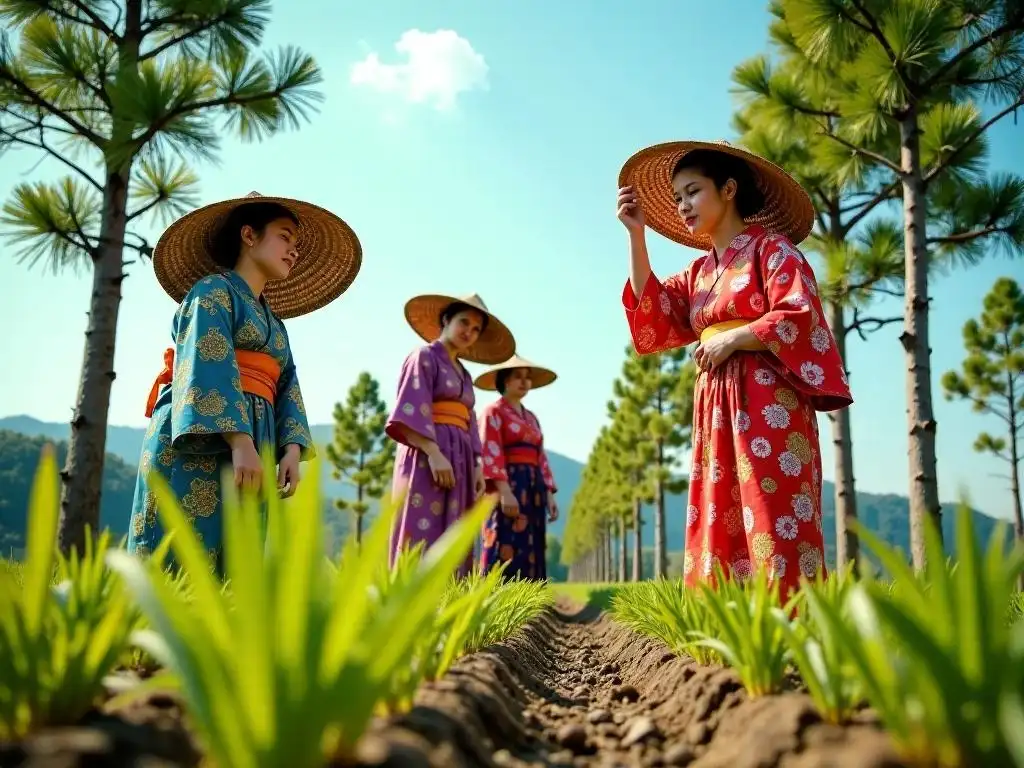
Women made significant contributions to agricultural practices in feudal Japan, both through traditional methods and innovative approaches. Their knowledge and experience were essential in shaping effective farming techniques that sustained their communities.
Traditional Farming Techniques Utilized by Women
Women were often the keepers of traditional knowledge passed down through generations. This included various techniques that enhanced crop yield and soil health, such as:
- Crop Rotation: Women understood the importance of rotating crops to maintain soil fertility. This practice prevented nutrient depletion and promoted biodiversity.
- Intercropping: Many women practiced intercropping, planting different crops in proximity to optimize space and reduce pest issues. This method increased overall productivity and improved the resilience of their farming systems.
- Organic Fertilization: The use of natural fertilizers, like compost and animal manure, was a common practice among women. This not only enhanced soil quality but also aligned with sustainable farming principles.
The wisdom embedded in these traditional techniques highlights the critical role women played in ensuring agricultural sustainability.
Innovations Introduced by Women in Farming
Throughout history, women have been at the forefront of agricultural innovation. Their intimate knowledge of the land and crops allowed them to develop new methods and tools, including:
- Tools and Implements: Women often designed and crafted agricultural tools suited to their specific needs, improving efficiency in planting and harvesting.
- Pest Management: They developed natural pest control methods using local plants and herbs, reducing the reliance on chemical interventions and fostering a more sustainable approach to farming.
- Seed Selection: Women were instrumental in the selection and preservation of seeds, ensuring the continuation of resilient crop varieties that were well-suited to local conditions.
These innovations not only enhanced agricultural practices but also empowered women within their communities, allowing them to influence agricultural outcomes significantly.
Case Studies of Notable Women in Agriculture
Several remarkable women in feudal Japan exemplify the vital role women played in agriculture. Their stories reflect the diverse contributions women made to farming practices:
- Hana: A farmer from the Edo period, Hana was known for her exceptional skill in rice cultivation. She implemented innovative irrigation techniques that increased her yields substantially, setting an example for other farmers in her village.
- Yuki: A pioneering figure in organic farming, Yuki introduced natural pest management practices that transformed her community's approach to agriculture. Her methods not only improved crop health but also inspired a movement towards sustainable farming.
- Sakura: A legendary figure in her region, Sakura was celebrated for her expertise in herbal medicine. She utilized her knowledge to create natural fertilizers and pest deterrents, significantly impacting the agricultural practices of her contemporaries.
These case studies highlight the resilience, creativity, and influence of women in feudal Japanese farming, showcasing their indispensable role in the agricultural landscape.
Challenges Faced by Women Farmers
Women farmers in feudal Japan played a crucial but often overlooked role in the agricultural landscape. Despite their significant contributions, they faced numerous challenges that limited their opportunities and recognition. These challenges were multifaceted, stemming from societal expectations, economic barriers, and the unpredictable nature of farming itself.
Societal Expectations and Gender Roles
In feudal Japan, societal norms dictated strict gender roles that often relegated women to domestic duties and caregiving. Women were typically viewed as subservient to men, which influenced their access to resources and autonomy in agricultural practices. The prevailing belief was that men were the primary breadwinners, while women's roles were confined to the household. This perception not only marginalized women's contributions to farming but also hindered their ability to participate in decision-making processes related to agricultural practices.
Moreover, women were expected to manage household responsibilities, which included caring for children and maintaining the home, leaving them with limited time and energy to engage fully in agricultural work. This dual burden often meant that women worked in the fields alongside their male counterparts but received little recognition for their labor. The societal expectation of women to prioritize family over personal ambitions further perpetuated their struggles for acknowledgment and equality in agricultural endeavors.
Economic Barriers and Land Ownership Issues
Economic constraints significantly impacted women farmers in feudal Japan. Land ownership was predominantly male-dominated, with inheritance laws favoring sons over daughters. As a result, women often lacked access to land, which was the primary means of sustaining agricultural livelihoods. Without ownership, women were reliant on male relatives for access to land and resources, which further perpetuated their economic vulnerability.
Even when women did have access to land, they faced challenges in managing it effectively due to restrictions on their autonomy. Women were often excluded from formal agricultural training and were not seen as viable candidates for leadership roles within farming communities. This systemic disadvantage limited their ability to innovate or improve farming practices, keeping them in a cycle of dependency and underrepresentation.
Natural Disasters and Their Impact on Women Farmers
Natural disasters such as floods, droughts, and typhoons had a profound impact on feudal Japanese agriculture, disproportionately affecting women farmers. In times of crisis, women often bore the brunt of the consequences, as they were responsible for both the agricultural output and the well-being of their families. When crops failed due to adverse weather conditions, women faced the dual challenge of managing the household's nutrition while also seeking alternative means of income.
Moreover, during recovery periods after natural disasters, women had to navigate the added burden of rebuilding their farms and homes. The societal expectation that women maintain family stability often left them with little support during these tumultuous times. As a result, natural disasters not only affected the physical landscape of farming but also exacerbated the existing inequalities faced by women in agriculture.
Cultural Significance of Women in Agriculture
Despite the challenges they faced, women in feudal Japan held a unique cultural significance within the agricultural framework. Their contributions were woven into the fabric of community life and reflected in various cultural practices, art forms, and societal celebrations.
Representation of Women in Art and Literature
Women farmers have been depicted in various forms of art and literature throughout Japan's history, highlighting their integral role in agricultural society. Traditional paintings and woodblock prints often illustrated women engaged in farming activities, showcasing their strength and resilience. Furthermore, literature from the era sometimes featured female protagonists involved in agricultural practices, reinforcing the notion that women were vital to both the economy and the sustenance of families.
These representations not only acknowledged women's labor but also served to elevate their status within the cultural narrative, although often still within the confines of traditional roles. The artistic portrayal of women in agriculture can be seen as both a reflection of their importance and a subtle challenge to the prevailing gender norms of the time.
Festivals and Celebrations Highlighting Women's Contributions
Throughout feudal Japan, various festivals celebrated the agricultural calendar, many of which acknowledged the contributions of women. Events such as the rice planting and harvest festivals often included rituals and activities that honored female farmers. These celebrations served as an opportunity to recognize women's labor, promote community solidarity, and express gratitude for the harvest.
During these festivals, women participated in traditional dances, songs, and prayers, highlighting their role as caretakers of the land. Such events not only reinforced the cultural significance of women in agriculture but also provided a space for community recognition and bonding, emphasizing their vital contributions to the agricultural cycle.
Rituals and Beliefs Surrounding Women in Farming
In feudal Japan, various rituals and beliefs surrounded women’s roles in farming, often rooted in Shinto and Buddhist traditions. Many communities held specific rituals to honor the agricultural deities, with women frequently taking the lead in these ceremonies. This involvement underscored women's connection to the land and their perceived role as nurturers, both in terms of crops and family.
Additionally, certain beliefs existed regarding fertility and the cyclical nature of agriculture, paralleling women's biological roles. The reverence for women as symbols of fertility and growth further highlighted their importance in sustaining agricultural practices. These rituals not only elevated women's status within the community but also reinforced the cultural narrative that women were essential to the health and prosperity of both the land and the family.
Modern Perspectives on Women in Feudal Japanese Farming
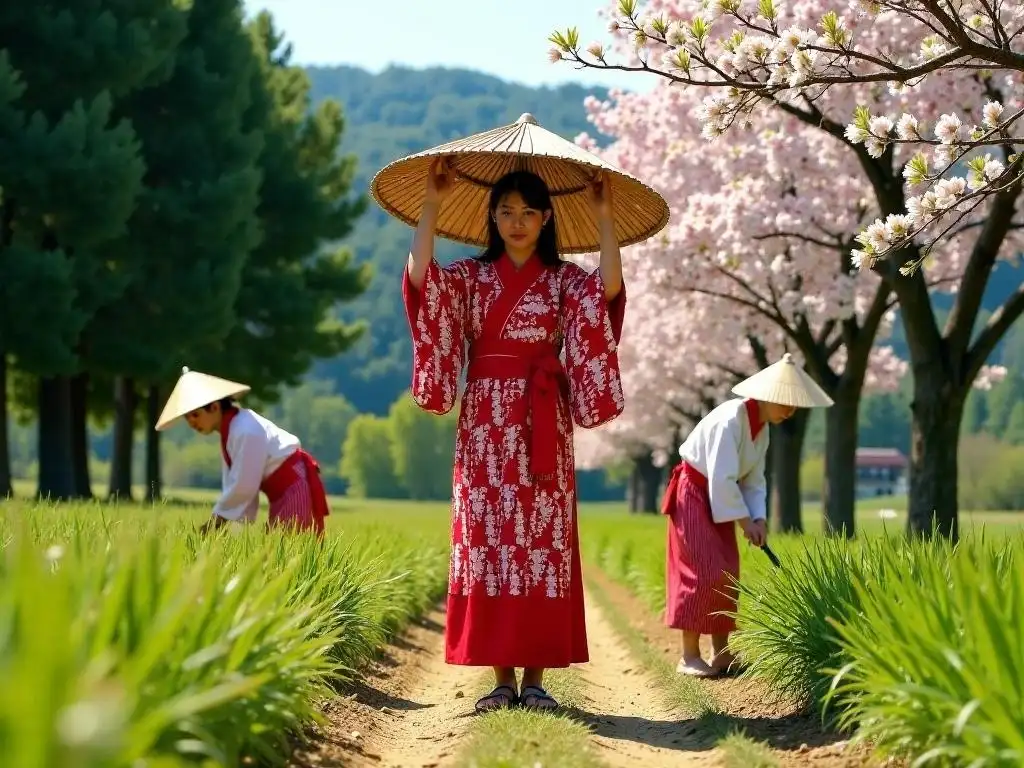
In recent years, there has been a growing interest in reevaluating the contributions of women in various historical contexts, including feudal Japan. The narrative surrounding women in feudal Japanese farming often highlights their significant yet overlooked roles. Modern scholars and cultural historians are increasingly recognizing that women were not merely passive participants but active contributors to agricultural productivity and family economies. This shift in perspective emphasizes the need to reassess historical documentation and oral traditions that have long marginalized women's contributions.
Research has begun to reveal a more nuanced understanding of women's roles in feudal agriculture. Women were responsible for a variety of tasks, including planting, weeding, harvesting, and managing household food supplies. Their knowledge of sustainable practices and local biodiversity played a crucial role in the resilience of farming communities during a time when agriculture was the backbone of society. By examining historical texts, archaeological findings, and folklore, contemporary scholars are piecing together the significant impact women had on agricultural practices and food security during the feudal era.
The Legacy of Women Farmers in Contemporary Japan
The legacy of women farmers from the feudal era can still be felt in contemporary Japan. Today, women in agriculture are increasingly recognized for their vital roles in food production and rural community development. As Japan faces challenges such as an aging farmer population and declining rural areas, the skills and knowledge passed down through generations of women farmers are more important than ever.
Modern initiatives are promoting the involvement of women in agriculture, reflecting a growing recognition of their historical contributions. Agricultural organizations and local governments are implementing programs aimed at empowering women in farming through education, access to resources, and networking opportunities. This revival not only honors the legacy of feudal women farmers but also ensures the sustainability of agricultural practices in the present day.
Lessons Learned from Historical Practices
The historical practices of women in feudal Japanese farming offer valuable lessons that can be applied to contemporary agricultural practices. Women were often the custodians of traditional knowledge related to crop cultivation, pest control, and soil management. Their experiences highlight the importance of biodiversity and sustainable farming techniques, which are increasingly relevant in today's context of climate change and environmental degradation.
Moreover, the communal aspects of farming that women engaged in—such as cooperative planting and collective harvests—serve as a model for modern cooperative farming initiatives. By fostering collaboration and sharing knowledge, women farmers can enhance productivity and resilience in their communities. Recognizing and integrating these historical practices into modern agriculture can lead to more sustainable and equitable farming systems.
Conclusion: Recognizing the Unsung Heroes
The contributions of women in feudal Japanese farming are often overlooked, yet they form an essential part of Japan's agricultural history. As we delve deeper into historical accounts, it becomes clear that women played a pivotal role in ensuring the survival and prosperity of their families and communities through their agricultural work.
Summary of Women's Contributions to Feudal Japanese Farming
Women were integral to the agricultural systems of feudal Japan, engaging in a myriad of tasks that ensured food security and economic stability. They were responsible for planting, harvesting, and managing crops, often using indigenous knowledge to sustain and enhance agricultural productivity. Furthermore, women maintained the household economy, which was closely tied to agricultural output. Their efforts contributed significantly to the overall functioning of rural society during the feudal era.
The Importance of Acknowledging Women's Roles in History
Acknowledging the roles of women in history is crucial for creating a comprehensive understanding of societal development. In the context of feudal Japan, recognizing women's contributions to agriculture not only honors their legacy but also enriches our appreciation of historical narratives. As we continue to explore the life of farmers in feudal Japan, it is essential to elevate women's voices and experiences, ensuring that their stories are included in the broader tapestry of history. This acknowledgment fosters a more inclusive historical discourse and inspires future generations to value the contributions of all individuals, regardless of gender, in shaping societies.
References and Further Reading on Women in Feudal Japanese Farming
Exploring the role of women in feudal Japanese farming unveils a rich tapestry of cultural and social dynamics that are often overlooked. For those interested in delving deeper into this subject, several resources provide valuable insights and comprehensive analyses.
Suggested Books and Articles
- "Women and Farming in Japan: A Historical Perspective" by Jane E. McGarry
- This book offers a detailed examination of women's roles in agriculture throughout various periods of Japanese history, with a focus on the feudal era. It discusses the socio-economic contributions of women and their impact on agricultural practices.
- "The Role of Women in the Japanese Agricultural Sector" by Hiroshi Takeda
- Takeda's article provides an analytical overview of women's involvement in agriculture, emphasizing their labor contributions and the societal structures that supported their roles during the feudal period.
- "Farmers' Wives: The Hidden Workforce of Japan" by Yuki Tanaka
- This publication highlights the daily lives of women in farming households, exploring their responsibilities and the cultural significance of their work in supporting family and community agriculture.
- "Gender and Agricultural Work in Japan: A Study of Rural Households" by Rina Matsushima
- Matsushima investigates the gender dynamics within agricultural families, addressing how women's labor was integral to the success of farming operations in feudal Japan.
- "Women in Feudal Japan: A Social History" by Kiyoko Matsumoto
- This book places women in the broader context of feudal Japanese society, discussing their roles not only in agriculture but also in family, religion, and community life.
Notable Historical Sites Related to Women in Agriculture
- The Rural Life Museum in Kanagawa
- This museum showcases the agricultural practices of feudal Japan, including exhibits on women's contributions to farming. Visitors can explore traditional farming tools and learn about the social roles women played in rural communities.
- The Mizuho Farm in Nagano
- Known for its preservation of traditional agricultural methods, Mizuho Farm offers educational tours that highlight the contributions of women in farming. The site features historical reenactments and workshops that focus on women's roles in agriculture.
- Shimabara Castle and Surrounding Farmlands
- Located in Nagasaki Prefecture, this historical site provides insights into the agricultural practices of the Edo period. Guided tours often discuss the involvement of women in farming and household management.
- Kawagoe's Edo Period Townscape
- The preserved town of Kawagoe serves as a living museum, illustrating life during the Edo period. Many buildings and sites reflect the agricultural heritage of the region and the essential roles women played in farming activities.
- The Women's History Museum in Kyoto
- This museum features exhibits on women's contributions throughout Japanese history, including a section dedicated to the agricultural sector during the feudal era. It provides a comprehensive view of women's labor and social status in rural Japan.
These resources and sites offer an invaluable foundation for understanding the significant yet often unrecognized roles that women played in feudal Japanese farming, enriching the narrative of agricultural history in Japan.
- Introduction to Women in Feudal Japanese Farming
- Historical Context of Women in Agriculture
- Daily Life of Women in Feudal Japanese Farming
- Contributions of Women to Agricultural Practices
- Challenges Faced by Women Farmers
- Cultural Significance of Women in Agriculture
- Modern Perspectives on Women in Feudal Japanese Farming
- Conclusion: Recognizing the Unsung Heroes
- References and Further Reading on Women in Feudal Japanese Farming
- What role did women play in feudal Japanese farming?
- How did societal norms affect women's work in agriculture during this period?
- Were there any notable challenges faced by women in this field?
- How did women's roles in farming influence their status in feudal society?
- Are there historical records that highlight women's contributions to farming in feudal Japan?
Frequently Asked Questions
What role did women play in feudal Japanese farming?
Women were essential to agricultural production, managing daily operations, and contributing to crop cultivation and livestock care. Their efforts were crucial for sustaining household economies.
How did societal norms affect women's work in agriculture during this period?
Despite their significant contributions, women faced patriarchal constraints that limited their roles. They often worked alongside men but were frequently overlooked in terms of recognition and rights.
Were there any notable challenges faced by women in this field?
Women encountered various challenges, including harsh labor conditions, limited access to resources, and societal expectations that often prioritized male contributions over theirs.
How did women's roles in farming influence their status in feudal society?
The economic contributions of women in farming helped to slightly elevate their status within the household, but their overall societal standing remained largely subordinate to men.
Are there historical records that highlight women's contributions to farming in feudal Japan?
Yes, numerous historical texts and records document the vital roles women played in agriculture, showcasing their skills and knowledge in farming practices across various regions of Japan.
Final Reflection: Honoring the Unsung Heroes of Feudal Japanese Farming
The exploration of Women in Feudal Japanese Farming reveals a profound connection between historical narratives and contemporary discussions about gender roles in agriculture. Today, as we recognize the contributions of women in various sectors, it is crucial to acknowledge the pivotal role that these women played in shaping agricultural practices during the feudal era. Their resilience and ingenuity not only sustained their families but also laid the groundwork for the agricultural advancements we benefit from today. The legacy of these unsung heroes is a testament to the strength and determination of women throughout history.
The influence of women in feudal Japanese farming extends beyond mere historical acknowledgment; it resonates deeply within our cultural and social landscapes. Their stories remind us of the often-overlooked contributions that women have made to society, especially in fields traditionally dominated by men. As we reflect on their sacrifices and achievements, we can draw inspiration from their tenacity. Behind every successful farm, there are women whose stories remain untold.
This quote encapsulates the essence of their struggles and triumphs, urging us to recognize and celebrate their vital roles in agriculture.
As we move forward, let us take a moment to reflect on the lessons learned from these remarkable women. I invite you to consider how you can honor their legacy in your own life—whether by advocating for gender equality in agriculture, supporting women-led initiatives, or simply sharing their stories. Together, we can ensure that the contributions of women in feudal Japanese farming are not forgotten but celebrated, inspiring future generations to recognize and uplift the voices of women in all fields.
Celebrate the Unsung Heroes: Take Action Today!
Thank you for diving into the remarkable stories of women in feudal Japanese agriculture. You've uncovered the incredible resilience and contributions of these unsung heroes. Now, let’s transform that knowledge into action!
Here are a few impactful steps you can take to honor their legacy:
- Explore and Share: Dive deeper into related topics by visiting our suggested articles on feudal Japan. Share what you learn with friends and family to spark conversations about women’s vital roles in history.
- Get Involved: Support local agricultural initiatives or community gardens to promote sustainable practices and empower women in your community.
- Join the Discussion: Connect with like-minded individuals by participating in online forums or social media groups focused on history and agriculture.
How do you see the legacy of women in agriculture influencing today's farmers and food producers? **We invite you to share your thoughts below! **